Indoor Gardening Mistakes
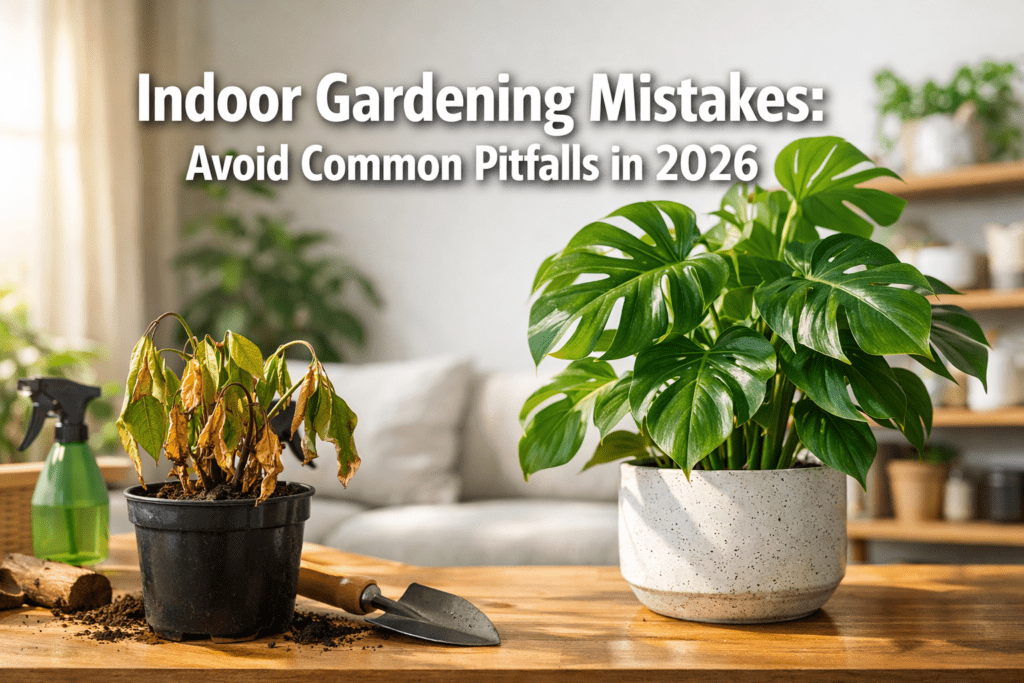
Embarking on the journey of indoor gardening can be immensely rewarding, transforming your living space into a lush, green sanctuary. However, it’s easy to encounter challenges that can leave your plants looking less than vibrant. Understanding common indoor gardening mistakes is the first step to cultivating a thriving indoor jungle in 2026. This comprehensive guide will equip you with the knowledge to identify and rectify frequent errors, ensuring your plants flourish.
Key Takeaways
- Overwatering is the leading cause of indoor plant death: Always check soil moisture before watering.
- Insufficient or excessive light harms plants: Match plant species to appropriate light conditions.
- Poor soil and improper potting stunt growth: Use well-draining potting mix and correctly sized pots.
- Neglecting humidity and pest control leads to stress: Monitor environmental conditions and inspect for pests regularly.
- Fertilize cautiously: More isn’t always better; follow product instructions and fertilize during growing seasons.
- Understand your specific plant’s needs: Research individual species requirements for best results.
- Air circulation is vital: Stagnant air can encourage fungal diseases and pests.
- Learn from plant signals: Yellowing leaves, wilting, or stunted growth are clues to underlying issues.
Quick Answer
The most common indoor gardening mistakes stem from misjudging fundamental care requirements like watering, lighting, and proper soil, often leading to nutrient deficiencies, pest infestations, or root rot. Avoiding these pitfalls involves understanding each plant’s specific needs, consistent monitoring, and prompt corrective action, ensuring a healthier and more resilient indoor garden.
What Are the Most Common Watering Mistakes in Indoor Gardening?
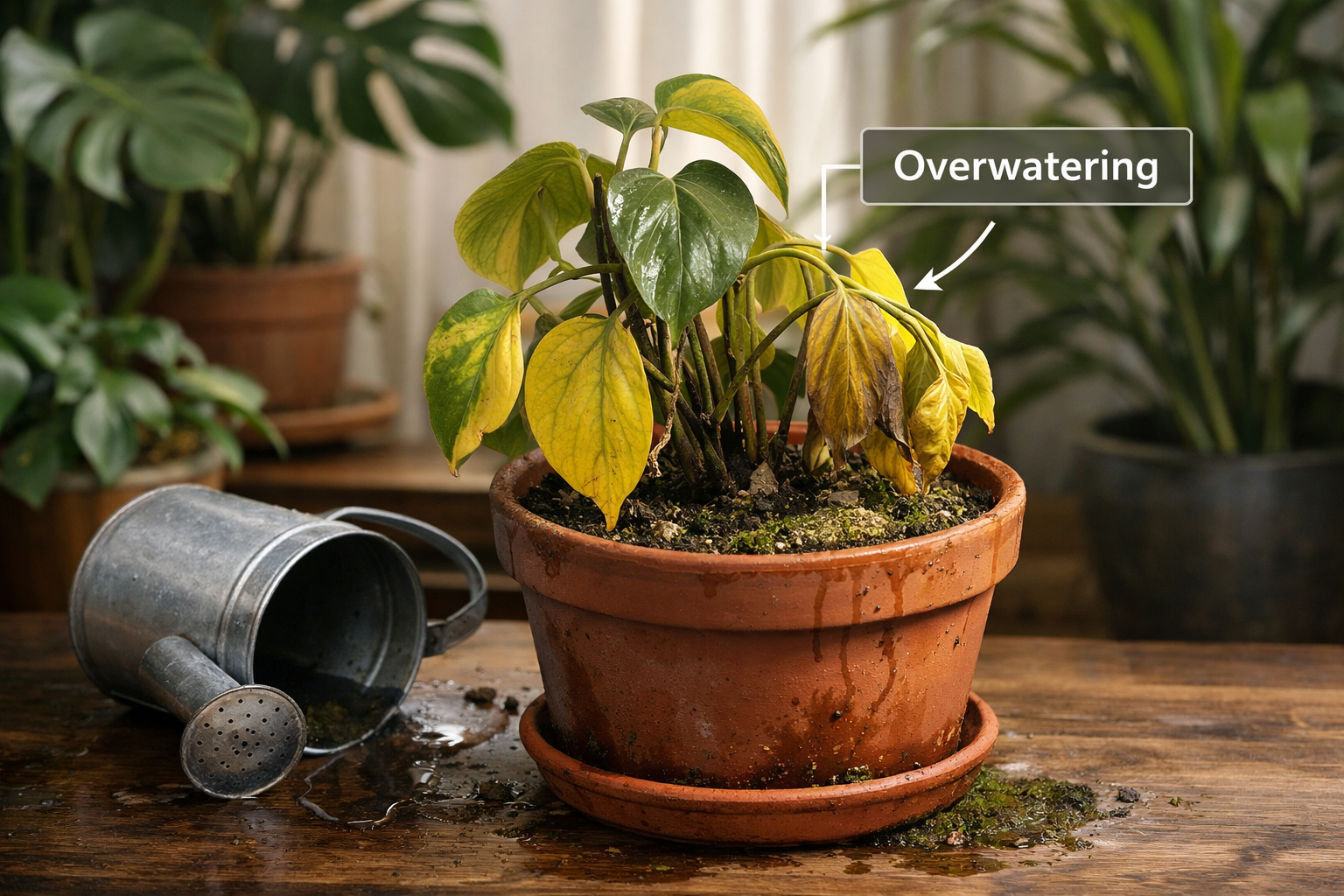
The most common watering mistakes in indoor gardening typically involve overwatering, which suffocates roots, or underwatering, which causes dehydration, both leading to plant stress and potential death. Many new gardeners mistakenly believe more water is always better, but proper watering hinges on soil moisture and drainage, not just frequency.
Overwatering is arguably the single biggest killer of indoor plants. When a plant is overwatered, its roots sit in perpetually soggy soil, which deprives them of oxygen and creates an anaerobic environment where harmful bacteria and fungi thrive. This leads to root rot, a condition that makes it impossible for the plant to absorb water and nutrients, despite being surrounded by moisture. Symptoms include yellowing leaves, soft stems, and a foul odor from the soil.
- Checking Soil Moisture: Before watering, always stick your finger about an inch or two into the soil. If it feels moist, wait. If it’s dry, it’s time to water. For larger pots, a moisture meter can provide a more accurate reading.
- Proper Drainage: Ensure every pot has drainage holes. Without them, water collects at the bottom, creating a swamp for roots. If your decorative pot lacks drainage, place the plant in a nursery pot with holes inside the decorative one, allowing you to remove it to drain excess water.
- Watering Technique: Water thoroughly until water drains from the bottom of the pot. This flushes out excess salts and ensures the entire root ball is hydrated. Discard any standing water in the saucer after about 15-30 minutes.
- Underwatering: While less common than overwatering, underwatering also causes significant stress. Symptoms often include wilting, crispy brown leaves, and dry, compacted soil. If you find your soil consistently bone dry, increase watering frequency or volume.
Decision Rule: Water your plant only when the top inch or two of soil is dry, adjusting frequency based on plant type, pot size, and environmental conditions (e.g., humidity, temperature). For instance, succulents prefer the soil to dry out completely between waterings, while ferns prefer consistently moist but not soggy conditions.
How Does Incorrect Lighting Affect Indoor Plants?
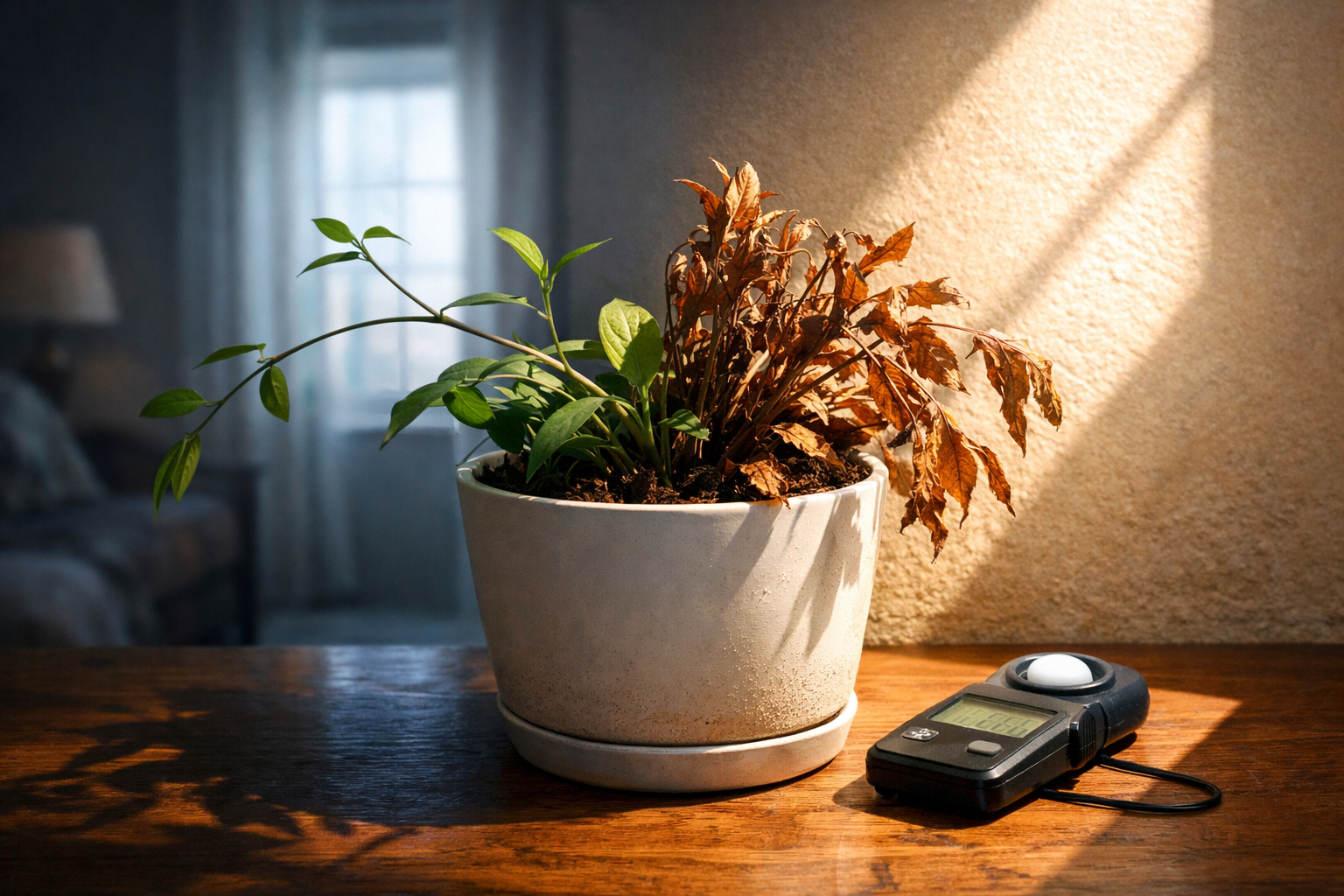
Incorrect lighting—either too much direct sun or insufficient ambient light—significantly impacts indoor plants by causing issues like stunted growth, yellowing or browning leaves, and a general decline in plant health. Light is crucial for photosynthesis, and without the right balance, plants cannot produce the energy they need to thrive.
Different plants have vastly different light requirements, from low-light tolerant varieties like Snake Plants to sun-loving cacti. Placing a shade-loving plant in direct, harsh sunlight will scorch its leaves, leading to brown, crispy spots. Conversely, a sun-worshipper relegated to a dark corner will become leggy, pale, and weak as it stretches desperately for light, a phenomenon known as etiolation.
- Identify Light Zones: Understand the light conditions in your home.
- Bright, Direct Light: South-facing windows often provide this, ideal for succulents, cacti, and some flowering plants.
- Bright, Indirect Light: East or west-facing windows, or slightly away from a south-facing window. Good for most tropical foliage plants like Monstera, Pothos, and Philodendron.
- Low Light: North-facing windows or deep into a room. Suitable for Snake Plants, ZZ Plants, and some Peace Lilies.
- Rotate Plants: Periodically rotate your plants to ensure all sides receive adequate light, promoting even growth.
- Supplemental Lighting: If natural light is insufficient, consider using grow lights. Full-spectrum LED grow lights are energy-efficient and effective.
- Signs of Too Much Light: Bleached, scorched, or crispy leaves, often appearing faded.
- Signs of Too Little Light: Leggy growth, small new leaves, fading color, or a plant leaning heavily towards a light source.
Common Mistake: Assuming all windows provide the same light. The intensity and duration of light vary significantly based on window direction, obstructions (like buildings or trees), and even the season. Always observe your plant’s response and adjust its placement as needed.
What Role Do Potting and Soil Play in Indoor Gardening Mistakes?
Potting and soil play a critical role, as using the wrong pot size, material, or soil type can severely impede root development, nutrient uptake, and overall plant health, leading to common indoor gardening mistakes. The foundation of a healthy indoor plant starts with its root environment.
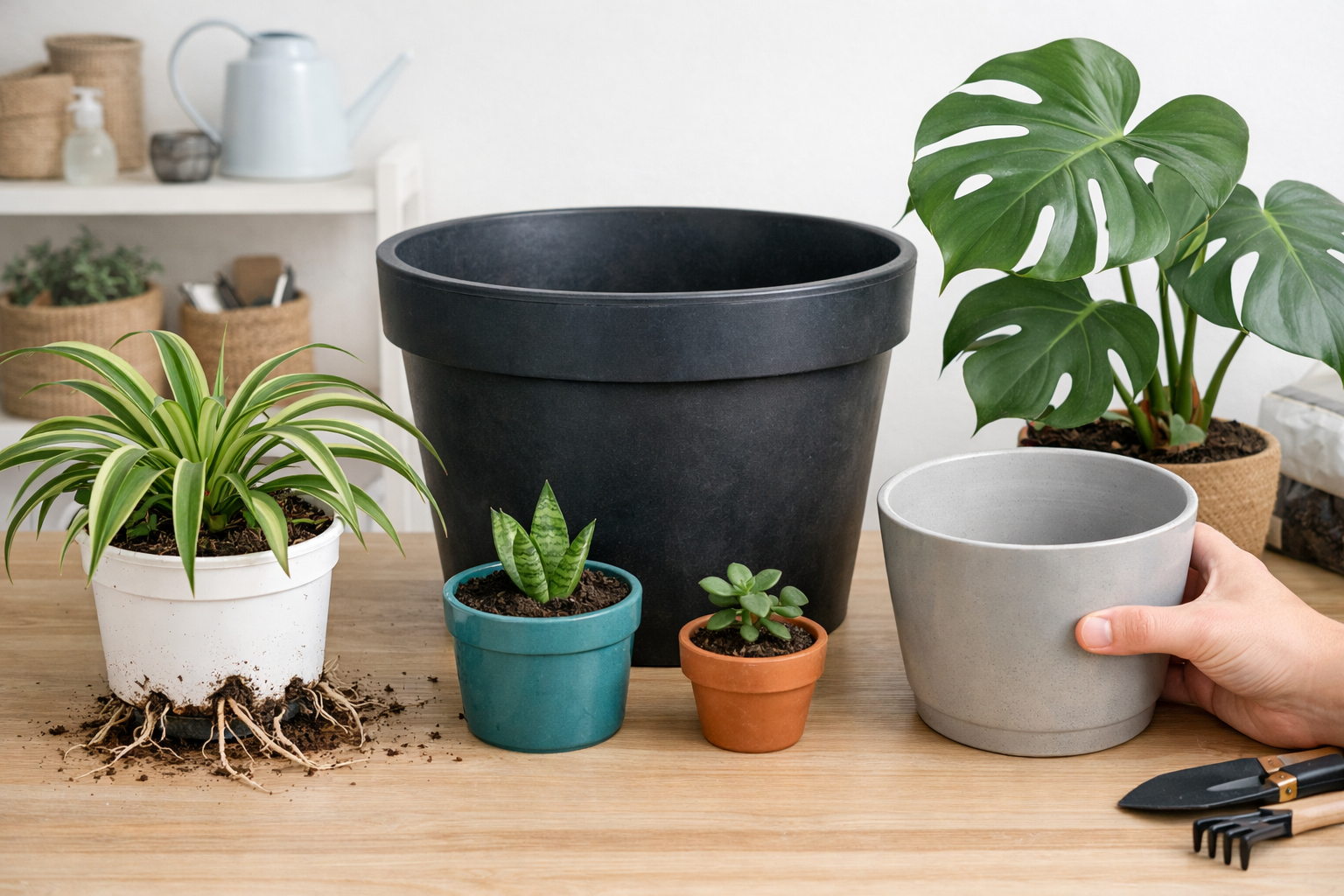
Choosing the right pot and an appropriate potting mix is just as important as watering and lighting. An oversized pot retains too much moisture, increasing the risk of overwatering and root rot, especially for smaller plants. A pot that’s too small, on the other hand, restricts root growth, leading to a “root-bound” plant that struggles to absorb water and nutrients, resulting in stunted growth.
- Pot Size and Material:
- Size: Generally, choose a pot that is 1-2 inches wider in diameter than the plant’s current root ball. When repotting, only go up one size at a time.
- Material: Terracotta pots are porous and allow for better airflow and evaporation, which is excellent for plants prone to overwatering. Plastic pots retain moisture longer, making them suitable for plants that prefer consistent dampness.
- Potting Mix Composition:
- Generic Potting Mix: A good starting point, but often needs amendments.
- Drainage: Most indoor plants require a well-draining mix to prevent soggy roots. Incorporate perlite, coarse sand, or bark chips for improved aeration and drainage.
- Moisture Retention: For plants that prefer more moisture, add peat moss or coco coir.
- Specialty Mixes: Cacti and succulents need fast-draining, sandy mixes. Orchids require bark-based mixes.
- Repotting: Repotting is necessary when a plant becomes root-bound, typically every 1-2 years. Look for roots circling the pot, growing out of drainage holes, or a plant that dries out very quickly.
- New Soil Contamination: Always use fresh, sterilized potting mix for repotting. Garden soil from outdoors often contains pests, diseases, and weed seeds that are unsuitable for indoor environments.
Edge Case: Some plants, like certain types of ferns, prefer to be slightly root-bound as it encourages blooming or denser foliage. Research your specific plant to determine if this applies.
How Do Humidity, Pests, and Fertilization Contribute to Indoor Gardening Mistakes?
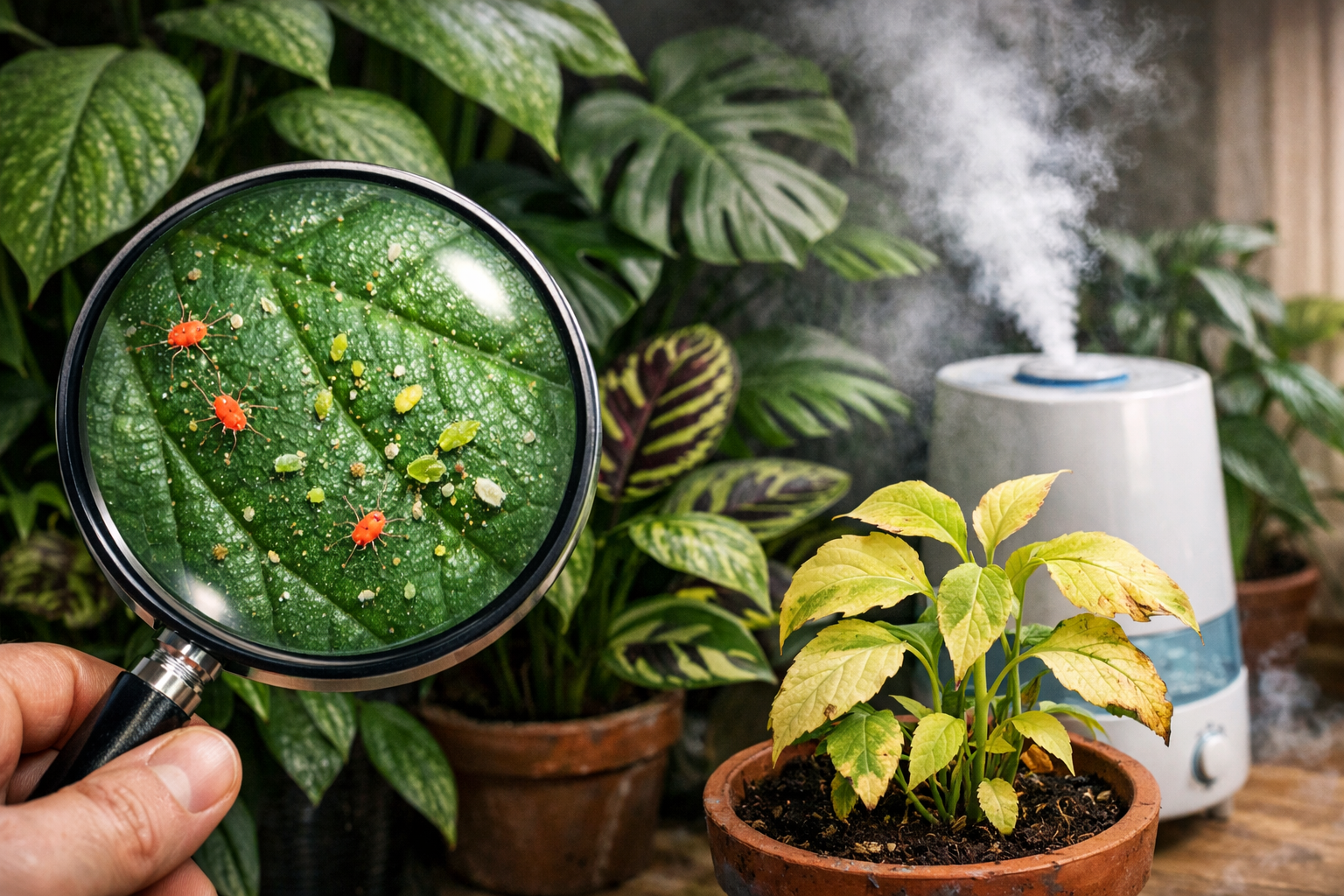
Humidity, pests, and fertilization contribute significantly to indoor gardening mistakes when their importance is underestimated or they are mismanaged, leading to stressed plants, infestations, and nutrient imbalances. These environmental and care factors are crucial for plant vitality.
Many indoor plants originate from tropical environments, where humidity levels are naturally high. Our indoor homes, especially with heating and air conditioning, often have very low humidity, which can cause leaf tips to brown, slow growth, and make plants more susceptible to pests. Over-fertilizing, on the other hand, can burn roots and kill plants, while under-fertilizing can lead to nutrient deficiencies.
- Humidity Management:
- Misting: A temporary solution for some plants, but not a long-term fix for very dry conditions.
- Pebble Trays: Fill a tray with pebbles and water, placing the pot on top (not in the water). As the water evaporates, it increases humidity around the plant.
- Humidifiers: The most effective way to consistently raise ambient humidity, especially beneficial for tropical plants like Calatheas or Ferns.
- Pest Identification and Control:
- Regular Inspection: Routinely check the top and bottom of leaves, stems, and soil for signs of pests (sticky residue, tiny webbing, visible insects).
- Common Pests: Spider mites, aphids, mealybugs, and fungus gnats are frequent culprits.
- Treatment: Isolate infested plants immediately. Use insecticidal soap, neem oil, or horticultural oil. For fungus gnats, reduce watering and use sticky traps.
- Fertilization Best Practices:
- Timing: Fertilize only during the active growing season (spring and summer). Reduce or stop entirely in fall and winter.
- Type: Use a balanced, water-soluble fertilizer specifically formulated for houseplants.
- Dosage: Always dilute liquid fertilizers to half or even quarter strength, as recommended on the packaging. Over-fertilizing is far more damaging than under-fertilizing.
- Signs of Over-fertilization: Crispy leaf edges, stunted growth, white crust on soil surface.
- Signs of Under-fertilization: Slow growth, pale or yellowing leaves (especially older ones), weak stems.
Quick Example: If you notice small, black flying insects around your plant, you likely have fungus gnats. This often indicates consistently wet soil, making it both a pest issue and a watering mistake. Let the soil dry out more between waterings and use yellow sticky traps to catch adults.
Conclusion
Mastering indoor gardening is a journey of continuous learning and observation. By understanding and avoiding these common indoor gardening mistakes related to watering, lighting, potting, and environmental factors, you can dramatically improve the health and longevity of your houseplants in 2026. Remember, each plant is unique, and its signals are your best guide. Pay attention to how your plants respond to their environment and care routine, and don’t be afraid to adjust. With a bit of patience and consistent effort, you’ll cultivate a vibrant, thriving indoor garden that brings joy and beauty to your home.
Next Steps:
- Assess Your Current Plants: Take time to inspect each of your plants for signs of distress.
- Research Specific Needs: For each plant, look up its ideal watering, light, humidity, and soil requirements.
- Adjust Care Routines: Implement changes based on your research, starting with watering and light placement.
- Monitor Progress: Observe your plants daily for improvements or new issues.
- Invest in Tools: Consider a moisture meter, hygrometer, or grow light if needed to support optimal conditions.
FAQ
How often should I water my indoor plants?
Water your indoor plants when the top 1-2 inches of soil feel dry to the touch, which typically means every 7-14 days depending on the plant type, pot size, and environmental conditions.
What are the signs of an overwatered plant?
Signs of an overwatered plant include yellowing or drooping leaves, soft or mushy stems, stunted growth, and mold or a foul odor coming from the soil.
What are the signs of an underwatered plant?
An underwatered plant will typically show wilting leaves, crispy or dry leaf edges, stunted growth, and very dry, compact soil that pulls away from the edges of the pot.
Should all indoor plants receive direct sunlight?
No, not all indoor plants should receive direct sunlight. Many tropical plants prefer bright, indirect light, while others thrive in low-light conditions. Direct sun can scorch the leaves of sensitive plants.
When should I repot my indoor plant?
Repot your indoor plant when it becomes root-bound, typically every 1-2 years. Signs include roots growing out of drainage holes, stunted growth, or the plant drying out very quickly after watering.
How can I increase humidity for my indoor plants?
You can increase humidity for indoor plants by using a pebble tray with water, grouping plants together, misting (for some plants), or using a humidifier, which is the most effective method.
What are common indoor plant pests?
Common indoor plant pests include spider mites, aphids, mealybugs, and fungus gnats. Regularly inspect your plants to catch infestations early.
Is it better to over-fertilize or under-fertilize?
It is better to under-fertilize than to over-fertilize. Over-fertilization can cause root burn and seriously damage or kill a plant, while under-fertilization typically only leads to slower growth or nutrient deficiencies that can be corrected.
Sources
- The Old Farmer’s Almanac. (2024). Growing Houseplants Indoors: How To Care For Houseplants.
- University of Maryland Extension. (2023). Growing Indoor Plants.
Related Reading
- Late Ovulation Symptoms Explained: Your Guide to Delayed
- What Causes Late Ovulation? | Expert Guide
- Is Late Ovulation Normal? Your 2026 Guide to Fertility