Ultimate Guide to Small Space Gardening for Beginners
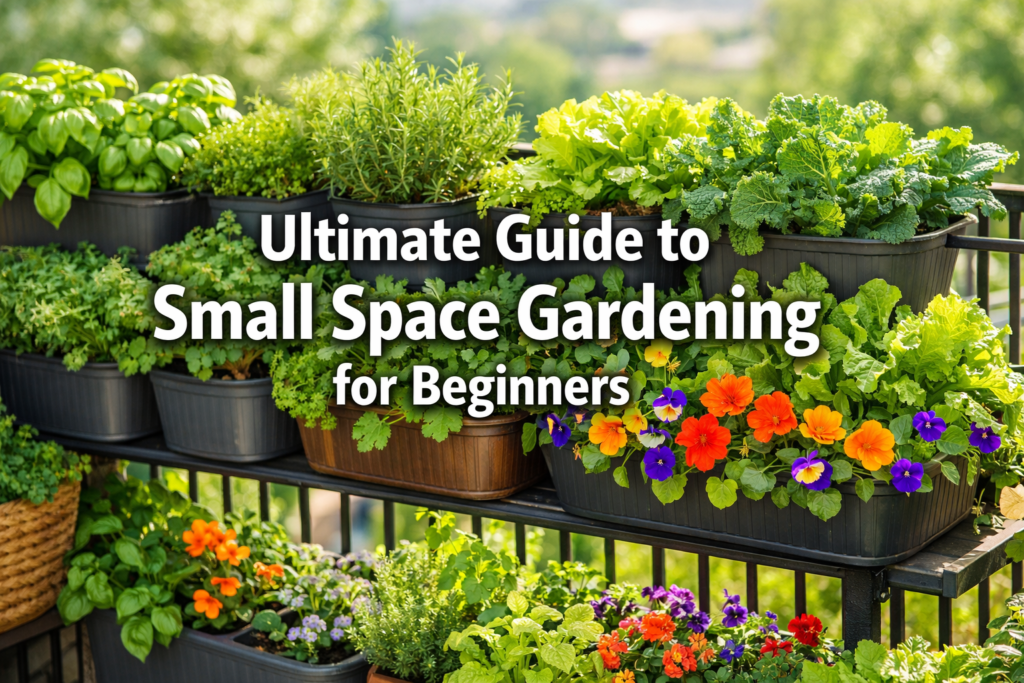
Quick Answer Small space gardening offers a practical and rewarding way for beginners to cultivate plants, herbs, and vegetables using limited areas like balconies, patios, windowsills, or even small indoor corners. It primarily involves strategic planning, container selection, and adapting traditional gardening techniques to maximize yield and aesthetics in confined environments [1]. This approach is ideal for urban dwellers or anyone with minimal outdoor access who desires the benefits of gardening without the need for a large yard.
Key Takeway
- Small space gardening allows you to grow fresh produce and flowers even with limited room, utilizing creative solutions like containers and vertical setups [1].
- Start by assessing your available sunlight and choosing appropriate plants for your specific conditions, such as herbs for partial shade or tomatoes for full sun [2].
- Select the right containers, soil, and watering methods to support healthy plant growth in compact environments [3].
- Regular maintenance, including proper watering, fertilizing, and pest management, is crucial for a successful small space garden [4].
- Embrace the satisfaction of harvesting your own food and enhancing your living area with greenery, regardless of garden size.
What is Small Space Gardening and Why is it Perfect for Beginners?
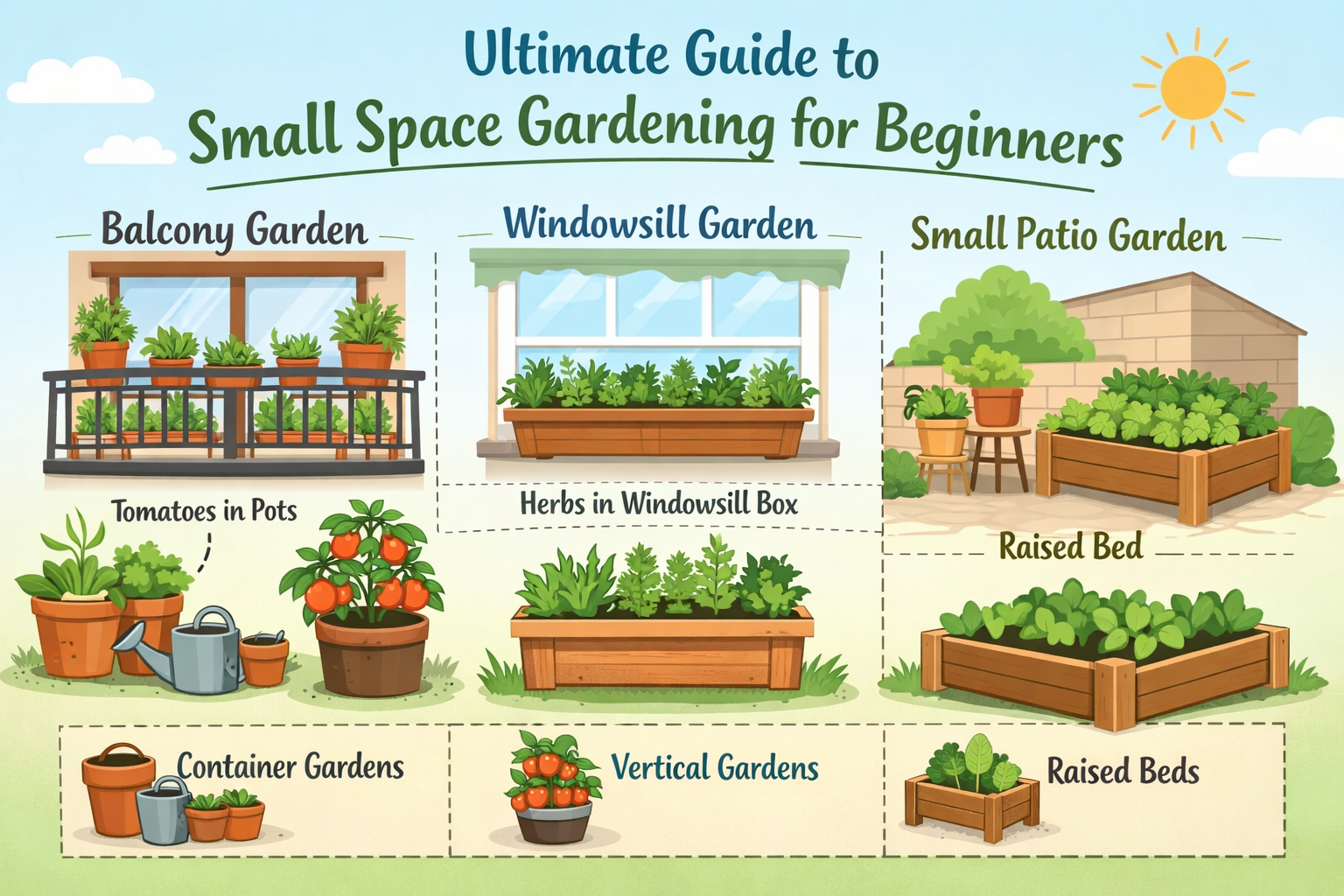
Small space gardening is the practice of cultivating plants, herbs, or vegetables within a confined area, such as a balcony, patio, windowsill, or even a small indoor corner, making it an excellent starting point for beginners due to its manageable scale and versatility. This method is perfect for those new to gardening because it reduces initial overwhelm, limits the required physical effort, and minimizes financial investment compared to traditional large-scale gardening [1]. It allows new gardeners to learn essential skills like plant selection, watering, and pest management on a smaller, more forgiving scale, leading to quicker successes and fostering confidence.
Defining Small Space Gardening
Small space gardening isn’t just about the physical size of the garden; it’s about maximizing efficiency and yield in limited dimensions. It often involves innovative techniques and tools designed for compact living, ensuring that even a few square feet can become a productive green oasis [5].
- Utilizes Vertical Space: One of the hallmarks of small space gardening is the use of vertical areas. This can include hanging planters, tiered shelves, wall-mounted pockets, or trellises, effectively turning walls into growing surfaces [1].
- Container-Centric: Most small space gardens rely heavily on containers. These can range from traditional terracotta pots and plastic containers to fabric grow bags, self-watering planters, and even repurposed items [3]. The mobility of containers allows gardeners to move plants to optimize sun exposure or protect them from adverse weather.
- Focus on High-Yield or Compact Plants: To make the most of limited room, gardeners often choose plants that produce a lot in a small footprint, such as dwarf varieties of vegetables, herbs, or continuous harvesters like cherry tomatoes or leafy greens [2].
Why Beginners Should Embrace Small Space Gardening
For newcomers, the world of gardening can seem daunting. Small space gardening breaks down these barriers, offering a gentle introduction to the hobby.
- Lower Initial Investment: You don’t need to buy large quantities of soil, expensive tools, or commit to extensive landscaping. A few pots, some potting mix, and seeds or starter plants are often enough [3].
- Manageable Workload: Maintaining a small garden is less time-consuming and physically demanding than a large plot. This makes it easier to fit into busy schedules and prevents burnout for new enthusiasts.
- Immediate Gratification: Seeing plants thrive and produce harvest in a small, visible space can be incredibly encouraging. The short distance from plant to plate with herbs or cherry tomatoes offers quick rewards.
- Flexibility and Mobility: If you move, your garden can often come with you, especially if it’s container-based. This is a significant advantage for renters or those who frequently change residences.
- Learning Curve: It provides a hands-on learning environment for understanding plant needs, soil health, and basic horticulture without overwhelming complexity. You can experiment with different plant types and techniques without significant risk [2].
Common Mistake to Avoid: A frequent error for beginners is trying to fit too many plants into too small a space. This leads to overcrowding, competition for nutrients, and poor air circulation, which can stress plants and make them more susceptible to disease. Instead, prioritize plant health over quantity in the beginning. Choose fewer, well-suited plants and give them adequate room to flourish.
How Do You Plan Your Small Space Garden in 2026?
Planning your small space garden in 2026 involves critically assessing your specific growing environment, particularly sunlight availability, and then selecting plants and layout strategies that maximize productivity and enjoyment within your limited area. Starting with a clear understanding of your space’s microclimate is paramount, as it dictates what plants will realistically thrive, setting the foundation for a successful and satisfying gardening experience [2]. A thoughtful plan saves time, resources, and prevents common beginner frustrations.
Assess Your Space and Sunlight
Before choosing a single plant, understand the conditions of your gardening area. This is the most crucial step for the Ultimate Guide to Small Space Gardening for Beginners.
- Sunlight Mapping: Track the amount of direct sunlight your chosen spot receives throughout the day.
- Full Sun: 6+ hours of direct sunlight (ideal for most vegetables like tomatoes, peppers, beans, and many herbs) [2].
- Partial Sun/Shade: 3-6 hours of direct sunlight, or dappled sun all day (suitable for leafy greens, some herbs like mint, and root vegetables) [2].
- Full Shade: Less than 3 hours of direct sunlight (best for shade-tolerant ornamentals, some leafy greens like lettuce, and specific herbs) [2].
- Tip: Use a sun calculator app or simply observe your space every hour for a day to get an accurate picture. The sun’s path changes with seasons, so consider how this might impact your garden later in the year [7].
- Dimensions and Weight Limits: Measure your available floor space and height. If gardening on a balcony or rooftop, be aware of any weight restrictions for safety.
- Wind and Shelter: Exposed areas can be windy, which can dry out plants quickly or even knock over containers. Consider windbreaks or choosing sturdy containers and compact plants.
- Water Access: Plan how you will water your plants. Is there a water source nearby, or will you need to carry water?
Choose Your Plants Wisely
Once you know your conditions, select plants that are a good fit. Prioritize plants you enjoy eating or that offer significant aesthetic value.
- Match Plants to Sun Conditions:
- Full Sun Examples: Cherry tomatoes 🍅, bush beans, peppers, strawberries, basil, rosemary, thyme, sunflowers [2].
- Partial Sun Examples: Lettuce, spinach, kale, radishes, carrots, cilantro, mint, chives [2].
- Shade-Tolerant Examples: Hostas, ferns (ornamental), specific varieties of lettuce or spinach.
- Consider Plant Size and Growth Habit: Opt for dwarf or compact varieties if space is very limited. Think about plants that grow upwards (like pole beans on a trellis) rather than outwards.
- Harvest Frequency: Some plants, like lettuce and herbs, can be harvested continuously, providing a steady supply. Others, like cucumbers or zucchini, yield a larger harvest over a shorter period.
- Companion Planting: Certain plants benefit from growing near each other. For example, basil can enhance tomato growth and deter pests [2]. This is an advanced technique but can be considered even for beginners to optimize space.
Layout and Design
Strategic arrangement maximizes both yield and visual appeal.
- Verticality is Key: Incorporate vertical elements wherever possible.
- Trellises: For climbing plants like cucumbers, peas, or small gourds.
- Shelving Units: To place multiple pots at different heights.
- Hanging Baskets: For trailing plants like strawberries, cascading herbs, or petunias [1].
- Wall Planters: Pockets or modular systems attached to a wall [1].
- Container Selection: Choose containers appropriate for the plants’ mature size and root systems. Deeper pots are needed for root vegetables, while shallower, wider pots work for leafy greens. Ensure all containers have drainage holes [3].
- Accessibility: Arrange containers so you can easily reach all plants for watering, harvesting, and care. Avoid creating areas that are difficult to access.
- Aesthetics: Consider the visual impact. Mix textures, colors, and heights to create an attractive display. Group plants with similar care requirements together.
Decision Rule: Choose a vertical garden setup (e.g., hanging planters or a tiered shelf) if your horizontal space is extremely limited but you have ample wall or railing space [1]. Opt for a more extensive container garden on a patio if you have significant floor space and want the flexibility to rearrange plants.
What Essential Supplies Do You Need for an Ultimate Guide to Small Space Gardening for Beginners?
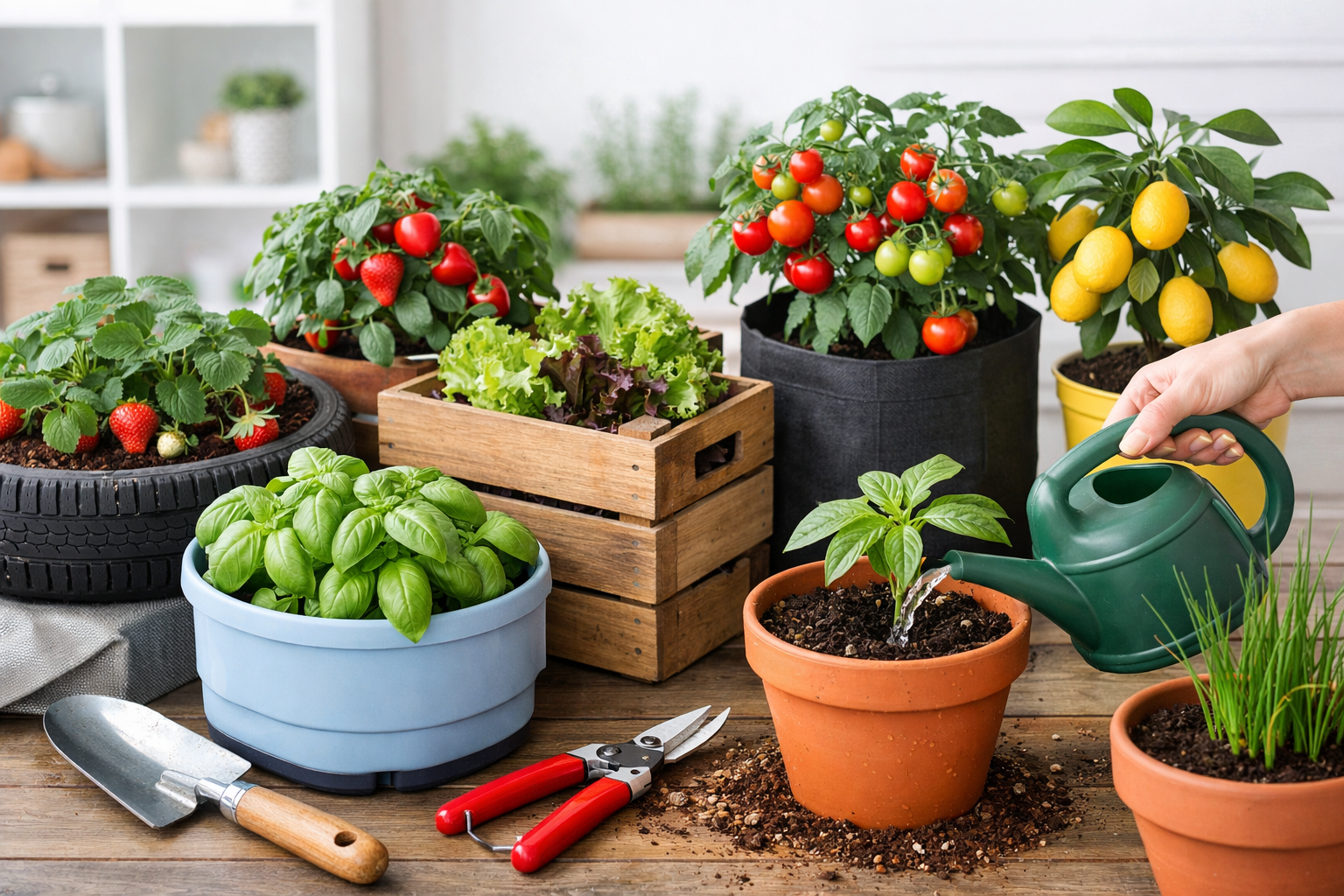
To embark on your small space gardening journey, you’ll need a core set of essential supplies including appropriate containers, high-quality potting mix, and basic tools, each specifically chosen to optimize growth and manageability within limited areas. These fundamental items form the backbone of any successful small space garden, ensuring your plants have the necessary support and resources to thrive [3]. Investing in the right supplies from the start prevents common problems and makes gardening a more enjoyable experience.
Containers: The Foundation of Your Small Garden
The right containers are critical for small space gardening, as they directly impact plant health and growth.
- Types of Containers:
- Terracotta Pots: Porous, allowing good air circulation, but dry out quickly [3].
- Plastic Pots: Lightweight, retain moisture well, and are often inexpensive.
- Fabric Grow Bags: Excellent for aeration and drainage, preventing root circling. Ideal for root vegetables like potatoes and carrots [3].
- Self-Watering Planters: Feature a reservoir that slowly releases water to the plant roots, reducing watering frequency. Great for busy beginners [3].
- Window Boxes: Perfect for herbs, leafy greens, or flowers directly outside a window [3].
- Vertical Planters: Systems with multiple pockets or tiers designed to hang on walls or railings, maximizing vertical space [1].
- Size Matters: Choose containers large enough for the plant’s mature size. Undersized pots restrict root growth, leading to stunted plants and increased watering needs. For example, a single tomato plant generally needs a pot of at least 15-gallon capacity, while herbs can thrive in smaller 6-8 inch pots [2].
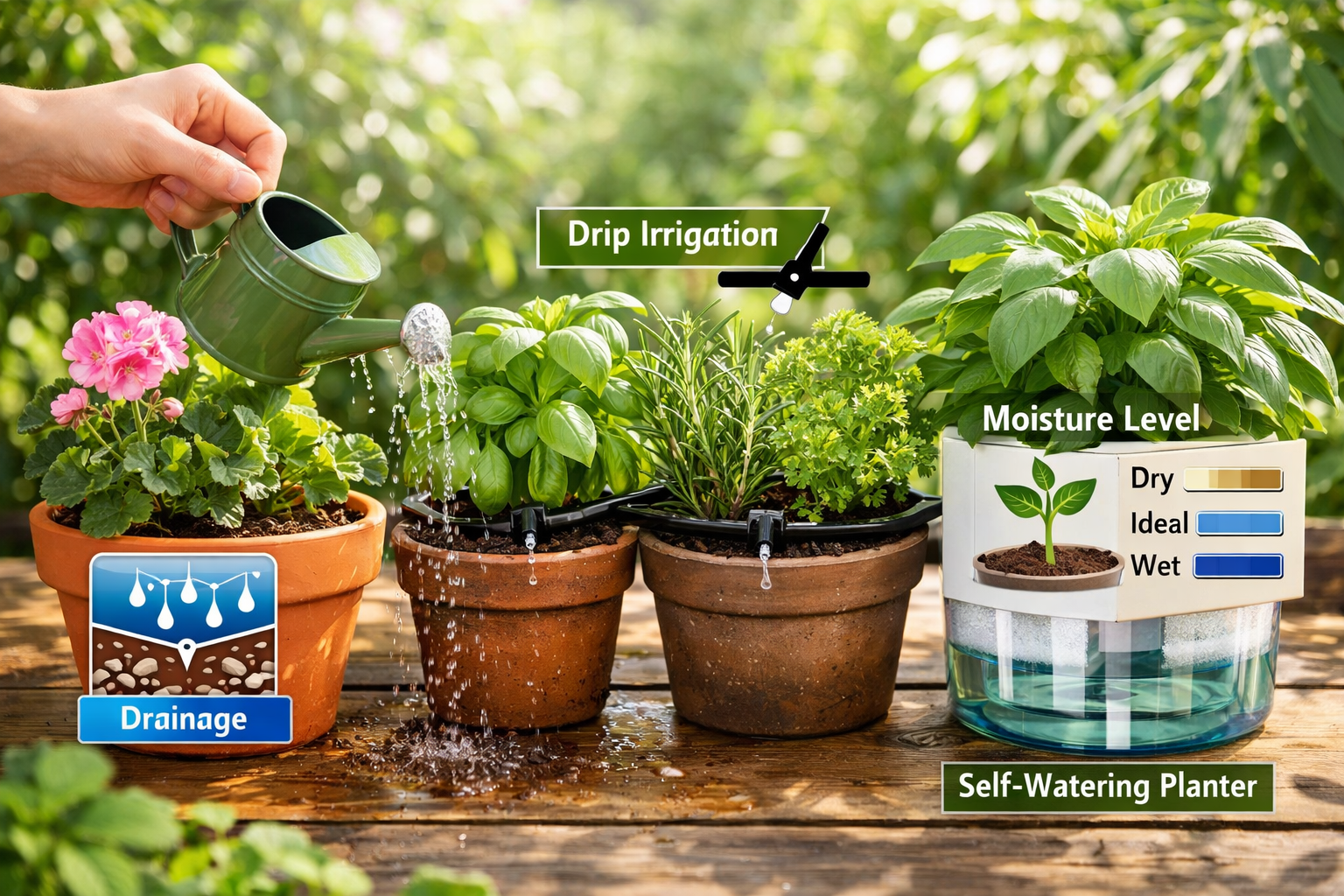
- Drainage Holes: Every container must have drainage holes to prevent waterlogging, which can lead to root rot. If a container lacks them, drill your own [3].
Growing Medium: What Your Plants Will Live In
The soil in containers is different from garden soil. It needs to provide good drainage, aeration, and nutrient retention.
- Potting Mix (Potting Soil): This is essential, not garden soil. Potting mix is lighter, sterile, and formulated for containers, offering excellent drainage and aeration. It usually contains a mix of peat moss, coir, vermiculite, perlite, and sometimes compost [3].
- Seed Starting Mix: For germinating seeds, use a finer, lighter, and more sterile mix to give seedlings the best start.
- Compost: While potting mix provides initial nutrients, amending it with organic compost (about 10-20% of the volume) can boost fertility and improve soil structure over time [2].
- Fertilizer: Container plants deplete nutrients faster than in-ground plants.
- Slow-Release Granular Fertilizer: Mix into the potting soil at planting time for continuous feeding.
- Liquid Fertilizer: Apply regularly (e.g., every 2-4 weeks) during the growing season as plants actively grow and produce [2]. Choose an organic, balanced fertilizer (N-P-K) suitable for vegetables or herbs.
Essential Tools for Care and Maintenance
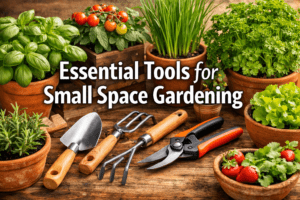
You don’t need a shed full of tools for small space gardening, but a few basics will make your life much easier.
- Small Hand Trowel: For digging small holes, transplanting, and scooping soil.
- Hand Pruners/Snips: Essential for harvesting herbs, trimming back plants, and removing dead leaves. A clean cut promotes plant health.
- Watering Can (Small to Medium Size) or Spray Bottle: Crucial for precise watering, especially for seedlings or delicate plants [3]. A narrow spout helps direct water to the soil, not the leaves.
- Gardening Gloves: Protect your hands from soil, thorns, and potential irritants.
- Labels: Important for identifying seedlings and different plant varieties, especially if you’re growing from seed or have multiple similar-looking plants.
- Support Structures (Optional but Recommended):
- Small Trellises or Stakes: For climbing plants like cherry tomatoes, cucumbers, or peas.
- Tomato Cages: To support bushier, fruit-bearing plants.
Common Mistake to Avoid: Using garden soil directly in containers is a common beginner mistake. Garden soil compacts easily in pots, suffocating roots and hindering drainage, which can quickly lead to plant failure. Always use a high-quality potting mix formulated for containers [3].
| Supply Category | Item | Why it’s Essential |
|---|---|---|
| Containers | Fabric Grow Bags | Excellent aeration, prevents root circling, good for root crops |
| Self-Watering Planters | Reduces watering frequency, ideal for busy gardeners | |
| Window Boxes | Perfect for herbs/greens near a window | |
| Growing Medium | Potting Mix (soil-less) | Provides drainage, aeration, and initial nutrients |
| Organic Liquid Fertilizer | Replenishes nutrients quickly for hungry container plants | |
| Tools | Small Hand Trowel | Digging, transplanting, soil work in confined spaces |
| Hand Pruners/Snips | Harvesting, trimming, maintaining plant health | |
| Watering Can (with narrow spout) | Precise watering, prevents overwatering/soil disturbance | |
| Supports | Small Trellis/Stakes (as needed) | Supports climbing plants like tomatoes and cucumbers |
What Are the Best Practices for Watering and Feeding Your Small Space Garden?
Effectively watering and feeding your small space garden involves consistent monitoring of soil moisture, providing water directly to the root zone, and regularly replenishing nutrients, as container plants have distinct and often accelerated needs compared to in-ground gardens. Since container plants have limited soil volume, they dry out faster and deplete nutrients more quickly, necessitating a more attentive and precise approach to ensure their health and productivity [2]. Mastering these practices is fundamental for preventing common issues like wilting, nutrient deficiencies, and stunted growth.
Watering Techniques for Container Plants
Consistent and appropriate watering is the single most important factor for success in small space gardening.
- Check Soil Moisture Regularly: Do not water on a fixed schedule. Instead, check the soil moisture daily by sticking your finger about an inch or two into the potting mix. If it feels dry, it’s time to water [3]. For larger pots, you can use a moisture meter.
- Water Deeply and Thoroughly: When you water, do so until water drains out of the bottom of the pot. This ensures that the entire root ball is saturated. Shallow watering encourages shallow root growth, making plants more susceptible to drought [2].
- Water at the Base of the Plant: Direct water to the soil around the plant, avoiding the leaves, especially in direct sun. Wet leaves can promote fungal diseases, and water droplets can magnify sunlight, leading to scorched leaves.
- Consider Time of Day: The best time to water is in the early morning. This allows the plants to absorb water before the heat of the day, and any moisture on leaves has time to evaporate before nightfall, reducing disease risk [4].
- Self-Watering Planters: These systems have a reservoir that wicks water up to the soil, significantly reducing how often you need to water. They are a fantastic option for busy gardeners or those prone to forgetting to water [3].
- Drip Irrigation/Ollasi: For multiple containers, a small-scale drip irrigation system can automate watering. Alternatively, burying unglazed terracotta pots (ollasi) allows water to slowly seep into the soil, providing consistent moisture.
Feeding Your Container Plants
Container plants need regular nutrient replenishment because nutrients leach out with each watering and the limited soil volume gets depleted quickly.
- Start with Nutrient-Rich Potting Mix: Many potting mixes come with a slow-release fertilizer mixed in, providing initial nutrients for 1-2 months [3].
- Introduce Fertilizer Once Plants Are Established: Wait until seedlings have a few sets of true leaves or transplanted plants have settled in before starting a regular feeding schedule.
- Choose the Right Fertilizer:
- Balanced Liquid Fertilizer (N-P-K): A general purpose 5-5-5 or 10-10-10 (Nitrogen-Phosphorus-Potassium) formula is good for overall plant growth.
- Higher Phosphorus (P) for Fruiting Plants: Once fruiting plants like tomatoes or peppers start to flower, switch to a fertilizer with a higher middle number (e.g., 2-8-4) to encourage fruit production over leafy growth [2].
- Organic Options: Fish emulsion, seaweed extract, or compost tea are excellent organic choices that provide nutrients and improve soil health.
- Follow Directions Carefully: Over-fertilizing can burn plants and lead to nutrient imbalances. Always dilute liquid fertilizers according to package instructions.
- Frequency: Most container plants benefit from feeding every 2-4 weeks during their active growing season. If using a slow-release granular fertilizer, you may only need to reapply every 2-3 months [2].
Common Mistake to Avoid: A common beginner error is either under-watering (leading to wilting and stunted growth) or over-watering (leading to root rot and fungal issues). Always check the soil moisture before watering rather than adhering to a rigid schedule. Similarly, neglecting to fertilize container plants after the initial nutrients are depleted will result in weak, unproductive plants.
What Are Common Pests and Diseases in Small Space Gardens, and How Do You Manage Them Organically?
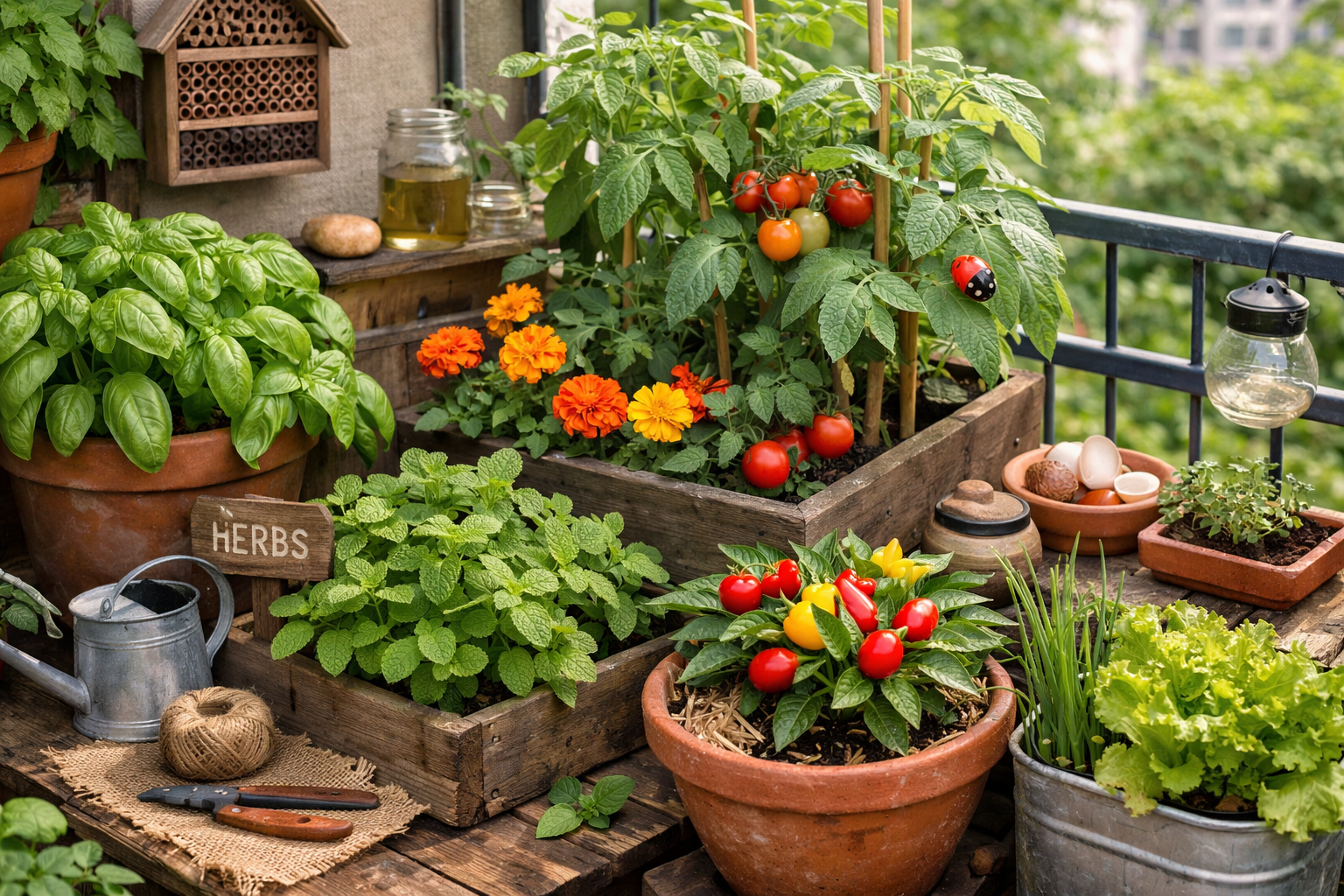
Common pests and diseases in small space gardens, such as aphids, spider mites, and powdery mildew, can be effectively managed organically through proactive monitoring, consistent cultural practices, and targeted natural remedies. Due to the close proximity of plants in small spaces, early detection and intervention are crucial to prevent rapid spread and maintain plant health without relying on harsh chemicals [5]. Organic management focuses on creating a balanced ecosystem where plants are strong enough to resist issues and natural controls are encouraged.
Prevention: Your First Line of Defense
The best way to manage pests and diseases is to prevent them from becoming a problem in the first place.
- Start with Healthy Plants: Begin with disease-free seeds or healthy nursery starts. Inspect plants carefully before bringing them into your garden to avoid introducing pests.
- Good Air Circulation: Space plants appropriately, even in small areas. Prune lower leaves or dense foliage to improve airflow, which discourages fungal diseases like powdery mildew [2].
- Proper Watering: As discussed, watering at the base of the plant in the morning helps prevent fungal issues that thrive on wet foliage.
- Cleanliness: Remove fallen leaves, spent flowers, and any diseased plant material promptly. Weeds can harbor pests, so keep your containers weed-free.
- Quarantine New Plants: If possible, keep new plants separate from your existing garden for a week or two to ensure they are pest and disease-free before integrating them [5].
Identification and Organic Treatment of Common Pests
Early identification allows for quick, organic intervention.
- Aphids: Small, soft-bodied insects, often green, black, or red, clustered on new growth or undersides of leaves. They suck sap, causing distorted growth.
- Treatment: Spray with a strong stream of water to dislodge them. For heavier infestations, use insecticidal soap or neem oil spray [5]. Introduce ladybugs, which are natural predators.
- Spider Mites: Tiny, almost invisible arachnids that cause stippling (tiny dots) on leaves and fine webbing, especially in hot, dry conditions.
- Treatment: Increase humidity around plants. Spray vigorously with water. Apply insecticidal soap or neem oil, ensuring coverage of leaf undersides.
- Whiteflies: Small, white, moth-like insects that fly up in a cloud when disturbed from the undersides of leaves.
- Treatment: Use yellow sticky traps to catch adults. Spray with insecticidal soap or neem oil, targeting the undersides of leaves.
- Fungus Gnats: Small, dark flies that hover around soil, often a sign of overly moist conditions. Their larvae feed on roots.
- Treatment: Allow the top inch or two of soil to dry out between waterings. Use sticky traps. Bacillus thuringiensis israelensis (BTI) can be applied to the soil to kill larvae [5].
Organic Management of Common Diseases
Diseases in small spaces often spread quickly due to proximity.
- Powdery Mildew: White, powdery patches on leaves, often in humid conditions with poor air circulation.
- Treatment: Improve air circulation by pruning. Remove affected leaves immediately. Spray with a solution of baking soda (1 teaspoon per quart of water) or neem oil.
- Blossom End Rot: Not a disease, but a calcium deficiency, common in tomatoes and peppers, causing a dark, leathery spot on the blossom end of the fruit. Often triggered by inconsistent watering.
- Treatment: Ensure consistent watering. Add calcium to the soil (e.g., bone meal or crushed eggshells) or use a calcium spray [2].
- Leaf Spot Fungi/Bacteria: Various spots, typically brown or black, appearing on leaves.
- Treatment: Remove affected leaves. Ensure good air circulation and avoid overhead watering. Some fungicidal sprays derived from natural sources can help.
Quick Example: If you notice your basil plants are suddenly covered in tiny green aphids, first try a strong spray of water from a hose to dislodge them. If they return quickly or in large numbers, apply an organic insecticidal soap solution, ensuring you coat the undersides of the leaves where they hide. Repeat every 5-7 days until the problem is under control.
How Can You Maximize Your Harvest and Enjoy Your Small Space Garden All Year Round in 2026?
Maximizing your harvest and enjoying your small space garden year-round in 2026 involves implementing succession planting, strategic plant rotation, and extending the growing season through protection and careful variety selection. These advanced but accessible techniques allow you to continuously yield fresh produce and maintain an attractive green space, moving beyond a single seasonal harvest [4]. With thoughtful planning, your compact garden can become a consistently productive and vibrant feature of your home, regardless of the outdoor weather.
Succession Planting: A Continuous Harvest
Succession planting ensures a continuous supply of fresh produce by staggering your planting times.
- Staggered Planting: Instead of planting all your lettuce seeds at once, plant a small batch every 2-3 weeks. As one batch matures, another is ready for harvest, preventing a glut and ensuring a steady supply [4]. This works well for leafy greens, radishes, bush beans, and carrots.
- Intercropping: Planting different crops together in the same container that have varying growth rates or harvest times. For example, plant fast-growing radishes around slower-growing tomatoes; the radishes will be harvested before the tomatoes need the space.
- Replace Spent Plants: Once a plant finishes its production (e.g., a lettuce head is harvested), remove it and immediately replant with something new, either the same crop or a different one suitable for the current season [4].
Extending the Growing Season
Even in small spaces, you can stretch your gardening season beyond the traditional warm months.
- Season Extenders:
- Cold Frames: Mini-greenhouses that can be placed over individual containers or small raised beds to protect plants from cold snaps and extend warmth [1].
- Row Covers/Floating Row Covers: Lightweight fabric that provides a few degrees of frost protection and also acts as a barrier against pests. Drape them over plants or support them with hoops.
- Cloches: Bell-shaped covers, often made from plastic or glass, to protect individual plants. Repurposed plastic bottles can serve as makeshift cloches.
- Indoor Growing (Winter/Cold Months):
- Grow Lights: For herbs or leafy greens, a simple LED grow light can provide sufficient light indoors during darker months [3].
- South-Facing Windowsills: Offer the most natural light indoors, ideal for herbs like basil, mint, and chives.
- Hydroponic Systems: Compact, self-contained hydroponic units are excellent for growing leafy greens and herbs indoors year-round without soil.
- Choose Cold-Hardy Varieties: In fall, switch to plants that tolerate cooler temperatures, such as kale, collards, spinach, and some lettuce varieties [4].
Year-Round Enjoyment and Maintenance
Beyond just harvesting, maintaining your small garden keeps it enjoyable.
- Rotate Crops: To prevent nutrient depletion and disease buildup in container soil, avoid planting the same type of crop in the same container repeatedly. Rotate between different plant families (e.g., after tomatoes, plant lettuce) [2].
- Compost Your Scraps (if possible): A small worm bin or a compact compost tumbler can turn kitchen scraps into nutrient-rich compost for your garden.
- Mindful Pruning: Regular pruning encourages bushier growth, more flowers, and higher yields. For herbs, pinch off flower buds to keep the plant producing leaves.
- Decorative Elements: Incorporate small fairy lights, miniature garden ornaments, or colorful planters to make your small space visually appealing even when not in full bloom or production.
- Reflect and Plan: At the end of each season, take notes on what worked well and what didn’t. This feedback is invaluable for planning your 2026 garden and beyond [8].
Edge Case Consideration: If your small space is indoors with minimal natural light, relying solely on natural light will severely limit your plant options. In this scenario, investing in a good quality LED grow light is not optional but essential for growing most herbs and vegetables successfully [3]. Without it, you are largely confined to very low-light tolerant plants or simply keeping ornamentals alive.
FAQ
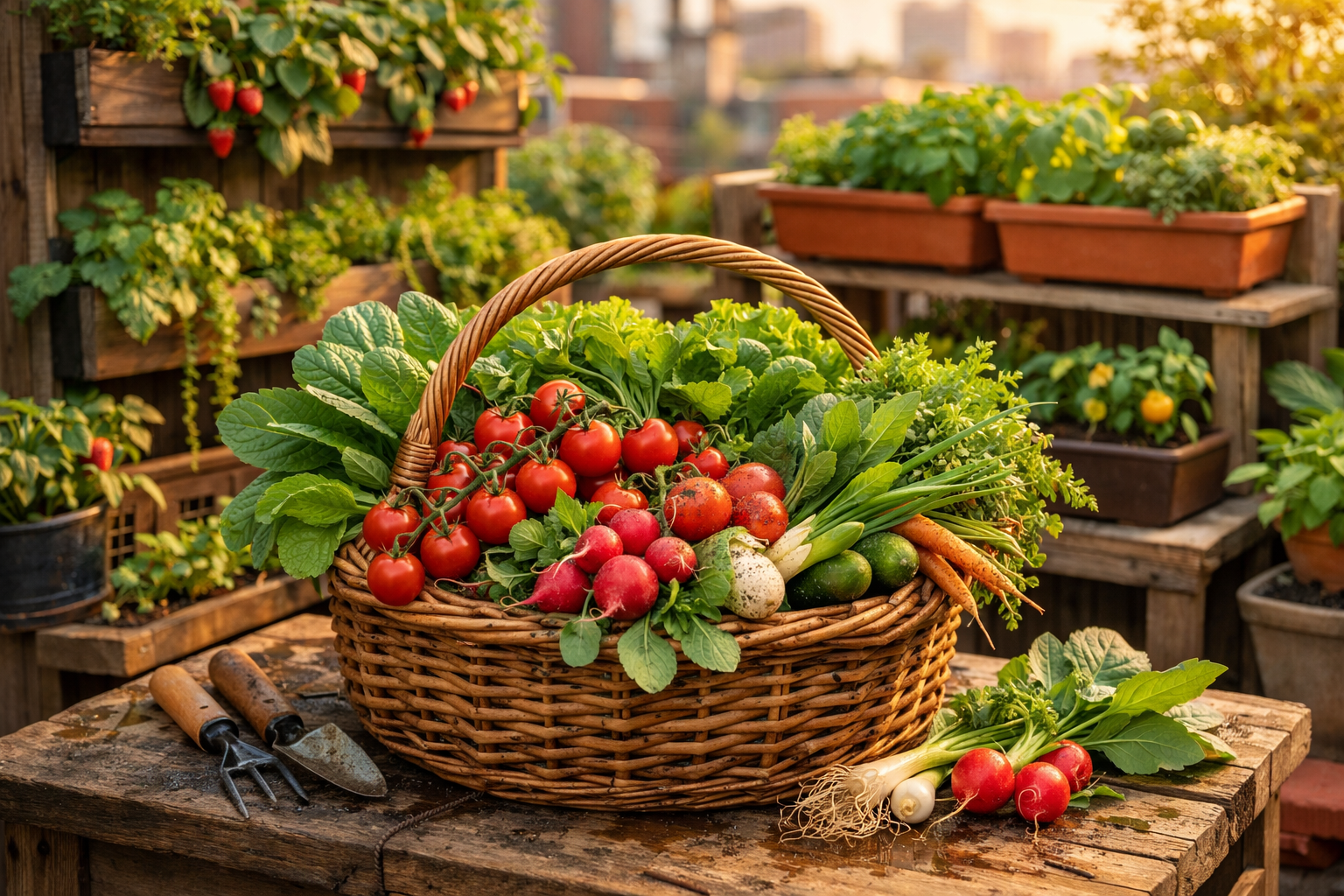
Q1: What are the best vegetables for a beginner’s small space garden? A1: Cherry tomatoes, bush beans, lettuce, spinach, radishes, carrots, and herbs like basil and mint are excellent choices for beginners in small spaces due to their relatively easy care and good yields [2].
Q2: How often should I water my container plants? A2: You should water your container plants when the top inch or two of soil feels dry to the touch, which typically means checking them daily and watering thoroughly until water drains from the bottom of the pot [3].
Q3: Can I grow fruit in a small space? A3: Yes, many fruits are suitable for small spaces, including strawberries (in hanging baskets or vertical planters), dwarf citrus trees, blueberries (in large pots with acidic soil), and certain columnar apple varieties [1].
Q4: What’s the biggest mistake beginners make in small space gardening? A4: The most common mistake is over-watering or using garden soil instead of potting mix in containers, both of which can lead to root rot and poor plant health [3].
Q5: Do I need special soil for small space gardening? A5: Yes, you need a high-quality potting mix (also called potting soil), which is a soilless blend formulated for containers, providing proper drainage, aeration, and nutrients, unlike heavy garden soil [3].
Q6: How can I protect my small garden from pests organically? A6: Organic pest control involves practices like proper spacing, removing diseased leaves, attracting beneficial insects, and using organic sprays like insecticidal soap or neem oil when necessary [5].
Q7: Is vertical gardening effective for beginners? A7: Vertical gardening is highly effective for beginners in small spaces as it maximizes growing area without taking up valuable floor space, making it ideal for herbs, greens, and strawberries [1].
Q8: How do I ensure my plants get enough sunlight indoors? A8: Position plants in the brightest south-facing window possible, and supplement with LED grow lights, especially for vegetables and herbs, to ensure they receive adequate light for growth [3].
Q9: When should I start fertilizing my container plants? A9: Begin fertilizing once your plants are established and actively growing, usually a few weeks after planting, following the dosage instructions for a balanced liquid or slow-release fertilizer [2].
Q10: Can I grow a garden on a balcony? A10: Absolutely! Balconies are prime locations for small space gardening, perfect for containers, vertical planters, and hanging baskets, provided you assess sunlight and any weight restrictions [3].
Key Takeaways
- Small space gardening is highly accessible for beginners, offering manageable projects and quick rewards without requiring extensive land or resources [1].
- Thorough planning, especially understanding your sunlight conditions and choosing suitable compact plant varieties, is critical for success in your 2026 garden [2].
- Invest in the right supplies: appropriate containers with drainage, quality potting mix, and essential hand tools are the foundation of a thriving small garden [3].
- Mastering watering by checking soil moisture and watering deeply, alongside consistent but mindful feeding, directly impacts plant health and yield [2].
- Proactive organic pest and disease management, focusing on prevention and early intervention, ensures your garden remains healthy and productive [5].
- Maximize your harvest through succession planting and consider season extenders or indoor growing to enjoy fresh produce and greenery year-round [4].
- Embrace the iterative nature of gardening; observe, learn from your experiences, and adapt your approach for continuous improvement and enjoyment [7].
References
[1] Small Space Gardening – https://www.growandgatherliving.com/small-space-gardening [2] Small Space Gardening – https://www.peteandgerrys.com/blogs/field-notes/small-space-gardening [3] How To Grow A Garden In A Small Apartment – https://bungalow.com/articles/how-to-grow-a-garden-in-a-small-apartment [4] What To Do In The Garden In 2026 Month By Month Checklist – https://www.gardenary.com/blog/what-to-do-in-the-garden-in-2026-month-by-month-checklist [5] Small Space Gardening – https://www.citycultivator.com/small-space-gardening/ [6] Watch – https://www.youtube.com/watch?v=_k-bvXwoTk8 [7] 453 How To Plan A Garden That Fits Your Life In 2026 – https://journeywithjill.net/gardening/2026/01/06/453-how-to-plan-a-garden-that-fits-your-life-in-2026/ [8] growingfruit – https://growingfruit.org/t/2026-garden-plans-critique-advice-welcome/76804