Grow Herbs Indoors: 2026 Ultimate Guide for Fresh Flavor
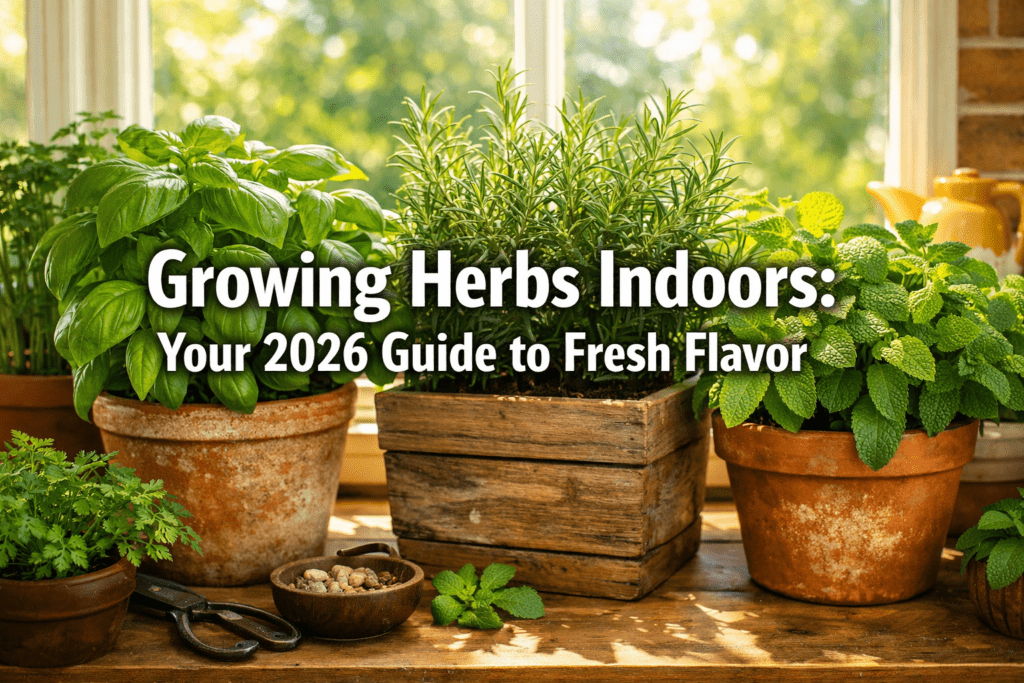
Tired of grocery store herbs that wilt too soon or spending a fortune on fresh sprigs? Learning to grow herbs indoors offers a convenient and rewarding way to ensure a continuous supply of fresh, aromatic ingredients right in your home, enhancing your cooking year-round. This comprehensive guide provides all the essential information you need to successfully cultivate a thriving indoor herb garden in 2026.
Key Takeaways
- Choose Wisely: Select herbs well-suited for indoor conditions, such as basil, chives, mint, and rosemary.
- Light is Key: Provide 6 hours of bright natural light or 12-16 hours of supplemental LED/fluorescent grow light.
- Temperature Matters: Maintain daytime temperatures of 65-70°F and nighttime 55-60°F for optimal growth.
- Proper Watering: Adjust watering based on herb type; some prefer consistently moist soil, others slight drying.
- Good Drainage: Always use pots with drainage holes to prevent root rot.
- Humidity Boost: Counter dry indoor air by placing pots on pebble trays with water.
- Start Small: Begin with a few easy-to-grow varieties before expanding your indoor herb collection.
- Harvest Regularly: Pruning encourages bushier growth and a continuous yield.
Quick Answer
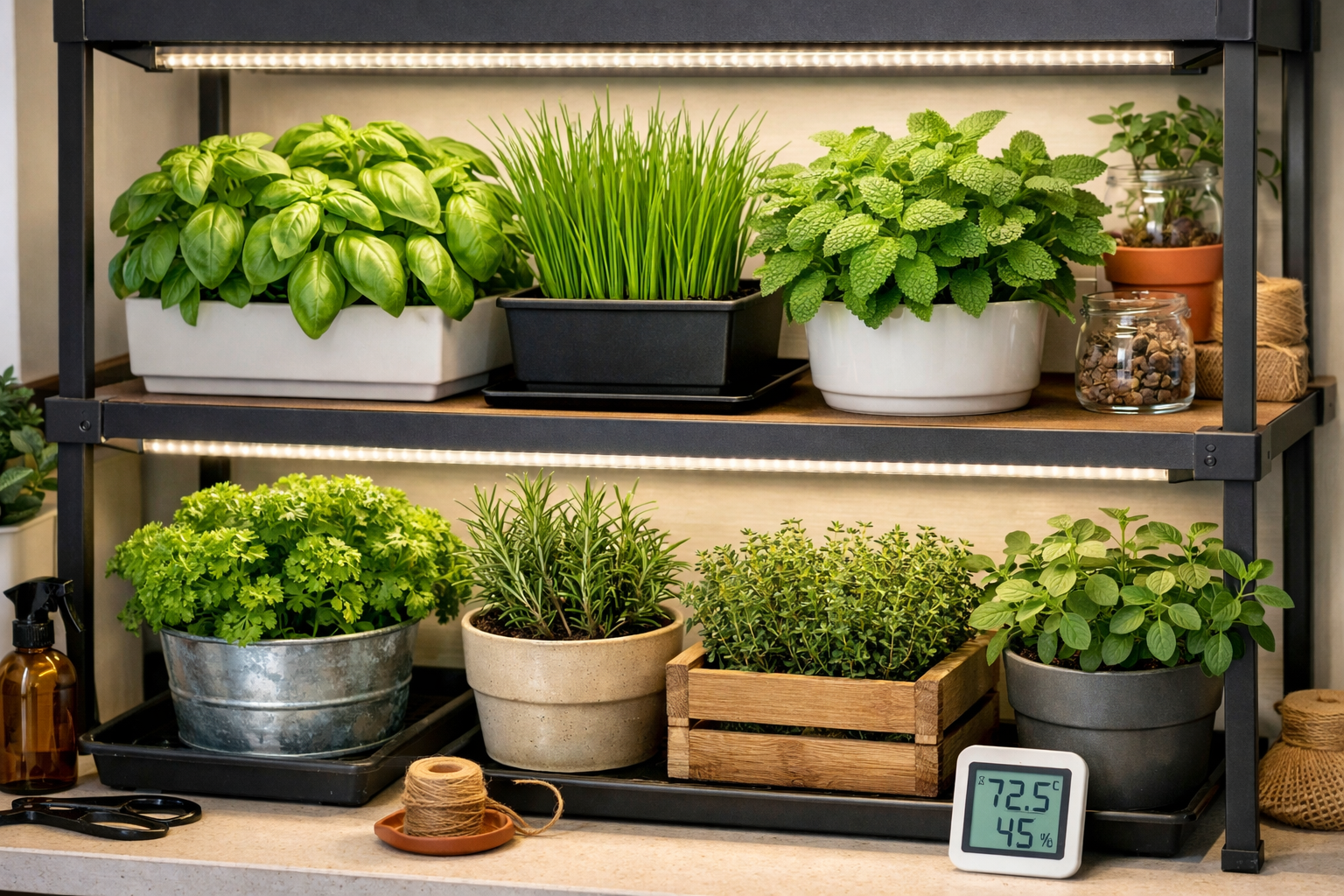
Growing herbs indoors successfully involves selecting appropriate varieties, providing ample light (natural or supplemental), maintaining consistent temperatures, ensuring proper watering and drainage, and supplying adequate humidity. With these conditions met, most common culinary herbs can thrive within your home, offering fresh ingredients whenever you need them.
Why Grow Herbs Indoors? Benefits and Considerations
Growing herbs indoors offers numerous advantages, from year-round access to fresh ingredients to enhancing your home’s aesthetic and air quality. This practice is particularly beneficial for those with limited outdoor space or living in climates with harsh winters, as it brings the garden inside.
Benefits of Growing Herbs Indoors:
- Freshness on Demand: Harvest herbs just before use for maximum flavor and nutritional value.
- Cost Savings: Reduce grocery bills by growing your own herbs instead of purchasing them frequently.
- Pest Control: Indoor environments generally have fewer pests compared to outdoor gardens.
- Convenience: Your herb garden is always accessible, no matter the weather.
- Aesthetic Appeal: Green plants add beauty and a touch of nature to your living space.
- Educational Opportunity: A great way to introduce children to gardening and plant care.
Key Considerations for a Successful Indoor Herb Garden:
While the benefits are significant, it’s important to consider factors like available space, lighting, and your commitment to regular care. If you have limited natural light, be prepared to invest in grow lights. If you travel frequently, consider self-watering planters or enlist a plant-sitter. Growing herbs indoors works best for individuals who can provide consistent attention to light, water, and temperature needs. For more ideas on maximizing green spaces, check out our guide on indoor gardening for small homes & apartments: 2026 guide.
Choosing the Best Herbs for Growing Indoors
Selecting the right herb varieties is crucial for successful indoor gardening, as some herbs adapt better to indoor conditions than others. Herbs that prefer similar light and water requirements can often be grouped together for easier care.
Top Indoor Herb Choices for 2026:
- Basil (Ocimum basilicum): A warm-weather annual that thrives indoors with consistent moisture and ample light. Basil cannot survive below 50°F and should not be placed on winter windowsills [1]. It requires consistently moist soil and should never dry out completely [1].
- Chives (Allium schoenoprasum): Easy to grow from seed or division, chives offer a mild onion flavor. The “Windowsill Chives” variety, specifically bred for indoor growing, features extra strong flavor, thick dark leaves, and reduced legginess [4].
- Cilantro (Coriandrum sativum): While known for bolting (going to seed) quickly outdoors, cilantro can be successfully grown indoors in cooler conditions. Plant seeds every few weeks for a continuous supply.
- Mint (Mentha spp.): A vigorous grower, mint does well indoors and can be kept in check in pots. Many varieties exist, each with unique flavors.
- Oregano (Origanum vulgare): A perennial herb that prefers slightly drier conditions between waterings [1]. It’s relatively low-maintenance once established.
- Parsley (Petroselinum crispum): Both flat-leaf and curly varieties grow well indoors from seed or small plants, preferring consistently moist soil.
- Rosemary (Rosmarinus officinalis): A woody perennial that requires bright light and prefers to dry out slightly between waterings [1].
- Sage (Salvia officinalis): Sage is another Mediterranean herb that thrives with good light and prefers soil to dry out between waterings [1].
- Thyme (Thymus vulgaris): Small-leafed thyme varieties are excellent for indoor cultivation, needing good light and drying out slightly between waterings [1].
When starting, consider varieties like chives, basil, cilantro, oregano, marjoram, sage, thyme, and rosemary as they are recommended for indoor growing [1]. If you’re a beginner, starting with just one or two of these can help build confidence. For more easy-to-grow options, check out our guide on easy plants to grow in small spaces (2026 guide).
Essential Conditions for Thriving Indoor Herbs
Successful growing herbs indoors relies on replicating their natural outdoor environment as closely as possible, focusing on light, temperature, humidity, and air circulation. Neglecting any of these can lead to weak, leggy, or unhealthy plants.
Light Requirements: The Foundation of Growth
Herbs require significant light to grow robustly indoors. They need a minimum of 6 hours of bright, direct light from a sunny south-facing window, ideally 8-10 hours. If natural light is insufficient, supplemental lighting is essential.
- Supplemental Lighting: Provide 12-16 hours of light daily from cool white fluorescent or LED grow lamps [2]. Position lights 4-6 inches above the plant tops and adjust as they grow. This is critical, especially during shorter winter days.
- Signs of Insufficient Light: Leggy growth (long stems with sparse leaves), pale foliage, or slow growth indicate your herbs aren’t getting enough light.
Temperature and Humidity: Mimicking Nature
Consistent temperatures and appropriate humidity levels are vital for herb health.
- Temperature: Herbs generally thrive at 65-70°F during the day and 55-60°F at night [1]. Avoid placing heat-sensitive herbs like basil directly on cold winter windowsills, as basil cannot survive below 50°F [1].
- Humidity: Optimal indoor humidity levels are 40-50%, but winter indoor humidity can drop to 10-20% [3]. To increase humidity, place pots on pans of moist pebbles, ensuring the pot bottoms do not sit directly in the water [3]. Misting can also provide a temporary boost.
- Air Circulation: Good air circulation prevents fungal diseases. Ensure plants aren’t too crowded, and consider a small fan on a low setting if your space is particularly stagnant.
Pots, Soil, and Watering: The Groundwork for Growing Herbs Indoors
The right containers, a well-draining soil mix, and a mindful watering schedule are fundamental to maintaining healthy indoor herbs. Incorrect choices in these areas are common causes of plant failure.
Choosing the Right Containers and Soil:
- Pots with Drainage: Always use pots that have drainage holes at the bottom to prevent waterlogging and root rot. Terracotta pots are excellent as they allow the soil to breathe and excess moisture to evaporate.
- Container Size: Herbs with mature heights shorter than 12 inches can be grown in 6-inch pots [4]. Herbs with taproots, such as dill, require deeper containers for optimal root development [4]. As plants grow, they may need to be repotted into larger containers. For guidance on appropriate containers, see our article on the best pots for small space gardening in 2026.
- Potting Mix: Use a high-quality, lightweight potting mix specifically designed for containers. This provides good drainage and aeration, which is crucial for root health. Avoid using garden soil, as it can be too heavy and may contain pests or diseases. Learn more about soil in our soil basics for container gardening: 2026 expert guide.
Watering Techniques for Indoor Herbs:
Watering needs vary greatly among herbs. It’s often better to underwater than to overwater.
- General Rule: Water when the top inch of soil feels dry to the touch. Stick your finger into the soil to check.
- Herb-Specific Needs:
- Basil: Requires consistently moist soil and should never dry out completely [1].
- Bay, Marjoram, Oregano, Sage, Thyme, Rosemary: These herbs prefer to dry out slightly between waterings [1].
- Bottom Watering: Placing pots in a tray of water for 20-30 minutes allows the plants to soak up water from the bottom, encouraging stronger root growth. Remove excess water afterward.
- Avoid Overwatering: Soggy soil leads to root rot, a common killer of indoor plants. Ensure pots can drain freely. For more details on proper watering, consult our guide on how often should you water plants? Ultimate guide 2026.
Feeding, Pruning, and Pest Management for Growing Herbs Indoors
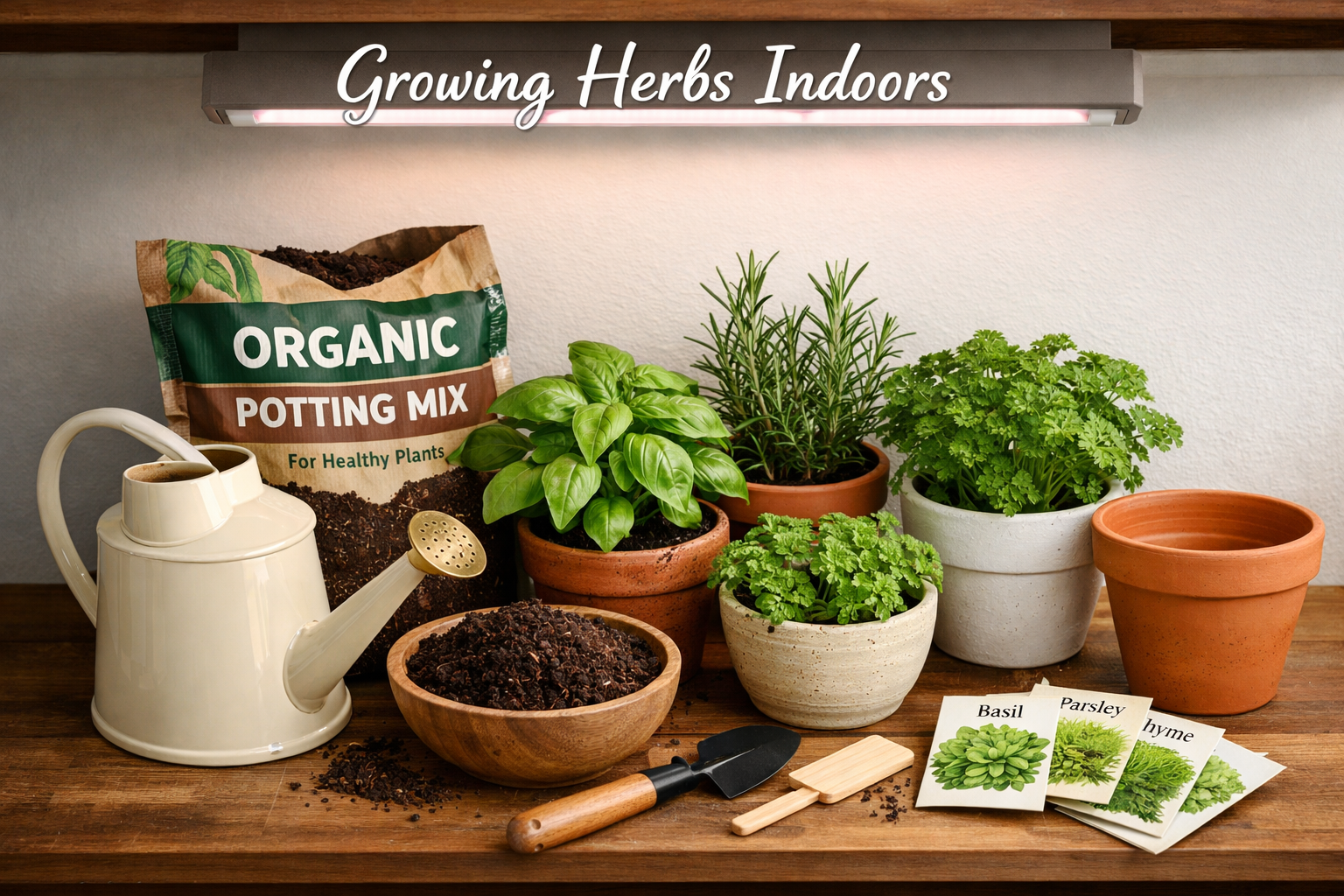
Once your herbs are established, ongoing care like feeding, regular pruning, and vigilant pest management will ensure they remain productive and healthy. These practices are essential for a long-lasting indoor herb garden.
Fertilization and Feeding:
Indoor herbs generally have fewer nutrient demands than their outdoor counterparts, especially if you start with fresh potting mix.
- Initial Nutrients: High-quality potting mix usually contains enough nutrients for the first few weeks or months.
- Feeding Schedule: After the initial period, fertilize every 4-6 weeks during active growth (spring and summer) using a balanced liquid fertilizer diluted to half strength. Reduce or stop fertilizing in fall and winter when growth slows.
- Signs of Nutrient Deficiency: Yellowing leaves, stunted growth, or poor flavor can indicate a need for nutrients.
Pruning and Harvesting: Encourage Bushier Growth
Regular pruning and harvesting are vital for maintaining the shape, health, and productivity of your indoor herbs.
- Pinch Back Regularly: To encourage bushier growth and prevent leggy plants, pinch off the top sets of leaves or flower buds. For herbs like basil, pinch above a node (where leaves emerge) to encourage two new stems.
- Harvesting: Harvest leaves as needed, taking no more than one-third of the plant at a time. This allows the plant to recover and produce more foliage. For leafy herbs, simply snip off outer leaves. For woody herbs like rosemary, prune stems.
- Preventing Bolting: For herbs like basil and cilantro, removing flower buds as soon as they appear prevents the plant from “bolting” or going to seed, which often signals the end of its leafy production.
Common Pests and Diseases Indoors:
While indoor environments reduce pest issues, they are not entirely immune. Common indoor pests include:
- Aphids: Small, soft-bodied insects often found on new growth.
- Spider Mites: Tiny arachnids that cause fine webbing and stippling on leaves.
- Fungus Gnats: Small, dark flies that are a nuisance, though their larvae can damage roots if abundant.
- Mealybugs: White, cottony pests that cluster in leaf axils.
Management Strategies:
- Inspection: Regularly inspect your plants, especially the undersides of leaves, for signs of pests.
- Quarantine: Isolate any new plants before introducing them to your existing collection.
- Manual Removal: For small infestations, physically remove pests or wipe them off with a damp cloth.
- Insecticidal Soap: Use an organic insecticidal soap spray specifically designed for plants.
- Neem Oil: A natural repellent and insecticide that can be effective against various pests.
- Improve Air Circulation: Good airflow helps prevent fungal diseases.
- Avoid Overwatering: Fungus gnats thrive in overly moist soil.
By being proactive with inspection and applying appropriate treatments, you can keep your indoor herbs healthy and pest-free.
Troubleshooting Common Indoor Herb Growing Issues
Even with the best care, you might encounter some common challenges when growing herbs indoors. Knowing how to diagnose and address these issues can save your plants and maintain your harvest.
Common Problems and Solutions:
- Leggy Growth (Stretched, Sparse Stems):
- Cause: Insufficient light.
- Solution: Move plants to a brighter window or provide supplemental LED grow lights for 12-16 hours daily [2]. Prune back leggy growth to encourage bushier development.
- Yellowing Leaves:
- Cause: Often overwatering (leading to root rot), but can also be nutrient deficiency or underwatering.
- Solution: Check soil moisture. If soggy, allow to dry out more between waterings. Ensure proper drainage. If soil is very dry, water thoroughly. Consider a diluted liquid fertilizer if no other causes are apparent.
- Drooping or Wilting Leaves:
- Cause: Usually underwatering, sometimes overwatering, or extreme temperature changes.
- Solution: If soil is dry, water immediately. If soggy, check for root rot and adjust watering. Ensure consistent temperatures (65-70°F during day, 55-60°F at night) [1].
- Slow Growth or Stunted Plants:
- Cause: Lack of light, nutrient deficiency, or incorrect pot size.
- Solution: Increase light exposure. Apply a diluted liquid fertilizer. Consider repotting into a slightly larger pot if the plant is root-bound.
- Mold on Soil Surface:
- Cause: Excessive humidity and poor air circulation.
- Solution: Improve air circulation (e.g., small fan), reduce humidity, and allow the top layer of soil to dry out between waterings. You can gently scrape off the mold.
Frequently Asked Questions (FAQ)
What is the best light for growing herbs indoors?
The best light for growing herbs indoors is either 6+ hours of bright natural sunlight from a south-facing window or 12-16 hours daily of supplemental light from cool white fluorescent or LED grow lamps [2].
How often should I water my indoor herbs?
Water indoor herbs when the top inch of soil feels dry. Some herbs like basil need consistently moist soil, while others like rosemary prefer to dry out slightly between waterings [1].
What temperature do indoor herbs need to thrive?
Indoor herbs generally thrive with daytime temperatures between 65-70°F and nighttime temperatures between 55-60°F [1].
Can I grow herbs indoors from seeds?
Yes, many herbs can be grown indoors from seeds, though starting with small plants can sometimes be quicker.
How do I prevent pests on my indoor herbs?
Prevent pests by regularly inspecting plants, isolating new additions, ensuring good air circulation, and treating minor infestations with organic insecticidal soap or neem oil.
Why are my indoor herbs getting leggy?
Leggy growth (long, stretched stems) in indoor herbs is primarily caused by insufficient light. Provide more intense light or use supplemental grow lights.
Do indoor herbs need fertilizer?
Indoor herbs benefit from a balanced liquid fertilizer diluted to half strength every 4-6 weeks during their active growing season (spring and summer).
What type of pot is best for indoor herbs?
Pots with drainage holes are essential. Terracotta pots are a good choice as they help with airflow and moisture evaporation, while 6-inch pots are suitable for most smaller herbs [4].
How do I harvest herbs to encourage more growth?
Pinch or snip off the top sets of leaves or entire stems, taking no more than one-third of the plant at a time to encourage bushier growth.
Can all herbs be grown indoors?
While many herbs can be grown indoors, some are better suited than others due to their light, temperature, and space requirements. Herbs like chives, basil, rosemary, and mint are excellent choices [1].
Conclusion
Embarking on the journey of growing herbs indoors is a fulfilling way to integrate fresh flavors into your daily life and add a touch of nature to your home. By understanding the specific needs of your chosen herbs regarding light, temperature, humidity, and proper care, you can cultivate a vibrant and productive indoor garden year-round. Remember to start with a few easy-to-grow varieties, pay attention to their individual watering preferences, and provide ample light. With consistent effort and a little patience, you’ll soon be enjoying the aromatic rewards of your very own indoor herb oasis.
Actionable Next Steps:
- Assess Your Space: Identify the sunniest window in your home or plan for supplemental lighting.
- Choose Your Herbs: Select 2-3 of the recommended herbs that fit your preferences and growing conditions.
- Gather Supplies: Purchase pots with drainage, quality potting mix, and seeds or starter plants.
- Start Planting: Follow the guidelines for planting, watering, and light to begin your indoor herb garden.
- Monitor & Adjust: Regularly check your plants for signs of stress or pests and adjust care as needed.
References
[1] Growing Herbs Indoors – https://extension.psu.edu/growing-herbs-indoors/
[2] Herb Gardening Basics – https://ucanr.edu/site/uc-master-gardeners-santa-clara-county/herb-gardening-basics
[3] Watch – https://www.youtube.com/watch?v=om-ku3-97×4
[4] Be Inspired With Indoor Herb Gardening – https://piedmontmastergardeners.org/article/be-inspired-with-indoor-herb-gardening/
[5] New Culinary Herbs Of Interest To Grow In 2026 – https://pegplant.com/2026/01/31/new-culinary-herbs-of-interest-to-grow-in-2026/