Grow Food in Small Space USA 2026: Your Expert Urban Guide
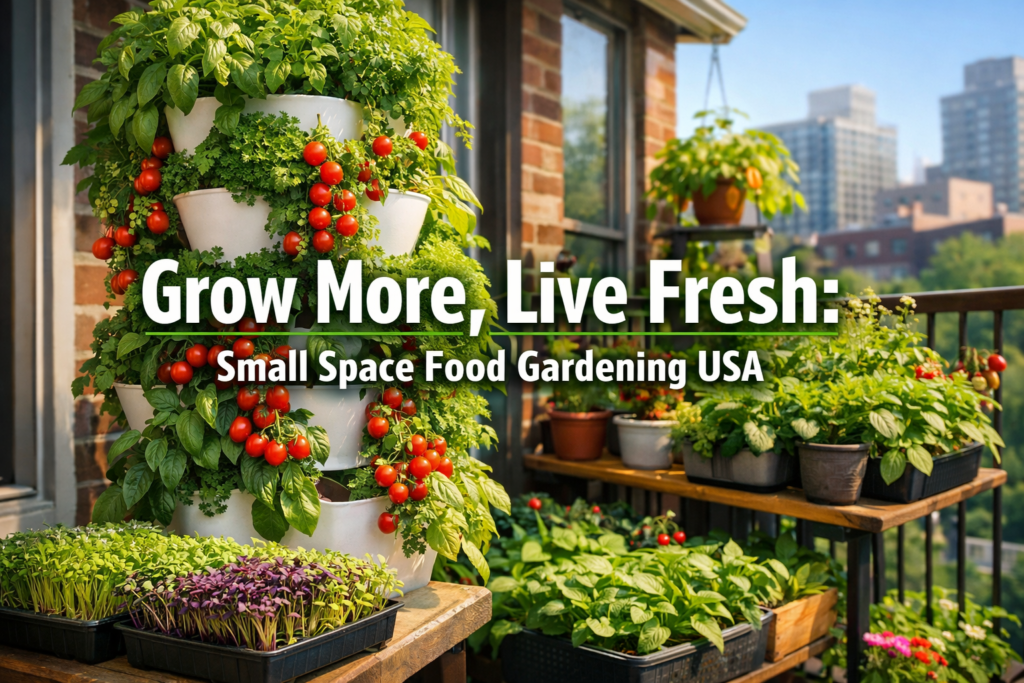
Quick Answer: Growing food in small spaces across the USA is entirely achievable through strategic plant selection, innovative gardening techniques like vertical farming and container gardening, and efficient use of available light and water. This approach allows individuals, even those in urban environments or apartments, to cultivate fresh produce, enhancing food security and promoting sustainable living.
Key Takeaways
- Diverse Methods: Utilize container gardening, vertical gardening, raised beds, and hydroponics to maximize limited square footage.
- Smart Plant Choices: Focus on compact, high-yield varieties that thrive in small environments, such as herbs, leafy greens, and determinate tomatoes.
- Location Matters: Assess sunlight availability and select plants accordingly, leveraging balconies, patios, windowsills, and even indoors with grow lights.
- Resource Efficiency: Implement drip irrigation, self-watering planters, and nutrient-rich potting mixes to optimize water and nutrient use.
- Community Support: Connect with local gardening groups and extension services for region-specific advice and resources.
- Year-Round Potential: With indoor setups, many crops can be grown continuously, transcending seasonal limitations.
- Pest Management: Small spaces require diligent but manageable pest and disease control strategies.
- Budget-Friendly Options: Start with affordable DIY solutions and recycled materials to keep initial costs low.
Why Grow Food in Small Space USA? Benefits & Motivations
Growing food in small spaces across the USA offers numerous advantages, from enhancing personal food security and access to fresh, organic produce, to supporting mental well-being and local ecosystems. It empowers individuals to take control of their food sources, reducing reliance on commercial supply chains and often saving money on groceries.
In an era where urban living is increasingly common, small-space gardening, whether on a balcony, patio, or windowsill, provides a tangible connection to nature. This connection can significantly reduce stress and improve mental clarity. Furthermore, by growing your own food, you inherently reduce your carbon footprint associated with transportation and packaging. For city dwellers in particular, this means fresh, nutrient-dense ingredients are just steps away, ready for harvest. Many find it satisfying to observe the growth cycle, from seed to plate, and the flavor of homegrown produce is often superior to store-bought alternatives.
How to Choose the Right Method for Your Small Space
Selecting the appropriate gardening method to grow food in small space USA depends heavily on your available area, sunlight, budget, and desired commitment level. Evaluate your constraints carefully before investing in specific setups.
Here’s a breakdown of popular methods:
- Container Gardening:
- Description: Growing plants in pots, tubs, grow bags, or any portable receptacle.
- Best For: Balconies, patios, rooftops, windowsills. Highly flexible for moving plants to optimize sun exposure or protect from harsh weather.
- Considerations: Requires frequent watering and good drainage. Choose pots appropriate for the plant’s mature size.
- Choose if: You have limited ground space, need portability, or are a beginner. This is an excellent entry point for growing herbs, leafy greens, and some vegetables like peppers and determinate tomatoes. For more details on what thrives, see our guide on what vegetables thrive in shallow containers.
- Vertical Gardening:
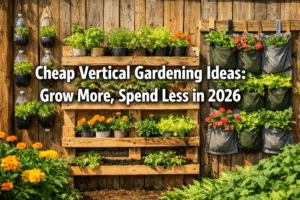
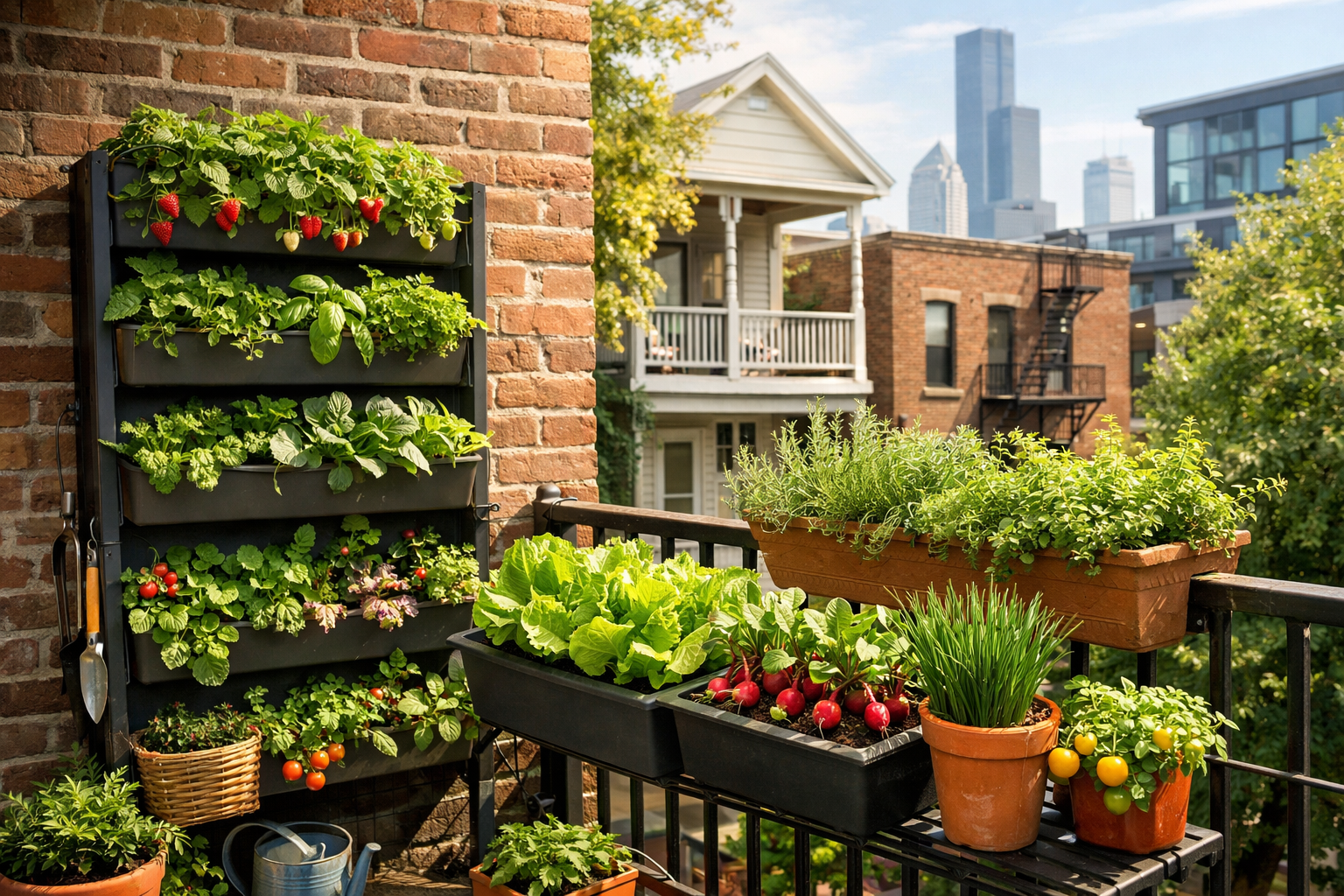
- Description: Growing plants upwards using shelves, stacked planters, hanging pockets, or wall-mounted systems.
- Best For: Maximizing yields in minimal horizontal footprint. Ideal for small patios, fences, or even indoors.
- Considerations: Even watering can be a challenge; some systems require specific plant types. Can be more complex to set up initially.
- Choose if: You have very little horizontal space but can utilize vertical surfaces. Excellent for leafy greens, strawberries, herbs, and compact flowers. Check out our Vertical Gardening Basics for more insights.
- Raised Beds:
- Description: Enclosed garden plots, typically above ground, filled with a custom soil mix.
- Best For: Small backyards, larger patios, or community garden plots. Offers better drainage and soil control than in-ground planting.
- Considerations: Requires more initial setup and soil volume than containers. Less portable.
- Choose if: You have a small patch of ground or a larger patio and want a more permanent, productive garden that’s easier on your back.
- Hydroponics & Aquaponics (Indoor/Outdoor):
- Description: Growing plants in nutrient-rich water (hydroponics) or in a symbiotic system with aquatic animals (aquaponics).
- Best For: Indoor growing, controlled environments, or those seeking advanced, high-efficiency methods.
- Considerations: Higher initial cost, requires more technical knowledge, and relies on electricity. Offers faster growth rates.
- Choose if: You have minimal space, want rapid growth, or are interested in cutting-edge gardening. Ideal for leafy greens, herbs, and small fruits.
- One common mistake is underestimating the weight of soil and water in multiple large containers. Always ensure your balcony or patio can support the combined load, especially with multiple large pots.

What to Plant: Best Crops for Small Spaces in the USA 2026
To successfully grow food in small space USA, selecting the right crops is paramount, focusing on varieties that are compact, productive, and well-suited to container or vertical growing. Prioritize plants that offer continuous harvests or have a short growth cycle to maximize yield from your limited area.
Here are top choices for 2026:
- Leafy Greens:
- Examples: Lettuce (loose-leaf varieties), spinach, arugula, kale, Swiss chard.
- Why they work: Fast-growing, tolerate partial shade, and can be harvested “cut-and-come-again,” meaning you pick outer leaves, and the plant continues producing.
- Tip: Grow spinach in containers for continuous harvests.
- Herbs:
- Examples: Basil, mint, parsley, cilantro, chives, thyme, rosemary, oregano.
- Why they work: Most herbs are compact, intensely flavorful, and thrive in pots or vertical systems. Many can also be grown indoors on a windowsill.
- Tip: Plant mint in its own container to prevent it from spreading aggressively. Our guide to growing herbs indoors offers more advice.
- Compact Vegetables:
- Tomatoes: Look for “determinate” or “bush” varieties like ‘Patio,’ ‘Tiny Tim,’ or ‘Micro Tom.’ Avoid indeterminate varieties which grow large vines.
- Tip: See our guide on growing tomatoes in small spaces.
- Peppers: Bell peppers and chili peppers (especially dwarf varieties) do well in containers, provided they get enough sun.
- Tip: Explore growing chili in pots.
- Radishes: Quick-growing and require shallow soil.
- Bush Beans: Unlike pole beans, bush beans are self-supporting and compact.
- Carrots (short varieties): Choose varieties like ‘Danvers Half Long’ or ‘Paris Market’ for shallow containers.
- Cucumbers (bush varieties): ‘Bush Champion’ or ‘Spacemaster’ are excellent choices.
- Eggplant (dwarf varieties): ‘Little Fingers’ or ‘Patio Baby’ are productive in pots.
- Tomatoes: Look for “determinate” or “bush” varieties like ‘Patio,’ ‘Tiny Tim,’ or ‘Micro Tom.’ Avoid indeterminate varieties which grow large vines.
- Strawberries:
- Why they work: Trailing habit makes them perfect for hanging baskets or vertical planters. June-bearing or everbearing varieties are suitable.
- Microgreens:
- Why they work: Super fast, high nutrient density, and can be grown year-round indoors with minimal light.
- Tip: A simple tray on a windowsill is all you need.
When deciding, always consider the mature size of the plant, its light requirements, and how much water it will need. Overcrowding is a common issue in small spaces, so give each plant enough room to thrive. For a comprehensive list, consult our Best Vegetables For Small Space Gardening In 2026.
Setting Up Your Small-Space Garden: Essentials and Smart Solutions
Successfully establishing a small-space garden to grow food in small space USA requires careful planning around key elements like sunlight, containers, soil, and watering. Optimizing these factors will ensure your plants thrive, even in urban environments.
Here’s a guide to the essentials:
- Assess Sunlight:
- Requirement: Most vegetables need at least 6-8 hours of direct sunlight daily. Leafy greens and herbs can tolerate 4-6 hours.
- Action: Observe your chosen spot (balcony, patio, windowsill) throughout the day. Note how many hours of direct sun it receives.
- Solution: If light is insufficient, consider reflective surfaces, moving plants, or investing in supplemental grow lights for indoor setups.
- Choose the Right Containers:
- Material: Terracotta, plastic, fabric grow bags, or repurposed items (food-grade buckets). Each has pros and cons regarding weight, drainage, and insulation.
- Size: The bigger the pot, the more soil it holds, providing better moisture retention and root space.
- Minimums:
- Herbs: 6-8 inches deep
- Leafy Greens: 6-10 inches deep
- Peppers/Eggplant: 10-12 inches deep
- Tomatoes (bush): 12-18 inches deep
- Minimums:
- Drainage: Ensure all containers have drainage holes to prevent root rot.
- Options: Explore DIY container gardening ideas for budget-friendly solutions.
- Quality Soil is Key:
- Type: Use a high-quality potting mix, not garden soil. Potting mix is lighter, drains better, and is formulated for container growing.
- Amendments: Consider adding compost or slow-release organic fertilizers to enrich the soil.
- Tip: Never reuse old potting mix without replenishing its nutrients, as it becomes depleted. Our Best Soil Mix For Container Gardening guide offers comprehensive advice.
- Efficient Watering Systems:
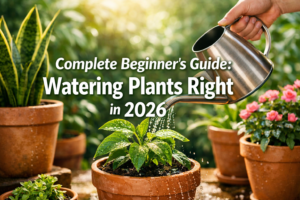
- Frequency: Container plants dry out faster than in-ground plants. Check soil moisture daily.
- Methods:
- Hand Watering: Simple but time-consuming for multiple pots.
- Self-Watering Planters: Reduce watering frequency, ideal for busy gardeners.
- Drip Irrigation: Efficient and automated, especially for larger small-space setups.
- Tip: Water deeply until water drains from the bottom. Avoid shallow, frequent watering. For specifics, refer to how often to water container vegetables in summer.
- Fertilization:
- Need: Potting mixes typically lose nutrients quickly. Container plants require regular feeding.
- Options: Liquid fertilizers (weekly/bi-weekly) or slow-release granular fertilizers (every 2-3 months).
- Organic: Consider fish emulsion, seaweed extract, or compost tea for organic feeding.
- Pest and Disease Management:
- Prevention: Healthy plants are less susceptible. Ensure proper watering, light, and nutrients.
- Observation: Regularly inspect plants for signs of pests or disease.
- Treatment: Use organic pest control methods like neem oil, insecticidal soap, or manual removal if issues arise. Small spaces make early detection and treatment easier. Find more guidance on Pest Control For Small Gardens.
Decision Rule: Choose self-watering planters if you travel frequently or tend to forget watering. Opt for fabric grow bags if weight is a concern on a balcony, as they are much lighter than terracotta.
Maximizing Yields in Limited Space: Advanced Techniques for 2026
To truly grow food in small space USA, gardeners need to go beyond basic container planting and adopt smart strategies that push the boundaries of what limited square footage can produce. These advanced techniques help optimize growth, space, and time.
- Verticality is Your Friend:
- Technique: Utilize vertical surfaces for growing. This includes tiered planters, wall-mounted pocket systems, trellises, arbors, and hanging baskets.
- Benefits: Frees up ground space, improves air circulation, and can make harvesting easier.
- Example: Grow vining plants like cucumbers or peas up a trellis, or strawberries in a vertical stacker. Consider an indoor vertical gardening guide for year-round options.
- Succession Planting:
- Technique: Staggering planting times for the same crop or planting new crops immediately after harvesting old ones.
- Benefits: Ensures a continuous harvest rather than one large flush, making the most of a limited growing season or space.
- Example: Plant a new batch of lettuce every two weeks. As one crop is harvested, another is ready to take its place.
- Interplanting (Companion Planting):
- Technique: Growing different plants together in the same container or bed, often to their mutual benefit.
- Benefits: Maximizes space, can deter pests, and improve plant health.
- Example: Planting basil with tomatoes (they enjoy similar conditions and basil is thought to deter tomato hornworms), or marigolds with vegetables to repel nematodes and other pests.
- Pruning and Training:
- Technique: Regularly trimming plants to control size and shape, or guiding their growth along supports.
- Benefits: Encourages bushier growth, increases yield, and keeps plants manageable in confined spaces.
- Example: Pinching back basil encourages more leaf production. Removing “suckers” from tomato plants diverts energy into fruit production.
- Hydroponics and Aeroponics:
- Technique: Soilless growing methods that deliver nutrients directly to plant roots via water or mist.
- Benefits: Faster growth, higher yields, and uses significantly less water than traditional soil gardening. Ideal for indoor spaces where light and temperature can be precisely controlled.
- Considerations: Higher initial cost and a steeper learning curve compared to soil-based methods.
- Lighting Optimization (for indoor growing):
- Technique: Using LED grow lights to supplement natural light or provide the sole light source for plants grown indoors.
- Benefits: Enables year-round growing, especially for herbs and leafy greens, and allows gardening in areas with poor natural light.
- Recommendation: Full-spectrum LED grow lights are energy-efficient and effective.
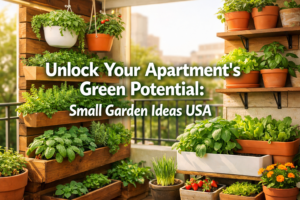
Quick Example: On a small balcony, you could have a vertical garden unit producing various lettuces and herbs. Below it, in a large container, you might grow a determinate tomato variety with bush beans interplanted around its base. As the lettuce is harvested, you immediately sow new seeds, ensuring a continuous supply of greens. This layered approach is critical for maximizing output.
Common Mistakes to Avoid When Growing Food in Small Spaces
Even with the best intentions, several common pitfalls can hinder success when you grow food in small space USA. Being aware of these mistakes can save you time, effort, and disappointment, ensuring a more productive and enjoyable gardening experience.
- Underestimating Sunlight Requirements: Many beginner gardeners assume “some sun” is enough. Most fruiting vegetables (tomatoes, peppers, cucumbers) need a minimum of 6-8 hours of direct sunlight daily. Leafy greens and root vegetables might manage with 4-6 hours.
- Mistake: Planting sun-loving vegetables in a shady spot.
- Solution: Track sun exposure for a full day before planting. Choose shade-tolerant plants for less sunny areas.
- Inadequate Container Size and Drainage: Too-small pots restrict root growth, leading to stunted plants and quick drying out. Lack of drainage causes waterlogging and root rot.
- Mistake: Using small, decorative pots without drainage holes.
- Solution: Use containers that are sufficiently sized for the mature plant and always ensure excellent drainage. Read our guide on common vegetable growing mistakes for more details.
- Poor Soil Quality: Garden soil compacts in containers, hindering aeration and drainage. Cheap potting mix often lacks nutrients.
- Mistake: Using heavy garden soil or expired potting mix.
- Solution: Invest in a high-quality, lightweight potting mix specifically designed for containers. Amend with compost for added nutrients.
- Inconsistent Watering: Container plants dry out much faster than in-ground plants. Both under-watering and over-watering are detrimental.
- Mistake: Watering on a strict schedule without checking soil moisture, or letting plants wilt before watering.
- Solution: Check soil moisture daily by sticking your finger an inch or two deep. Water thoroughly until it drains from the bottom. Consider self-watering planters.
- Neglecting Fertilization: Plants in containers quickly deplete the nutrients in their limited soil volume.
- Mistake: Assuming the potting mix provides all necessary nutrients for the entire season.
- Solution: Incorporate slow-release fertilizer at planting or use liquid feed regularly according to product instructions.
- Overcrowding Plants: While it’s tempting to fit as many plants as possible, overcrowding leads to competition for light, water, and nutrients, reducing overall yield. It also increases the risk of disease.
- Mistake: Planting seeds or seedlings too close together.
- Solution: Follow spacing guidelines for container growing, even if it means fewer plants. Prune judiciously to manage plant size.
- Ignoring Pest and Disease Signs: In small spaces, problems can spread rapidly.
- Mistake: Waiting until an infestation or disease is severe before acting.
- Solution: Inspect your plants regularly (daily or every other day). Address issues immediately with appropriate organic treatments.
Edge Case: If you live in a very windy area (e.g., a high-rise balcony), ensure your containers are heavy enough or secured to prevent tipping. Wind also increases evaporation, so you may need to water more frequently.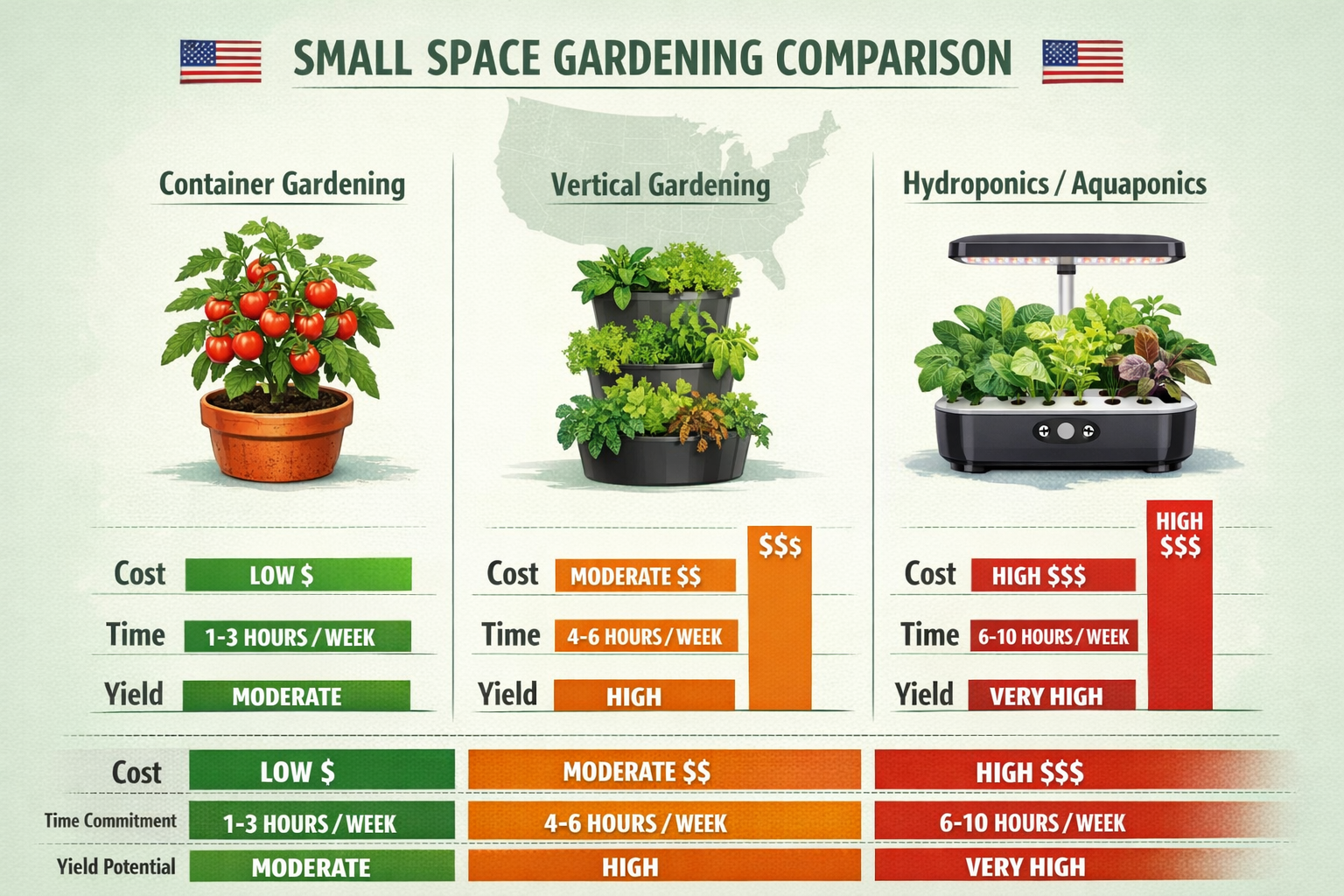
Conclusion: Cultivating Abundance in Small Spaces
The dream of growing your own food, even with limited space in the USA, is not just a pipe dream in 2026—it’s an accessible reality. By embracing smart strategies, innovative techniques, and the right plant choices, anyone can transform a small balcony, patio, windowsill, or even an indoor corner into a thriving edible garden. From the satisfaction of harvesting your first fresh tomato to the peace of mind that comes with sustainable living, small-space gardening offers a wealth of benefits. The key is to start small, observe your environment, and learn as you grow. With careful planning and consistent care, you’ll be enjoying fresh, homegrown produce in no time, proving that even the tiniest plot can yield a bountiful harvest.
Actionable Next Steps:
- Assess Your Space: Determine sunlight exposure and available square footage.
- Choose a Method: Select container, vertical, or a hybrid approach based on your assessment.
- Select Your First Crops: Start with easy-to-grow herbs or leafy greens.
- Gather Supplies: Purchase appropriate containers, potting mix, and seeds/seedlings.
- Start Planting! Enjoy the process and learn from your experiences.
Related Reading
- Small Space Garden Hacks: Grow More In Less (2026)
- Best Vegetables For Small Space Gardening In 2026
- Vertical Gardening Basics: Your 2026 Guide To Small Space Gardens
FAQ
What are the easiest vegetables to grow in small spaces?
Leafy greens like lettuce, spinach, and arugula, along with herbs such as basil and mint, are among the easiest vegetables to grow in small spaces due to their compact size and relatively quick growth cycles.
Can I grow vegetables indoors in a small space?
Yes, you can absolutely grow vegetables indoors in a small space, especially leafy greens, herbs, and microgreens. Supplemental grow lights are often necessary to provide adequate light, and proper air circulation is important.
How much sunlight do container vegetables need?
Most fruiting vegetables grown in containers, such as tomatoes and peppers, require a minimum of 6-8 hours of direct sunlight per day. Leafy greens and root vegetables can often thrive with 4-6 hours.
What kind of soil is best for small container gardens?
A high-quality, lightweight potting mix specifically formulated for container gardening is best. It provides good drainage, aeration, and nutrients, unlike heavy garden soil which compacts in pots.
How often should I water my small container garden?
The watering frequency for small container gardens varies, but you should check the soil moisture daily. Water thoroughly when the top inch or two of soil feels dry, allowing water to drain from the bottom of the pot.
Can I use recycled materials for small space gardening?
Yes, many recycled materials like food-grade buckets, plastic bottles (for vertical systems), and old tires (for raised beds) can be repurposed for small space gardening, saving money and reducing waste. Ensure they are clean and safe for growing food.
Are vertical gardens good for small spaces?
Vertical gardens are excellent for small spaces as they maximize growing area by utilizing vertical surfaces, allowing you to grow a significant amount of produce in a minimal horizontal footprint.
What are some common pests in small urban gardens?
Common pests in small urban gardens include aphids, spider mites, whiteflies, and slugs. Regular inspection and early intervention with organic pest control methods like neem oil or insecticidal soap are crucial.
Do I need to fertilize plants in small containers?
Yes, plants in small containers deplete soil nutrients quickly and require regular fertilization. Use a slow-release granular fertilizer or a liquid feed applied every 1-2 weeks during the growing season.
How can I grow food in a small space on a budget?
To grow food in a small space on a budget, start with seeds instead of seedlings, use recycled containers, make your own compost, and look for free resources from local gardening groups or community compost programs.