What vegetables can grow in very shallow containers (under 8 inches)?
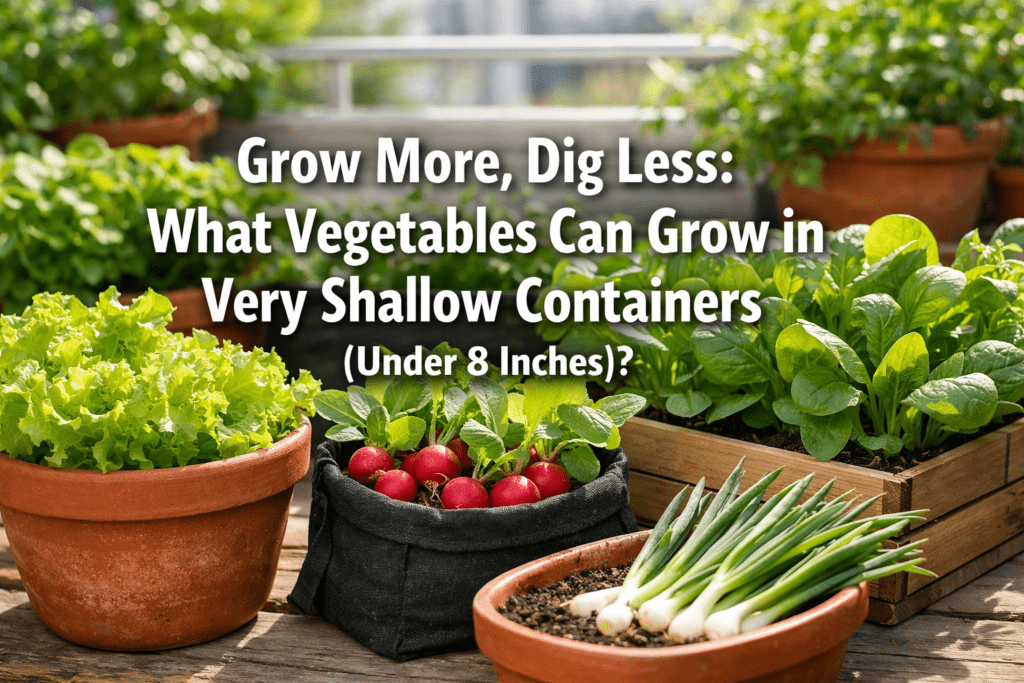
Are you dreaming of a vibrant vegetable garden but challenged by limited space or shallow containers? You’re not alone. Many urban gardeners, apartment dwellers, and those with small patios often wonder, “What vegetables can grow in very shallow containers (under 8 inches)?” The good news is that a surprising variety of delicious and productive vegetables can thrive with minimal soil depth, making gardening accessible to almost anyone in 2026. This guide will explore the best options, cultivation tips, and essential considerations for maximizing your harvest in confined spaces.
Key Takeaways
- Leafy greens excel: Lettuce, spinach, arugula, and Swiss chard are top performers in containers 6-8 inches deep.
- Root crops possible: Radishes and some carrot varieties can succeed in shallow pots, provided the container is wide enough.
- Herbs are ideal: Most culinary herbs thrive in 6-8 inch deep containers, offering continuous harvests.
- Consider container width: For bushy plants, width is as crucial as depth for root expansion and stability [1].
- Proper drainage is vital: Ensure all shallow containers have adequate drainage holes to prevent root rot.
- Consistent watering: Shallow containers dry out quickly, necessitating frequent and consistent watering.
- Nutrient-rich soil: Use high-quality potting mix and consider regular fertilization to compensate for limited soil volume.
- Succession planting: Maximize yields by planting small batches every few weeks.
- Compact varieties: Choose “mini” or “bush” varieties specifically bred for small spaces.
Quick Answer
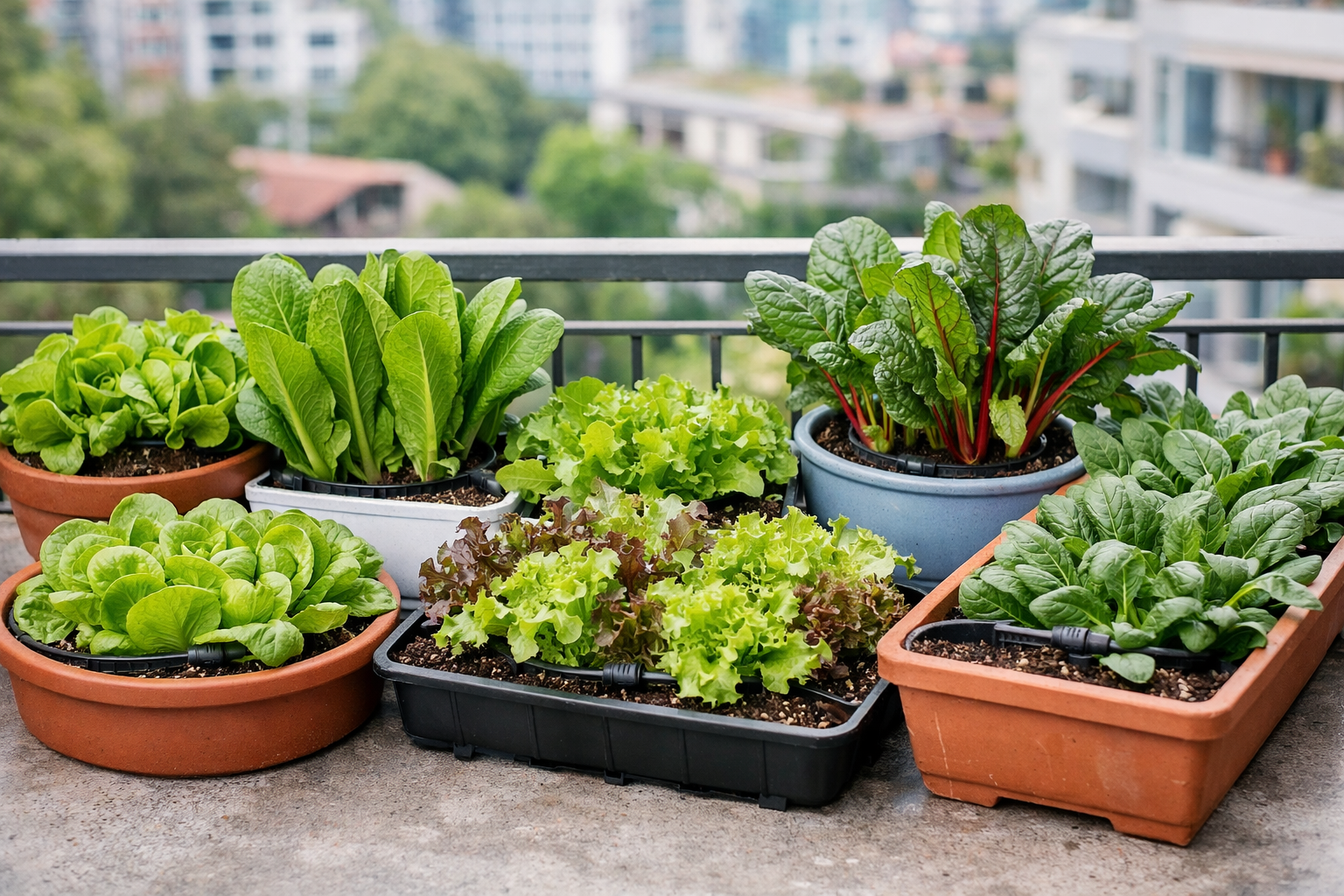
Many shallow-rooted vegetables and herbs thrive in containers under 8 inches deep, making them perfect for small spaces like balconies, windowsills, and patios. The best options include various types of lettuce, spinach, radishes, scallions, arugula, and most culinary herbs such as basil and chives [2, 3]. These plants require less root depth and can produce a significant yield even in limited soil volume, provided they receive adequate water and nutrients.
Which Leafy Greens Flourish in Shallow Containers (Under 8 Inches)?
Leafy greens are exceptionally well-suited for very shallow containers, often requiring only 4-8 inches of soil depth for robust growth. This makes them ideal candidates for gardeners asking what vegetables can grow in very shallow containers (under 8 inches).
Optimal Leafy Greens for Shallow Containers:
- Lettuce: Almost all varieties of lettuce, especially loose-leaf types like ‘Black Seed Simpson’ or ‘Butterhead’, perform excellently in containers 6-8 inches deep [2, 4]. ‘Oakleaf’ and ‘Romaine’ varieties also do well. You can harvest outer leaves continuously, allowing the plant to keep producing.
- Decision Rule: Choose loose-leaf varieties if you want frequent, small harvests; opt for smaller head varieties like ‘Tom Thumb’ if you prefer a single, compact harvest.
- Spinach: This nutrient-rich green is another top choice for shallow containers, thriving in 6-8 inches of soil [1]. Varieties like ‘Bloomsdale Long Standing’ or ‘Tyee’ are particularly good. Spinach prefers cooler temperatures, making it a great spring or fall crop.
- Arugula: Known for its peppery flavor, arugula grows quickly in shallow containers and can be harvested repeatedly. It needs approximately 4-6 inches of soil depth and matures rapidly.
- Swiss Chard: With roots similar to beets, Swiss chard generally requires about 8 inches of depth, making it suitable for the upper limit of very shallow containers [2]. Varieties like ‘Bright Lights’ and ‘Ruby Red’ offer vibrant colors and continuous harvests.
- Common Mistake: Overcrowding. Give Swiss chard enough space (6-8 inches between plants) for optimal leaf development, even in shallow pots.
- Mizuna: This Japanese mustard green has delicate, serrated leaves and a mild peppery taste. It’s a fast grower and can thrive in as little as 4-6 inches of soil.
To ensure success with leafy greens, always use a high-quality potting mix that drains well and retains moisture [4]. For more comprehensive guidance on soil, refer to our article on Soil Basics for Container Gardening: 2026 Expert Guide.
What Root Vegetables Can You Grow in Very Shallow Containers (Under 8 Inches)?
While many root vegetables require deeper soil, a select few can be successfully cultivated in very shallow containers under 8 inches deep, offering a rewarding harvest for gardeners with limited space.
Shallow-Rooted Vegetables:
- Radishes: These fast-growing root vegetables are excellent for shallow containers, needing only 6-8 inches of soil depth [2, 3]. Standard varieties like ‘Cherry Belle’ or ‘French Breakfast’ mature in as little as 3-4 weeks and require minimal growing space—about one square inch per root [3].
- Tip for Success: Plant radishes in succession every week or two for a continuous harvest.
- Scallions/Green Onions: Also known as green onions, these are perfect for 6-8 inch deep pots [2, 4]. Varieties such as ‘White Lisbon’ and ‘Evergreen Bunching’ can be harvested by snipping the greens, allowing them to regrow multiple times. You can even replant the white ends of store-bought scallions to regrow them.
- Baby Carrots (Specific Varieties): While most carrots need deeper soil, certain short-rooted or “mini” varieties, like ‘Paris Market’ (round carrots) or ‘Danvers Half Long’ (if harvested young), can be attempted in containers 6-8 inches deep. They won’t reach full size but can still provide a tasty crop.
- Edge Case: Ensure the container is wide enough to allow for proper root expansion, as shallow containers often also mean smaller overall volume [1].
Container Type Considerations:
For root vegetables, the container’s width is nearly as important as its depth. A wider container provides more surface area for roots to spread horizontally, even if they can’t go deep. Rectangular window boxes or shallow fabric grow bags can be ideal. For more information on suitable containers, explore our guide on Best Pots for Small Space Gardening in 2026 – Maximize Your.
What Herbs and Other Quick-Growing Crops Thrive in Very Shallow Containers (Under 8 Inches)?
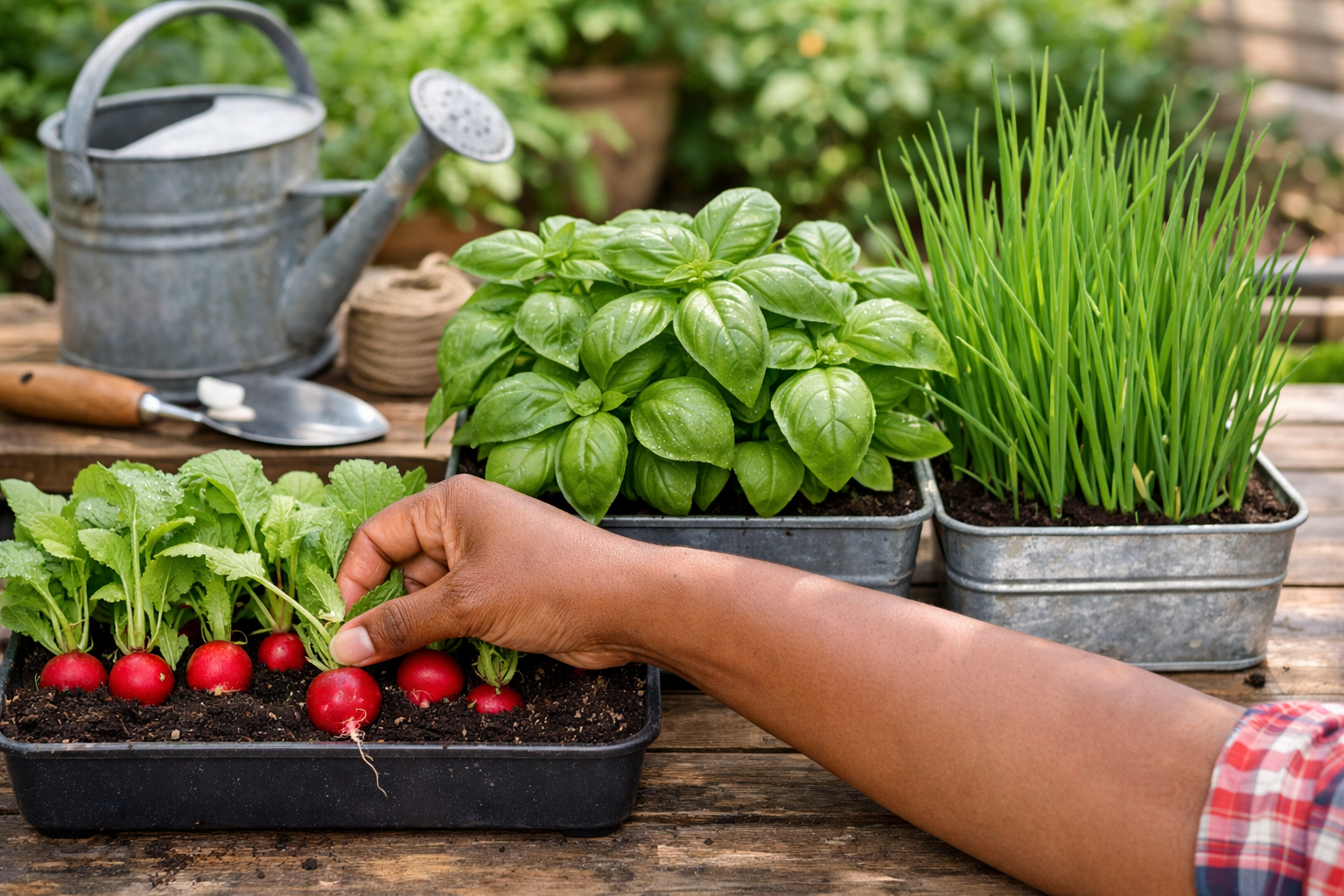
Many herbs and certain quick-growing crops are perfectly suited for very shallow containers, making them excellent choices for indoor gardening or small outdoor spaces when considering what vegetables can grow in very shallow containers (under 8 inches).
Ideal Herbs and Quick Crops:
- Most Culinary Herbs: A wide array of herbs flourishes in containers 6-8 inches deep [1].
- Basil: While some varieties prefer a bit more space, compact basil types like ‘Genovese Compact’, ‘Everleaf’, or ‘Tulsi’ can grow well in 8-inch deep containers [2]. Basil loves warmth and sunlight.
- Chives: These hardy perennials thrive in shallow pots and can be harvested by snipping the green blades.
- Cilantro: A fast-growing herb that does well in 6-8 inch deep pots. It prefers cooler temperatures, so consider planting in spring or fall, or providing partial shade in summer.
- Parsley: Both flat-leaf and curly parsley varieties are excellent for shallow containers and can be harvested continuously.
- Mint: Known for its vigorous growth, mint is actually best grown in containers, even shallow ones, to prevent it from spreading invasively in a garden bed. It needs regular watering.
- Thyme and Oregano: These Mediterranean herbs are relatively drought-tolerant once established and are content in shallow containers.
- Microgreens: While not technically “vegetables” in the traditional sense, microgreens are incredibly popular for shallow growing. They require only 1-2 inches of soil or growing medium and are harvested when very young, making them the ultimate shallow-container crop.
- Mustard Greens: Similar to arugula, mustard greens grow quickly and can be harvested as cut-and-come-again crops in 4-6 inch deep containers.
Optimizing Growth in Shallow Containers:
- Watering Frequency: Shallow containers dry out much faster than deeper ones, so consistent watering is crucial. Check the soil moisture daily, especially during warm weather [4].
- Fertilization: With limited soil volume, nutrients can deplete quickly. Use a balanced liquid fertilizer every 2-4 weeks to replenish essential nutrients [4].
- Sunlight: Most herbs and quick crops require at least 6 hours of direct sunlight daily. If growing indoors, consider a grow light. For guidance on general plant care, see our Beginner’s Guide to Plant Care 2026: Grow Thriving Plants.
Essential Tips for Successful Shallow Container Gardening in 2026
Successfully growing vegetables in very shallow containers requires specific attention to a few key factors. By optimizing these elements, you can achieve a bountiful harvest even with limited soil depth.
Key Success Factors:
- Container Selection:
- Drainage Holes: This is non-negotiable. Every container, regardless of depth, must have adequate drainage holes to prevent waterlogging and root rot [4].
- Material: Terracotta pots breathe well but dry out quickly. Plastic pots retain moisture longer. Fabric grow bags offer excellent aeration but also dry faster. Choose based on your climate and watering habits [6].
- Width: For plants that spread horizontally, like some leafy greens, opt for wider containers even if they are shallow. This provides more surface area for root development and stability [1, 5].
- High-Quality Potting Mix: Do not use garden soil, as it compacts easily in containers and can harbor pests and diseases. Instead, use a lightweight, well-draining potting mix specifically formulated for containers [4]. This mix provides aeration and essential nutrients for young plants.
- Watering Strategy:
- Frequent Checks: Shallow containers lose moisture rapidly. Check the soil daily by sticking your finger about an inch deep. If it feels dry, it’s time to water.
- Deep Watering: When you do water, do so thoroughly until water drains from the bottom. This encourages roots to grow downwards, even in shallow conditions. Avoid overhead watering for leafy greens to prevent fungal diseases.
- Fertilization: With less soil, nutrients are used up faster. Supplement with a balanced, organic liquid fertilizer every 2-4 weeks according to product instructions. This is especially important for continuous harvest plants like lettuce and spinach.
- Sunlight Requirements: Most vegetables need at least 6-8 hours of direct sunlight per day to thrive [4]. Ensure your chosen growing location (balcony, windowsill, patio) meets this requirement. For indoor setups, supplemental grow lights may be necessary.
- Choosing Compact Varieties: Always look for seed packets or plant tags that specify “bush,” “mini,” “dwarf,” or “container-friendly” varieties. These are bred to produce well in confined spaces.
- Succession Planting: To ensure a continuous supply of fresh produce, plant small batches of seeds every 1-2 weeks instead of planting everything at once. This staggers harvests and prevents a glut of produce followed by nothing.
- Pest and Disease Management: In small spaces, pests can spread quickly. Inspect your plants regularly for any signs of trouble. Early detection and organic pest control methods are crucial.
By meticulously attending to these details, you can overcome the challenges of shallow containers and enjoy a flourishing vegetable garden right at your fingertips. For broader tips on Small Space Vegetable Gardening: 2026 Step-by-Step Guide, our comprehensive resource can provide further assistance.
Best Practices for Maximizing Yield in Shallow Containers
To truly get the most out of your shallow container garden, applying smart techniques can significantly increase your harvest. These practices are especially important when limited by depth under 8 inches.
Strategies for High Yield:
- “Cut-and-Come-Again” Harvesting: For leafy greens like lettuce, spinach, arugula, and Swiss chard, instead of harvesting the entire plant, snip off only the outer leaves. This allows the inner leaves to continue growing, providing multiple harvests from a single plant.
- Benefit: Extends the productive life of each plant and maximizes yield over time.
- Succession Planting: Stagger your plantings by sowing small batches of seeds every 1-2 weeks. This ensures a continuous supply of mature vegetables rather than having all your crops ready at once.
- Example: Plant a small row of radishes every week. By the time the first batch is harvested, the next is ready, and so on.
- Companion Planting (Carefully): In shallow containers, companion planting can be tricky due to limited space, but certain pairs can be beneficial. For instance, planting chives or marigolds near leafy greens can deter pests. Ensure companions don’t compete excessively for nutrients or light.
- Optimized Spacing: Follow recommended spacing on seed packets, but lean towards slightly wider spacing if possible to promote better air circulation and light penetration, reducing the risk of fungal issues. For plants like radishes, you can plant them relatively close, as they don’t require much individual space [3].
- Pruning Herbs for Bushiness: Regularly pinch back the growing tips of herbs like basil. This encourages the plant to branch out, resulting in a bushier plant with more leaves to harvest. If left unpruned, basil will focus on producing flowers, which reduces leaf production and can make the leaves bitter.
- Gentle Harvesting: When harvesting, use clean scissors or a sharp knife to avoid damaging the plant. For root vegetables like radishes, gently twist and pull the plant, or use a small trowel to loosen the soil around the root before pulling.
- Nutrient Replenishment: After several harvests, the soil in shallow containers will be depleted. Gently top-dress with a layer of fresh compost or a slow-release granular organic fertilizer to rejuvenate the soil.
By implementing these practices, you can turn even the smallest and shallowest of containers into productive mini-gardens, continually providing fresh produce.
Troubleshooting Common Issues in Shallow Container Gardens
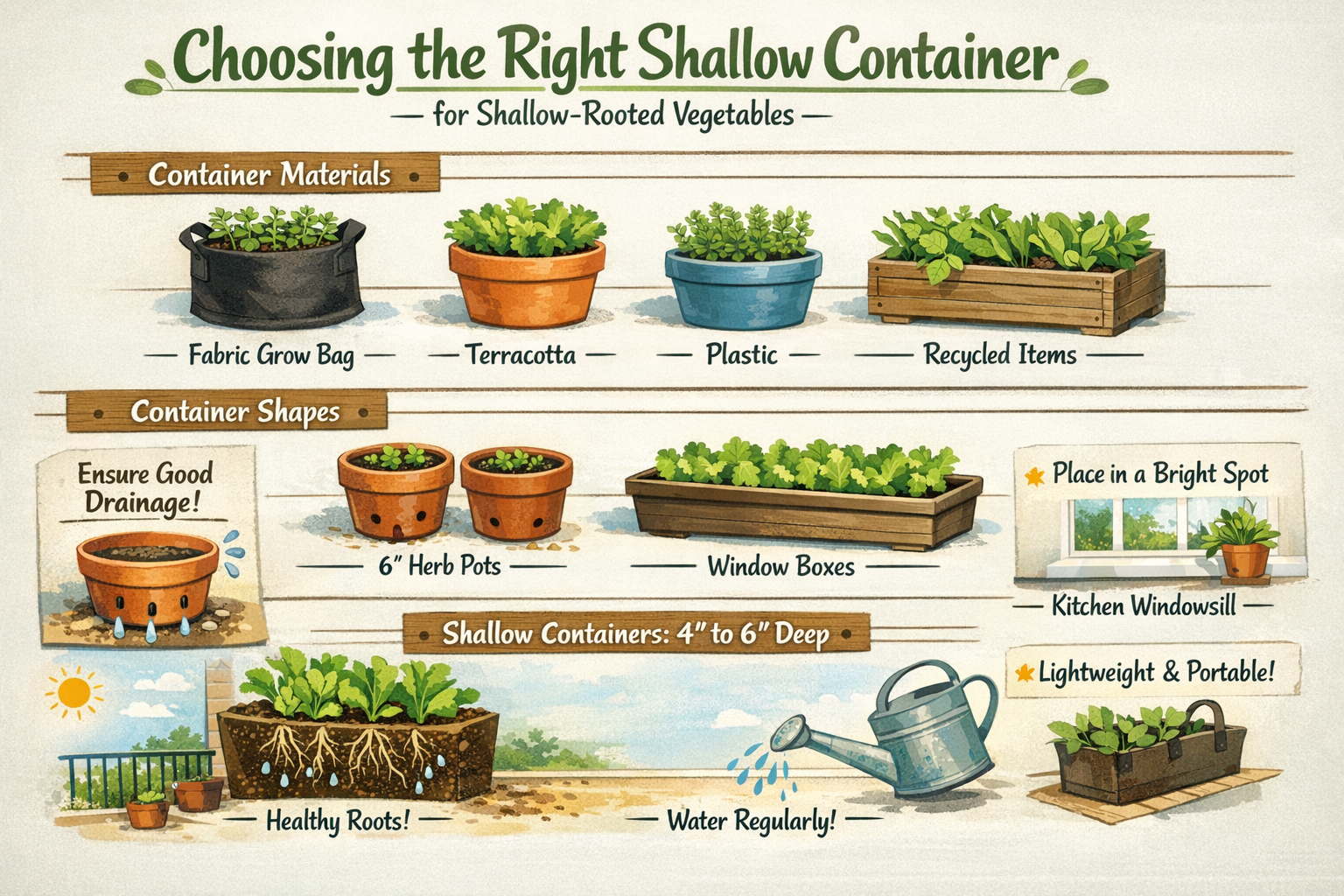
Gardening in very shallow containers presents unique challenges, but most common issues can be easily addressed with the right knowledge. Here’s how to troubleshoot problems you might encounter.
Common Problems and Solutions:
| Problem | Description | Solution |
|---|---|---|
| Rapid Drying Soil | Soil dries out too quickly, requiring frequent watering. | Use moisture-retentive potting mix (contains coco coir or vermiculite). Consider self-watering containers if possible. Group pots together to create a microclimate. Add a layer of mulch (shredded leaves, straw) to the soil surface to reduce evaporation. |
| Nutrient Deficiency | Plants show yellowing leaves, stunted growth, or poor production. | Shallow containers deplete nutrients fast. Incorporate slow-release granular fertilizer into the potting mix at planting. Supplement with a balanced liquid fertilizer every 2-4 weeks. Ensure proper watering, as nutrient uptake is hindered by dry soil. |
| Leggy Plants | Plants are tall, stretched, and sparse with few leaves. | Insufficient light is the primary cause. Move plants to a location with more direct sunlight (6+ hours/day). If indoors, use a full-spectrum grow light, placing it close enough to the plants (typically 4-6 inches above). Rotate plants regularly for even light exposure. |
| Pests (Aphids, Spider Mites) | Small insects on leaves, sticky residue, or webbing. | Regularly inspect plants. For mild infestations, spray with a strong stream of water or use insecticidal soap. Introduce beneficial insects like ladybugs (for outdoor gardens). For severe cases, consider neem oil sprays. Ensure good air circulation around plants to deter pests. |
| Fungal Diseases | Powdery mildew, leaf spots, or damping off (seedlings collapsing). | Caused by high humidity and poor air circulation. Space plants adequately. Water at the base of the plant, avoiding wetting foliage. Ensure good drainage. Remove affected leaves immediately. Increase air circulation, especially in indoor settings. Fungicides (organic options available) can be used as a last resort. |
| Root Rot | Plants wilt despite moist soil; roots are brown and mushy. | Caused by overwatering and poor drainage. Ensure containers have sufficient drainage holes. Use a well-draining potting mix. Allow the top inch of soil to dry out before re-watering. Consider repotting with fresh, dry soil and pruning affected roots if the plant is still viable. |
| Plants Bolting | Leafy greens prematurely send up a flower stalk and become bitter. | Often triggered by warm temperatures, long days, or stress. Plant heat-tolerant varieties or provide partial shade during the hottest parts of the day. Harvest frequently to delay bolting. Ensure consistent moisture. Some plants, like spinach, are naturally prone to bolting in warmer weather. |
Addressing these issues proactively will help maintain the health and productivity of your shallow container garden, ensuring a steady supply of fresh vegetables throughout the growing season in 2026.
Conclusion
Embracing the challenge of growing vegetables in very shallow containers (under 8 inches) opens up a world of possibilities for urban gardeners, small-space enthusiasts, and anyone looking to cultivate fresh produce. We’ve explored that a surprising array of leafy greens like lettuce, spinach, arugula, and Swiss chard, along with quick-growing root vegetables such as radishes and scallions, and a multitude of culinary herbs, can thrive with minimal soil depth.
The key to success lies in mindful container selection, using a premium potting mix, consistent watering and fertilization, and strategic harvesting techniques like “cut-and-come-again.” By focusing on compact varieties and understanding the specific needs of these shallow-rooted plants, you can overcome spatial constraints and enjoy a bountiful harvest right at your fingertips in 2026. Don’t let a lack of deep garden beds deter you; your next delicious meal could be just a shallow container away!
Actionable Next Steps:
- Select Your Crops: Choose 2-3 of the recommended shallow-rooted vegetables or herbs that you are excited to grow.
- Gather Supplies: Purchase appropriate shallow containers (with drainage!), high-quality potting mix, and seeds or starter plants.
- Find the Sunniest Spot: Identify a location on your balcony, patio, or windowsill that receives at least 6 hours of direct sunlight daily.
- Start Planting: Follow planting instructions for your chosen crops, paying close attention to spacing and initial watering.
- Monitor and Maintain: Establish a routine for checking soil moisture, fertilizing, and inspecting for pests to ensure a healthy, productive garden.
FAQ
How deep do containers need to be for most vegetables?
Most vegetables typically require containers 12-18 inches deep, but shallow-rooted options can thrive in pots under 8 inches [7].
Can lettuce grow in 6-inch deep containers?
Yes, lettuce, especially loose-leaf varieties, grows very well in containers 6-8 inches deep [2, 4].
What is the minimum depth for growing radishes?
Radishes can successfully grow in containers that are 6-8 inches deep [2, 3].
Can I grow basil in a shallow pot?
Yes, compact basil varieties can grow in containers around 8 inches deep, thriving with consistent moisture and sunlight [2].
Do shallow containers need more frequent watering?
Yes, shallow containers dry out much faster than deeper ones due to less soil volume, requiring more frequent and consistent watering [4].
What kind of soil is best for shallow container gardening?
A lightweight, well-draining potting mix specifically formulated for containers is best, as it prevents compaction and provides aeration [4].
Can I reuse soil in shallow containers?
It’s generally not recommended to reuse soil for consecutive crops as nutrients deplete quickly and disease can carry over. Use fresh potting mix for best results.
What are “cut-and-come-again” vegetables for shallow containers?
“Cut-and-come-again” vegetables are those like lettuce, spinach, and arugula, where you harvest only the outer leaves, allowing the plant to regrow for multiple harvests.
Is drainage absolutely necessary for shallow containers?
Yes, proper drainage is absolutely necessary to prevent waterlogging and root rot, which can quickly kill plants in shallow containers [4].
Can I grow herbs like parsley and cilantro in 6-inch pots?
Yes, most culinary herbs including parsley and cilantro are excellent choices for 6-8 inch deep containers [1].
References
[1] Best Vegetables To Grow In Containers – https://earthbox.com/blog/best-vegetables-to-grow-in-containers
[2] Container Vegetables – https://www.epicgardening.com/container-vegetables/
[3] Best Vegetables For Containers – https://homegrown-garden.com/blogs/blog/best-vegetables-for-containers
[4] Container Vegetable Gardening Tips – https://www.countryliving.com/gardening/garden-ideas/a64566194/container-vegetable-gardening-tips/
[5] Vegetablesincontainers – https://libguides.nybg.org/vegetablesincontainers
[6] Best Vegetables Pots – https://www.foodgardenlife.com/learn/best-vegetables-pots
[7] Vegetable Container Size Chart – https://sandiegoseedcompany.com/container-garden/vegetable-container-size-chart/
[8] 15 Best Vegetables For Small Space Gardens – https://www.parkseed.com/blogs/park-seed-blog/15-best-vegetables-for-small-space-gardens
Tags: