Fast Growing Vegetables USA 30 Days: Harvest Fresh in a Month
Quick Answer: Cultivating fast growing vegetables in the USA within 30 days is entirely achievable, focusing on quick-maturing crops like radishes, various types of lettuce, spinach, arugula, and certain microgreens. These plants thrive with consistent watering, adequate sunlight, and well-drained soil, making them ideal for gardeners seeking rapid harvests across diverse climates.
Key Takeaways
- Focus on Rapid Maturation: Prioritize crops specifically bred for short growing cycles (20-45 days).
- Leafy Greens are Champions: Lettuce, spinach, arugula, and kale varieties offer quick yields.
- Root Vegetables Excel: Radishes are typically ready in under a month.
- Microgreens are Fastest: Harvestable in 1-3 weeks, offering concentrated nutrition.
- Optimal Conditions Matter: Adequate sunlight (6+ hours), consistent moisture, and fertile, well-draining soil are crucial.
- Succession Planting: Plant small batches every 1-2 weeks for a continuous supply.
- Regional Adaptability: Choose varieties suited to your specific USDA Hardiness Zone and planting season.
- Pest and Disease Management: Early detection and organic solutions are key for rapid growth cycles.
What Are the Fastest Growing Vegetables You Can Harvest in 30 Days in the USA?
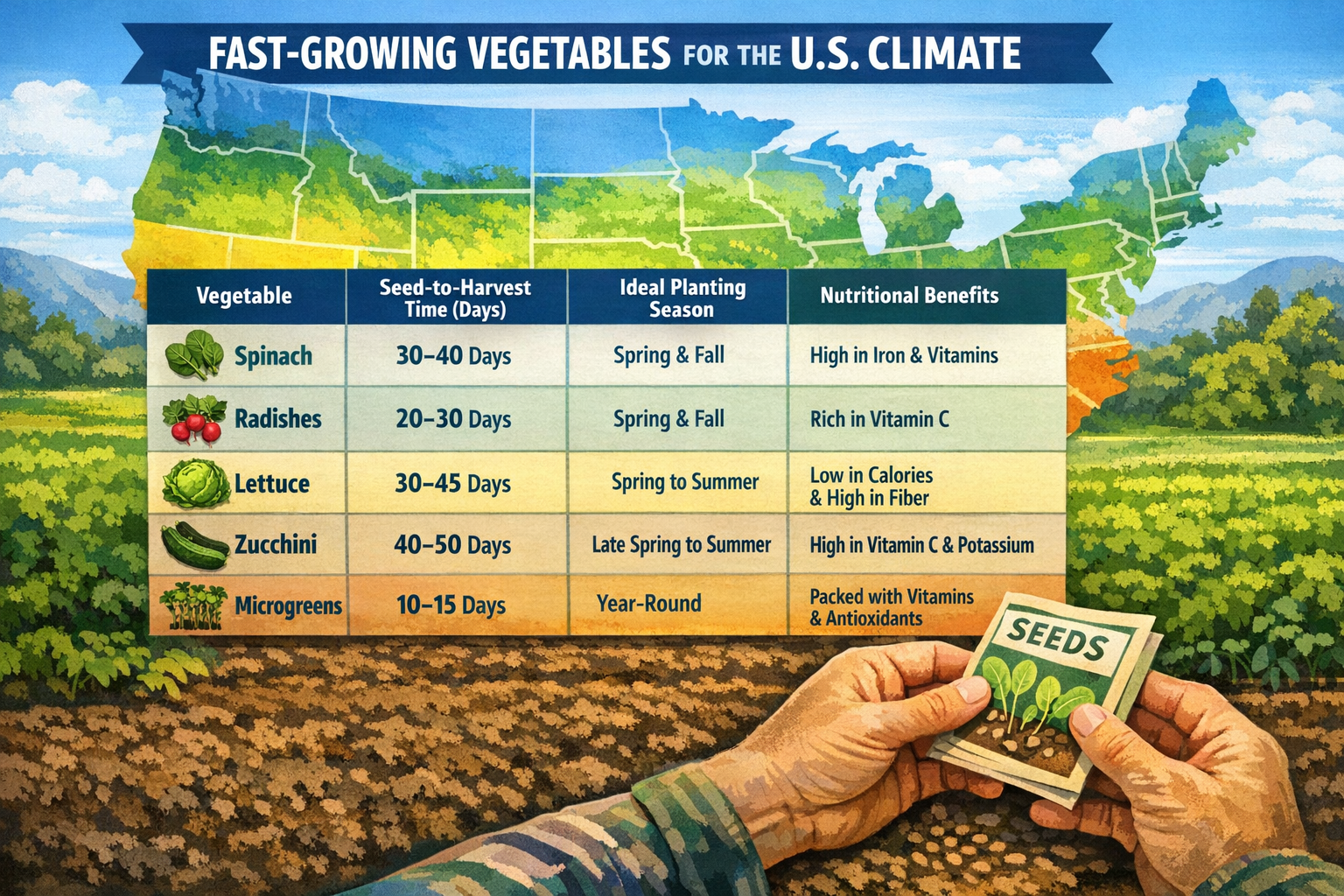
The fastest growing vegetables you can harvest in 30 days in the USA primarily include various leafy greens, radishes, and microgreens, many of which can reach maturity or be ready for a first harvest within three to four weeks. These quick-turnaround crops are perfect for maximizing garden output or for new gardeners seeking quick success.
For those eager to see tangible results quickly, selecting the right species and varieties is paramount. Here’s a closer look at the top contenders for fast growing vegetables in the USA:
- Radishes (20-30 days): These root vegetables are perhaps the fastest-growing of all. Varieties like ‘Cherry Belle’ or ‘French Breakfast’ can be ready for harvest in as little as 20-25 days. They prefer cool weather and consistent moisture.
- Lettuce (25-30 days for loose-leaf): Loose-leaf varieties such as ‘Black Seed Simpson’ or ‘Salad Bowl’ can be harvested by picking outer leaves as needed, allowing the plant to continue producing. Head lettuce takes longer, so stick with loose-leaf for quick returns.
- Spinach (28-35 days): Fast-growing spinach varieties like ‘Bloomsdale Long Standing’ or ‘Tyee’ offer nutrient-rich leaves quickly. They thrive in cooler temperatures and can bolt (go to seed) in heat, so plant early spring or late summer.
- Arugula (20-30 days): This peppery green is incredibly quick to mature and can be continuously harvested. It’s excellent for salads and sandwiches, and like spinach, prefers cooler weather.
- Bok Choy (30-45 days for baby size): While full-sized bok choy takes longer, baby bok choy can often be harvested around the 30-day mark. It’s a versatile Asian green, suitable for stir-fries and salads.
- Turnips (30-40 days for greens): While the roots take longer, turnip greens can be harvested for cooking in about a month.
- Mustard Greens (20-30 days): Similar to arugula, mustard greens offer a pungent flavor and grow very rapidly, especially in cooler weather.
- Microgreens (7-21 days): These are by far the quickest. Varieties like radish microgreens, kale microgreens, or various salad mixes can be harvested in 1-3 weeks. They are typically grown indoors or in protected outdoor spaces and cut when only a few inches tall.
When planning your garden for fast growing vegetables USA 30 days, consider your local climate. For instance, in warmer Southern states, planting cool-weather crops like spinach might be better suited for early spring or fall, while in Northern states, they can thrive throughout spring and early summer.
How Can I Maximize Yields of Fast Growing Vegetables in 30 Days?
To maximize yields of fast growing vegetables in 30 days, focus on optimal growing conditions, smart planting techniques, and consistent care. Speeding up growth requires attention to detail.
Here’s how to get the most out from your quick-growing crops:
- Soil Preparation: Start with nutrient-rich, well-draining soil. Amending your soil with compost before planting provides essential nutrients for rapid growth. A soil pH between 6.0 and 7.0 is generally ideal for most fast-growing vegetables.
- Sunlight: Most fast-growing vegetables, especially leafy greens, require at least 6 hours of direct sunlight daily. More sun generally leads to quicker, more robust growth.
- Watering: Consistent moisture is crucial. Fast-growing plants need a steady supply of water to develop quickly. Water deeply and regularly, especially during dry spells, but avoid waterlogging, which can lead to root rot.
- Fertilization: While rich soil is a good start, a balanced, fast-acting liquid fertilizer can provide a boost. Apply according to package directions, typically every 1-2 weeks, to support rapid leaf and root development.
- Succession Planting: This technique is vital for continuous harvests. Instead of planting all your seeds at once, plant a small batch every 1-2 weeks. This ensures a steady supply of mature vegetables rather than a single, overwhelming harvest. For example, plant a short row of radishes every week, and you’ll have continuous harvests for months.
- Proper Spacing: While it might seem counterintuitive to give tiny seedlings space, overcrowding inhibits growth. Follow seed packet recommendations for spacing to ensure each plant has enough room for root development and air circulation, which helps prevent diseases.
- Pest and Disease Management: Rapid growth cycles mean pests and diseases can quickly decimate a crop. Monitor your plants daily for signs of trouble. Organic pest control methods, like neem oil or insecticidal soap, can be effective without harming your quick harvest.
- Choosing the Right Varieties: As discussed, certain varieties are simply bred for speed. Always check seed packets for “days to maturity” and opt for the shortest durations. Look for terms like “early maturing” or “quick harvest.”
- Protection from Extremes: Early spring or late fall plantings for cool-weather crops might benefit from row covers to protect against unexpected frosts or intense winds, which can stress young plants and slow growth.
One common mistake is over-fertilizing, particularly with nitrogen, which can lead to lush foliage but weak root systems or bolting in some plants. Always follow manufacturer instructions for any fertilizers. Choosing quality seeds from reputable sources also ensures better germination rates and stronger plants.
What are the Best Leafy Greens for a 30-Day Harvest in the USA?
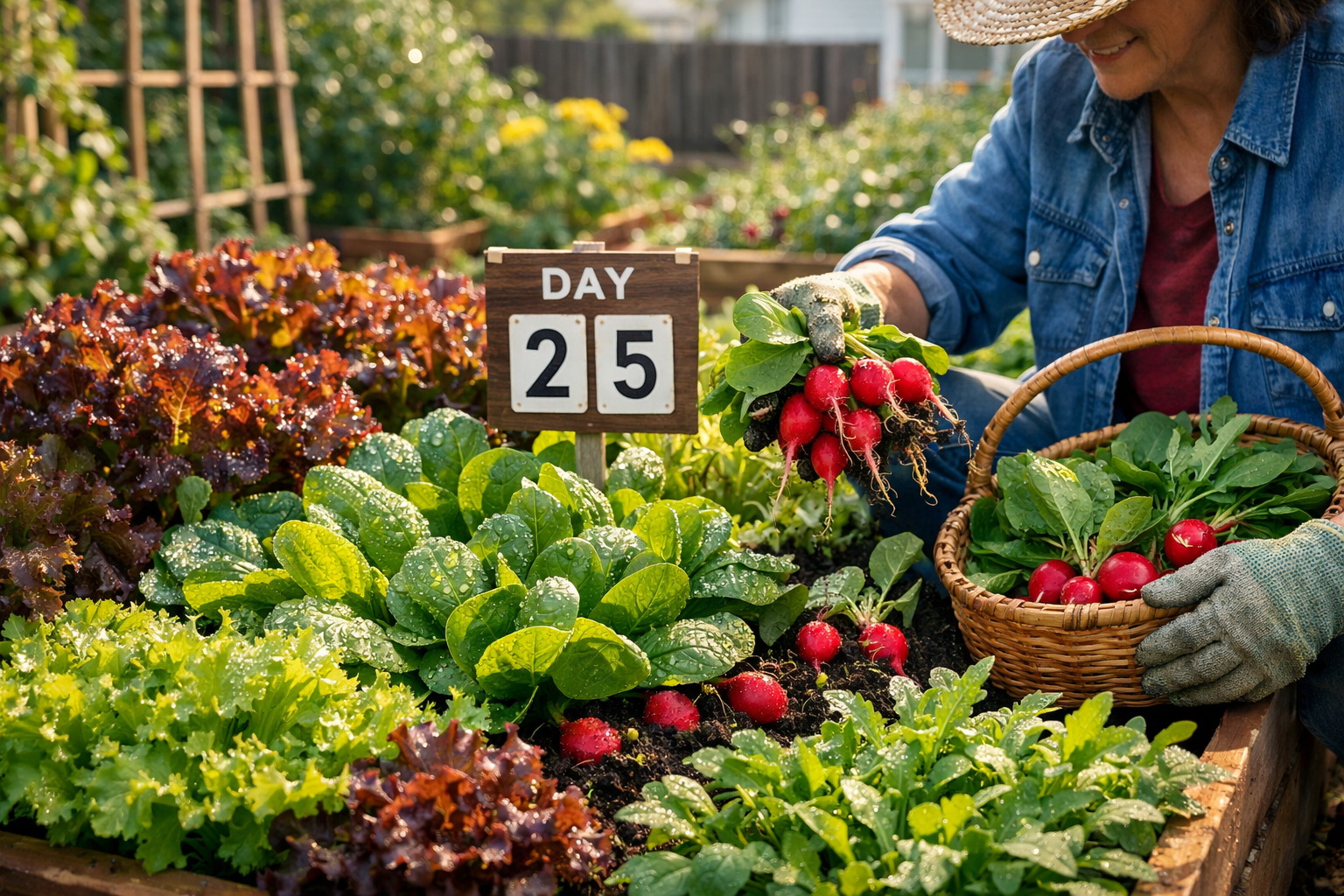
The best leafy greens for a 30-day harvest in the USA are typically loose-leaf lettuce varieties, spinach, arugula, and mustard greens, as they mature rapidly and often allow for cut-and-come-again harvesting. These options offer quick satisfaction and a steady supply of fresh produce.
Here’s why these greens are top choices for gardeners aiming for speed:
- Loose-Leaf Lettuce (25-30 days):
- Why it’s best: Unlike head lettuces, loose-leaf types don’t need to form a compact head, meaning individual leaves can be harvested as soon as they reach a usable size. This “cut-and-come-again” method extends the harvest window.
- Varieties to try: ‘Black Seed Simpson’, ‘Salad Bowl’, ‘Oakleaf’, ‘Red Sails’.
- Growing tips: Prefers cooler weather; plant in spring and fall. Provide consistent moisture.
- Spinach (28-35 days):
- Why it’s best: Spinach is a cool-season crop that grows quickly and is packed with nutrients. It can also be harvested multiple times.
- Varieties to try: ‘Bloomsdale Long Standing’, ‘Tyee’, ‘Space’.
- Growing tips: Plant early in spring or late in summer/early fall. Protect from intense heat to prevent bolting.
- Arugula (20-30 days):
- Why it’s best: Known for its spicy, peppery flavor, arugula is one of the quickest greens to grow. It’s ideal for adding a kick to salads.
- Varieties to try: ‘Rocket’, ‘Astro’.
- Growing tips: Tolerates some shade and cooler temperatures. Can be succession planted every 2-3 weeks for continuous harvest.
- Mustard Greens (20-30 days):
- Why it’s best: These vibrant, slightly pungent greens grow very quickly and are excellent cooked or in salads (when young).
- Varieties to try: ‘Southern Giant Curled’, ‘Florida Broadleaf’.
- Growing tips: Similar to spinach and arugula, they prefer cooler weather.
- Swiss Chard (30 days for baby leaves):
- Why it’s best: While full-sized chard takes longer, you can start harvesting young, tender leaves in about 30 days. It’s tolerant of both cool and warmer temperatures.
- Varieties to try: ‘Bright Lights’, ‘Fordhook Giant’.
- Growing tips: Harvest outer leaves first to encourage continued production.
Decision Rule: Choose loose-leaf lettuce or arugula if you want the absolute fastest, most reliable green for fresh salads. Opt for spinach or mustard greens if you also want options for light cooking.
Common Mistake: Overwatering can lead to fungal diseases and slow growth. Ensure good drainage and allow the top inch of soil to dry slightly between waterings, especially for indoor microgreen setups.
Can I Grow Fast Growing Vegetables in Pots or Containers in the USA?
Yes, you can absolutely grow fast growing vegetables in pots or containers in the USA, making gardening accessible even without a traditional garden plot. Container gardening is an excellent method for these quick-maturing crops, especially for urban dwellers or those with limited space.
Here’s why container growing is ideal for fast growing vegetables in the USA within a 30-day timeframe:
- Space Efficiency: Containers can be placed on balconies, patios, windowsills, or any sunny spot. This flexibility allows gardeners to utilize small spaces effectively.
- Portability: You can move containers to optimize sunlight exposure or protect plants from harsh weather conditions, extending the growing season.
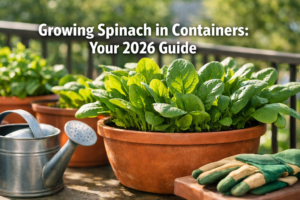
- Soil Control: Container gardening gives you complete control over the soil medium, ensuring optimal drainage and nutrient content, which is crucial for rapid growth. Use a high-quality potting mix, not garden soil, as potting mix is lighter and drains better.
- Pest and Disease Management: Elevating plants in containers can reduce exposure to ground-dwelling pests and soil-borne diseases.
Best Fast Growing Vegetables for Containers:
- Radishes: Shallow roots make them perfect for containers at least 6 inches deep.
- Lettuce (loose-leaf varieties): Thrives in wide, shallow containers, allowing for multiple harvests.
- Spinach: A good choice for containers with a depth of 6-8 inches.
- Arugula: Grows well in containers of various sizes, including window boxes.
- Microgreens: Specifically designed for container growing, often in shallow trays.
- Bush Beans (some dwarf varieties): While many beans take longer, some dwarf bush bean varieties can produce a small harvest in about 45-55 days, pushing the 30-day limit but still faster than pole beans.
Tips for Successful Container Growing:
- Choose the Right Container: Ensure pots have drainage holes to prevent waterlogging. Terracotta pots breathe better, while plastic pots retain moisture longer.
- Quality Potting Mix: Use a lightweight, sterile potting mix specifically designed for containers. This prevents compaction and allows for good aeration.
- Consistent Watering: Containers dry out faster than garden beds. Check moisture levels daily and water as needed.
- Fertilization: Since nutrients can leach out with watering, regular feeding with a diluted liquid fertilizer (like fish emulsion or a balanced organic blend) is often necessary.
- Sunlight: Position containers where they receive at least 6 hours of direct sunlight.
Edge Case: For extremely small spaces, vertical gardening systems or stackable planters can significantly increase your yield of fast growing vegetables without taking up extra horizontal space.
What are the Best Practices for Soil and Nutrient Management for Fast Growing Vegetables?
The best practices for soil and nutrient management for fast growing vegetables in the USA involve starting with high-quality, well-aerated soil, ensuring consistent nutrient availability, and maintaining proper pH levels to support rapid plant development. These factors are critical for achieving harvests within a tight 30-day window.
Here’s a breakdown of effective strategies:
- Start with Rich, Loamy Soil:
- Composition: Ideal soil is rich in organic matter, loose, and well-draining yet capable of retaining moisture. A sandy loam is often perfect.
- Amendments: If your native soil is poor, amend it heavily with compost and well-rotted manure. Compost improves soil structure, aeration, drainage, and provides a slow release of essential nutrients. Aim for at least 2-4 inches of compost mixed into the top 6-8 inches of soil.
- Ensure Proper Drainage:
- Importance: Fast-growing plants, especially roots and leafy greens, are susceptible to root rot in waterlogged conditions. Good drainage prevents this while allowing roots to access oxygen.
- Method: Raised beds or container gardening with proper drainage holes are excellent ways to control drainage. In-ground gardens may require amending heavy clay soils with sand and organic matter.
- Maintain Optimal Soil pH:
- Range: Most fast-growing vegetables thrive in slightly acidic to neutral soil, with a pH range of 6.0 to 7.0.
- Testing: Conduct a soil test to determine your current pH and nutrient levels. This informs whether you need to add lime (to raise pH) or sulfur/peat moss (to lower pH).
- Consistent Nutrient Supply:
- Initial Boost: Incorporate a balanced slow-release organic fertilizer or a granular all-purpose vegetable fertilizer into the soil at planting.
- Mid-Cycle Feeding: For 30-day crops, a quick boost around 1-2 weeks after germination can be beneficial. Use a diluted liquid fertilizer like fish emulsion, seaweed extract, or a balanced NPK (Nitrogen-Phosphorus-Potassium) liquid feed. Nitrogen is particularly important for leafy greens.
- Caution: Avoid over-fertilizing, especially with synthetic fertilizers, as this can burn young plants or lead to excessive leafy growth at the expense of root development (for radishes).
- Mulching (Optional but Beneficial):
- Benefits: A thin layer of organic mulch (like straw or shredded leaves) can help retain soil moisture, suppress weeds (which compete for nutrients), and regulate soil temperature.
- Application: Apply after seedlings have emerged and are a few inches tall.
Comparison Table: Soil Amending for Quick Growth
| Amendment Type | Benefits for Fast Growth | Application | Best For |
|---|---|---|---|
| Compost | Improves structure, adds broad nutrients, retains moisture. | Mix 2-4 inches into topsoil before planting. | All fast-growing vegetables. |
| Well-Rotted Manure | Nitrogen-rich, boosts organic matter. | Mix thoroughly into soil weeks before planting (prevents burning). | Leafy greens, heavy feeders. |
| Liquid Fertilizer | Quick nutrient uptake, precise feeding. | Diluted application 1-2 weeks after planting. | All fast-growing vegetables for a boost. |
| Perlite/Vermiculite | Enhances drainage and aeration (especially in containers). | Mix into potting soil or heavy garden soil. | Container gardens, dense soils. |
What are the Ideal Planting Seasons for Fast Growing Vegetables Across the USA?
The ideal planting seasons for fast growing vegetables across the USA vary significantly by region and crop, largely dictated by local climate and frost dates, but generally focus on spring and fall for cool-season crops. Understanding your specific USDA Hardiness Zone is crucial for successful short-cycle gardening.
Here’s a general guide for the diverse climates within the USA:
- Cool-Season Crops (Lettuce, Spinach, Arugula, Radishes, Mustard Greens): These vegetables prefer temperatures between 50-70°F (10-21°C) and can bolt (go to seed) or become bitter in hot weather.
- Northern USA (Zones 3-6):
- Spring: Plant as soon as the soil can be worked, typically March-April, after the last hard frost.
- Fall: Plant late July-August for a fall harvest as temperatures cool.
- Mid-Atlantic/Mid-West USA (Zones 5-7):
- Spring: Plant late February-March.
- Fall: Plant late August-September.
- Southern USA (Zones 7-10):
- Spring: Plant very early spring, often late January-February, before intense heat arrives.
- Fall/Winter: These are often ideal growing seasons. Plant September-October for fall harvests, and again in November-December for winter crops in milder areas. Many can be grown throughout the winter.
- Pacific Northwest USA (Zones 7-9):
- Spring: Plant March-April.
- Fall: Plant August-September. Mild winters often allow for extended cool-season growing.
- Northern USA (Zones 3-6):
- Warm-Season Crops (e.g., Dwarf Bush Beans – 45-55 days, though pushing the 30-day limit): These need consistent warm temperatures, typically above 60°F (15°C) at night.
- Across USA: Plant after all danger of frost has passed and soil has warmed up, usually late May-June. In Southern regions, they might be planted earlier in spring or later in summer.
Key Consideration: Frost Dates
Knowing your area’s average last spring frost date and first fall frost date is paramount. For 30-day crops, you can often plant cool-season varieties a couple of weeks before the last spring frost. However, a late hard freeze can still damage young seedlings. Protecting new plants with row covers or cloches can extend the planting window.
Quick Example: If you live in Dallas, Texas (Zone 8a), you could plant radishes and loose-leaf lettuce in February for a March/April harvest before the summer heat. In September, you could plant another round for fall harvesting. Conversely, in Minneapolis, Minnesota (Zone 4b), those crops would be planted in April/May and again in August.
How Do Microgreens Fit into a 30-Day Fast Growing Vegetable Plan?
Microgreens are a cornerstone of any 30-day fast growing vegetable plan because they are ready for harvest in as little as 7-21 days, making them the quickest edible crop. They offer dense nutrition and can be grown indoors year-round, providing a continuous fresh supply.
Here’s why microgreens are essential for speed-focused gardening:
- Extremely Rapid Growth: Unlike mature vegetables, microgreens are harvested when they are just a few inches tall, typically after their first true leaves appear. This significantly shortens the growing cycle.
- High Nutritional Value: Despite their small size, microgreens are often more concentrated in nutrients than their mature counterparts. For example, red cabbage microgreens have been found to contain 40 times more vitamin E than mature red cabbage (Xiao et al., 2012).
- Space Efficient: They require very little space and can be grown on a windowsill, countertop, or under grow lights, making them perfect for urban gardening or small homes.
- Easy to Grow: Microgreens don’t require extensive gardening knowledge. They typically need a shallow tray, a thin layer of growing medium, consistent moisture, and light.
- Continuous Harvest Potential: With succession planting, you can sow new trays every few days to ensure a constant supply.
Popular Microgreen Varieties for Fast Growth:
- Radish Microgreens (7-10 days): Peppery and very quick.
- Broccoli Microgreens (8-12 days): Mild flavor, highly nutritious.
- Arugula Microgreens (7-14 days): Spicy, fast-growing.
- Mustard Microgreens (7-14 days): Pungent flavor, vigorous growth.
- Kale Microgreens (10-16 days): Earthy taste, good source of vitamins.
- Pea Shoots (10-21 days): Sweet and crunchy, can be harvested multiple times.
Growing Microgreens Checklist:
- Select Seeds: Choose high-quality microgreen seeds; regular garden seeds can work but microgreen-specific seeds are often more cost-effective in bulk.
- Prepare Trays: Use shallow trays (1-2 inches deep) with drainage holes.
- Add Growing Medium: Fill trays with a thin layer (0.5-1 inch) of sterile potting mix or a soilless medium like coco coir.
- Sow Seeds Densely: Sprinkle seeds evenly and densely over the medium, then lightly cover with a thin layer of medium or leave uncovered (depending on seed type).
- Water Gently: Mist the seeds thoroughly to keep them moist without dislodging them.
- Provide Light: Place in a sunny window or under grow lights.
- Monitor & Mist: Keep the medium consistently moist.
- Harvest: Once they reach 1-3 inches tall and have developed their first true leaves, snip them just above the soil line with scissors.
Decision Rule: Integrate microgreens into your plan if you prioritize speed, nutrient density, and year-round indoor growing capability, especially as a supplement to longer-maturing 30-day outdoor crops.
Conclusion
Harnessing the potential of fast growing vegetables in the USA within a 30-day timeframe is a rewarding endeavor for any gardener, regardless of experience level. By strategically selecting rapid-maturing crops like radishes, various loose-leaf lettuces, spinach, arugula, and particularly microgreens, you can enjoy a continuous supply of fresh, homegrown produce. Success hinges on optimizing soil health, ensuring consistent sunlight and moisture, and employing clever techniques like succession planting.
Whether you have a sprawling garden or just a sunny windowsill, the principles of quick-cycle gardening remain the same: provide the right conditions, select the right varieties, and stay vigilant against pests. The satisfaction of harvesting your own food just weeks after planting is a powerful motivator, demonstrating that even with a short timeline, a bountiful and nutritious yield is entirely achievable. Start small, experiment with different varieties, and soon you’ll be enjoying fresh, delicious vegetables straight from your garden.
Related Reading
- Post-Op Dental Implant Instructions: 2026 Recovery Guide
- Dental Implant Recovery Complications Dallas: Guide to Safe
- Emergency Dental Implant Care Dallas 2026: Urgent Guide
FAQ
Which vegetables grow fastest from seed to harvest in the USA?
The fastest vegetables from seed to harvest in the USA include radishes (20-30 days), arugula (20-30 days), loose-leaf lettuce (25-30 days), spinach (28-35 days), and various microgreens (7-21 days).
Can I really harvest vegetables in less than a month?
Yes, many vegetables, especially leafy greens and radishes, are specifically bred for quick maturity and can be harvested in as little as 20-30 days under ideal growing conditions. Microgreens are even faster, often ready in 1-3 weeks.
What are the easiest fast-growing vegetables for beginners?
For beginners, radishes, loose-leaf lettuce, and arugula are excellent choices as they are forgiving, grow quickly, and require minimal specialized care. Microgreens are also very easy to start.
Do fast-growing vegetables require special soil?
While not “special,” fast-growing vegetables thrive in rich, well-draining soil amended with compost. Good aeration and consistent moisture retention are crucial for rapid development.
How much sunlight do 30-day vegetables need?
Most fast-growing vegetables, particularly leafy greens, require at least 6 hours of direct sunlight per day to achieve optimal growth within a 30-day timeframe.
Can I grow fast-growing vegetables indoors?
Yes, many fast-growing vegetables, especially microgreens, loose-leaf lettuce, and spinach, are well-suited for indoor container gardening, provided they receive adequate light (from a sunny window or grow lights).
What is “succession planting” and why is it important for fast-growing vegetables?
Succession planting involves sowing small batches of seeds every 1-2 weeks instead of all at once. This technique ensures a continuous harvest of fast-growing vegetables rather than a single, overwhelming yield.
Are there any root vegetables that grow in 30 days?
Yes, radishes are the primary root vegetable that consistently matures within 20-30 days. Some very young, baby carrots or turnips might be harvested for their greens in a month, but not their roots.
What challenges might I face with fast-growing vegetables?
Common challenges include pests and diseases, which can spread quickly due to rapid growth cycles, and bolting (going to seed) in cool-season crops if exposed to unexpected heat or stress.
What nutrients are most important for fast-growing leafy greens?
Nitrogen is particularly important for the rapid development of lush, green foliage in leafy vegetables. A balanced fertilizer or compost-rich soil will provide this, along with other essential nutrients.
References
- Xiao, Z., Lester, G. E., Luo, Y., & Wang, Q. (2012). Assessment of vitamin and carotenoid concentrations of emerging food products: edible microgreens. Journal of Agricultural and Food Chemistry, 60(31), 7644-7651.