Fast Growing Vegetables: Harvest Quick & Easy in 2026
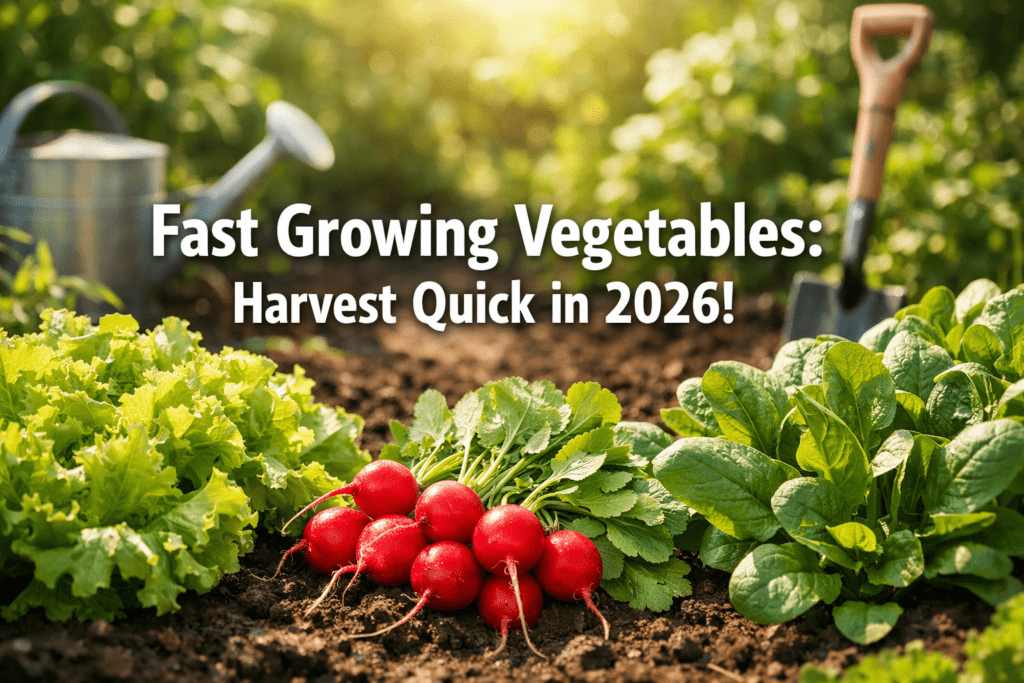
Fast growing vegetables allow gardeners to enjoy fresh produce in a short timeframe, with many varieties maturing in just a few weeks. These quick-yielding options are perfect for beginners, those with limited space, or anyone looking to maximize their harvest throughout the 2026 growing season. By choosing the right varieties and providing optimal growing conditions, you can frequently replenish your kitchen with homegrown goodness.
Key Takeaways
- Radishes mature in as little as 3-4 weeks, making them one of the fastest options for gardeners.
- Leafy greens like lettuce and spinach can be harvested in 2-4 weeks, often with cut-and-come-again methods.
- Bush beans provide a quick yield, ready for picking in 6-8 weeks from planting.
- Proper soil, adequate sunlight, and consistent watering are crucial for accelerating growth and ensuring a successful harvest of fast growing vegetables.
- Succession planting allows for continuous harvests throughout the growing season, maximizing your garden’s output.
- Many fast growing vegetables are ideal for small spaces, containers, and even indoor setups, offering flexibility for all gardeners.
- Beginning gardeners can gain confidence and experience by focusing on these quick-to-mature varieties.
What Are the Best Fast Growing Vegetables for a Quick Harvest?
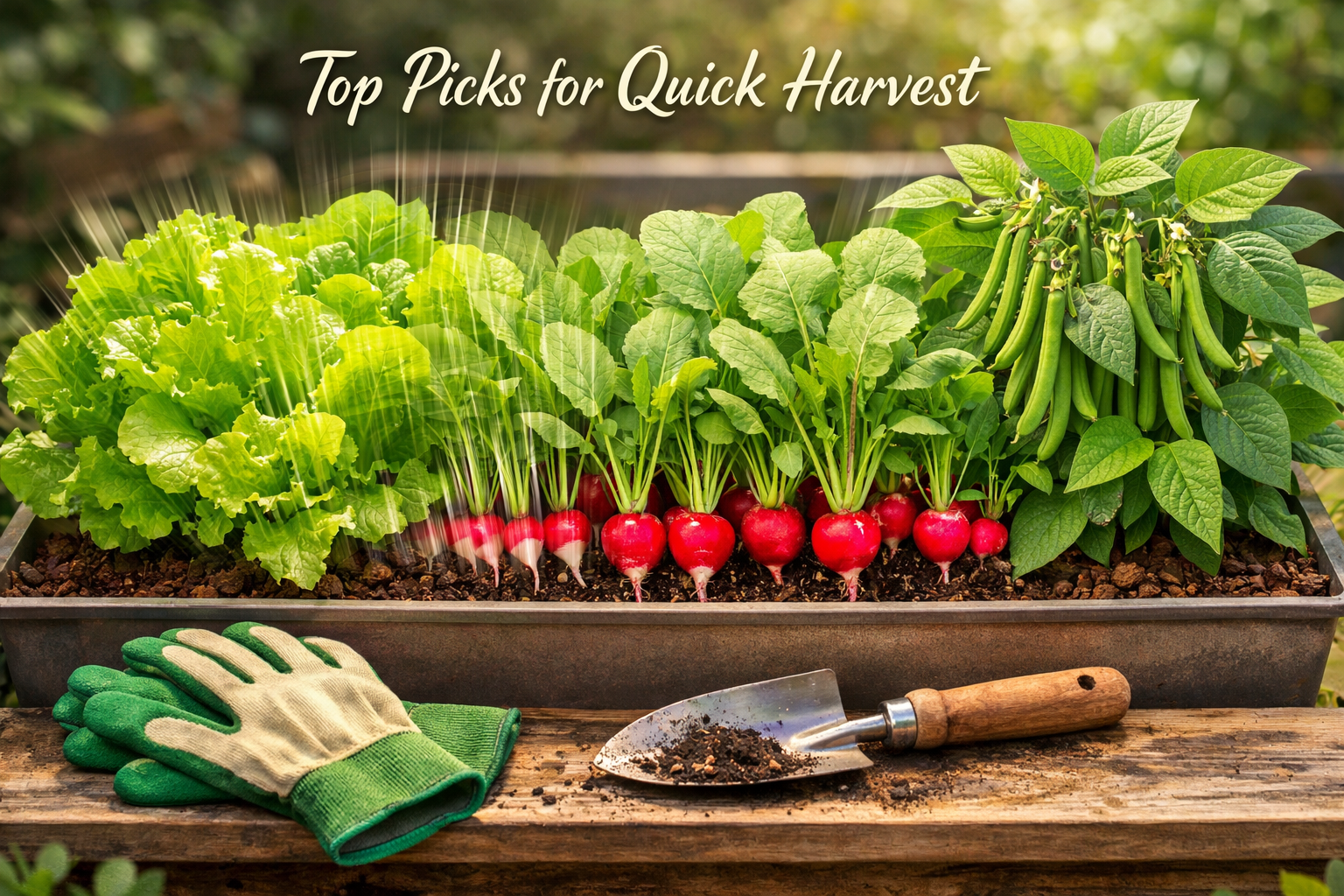
The best fast growing vegetables for a quick harvest are typically leafy greens, radishes, and certain bush beans, as they can go from seed to plate in a matter of weeks. These varieties are highly rewarding for gardeners who want to see quick results and enjoy fresh produce sooner rather than later.
For gardeners seeking immediate gratification or looking to fill gaps in their garden, here’s a breakdown of some top-performing fast growing vegetables:
- Radishes (3-4 weeks): These peppery root vegetables are arguably the fastest. They grow quickly in cool weather and require minimal space. Varieties like ‘Cherry Belle’ or ‘French Breakfast’ are popular for their speed and flavor.
- Lettuce (2-4 weeks for baby leaves, 6-8 weeks for full heads): Many lettuce varieties, especially loose-leaf types, can be harvested as baby greens very quickly. You can snip the outer leaves and allow the plant to continue producing (cut-and-come-again method). ‘Black Seeded Simpson’ and ‘Salad Bowl’ are excellent choices.
- Spinach (2-4 weeks for baby leaves, 6-8 weeks for mature leaves): Similar to lettuce, spinach offers quick harvests of nutritious leaves. It prefers cooler temperatures and consistent moisture. ‘Bloomsdale Long Standing’ is a reliable variety.
- Arugula (3-4 weeks): This zesty green grows exceptionally fast, especially in spring and fall. Its peppery flavor adds a kick to salads.
- Bok Choy (4-6 weeks for baby, 8-10 weeks for mature): Baby bok choy is a delightful, tender green that matures rapidly. It’s a great addition to stir-fries.
- Bush Beans (6-8 weeks): While slightly longer than leafy greens, bush beans are still remarkably fast-producing. They don’t require trellising like pole beans, making them ideal for smaller spaces. ‘Contender’ and ‘Blue Lake 274’ are excellent bush bean varieties.
- Cress (1-2 weeks): Also known as garden cress, these tiny greens are incredibly fast, often ready for harvest within two weeks. They are perfect for sandwiches and salads.
- Mustard Greens (3-4 weeks): Offering a spicy flavor, mustard greens grow quickly and thrive in cooler weather.
- Turnips (5-10 weeks): While the roots take a bit longer, turnip greens can be harvested much sooner, often within 4-6 weeks. The roots themselves are still quick compared to many other root vegetables.
When selecting seeds, always check the “Days to Maturity” listed on the packet, as this can vary by specific cultivar. For small spaces, I often recommend varieties that are compact and efficient, which many of these fast-growing options tend to be. You can find more specific recommendations in our guide to Best Vegetables for Small Space Gardening in 2026.
How Can I Maximize Yield and Speed with Fast Growing Vegetables?
To maximize yield and speed with fast growing vegetables, focus on providing optimal growing conditions from the start, practicing succession planting, and harvesting efficiently. These strategies ensure a continuous supply of fresh produce throughout the growing season.
Here are key techniques to boost your harvest:
Start with Quality Soil:
- Rich and Well-Draining: Fast growers thrive in fertile, loose soil amended with compost. This provides essential nutrients and allows roots to develop quickly. For container gardening, a high-quality potting mix is essential. Learn more about Soil Basics for Container Gardening: 2026 Expert Guide.
- pH Levels: Most fast growing vegetables prefer a slightly acidic to neutral pH (6.0-7.0). A simple soil test can help you determine if amendments are needed.
Ensure Adequate Sunlight:
- Full Sun (6+ hours): Most vegetables, including fast growers, need at least 6 hours of direct sunlight per day to produce vigorously. Without enough light, plants become leggy and less productive.
- Partial Shade for Cool-Season Crops: Some leafy greens, like lettuce and spinach, can tolerate partial shade, especially in warmer climates, which can help prevent bolting (going to seed prematurely).
Consistent Watering:
- Even Moisture: Fast growing vegetables need consistent moisture to develop quickly without stress. Uneven watering can lead to bitterness in greens or cracking in radishes.
- Avoid Overwatering: While consistent, ensure soil drains well to prevent waterlogging, which can lead to root rot. Check soil moisture by sticking your finger an inch or two deep; water if it feels dry. Our Ultimate Guide 2026 on How Often Should You Water Plants provides comprehensive advice.
Strategic Fertilization:
- Balanced Nutrients: While compost often provides enough nutrients, a balanced organic fertilizer can give a boost, especially for hungry leafy greens. Follow package directions carefully.
- Avoid Over-Fertilizing: Too much nitrogen can lead to lush foliage but hinder root or fruit development for some vegetables.
Practice Succession Planting:
- Staggered Planting: Instead of planting all your seeds at once, sow a small batch every 1-2 weeks. This ensures a continuous harvest rather than a single large one.
- Rotate Crops: Moving different plant families to different spots each season helps prevent disease buildup and optimizes soil nutrients.
Efficient Harvesting:
- Cut-and-Come-Again: For leafy greens like lettuce, spinach, and arugula, harvest outer leaves as needed, allowing the plant to continue producing new growth from the center.
- Timely Harvesting: Don’t let vegetables get too old. Overripe radishes can become woody, and over-mature greens can turn bitter. Harvest them at their prime for the best flavor and to encourage the plant to produce more.
By diligently applying these principles, gardeners can significantly enhance the quantity and quality of their fast growing vegetables, making the most of every planting cycle.
What Are Some Common Mistakes to Avoid When Growing Fast Growing Vegetables?
When growing fast growing vegetables, common mistakes often include overcrowding, inconsistent watering, planting in poor soil, and neglecting pest control, all of which can hinder their rapid growth and reduce your harvest. Avoiding these pitfalls ensures healthier plants and quicker yields.
Here are specific mistakes to watch out for:
Overcrowding Seeds or Seedlings:
- Problem: Planting too many seeds too close together leads to competition for light, water, and nutrients, resulting in stunted growth and smaller harvests.
- Solution: Follow spacing recommendations on seed packets. Thin seedlings promptly once they have their first true leaves, leaving only the strongest plants at the recommended distance. If you’re new to gardening, learning about Beginner Mistakes in Small Space Gardening 2026 can help you avoid common pitfalls.
Inconsistent Watering:
- Problem: Allowing the soil to dry out completely between waterings, or conversely, keeping it waterlogged, stresses plants. This can lead to bolting (going to seed) in leafy greens, bitterness, or cracked roots in radishes.
- Solution: Maintain consistent moisture, especially for shallow-rooted fast growers. Water deeply when the top inch of soil feels dry. Good drainage is also crucial.
Poor Soil Quality:
- Problem: Heavy clay or sandy soils lack the ideal structure and nutrient retention for rapid growth. Plants struggle to establish roots and access necessary food.
- Solution: Amend your soil with generous amounts of organic compost before planting. This improves drainage, aeration, and nutrient availability, creating a rich environment for quick-growing roots.
Insufficient Sunlight:
- Problem: Fast growing vegetables, like most vegetables, need ample sunlight (at least 6 hours direct sun) to fuel photosynthesis and rapid development. Too little light results in weak, leggy plants and poor yields.
- Solution: Choose a sunny location for your garden. If space is limited, consider rotating containers throughout the day or utilizing vertical gardening techniques to maximize light exposure.
Ignoring Pest and Disease Control:
- Problem: Pests like aphids or slugs can quickly decimate young, tender fast growing vegetables. Fungal diseases can also spread rapidly in crowded or overly wet conditions.
- Solution: Regularly inspect your plants. Use organic pest control methods like hand-picking pests, introducing beneficial insects, or applying neem oil. Ensure good air circulation by proper spacing to reduce disease risk. Early intervention is key.
Planting at the Wrong Time:
- Problem: Many fast growing vegetables are cool-season crops (e.g., lettuce, spinach, radishes) and will bolt and become bitter in hot weather.
- Solution: Plant these varieties in early spring or late summer/fall. For warm-season fast growers like bush beans, ensure all danger of frost has passed. Check your local frost dates.
By being mindful of these common mistakes, you can significantly increase your success rate and enjoy a bountiful harvest of fast growing vegetables.
Can Fast Growing Vegetables Thrive in Small Spaces or Containers?
Yes, fast growing vegetables are exceptionally well-suited for small spaces and containers, making them an ideal choice for urban gardeners, balcony growers, and those with limited outdoor areas in 2026. Their compact size and quick maturity mean they don’t require extensive root room or a long commitment to a single crop.
Many of the top fast growing vegetables are naturally compact or can be grown in smaller volumes of soil:
- Leafy Greens: Lettuce, spinach, arugula, and mustard greens are perfect for containers, window boxes, or even vertical planters. They have shallow root systems and can be harvested as “baby greens” in very little space.
- Decision Rule: Choose containers at least 6-8 inches deep for most leafy greens to ensure enough soil volume for sustained growth.
- Radishes: These root vegetables are surprisingly adaptable to containers. A pot that is at least 6 inches deep and wide enough to space them properly will suffice.
- Common Mistake: Using a container that is too shallow can result in stunted or malformed radishes.
- Bush Beans: Unlike pole beans, bush bean varieties are self-supporting and grow in a compact form. They thrive in larger containers (e.g., 5-gallon buckets or planter boxes) and can produce a good yield.
- Edge Case: While bush beans do well, ensure the container has excellent drainage to prevent root rot.
- Herbs: Many herbs, though not strictly “vegetables,” are also fast growers and integrate well into a small-space vegetable garden. Cilantro, dill, and basil are prime examples.
Tips for Container Gardening with Fast Growing Vegetables:
- Choose the Right Containers: Ensure pots have drainage holes. Terracotta pots can dry out quickly, while plastic or glazed ceramic retain moisture better. For more information, check out our guide on the Best Pots for Small Space Gardening in 2026.
- Use High-Quality Potting Mix: Do not use garden soil, which can compact in containers and harbor pests. A good quality potting mix provides necessary aeration and drainage.
- Consistent Watering: Container plants dry out faster than in-ground plants. Monitor moisture levels daily, especially during warm weather.
- Fertilize Regularly: Nutrients leach out of containers with watering. Use a diluted liquid fertilizer every few weeks, especially for actively producing plants.
- Maximize Space: Consider vertical gardening solutions or hanging baskets to grow even more in a limited footprint. Our Vertical Gardening Guide for Small Spaces: Grow More in 2026 offers fantastic insights.
By leveraging these fast growing varieties and container gardening strategies, anyone can enjoy a productive vegetable patch, regardless of available space.
What Are the Benefits of Growing Fast Growing Vegetables in 2026?
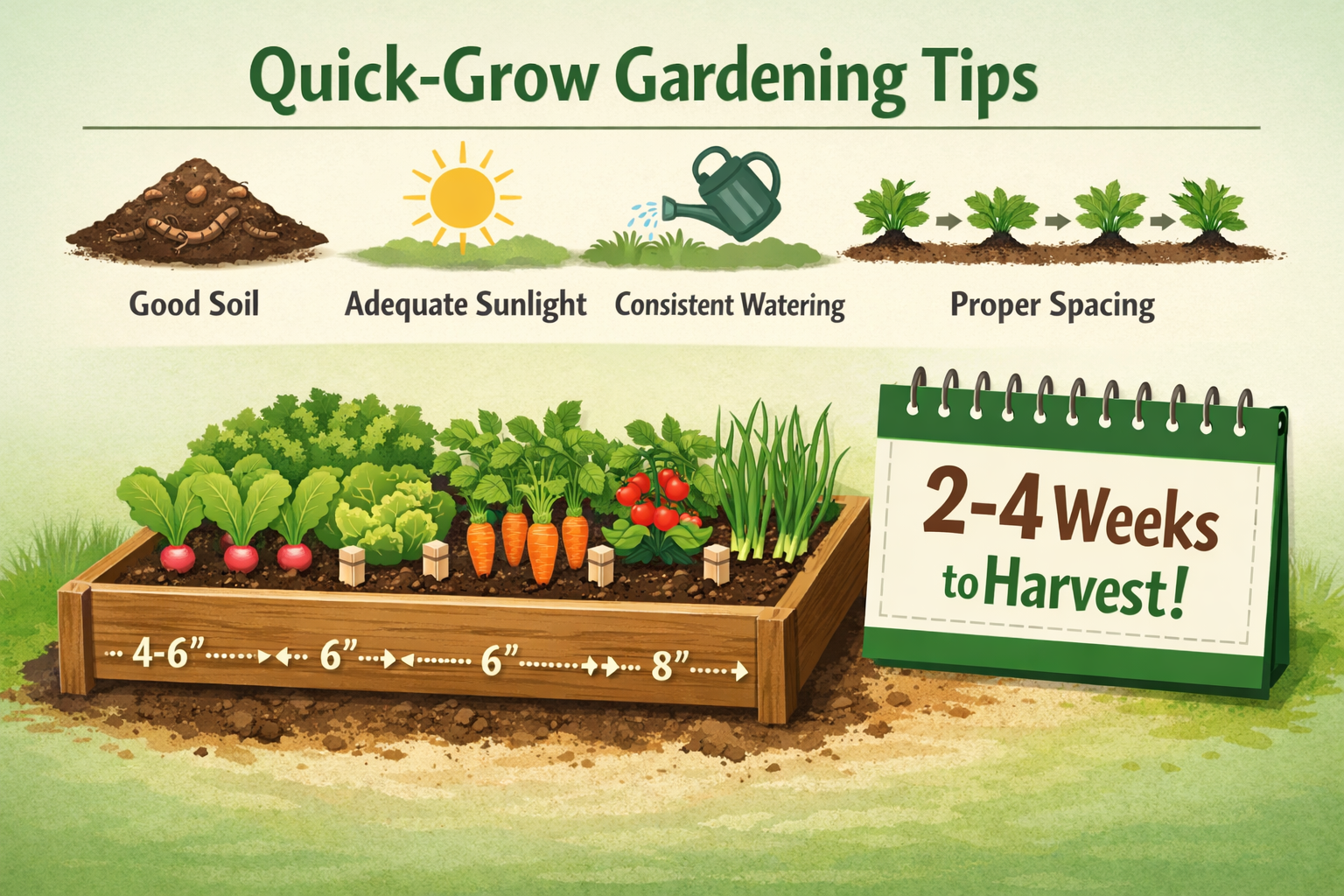
Growing fast growing vegetables in 2026 offers numerous benefits, from providing quick satisfaction and fresh, healthy food to maximizing garden productivity and offering an accessible entry point into gardening for beginners. These crops are practical for diverse lifestyles and gardening spaces.
Here are the primary advantages:
- Quick Gratification and Motivation: Seeing sprouts emerge and mature into edible produce in just a few weeks is incredibly rewarding. This rapid turnaround keeps gardeners motivated, especially beginners, and encourages continued engagement with their garden. It’s an excellent way to build confidence in your gardening skills.
- Fresh, Nutrient-Rich Food: Homegrown vegetables are often more nutritious and flavorful than store-bought options, as they are harvested at their peak and consumed quickly. Fast growing vegetables allow for frequent access to these fresh, healthy ingredients.
- Ideal for Succession Planting: Their short maturity period makes fast growing vegetables perfect for succession planting. You can sow small batches every 1-2 weeks, ensuring a continuous harvest rather than a single large one, maximizing the output of your garden throughout the growing season.
- Excellent for Small Spaces and Containers: Many fast growers are compact, making them perfectly suited for balconies, patios, windowsills, or raised beds. This flexibility allows almost anyone to garden, regardless of the size of their outdoor space. You can explore more options in our “Small Space Vegetable Gardening: 2026 Step-by-Step Guide”
- Educational for Children: The rapid growth cycle of these vegetables is exciting for children, allowing them to witness the entire process from seed to plate in a short period. This can foster an early interest in gardening and healthy eating.
- Risk Mitigation: If a crop fails due to pests or disease, the short growing cycle means you can replant quickly without losing an entire season’s worth of effort. This resilience is a significant advantage.
- Cost Savings: Growing your own vegetables, even small amounts, can reduce your grocery bill over time, especially for popular items like leafy greens and radishes.
- Seasonal Adaptability: Many fast growing vegetables are cool-season crops, allowing you to extend your gardening season into early spring and late fall when other vegetables are not yet ready or have finished producing.
By integrating fast growing vegetables into your 2026 gardening plans, you can enjoy these benefits and cultivate a more dynamic, productive, and satisfying gardening experience.
What Are Some Creative Ways to Use Fast Growing Vegetables in Cooking?
Fast growing vegetables are incredibly versatile in the kitchen, offering fresh flavors and textures that can elevate everyday meals into something special. From crisp salads to quick sautés, their rapid harvest means they are often at their peak freshness.
Here are some creative ways to incorporate fast growing vegetables into your cooking:
Dynamic Salads:
- Baby Leaf Mixes: Combine freshly harvested baby lettuce, spinach, and arugula for a vibrant, flavorful base. Add a simple vinaigrette to let their natural flavors shine.
- Radish Rounds: Slice radishes thinly and add them to any salad for a peppery crunch. They pair wonderfully with creamy dressings or citrus-based vinaigrettes.
- Cress & Herb Boost: Sprinkle garden cress, cilantro, or dill (also fast-growing herbs) over salads for an extra layer of flavor and aroma.
Quick Sauté or Stir-Fry:
- Speedy Greens: Sauté spinach, bok choy, or mustard greens with garlic and a touch of olive oil for a healthy side dish in minutes.
- Arugula & Pasta: Wilt fresh arugula into hot pasta dishes right before serving; the residual heat will soften it without overcooking.
- Bean Medley: Lightly steam or sauté freshly picked bush beans with cherry tomatoes and a sprinkle of herbs.
Sandwiches and Wraps:
- Lettuce Wraps: Use large lettuce leaves as a healthy, low-carb wrap for fillings like chicken salad, tuna, or grilled vegetables.
- Radish Butter Toast: Spread softened butter on crusty bread, top with thin radish slices, and sprinkle with sea salt for a classic French snack.
- Arugula Pesto: Blend arugula with pine nuts, Parmesan, garlic, and olive oil for a peppery twist on traditional pesto.
Soups and Smoothies:
- Green Boost: Add fresh spinach or kale (if harvested young) to your morning smoothie for a nutrient kick without altering the taste significantly.
- Wilted Greens in Soup: Stir in a handful of fresh spinach or mustard greens into hot soups just before serving to add color and nutrients.
Pickling and Fermenting:
- Quick-Pickled Radishes: Thinly slice radishes and quick-pickle them in a brine of vinegar, water, sugar, and salt. They make a fantastic crunchy topping for tacos, sandwiches, or grain bowls.
- Fermented Greens: Experiment with fermenting larger quantities of mustard greens or bok choy for unique, tangy side dishes.
These ideas demonstrate how easy it is to incorporate your fresh harvest of fast growing vegetables into diverse and delicious meals, ensuring nothing goes to waste and you continuously enjoy the fruits (or vegetables!) of your labor.
What Are the Best Ways to Get Started with Fast Growing Vegetables as a Beginner?
Getting started with fast growing vegetables as a beginner involves choosing the right varieties, preparing a suitable growing environment, and committing to consistent care. This accessible approach minimizes initial investment and provides quick success, building confidence for future gardening endeavors.
Here’s a simple step-by-step guide for beginners in 2026:
Start Small and Simple:
- Choose 1-3 Varieties: Don’t try to grow everything at once. Pick a few reliable fast growers like radishes, loose-leaf lettuce, or spinach. This keeps the learning curve manageable.
- Use Containers: If you lack garden space, start with containers. A few pots or a window box are perfect. Read our “How to Start a Mini Garden at Home in 2026: Your Guide” for more ideas.
Select Your Growing Spot:
- Sunlight is Key: Most fast growing vegetables need at least 6 hours of direct sunlight daily. Observe your chosen spot throughout the day to confirm it gets enough light.
- Accessibility: Choose a spot that’s easy to access for watering and harvesting. A balcony, patio, or sunny windowsill can work.
Prepare Your Soil (or Potting Mix):
- Garden Beds: If planting in the ground, loosen the soil and amend it with a generous amount of compost.
- Containers: Use a high-quality, sterile potting mix designed for vegetables. This prevents soil compaction and ensures good drainage. Avoid using heavy garden soil in pots.
Plant Your Seeds:
- Read Seed Packets: Each packet provides crucial information: planting depth, spacing, and days to maturity. Follow these instructions carefully.
- Sow Sparingly: It’s tempting to sprinkle many seeds, but overcrowding is a common beginner mistake. Space seeds out as recommended, or plant slightly more and plan to thin them later.
- Water Gently: After planting, water the area gently to avoid washing away seeds. A watering can with a fine rose attachment is ideal.
Provide Consistent Care:
- Water Regularly: Fast growing vegetables need consistent moisture. Check the soil daily by sticking your finger an inch deep. Water when it feels dry.
- Thin Seedlings: Once seedlings have their first set of “true leaves” (the leaves that look like the adult plant), thin them out. This means removing weaker seedlings to give stronger ones adequate space. This step is crucial for good development.
- Monitor for Pests: Keep an eye out for common pests like aphids or slugs. Catching them early makes removal much easier. Hand-picking or a strong spray of water can often suffice. Our “Beginner’s Guide to Plant Care 2026: Grow Thriving Plants” offers more extensive care advice.
Harvest Promptly:
- Check “Days to Maturity”: Once your fast growing vegetables are ready, don’t delay harvesting. Overripe vegetables can lose flavor or become woody.
- Cut-and-Come-Again: For leafy greens, harvest the outer leaves first, allowing the inner leaves to continue growing for subsequent harvests.
By following these simple steps, you’ll be enjoying fresh, homegrown fast growing vegetables in no time, building a solid foundation for your gardening journey.
Fast Growing Vegetables Comparison Table
This table provides a quick overview of some popular fast growing vegetables, highlighting their typical maturity times, ideal growing conditions, and best uses.
| Vegetable | Days to Maturity | Ideal Conditions | Best Uses |
|---|---|---|---|
| Radishes | 21-30 days | Cool weather, full sun, well-draining soil | Salads, pickling, snacks |
| Loose-Leaf Lettuce | 21-30 days (baby) / 45-60 days (full) | Cool weather, partial to full sun, consistent moisture | Salads, sandwiches, wraps |
| Spinach | 21-30 days (baby) / 40-50 days (full) | Cool weather, partial to full sun, rich soil | Salads, smoothies, sautéed, stir-fries |
| Arugula | 20-40 days | Cool weather, full sun, consistent moisture | Salads, pesto, sandwiches, pizza topping |
| Bok Choy (Baby) | 30-45 days | Cool weather, full sun, rich soil | Stir-fries, soups, steamed |
| Bush Beans | 50-65 days | Warm weather, full sun, well-draining soil | Steamed, sautéed, stir-fries, casseroles |
| Garden Cress | 10-15 days | Cool weather, partial to full sun, moist soil | Sandwiches, garnishes, salads |
| Mustard Greens | 25-45 days | Cool weather, full sun, rich soil | Salads, sautéed, stir-fries, southern cooking |
Conclusion
Embracing fast growing vegetables in your 2026 garden offers a remarkably rewarding and efficient path to fresh, homegrown produce. Whether you’re a seasoned gardener looking to maximize your harvest or a complete beginner eager for quick success, these quick-yielding crops provide consistent satisfaction. By understanding their specific needs—from rich, well-draining soil and ample sunlight to consistent watering and timely harvesting—you can cultivate a vibrant and productive garden in even the smallest of spaces.
The journey of growing fast growing vegetables is not just about the speed of harvest; it’s about the joy of nurturing life, the delight of fresh flavors, and the empowerment of self-sufficiency. So, pick your favorites from lettuce, radishes, spinach, or bush beans, and get ready to enjoy the fruits of your labor in record time. Your plate—and your gardening spirit—will thank you!
Actionable Next Steps:
- Select Your First Fast Growers: Choose 1-3 varieties from the list above that appeal most to you.
- Gather Supplies: Purchase seeds, appropriate containers (if applicable), and quality potting mix or compost.
- Find Your Sunny Spot: Identify the best location in your home or garden that receives adequate sunlight.
- Start Planting: Follow seed packet instructions for planting depth and spacing.
- Commit to Care: Water regularly and watch for those exciting first sprouts.