Easy Vegetables for Beginners: Your 2026 Guide
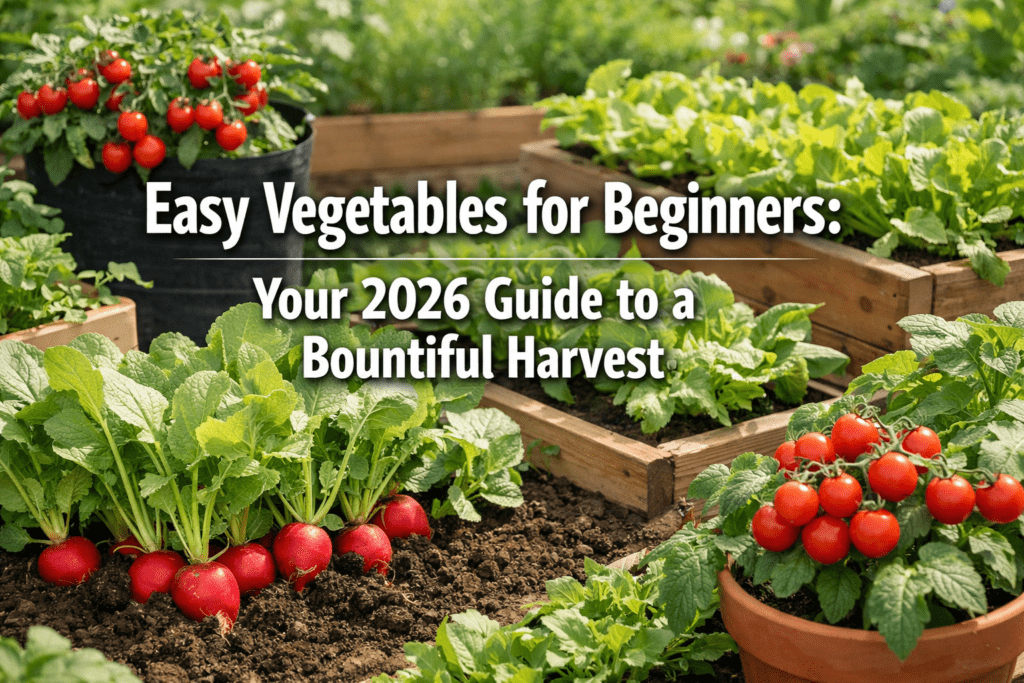
Are you dreaming of fresh, homegrown produce but feel overwhelmed by the thought of starting a vegetable garden? You’re not alone. Many aspiring gardeners wonder where to begin, but the good news is that growing easy vegetables for beginners is entirely achievable, even in 2026, and can yield satisfying results with minimal fuss. This guide will walk you through the most forgiving options, ensuring your first foray into gardening is a success.
Key Takeaways
- Start with crops known for their resilience and high yields, even with minor care.
- Leafy greens like lettuce and spinach, root vegetables like radishes and beets, and certain fruits like cherry tomatoes are excellent choices.
- Consider factors like sunlight, soil quality, and available space before planting.
- Bush bean varieties and zucchini offer abundant harvests with straightforward requirements.
- Consistent, but not excessive, watering is crucial for most easy vegetables.
- Container gardening is a perfect solution for beginners with limited space.
- Avoid common pitfalls like overwatering or ignoring pest signs early on.
Quick Answer
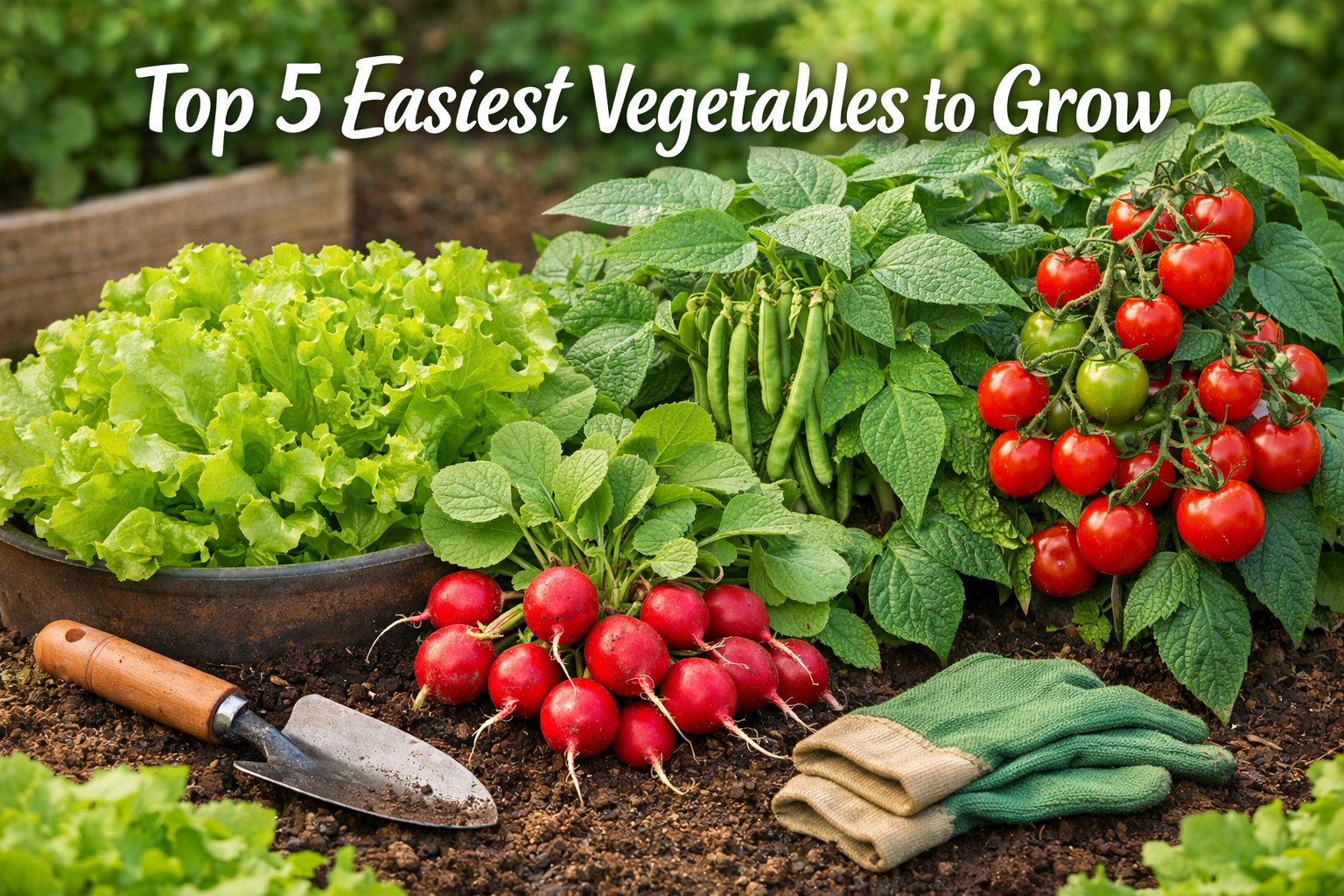
The easiest vegetables for beginners to grow typically include leafy greens (like lettuce and spinach), root vegetables (such as radishes and beets), bush beans, and cherry tomatoes, as these varieties tolerate varied conditions, require minimal specialized care, and often provide quick, rewarding harvests [1, 2, 3]. Selecting the right plants for your environment and commitment level is key to a successful first garden.
What Are the Easiest Vegetables to Grow for Beginners?
The easiest vegetables to grow for beginners are generally those that are resilient to minor inconsistencies in care, grow relatively quickly, and produce reliable yields. These varieties often have fewer pest and disease issues and can thrive with basic sunlight and water requirements [1, 2].
Many first-time gardeners find success with the following categories:
- Leafy Greens: These are incredibly forgiving and often regrow after cutting, providing multiple harvests.
- Lettuce: Known for tolerating some shade, lettuce varieties are perfect for container gardens or partially shaded spots [2]. They germinate quickly and offer continuous harvests.
- Spinach: Similar to lettuce, spinach is fast-growing and can be harvested multiple times. It thrives in cooler weather.
- Swiss Chard: This vibrant leafy green is hardy and continues to produce throughout the season, even in hotter temperatures that might cause other greens to bolt [2].
- Kale: Offers a wide range of interesting varieties not typically found in stores and can produce 2-4 cuttings per row [4]. It’s also quite cold-tolerant.
- Root Vegetables: These subterranean delights are often low-maintenance once planted.
- Radishes: Consistently recommended as one of the five easiest warm-season crops, radishes mature very quickly (often in under a month), making them highly satisfying for impatient gardeners [3, 7].
- Beets: Beets germinate easily, have few major pests, grow quickly, and allow for harvesting both the root and the nutritious leafy greens [2, 4].
- Carrots: While they need loose soil to develop well, carrots are relatively easy to grow from seed, provided the soil isn’t too compacted.
- Bush Beans: Unlike pole beans, bush varieties don’t require trellising, simplifying their care.
- Green Beans: Varieties like ‘Green Blaze’ are described as “easy peasy” and typically harvest in 50-65 days [3, 4]. They are prolific producers.
- Summer Squash: These plants are incredibly productive, though a few plants can provide a substantial harvest.
- Zucchini & Summer Squash: These require minimal upkeep and produce abundant yields. However, it’s wise to plant only 1-2 plants unless you have significant needs, as they can quickly take over a small garden [1, 2].
- Fruiting Vegetables (with caveats):
- Cherry Tomatoes: While tomatoes in general need consistent watering and ample sunlight (8+ hours daily), cherry varieties are the easiest for beginners due to their vigorous growth and prolific nature [2, 3].
Choosing any of these options significantly increases your chances of success, providing a rewarding introduction to growing your own food. If you’re gardening in a small space, consider specific varieties mentioned in our guide to Best Vegetables for Small Space Gardening in 2026.
What Key Factors Make Vegetables Easy for Beginners?
Several key factors contribute to a vegetable’s “easy-to-grow” status for beginners, primarily revolving around their resilience, growth habits, and minimal specialized requirements. When selecting easy vegetables for beginners, look for characteristics that forgive common novice mistakes.
These factors include:
- Tolerance to Varied Conditions:
- Soil Flexibility: Easy vegetables often don’t require perfectly amended soil. They can thrive in average garden soil, though well-draining, nutrient-rich soil is always beneficial [6].
- Sunlight Adaptability: While most vegetables need sun, easy options might tolerate partial shade (e.g., lettuce) or thrive with just 6-8 hours of direct sun rather than demanding full, all-day sun [2].
- Low Maintenance Requirements:
- Minimal Pest & Disease Issues: Plants prone to common pests or diseases can quickly discourage new gardeners. Easy vegetables generally have natural resistances or simply outgrow minor issues [2].
- Less Fertilization Needed: They don’t demand a rigorous feeding schedule. Basic soil fertility is often enough to produce a good crop.
- No Complex Pruning or Training: Unlike some plants that require specific pruning techniques or intricate trellising, easy vegetables are straightforward growers [3]. Bush beans, for example, don’t need vertical support.
- Quick Growth and High Yields:
- Fast Maturity: Seeing results quickly is highly motivating. Radishes, lettuce, and spinach often mature in a few weeks, providing a swift sense of accomplishment [3, 7].
- Prolific Production: Plants that produce a continuous harvest or a large yield from a few plants are very rewarding. Zucchini and green beans are excellent examples, often producing more than a small family can eat [1, 2].
- Regrowth Capability: Some greens, like lettuce and kale, can be harvested multiple times by cutting the outer leaves, extending the harvest season [2, 4].
When choosing your first crops, consider these qualities. For instance, growing a turnip is easy because it is exceptionally hardy, even under neglect, and continues producing throughout the season [2]. These robust characteristics mean less stress and more success for new gardeners.
How Do I Start a Vegetable Garden with Easy Vegetables?
Starting a vegetable garden with easy vegetables involves a few fundamental steps: selecting the right location, preparing your soil, choosing appropriate containers if needed, and understanding basic plant care. This foundational approach sets you up for success with minimal effort.
Here’s a simple guide for beginners in 2026:
- Choose Your Location Wisely:
- Sunlight is Key: Most vegetables need at least 6-8 hours of direct sunlight per day. Observe your space throughout the day to find the sunniest spot [2, 5].
- Accessibility: Choose a location that’s easy to reach for watering, weeding, and harvesting.
- Prepare Your Soil:
- Good Drainage: Healthy soil drains well and prevents roots from sitting in water.
- Nutrient-Rich: Amend your soil with compost or well-rotted manure to provide essential nutrients. For container gardening, use a high-quality potting mix specifically designed for vegetables. You can learn more about this in our guide on Soil Basics for Container Gardening: 2026 Expert Guide.
- Decide on Your Growing Method:
- In-Ground Beds: If you have yard space, creating a raised bed or traditional garden plot is an option.
- Containers: Ideal for small spaces like balconies or patios, containers offer flexibility. Ensure they have drainage holes [1]. For tips on selecting the best containers, see Best Pots for Small Space Gardening in 2026.
- Vertical Gardens: Maximize space with vertical planters, great for climbing plants or leafy greens [1]. Read our Vertical Gardening Basics: Your 2026 Guide to Small Space Gardens for more information.
- Select Your Easy Vegetables:
- Review the list above for specific recommendations like radishes, lettuce, green beans, and cherry tomatoes.
- Consider your climate and growing season. Look for seed packets or plant tags that specify “days to maturity” and ideal planting times.
- Planting Your Seeds or Starts:
- Follow Directions: Read seed packets or plant tags carefully for planting depth, spacing, and timing.
- Don’t Overcrowd: Give plants enough space to grow to their full size to ensure good air circulation and prevent competition for nutrients.
- Water Consistently:
- Moisture, Not Soggy: Keep the soil consistently moist but not waterlogged. Water deeply when the top inch of soil feels dry [5]. Our article on How Often Should You Water Plants? Ultimate Guide 2026 provides detailed advice.
- Weed Regularly:
- Combat Competition: Weeds compete with your vegetables for water and nutrients. Remove them promptly, especially when they are small.
- Monitor for Pests:
- Early Detection: Check your plants regularly for signs of pests or disease. Early detection makes control easier. Many easy vegetables are less prone to severe issues.
By following these simple steps, even a first-time gardener can successfully cultivate a variety of easy vegetables. Avoid the common beginner mistake of overwatering, which can lead to root rot; instead, feel the soil before watering to ensure it genuinely needs moisture.
Example: A Beginner’s First Garden Plan
| Vegetable | Planting Method | Sunlight Needs | Estimated Harvest Time | Special Notes for Beginners |
|---|---|---|---|---|
| Lettuce | Seeds/Starts | Partial Sun | 30-60 days | Cut outer leaves for continuous harvest. |
| Radishes | Seeds | Full Sun | 25-30 days | Fastest growing, very rewarding. |
| Bush Beans | Seeds | Full Sun | 50-65 days | No trellising needed. Prolific. |
| Cherry Tomatoes | Starts | Full Sun | 60-80 days | Requires consistent watering, often self-supporting. |
| Zucchini | Seeds/Starts | Full Sun | 45-60 days | Plant only one or two plants due to high yield. |
What are the Best Easy Vegetables for Container Gardening?
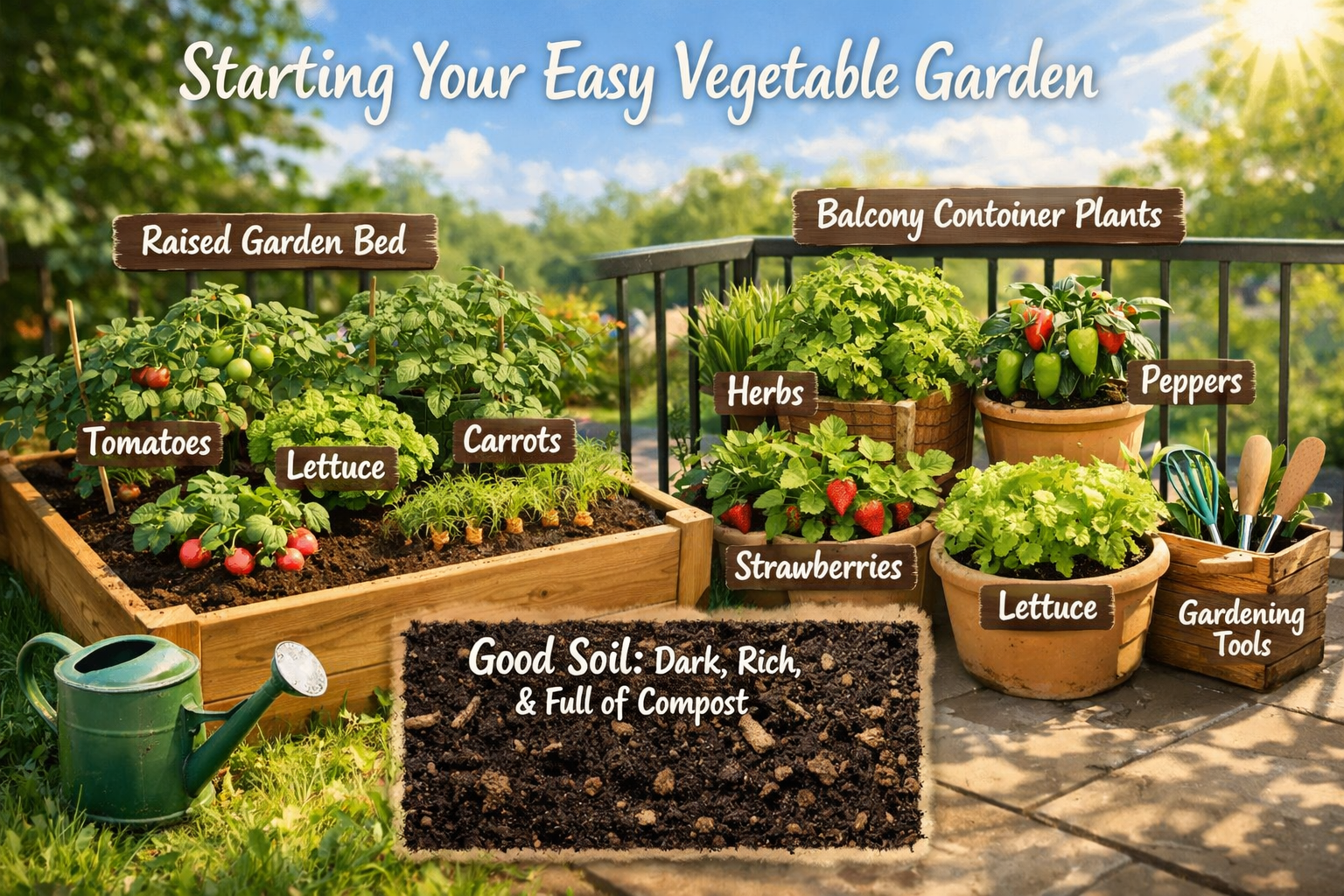
For beginners with limited space, container gardening is an excellent way to grow fresh produce, and several easy vegetables are perfectly suited for pots, grow bags, or raised planters [1]. The best easy vegetables for containers are typically those with compact growth habits, shallow root systems, or varieties bred specifically for container life.
Here are some top picks for container gardening:
- Leafy Greens:
- Lettuce & Spinach: These are perhaps the quintessential container vegetables. They have shallow roots and can be harvested repeatedly by picking the outer leaves. A wide, shallow container works best.
- Swiss Chard & Kale: These also thrive in containers and offer continuous harvests. They might need slightly deeper pots than lettuce due to their larger size.
- Bush Beans:
- Bush Bean Varieties: Unlike their climbing pole bean cousins, bush beans grow into compact plants that don’t need a trellis, making them ideal for containers or small raised beds [3]. Choose a pot that is at least 8-10 inches deep.
- Radishes:
- Fast & Compact: Radishes mature incredibly quickly and only need about 6 inches of soil depth, making them perfect for almost any container [7].
- Beets:
- Root & Greens: Beets grow well in containers, provided the pot is deep enough (at least 10-12 inches) to allow the root to develop. Both the roots and the greens are edible [2].
- Cherry Tomatoes:
- Determinate Varieties: Look for “determinate” or “bush” cherry tomato varieties, which are bred to stop growing at a certain height and are better suited for containers than indeterminate (vining) types. They will still need a sturdy cage or stake [2].
- Herbs:
- While not technically vegetables, herbs like basil, mint, and parsley are incredibly easy to grow in containers and complement any vegetable garden.
When selecting containers, ensure they have adequate drainage holes to prevent root rot, a common issue in container gardening. Use a good quality potting mix rather than garden soil, as potting mix is lighter and provides better drainage for pots. For a comprehensive guide, refer to Small Space Vegetable Gardening: 2026 Step-by-Step Guide.
What are Common Beginner Mistakes to Avoid When Growing Easy Vegetables?
Even with easy vegetables for beginners, certain common mistakes can hinder success. Avoiding these pitfalls will significantly improve your chances of a bountiful first harvest in 2026.
Here are the most frequent errors and how to steer clear of them:
- Overwatering or Underwatering:
- Mistake: New gardeners often water on a schedule rather than based on plant needs, leading to either soggy roots (root rot) or parched plants.
- Solution: Check the soil moisture daily by sticking your finger an inch or two into the soil. Water deeply when the soil feels dry, but avoid making it perpetually wet [5]. Plants in containers typically need more frequent watering than those in ground beds.
- Ignoring Sunlight Requirements:
- Mistake: Planting sun-loving vegetables in shady spots, or vice-versa. Even “easy” plants have basic light needs.
- Solution: Observe your garden space for a full day to identify areas that receive at least 6-8 hours of direct sunlight. Place sun-loving plants (like tomatoes, beans, zucchini) in these spots and shade-tolerant ones (like lettuce, spinach) where they get a few hours less [2, 5].
- Poor Soil Preparation:
- Mistake: Planting directly into poor-quality, compacted, or nutrient-deficient soil.
- Solution: Always amend garden beds with compost or organic matter to improve drainage and fertility. For containers, use fresh, high-quality potting mix [6]. Learn more in our Beginner’s Guide to Plant Care 2026: Grow Thriving Plants.
- Overcrowding Plants:
- Mistake: Planting seeds or seedlings too close together, leading to competition for light, water, and nutrients, and reduced yields.
- Solution: Follow the spacing recommendations on seed packets or plant tags. If you sow seeds too thickly, thin them out once they sprout, leaving only the strongest seedlings [7].
- Neglecting Pest and Disease Monitoring:
- Mistake: Waiting until an infestation is severe before taking action.
- Solution: Regularly inspect your plants for signs of pests (e.g., chewed leaves, sticky residue) or disease (e.g., discolored spots, wilting). Address issues promptly with organic solutions when possible. Early detection is key.
- Planting Too Much Too Soon:
- Mistake: Getting over-enthusiastic and planting a huge garden with too many varieties, leading to overwhelm and neglect.
- Solution: Start small, perhaps with just 3-5 different types of easy vegetables. Focus on learning the basics of plant care before expanding your garden. For more guidance on starting, see our How to Start a Mini Garden at Home in 2026: Your Guide.
By being mindful of these common pitfalls, beginners can ensure a much smoother and more successful gardening experience, turning challenges into learning opportunities. Our article on Beginner Mistakes in Small Space Gardening 2026 offers further insights.
Conclusion
Embarking on your gardening journey with easy vegetables for beginners in 2026 is a rewarding path to fresh, homegrown produce. By selecting resilient crops like lettuce, radishes, bush beans, and cherry tomatoes, you set yourself up for success with minimal fuss. Remember to prioritize adequate sunlight, well-draining soil, consistent watering, and regular monitoring for pests. Start small, learn as you go, and enjoy the delicious fruits (and vegetables!) of your labor. Your first harvest, no matter how modest, will be a testament to your green thumb in the making.
FAQ
Q1: What vegetables are the absolute easiest to grow from seed?
A1: Radishes, lettuce, and spinach are among the absolute easiest vegetables to grow from seed, often germinating quickly and producing harvests in a short timeframe [3, 7].
Q2: Can I grow easy vegetables in containers on a balcony?
A2: Yes, many easy vegetables like lettuce, spinach, bush beans, radishes, and compact cherry tomato varieties are perfectly suited for container gardening on balconies [1].
Q3: How much sunlight do easy vegetables typically need?
A3: Most easy vegetables require at least 6-8 hours of direct sunlight daily for optimal growth, though some leafy greens like lettuce can tolerate partial shade [2, 5].
Q4: What are the best easy vegetables for a shady garden spot?
A4: For shadier spots, leafy greens like lettuce, spinach, and Swiss chard are good choices as they can still produce a harvest with less direct sunlight [2].
Q5: Do I need special tools to grow easy vegetables?
A5: No, you don’t need many special tools. Basic gardening essentials like a hand trowel, a small shovel, a watering can or hose, and gloves are often sufficient for starting your easy vegetable garden.
Q6: How often should I water my easy vegetables?
A6: Water your easy vegetables when the top inch of soil feels dry to the touch, ensuring the soil is consistently moist but not waterlogged [5]. This can vary from daily in hot, dry weather to every few days.
Q7: Are there any easy vegetables that produce continuously?
A7: Yes, leafy greens like lettuce, spinach, Swiss chard, and kale can be harvested continuously by picking their outer leaves, allowing the plant to keep producing [2, 4].
Q8: Can I grow potatoes easily as a beginner?
A8: Potatoes can be grown relatively easily from grocery store potatoes with “eyes” (shoots); they require a technique called “hilling” in July and August to ensure good tuber development [2].
References
[1] Easiest Vegetables To Grow For Beginners – https://seedsheets.com/easiest-vegetables-to-grow-for-beginners/
[2] Easy Vegetables – https://shiftingroots.com/easy-vegetables/
[3] Watch – https://www.youtube.com/watch?v=bNjRjGzjMCk
[4] Gardening Ideas For Beginners – https://www.creativevegetablegardener.com/gardening-ideas-for-beginners/
[5] Watch – https://www.youtube.com/watch?v=GmN4WzYHNWI
[6] Watch – https://www.youtube.com/watch?v=UQLlEKMTxw0
[7] Top 10 Easiest Vegetables To Grow From Seed For Beginners 2026 – https://davidsgardenseeds.com/blogs/news/top-10-easiest-vegetables-to-grow-from-seed-for-beginners-2026