Easiest Vegetables to Grow at Home USA | 2026 Beginner’s Guide
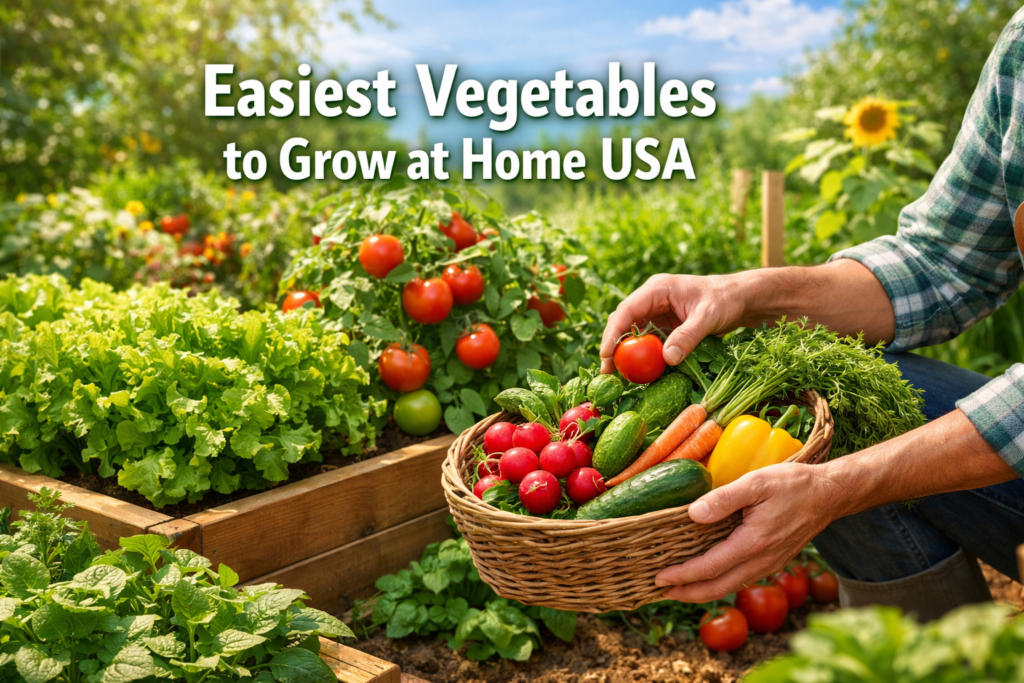
Quick Answer: The easiest vegetables to grow at home in the USA for beginners in 2026 are generally those with short growing seasons, minimal pest issues, and tolerance to varied conditions, such as leafy greens (lettuce, spinach), radishes, bush beans, cherry tomatoes, and zucchini. These selections require less intensive care and often provide abundant harvests, making them ideal for new gardeners across most US climates.
Key Takeaways
- Start Simple: Leafy greens, radishes, bush beans, and cherry tomatoes are top picks for beginners due to their straightforward care and quick yields.
- Location Matters: Select a sunny spot receiving at least 6-8 hours of direct sunlight daily for most vegetables.
- Soil is Key: Invest in good quality, well-draining soil, or amend existing soil with compost for optimal growth.
- Water Consistently: Most easy-to-grow vegetables require consistent moisture, especially during dry spells; avoid overwatering.
- Container Friendly: Many easy vegetables, like lettuce and radishes, thrive in pots, making them suitable for small spaces or balconies.
- Succession Planting: Extend your harvest by planting small batches of quick-growing vegetables every few weeks.
- Pest Vigilance: While generally low-maintenance, regularly inspect plants for early signs of pests or diseases.
- Harvest Regularly: Harvesting encourages more production, especially for plants like bush beans and zucchini.
- Consider Your Zone: Always check USDA hardiness zones and local extension office recommendations for specific planting times in your area.
What Are the Easiest Vegetables to Grow at Home USA for Beginners?
For those new to gardening in the USA, the easiest vegetables to cultivate are typically those that are forgiving, quick to mature, and productive with minimal intervention. These include leafy greens like lettuce and spinach, root vegetables such as radishes and carrots, and prolific fruiting plants like bush beans and cherry tomatoes. Choosing these varieties significantly increases the likelihood of a successful first growing season, building confidence for future gardening endeavors.
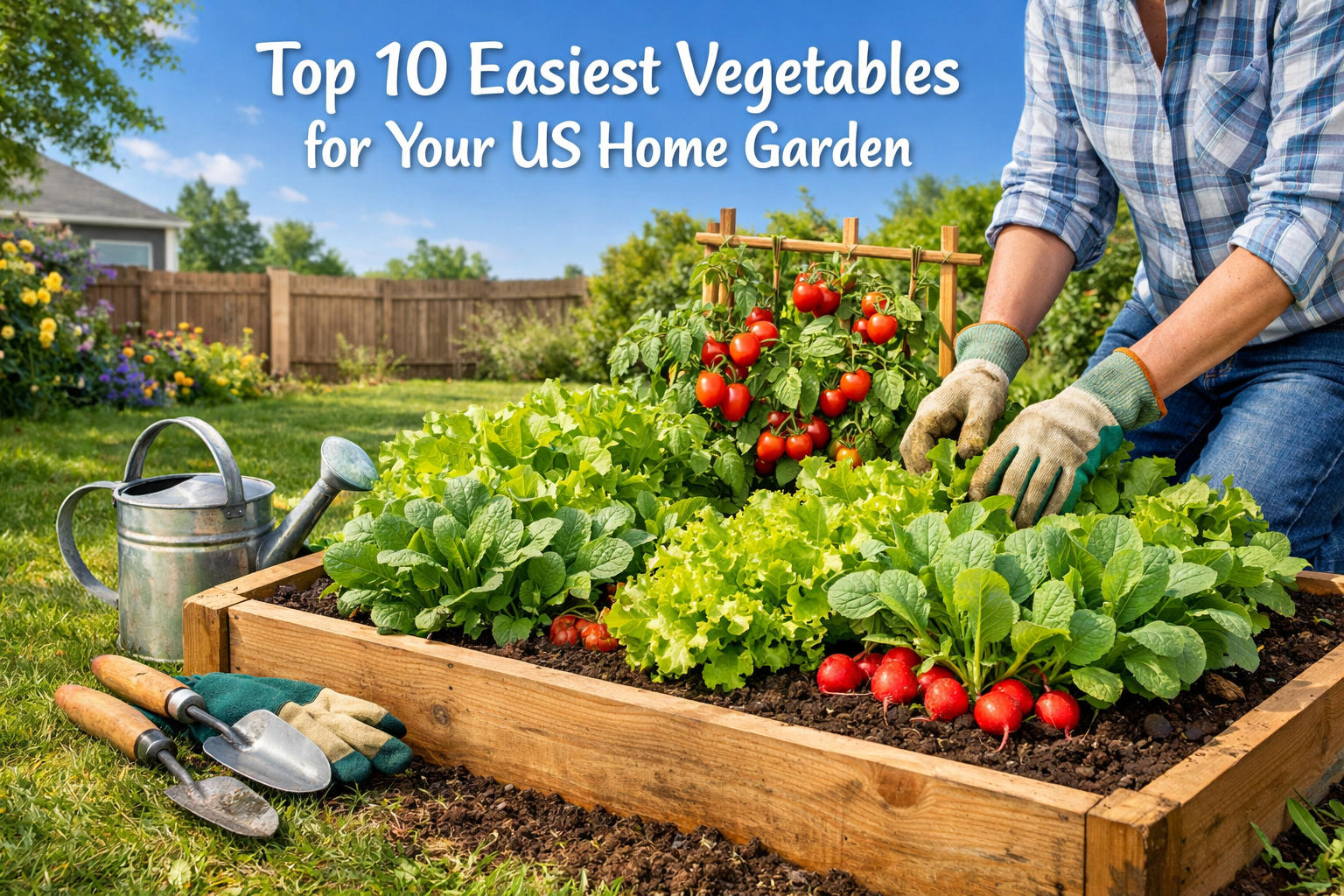
Top 10 Easiest Vegetables for Your US Home Garden
Here’s a breakdown of the most beginner-friendly vegetables, ideal for home gardens across various US regions:
- Lettuce (Loose-leaf varieties):
- Why it’s easy: Grows quickly, tolerates partial shade, and can be harvested repeatedly by taking outer leaves. It’s excellent for succession planting.
- Growing tips: Plant in spring and fall. Requires consistent moisture. Perfect for containers.
- Spinach:
- Why it’s easy: Similar to lettuce, it’s a cool-season crop that germinates reliably and yields a continuous harvest.
- Growing tips: Best planted in early spring and late summer/fall. Benefits from rich soil.
- Radishes:
- Why it’s easy: Arguably the fastest-growing vegetable, maturing in as little as 3-4 weeks. Requires minimal space.
- Growing tips: Plant directly in well-draining soil. Keep moist. Ideal for intercropping or small garden spots.
- Bush Beans:
- Why it’s easy: Unlike pole beans, bush beans don’t need trellising. They are heavy producers and relatively pest-resistant.
- Growing tips: Plant after the last frost. Requires full sun and consistent watering.
- Cherry Tomatoes:
- Why it’s easy: While larger tomatoes can be tricky, cherry varieties are more forgiving, more resistant to common diseases, and incredibly productive.
- Growing tips: Requires full sun and staking or caging. Water deeply and consistently. Choose a sturdy stake from the start.
- Zucchini (Summer Squash):
- Why it’s easy: Known for its prolific nature, zucchini grows rapidly and produces abundant fruits.
- Growing tips: Needs full sun, rich soil, and plenty of space. One or two plants are often enough for a family. Watch for squash bugs.
- Cucumbers:
- Why it’s easy: Bush varieties are compact and less prone to disease than vining types. They are fast growers.
- Growing tips: Full sun, well-draining soil, and consistent moisture are crucial. Consider a small trellis even for bush varieties to keep fruit off the ground.
- Swiss Chard:
- Why it’s easy: Tolerates a wider range of temperatures than spinach, is decorative, and can be harvested outer leaves over a long season.
- Growing tips: Full sun to partial shade. Prefers rich, moist soil.
- Carrots:
- Why it’s easy: While germination can be slow, once established, carrots are low-maintenance.
- Growing tips: Requires loose, stone-free soil for straight roots. Keep soil consistently moist for germination. Choose ‘short and stout’ varieties for heavy or rocky soil.
- Peas (Bush varieties):
- Why it’s easy: A cool-season crop that produces sweet pods. Bush varieties require minimal support.
- Growing tips: Plant early in spring. Needs full sun and well-draining soil. Harvest regularly to encourage more pod production.

Decision Rule: Choose leafy greens and radishes if you have limited space or want very quick results. Opt for bush beans, cherry tomatoes, and zucchini if you have more room and desire a substantial harvest of familiar produce.
What Are the Essential Soil and Sunlight Requirements for These Easy Vegetables?
The success of growing any vegetable, especially the easiest ones, hinges significantly on providing adequate soil quality and sufficient sunlight. Most easy-to-grow vegetables thrive in well-draining, nutrient-rich soil with a pH between 6.0 and 7.0 and require at least 6-8 hours of direct sunlight per day. Understanding these foundational needs ensures a healthy start and robust growth, irrespective of your gardening experience.
Preparing Your Garden for Success
Sunlight:
- Full Sun (6+ hours): Most fruiting vegetables (tomatoes, zucchini, beans, cucumbers) absolutely need full sun to produce abundantly. A south-facing garden plot is often ideal.
- Partial Sun (4-6 hours): Leafy greens (lettuce, spinach, chard) and radishes can tolerate partial shade, especially in hotter climates where it prevents bolting (going to seed prematurely).
- Observation is Key: Before planting, observe your garden space throughout the day to accurately determine sun exposure. Trees or structures can cast shadows you might not expect.
Soil:
- Well-Draining: This is critical. Vegetables hate “wet feet.” If your soil holds water, roots can rot. You can test drainage by digging a small hole, filling it with water, and observing how long it takes to drain. If it takes longer than 4 hours, your drainage is poor.
- Nutrient-Rich: Healthy soil teems with organic matter, which provides nutrients and improves soil structure.
- Amending Your Soil:
- Compost: This is the gardener’s best friend. Mixing 2-4 inches of finished compost into the top 6-12 inches of your garden bed annually will dramatically improve soil structure, fertility, and drainage.
- Aged Manure: Another excellent organic amendment for boosting nutrients. Ensure it’s well-rotted to avoid burning plants.
- Raised Beds: If your native soil is particularly poor or heavy clay, building raised beds filled with a mix of topsoil, compost, and potting mix is a highly effective solution. This also offers better control over soil quality and drainage.
- Soil Testing: For a more scientific approach, consider a simple home soil test kit or send a sample to your local extension office. This will tell you your soil’s pH and nutrient levels, allowing for targeted amendments.
Quick Soil Preparation Checklist:
- Clear the Area: Remove weeds, rocks, and debris.
- Loosen the Soil: Break up compacted soil using a broadfork or shovel to a depth of 12 inches.
- Amend with Organic Matter: Incorporate a generous layer of compost or aged manure.
- Level the Bed: Rake smooth for even planting.
- Water In: A good watering after preparation helps settle the soil and activate microorganisms.
Common Mistake: Planting vegetables directly into unamended, compacted garden soil. This leads to poor root development, nutrient deficiencies, and stunted growth. Always take the time to prepare your soil properly. Investing in good soil is like building a strong foundation for your home; it ensures stability and long-term success. Just as you’d ensure a solid structure for your garden, protecting your oral health with options like dental implant night guard is key for longevity. Similarly, making informed decisions on larger investments, such as dental implants in Dallas TX, requires understanding fundamental requirements and benefits.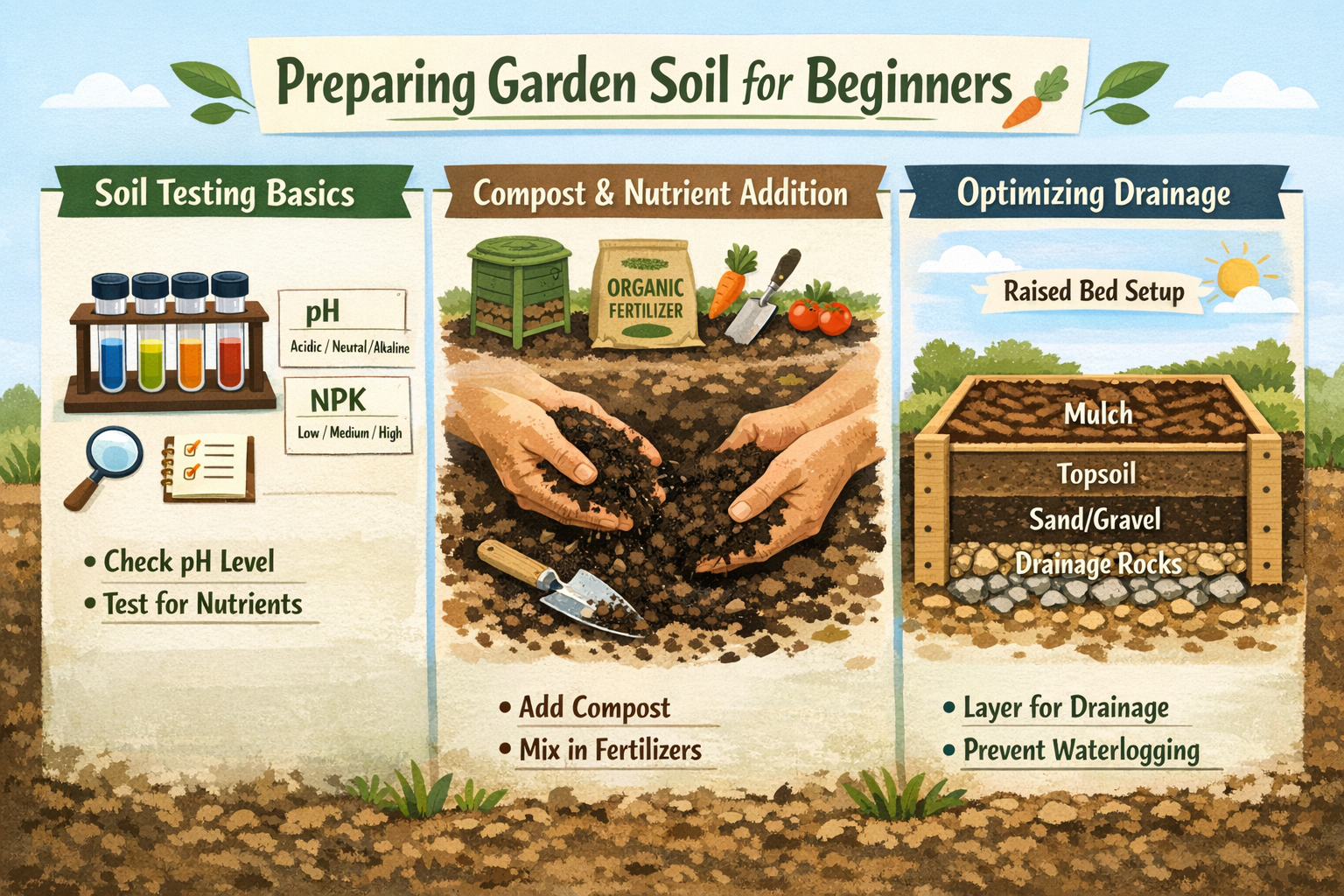
How Do You Start Seeds Indoors vs. Direct Sowing for Easy Vegetables?
Starting seeds indoors gives plants a head start on the growing season, especially in regions with shorter summers, while direct sowing involves planting seeds directly into the garden soil once conditions are suitable. For the easiest vegetables, some benefit greatly from indoor starts (like cherry tomatoes) to extend their harvest, while others (like radishes and beans) thrive when sown directly, simplifying the initial planting process.
Seed Starting Strategies for Beginners
Direct Sowing (Planting Seeds Directly in the Garden):
- Best for: Radishes, Carrots, Bush Beans, Spinach, Lettuce, Peas, Zucchini, Cucumbers. These plants either dislike transplanting or grow so quickly that an indoor start isn’t necessary.
- When to sow: After the last predicted frost date for warm-season crops (beans, zucchini, cucumbers) or when soil temperatures are appropriate for cool-season crops (radishes, spinach, lettuce, peas). Check your local extension office for specific planting dates based on your USDA hardiness zone.
- Process:
- Prepare your garden bed with well-amended soil.
- Read seed packet instructions for planting depth and spacing.
- Create small furrows or holes as recommended.
- Place seeds at the correct depth and spacing.
- Gently cover with soil and lightly pat down.
- Water gently but thoroughly.
- Keep the soil consistently moist until germination.
Starting Seeds Indoors (Giving Them a Head Start):
- Best for: Cherry Tomatoes, and can be useful for Zucchini and Cucumbers if you want an earlier harvest or live in a cooler climate. Leafy greens can also be started indoors to get ahead of the season.
- When to start: Typically 4-8 weeks before your last anticipated frost date. This timing varies by plant and your local climate.
- Materials Needed:
- Seed starting mix (not garden soil)
- Seed trays or small pots (biodegradable pots are great for transplanting)
- Grow lights (essential for strong, non-leggy seedlings)
- Heating mat (optional, but helps with germination for some seeds like tomatoes)
- Watering can with a fine spray
- Process:
- Fill trays/pots with moist seed starting mix.
- Plant seeds according to packet directions (depth and spacing).
- Place trays under grow lights immediately after planting, keeping lights 2-4 inches above the seedlings for 12-16 hours a day.
- Maintain consistent moisture, ensuring the mix doesn’t dry out.
- Once seedlings develop 1-2 sets of true leaves, thin them if necessary.
- Hardening Off: Before transplanting outdoors, gradually expose seedlings to outdoor conditions over 7-10 days. Start with an hour in a shaded, protected spot and increase duration and exposure to sun/wind daily. This step is crucial to prevent transplant shock.
- Transplant hardened-off seedlings into your garden after the danger of frost has passed.
Edge Case: If you live in an area with very mild winters, you might be able to direct sow cool-season crops like lettuce and spinach in late fall for a winter harvest, or even year-round in some southern US zones.
What Are the Best Watering and Fertilizing Practices for Easy Vegetables?
Consistent and appropriate watering, along with balanced fertilization, are crucial for the health and productivity of even the easiest vegetables. Most successful home gardens in the USA benefit from deep, infrequent watering rather than shallow, frequent sprinkles, and moderate feeding with organic fertilizers or compost to maintain soil fertility throughout the growing season. This approach prevents both water stress and nutrient deficiencies.
Nurturing Your Easy Garden
Watering:
- Consistency is Key: Vegetables, especially fruiting ones like tomatoes and zucchini, need consistent moisture. Irregular watering can lead to problems like blossom end rot in tomatoes or stunted growth.
- Deep Watering: Aim to water deeply, allowing the water to penetrate 6-12 inches into the soil. This encourages roots to grow deeper, making plants more resilient to dry spells.
- How often? This depends on your climate, soil type, and the stage of your plants. As a general rule, check the soil moisture by sticking your finger about an inch or two deep. If it feels dry, it’s time to water.
- When to Water: Early morning is ideal. This allows the foliage to dry before nightfall, reducing the risk of fungal diseases.
- Methods:
- Soaker Hoses/Drip Irrigation: Highly efficient, delivering water directly to the root zone and minimizing evaporation and leaf wetness.
- Watering Can/Garden Hose: If using these, apply water slowly at the base of the plant to ensure deep penetration. Avoid overhead watering on hot, sunny days to prevent leaf scorch.
- Mulch: Applying a 2-4 inch layer of organic mulch (straw, shredded leaves, wood chips) around your plants helps retain soil moisture, suppresses weeds, and regulates soil temperature.
Fertilizing:
- Start with Good Soil: If you’ve amended your soil with compost, your plants will likely have sufficient nutrients for the initial part of their growth.
- When to Fertilize:
- Initial Boost: A balanced organic fertilizer can be incorporated into the soil at planting time.
- Mid-Season: Heavy feeders like tomatoes, zucchini, and cucumbers may benefit from a mid-season boost, especially once they start flowering and setting fruit. Leafy greens might need a nitrogen boost if their leaves look pale.
- Types of Fertilizers:
- Compost Tea: A liquid fertilizer made from steeping compost in water, providing a gentle nutrient boost.
- Granular Organic Fertilizers: Look for options like blood meal (nitrogen), bone meal (phosphorus), or kelp meal (potassium and micronutrients), or a balanced all-purpose organic fertilizer.
- Liquid Feeds: Fish emulsion or liquid seaweed are quick-acting options for an immediate nutrient boost.
- Application: Always follow package directions for application rates. More is not better; over-fertilizing can harm plants. Apply granular fertilizers around the plant’s drip line and water in well.
- Avoid Over-Fertilizing: Excessive nitrogen can lead to lush foliage but poor fruit production, especially for tomatoes.
Pull Quote: “A consistently hydrated plant in well-fed soil is a happy, productive plant. Erratic watering and nutrient neglect are common pitfalls for new gardeners.”
What Are Common Pests and Diseases for Easy Vegetables and How to Manage Them?
Even the easiest vegetables to grow at home in the USA can encounter common garden pests and diseases, but early detection and simple organic strategies can effectively manage most issues. The key is regular inspection and understanding common culprits like aphids, squash bugs, powdery mildew, and blight, so you can address them before they significantly impact your harvest.
Safeguarding Your Harvest Organically
Common Pests & Management:
- Aphids:
- Description: Small, pear-shaped insects that cluster on new growth and undersides of leaves, sucking plant sap. They can be green, black, red, or yellow.
- Damage: Stunted growth, curled or yellowed leaves, sticky residue (honeydew).
- Organic Management:
- Strong Water Spray: A forceful jet of water can dislodge them.
- Neem Oil: An organic insecticide that disrupts insect feeding and growth cycles.
- Insecticidal Soap: Effectively suffocates soft-bodied insects.
- Beneficial Insects: Encourage ladybugs and lacewings, which are natural predators of aphids.
- Squash Bugs (on Zucchini/Cucumbers):
- Description: Flat, brownish-gray bugs that feed on squash and cucumber plants. Eggs are copper-colored and laid in clusters on leaf undersides.
- Damage: Yellow spots on leaves, wilting, eventual plant death.
- Organic Management:
- Handpicking: Remove adult bugs, nymphs, and egg clusters daily. Drop them into soapy water.
- Row Covers: Use floating row covers early in the season to prevent adults from laying eggs, removing them when plants flower for pollination.
- Cabbage Worms (on Lettuce/Spinach):
- Description: Green caterpillars that chew holes in leaves.
- Damage: Irregular holes in foliage.
- Organic Management:
- Handpicking: Visually inspect leaves and remove caterpillars.
- Bacillus thuringiensis (Bt): A natural bacterium that targets caterpillars, safe for humans and beneficial insects.
- Row Covers: Effective physical barrier.
- Slugs and Snails:
- Description: Mollusks that leave silvery trails and chew ragged holes in leaves, especially on leafy greens.
- Damage: Irregular holes in leaves.
- Organic Management:
- Beer Traps: Shallow dishes filled with beer attract and drown them.
- Diatomaceous Earth: A fine powder that dehydrates slugs/snails, sprinkled around plants.
- Handpicking: Best done at dusk or after rain.
Common Diseases & Management:
- Powdery Mildew (on Zucchini/Cucumbers):
- Description: White, powdery spots on leaves, which can spread and cover entire leaves, hindering photosynthesis.
- Cause: Fungal infection, often exacerbated by humidity and poor air circulation.
- Organic Management:
- Improved Air Circulation: Space plants adequately, prune lower leaves.
- Watering Technique: Water at the base of plants in the morning to allow leaves to dry.
- Fungicidal Sprays: A solution of milk (1 part milk to 9 parts water) or baking soda (1 teaspoon per quart of water with a few drops of soap) can be effective.
- Resistant Varieties: Choose disease-resistant varieties if available.
- Blight (Early & Late Blight on Tomatoes):
- Description: Fungal diseases causing dark spots on leaves, stems, and fruit, leading to plant decline.
- Cause: Fungal spores, often spread by splashing water and humid conditions.
- Organic Management:
- Crop Rotation: Do not plant tomatoes in the same spot year after year.
- Pruning: Remove lower leaves that touch the soil.
- Staking/Caging: Keep plants off the ground.
- Mulch: Prevents soil from splashing onto leaves.
- Resistant Varieties: Select blight-resistant tomato cultivars.
- Copper Fungicides: Can be used as a preventative measure following label instructions.
Tip for all issues: Regular inspection (daily or every other day) is your best tool. The earlier you spot a problem, the easier it is to manage organically. A healthy plant is also more resilient; ensure proper watering, sunlight, and nutrient-rich soil. Proactive care for your garden is akin to prioritizing your oral health, where timely interventions, like considering immediate dental implant benefits can prevent more significant issues.
How to Harvest and Store Your Easiest Homegrown Vegetables?
Knowing when and how to harvest your easy vegetables correctly, coupled with proper storage techniques, ensures you enjoy the freshest flavors and maximize your garden’s output. Harvesting at the right stage stimulates further production for many plants, while appropriate storage methods extend the shelf life of your hard-earned produce, minimizing waste and enhancing culinary enjoyment.
Maximizing Your Harvest and Freshness
Harvesting Techniques:
- Lettuce & Spinach:
- Method: Harvest outer leaves as needed (cut-and-come-again method) or cut the entire head about an inch above the soil for quick regrowth.
- When: When leaves are tender and reach desired size. Regular harvesting prevents bolting.
- Radishes:
- Method: Pull entire root from the soil when it’s about 1 inch in diameter.
- When: 3-4 weeks after planting. Don’t let them get too big, or they become woody and spicy.
- Bush Beans:
- Method: Snap off pods when they are firm, crisp, and 4-6 inches long, before the beans inside swell significantly.
- When: Continuously harvest every 2-3 days once they start producing. This encourages more production.
- Cherry Tomatoes:
- Method: Snip or gently pull ripe tomatoes from the vine when they are fully colored and slightly soft to the touch.
- When: When they reach their full color and are still firm but yield slightly to pressure.
- Zucchini:
- Method: Cut from the plant with a sharp knife, leaving a small piece of stem attached.
- When: When they are 6-8 inches long. They grow fast, so check daily! Smaller zucchini are more tender and flavorful.
- Cucumbers:
- Method: Cut from the vine with a sharp knife or pruners, leaving about an inch of stem.
- When: When they reach the desired size and are firm. Like zucchini, smaller is often better for taste and texture.
- Swiss Chard:
- Method: Harvest outer leaves by snapping or cutting them at the base.
- When: When leaves are 8-12 inches tall. Can be harvested continuously.
- Carrots:
- Method: Loosen soil around the carrot and gently pull.
- When: When the tops of the carrots are visible and reach desired diameter (check seed packet for size).
- Peas:
- Method: Gently pull pods from the vine when they are plump and bright green.
- When: As soon as pods are well-filled but before they start to yellow.
Storage Tips:
- Leafy Greens (Lettuce, Spinach, Chard): Wash, dry thoroughly, and store in a sealed bag or container with a paper towel in the refrigerator for 5-7 days.
- Radishes: Remove greens (they’ll draw moisture from the roots), wash, dry, and store in a sealed container in the refrigerator for up to 2 weeks.
- Bush Beans: Store unwashed in a perforated bag in the refrigerator for up to a week. For longer storage, blanch and freeze.
- Cherry Tomatoes: Store at room temperature on the counter for best flavor. Only refrigerate if fully ripe and you need to extend their life by a few days, but they may lose some flavor.
- Zucchini & Cucumbers: Store unwashed in a plastic bag in the refrigerator for 1-2 weeks. For zucchini, consider grating and freezing for baking.
- Carrots: Remove greens, store unwashed in a plastic bag in the refrigerator for several weeks.
- Peas: Store in their pods in the refrigerator for a few days. For longer storage, shell and freeze or can them.
Common Mistake: Leaving ripe vegetables on the plant too long. This signals to the plant to stop producing and can lead to overripe, less flavorful produce.
What Are the Benefits of Growing Your Own Vegetables at Home in 2026?
Growing your own vegetables at home in 2026 offers numerous advantages beyond simply having fresh produce, encompassing significant health benefits, financial savings, and environmental contributions. From ensuring food safety and security to enhancing mental well-being and reducing your carbon footprint, home gardening empowers individuals to take control of their food sources and connect with nature directly.
The Rewards of Home Gardening
- Fresher, Tastier Produce: Store-bought vegetables often travel long distances, impacting their freshness and flavor. Homegrown produce is harvested at peak ripeness, offering superior taste and texture.
- Increased Nutritional Value: The moment a vegetable is picked, its nutrient content begins to degrade. By consuming vegetables immediately after harvest, you maximize their vitamin and mineral intake.
- Food Safety and Control: You control what goes into and onto your food. You can choose to grow organically, avoiding pesticides and harmful chemicals, which is a growing concern for many consumers.
- Cost Savings: While there’s an initial investment in seeds and tools, growing your own vegetables can significantly reduce your grocery bill over time, especially for high-consumption items like lettuce and tomatoes.
- Environmental Benefits:
- Reduced Carbon Footprint: Fewer miles traveled by your food means less fuel consumption and lower greenhouse gas emissions.
- Sustainable Practices: Home gardens support biodiversity, healthy soil, and can reduce waste from packaging.
- Physical Activity and Stress Reduction: Gardening is a great form of moderate exercise, involving digging, planting, and weeding. It also offers a therapeutic connection to nature, known to reduce stress and improve mental well-being.
- Educational Opportunity: For families, gardening provides a hands-on lesson in biology, ecology, and healthy eating habits. Children are often more willing to try vegetables they’ve helped grow.
- Food Security and Self-Sufficiency: In uncertain times, having the ability to grow a portion of your own food provides a sense of security and resilience.
- Community Connection: Sharing excess produce with neighbors and friends fosters community bonds and can lead to exchanges of gardening tips and resources.
Statistic: According to a 2023 survey by the National Gardening Association, a typical home vegetable garden can yield an average return of $500 to $1,000 worth of produce annually for an investment of around $50-$70 in seeds and supplies, demonstrating significant financial benefits (National Gardening Association, 2023). This return on investment is a clear benefit to financial wellbeing, much like understanding payment plans for implants in Dallas can benefit your oral health budget.
Conclusion
Embarking on the journey of growing your own vegetables at home in the USA in 2026 is an incredibly rewarding endeavor, especially when you start with the easiest varieties. From the satisfying crunch of a freshly picked radish to the juicy burst of a homegrown cherry tomato, the benefits extend far beyond taste—encompassing health, financial savings, and a deeper connection to nature. By focusing on simple-to-grow options like leafy greens, bush beans, and zucchini, providing adequate sunlight and well-prepared soil, maintaining consistent watering, and staying vigilant against common pests, even novice gardeners can achieve abundant and delicious harvests. Take the first step this season; your taste buds, your wallet, and your well-being will thank you.
Actionable Next Steps:
- Choose Your Vegetables: Select 2-3 of the easiest vegetables listed (e.g., lettuce, radishes, bush beans) to start with.
- Assess Your Space: Identify a spot in your yard or on your balcony that receives at least 6-8 hours of direct sunlight.
- Prepare Your Soil: Amend your chosen garden bed or fill containers with a high-quality potting mix enriched with compost.
- Get Your Seeds/Starts: Purchase seeds or small starter plants for your selected vegetables.
- Plant According to Schedule: Follow seed packet instructions for planting times based on your local climate.
- Water and Observe: Commit to daily checks for soil moisture and early signs of pests.
- Enjoy the Harvest: Savor the fruits (and vegetables!) of your labor and plan for your next planting cycle.
FAQ
What are the absolute easiest vegetables for a first-time gardener in the USA?
The absolute easiest for first-timers are radishes, loose-leaf lettuce, spinach, and bush beans, due to their quick growth, minimal care requirements, and high yield potential.
Can I grow easy vegetables in containers?
Yes, many easy vegetables like lettuce, spinach, radishes, cherry tomatoes (bush varieties), and bush beans thrive in containers, making them perfect for small spaces or balconies.
How much sun do easy vegetables need?
Most easy vegetables, especially fruiting ones like tomatoes and zucchini, require at least 6-8 hours of direct sunlight daily. Leafy greens can tolerate some partial shade.
What kind of soil is best for beginners?
Well-draining, nutrient-rich soil amended with plenty of organic compost is ideal. For containers, use a high-quality potting mix.
When should I start planting in the USA?
Planting times vary by region and vegetable type. Cool-season crops (lettuce, spinach, radishes) can go in early spring and fall, while warm-season crops (tomatoes, beans, zucchini) should be planted after the last frost. Consult your local USDA hardiness zone.
Do I need to fertilize easy vegetables?
While good compost provides initial nutrients, heavy feeders like tomatoes and zucchini may benefit from a balanced organic fertilizer boost mid-season, especially when they start to flower and produce fruit.
How often should I water my vegetable garden?
Water deeply when the top inch or two of soil feels dry. This typically means 2-3 times per week, but can be more frequent in hot, dry weather or for container plants.
What are common mistakes for beginner vegetable gardeners?
Common mistakes include inadequate sunlight, poor soil preparation, inconsistent watering, and planting too many seeds in one area without thinning.
How can I protect my easy vegetables from pests organically?
Regular inspection, handpicking pests, using strong water sprays, applying organic options like neem oil or insecticidal soap, and encouraging beneficial insects are effective organic pest control methods.
Can I grow vegetables all year round in the USA?
In warmer US zones, some cool-season crops might be grown through winter. In most temperate zones, gardening is seasonal, but extending the season with cold frames or indoor starts is possible.
References
National Gardening Association. (2023). The Economic Benefits of Home Vegetable Gardening.