DIY Container Gardening Ideas for Small Spaces
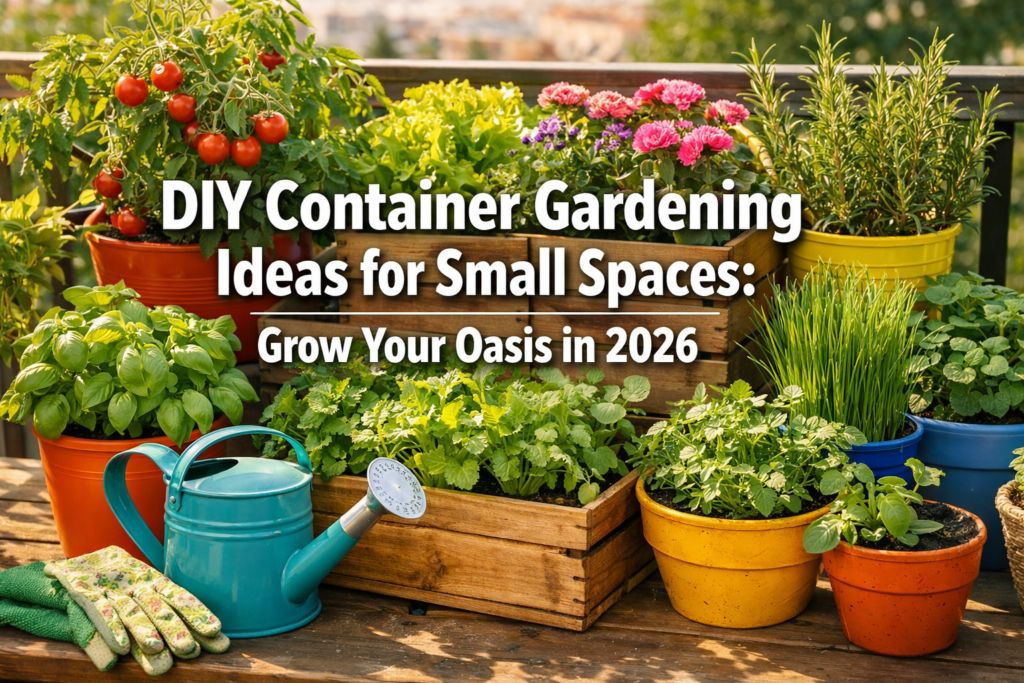
Container gardening is an excellent solution for anyone looking to cultivate plants in limited areas, allowing you to grow a variety of vegetables, herbs, and flowers on balconies, patios, windowsills, or even indoors. This method offers flexibility and accessibility, making gardening possible even in urban environments where traditional garden beds are impractical. With smart planning and creative solutions, anyone can implement DIY container gardening ideas for small spaces to enjoy fresh produce and beautiful greenery.
Key Takeaways
- Container gardening maximizes small spaces: It allows you to grow plants almost anywhere, from balconies to windowsills.
- Repurposed items make great planters: Old tires, plastic bottles, and wooden crates can be transformed into unique, budget-friendly containers.
- Vertical gardening is a game-changer: Stacking or hanging planters effectively multiplies your growing area without taking up more floor space.
- Choose plants wisely: Opt for compact varieties that thrive in containers, such as bush beans, determinate tomatoes, and dwarf fruit trees.
- Proper care is crucial: Adequate sunlight, appropriate soil, consistent watering, and regular feeding are vital for container plant health.
- DIY solutions save money: Creating your own planters and systems can significantly reduce the cost of setting up a small garden.
- Start small and expand: Begin with a few easy-to-grow plants to build confidence before tackling more ambitious projects.
- Year-round gardening is possible: With indoor setups or protective measures, you can extend your growing season.
What are the Best DIY Container Gardening Ideas for Small Spaces?
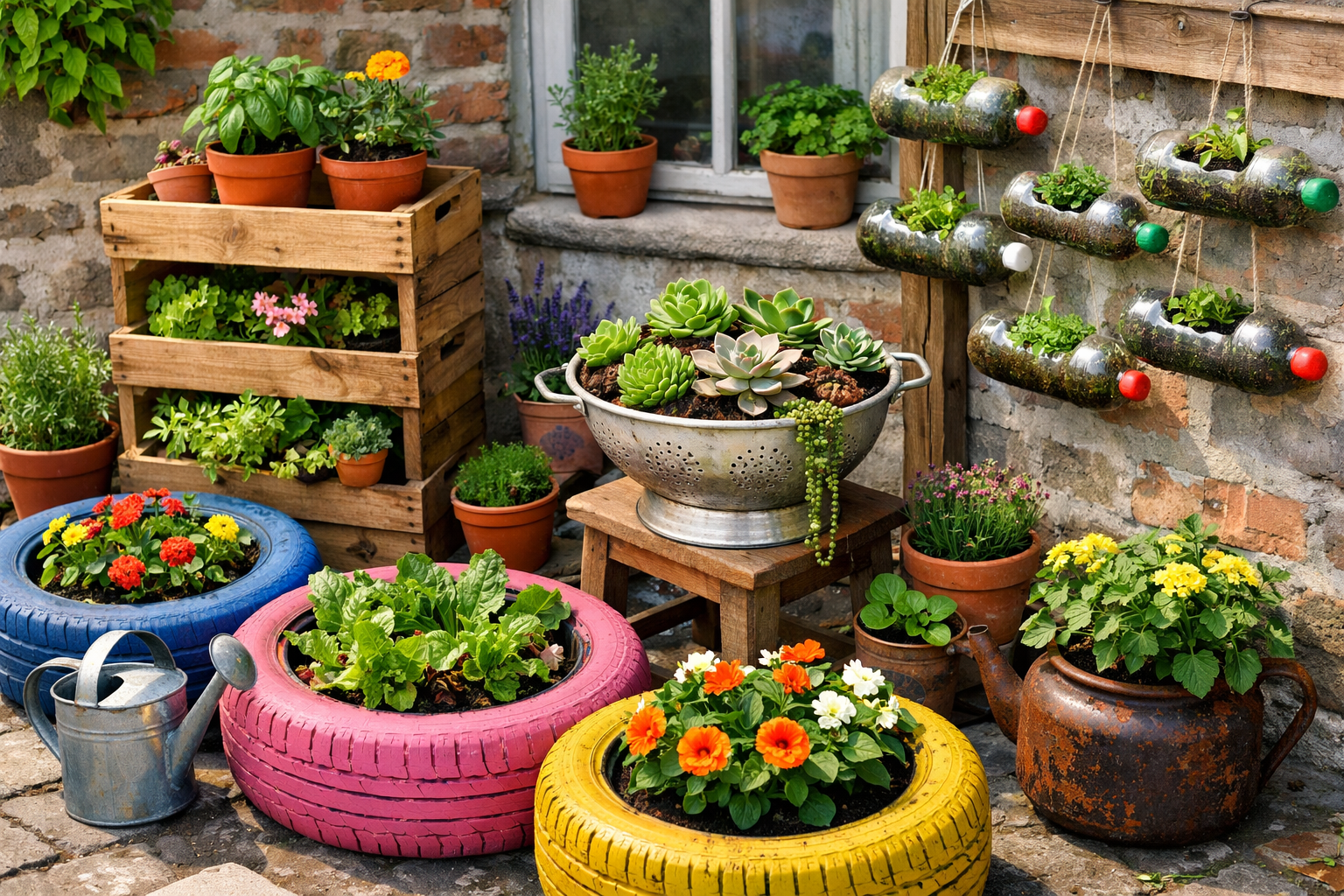
The best DIY container gardening ideas for small spaces involve creativity and resourcefulness, often repurposing everyday items into functional and attractive planters to maximize growing area without significant expense. These methods are ideal for urban dwellers, apartment residents, and anyone with limited outdoor or indoor square footage.
Creative Repurposing for Planters
Turning household items into planters is a sustainable and budget-friendly approach to container gardening. Before starting, ensure any repurposed item is clean and has adequate drainage holes.
- Tire Planters: Old tires can be painted in vibrant colors and stacked to create multi-level planters, perfect for growing root vegetables or a cascade of flowering plants. Ensure they are thoroughly cleaned.
- Plastic Bottle Vertical Gardens: Cut plastic bottles in half lengthwise, punch drainage holes, and hang them vertically from a wall or fence using sturdy string or zip ties. This creates a cost-effective tiered system ideal for herbs or shallow-rooted greens. You can explore more about Vertical Gardening Guide for Small Spaces: Grow More in 2026.
- Wooden Pallet Gardens: Disassemble old wooden pallets to create planter boxes or use the entire pallet vertically against a wall by attaching fabric pockets or small containers to its slats. This is excellent for herbs, strawberries, or small flowers.
- Colanders and Strainers: Their built-in holes make colanders perfect for plants requiring excellent drainage, such as succulents or shallow-rooted herbs.
- Old Drawers and Dressers: Line old drawers with plastic sheeting, add drainage holes, and fill them with soil to create unique, rustic planters. Stack them for a tiered effect.
- Tin Cans and Buckets: Cleaned and painted tin cans or plastic buckets are simple, effective containers for single plants. Drill drainage holes at the bottom.
When selecting repurposed materials, prioritize non-toxic options, especially for edible plants. For example, ensure any plastic used is food-grade if it will directly contact edible plant roots.
How Can I Maximize Space with Container Gardening?
Maximizing space with container gardening primarily involves vertical expansion and intelligent arrangement, allowing you to cultivate more plants in a confined footprint. Utilizing vertical space is crucial, as is selecting containers and plants that complement the available area.
Vertical Gardening Solutions
Vertical gardening is a cornerstone of DIY container gardening ideas for small spaces, allowing gardeners to grow upward instead of outward.
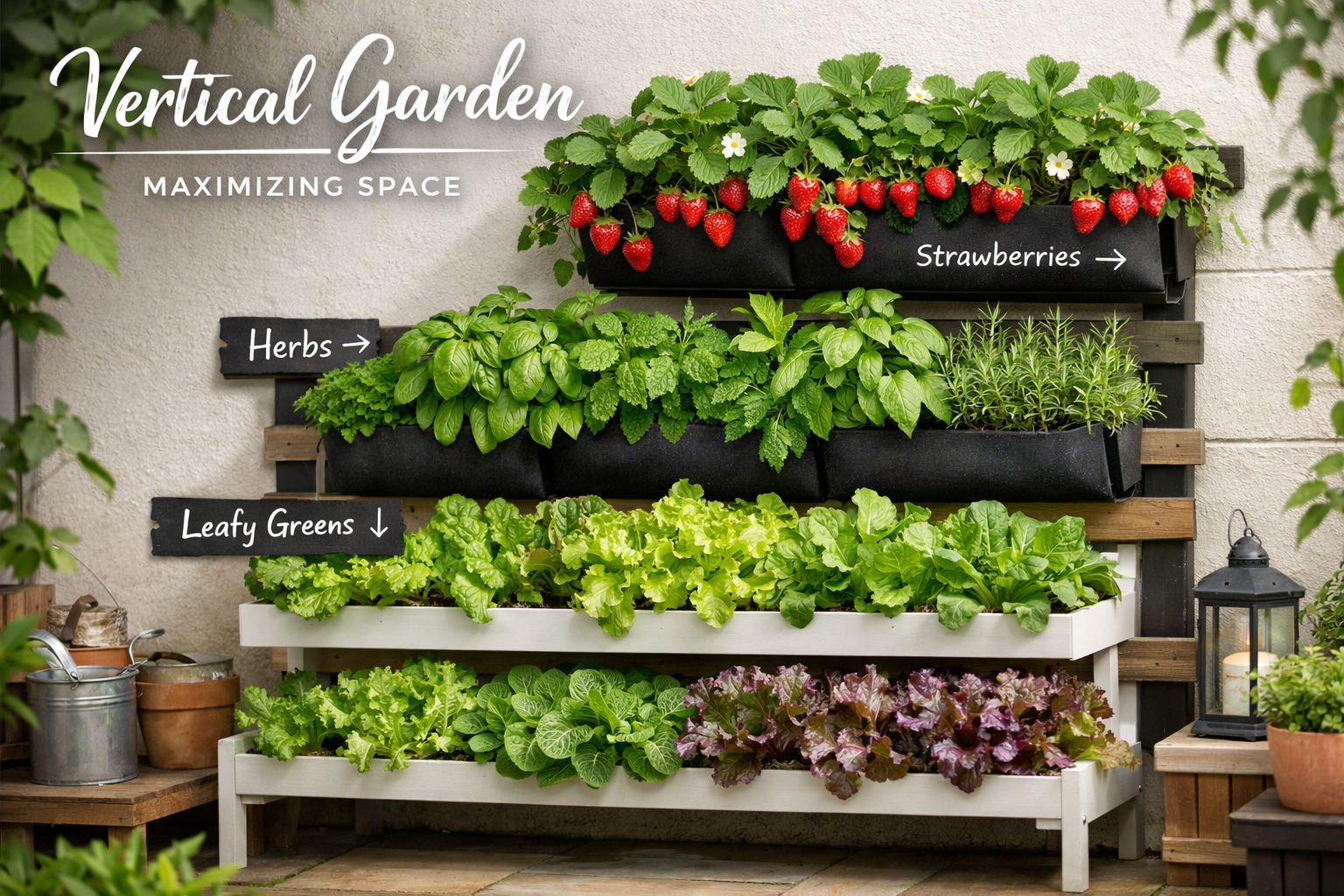
- Wall-Mounted Planters: Systems that attach directly to a wall or fence, often featuring pockets or shelves, are excellent for growing herbs, lettuces, or small flowers. These can be purchased or DIYed from pallets or plastic bottles.
- Tiered Planters: These stands feature multiple levels of containers, often in a cascading design, effectively creating several planting areas in the footprint of one. They are suitable for strawberries, various herbs, or small decorative plants.
- Hanging Baskets: Ideal for trailing plants like cherry tomatoes, petunias, or nasturtiums, hanging baskets free up floor space and add a decorative element. Ensure they are securely mounted.
- Ladder Gardens: Repurpose an old ladder by placing pots on each rung, or build a custom ladder-like structure with attached planter boxes. This creates a visually appealing and functional vertical garden.
- Stackable Containers: Designed to fit one on top of another, stackable planters are particularly good for strawberries, herbs, or small flowers, making them a space-efficient choice.
Smart Arrangement Strategies
Beyond verticality, how you arrange your containers significantly impacts space utilization and plant health.
- Mobile Gardens: Placing containers on casters or dollies allows you to easily move plants to optimize sunlight exposure or to clear space when needed.
- Grouping by Needs: Group plants with similar light and watering requirements together. This simplifies care and allows for efficient rotation.
- Under-Bench Storage: If you have a potting bench or outdoor table, utilize the space underneath for shade-loving plants or for storing gardening supplies.
- Consider Plant Habits: Place taller, sun-loving plants at the back or north side of your arrangement to prevent them from shading shorter plants.
Consider the sun’s path throughout the day and year when planning your arrangement. A plant that gets full sun in the morning might be shaded in the afternoon, or vice versa. For more layout ideas, check out Balcony Garden Layout Ideas: Transform Your Space in 2026.
What Plants Thrive in Small Container Gardens?
When planning DIY container gardening ideas for small spaces, selecting appropriate plants is crucial for success, as compact and determinate varieties are best suited for the confined root systems of pots. Focus on plants known for their smaller growth habits and high yield potential in limited conditions.
Top Plant Choices for Containers
Many vegetables, herbs, and flowers are perfectly adapted to container life, provided they receive proper care.
- Vegetables:
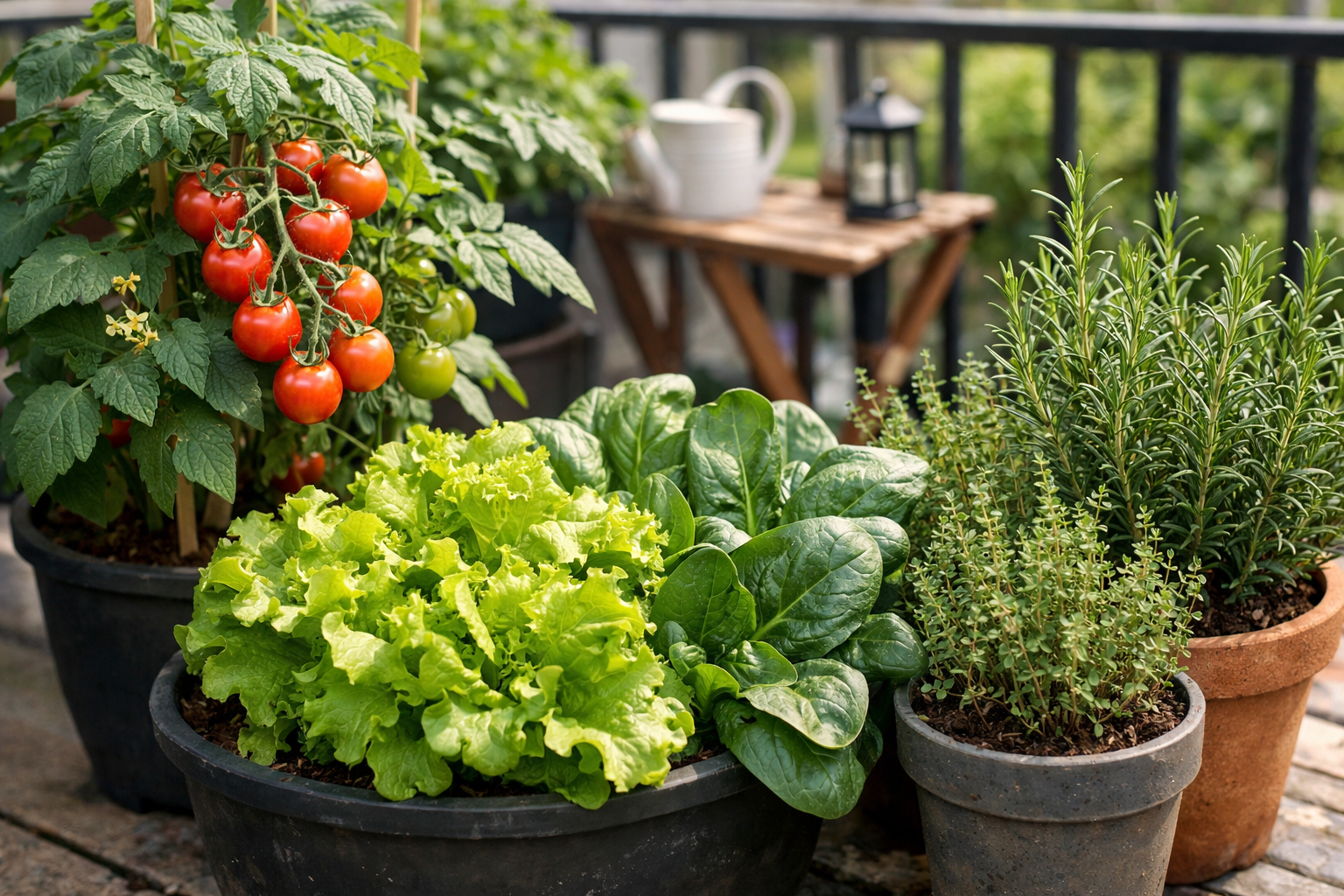
- Leafy Greens: Lettuce, spinach, arugula, and Swiss chard grow quickly and can be harvested repeatedly. They generally prefer partial shade in hotter climates.
- Radishes and Carrots (short varieties): These root vegetables thrive in deeper pots. Look for “round” or “mini” carrot varieties.
- Bush Beans: Unlike pole beans, bush beans are compact and do not require trellising, making them ideal for containers.
- Determinate Tomatoes: Varieties like ‘Patio’ or ‘Celebrity’ stop growing at a certain height, producing a concentrated crop perfect for pots. Avoid “indeterminate” varieties that grow indefinitely.
- Peppers: Both bell and chili peppers do well in containers, provided they have enough sunlight and consistent moisture.
- Cucumbers (bush varieties): Similar to beans, bush cucumber varieties are compact and yield well in pots.
- Eggplant: Many smaller eggplant varieties like ‘Patio Baby’ are excellent for containers.
- Strawberries: These are fantastic in hanging baskets or tiered planters, producing sweet fruit with minimal space.
- Herbs: Most herbs are excellent choices for containers.
- Basil, Mint, Rosemary, Thyme, Chives, Parsley, Cilantro: These are among the easiest herbs to grow in pots, providing fresh flavors for cooking. Mint, in particular, benefits from container growing as it can be invasive.
- Flowers:
- Marigolds, Nasturtiums, Petunias, Impatiens: These not only add beauty but can also attract pollinators and deter pests. Nasturtiums are edible and can be a dual-purpose plant.
Considerations for Plant Selection
When choosing plants, consider these factors:
- Sunlight: Match plants to the amount of sunlight your small space receives. Full-sun plants (6+ hours) include tomatoes, peppers, and most herbs. Partial-sun plants (4-6 hours) include leafy greens and some root vegetables.
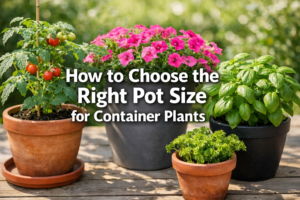
- Container Size: Ensure the pot is large enough for the mature plant. A tomato plant will need a much larger container than a single basil plant. Our guide on Best Pots for Small Space Gardening in 2026 offers more insights.
- Watering Needs: Group plants with similar watering requirements together to simplify maintenance.
- Pollination: If growing fruiting vegetables, consider if you’ll need to manually pollinate or if natural pollinators can reach your containers.
Always read plant tags for specific growth habits and container suitability. Choosing the right plant for your specific setup is key to a flourishing small garden.
What are Common Mistakes to Avoid in DIY Container Gardening?
When embarking on DIY container gardening ideas for small spaces, avoiding common pitfalls can significantly increase your chances of success and ensure your plants thrive. Many mistakes revolve around inadequate planning, improper care, and unsuitable material choices.
Key Mistakes and How to Avoid Them
- Insufficient Drainage:
- Mistake: Using containers without drainage holes or with holes that are too small. This leads to waterlogged soil, root rot, and plant death.
- Solution: Always drill or punch adequate drainage holes (at least 1/2 inch in diameter) in the bottom of any container. If using a saucer, ensure the pot isn’t sitting in standing water for extended periods.
- Using Garden Soil:
- Mistake: Filling containers with heavy garden soil, which compacts easily, drains poorly, and may harbor pests or diseases.
- Solution: Always use a high-quality potting mix specifically formulated for containers. These mixes are lighter, offer better drainage, and provide essential aeration for roots. For more details, refer to our Soil Basics for Container Gardening: 2026 Expert Guide.
- Under- or Overwatering:
- Mistake: Inconsistent watering, either allowing the soil to dry out completely or keeping it perpetually soggy. Container plants dry out faster than in-ground plants.
- Solution: Check soil moisture daily by sticking your finger about an inch deep. Water when the top inch or two feels dry. Ensure water drains out the bottom. Factors like container material, plant size, and weather influence watering frequency. For tips on how often to water, see How Often to Water Container Vegetables in Summer 2026.
- Inadequate Sunlight:
- Mistake: Placing sun-loving plants in shaded areas or shade-loving plants in intense, direct sun.
- Solution: Assess your space’s sun exposure throughout the day. Most vegetables and herbs need at least 6 hours of direct sunlight. Choose plants that match your available light conditions. If light is scarce, consider shade-tolerant plants or supplemental grow lights.
- Choosing the Wrong Container Size:
- Mistake: Planting a large, fast-growing plant in a small container, restricting root growth and nutrient uptake.
- Solution: Match the pot size to the mature size of the plant. A cherry tomato plant needs a 5-gallon container (or larger), while herbs might thrive in 1-gallon pots. Smaller pots also dry out faster. Our guide on Best Pots for Balcony Garden 2026 can help with sizing.
- Neglecting Fertilization:
- Mistake: Assuming potting mix alone provides enough nutrients for the entire growing season. Container plants quickly deplete nutrients.
- Solution: Begin with a potting mix that contains a slow-release fertilizer or start feeding your plants with a liquid fertilizer every 2-4 weeks after they’ve established.
- Ignoring Pest and Disease Management:
- Mistake: Not regularly inspecting plants for signs of pests or diseases.
- Solution: Check your plants frequently. Address issues promptly with organic pest control methods or by removing affected parts. Early detection is key in small spaces to prevent widespread problems.
By being mindful of these common mistakes, you can cultivate a thriving and productive container garden even in the tightest of spaces. For general advice on avoiding issues, consider our article on Beginner Mistakes in Small Space Gardening 2026.
Conclusion
Embracing DIY container gardening ideas for small spaces in 2026 empowers you to transform even the most compact areas into vibrant, productive green sanctuaries. Whether you’re repurposing old items, building vertical structures, or carefully selecting compact plant varieties, the possibilities are endless for urban gardeners and those with limited room. By understanding plant needs, choosing appropriate containers, and avoiding common mistakes, you can cultivate a flourishing garden that provides fresh produce, beautiful blooms, and a deep sense of satisfaction. Start small, be creative, and enjoy the journey of growing your own green oasis.
Actionable Next Steps:
- Assess Your Space: Determine the amount of sunlight your small space receives throughout the day.
- Gather Materials: Collect repurposed items or purchase suitable containers and a good quality potting mix.
- Choose Your Plants: Select compact plant varieties that match your light conditions and personal preferences.
- Plan Your Layout: Sketch a simple plan, incorporating vertical elements if space is extremely limited.
- Start Planting: Get your hands dirty and bring your DIY container garden to life!
- Monitor and Maintain: Regularly check for water needs, feed your plants, and watch for any signs of pests or diseases.
FAQ
What is the cheapest way to start a DIY container garden?
The cheapest way to start a DIY container garden is by repurposing household items like plastic bottles, old tires, tin cans, or wooden pallets as planters, and starting plants from seeds instead of seedlings.
How often do container gardens need to be watered?
Container gardens typically need to be watered more frequently than in-ground gardens, often daily during hot, dry weather, and every 2-3 days in milder conditions. Always check the top inch of soil for dryness before watering.
Can I grow vegetables in small containers?
Yes, you can grow many vegetables in small containers, especially compact varieties like bush beans, determinate tomatoes, radishes, carrots (short varieties), lettuce, spinach, and most herbs.
What kind of soil should I use for container gardening?
Always use a high-quality potting mix specifically designed for containers, as it provides better drainage, aeration, and a lighter texture than garden soil.
How much sun do container plants need?
Most vegetables and herbs in container gardens require at least 6 hours of direct sunlight per day to thrive, although leafy greens can tolerate partial shade (4-6 hours).
How do I prevent pests in my small container garden?
Prevent pests by inspecting plants regularly, practicing good sanitation, using organic pest control methods like neem oil or insecticidal soap, and encouraging beneficial insects.
Can I move my container plants indoors for winter?
Many container plants, especially herbs and some vegetables like peppers, can be moved indoors for winter if they receive adequate light (from a sunny window or grow lights) and proper care.
Do DIY containers need drainage holes?
Yes, all DIY containers used for gardening absolutely need drainage holes to prevent waterlogging and root rot. Drill or punch several holes in the bottom.