Container Vegetable Gardening USA: Your 2026 Grow Guide
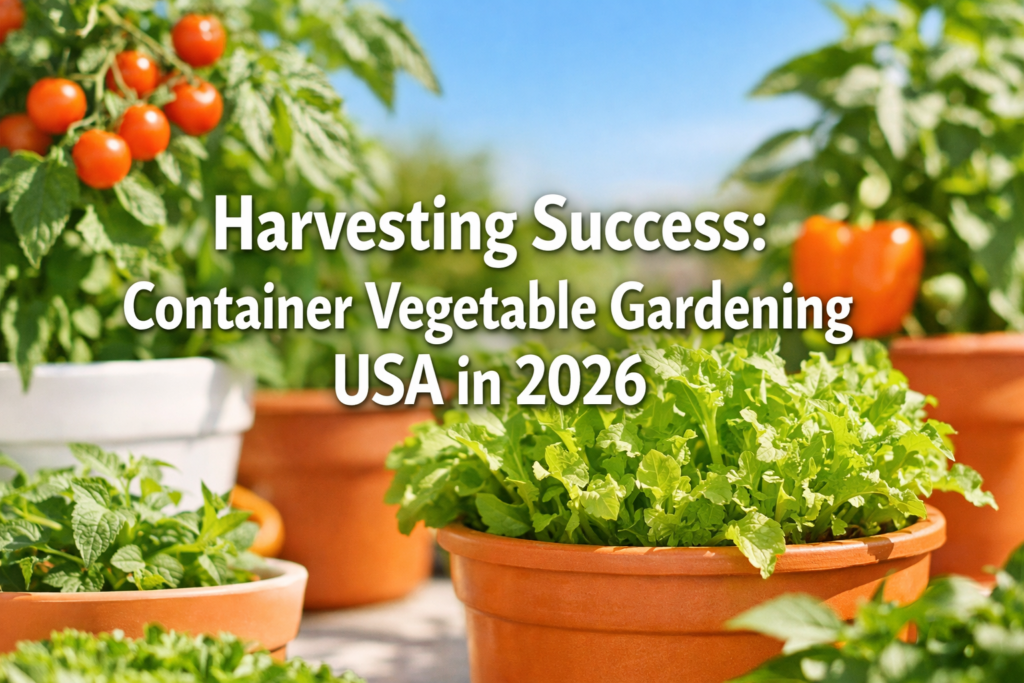
Quick Answer: Container vegetable gardening in the USA offers a practical and accessible way to grow fresh produce, regardless of yard size or soil quality, by utilizing pots, grow bags, and raised beds filled with appropriate potting mix. This method is particularly popular in urban areas and for individuals seeking control over their gardening environment, providing flexibility to move plants and optimize sunlight exposure throughout the growing season.
Key Takeaways:
- Container gardening is ideal for urban dwellers, small spaces, and those with poor native soil.
- Selecting the right container size and material is crucial for plant health and water retention.
- High-quality potting mix, not garden soil, is essential for successful container vegetable growth.
- Consistent watering and regular fertilization are vital due to faster nutrient and moisture depletion in containers.
- Many popular vegetables, including tomatoes, peppers, leafy greens, and herbs, thrive in containers.
- Strategic placement is key to maximize sunlight exposure, typically 6-8 hours daily for most vegetables.
- Pest and disease management in containers can be simpler due to plant mobility and isolation.
- Start small with a few easy-to-grow vegetables to build confidence and experience.
- Vertical gardening and self-watering planters are innovative solutions for maximizing space and efficiency.
- Consider regional climate differences when selecting varieties and adjusting watering schedules.
Why Container Vegetable Gardening USA is Flourishing in 2026
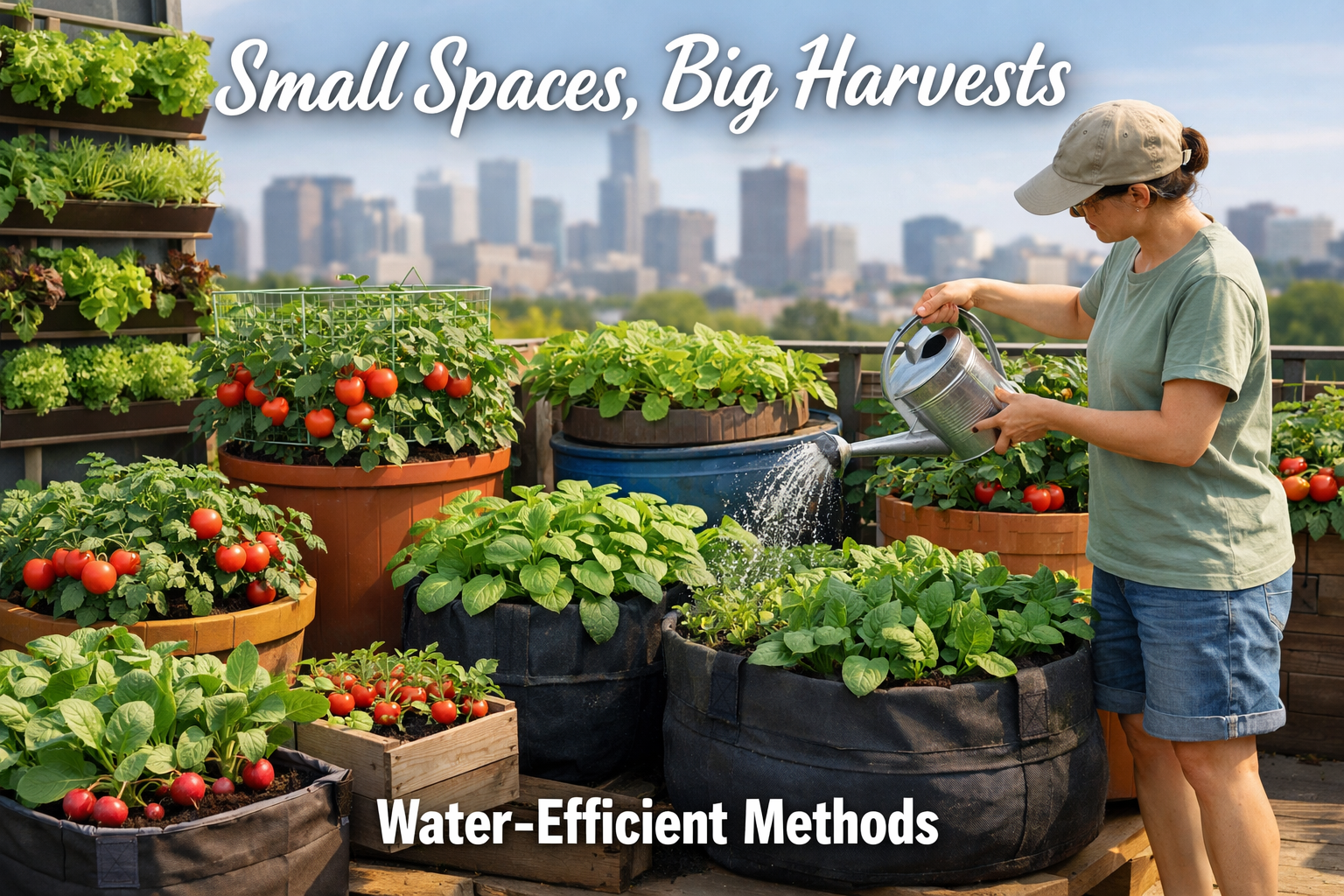
Container vegetable gardening in the USA is flourishing in 2026 because it democratizes food production, making it accessible to individuals with limited space, challenging soil conditions, or those simply desiring greater control over their growing environment. This method allows anyone, from apartment dwellers to suburban homeowners, to cultivate fresh, organic produce right on their patios, balconies, or small yards. The flexibility and relatively low barrier to entry make it an attractive option for both novice and experienced gardeners.
This method thrives due to several advantages:
- Space Efficiency: Containers allow gardening in compact areas like balconies, patios, and rooftops, making fresh produce possible even without a traditional garden plot.
- Soil Control: Gardeners can provide the ideal soil composition and nutrients for specific plants, bypassing issues like poor native soil, compaction, or soil-borne diseases.
- Mobility: Plants can be moved to optimize sunlight exposure, protect from adverse weather, or rearrange for aesthetic purposes. This is particularly useful as the seasons change or if a sudden frost threatens.
- Weed and Pest Management: The contained nature of the garden often simplifies weeding and can make localized pest control more manageable than in a large in-ground garden.
- Reduced Physical Strain: Gardening at waist height or on raised platforms can be less physically demanding, appealing to gardeners with mobility concerns.
- Aesthetic Appeal: Containers can add decorative elements to outdoor living spaces, blending functionality with beauty.
For those interested in maintaining overall health, growing your own vegetables can be as beneficial as ensuring your dental health. Just as regular check-ups prevent major issues, consistent care in container gardening yields healthy produce. If you’re looking for expert dental care in Dallas, consider a trusted local provider, just as you’d seek reliable advice for your gardening endeavors. Dental Implants Dallas TX – Expert Affordable Solutions
Choosing the Right Containers and Potting Mix for Your US Vegetable Garden
Selecting the appropriate containers and high-quality potting mix is fundamental to the success of container vegetable gardening in the USA, as these choices directly impact plant health, growth, and overall yield. Proper containers provide adequate space for root development and drainage, while specialized potting mix offers the necessary aeration, moisture retention, and nutrients that typical garden soil lacks for container-bound plants.
- Container Size Matters:
- Small (1-2 gallons): Herbs, lettuce, spinach, radishes.
- Medium (3-5 gallons): Bush beans, peppers, eggplant, most leafy greens.
- Large (5+ gallons): Tomatoes (especially determinate varieties), cucumbers, squash, potatoes. Ensure determinate tomato varieties are chosen for smaller spaces.
- Container Material:
- Terracotta/Clay: Attractive, breathable, but dries out quickly. Good for plants that prefer drier soil.
- Plastic: Inexpensive, lightweight, retains moisture well. Can overheat roots in direct sun.
- Fabric Grow Bags: Excellent aeration, prevents root circling, good drainage. Can dry out quickly in hot weather.
- Wood: Visually appealing, good insulation. Can rot over time; use food-safe treated wood.
- Repurposed Items: Buckets, tires, laundry baskets (with drainage holes). Ensure they are food-safe and clean.
- Drainage is Non-Negotiable: All containers must have drainage holes at the bottom to prevent waterlogging and root rot. Adding a layer of gravel or broken pot shards is generally unnecessary and can even hinder drainage; proper potting mix is sufficient.
- Potting Mix vs. Garden Soil:
- Use Potting Mix: It is specifically designed for containers, offering excellent drainage, aeration, and moisture retention while being lighter and sterile.
- Avoid Garden Soil: It is too heavy, compacts easily in containers, impedes drainage, and may contain weed seeds, pests, or diseases.
- Ingredients: Look for mixes containing peat moss or coco coir, perlite or vermiculite, and compost for nutrients.
For gardeners seeking to optimize space, vertical planters are an excellent choice, allowing you to grow more in a smaller footprint. Just as selecting the right tools is crucial for gardening, choosing the appropriate dental implant for your needs, like a single tooth dental implant, requires careful consideration to ensure long-term success.
Best Vegetables for Container Vegetable Gardening USA
Many popular vegetables thrive in containers across the USA, making fresh, homegrown produce a reality for diverse climates and spaces. The key is selecting varieties bred for compact growth and ensuring they receive adequate sunlight and consistent care, which maximizes their yield in confined environments.
Here are some top choices for container vegetable gardening:
- Leafy Greens: Lettuce, spinach, kale, Swiss chard. These are shallow-rooted, grow quickly, and can be harvested repeatedly. Choose larger containers for continuous harvesting.
- Herbs: Basil, mint, parsley, cilantro, chives, rosemary. Most herbs do exceptionally well in pots and can even be brought indoors during colder months.
- Tomatoes: Determinate (bush) varieties like ‘Patio,’ ‘Celebrity,’ or ‘Better Bush’ are best as they stop growing at a certain height. Indeterminate varieties can be grown but require much larger containers (15-20 gallons) and strong support.
- Peppers: Bell peppers, jalapeños, and other chili peppers thrive in 3-5 gallon containers, producing abundant harvests with plenty of sun.
- Bush Beans: Unlike pole beans, bush varieties don’t need trellising and are very productive in 2-3 gallon pots.
- Radishes: Quick-growing and require shallow containers, making them excellent for succession planting.
- Carrots: Choose shorter, “finger” varieties like ‘Danvers Half Long’ or ‘Paris Market’ for containers at least 8-12 inches deep.
- Potatoes: Grow bags or large containers (10+ gallons) are ideal. ‘Yukon Gold’ or ‘Red Pontiac’ are good choices.
- Eggplant: Compact varieties like ‘Fairy Tale’ or ‘Patio Baby’ do well in 5-gallon containers.
- Cucumbers: Bush varieties such as ‘Salad Bush’ or ‘Bush Champion’ are perfect for containers, often needing a small trellis for support.
Decision Rule: Choose compact or bush varieties whenever possible. For vining plants like cucumbers, provide a small trellis or cage within the container. Always match container size to the mature plant’s root needs.
Essential Care for Successful Container Vegetable Gardening USA in 2026
For successful container vegetable gardening in the USA, consistent and specific care practices are paramount, primarily focusing on diligent watering, regular fertilization, and optimal light exposure. Because containers dry out faster and have limited nutrient reserves compared to in-ground gardens, active management of these factors directly dictates plant health and productivity.
- Watering:
- Frequency: Container plants dry out much faster than in-ground plants. Check daily, especially during hot, windy weather. Smaller pots may need watering twice a day.
- Method: Water deeply until water drains from the bottom. This encourages deep root growth. Avoid shallow watering.
- Indicators: Stick your finger about an inch into the soil. If it feels dry, it’s time to water. Wilting leaves are a sign of severe dehydration.
- Fertilization:
- Nutrient Depletion: Nutrients leach out of containers with each watering. Regular feeding is crucial.
- Schedule: Begin fertilizing 2-4 weeks after planting. Use a balanced liquid fertilizer (e.g., 5-1-1 or 5-10-10) every 1-2 weeks, or a slow-release granular fertilizer mixed into the soil at planting.
- Organic Options: Compost tea or fish emulsion are excellent organic choices for continuous feeding.
- Sunlight:
- Requirement: Most vegetables need at least 6-8 hours of direct sunlight per day. Fruiting vegetables like tomatoes and peppers require the most.
- Placement: Position containers in the sunniest spot available. The mobility of containers allows you to chase the sun throughout the day or season.
- Shade-Tolerant: Leafy greens and root vegetables can tolerate slightly less sun (4-6 hours).
- Pest and Disease Management:
- Early Detection: Inspect plants regularly for signs of pests or disease.
- Organic Solutions: Hand-pick larger pests, use insecticidal soap for aphids, or neem oil for various issues.
- Good Airflow: Space containers adequately to ensure good air circulation, reducing fungal diseases.
- Container Hygiene: Use clean containers and fresh potting mix each season to prevent disease transmission.
Common Mistake: Under-watering and under-fertilizing are the most frequent mistakes in container gardening. The limited soil volume means plants are entirely dependent on you for moisture and nutrients.
Maximizing Yield and Space with Container Vegetable Gardening
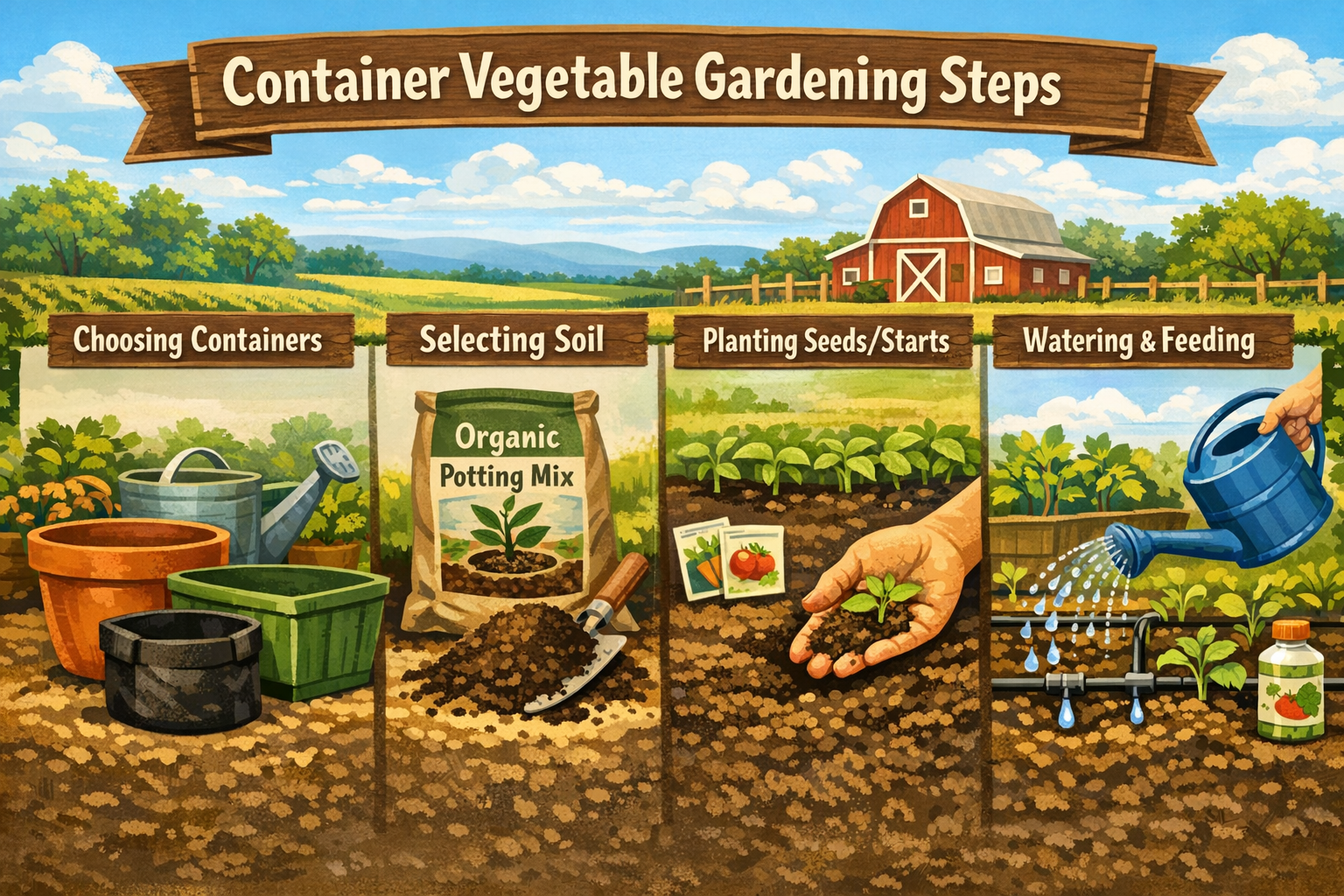
Maximizing yield and space in container vegetable gardening involves strategic planning and innovative techniques that allow gardeners to produce more food from a confined area. This approach focuses on efficient use of vertical space, intelligent plant selection, and smart growing methods to ensure every square inch and every plant contributes significantly to the harvest.
Here are effective strategies:
- Vertical Gardening: Utilize vertical planters, hanging baskets, and trellises to grow vining plants (cucumbers, peas, small squash) upwards, saving precious horizontal space. This also improves air circulation and can reduce fungal diseases.
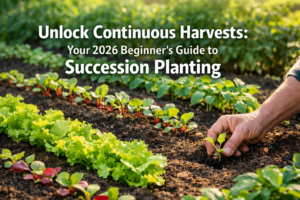
- Succession Planting: Instead of planting all seeds at once, sow small batches of quick-growing crops (like lettuce, radishes, spinach) every 2-3 weeks. This ensures a continuous harvest throughout the growing season. Once one crop finishes, replant the container with another.
- Interplanting/Companion Planting: Grow different compatible plants in the same large container. For example, plant quick-growing radishes around a slower-growing tomato plant. By the time the tomato needs more space, the radishes will be harvested. Companion planting can also deter pests or improve growth.
- Choosing Compact Varieties: Opt for “bush” or “dwarf” varieties specifically bred for small spaces, such as bush cucumbers, determinate tomatoes, and miniature eggplants.
- Self-Watering Containers: These systems feature a water reservoir at the bottom, wicking water up to the plant roots as needed. This reduces watering frequency, conserves water, and promotes consistent moisture levels, leading to healthier plants and better yields.
- Pruning and Training: For plants like tomatoes, judicious pruning can improve air circulation and direct the plant’s energy into fruit production rather than excessive foliage, enhancing yield even in containers.
For those looking to extend the growing season or start seedlings indoors, a simple grow light setup can make a significant difference. Just as you might explore options for minimally invasive dental implants for a quicker recovery, these gardening techniques aim for maximum results with minimal fuss.
Troubleshooting Common Issues in Container Vegetable Gardening USA
Troubleshooting common issues in container vegetable gardening in the USA involves identifying and addressing problems related to watering, nutrient deficiencies, pest invasions, and disease, which are often exacerbated by the confined nature of container growing. Prompt diagnosis and corrective action are crucial to prevent widespread damage and ensure a successful harvest.
Here are solutions to common problems:
- Wilting Leaves:
- Cause: Most often under-watering or, less commonly, over-watering (leading to root rot).
- Solution: Check soil moisture. If dry, water deeply. If soggy, improve drainage or repot with fresh, well-draining soil. Ensure containers have adequate drainage holes.
- Yellowing Leaves:
- Cause: Nutrient deficiency (especially nitrogen), over-watering, or natural aging of lower leaves.
- Solution: Fertilize regularly with a balanced liquid feed. Ensure proper watering. If only bottom leaves are yellow, it might be normal.
- Stunted Growth or Poor Yield:
- Cause: Insufficient sunlight, inadequate container size, lack of nutrients, or improper watering.
- Solution: Move to a sunnier location (6-8 hours direct sun). Repot into a larger container if roots are circling. Fertilize consistently. Ensure consistent, deep watering.
- Pests (Aphids, Spider Mites, Whiteflies):
- Cause: Pests can be attracted to stressed plants or simply find their way to your garden.
- Solution: Inspect plants daily. Hand-pick larger pests. Use a strong stream of water to dislodge aphids. Apply insecticidal soap or neem oil for more persistent infestations, following product instructions. Encourage beneficial insects.
- Diseases (Powdery Mildew, Blight):
- Cause: Poor air circulation, high humidity, water splashing on leaves, or infected soil/seeds.
- Solution: Provide good air circulation by spacing containers. Water at the base of the plant, avoiding wetting leaves. Remove affected leaves immediately. Use disease-resistant varieties. In severe cases, organic fungicides might be necessary.
- Blossom End Rot (Tomatoes/Peppers):
- Cause: Calcium deficiency, often due to inconsistent watering that prevents calcium uptake.
- Solution: Ensure consistent watering. Maintain even soil moisture. A calcium supplement (like bone meal or liquid calcium) can help, but consistent watering is key.
Remember that early intervention is often the best defense against major problems. Just as addressing early signs of gum disease around dental implants is critical for long-term implant success, proactive measures in container gardening ensure plant health.
Conclusion
Container vegetable gardening in the USA presents an incredibly rewarding and accessible pathway to cultivating your own fresh produce, regardless of your living situation. From urban balconies to suburban patios, the flexibility and control it offers allow gardeners to overcome common limitations and enjoy abundant harvests. By carefully selecting containers and potting mixes, choosing suitable plant varieties, and committing to consistent watering and feeding, anyone can transform a small space into a thriving edible garden. Embrace the journey of growing your own food, troubleshoot challenges with patience, and savor the unique satisfaction of harvesting vegetables just steps from your door.
Actionable Next Steps:
- Assess Your Space: Determine the sunniest spots on your patio or balcony and measure available space.
- Choose Your First Crops: Start with 2-3 easy-to-grow vegetables or herbs (e.g., lettuce, bush beans, basil) to build confidence.
- Acquire Supplies: Purchase appropriate containers (with drainage!), high-quality potting mix, and seeds or starter plants.
- Plan Your Watering & Feeding Schedule: Commit to daily checks and regular fertilization from the outset.
- Start Planting: Follow planting guidelines for your chosen crops and enjoy the process!
FAQ
Can I use regular garden soil for container vegetable gardening?
No, regular garden soil is too heavy and compacts in containers, which can lead to poor drainage and root rot. Always use a high-quality potting mix specifically designed for container plants.
How often should I water my container vegetables?
Container vegetables typically need watering daily, especially in hot, dry, or windy weather. Smaller pots may need twice-daily watering. Always check the soil moisture by sticking your finger an inch deep before watering.
What are the best vegetables for beginners in container gardening?
Leafy greens (lettuce, spinach), radishes, bush beans, and most herbs are excellent choices for beginners due to their relatively easy care and quick harvests.
Do container vegetables need fertilizer?
Yes, container vegetables absolutely need fertilizer. Nutrients leach out of potting mix quickly with watering. You should fertilize regularly, typically every 1-2 weeks with a liquid feed or use a slow-release granular fertilizer at planting.
How much sun do container vegetables need?
Most fruiting vegetables (tomatoes, peppers, cucumbers) require at least 6-8 hours of direct sunlight per day. Leafy greens and root vegetables can tolerate 4-6 hours.
Can I grow large vegetables like squash in containers?
Yes, but you need very large containers (15-20+ gallons) and should choose “bush” or “dwarf” varieties designed for compact growth. Vining types will also require strong trellising.
What is blossom end rot, and how do I prevent it?
Blossom end rot is a dark, sunken spot on the bottom of fruits (common in tomatoes and peppers) caused by a calcium deficiency, often due to inconsistent watering that hinders calcium uptake. Prevent it by ensuring consistent, deep watering and even soil moisture.
Are fabric grow bags better than plastic pots?
Fabric grow bags offer excellent aeration, prevent root circling, and provide good drainage, which can lead to healthier root systems. However, they tend to dry out faster than plastic pots, requiring more frequent watering.
Can I reuse potting mix from last year?
It’s generally not recommended to reuse old potting mix for vegetables, as it loses its structure, nutrients, and may harbor pests or diseases. For best results, start with fresh potting mix each season.
How do I protect container plants from pests?
Regularly inspect plants for pests. Use organic methods like hand-picking, strong water sprays, insecticidal soap, or neem oil. Good air circulation and plant hygiene can also help prevent infestations.
Sources
- Cornell University Home Gardening. (2026). Container Gardening.
- University of California Agriculture and Natural Resources. (2025). Growing Vegetables in Containers.
- National Gardening Association. (2026). Container Gardening Basics.
Tags: container gardening, vegetable gardening USA, urban gardening, small space gardening, balcony gardening, growing vegetables, organic gardening, 2026 gardening, patio gardening, container crops