Can I plant vegetables directly in the ground without raised beds?
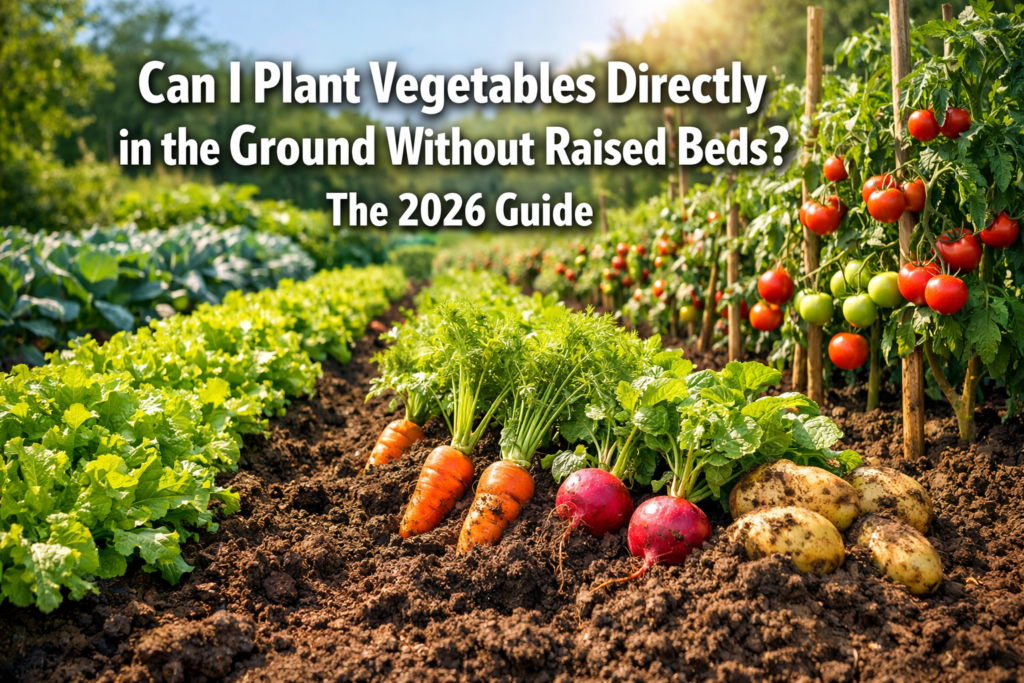
The question of whether to plant vegetables directly in the ground without raised beds is a common one for aspiring gardeners. The straightforward answer is a resounding yes, you absolutely can plant vegetables directly in the ground without raised beds and achieve a highly successful and productive garden in 2026. This traditional gardening method offers numerous advantages, from cost savings to more consistent soil conditions, making it an excellent choice for many home growers. While raised beds have gained popularity, understanding the benefits and proper techniques for in-ground planting can open up a world of possibilities for growing your own food efficiently and sustainably.
Key Takeaways
- Yes, In-Ground Planting is Effective: You can successfully grow vegetables directly in the ground without raised beds, a traditional and often cost-effective method.
- Cost Savings: Eliminates the expense of lumber or other materials for raised bed construction and reduces the need for large quantities of imported soil.
- Consistent Soil Conditions: In-ground gardens typically benefit from more stable temperature and moisture levels due to the larger soil volume.
- Greater Root Access & Water Retention: Plants have unrestricted access to a larger volume of soil, which significantly improves water-holding capacity [5].
- Flexible Layouts: Offers adaptability to expand or reduce your garden size without permanent structural commitments [1].
- Effective Weed Management: Proper soil preparation and mulching can greatly reduce weed pressure, especially with denser planting [4].
- Accessibility Considerations: May be less suitable for gardeners with mobility issues due to bending requirements [1].
- Risk of Tree Root Invasion: A primary drawback is the potential for tree roots to compete with vegetables for nutrients and water [1].
- Soil Improvement is Key: Amending existing soil with organic matter is crucial for long-term success, especially for soil quality and drainage.
Quick Answer
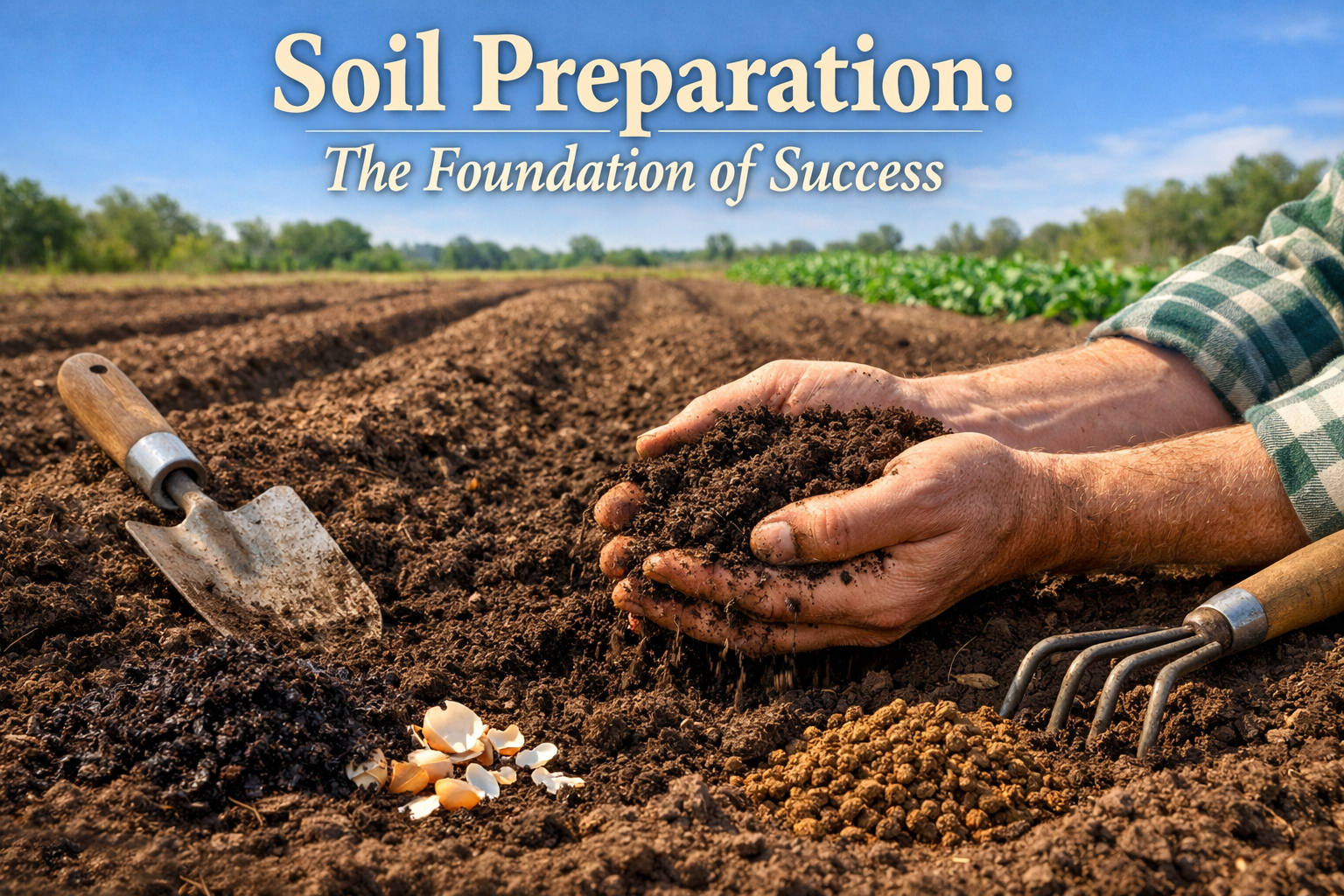
Yes, you can confidently plant vegetables directly in the ground without raised beds. This method is often more cost-effective and can provide more stable growing conditions with better water retention compared to raised beds. Success hinges on proper soil preparation, including amending existing soil with compost and ensuring good drainage.
Why Choose In-Ground Gardening Over Raised Beds in 2026?
You can absolutely choose in-ground gardening over raised beds in 2026, and it often presents a more economical and naturally stable environment for your vegetables. Growing vegetables directly in the ground eliminates the significant initial expense of purchasing materials for raised bed construction, such as lumber, bricks, or metal, as well as the substantial cost of filling them with new, high-quality soil [1].
Cost-Effectiveness and Flexibility
- Reduced Upfront Investment: One of the most compelling reasons to opt for in-ground gardening is the cost advantage. There’s no need to buy expensive materials for building a structure or large volumes of new soil [1]. You work with what you have and improve upon it gradually.
- Scalability: In-ground beds offer unparalleled flexibility. You can start with a small plot and easily expand it by converting more lawn area as your gardening skills and needs grow. Conversely, if your circumstances change, you can convert the area back to lawn or a different garden type without dismantling a permanent structure [1].
- No Permanent Design: For renters or those who prefer not to commit to a fixed landscape plan, in-ground gardening is ideal. It requires no formal design, allowing you to experiment with layouts and plant choices year by year [1].
Enhanced Soil Stability and Plant Health
- Consistent Soil Conditions: In-ground gardens generally maintain more stable soil temperatures and moisture levels. The large volume of surrounding earth acts as an insulator, protecting plant roots from extreme heat or cold fluctuations that raised beds can experience [1].
- Superior Water Retention: Due to the theoretically unlimited soil volume available, in-ground planting offers significantly higher water-holding capacity compared to the confined space of raised beds or containers [5]. This can translate to less frequent watering, especially beneficial during dry spells. For more details on watering, see our “How Often Should You Water Plants? Ultimate Guide 2026” article.
- Unrestricted Root Growth: Plants grown directly in the ground have ample space for their roots to spread deeply and widely, accessing more nutrients and water from the surrounding soil ecosystem. This can lead to healthier, more robust plants and potentially higher yields [5]. This ability to spread roots more extensively also allows for denser planting, as roots aren’t competing within a limited volume [5].
Considerations for Your Choice
While in-ground gardening is often superior in terms of cost and soil stability, it’s not always the best choice for everyone. Gardeners with significant mobility challenges might find bending to tend in-ground plants difficult [1]. Additionally, if your existing soil is severely contaminated or incredibly rocky, the initial effort to amend it might be substantial, though still often less costly than building and filling raised beds.
How to Prepare Your Soil for In-Ground Vegetable Planting
To plant vegetables directly in the ground without raised beds, thorough soil preparation is paramount, ensuring your plants have the best possible start. The quality of your existing soil will largely determine the effort required, but generally, the goal is to create a loose, nutrient-rich, and well-draining environment.
Step-by-Step Soil Preparation
- Clear the Area: Begin by removing any grass, weeds, rocks, or debris from your chosen garden site. For existing lawn areas, the sheet mulching method is highly effective: layer cardboard, then compost, directly on top of the cleared ground. This suppresses weeds and creates an instant planting bed [2, 3].
- Test Your Soil: Before adding amendments, it’s wise to test your soil’s pH and nutrient levels. Home testing kits are available, or you can send a sample to your local agricultural extension office for a more detailed analysis. This helps you understand what specific amendments your soil needs.
- Amend with Organic Matter: This is the most crucial step. Incorporate a generous amount of organic matter into the top 6-12 inches of your soil.
- Compost: Well-rotted compost is ideal for improving soil structure, fertility, and water retention. Aim for a 2-4 inch layer spread over the surface and then mixed in.
- Aged Manure: If available, aged manure also boosts fertility and organic content.
- Other Amendments: Depending on your soil test results, you might add peat moss (for sandy soil or to lower pH), gypsum (for heavy clay), or specific fertilizers.
- Ensure Proper Drainage: Good drainage prevents roots from rotting. If your soil is heavy clay, amending with compost and possibly some coarse sand (use sparingly and cautiously, as too much can create concrete-like conditions) can improve its structure. Observe how water drains after a rain; if puddles linger for hours, you have drainage issues.
- Initial Tilling (Optional but Recommended): For a new in-ground garden, especially in compacted soil, a one-time deep tilling (6-12 inches) can help break up soil and incorporate amendments effectively. After this initial till, focus on minimal disturbance to foster a healthy soil microbiome.
Sheet Mulching: A “No-Dig” Approach
The sheet mulching technique, also known as lasagna gardening, is a fantastic way to prepare an in-ground bed with minimal effort [2]. Instead of digging, you layer organic materials directly onto your desired garden space:
- Layer 1: Cardboard (wet thoroughly, remove tape/labels). This suppresses existing weeds and grass.
- Layer 2: A thick layer of nitrogen-rich materials like grass clippings, fresh manure, or kitchen scraps.
- Layer 3: A layer of carbon-rich materials like straw, shredded leaves, or wood chips.
- Repeat: Continue alternating nitrogen and carbon layers, topping with a final layer of good compost or topsoil [3]. You can plant directly into the top compost layer, making this a great “instant bed” solution [3]. This method not only prepares the bed but also feeds the soil over time.
Advantages and Disadvantages of In-Ground Vegetable Gardening
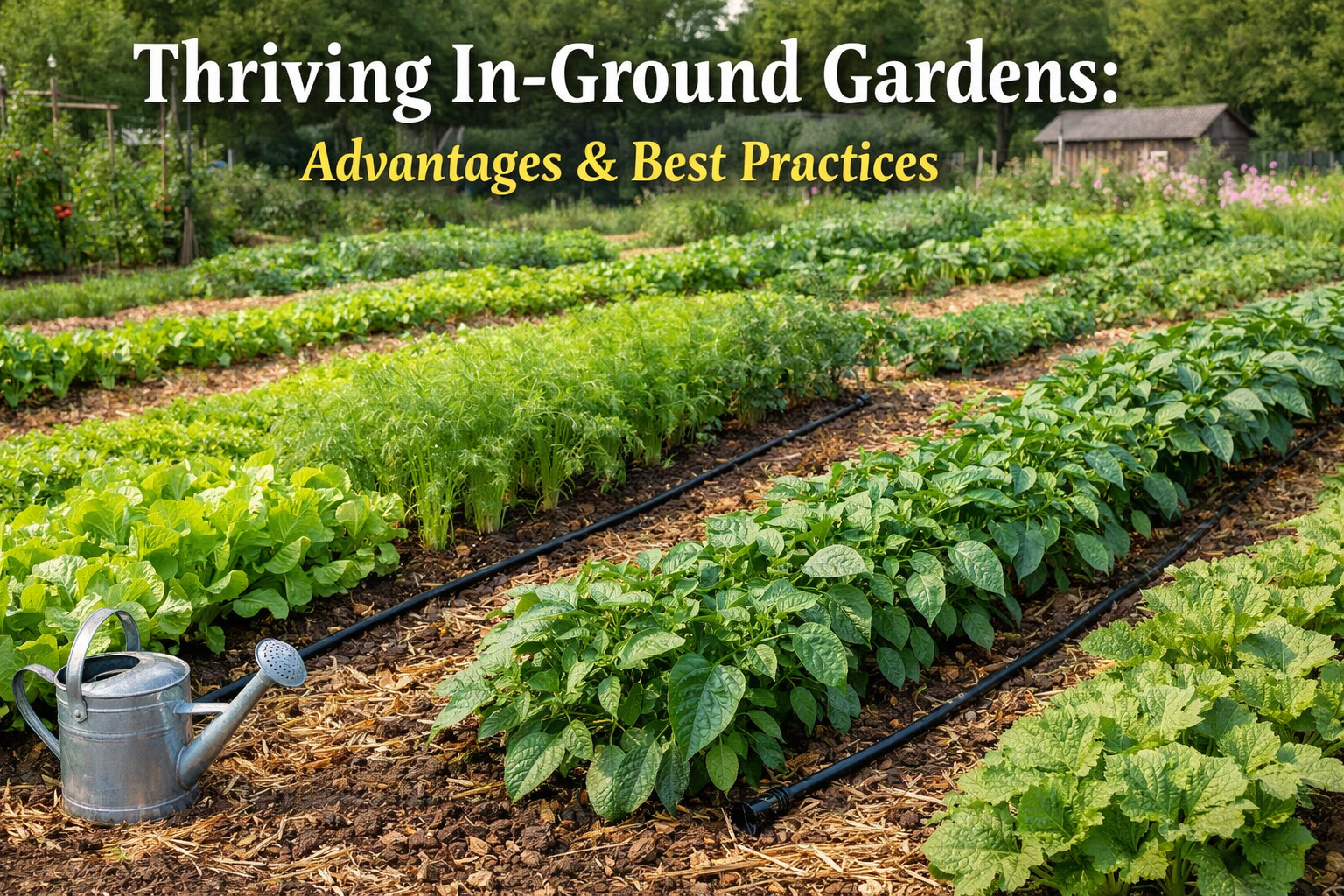
Opting to plant vegetables directly in the ground without raised beds comes with a distinct set of advantages and disadvantages that prospective gardeners should weigh. Understanding these factors will help you decide if this traditional method aligns with your gardening goals and local conditions.
Advantages
- Cost-Effective: As mentioned, the primary benefit is the significantly lower initial cost. You avoid expenses for materials like lumber, concrete blocks, or specialized metal for bed construction, as well as the cost of importing large quantities of soil [1].
- Better Water Retention: In-ground beds, by their nature, have a much larger volume of soil beneath the surface compared to raised beds. This larger soil mass retains moisture more effectively, meaning you might need to water less frequently [5].
- Temperature Stability: The surrounding earth acts as a natural insulator, protecting plant roots from extreme temperature fluctuations. This can be particularly beneficial during hot summers or unexpected cold snaps.
- Unrestricted Root Growth: Plant roots can spread as far and deep as necessary to find water and nutrients, leading to stronger, healthier plants and potentially higher yields [5].
- Flexibility and Expandability: You can easily adjust the size and shape of your garden beds year-to-year. Want to grow more? Simply expand into an adjacent area. Need to reduce the garden? Convert the space back to lawn or another landscape feature [1]. This is great for renters or those who prefer a less permanent setup.
- Soil Ecosystem Health: Direct contact with the native soil encourages a thriving ecosystem of beneficial microorganisms, fungi, and earthworms, all vital for soil health and nutrient cycling.
Disadvantages
- Potential for Poor Native Soil: If your existing soil is compacted clay, overly sandy, or lacks nutrients, significant upfront effort will be required to amend it to a suitable state. This can involve substantial digging and incorporating large amounts of organic matter.
- Drainage Issues: Poorly draining soil can lead to waterlogging, suffocating plant roots. While amendments can help, severe drainage problems might be harder to fix in-ground compared to building a raised bed that can be filled with ideal soil.
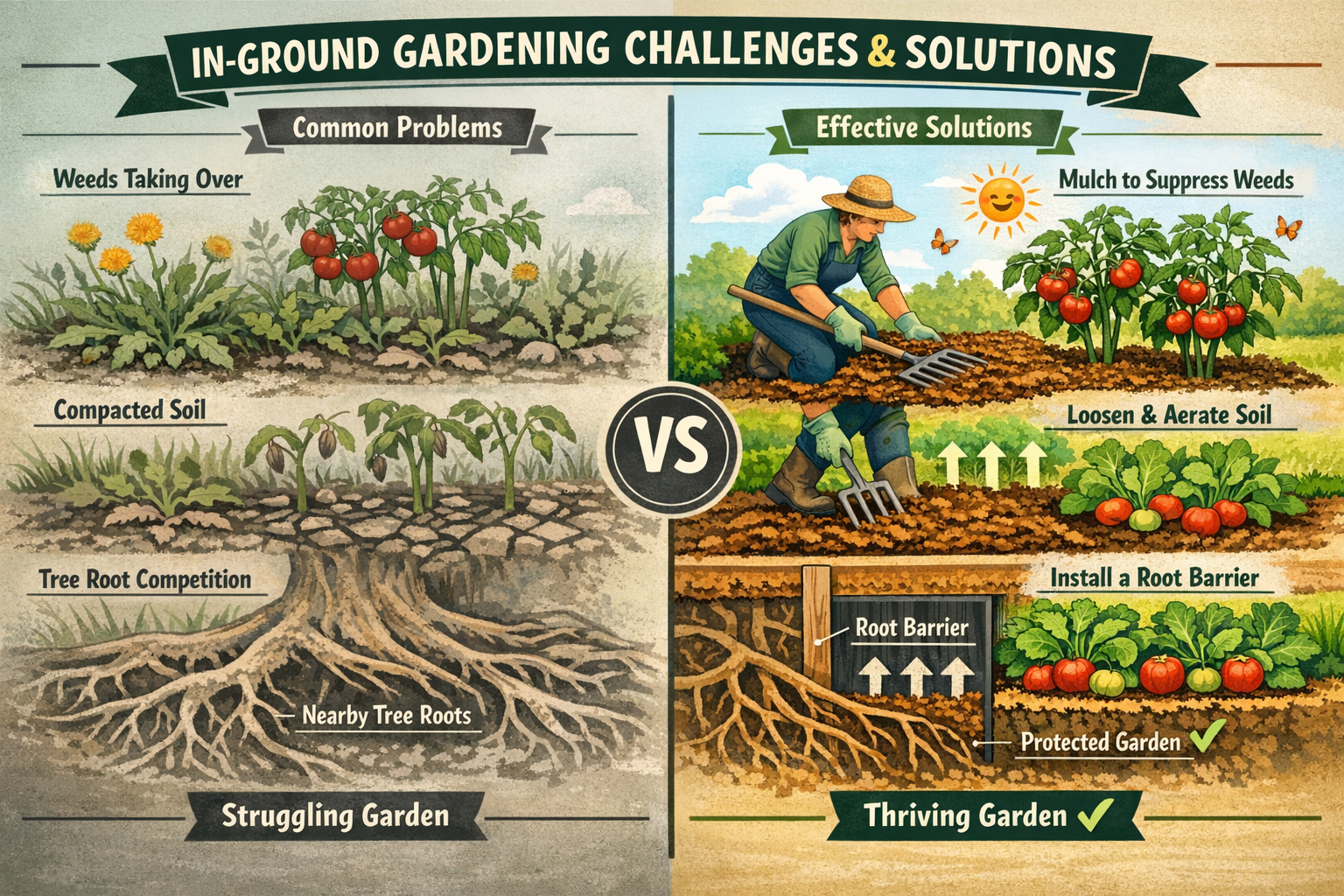
- Weed Pressure: Without the physical barrier of raised bed walls, weeds can sometimes be more prevalent. However, consistent mulching and proper spacing can effectively manage this [4]. Early weeding during plant establishment is critical, followed by a thick layer of mulch to suppress further growth [4].
- Pest and Disease Migration: Pests and soil-borne diseases can more easily spread from surrounding areas into in-ground beds, as there’s no physical barrier. Crop rotation and healthy soil practices are essential.
- Accessibility Challenges: For individuals with back problems, knee issues, or other mobility limitations, bending down to tend plants in an in-ground garden can be physically demanding [1]. Raised beds offer a more comfortable working height.
- Tree Root Invasion: A significant drawback, especially for gardens near mature trees, is the potential for tree roots to invade the vegetable patch. These roots can aggressively compete with your vegetables for water and nutrients, sometimes choking out smaller plants [1].
Comparison Table: In-Ground vs. Raised Bed Gardening
| Feature | In-Ground Gardening | Raised Bed Gardening |
|---|---|---|
| Initial Cost | Low (primarily soil amendments) [1] | High (materials, specialized soil) |
| Soil Stability | High (consistent temperature, moisture) [1] | Moderate (can fluctuate more due to exposure) |
| Water Retention | Excellent (large soil volume) [5] | Moderate (smaller soil volume dries faster) |
| Root Growth | Unrestricted [5] | Confined to bed volume |
| Flexibility | High (easy to expand/reduce) [1] | Low (fixed structure) |
| Accessibility | Low (requires bending) [1] | High (comfortable working height) |
| Weed Management | Requires consistent mulching/weeding [4] | Generally easier to control |
| Pest/Disease | More susceptible to surrounding spread | Somewhat isolated |
| Tree Root Risk | High [1] | Low (barrier protection) |
| Soil Preparation | Essential for native soil improvement | Fill with ideal soil mix |
Tips for Successful In-Ground Vegetable Gardening in 2026
Achieving a bountiful harvest by planting vegetables directly in the ground without raised beds in 2026 is entirely feasible with the right strategies. Success hinges on a few key practices that promote plant health and deter common garden issues.
1. Optimize Your Soil
Even after initial preparation, ongoing soil health is crucial.
- Regular Amendments: Continuously add organic matter. Top-dress your beds with a 1-2 inch layer of compost each spring or fall. This feeds the soil microbes, improves structure, and provides slow-release nutrients.
- Cover Crops: Consider planting cover crops (like clover or vetch) in off-seasons. They protect the soil from erosion, suppress weeds, and, when tilled under, add valuable organic matter and nutrients.
2. Strategic Planting and Spacing
- Denser Planting: In-ground gardens, with their ample soil volume, allow for denser planting than is often recommended for containers or even some raised beds [5]. This approach, similar to square foot gardening principles, maximizes yield in a smaller footprint and can help shade out weeds [4]. Just ensure adequate air circulation to prevent fungal diseases.
- Companion Planting: Utilize companion planting principles to deter pests and attract beneficial insects. For example, marigolds can repel nematodes, while nasturtiums can act as a trap crop for aphids.
- Crop Rotation: Practice crop rotation to prevent the build-up of soil-borne diseases and pests. Avoid planting the same vegetable family in the same spot year after year. For instance, if you grew tomatoes in one area last year, plant beans or corn there this year. You can learn more about general plant care in our “Beginner’s Guide to Plant Care 2026: Grow Thriving Plants.”
3. Effective Weed Management
- Mulch Heavily: Once your plants are established, apply a thick layer (3-6 inches) of organic mulch around them. Materials like straw, shredded leaves, or wood chips suppress weeds, conserve soil moisture, and moderate soil temperature. This is key to minimizing ongoing weeding [4].
- Early and Consistent Weeding: Address weeds when they are small. Two initial thorough weedings during early plant growth, before mulch is applied, can significantly reduce future weed pressure [4].
- No-Till Approach: Once your soil is initially prepared, aim to disturb it as little as possible. Tilling can bring dormant weed seeds to the surface, encouraging new growth.
4. Smart Watering
- Deep and Infrequent Watering: Water deeply to encourage roots to grow down, making plants more resilient to dry spells. Infrequent watering also discourages shallow-rooted weeds.
- Drip Irrigation or Soaker Hoses: These systems deliver water directly to the plant roots, minimizing water loss to evaporation and reducing the spread of foliar diseases.
- Morning Watering: Water in the morning so foliage can dry before nightfall, reducing the risk of fungal diseases.
5. Pest and Disease Prevention
- Choose Resistant Varieties: Select vegetable varieties known for their resistance to common pests and diseases in your region.
- Good Air Circulation: Space plants appropriately and prune for good airflow, especially in humid climates, to prevent fungal issues.
- Monitor Regularly: Inspect your plants frequently for signs of pests or disease. Early detection allows for easier, less invasive treatment. Hand-picking pests or using organic sprays like neem oil can be effective.
By implementing these strategies, your in-ground vegetable garden can be a thriving, productive space, offering fresh produce throughout the growing season in 2026.
Troubleshooting Common In-Ground Gardening Issues
Even with careful planning, in-ground gardening can present a few challenges. Knowing how to troubleshoot these common issues ensures your vegetables remain healthy and productive, especially when you plant vegetables directly in the ground without raised beds.
Issue 1: Poor Drainage and Waterlogging
Problem: Water sits on the surface for extended periods after rain or watering, or plants show signs of root rot (yellowing, stunted growth, wilting despite moisture).
Cause: Compacted soil, heavy clay content, or a hardpan layer beneath the surface.
Solution:
- Improve Soil Structure: The most effective long-term solution is to incorporate ample organic matter. Add 3-6 inches of well-rotted compost, aged manure, or other organic materials annually, digging them into the top 6-12 inches of soil. This creates aggregation, allowing water and air to penetrate.
- Consider a French Drain: For severe cases, installing a French drain (a trench filled with gravel and a perforated pipe) might be necessary to divert excess water away from the garden area.
- Plant in Mounds/Berms: If you have persistently wet spots, consider creating slightly raised mounds or berms within your in-ground bed to elevate plant roots above the saturated soil.
Issue 2: Aggressive Weeds
Problem: Weeds quickly overtake your vegetable plants, competing for water, nutrients, and sunlight.
Cause: Weed seeds present in the soil, wind-blown seeds, or insufficient weed suppression.
Solution:
- Mulch, Mulch, Mulch: Apply a thick layer (3-6 inches) of organic mulch like straw, wood chips, or shredded leaves around your plants once they are established. This is the most effective way to suppress weed growth [4].
- Sheet Mulching: For new beds or problematic areas, the sheet mulching (lasagna gardening) method can effectively smother existing weeds and prevent new ones from sprouting [2, 3].
- Hand Weeding: Be diligent with hand weeding, especially when weeds are small. Catching them early prevents them from going to seed and creating more problems.
- Dense Planting: Plant your vegetables closer together where appropriate (e.g., in a square foot gardening layout) [4]. The canopy will shade the soil, naturally suppressing weeds.
Issue 3: Tree Root Invasion
Problem: Vegetables near trees or large shrubs are stunted, lack vigor, or appear to be struggling despite adequate care. Upon inspection, you might find thick tree roots throughout the vegetable bed.
Cause: Established tree roots are highly efficient at seeking out and absorbing water and nutrients, outcompeting shallow-rooted vegetables [1].
Solution:
- Relocate the Garden: The simplest solution is often to move your vegetable garden to an area well away from mature trees, ideally at least twice the distance of the tree’s drip line [1].
- Root Barrier: If relocating isn’t an option, you can install a physical root barrier. Dig a trench along the edge of your garden (3-4 feet deep, depending on the tree species) and install a heavy-duty plastic or metal root barrier. This is a labor-intensive but effective solution.
- Container Gardening within In-Ground Beds: As a last resort, consider sinking large grow bags or bottomless containers into the ground within the affected area. This creates a contained root zone for your vegetables, protecting them from tree root competition.
Issue 4: Nutrient Deficiencies
Problem: Plants show yellowing leaves, stunted growth, poor fruiting, or other signs of nutrient deficiency despite regular watering.
Cause: Native soil lacks essential nutrients, soil pH is incorrect for nutrient uptake, or organic matter levels are too low.
Solution:
- Soil Testing: Perform a soil test to identify specific nutrient deficiencies and pH imbalances. This is the best way to tailor your amendments.
- Amend with Compost: Regular additions of good quality compost will naturally replenish a wide range of micronutrients and macronutrients over time.
- Organic Fertilizers: Supplement with organic granular or liquid fertilizers specific to the identified deficiency (e.g., bone meal for phosphorus, blood meal for nitrogen, kelp meal for micronutrients).
- Adjust pH: If your soil pH is too high or low, amend it appropriately. Add elemental sulfur or peat moss to lower pH; add wood ash or agricultural lime to raise it.
By addressing these common issues proactively, your in-ground vegetable garden can flourish, providing a sustainable source of fresh produce throughout the season. For further advice on improving your soil, refer to “Soil Basics for Container Gardening: 2026 Expert Guide”, which also offers valuable insights applicable to in-ground beds.
Conclusion
The answer to “Can I plant vegetables directly in the ground without raised beds?” is a definitive yes, and for many gardeners in 2026, it remains the most practical and sustainable approach. This traditional method offers compelling benefits, including significant cost savings, more stable soil conditions, superior water retention, and greater flexibility for garden expansion [1, 5]. While raised beds have their merits, the natural resilience and expansive root growth opportunities provided by in-ground gardening can lead to incredibly healthy and productive plants.
Success in an in-ground garden hinges on a few critical factors: thorough soil preparation, consistent addition of organic matter, effective weed management through mulching, strategic planting, and diligent pest and disease prevention. While challenges like poor drainage or tree root invasion can arise, they are often manageable with the right techniques and a commitment to nurturing your soil.
Actionable Next Steps for Your 2026 Garden:
- Assess Your Site: Evaluate your chosen garden area for sunlight exposure (at least 6-8 hours daily), proximity to water, and any potential issues like existing tree roots.
- Test Your Soil: Before starting, invest in a soil test to understand your native soil’s pH and nutrient profile. This will guide your amendment strategy.
- Prioritize Soil Preparation: Regardless of your soil type, commit to adding a substantial amount of organic matter (compost, aged manure) to the top 6-12 inches. Consider the sheet mulching method for an efficient “no-dig” start [2, 3].
- Plan Your Layout: Decide what vegetables you want to grow. Refer to resources like “Best Vegetables for Small Space Gardening in 2026” for ideas that can also thrive in larger in-ground plots.
- Mulch for Success: Once plants are established, apply a thick layer of organic mulch. This is your best defense against weeds and a powerful tool for moisture retention [4].
- Start Small: Don’t feel overwhelmed. Begin with a manageable plot size and expand in subsequent seasons as you gain experience and confidence.
Embrace the simplicity and effectiveness of planting directly in the ground. With a little preparation and ongoing care, you can cultivate a flourishing vegetable garden that provides fresh, healthy produce for years to come.
FAQ
Is it better to plant in raised beds or in the ground?
It depends on your specific circumstances. Planting directly in the ground is generally more cost-effective and provides more stable soil temperatures and better water retention, while raised beds offer better drainage control and are more accessible for those with mobility issues [1, 5].
What are the disadvantages of planting directly in the ground?
The main disadvantages of planting directly in the ground include potential for poor native soil quality requiring significant amendment, challenges with drainage in heavy clay soils, greater competition from tree roots, and less accessibility for gardeners with mobility issues [1].
Do I need to dig up grass before planting vegetables?
Yes, it is highly recommended to remove or suppress grass before planting vegetables directly in the ground. Grass can outcompete vegetables for water and nutrients. Methods like digging it out or using the sheet mulching technique are effective [2, 3].
What kind of soil do I need for in-ground vegetables?
For in-ground vegetables, you need well-draining, nutrient-rich soil. If your native soil isn’t ideal, amend it generously with organic matter like compost and aged manure to improve its structure, fertility, and water-holding capacity.
How do I prevent weeds in my in-ground vegetable garden?
The most effective ways to prevent weeds in an in-ground vegetable garden are thorough soil preparation (like sheet mulching), consistent hand-weeding when weeds are small, and applying a thick layer of organic mulch around plants [4].
Can tree roots interfere with in-ground vegetable gardens?
Yes, tree roots can be a significant problem for in-ground vegetable gardens, aggressively invading the garden space and outcompeting vegetables for essential water and nutrients [1]. It’s best to site your garden away from large trees if possible.
Do I need to till my in-ground garden every year?
No, you do not need to till your in-ground garden every year. After initial preparation, many gardeners adopt a no-till or minimum-till approach, which helps preserve soil structure, encourages beneficial soil organisms, and can reduce weed seed germination.
How much sunlight do in-ground vegetables need?
Most vegetables require at least 6-8 hours of direct sunlight per day to thrive and produce a good harvest, whether planted in-ground or in raised beds.
Can I do square foot gardening directly in the ground?
Yes, the popular square foot gardening method works very well directly in the ground without raised beds, maximizing food production in a defined area [4]. You simply mark out your square foot grids directly on the prepared soil.
References
[1] Growing Vegetables In The Ground – https://leafrootfruit.substack.com/p/growing-vegetables-in-the-ground
[2] Watch – https://www.youtube.com/watch?v=i41QphuocUU
[3] Instant Vegetable Planting Bed Anywhere – https://ucanr.edu/blog/under-solano-sun/article/instant-vegetable-planting-bed-anywhere
[4] Square Foot Garden In The Ground – https://shiftingroots.com/square-foot-garden-in-the-ground/
[5] Watch – https://www.youtube.com/watch?v=wYyA6seSRDI