Budget Balcony Gardening Ideas: Cultivate Your Green Oasis on a Dime in 2026
Creating a beautiful and productive balcony garden doesn’t require a large budget or extensive experience. With strategic planning and a creative approach, anyone can transform their small outdoor space into a thriving green oasis, making the most of [Budget Balcony Gardening Ideas] in 2026. This guide will provide actionable, cost-effective strategies to establish and maintain a stunning balcony garden without breaking the bank.
Key Takeaways
- Start Smart: Begin your garden journey with seeds or propagated cuttings to significantly reduce initial plant costs.
- Repurpose & DIY: Utilize common household items and reclaimed materials for planters and garden structures instead of buying new.
- Strategic Plant Choices: Opt for perennials, native plants, and compact edible varieties to maximize long-term value and yield.
- Optimize Space: Implement vertical gardening techniques to expand your growing area efficiently and affordably.
- Sustainable Practices: Embrace composting and plant swapping to enrich your soil and diversify your plant collection for free.
Quick Answer
To create a budget-friendly balcony garden, prioritize starting plants from seeds or propagating cuttings, repurpose everyday items like buckets and baskets for planters, and build DIY supports from reclaimed materials. Focusing on low-maintenance, high-yield plants such as herbs and compact vegetables will ensure a rewarding experience without substantial financial outlay, making [Budget Balcony Gardening Ideas] accessible to all.
What Are the Most Cost-Effective Planter Solutions for Balcony Gardens?
The most cost-effective planter solutions for balcony gardens involve repurposing household items and utilizing inexpensive materials to create functional and attractive containers. This approach significantly cuts down on expenses while adding a unique, personal touch to your green space.
Repurposing is key when looking for [Budget Balcony Gardening Ideas]. Many items you might already have or can find for free or cheap can be transformed into excellent planters.
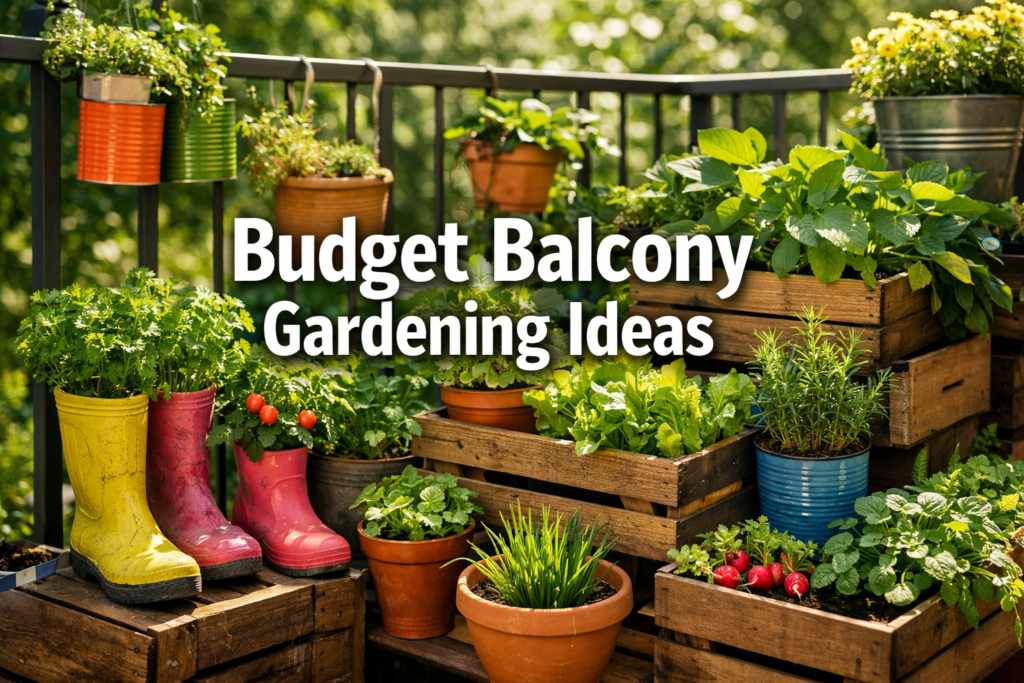
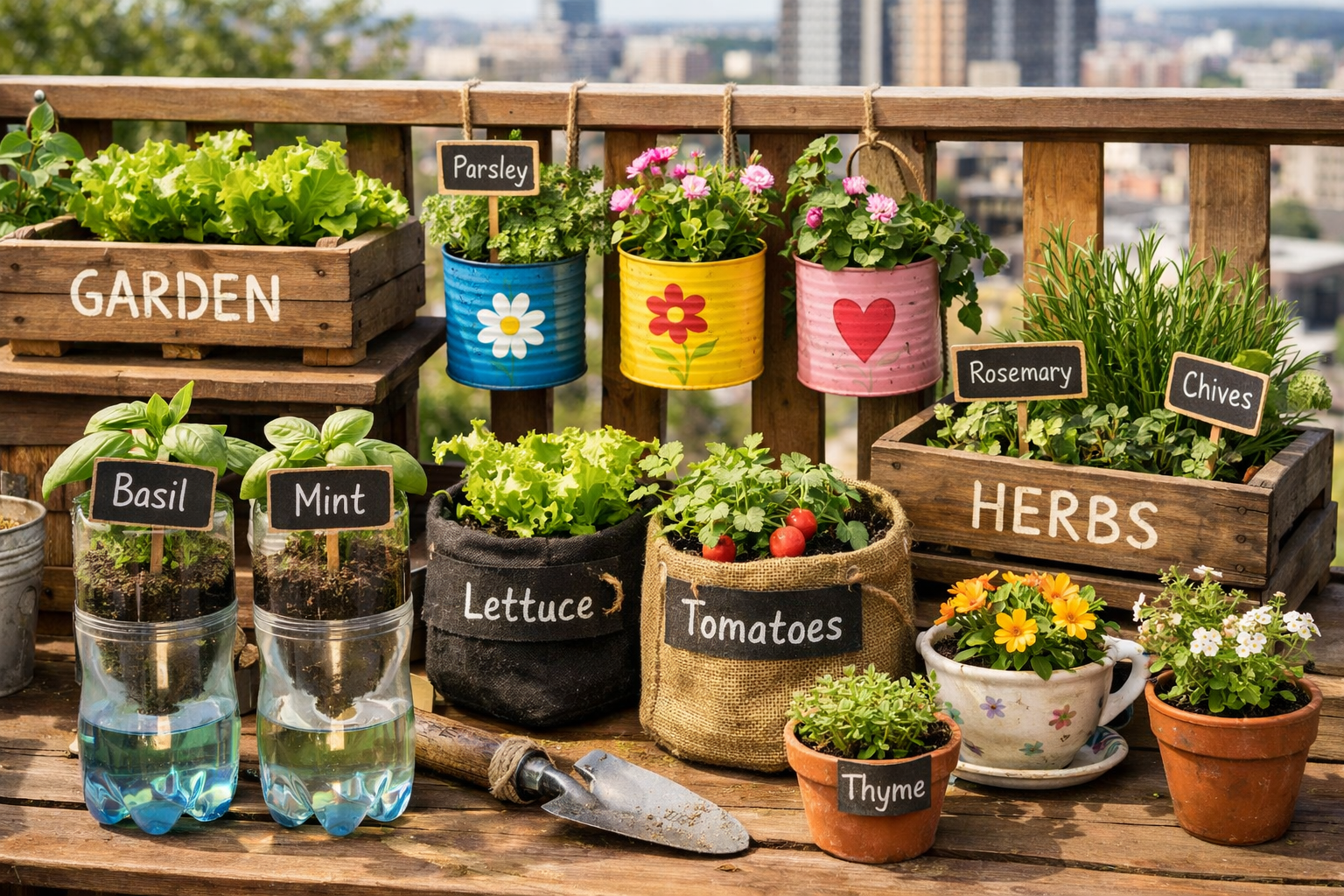
- Reclaimed Containers: Look around your home for items like old boots, discarded plastic buckets, large tin cans, or woven baskets. As long as these items can hold soil and have proper drainage holes added, they are suitable for planting [1].
- DIY Fabric Grow Bags: Old shopping bags made of durable fabric or even denim jeans can be sewn or modified into grow bags. These are lightweight, breathable, and excellent for root aeration.
- Plastic Bottle Vertical Gardens: Cut plastic bottles in half, punch drainage holes, and string them together vertically to create an inexpensive and space-saving planting system.
- Wooden Crates and Pallets: Often found for free from local businesses or construction sites, wooden crates and pallets can be easily converted into sturdy planters or even multi-tiered gardening shelves with a bit of sanding and sealing. These are particularly great for creating a rustic aesthetic [3].
Decision Rule: Choose repurposed plastic containers for moisture-loving plants as they retain water better, and opt for terracotta or fabric pots for plants that prefer well-draining soil and air circulation.
Common Mistake: Neglecting to add drainage holes to repurposed containers will lead to waterlogged soil and root rot, harming your plants. Always ensure adequate drainage.
How Can I Acquire Plants Without Spending a Lot of Money?
Acquiring plants for your balcony garden without spending a fortune involves smart sourcing strategies, including starting from scratch, propagation, and community engagement. These methods are fundamental to realizing effective [Budget Balcony Gardening Ideas].
Instead of purchasing mature plants, which can be expensive, consider these economical options:
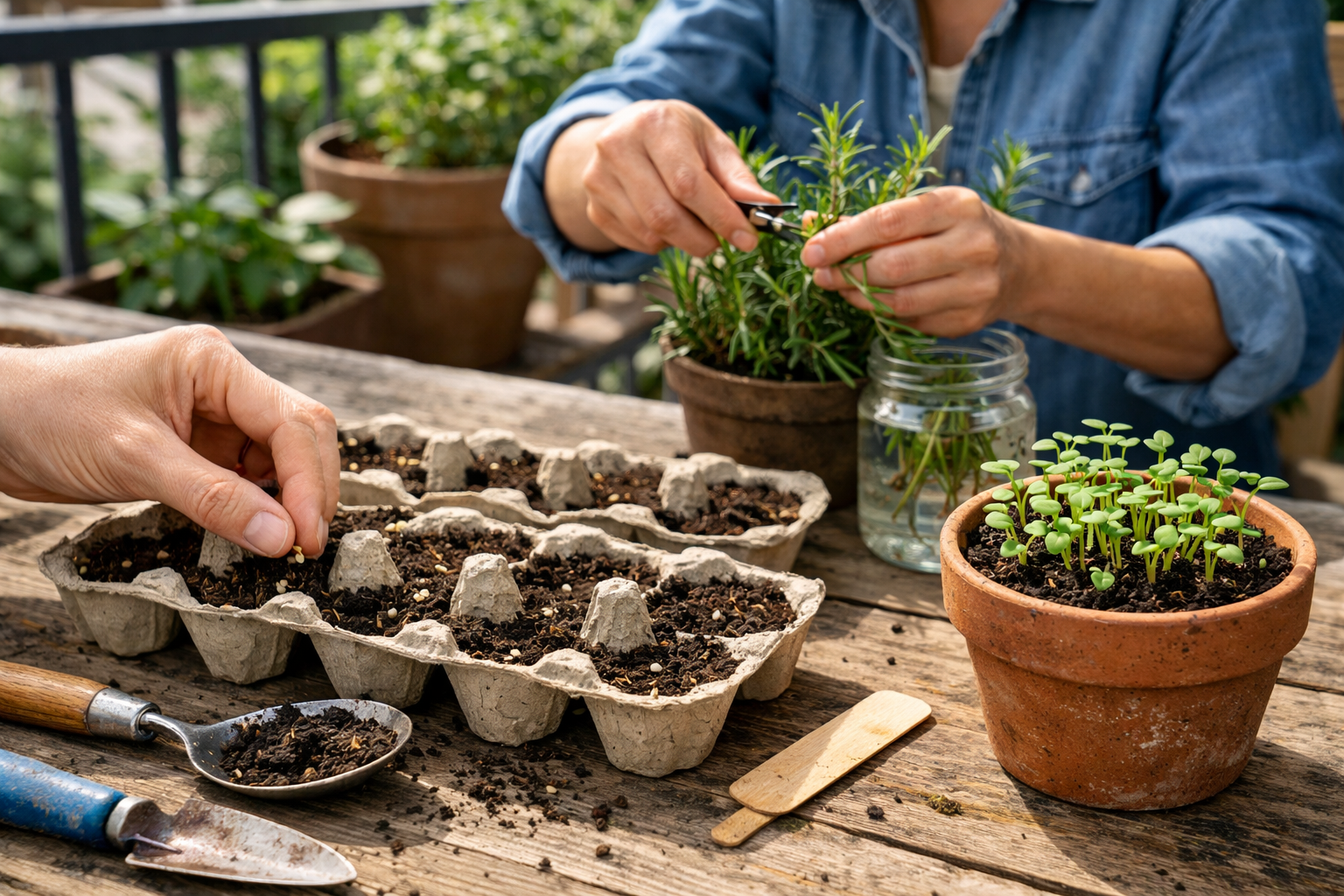
- Start from Seeds: Buying seeds is significantly cheaper than buying established plants and offers a much wider variety of plant types [1]. You can also save seeds from vegetables and fruits you consume. This method allows you to grow exactly what you want and witness the full life cycle of your plants.
- Propagate Cuttings: Many plants can be easily propagated from cuttings of existing plants [1]. If you or a friend already have a healthy plant, a simple stem cutting placed in water or moist soil can often root and grow into a new plant. Herbs like basil, rosemary, and mint, along with many popular ornamentals, propagate readily.
- Plant Swaps: Engage with local gardening communities or neighbors to swap plants, seeds, or cuttings [1]. This is a fantastic way to diversify your garden collection for free and connect with fellow gardeners.
- Clearance Sales: Keep an eye out for end-of-season sales at local nurseries or garden centers. Perennials, in particular, can often be purchased at a steep discount and will return year after year, making the initial investment highly worthwhile [1].
- Native Plants: Consider growing native plants as they are often more resilient and require less care, water, and specialized soil once established [2]. Many local plant societies offer native plant sales at reduced prices.
Edge Case: While starting from seeds is cost-effective, it requires more patience and a controlled environment for germination. If immediate greenery is desired, clearance plants or cuttings are a faster alternative. For a step-by-step guide on setting up your garden, check out our Balcony Garden Setup Step-by-Step | 2026 Ultimate Guide.
What Inexpensive Vertical Gardening Techniques Maximize Space?
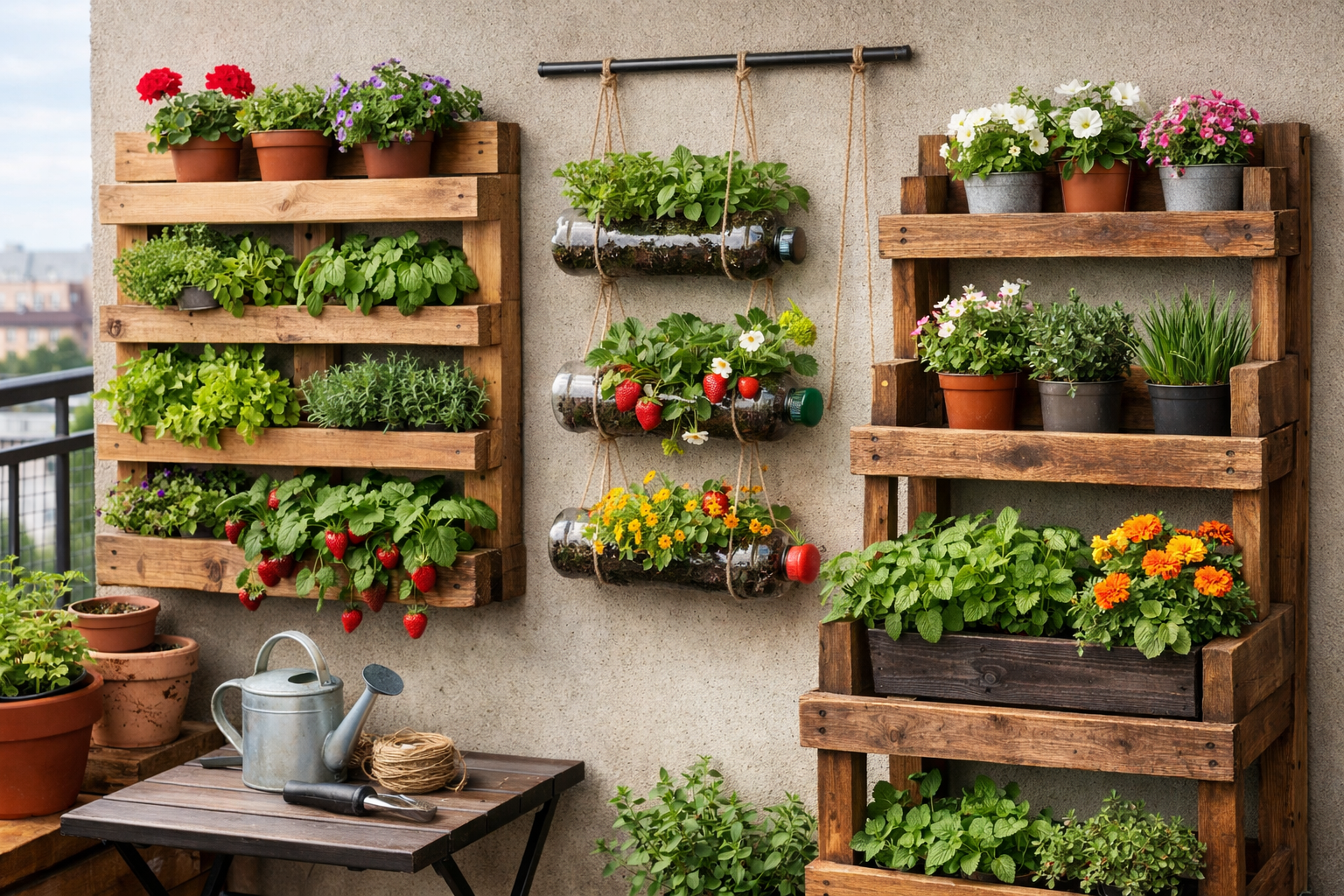
Inexpensive vertical gardening techniques are essential for maximizing growing space on a small balcony without significant financial outlay. These methods allow you to grow more plants in a limited footprint, making them a cornerstone of [Budget Balcony Gardening Ideas].
Vertical gardening leverages vertical surfaces to expand your planting area upwards, rather than outwards. This is particularly beneficial for small balconies where horizontal space is at a premium.
- DIY Trellises and Supports: Instead of purchasing expensive commercial trellises, construct your own using reclaimed materials like branches, bamboo stakes, or even old ladder rungs [1]. These can support climbing plants such as cucumbers, peas, or small gourds.
- Pallet Gardens: As mentioned before, a free wooden pallet can be transformed into a standing vertical garden. Simply attach landscape fabric to the back and bottom of each “shelf” to create planting pockets.
- Hanging Gardens from Recycled Materials: Create hanging planters from plastic bottles, milk jugs, or old tires (if appropriate for your balcony). These can be suspended from balcony railings, hooks, or a simple DIY frame.
- Tiered Planters from Crates: Stack several wooden crates or sturdy plastic containers, alternating their positions, to create a tiered planting system. This provides multiple levels for different plants and can be very visually appealing. For more vertical gardening inspiration, explore our Vertical Gardening – Mini Space Garden | Small Space Gardening Ideas section.
- Shoe Organizer Planters: A fabric shoe organizer hung on a wall can become an instant vertical herb or strawberry garden, with each pocket serving as a small planter.
Comparison Table: Vertical Gardening Methods
| Method | Cost (Estimated) | Skill Level | Best For | Pros | Cons |
|---|---|---|---|---|---|
| DIY Trellis | Very Low | Beginner | Climbing plants (peas, beans, small tomatoes) | Uses natural materials, highly customizable | Limited plant types, requires climbing plants |
| Pallet Garden | Low | Beginner | Herbs, leafy greens, small flowers | Reuses materials, good for diverse plantings | Can be heavy, requires proper sealing |
| Recycled Bottle Tower | Very Low | Beginner | Herbs, strawberries, small ornamentals | Lightweight, ideal for small plants | Smaller planting pockets, less aesthetic |
| Stacked Crates | Low | Intermediate | Various herbs, flowers, shallow root crops | Sturdy, customizable layout, good drainage | Can take up floor space, needs stable stacking |
| Shoe Organizer | Very Low | Beginner | Herbs, succulents, small strawberries | Extremely easy to set up, minimal space | Pockets are small, limited soil volume |
Quick Example: My neighbor repurposed an old wooden ladder by attaching small terracotta pots to each rung with zip ties, creating a charming and free-standing vertical herb garden. This allows her to grow basil, mint, and thyme without cluttering her small balcony floor.
Which Types of Plants Offer the Best Value and Yield for Budget Balcony Gardeners?
For budget balcony gardeners, selecting plant types that offer the best value and yield means choosing varieties that are productive, low-maintenance, and ideally provide ongoing benefits. This strategic plant selection is crucial for successful [Budget Balcony Gardening Ideas].
Focus on plants that thrive in containers, tolerate varying conditions, and deliver a continuous harvest or long-lasting beauty.
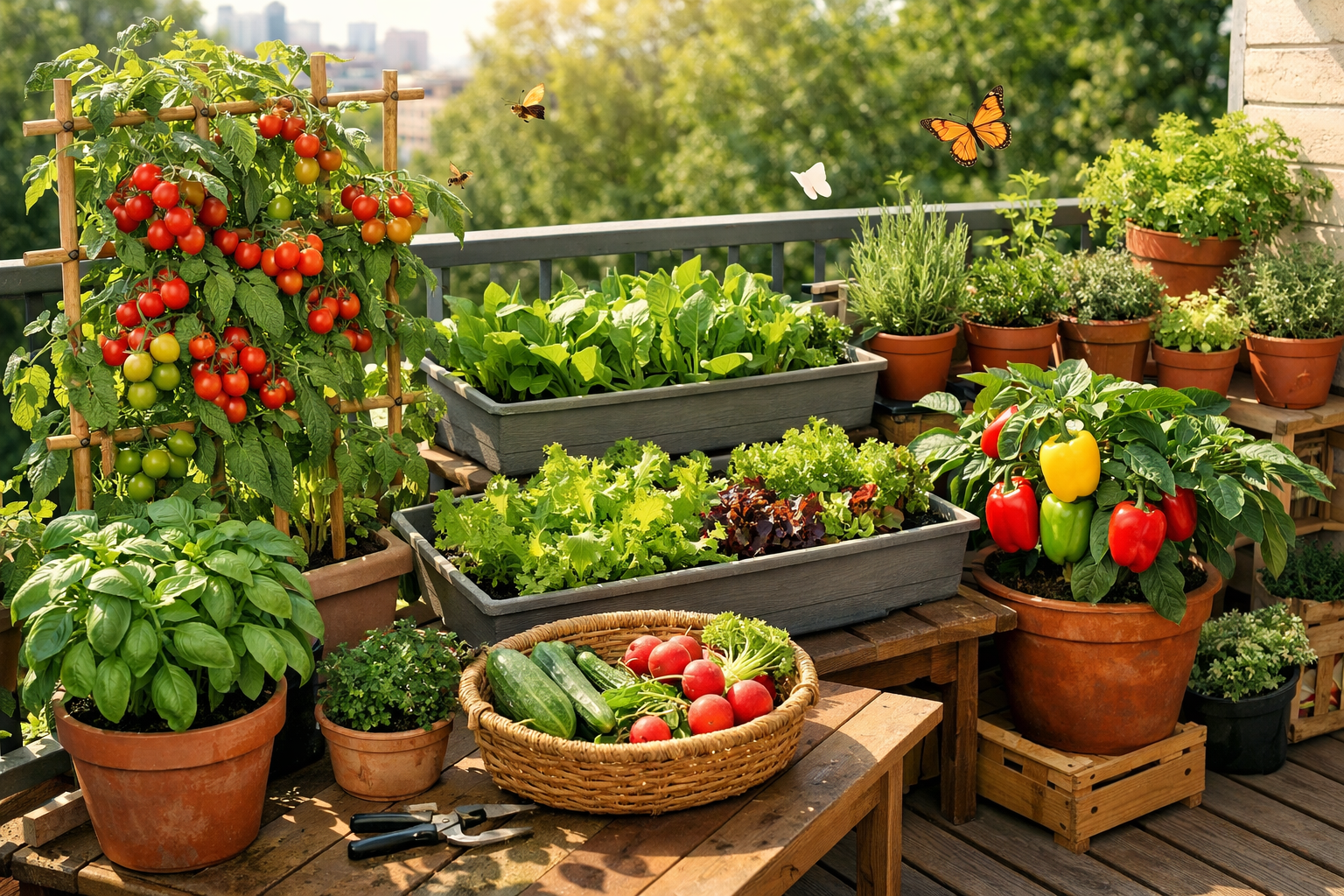
- Edible Balcony Gardens: Growing your own food is one of the most cost-effective and rewarding aspects of balcony gardening. Many compact vegetable varieties and shallow-root crops can thrive with just 4-6 hours of sunlight [2].
- Herbs: Basil, mint, parsley, chives, and oregano are incredibly easy to grow, produce continuously, and save you money on grocery store purchases. They also thrive in small pots.
- Leafy Greens: Lettuce, spinach, kale, and Swiss chard grow quickly, can be harvested “cut-and-come-again,” and are well-suited for shallow containers.
- Compact Vegetables: Cherry tomatoes, bush beans, small peppers, radishes, and carrots (dwarf varieties) are excellent choices for containers. Strawberries are also a fantastic option for hanging baskets or vertical setups [2]. For more on this, check out our Small Space Vegetable Gardening: 2026 Step-by-Step Guide.
- Perennials and Self-Seeding Annuals:
- Perennials: Investing in perennial flowers or herbs means they return each year, eliminating the need for annual replanting [1]. Lavender, rosemary, thyme, and certain ornamental grasses are good choices.
- Self-Seeding Annuals: Plants like calendula, cosmos, and certain types of lettuce will drop seeds that can germinate next season, providing new plants for free.
- Native Plants: Choosing plants native to your region means they are inherently adapted to local weather conditions and soil, requiring less water, fertilizer, and pest management [2]. This significantly reduces ongoing maintenance costs and effort.
- Low-Maintenance Varieties: Opt for plants known for their resilience and minimal care requirements. Succulents, certain herbs, and hardier flowering plants reduce the need for expensive treatments or frequent replacement. Our guide on Low Maintenance Plants for Beginners: 7 Easy Picks (2026) offers great suggestions.
Common Mistake: Overcrowding pots with too many high-demand plants. While aiming for high yield, ensure each plant has adequate space, nutrients, and light to thrive, especially in the context of [Budget Balcony Gardening Ideas].
How Can I Create Nutrient-Rich Soil Affordably?
Creating nutrient-rich soil affordably is crucial for healthy plant growth in a budget balcony garden, as good soil is the foundation of any successful planting effort. Expensive bagged soil can quickly add up, so leveraging free and low-cost alternatives is a smart strategy for [Budget Balcony Gardening Ideas].
Healthy soil provides the necessary nutrients, aeration, and water retention for plants to flourish, and you don’t need to buy premium blends.
- Homemade Compost: Starting your own compost pile is arguably the best free source of nutrient-rich soil amendment [1]. You can compost kitchen scraps (fruit and vegetable peels, coffee grounds, eggshells), yard waste (leaves, grass clippings), and even shredded paper. A small vermicomposting bin (using worms) is perfect for balcony living and produces excellent compost.
- Leaf Mold: Collect fallen leaves in the autumn and let them decompose over several months to a year. The resulting leaf mold is a fantastic soil conditioner, improving structure and water retention, and it’s completely free.
- Soil Amending with Free Materials:
- Coffee Grounds: Rich in nitrogen, coffee grounds can be lightly mixed into your soil.
- Eggshells: Crushed eggshells add calcium to the soil, benefiting plants like tomatoes and peppers.
- Banana Peels: Chopped banana peels provide potassium.
- Wood Ash (from untreated wood): Provides potassium and raises soil pH, but use sparingly.
- Garden Soil from Community Gardens or Exchanges: Sometimes, local community gardens or fellow gardeners may have excess soil or compost they are willing to share for free or at a very low cost.
- Utilize “Spent” Potting Mix (with caution): While not ideal to reuse entirely “spent” potting mix without amendments, you can rejuvenate it by mixing in a substantial amount of homemade compost or other organic matter. However, if plants suffered from disease in the old mix, discard it to avoid spreading pathogens. For foundational knowledge, read our Soil Basics for Container Gardening: 2026 Expert Guide.
Decision Rule: Prioritize homemade compost for a balanced, all-around soil amendment. For specific nutrient boosts, supplement with targeted kitchen waste like coffee grounds or eggshells.
Common Mistake: Using garden soil directly from the ground in containers without proper amendment. Garden soil can compact easily in pots, lack adequate drainage, and may contain pests or diseases. Potting mix is formulated for containers, but can be made more affordable by mixing in homemade compost.
What Are Some Smart Watering and Pest Control Strategies on a Budget?
Smart watering and pest control strategies on a budget focus on preventative measures and natural, homemade solutions to keep your balcony garden thriving without costly chemicals or excessive water use. These practices are integral to sustainable [Budget Balcony Gardening Ideas].
Effective watering and pest management ensure your plants stay healthy, saving you money on replacements and treatments.
- Efficient Watering Techniques:
- Watering Can: A simple watering can allows for precise application, reducing waste.
- Mulching: Apply a layer of organic mulch (like shredded leaves, wood chips, or even gravel) to the top of your pots. Mulch helps retain soil moisture, reduces evaporation, and regulates soil temperature, meaning you water less frequently.
- Self-Watering Planters (DIY): Create simple self-watering systems using recycled plastic bottles or containers with wicks. This ensures plants receive consistent moisture, especially useful if you’re away.
- Watering Schedule: Water deeply but less frequently, encouraging roots to grow deeper. Check soil moisture by sticking your finger an inch or two into the soil; water only when it feels dry. For a comprehensive guide, refer to our article on How Often Should You Water Plants? Ultimate Guide 2026.
- Natural Pest Control:
- Regular Inspection: Frequently check your plants for early signs of pests. Catching infestations early makes them much easier to manage.
- Manual Removal: For small infestations, simply pick off pests by hand (e.g., aphids, caterpillars) or blast them off with a strong stream of water.
- Homemade Insecticidal Soap: Mix a few drops of mild dish soap (avoid harsh detergents) with water in a spray bottle. This solution can effectively smother soft-bodied pests like aphids and spider mites. Always test on a small part of the plant first.
- Companion Planting: Grow plants that naturally repel pests. Marigolds can deter nematodes and some insects, while herbs like basil and mint can confuse pests with their strong scents.
- Beneficial Insects: Encourage beneficial insects like ladybugs and lacewings, which prey on common garden pests. Avoid broad-spectrum pesticides that harm these helpful allies.
- Neem Oil Spray (Budget-Friendly Option): While not entirely free, a small bottle of neem oil concentrate goes a long way. Diluted neem oil can act as an effective organic pesticide and fungicide, disrupting pest life cycles.
Quick Example: To manage aphids on my balcony basil, I regularly spray them off with water from a spray bottle. For a more persistent issue, I use a homemade solution of water and a tiny amount of dish soap, applying it in the evening to avoid leaf burn from the sun. This simple method has saved my herbs multiple times without buying expensive sprays.
What Are Easy Ways to Fertilize My Balcony Garden for Free or Cheap?
Easy ways to fertilize your balcony garden for free or cheap involve repurposing kitchen waste and utilizing organic materials that provide essential nutrients to your plants. This approach supports healthy growth while adhering to [Budget Balcony Gardening Ideas].
Commercial fertilizers can be expensive and often contain synthetic chemicals. Natural alternatives are not only cost-effective but also promote healthier soil ecosystems.
- Compost Tea: Brew a “tea” from your homemade compost. Place a handful of mature compost in a porous bag (like a pantyhose sock) and steep it in a bucket of water for 24-48 hours. The resulting nutrient-rich liquid can be diluted and used to water your plants, providing a gentle boost.
- Banana Peels: Bananas are rich in potassium, which is vital for flowering and fruiting plants. Chop up banana peels and bury them directly under the soil near your plants, or steep them in water for a few days to create a potassium-rich liquid fertilizer.
- Coffee Grounds: As mentioned before, coffee grounds are a good source of nitrogen, which promotes leafy growth. Mix them directly into the top layer of soil or add them to your compost. They also help improve soil structure.
- Eggshells: Crushed eggshells provide calcium, which is especially beneficial for plants prone to blossom end rot, like tomatoes and peppers. Wash and dry the shells, then crush them into a fine powder before mixing into the soil.
- Aquarium Water: If you have a freshwater aquarium, the water from tank cleanings is surprisingly beneficial. It’s rich in nitrogen, phosphorus, and other micronutrients from fish waste and decaying plant matter, making it an excellent free liquid fertilizer. Ensure it’s not saltwater or treated with harsh chemicals.
- Wood Ash: If you have access to wood ash from a fireplace or campfire (ensure it’s from untreated wood), it can provide potassium and trace minerals. Use it sparingly as it can significantly raise soil pH. For specific nutrient requirements and best practices for small spaces, consider reading our “Complete Balcony Gardening Guide for Small Apartments 2026” – https://minispacegarden.com/balcony-gardening-guide-for-small-apartments/.
Decision Rule: Use compost tea or aquarium water for a balanced nutrient boost, and target specific deficiencies with banana peels (potassium) or eggshells (calcium) as needed.
Common Mistake: Applying too much of any single “fertilizer” like coffee grounds or wood ash without understanding its impact on soil pH and nutrient balance. Always use these amendments in moderation to avoid overwhelming or harming your plants.
How Can I Maintain My Budget Balcony Garden Throughout the Year?
Maintaining a budget balcony garden throughout the year involves proactive planning, seasonal care, and resourcefulness to ensure your plants thrive without continuous significant investment. This ongoing management is key to the long-term success of your [Budget Balcony Gardening Ideas].
Consistent, cost-effective maintenance practices will keep your garden healthy and productive across seasons.
- Seasonal Rotation & Planning:
- Spring: Focus on starting seeds indoors, hardening off seedlings, and planting cool-season crops. Divide overgrown perennials to create new plants for free.
- Summer: Enjoy harvests, provide adequate watering, and succession plant quick-growing crops like lettuce every few weeks for continuous yield. Collect seeds from favorite annuals.
- Fall: Harvest remaining crops, clean out annuals, and plant cool-season vegetables like kale or spinach. Prepare beds for winter by adding compost. Consider purchasing perennial clearance plants [1].
- Winter: Protect tender plants from frost by moving them indoors or covering them. Plan next year’s garden and order seeds. Some cold-hardy greens can continue to grow.
- Pruning and Deadheading: Regularly prune plants to encourage bushier growth and deadhead spent flowers to promote new blooms and prevent plants from going to seed prematurely. This keeps plants healthy and productive without cost.
- Pest and Disease Monitoring: As discussed, regular inspection and early intervention with natural methods prevent small issues from becoming costly problems. Healthy plants are more resilient to pests and diseases.
- DIY Repairs: Fix broken pots with strong adhesive or repurpose them into new, smaller planters. Repair DIY trellises or supports with spare materials rather than buying replacements.
- Soil Amendment: Continuously replenish soil nutrients by adding homemade compost. This reduces the need to buy new potting mix each year.
- Tool Care: Clean and sharpen your gardening tools after each use. Well-maintained tools last longer, saving you money on replacements. For essential tools in small spaces, refer to our Essential Tools for Small Space Gardening in 2026 – Mini Spa guide.
Quick Example: To extend the life of my rosemary bush, I regularly prune it, not only for culinary use but also to maintain its shape and encourage new growth. In late fall, I bring smaller, tender herbs indoors to a sunny window, allowing me to enjoy fresh herbs throughout the winter without having to buy new plants next spring.
What Are Common Mistakes to Avoid When Gardening on a Balcony with a Budget?
When gardening on a balcony with a budget, avoiding common pitfalls can save time, money, and frustration. Understanding these mistakes is crucial for successful and sustainable [Budget Balcony Gardening Ideas].
Many issues can arise from inexperience or rushing the process, but they are often easily preventable with forethought.
- Overspending on New Supplies: The biggest mistake is buying everything new – fancy pots, expensive tools, and mature plants. As highlighted throughout this guide, most items can be repurposed, made, or acquired affordably.
- Ignoring Drainage: Lack of proper drainage in containers is a frequent error. Without holes, water pools, leading to root rot and plant death, wasting your initial investment. Always drill or punch holes in repurposed containers.
- Choosing the Wrong Plants for Your Climate/Light: Selecting plants that aren’t suited to your balcony’s sun exposure or your local climate is a recipe for failure. Research plants that thrive in your specific conditions to avoid constantly replacing struggling plants.
- Overcrowding Pots: While the desire for a lush garden is strong, planting too many plants in one pot leads to competition for nutrients, water, and light, stunting growth and reducing yields. Give each plant adequate space.
- Neglecting Soil Quality: Skimping on soil quality or failing to amend old soil can lead to poor plant health. Plants need good soil to absorb nutrients efficiently. Prioritize homemade compost and organic amendments.
- Inconsistent Watering: Both overwatering and underwatering can stress or kill plants. Develop a consistent watering routine based on plant needs and environmental factors. For detailed watering advice, see our How Often Should You Water Plants? Ultimate Guide 2026 article.
- Ignoring Structural Load: Balconies have weight limits. Filling a large balcony with heavy ceramic pots and dense, wet soil can exceed these limits, posing a safety risk. Opt for lighter materials like plastic, fabric, or lightweight wood, especially for larger setups.
- Lack of Pest Monitoring: Allowing pests to proliferate unchecked can quickly devastate a garden. Regular inspection and early intervention with natural methods are more cost-effective than battling a full-blown infestation or replacing ruined plants. For common issues and prevention, review Beginner Mistakes in Small Space Gardening 2026.
Quick Example: My friend once filled her entire balcony with large, heavy concrete planters and dense clay soil. While aesthetically pleasing, she later learned her balcony’s weight limit was exceeded, forcing her to remove many plants and switch to lighter options – a costly mistake that could have been avoided with prior research into weight considerations.
FAQ
Can I really grow vegetables on a small budget balcony?
Yes, absolutely! Many compact vegetable varieties like cherry tomatoes, bush beans, radishes, and leafy greens thrive in containers on a balcony, even with limited sunlight (4-6 hours) [2]. Starting from seeds and using repurposed containers can make it very cost-effective.
What are the cheapest things to use for plant pots?
The cheapest things to use for plant pots include repurposed household items like old buckets, plastic bottles, large tin cans, wooden crates, and even old boots [1]. Just ensure you add drainage holes.
How do I get free plants for my balcony garden?
You can get free plants by starting from seeds, propagating cuttings from existing plants, saving seeds from fruits and vegetables, and participating in plant swaps with neighbors or local gardening communities [1].
Is it cheaper to buy seeds or plants?
It is significantly cheaper to buy seeds than mature plants [1]. Seeds offer a wider variety and are a very economical way to start your garden, though they require more patience and initial care.
How can I make my own cheap fertilizer?
You can make cheap fertilizer by using kitchen scraps like coffee grounds (nitrogen), banana peels (potassium), and crushed eggshells (calcium). Homemade compost and compost tea are also excellent, free, nutrient-rich soil amendments [1].
What kind of soil should I use for budget balcony gardening?
Instead of buying expensive potting mix, you can create nutrient-rich soil affordably by mixing homemade compost with some rescued garden soil (if disease-free) or rejuvenating old potting mix with compost and other organic amendments [1]. Always prioritize good drainage.
How can I protect my balcony garden from pests naturally?
Protect your balcony garden from pests naturally by regularly inspecting plants, manually removing pests, using homemade insecticidal soap (mild dish soap and water), and practicing companion planting with pest-repelling plants like marigolds.
Key Takeaways
- Embrace DIY and Repurposing: Transform everyday household items into planters and garden structures to save money and add unique character.
- Start Small, Grow Big: Beginning with seeds or propagating cuttings is the most economical way to acquire a diverse range of plants.
- Strategic Plant Selection: Choose high-yield, low-maintenance edibles, perennials, and native plants that thrive in your specific conditions.
- Optimize Vertical Space: Implement clever vertical gardening solutions using reclaimed materials to maximize your growing area without significant expense.
- Nourish Soil Naturally: Create your own compost and utilize kitchen waste to provide free, nutrient-rich amendments for healthy soil.
- Practice Preventative Care: Employ natural pest control and efficient watering techniques to keep your garden healthy and reduce the need for costly interventions.
- Community Engagement: Connect with other gardeners for plant swaps and shared knowledge, fostering a supportive and cost-free resource network.
- Year-Round Planning: Maintain your garden through seasonal transitions with appropriate care, ensuring continuous enjoyment and savings.
References
[1] Small Garden Ideas 2026 – https://www.decoronomics.com/small-garden-ideas-2026/
[2] Balcony Garden Themes To Maximize Your Small Space In 2026 – https://balconygardenparadise.com/balcony-garden-themes-to-maximize-your-small-space-in-2026/
[3] Watch – https://www.youtube.com/watch?v=PCZewbhZhak