Best Vegetables to Grow in Pots USA (2026) | Your Guide
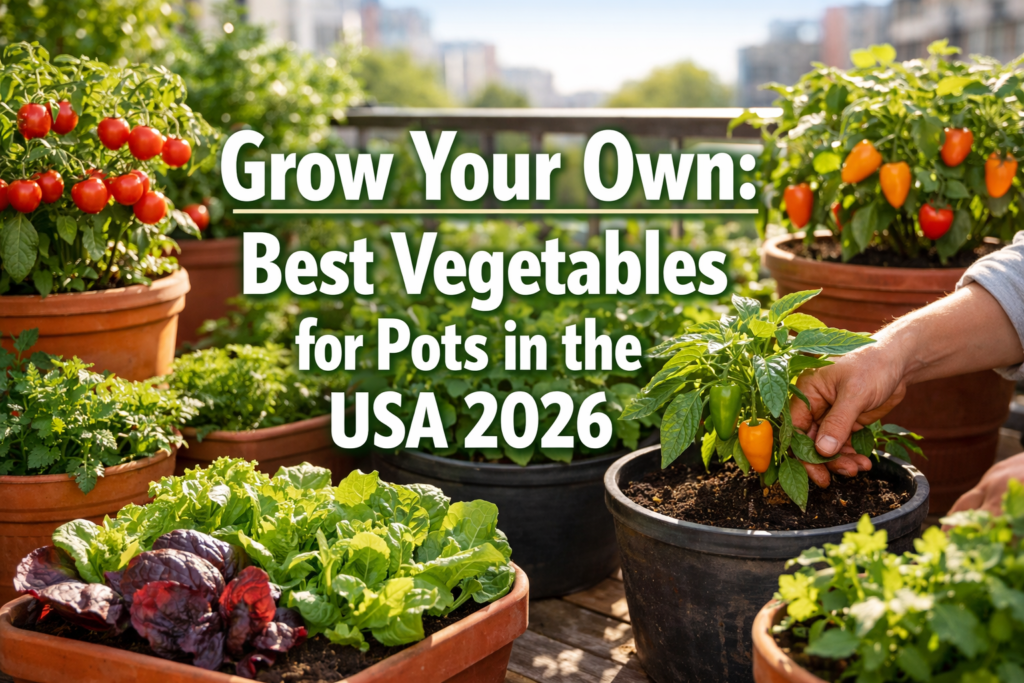
Quick Answer: For those looking to cultivate fresh produce in limited spaces across the USA, the best vegetables to grow in pots in 2026 include compact varieties of tomatoes, peppers, leafy greens like lettuce and spinach, herbs, radishes, and bush beans, all of which thrive with adequate sunlight, proper container size, and consistent watering. These selections offer high yields and relatively straightforward care, making them ideal for balconies, patios, and small yards.
Key Takeaways:
- Compact Varieties are Key: Choose dwarf, bush, or patio-specific cultivars for optimal pot performance.
- Sunlight is Crucial: Most vegetables require 6-8 hours of direct sunlight daily to flourish.
- Drainage is Non-Negotiable: Ensure all pots have drainage holes to prevent root rot.
- Consistent Watering: Potted plants dry out faster; daily checks are often necessary.
- Fertilization Boosts Yields: Regular feeding supports healthy growth and bountiful harvests.
- Pot Size Matters: Larger pots provide more soil volume, reducing watering frequency and supporting bigger plants.
- Start Simple: Beginners should focus on easy-to-grow options like lettuce, radishes, and herbs.
- Protect from Extremes: Move pots or provide shade during heatwaves, and protect from frost.
What Are the Best Vegetables to Grow in Pots in the USA for Beginners in 2026?
For beginners across the USA in 2026, the best vegetables to grow in pots are those that are forgiving, have relatively short growing seasons, and do not require extensive space, such as lettuce, spinach, radishes, bush beans, and many common herbs. These plants offer quick gratification and build confidence for more challenging crops.
- Lettuce and Other Leafy Greens: Varieties like ‘Black Seed Simpson’ or ‘Buttercrunch’ lettuce are perfect for pots. They grow quickly, can be harvested repeatedly (cut-and-come-again), and tolerate some shade. Use wide, shallow containers (6-8 inches deep) for continuous harvesting.
- Spinach: Similar to lettuce, spinach thrives in cooler temperatures and wide containers. ‘Bloomsdale Long Standing’ is a robust choice. It’s a quick crop, often ready in 30-45 days.
- Radishes: These are one of the fastest vegetables to grow, maturing in as little as three weeks. Varieties like ‘Cherry Belle’ or ‘French Breakfast’ need only 6 inches of soil depth and produce well in small pots. Their rapid growth makes them an excellent confidence booster.
- Bush Beans: Unlike pole beans, bush beans are compact and do not require trellising. Varieties such as ‘Provider’ or ‘Contender’ produce abundant yields in 5-gallon pots (or larger). Plant 3-5 seeds per pot.
- Herbs: Basil, mint, cilantro, parsley, and chives are incredibly easy to grow in pots and provide fresh flavor for cooking. They typically need 6-8 inch pots and can be grown indoors or out.
For those just starting, choose one or two of these options to get a feel for container gardening. Success with these initial crops often encourages gardeners to try more varieties and expand their potted edible gardens.
Top Picks for Container Gardening: Best Vegetables to Grow in Pots USA
When selecting the best vegetables to grow in pots in the USA, consider varieties specifically bred for compact growth and high yields in confined spaces, such as patio tomatoes, bush peppers, and dwarf cucumbers. These options maximize productivity without demanding large garden beds.
- Tomatoes (Dwarf/Patio Varieties):
- Why they’re great: Fresh, homegrown tomatoes are a staple. Dwarf varieties like ‘Tiny Tim’, ‘Patio Princess’, or ‘Celebrity’ (determinate) are specifically bred for containers.
- Container size: At least a 5-gallon pot (around 12-15 inches in diameter) per plant. Larger is better for indeterminate varieties.
- Care tips: Provide sturdy stakes or cages. Consistent watering is vital to prevent blossom end rot. ☀️
- Peppers (Bell & Chili):
- Why they’re great: Bell peppers and chili peppers (jalapeños, serranos) thrive in pots, offering continuous harvests. Many varieties stay compact.
- Container size: 3-5 gallon pots.
- Care tips: They love warmth and sun. Support heavy branches with stakes.
- Cucumbers (Bush Varieties):
- Why they’re great: Bush cucumbers, such as ‘Bush Crop’ or ‘Spacemaster’, produce well without sprawling.
- Container size: At least 5-gallon pots, preferably with a small trellis or cage for support.
- Care tips: Keep soil consistently moist and provide plenty of sunlight.
- Eggplant (Compact Varieties):
- Why they’re great: Dwarf eggplants like ‘Patio Baby’ or ‘Fairy Tale’ are prolific producers in containers.
- Container size: 5-gallon pots.
- Care tips: Similar to tomatoes and peppers, they enjoy full sun and consistent moisture.
- Zucchini & Summer Squash (Bush Varieties):
- Why they’re great: Bush varieties like ‘Raven’ or ‘Eight Ball’ are compact alternatives to sprawling standard plants, yielding many fruits.
- Container size: Large pots, 10-15 gallons, due to their vigorous growth.
- Care tips: Needs rich soil and regular watering. Harvest young to encourage more production.
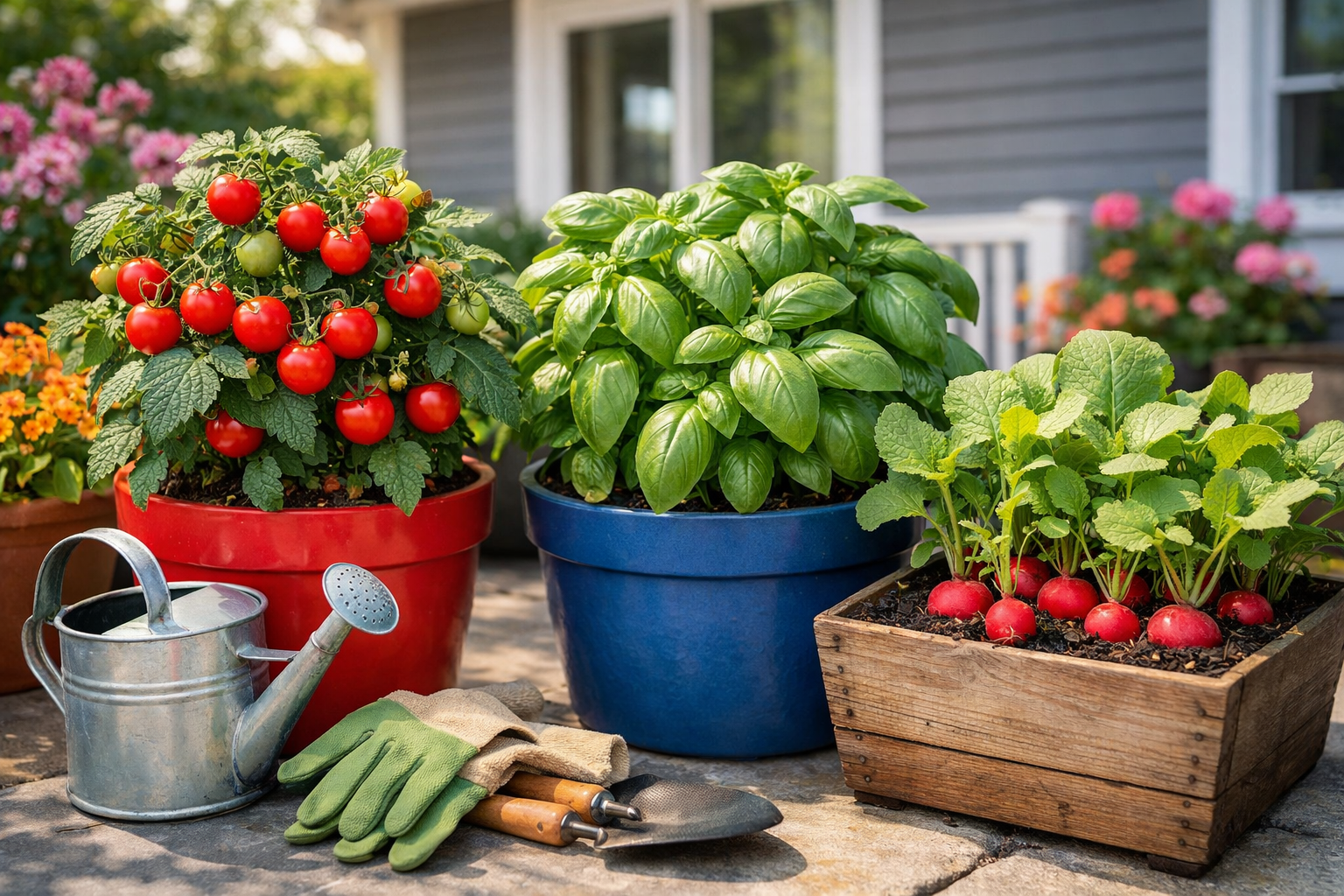
When choosing these varieties, always check the plant tag or seed packet for terms like “bush,” “patio,” “dwarf,” or “container-friendly” to ensure they are suitable for pot culture. Opting for these specific types will significantly increase your chances of a successful and bountiful harvest.
Essential Tips for Thriving Container Gardens with Best Vegetables to Grow in Pots USA
To ensure your best vegetables to grow in pots USA thrive, focus on four critical elements: selecting appropriate containers, using high-quality potting mix, providing adequate sunlight, and maintaining a consistent watering and feeding schedule. Neglecting any of these can significantly impact plant health and yield.
Choosing the Right Containers
The container isn’t just a vessel; it’s a vital part of your plant’s ecosystem.
- Size Matters: Larger pots provide more soil volume, which means more stable moisture levels and nutrients, leading to healthier plants. A minimum 5-gallon pot is recommended for most fruiting vegetables like tomatoes and peppers.
- Small (1-3 gallons): Herbs, lettuce, spinach, radishes, green onions.
- Medium (3-7 gallons): Bush beans, peas, most peppers, small eggplants.
- Large (7-15+ gallons): Tomatoes, zucchini, cucumbers, larger eggplants.
- Drainage Holes: Every container must have drainage holes to prevent waterlogging and root rot. If a decorative pot lacks them, use it as a cachepot (a larger pot to hide a functional, draining pot).
- Material:
- Plastic: Lightweight, retains moisture well, affordable. Can heat up in direct sun.
- Terracotta/Clay: Attractive, porous (allows roots to breathe), but dries out quickly. Heavier.
- Fabric Pots (Grow Bags): Excellent for aeration, prevents root circling, lightweight. Dries out quickly.
- Wood: Insulates well, but can be heavy and may rot over time.
Potting Mix, Sunlight, and Nutrition
- High-Quality Potting Mix: Do not use garden soil in pots, as it compacts too much and lacks proper drainage and aeration. A good potting mix is light, well-draining, and rich in organic matter. Look for mixes specifically formulated for containers.
- Sunlight Requirements: Most vegetables need at least 6-8 hours of direct sunlight daily. Place your pots in the sunniest spot available on your balcony, patio, or yard. Some leafy greens can tolerate partial shade (4-6 hours).
- Watering Wisely: Potted plants dry out much faster than garden beds. Check soil moisture daily, especially during hot weather. Water until it drains from the bottom. Consider self-watering planters or drip irrigation for convenience, particularly if you have many pots.
- Fertilization Schedule: Potting mix nutrients are depleted faster. Begin fertilizing a few weeks after planting with a balanced, all-purpose liquid fertilizer or incorporate a slow-release granular fertilizer into the soil at planting. Follow product instructions.
- Decision Rule: If leaves are yellowing or growth is stunted despite adequate watering and sun, your plants likely need a nutrient boost.
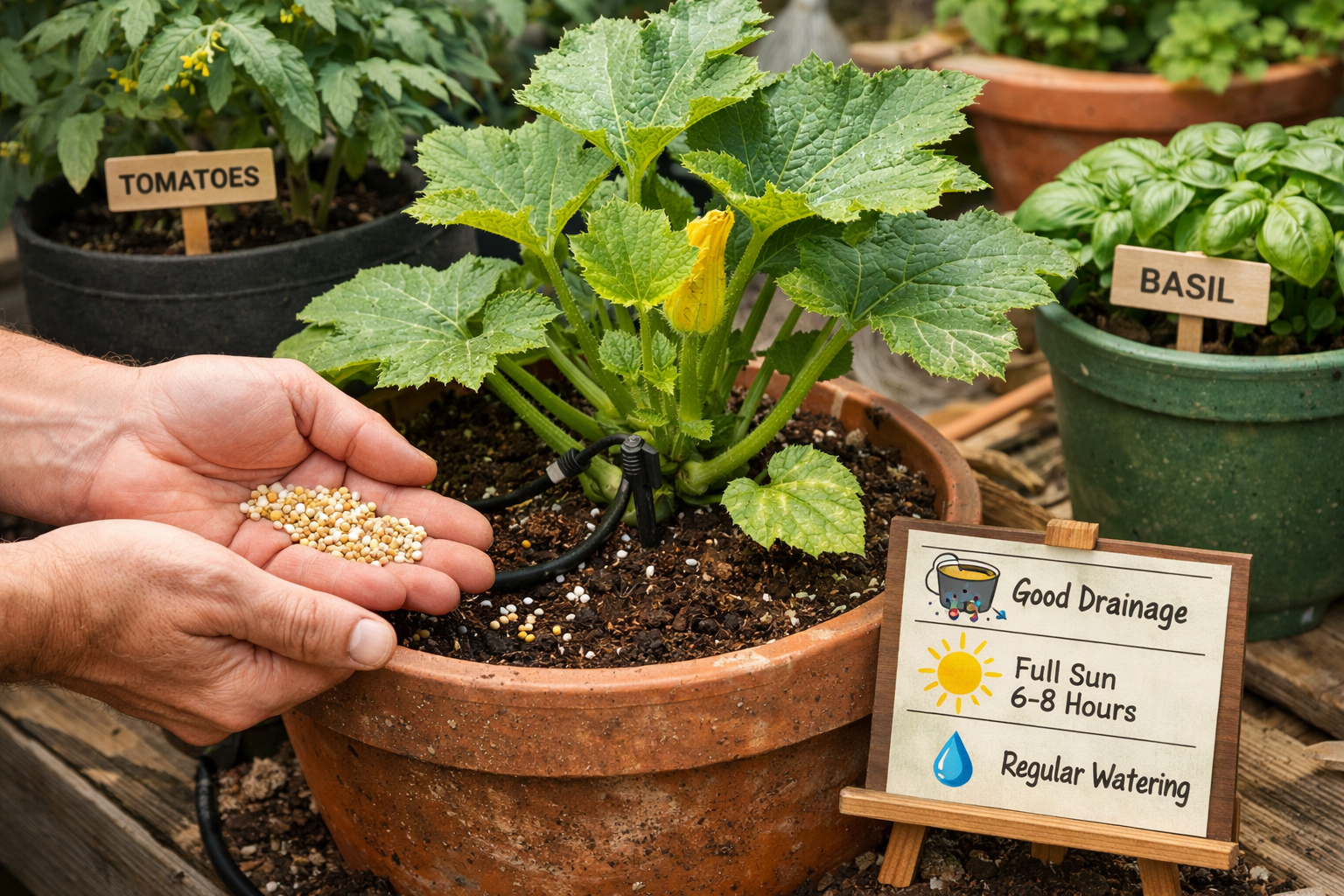
By paying close attention to these fundamentals, you can create a thriving container garden that yields a bountiful harvest, even in compact urban environments.
Regional Considerations for Growing Potted Vegetables in the USA
Growing the best vegetables to grow in pots in the USA requires understanding regional climate differences, as factors like frost dates, summer heat intensity, and humidity levels significantly impact plant selection and care. What thrives in a cool Pacific Northwest summer might struggle in the intense heat of the Southwest.
Northeast & Midwest
- Characteristics: Cold winters, relatively short growing seasons (May-September), hot and humid summers.
- Best Bets:
- Spring/Fall: Lettuce, spinach, radishes, peas, kale.
- Summer: Tomatoes (determinate), peppers, bush beans, compact cucumbers, herbs.
- Tips: Start seeds indoors to get a head start. Protect plants from late spring and early fall frosts. Choose disease-resistant varieties due to humidity.
Southeast
- Characteristics: Long, hot, humid summers; mild winters.
- Best Bets:
- Year-round (with protection): Herbs, some leafy greens.
- Spring/Fall: Broccoli, cabbage, carrots, greens.
- Summer: Heat-tolerant tomatoes (e.g., ‘Florida 91’), peppers, okra, sweet potatoes (in large containers).
- Tips: Provide afternoon shade for plants during peak summer heat to prevent scorching. Consistent watering is essential in high humidity to avoid drought stress. Look for disease-resistant varieties.
Southwest
- Characteristics: Intense heat, arid conditions, sometimes mild winters, potential for sudden temperature drops.
- Best Bets:
- Cool Season (Fall/Winter/Early Spring): Lettuce, spinach, kale, radishes, carrots.
- Warm Season: Heat-tolerant peppers, desert-adapted tomatoes, eggplant, some herbs.
- Tips: Use light-colored pots to reflect heat. Mulch the top of the soil to retain moisture. Consider shade cloth during the hottest months. Fabric grow bags can help prevent root overheating. Water frequently, sometimes twice daily.
Pacific Northwest
- Characteristics: Mild, wet winters; cool, often cloudy summers; long growing season for some crops.
- Best Bets:
- Year-round: Many leafy greens, kale, some herbs.
- Summer: Bush beans, peas, potatoes (in grow bags), berries, cool-season loving tomatoes (‘Oregon Spring’).
- Tips: Ensure excellent drainage due to frequent rain. Choose varieties that tolerate cooler temperatures and lower light levels. Start warm-season crops indoors to ensure they mature before cooler weather sets in.
Understanding your local climate, including average last and first frost dates, is key to successful container gardening. Local university extension offices are excellent resources for specific regional advice and recommended varieties.
Common Mistakes to Avoid When Growing Potted Vegetables
While growing vegetables in pots offers immense flexibility, several common pitfalls can hinder success. Avoiding these mistakes ensures your efforts yield bountiful harvests, especially for the best vegetables to grow in pots USA.
- Using the Wrong Soil:
- Mistake: Planting in garden soil, topsoil, or heavy compost. These materials are too dense for pots, compacting quickly, suffocating roots, and preventing proper drainage.
- Solution: Always use a high-quality, lightweight potting mix specifically designed for containers. This provides the necessary aeration and drainage.
- Inadequate Drainage:
- Mistake: Using pots without drainage holes, or with drainage holes that are too small or become clogged. This leads to waterlogged soil, which causes root rot and plant death.
- Solution: Ensure every pot has sufficient drainage holes. You can add a layer of coarse material (like gravel or broken pottery) at the bottom, though modern potting mixes are often sufficient on their own.
- Under-sizing Containers:
- Mistake: Planting a large vegetable like a tomato in a small pot. This restricts root growth, limits nutrient and water availability, and leads to stunted plants and poor yields.
- Solution: Match pot size to the mature size of the plant. A general rule is at least 5-gallon capacity for most fruiting vegetables. When in doubt, go bigger.
- Inconsistent Watering:
- Mistake: Allowing pots to completely dry out between waterings, or conversely, overwatering consistently. Potted plants dry out faster than in-ground plants.
- Solution: Check soil moisture daily by sticking your finger about an inch or two into the soil. Water thoroughly until it drains from the bottom. Adjust frequency based on weather and plant needs. Consider self-watering planters.
- Neglecting Fertilization:
- Mistake: Assuming the initial potting mix will sustain plants throughout the growing season. Potting mixes often have limited nutrients that deplete quickly.
- Solution: Supplement with fertilizer. Incorporate a slow-release granular fertilizer at planting or use a liquid feed every 2-4 weeks, following product instructions. Signs of nutrient deficiency include yellowing leaves or stunted growth.
- Insufficient Sunlight:
- Mistake: Placing sun-loving vegetables in a shaded area. Most vegetables require 6-8 hours of direct sunlight to produce fruit.
- Solution: Observe your growing area to determine the sunniest spots. Move pots as needed throughout the day or season to maximize sun exposure.
By consciously avoiding these common errors, you can significantly enhance your chances of a successful and rewarding container garden, regardless of your experience level.
Maximizing Yields: Advanced Techniques for Potted Vegetables
To get the most out of the best vegetables to grow in pots USA, consider advanced techniques such as companion planting, vertical gardening, succession planting, and implementing efficient watering systems. These methods optimize space and resources, leading to significantly higher yields.
Companion Planting in Pots
Companion planting involves growing different plants together that benefit each other. In pots, this is scaled down but still effective.
- Benefits: Deters pests, attracts beneficial insects, improves growth, and optimizes soil use.
- Examples:
- Tomatoes & Basil: Basil is said to improve tomato flavor and deter hornworms and flies. Plant a basil seedling in the same large pot as a tomato plant.
- Radishes & Lettuce: Radishes break up the soil for lettuce, and lettuce provides ground cover. They also mature at different rates, allowing staggered harvests.
- Marigolds (French) & Most Veggies: Marigolds deter nematodes and other pests when planted alongside vegetables like peppers or beans in larger containers.
- Rule of Thumb: Ensure companion plants have similar water and sunlight needs and don’t compete excessively for root space.
Vertical & Succession Planting
- Vertical Gardening: Utilizes vertical space to grow more plants in a smaller footprint.
- Techniques: Use hanging baskets for strawberries or trailing tomatoes. Stacked planters are excellent for herbs and leafy greens. Trellises or cages within pots support climbing plants like cucumbers, small melons, or pole beans. This is particularly effective for maximizing urban gardening space.
- Succession Planting: Staggering plantings to ensure a continuous harvest rather than one large flush.
- Method: Plant a small batch of quick-growing vegetables (like lettuce or radishes) every 2-3 weeks. When one batch is harvested, another is ready or nearly ready.
- Benefit: Enjoy fresh produce over a longer period. This works wonderfully for crops with short maturity times.
Efficient Watering Systems
- Drip Irrigation: For multiple pots, a small drip irrigation system can be installed. This delivers water directly to the plant’s root zone, reducing waste and ensuring consistent moisture. Timers can automate the process.
- Self-Watering Pots: These containers have a reservoir at the bottom that wicks water up to the soil, significantly extending the time between waterings. They are excellent for busy gardeners or those prone to forgetting to water.
- Mulching: Adding a layer of organic mulch (e.g., straw, shredded leaves, or wood chips) to the top of the soil in your pots helps retain moisture, suppress weeds, and regulate soil temperature.
Implementing these advanced techniques can transform a basic container garden into a highly productive one, ensuring a steady supply of fresh, homegrown vegetables. For those interested in improving their overall home and garden setup, consistent care for your plants can be as important as managing financial well-being, like exploring options for best dental implant financing reviews 2025 or understanding dental implant crown replacement cost Dallas 2026.
FAQs About the Best Vegetables to Grow in Pots USA
What size pot do I need for a tomato plant?
A single determinate (bush) tomato plant generally requires at least a 5-gallon pot (about 12-15 inches in diameter and depth). Indeterminate (vining) varieties, which grow larger, benefit from a 10-gallon pot or larger for optimal growth and yield.
Can I reuse potting mix for next year’s potted vegetables?
It’s generally not recommended to reuse old potting mix for vegetables, as its structure degrades, nutrients are depleted, and it may harbor diseases or pests. For best results, start with fresh potting mix each season.
How often should I water potted vegetables?
The watering frequency depends on the plant, pot size, material, and weather. In hot, sunny weather, most potted vegetables may need watering daily, sometimes twice. In cooler, cloudy conditions, every few days might suffice. Always check the soil moisture before watering.
Do I need special fertilizer for potted vegetables?
Yes, potted vegetables benefit from a balanced, all-purpose liquid fertilizer or a slow-release granular fertilizer formulated for edibles. Potting mixes usually contain limited nutrients that are quickly used up. Start fertilizing a few weeks after planting and continue as directed by the product.
Can I grow vegetables in pots indoors in the USA?
Yes, many compact vegetables and herbs can be grown indoors, provided they receive adequate light. Leafy greens (lettuce, spinach), herbs (basil, mint, cilantro), and small peppers can do well near a sunny south-facing window or under grow lights.
What are the easiest vegetables to grow in pots for beginners?
For beginners, the easiest vegetables to grow in pots are lettuce, spinach, radishes, bush beans, and most herbs (basil, mint, chives). These are forgiving, grow relatively quickly, and don’t demand large containers.
How much sun do potted vegetables need?
Most fruiting vegetables (tomatoes, peppers, cucumbers) require a minimum of 6-8 hours of direct sunlight per day. Leafy greens and root vegetables can tolerate slightly less, typically 4-6 hours.
Can I grow large vegetables like corn or pumpkins in pots?
While possible, growing very large vegetables like corn or pumpkins in pots is challenging and requires extremely large containers (20-gallon or more) and specific compact varieties. It’s generally more practical for experienced gardeners with ample space.
Why are my potted vegetables wilting despite watering?
Wilting can be caused by both under-watering and over-watering (leading to root rot). Check the soil moisture carefully. Other causes could be intense heat, nutrient deficiencies, or pests/diseases.
What types of containers are best for potted vegetables?
Containers with good drainage are essential. Plastic pots retain moisture well, terracotta breathes but dries faster, and fabric grow bags offer excellent aeration. Choose light-colored pots in hot climates to prevent root overheating.
Conclusion
Embracing container gardening is an excellent way to enjoy fresh, homegrown vegetables, regardless of the size of your outdoor space. By selecting the best vegetables to grow in pots USA – focusing on compact, high-yield varieties like patio tomatoes, bush peppers, and leafy greens – you set yourself up for success. Remember that proper pot size, quality potting mix, ample sunlight, and consistent watering and feeding are the cornerstones of a thriving container garden.
Don’t be discouraged by initial challenges; every gardening season is a learning experience. Start with easy-to-grow options, pay attention to your plants’ needs, and don’t hesitate to experiment with different varieties and techniques. With a little care and attention, your potted vegetable garden in 2026 can become a consistent source of fresh, delicious produce, transforming your balcony or patio into a vibrant, edible oasis. Tags: best vegetables to grow in pots USA, container gardening, urban gardening, small space gardening, potted vegetables, balcony garden, patio garden, growing food, garden tips, vegetable gardening, 2026 gardening