Best Soil for Indoor Plants
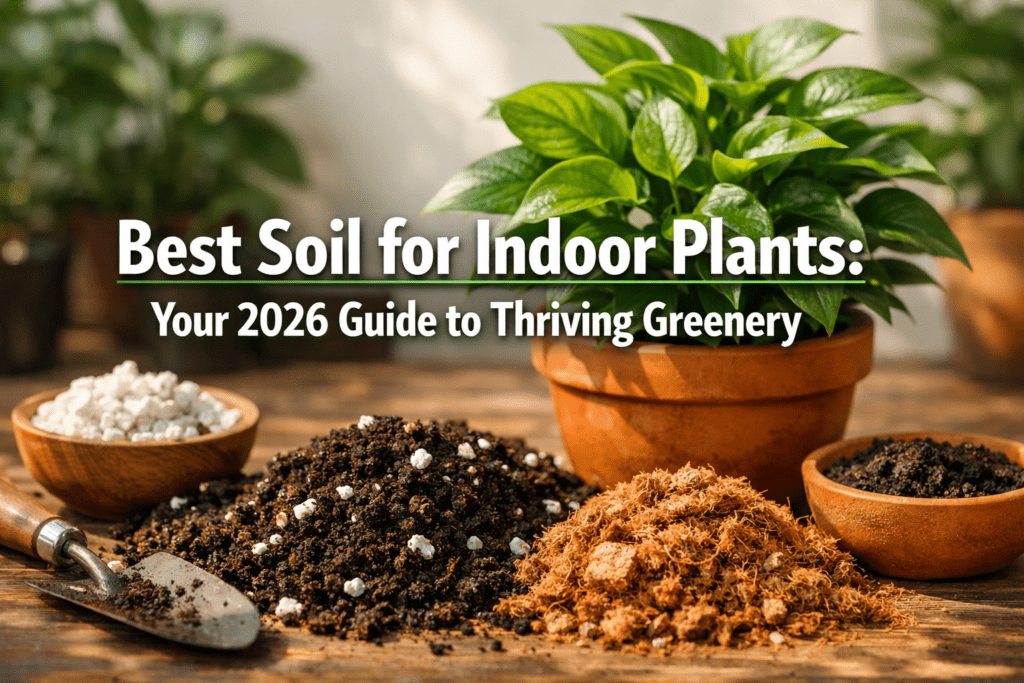
Choosing the best soil for indoor plants is the single most critical decision for their long-term health and vitality. Forget about fancy fertilizers or perfect lighting if your plant’s roots are suffocating or struggling in the wrong medium. In 2026, understanding soil composition and tailoring it to your specific plants is easier than ever, thanks to readily available specialized mixes and comprehensive guides.
Key Takeaways
- The best soil for indoor plants prioritizes drainage and aeration over high nutrient content, which can be added later.
- Most indoor plants thrive in a well-draining, airy mix that typically includes peat moss or coco coir, perlite, and pine bark.
- Specialized mixes are crucial for plants like succulents, cacti, and orchids, which have unique needs.
- Avoid using outdoor garden soil indoors, as it compacts easily and may contain pests or pathogens.
- Customizing your soil mix often provides superior results to generic potting soil.
- Monitor your plant’s growth and moisture levels to determine if your current soil mix is suitable.
- Repotting with fresh, appropriate soil every 1-2 years revitalizes plants and prevents nutrient depletion.
Quick Answer
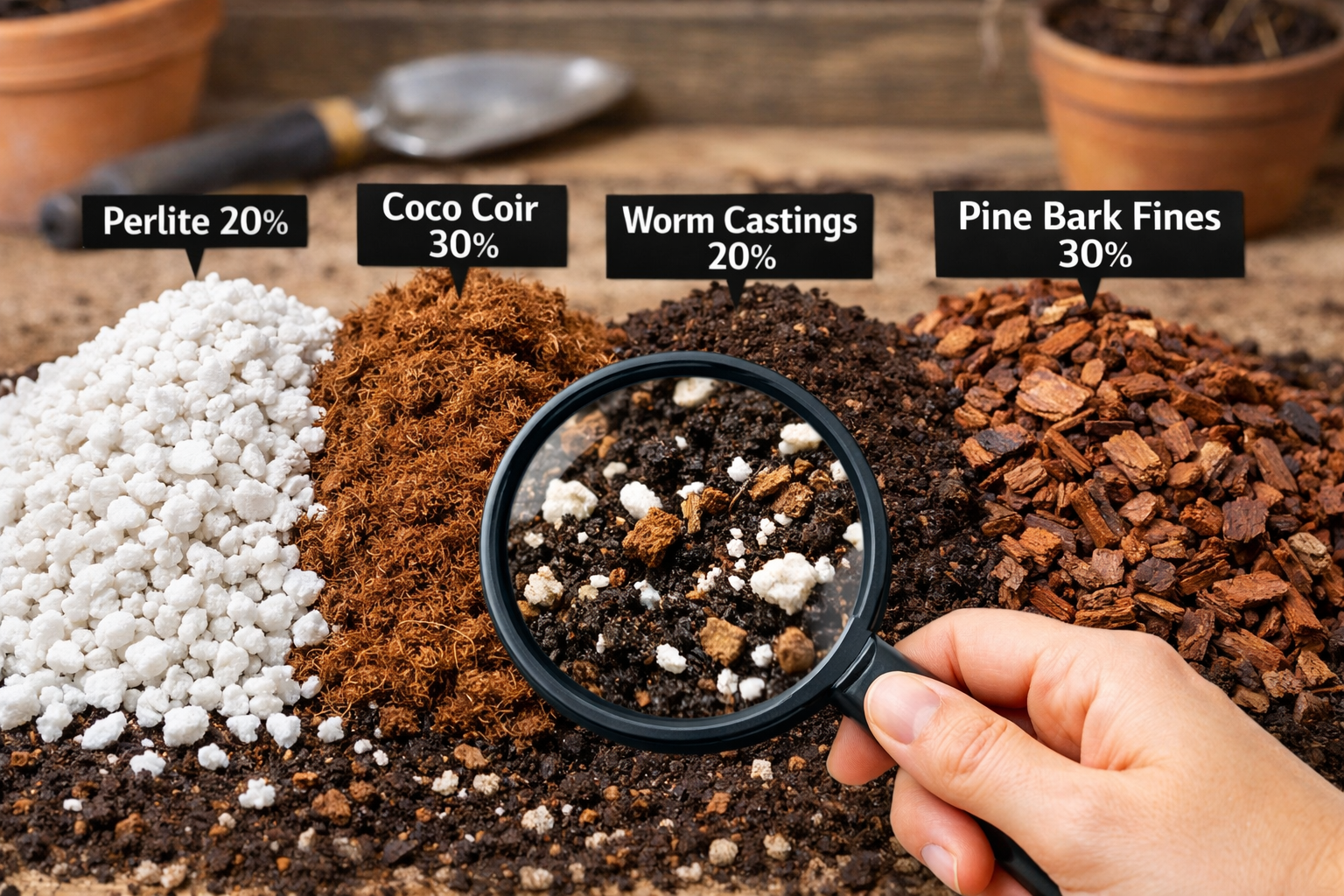
The best soil for indoor plants is a custom or specialized potting mix that balances excellent drainage and aeration with sufficient moisture retention and nutrient availability. For most common houseplants, this means a blend typically containing coco coir or peat moss, perlite or pumice, and an organic amendment like pine bark or worm castings, tailored to prevent root rot while supplying essential support.
What is the Best General-Purpose Soil Mix for Indoor Plants?
The best general-purpose soil mix for indoor plants is a well-aerated, fast-draining blend that also retains some moisture and nutrients. This type of mix prevents common issues like root rot while providing a stable environment for most houseplants to flourish.
For a versatile all-purpose mix suitable for many foliage plants (like Pothos, Philodendrons, Peace Lilies, and Spider Plants), consider a blend that focuses on providing structure, drainage, and a base for nutrient delivery. A common and effective ratio is:
- 1 part Coco Coir or Peat Moss: This provides excellent moisture retention and a light, fluffy base. Coco coir is a sustainable alternative to peat moss.
- 1 part Perlite or Pumice: Essential for drainage and aeration. It prevents compaction and allows oxygen to reach the roots.
- 1 part Pine Bark Fines (Orchid Bark): Adds structure, promotes drainage, and breaks down slowly, providing long-term aeration.
Decision Rule: Choose this general-purpose mix if you have a variety of common foliage plants that prefer consistently moist, but not waterlogged, conditions. If your plant is a succulent, orchid, or an aroid with very specific requirements, you’ll need a more specialized blend. A common mistake is using dense, heavy garden soil, which severely restricts airflow and drainage, leading to root problems.
How Do Specialized Soil Mixes Cater to Different Indoor Plant Needs?
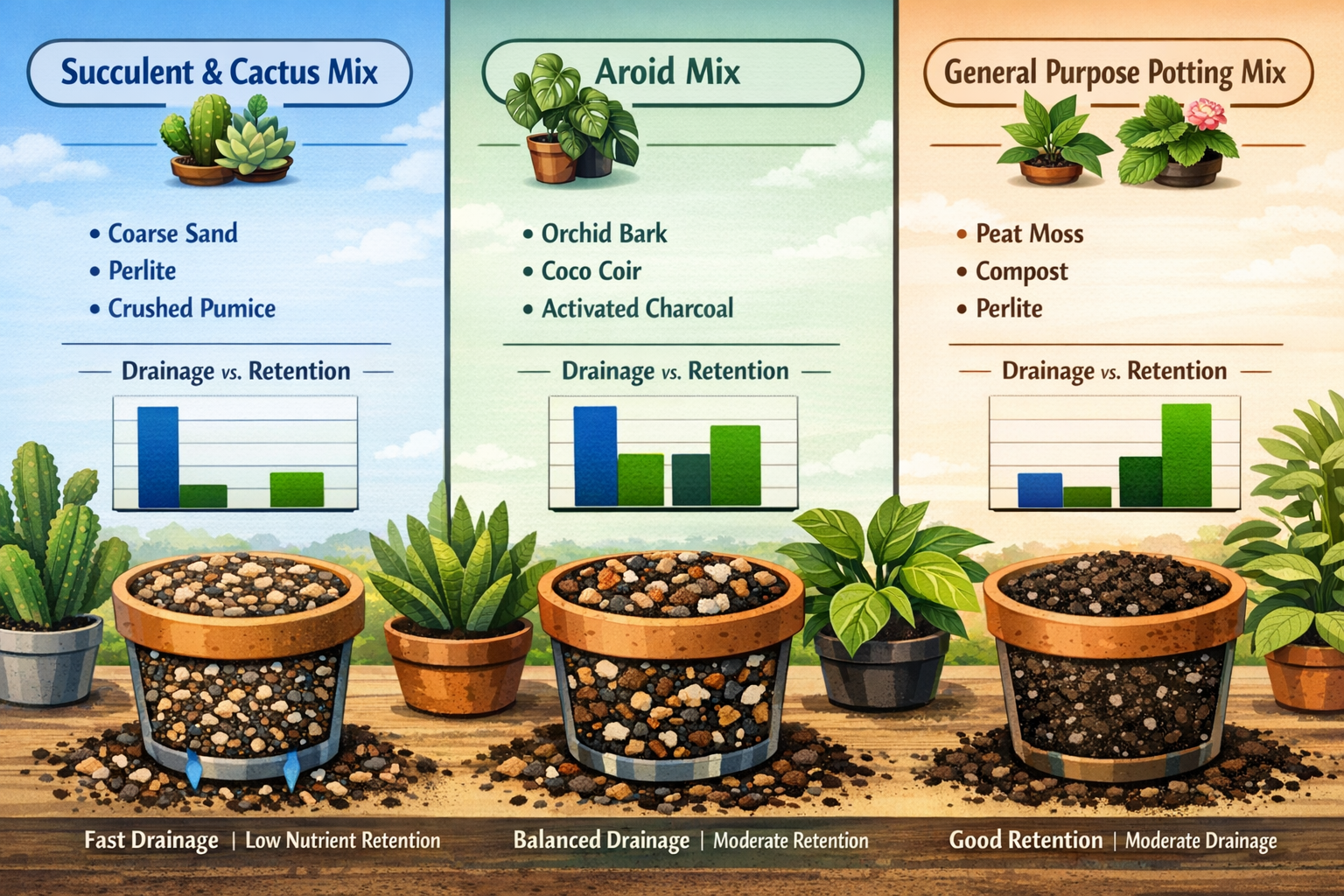
Specialized soil mixes cater to different indoor plant needs by adjusting the ratios and types of components to match a plant’s natural habitat and specific requirements for drainage, aeration, and nutrient retention. These tailored blends are crucial for the health of unique plant species.
Different plant types thrive in dramatically different environments, and their root systems have evolved to match. A generalized potting mix, while suitable for many, will often fail to meet the specific demands of plants like cacti, orchids, or carnivorous plants.
- Succulent and Cactus Mix: These plants require extremely fast-draining soil to prevent root rot in arid conditions.
- Composition: Often contains a higher proportion of inorganic materials like coarse sand, perlite, pumice, and grit (e.g., akadama, lava rock), with very little peat moss or coco coir.
- Why it works: Mimics desert conditions, allowing water to pass through quickly and dry out thoroughly between waterings.
- Orchid Mix: Orchids are epiphytes, meaning they grow on other plants in nature, not in soil. Their roots need exceptional airflow.
- Composition: Consists mainly of large, coarse components like fir bark, charcoal, and perlite. Some mixes also include sphagnum moss for moisture.
- Why it works: Provides maximum aeration and prevents water from pooling around the roots, simulating their natural growing conditions.
- Aroid Mix (for Philodendrons, Monsteras, Pothos): Many popular houseplants are aroids that appreciate a rich, airy, and well-draining substrate.
- Composition: A blend of coco coir/peat moss, perlite/pumice, orchid bark, and often worm castings or compost for added nutrients.
- Why it works: Offers a balance of good drainage and moisture retention, mimicking the chunky, organic matter found in tropical forest floors.
Edge Case: Carnivorous plants (e.g., Venus flytraps, Pitcher plants) have very unique soil requirements. They need nutrient-poor, acidic soil, typically a mix of sphagnum peat moss and perlite/sand, as regular potting soil with its mineral content can kill them. Never use fertilized soil for carnivorous plants.
What Common Mistakes Should You Avoid When Choosing Soil for Indoor Plants?
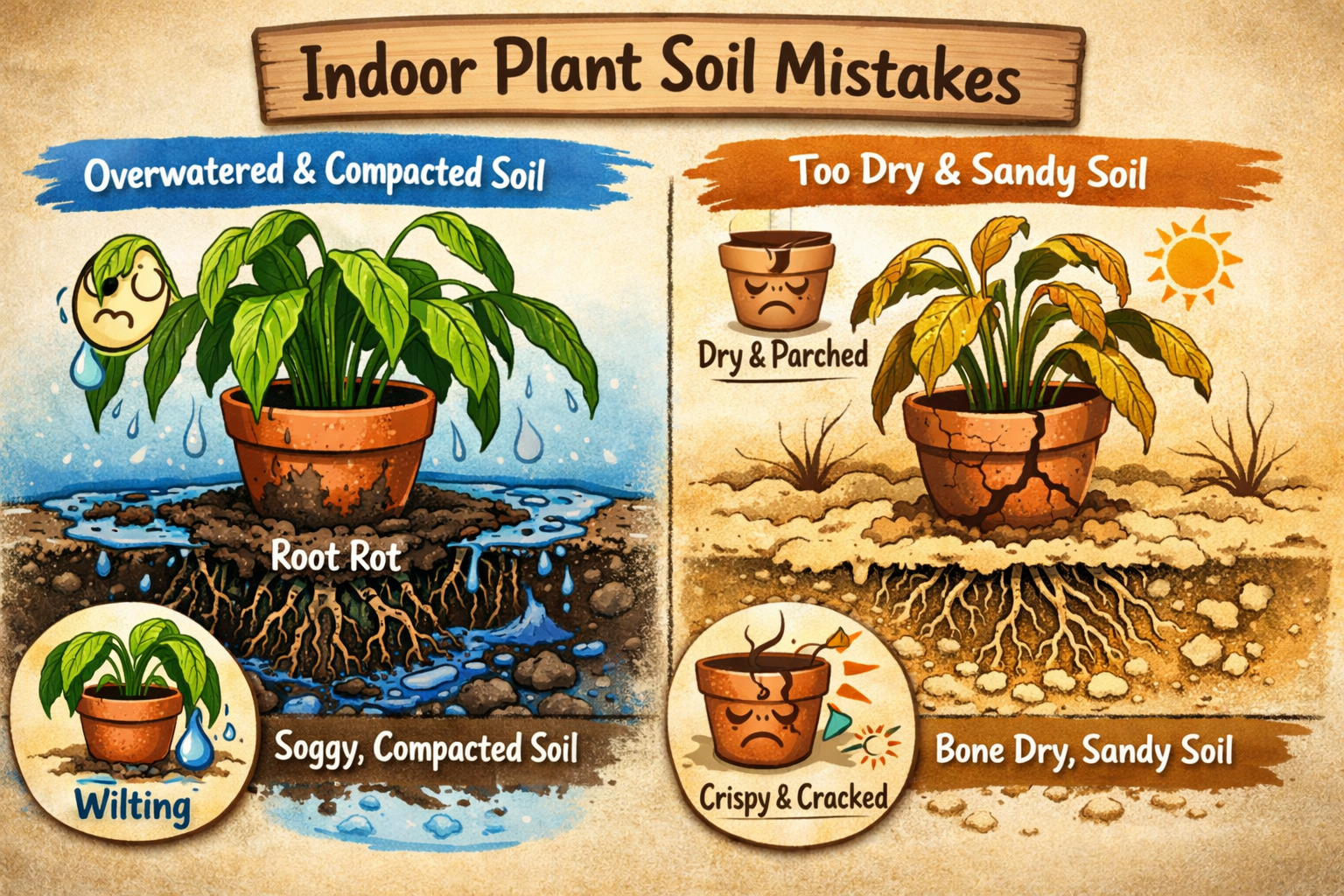
When choosing soil for indoor plants, avoid using outdoor garden soil, overly dense or water-retentive mixes, and neglecting to customize for specific plant types. These common mistakes often lead to stunted growth, root rot, and pest infestations.
Using the wrong soil is a leading cause of indoor plant demise. Being aware of these pitfalls can save your plants and your sanity.
- Using Outdoor Garden Soil:
- Why it’s a mistake: Garden soil is too heavy and dense for potted plants. It compacts easily, restricting aeration and drainage, leading to waterlogging and root suffocation. It can also harbor pests, diseases, and weed seeds that you don’t want in your home.
- Alternative: Always opt for a sterilized, specifically formulated indoor potting mix.
- Choosing Overly Water-Retentive Mixes:
- Why it’s a mistake: While some moisture retention is good, many generic potting soils are designed to hold too much water, especially for plants that prefer drier conditions. This is a common cause of root rot, where roots essentially drown and decay.
- Alternative: Enhance drainage by adding perlite, pumice, or bark fines to your mix, particularly for plants prone to overwatering.
- Neglecting Plant-Specific Needs:
- Why it’s a mistake: One-size-fits-all soil does not work for all plants. A succulent will rot in an aroid mix, and an orchid will struggle in standard potting soil.
- Alternative: Research your specific plant’s native habitat and soil preferences, then choose or create a mix that mimics those conditions.
Troubleshooting: If your plant consistently has yellowing leaves, soft stems, or a foul odor from the soil, it’s likely suffering from root rot due to poor drainage. You may need to unpot it, inspect the roots, trim any rotten sections, and repot into a better-draining mix.
How to Prepare and Use the Best Soil for Indoor Plants?
To prepare and use the best soil for indoor plants, begin by selecting high-quality base ingredients, mix them thoroughly according to your plant’s specific needs, and ensure proper repotting techniques to establish a healthy foundation for growth.
Proper preparation and application of soil are just as important as the mix itself. Follow these steps for optimal results:
- Gather Your Ingredients:
- Base: Coco coir or peat moss (ensure it’s sterile for indoor use).
- Aeration/Drainage: Perlite, pumice, or coarse sand.
- Structure/Nutrients: Pine bark fines, worm castings, or compost.
- Optional Amendments: Activated charcoal (for odor control/filtration), horticultural grit, or specific fertilizers if needed.
- Mix Thoroughly:
- In a large container (e.g., a plastic tub or wheelbarrow), combine your chosen ingredients.
- Use a trowel or your hands (wearing gloves is recommended) to mix until the components are evenly distributed. The goal is a consistent texture throughout.
- Pro Tip: Slightly moisten the coco coir or peat moss before mixing, as dry material can be dusty and difficult to hydrate evenly later.
- Repotting Your Plant:
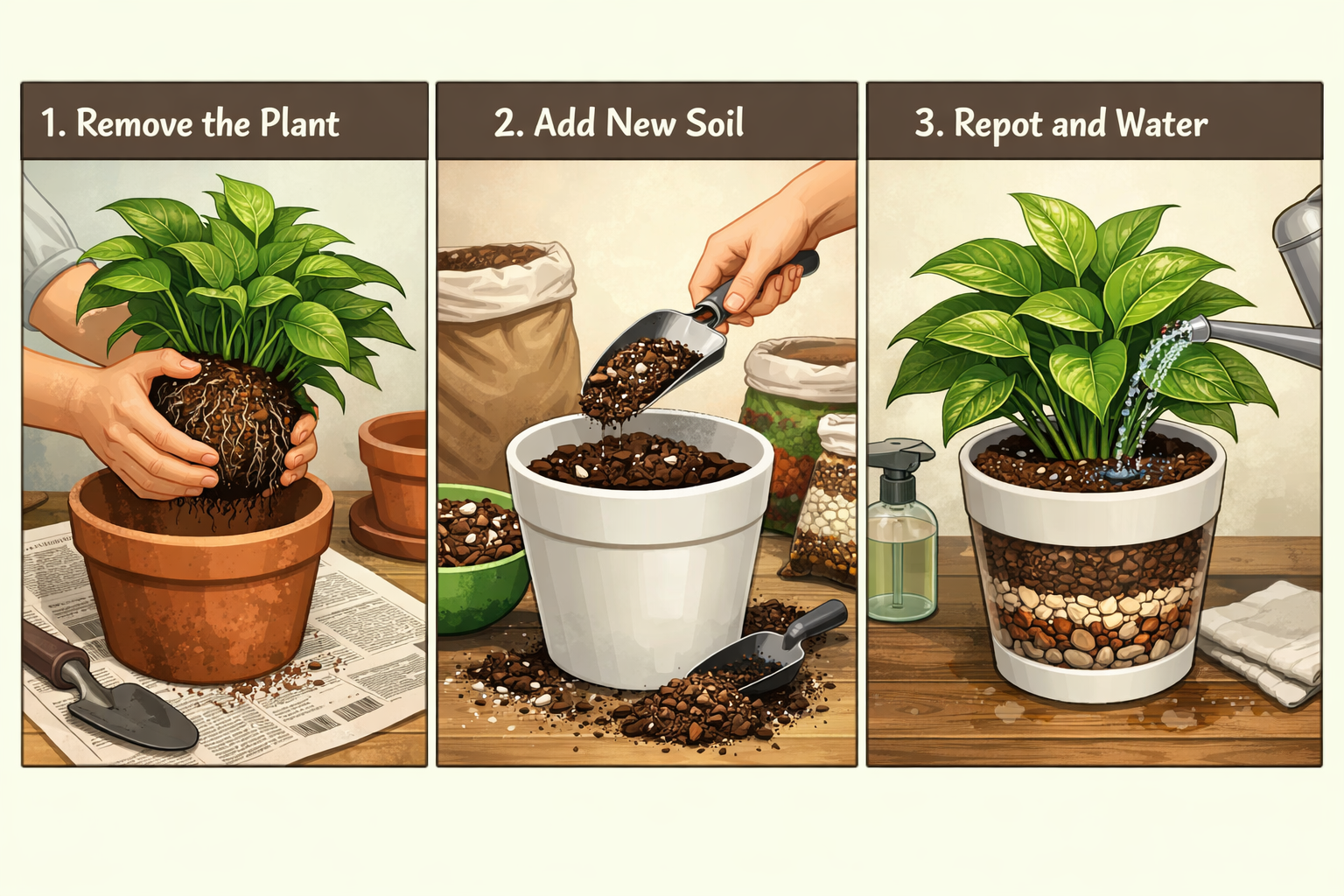
- Gently remove your plant from its current pot.
- Loosen any circling roots or compacted soil around the root ball. Trim any dead or mushy roots.
- Add a layer of your fresh, custom soil to the bottom of the new pot (which should be only slightly larger than the old one, unless the plant is very root-bound).
- Center the plant in the new pot and fill around the root ball with the new mix, gently tamping it down to remove large air pockets but avoiding excessive compaction.
- Leave about an inch of space from the top of the pot to the soil line for watering.
- Water thoroughly after repotting to help the soil settle and remove any remaining air pockets.
Quick Example: For a new Monstera Deliciosa, I would use a mix of 40% coco coir, 30% chunky perlite, and 30% orchid bark. This provides the ideal blend of moisture retention and excellent drainage that Monsteras, as aroids, absolutely adore. Consistent moisture for a few weeks after repotting will help the plant establish its roots in the new environment.
Conclusion
Selecting the best soil for indoor plants is foundational to their success. By understanding the core principles of drainage, aeration, and moisture retention, and by customizing mixes to suit individual plant needs, you empower your plants to thrive. Moving beyond generic potting soil to specialized or self-mixed blends will unlock greater vitality, prevent common issues like root rot, and ultimately lead to a more successful and rewarding indoor gardening experience. Always remember to consider your plant’s unique requirements and to regularly assess its growth in its current medium.
FAQ
Q1: Can I use garden soil for indoor plants?
A1: No, garden soil is too dense, can compact, and may contain pests or pathogens, making it unsuitable for indoor potted plants.
Q2: What is the main difference between peat moss and coco coir?
A2: Peat moss is a non-renewable resource, while coco coir, derived from coconuts, is a sustainable alternative that offers similar moisture retention and aeration benefits.
Q3: How often should I change my indoor plant’s soil?
A3: Most indoor plants benefit from fresh soil and repotting every 1 to 2 years to replenish nutrients and prevent compaction.
Q4: Is perlite or pumice better for drainage?
A4: Both are excellent for drainage and aeration. Pumice is denser and doesn’t float as much as perlite, but either works well to improve soil structure.
Q5: Can I add compost to my indoor plant soil?
A5: Yes, a small amount of well-rotted compost or worm castings can enrich your indoor plant soil with nutrients, but use sparingly to avoid excessive moisture retention.
Q6: Why is my indoor plant’s soil staying wet for too long?
A6: This usually indicates poor drainage or an overly dense soil mix. Add more perlite, pumice, or bark to improve aeration and drainage.
Q7: Should indoor plant soil have fertilizer in it?
A7: Many commercial potting mixes include a starter fertilizer. However, for custom mixes, it’s often better to add nutrients separately once the plant is established.
Q8: What is ‘chunky’ soil, and which plants prefer it?
A8: Chunky soil contains larger components like orchid bark and perlite, providing excellent aeration and drainage. Aroids (Monstera, Philodendron) and epiphytic plants prefer it.
Q9: Does activated charcoal help indoor plant soil?
A9: Activated charcoal can help absorb impurities, improve drainage, and reduce odors in indoor plant soil, though it’s not a primary soil component.
Q10: Is it okay to reuse old potting soil?
A10: It’s generally not recommended to reuse old potting soil, as it can be depleted of nutrients, compacted, or harbor pests and diseases.
Sources
- Cornell University. (2026). Potting Mixes for Container-Grown Plants.
- University of Florida IFAS Extension. (2026). Container Media for Indoor Plants.
- Royal Horticultural Society. (2026). Growing Media for Containers.
Related Reading
- Conception Date Calculator – Find When You Conceived or Your Due Date
- Fertile Window Calculator | Find Your 6-Day Conception Window
- Is Late Ovulation Normal? Your 2026 Guide to Fertility
- What Causes Late Ovulation? | Expert Guide
- When Does Implantation Occur After Ovulation