Best Pots for Indoor Plants
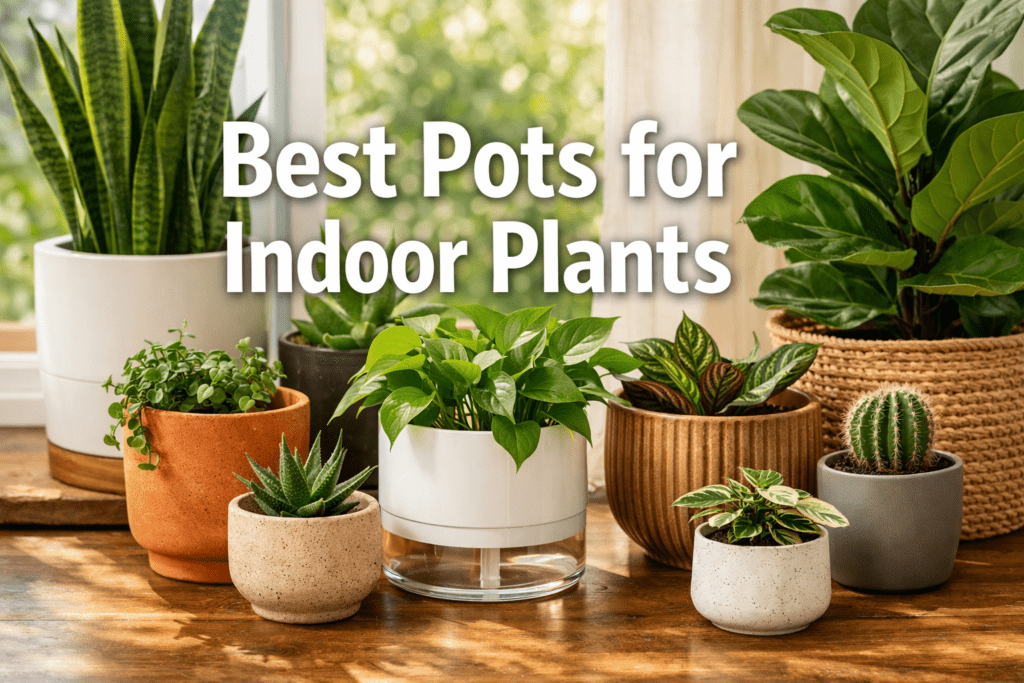
Bringing the vibrant beauty of nature indoors requires more than just choosing the right plants; selecting the best pots for indoor plants is equally, if not more, crucial for their long-term health and your aesthetic satisfaction. The right pot provides the necessary environment for root growth, dictates moisture levels, and significantly influences the plant’s overall well-being and visual appeal within your home. As an avid indoor gardener myself, I’ve seen firsthand how a well-chosen pot can transform a struggling plant into a thriving green companion.
Key Takeaways
- Drainage is Non-Negotiable: Always choose pots with drainage holes to prevent root rot.
- Material Matters: Terracotta is ideal for succulents/cacti, while ceramic and plastic suit moisture-loving plants.
- Size Appropriately: Select a pot slightly larger than the root ball, avoiding overly large containers that retain too much moisture.
- Consider Self-Watering Pots: These are excellent for busy individuals or those prone to inconsistent watering.
- Eco-Friendly Options: Recycled plastic and fiber cement offer sustainable choices for conscious consumers.
- Aesthetics and Weight: Balance decorative appeal with practical considerations like weight, especially for larger plants.
- Trends for 2026: Warm earth tones, organic shapes, and minimalist Scandinavian aesthetics are popular.
- Budget & Investment: Prices vary from affordable ($25+) to premium designer pieces ($88+), reflecting material and craftsmanship.
Quick Answer
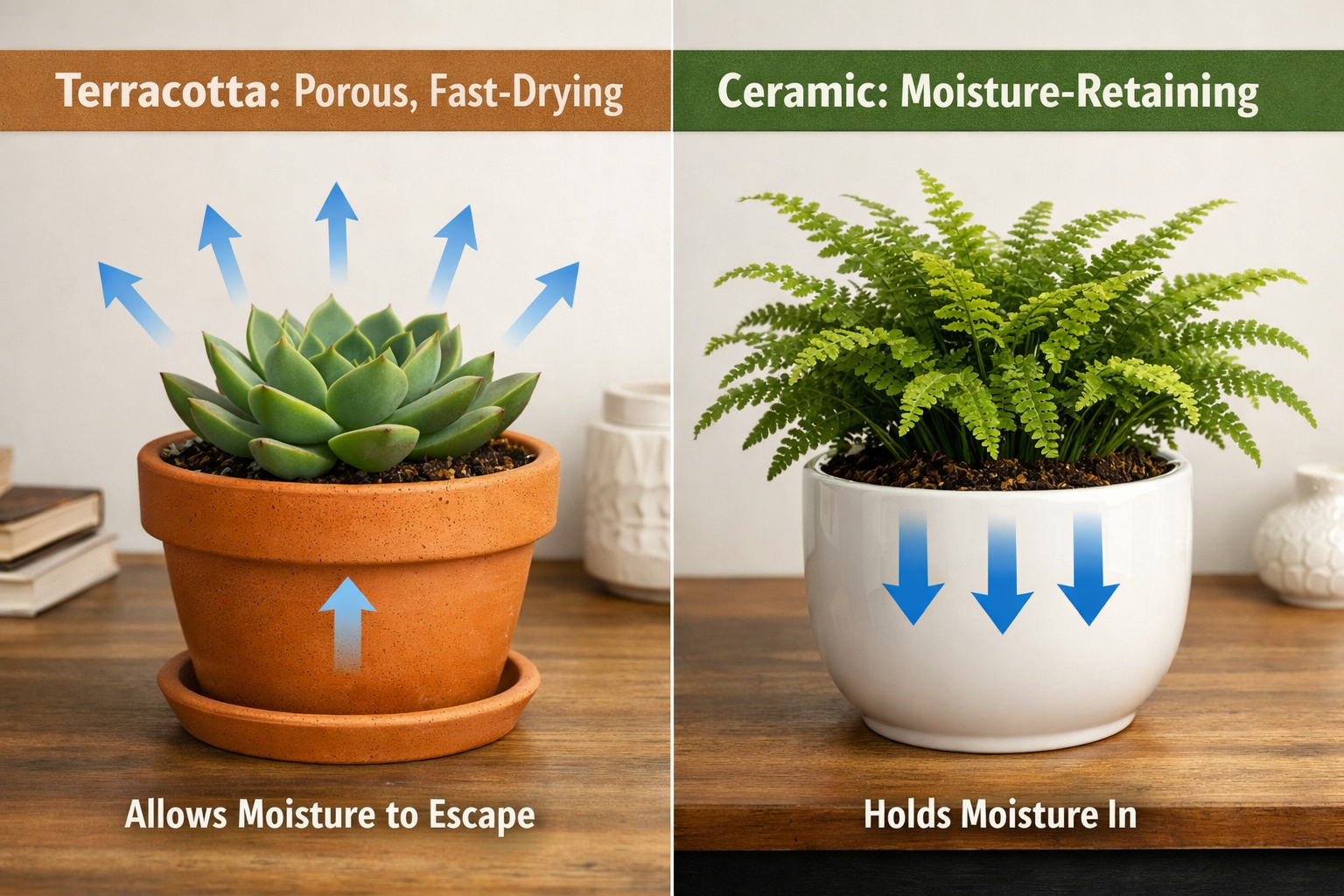
The best pots for indoor plants in 2026 prioritize proper drainage, material suitability for the plant’s watering needs, and appropriate sizing to support healthy root development. While terracotta excels for plants requiring drier soil, glazed ceramic and plastic are better for those needing consistent moisture. Modern choices also include self-watering systems for convenience and eco-friendly options for sustainability, all while complementing contemporary home aesthetics.
What Are the Best Pot Materials for Indoor Plants?
The best pot materials for indoor plants vary depending on the plant’s specific watering needs and your personal care routine. Different materials offer distinct advantages in terms of moisture retention, breathability, and durability, directly impacting plant health.
Choosing the right material is a fundamental step in ensuring your indoor plants thrive. For instance, highly porous materials like terracotta allow soil to dry out quickly, which is beneficial for succulents and cacti that are prone to overwatering. In contrast, non-porous materials such as glazed ceramic or plastic retain moisture for longer periods, making them suitable for plants that prefer consistently damp soil, such as ferns or peace lilies. My own experience with succulents has shown me that a terracotta pot is often the difference between a flourishing plant and one struggling with root rot.
Here’s a breakdown of common materials:
Terracotta/Unglazed Clay:
- Pros: Highly porous, allowing excellent air circulation and quick soil drying, which prevents root rot. They also tend to be affordable.
- Cons: Dries out quickly, requiring more frequent watering for moisture-loving plants. Can develop a white mineral buildup over time.
- Best for: Succulents, cacti, snake plants, ZZ plants, and other drought-tolerant species.
Glazed Ceramic/Stoneware:
- Pros: Non-porous, retaining moisture well and reducing watering frequency. Available in a vast array of colors, finishes, and designs, offering significant decorative appeal.
- Cons: Heavier than plastic or terracotta, and typically more expensive. Lack of porosity means careful watering is essential to avoid waterlogging.
- Best for: Ferns, Golden Pothos, Monsteras, and other plants that prefer consistently moist soil.
Plastic:
- Pros: Lightweight, inexpensive, durable, and excellent at retaining moisture. Many come with integrated saucers or self-watering features. Ideal for indoor gardening for small homes & apartments due to their versatility.
- Cons: Can look less premium than ceramic or terracotta. Poor air circulation if drainage is inadequate.
- Best for: Most tropical houseplants, beginners, and plants that need consistent moisture. Often used as cachepots (decorative outer pots) for plants in nursery containers.
Fiber Cement:
- Pros: Lighter than traditional cement, durable, and offers a modern, industrial aesthetic. Often eco-friendly as they can incorporate recycled materials.
- Cons: Can be more expensive than plastic, and still heavier than some alternatives.
- Best for: Larger plants, modern interior designs, and those seeking a durable, lightweight alternative to heavy concrete.
Eco-Friendly Materials (e.g., Recycled Plastic, Biodegradable Plant-Based):
- Pros: Sustainable choice, reducing environmental impact. Can be lightweight and durable depending on the specific material.
- Cons: Aesthetic variety might be narrower, and availability can be limited for certain styles.
- Best for: Environmentally conscious gardeners, and those looking for innovative, modern pot solutions.
Decision Rule: Choose terracotta if you tend to overwater or grow drought-tolerant plants. Opt for glazed ceramic or plastic if you have moisture-loving plants or prefer less frequent watering.
Why is Drainage So Important for Indoor Plants?
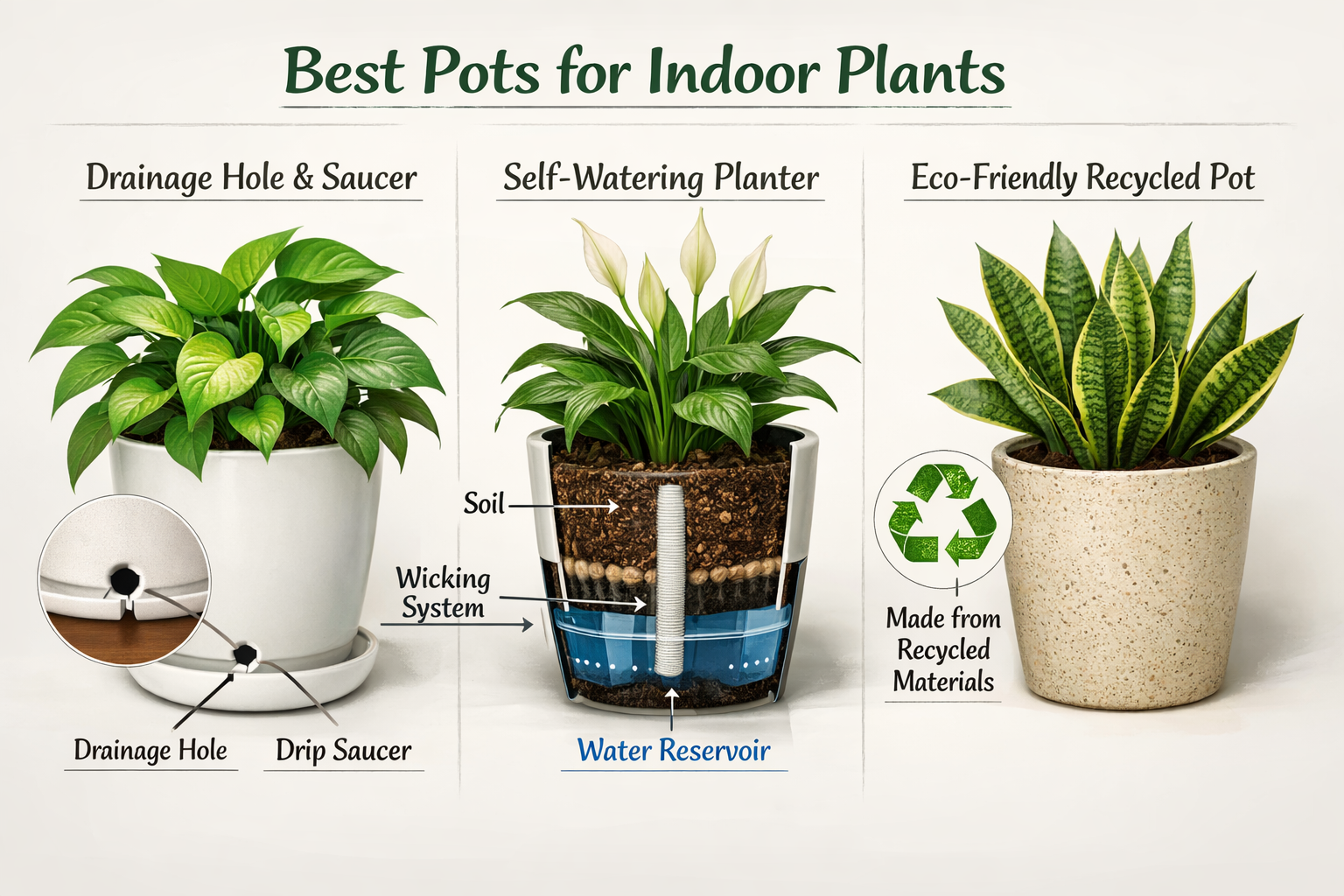
Proper drainage is unequivocally essential for indoor plants because it prevents waterlogging, which can quickly lead to root rot, nutrient deficiencies, and ultimately, plant death. Without adequate drainage, excess water accumulates at the bottom of the pot, suffocating the roots by depriving them of oxygen and creating an anaerobic environment where harmful bacteria and fungi thrive.
Beyond just preventing root rot, good drainage also ensures that stale water doesn’t sit and become a breeding ground for pests like fungus gnats. When I first started gardening, I learned the hard way that a beautiful pot without a drainage hole is a recipe for disaster. Even the most perfectly timed watering schedule can’t counteract the absence of an exit for surplus water. This is a fundamental concept covered in any beginner’s guide to plant care.
Key reasons why drainage is non-negotiable:
- Prevents Root Rot: This is the most common killer of indoor plants. Roots need oxygen to absorb water and nutrients; prolonged submersion in water deprives them of this vital element.
- Facilitates Nutrient Absorption: Roots in waterlogged soil cannot effectively take up nutrients, leading to stunted growth and yellowing leaves.
- Flushes Out Mineral Buildup: Regular watering with good drainage helps flush out salts and mineral deposits that can accumulate in the soil, which can burn roots over time.
- Supports Healthy Soil Aeration: Proper drainage allows air to circulate through the soil, which is crucial for beneficial microbial activity and root respiration.
Common Mistake: Placing a plant in a pot without drainage and relying solely on a layer of gravel at the bottom. This method is largely ineffective as water will still pool above the gravel, leading to the same issues as a pot without any drainage. Always opt for a pot with at least one drainage hole. If a decorative pot lacks drainage, use it as a cachepot, placing the plant (in its nursery pot with drainage) inside.
What Size Pot Should You Choose for Indoor Plants?
You should choose a pot size that is slightly larger than the plant’s current root system, typically 1-2 inches wider than the root ball or previous pot, to allow for growth without retaining excessive moisture. An appropriately sized pot provides enough space for roots to expand without overwhelming the plant with too much soil that stays wet for too long.
Selecting the correct pot size is a delicate balance. A pot that is too small will restrict root growth, causing the plant to become root-bound and hindering its ability to absorb water and nutrients. Conversely, a pot that is too large holds an excessive amount of soil, which retains more water than the plant can use, increasing the risk of overwatering and root rot. For instance, if you’re growing easy plants to grow in small spaces, a proportionally small pot is key.
Guidelines for Pot Sizing:
- When Repotting:
- For small plants (pots under 10 inches): Increase pot diameter by 1-2 inches.
- For larger plants (pots over 10 inches): Increase pot diameter by 2-4 inches.
- Signs a Plant Needs a Larger Pot:
- Roots are growing out of the drainage holes.
- The plant looks top-heavy and tips over easily.
- Water runs straight through the pot without soaking into the soil.
- Growth has slowed or stopped, despite proper care.
- The soil dries out very quickly after watering.
- Avoiding Oversized Pots:
- Too much soil takes longer to dry, increasing fungal issues.
- The plant’s energy may be directed towards root growth rather than foliage.
- Monitoring moisture levels becomes more challenging.
- Large Planter Sizes: For significant houseplants, large planter sizes typically range from 14″ to 22″ in diameter, providing ample space for mature root systems. Always ensure these larger pots still have adequate drainage holes.
| Pot Size (Previous) | Recommended New Pot Size (Diameter Increase) | Suitable Plant Types | Considerations |
|---|---|---|---|
| 4-6 inches | +1 inch | Small herbs, seedlings, small succulents | Dries quickly, easy to manage |
| 6-10 inches | +1-2 inches | Pothos, small Monsteras, ferns, most common houseplants | Good balance of moisture retention and aeration |
| 10-14 inches | +2-3 inches | Medium-sized Ficus, larger ZZ plants, Calatheas | Allows for moderate root expansion |
| 14-22 inches+ | +3-4 inches | Large Fiddle Leaf Figs, mature Monsteras, Birds of Paradise | Provides stability, requires more soil, heavier to move |
Quick Example: If your plant is currently in a 6-inch diameter pot, the ideal new pot size would be 7-8 inches. This gives the roots room to grow without submerging them in an excessive amount of slow-drying soil.
Are Self-Watering Pots a Good Choice for Indoor Plants?
Yes, self-watering pots are an excellent choice for many indoor plants, especially for busy individuals, frequent travelers, or those who struggle with consistent watering schedules. These innovative planters feature a built-in reservoir that slowly wicks water up to the plant’s roots, ensuring a steady supply of moisture and reducing the frequency of manual watering.
The convenience offered by self-watering systems can be a game-changer for maintaining plant health, particularly for plants that prefer consistently moist soil. My own experience has shown that they significantly reduce the stress of forgetting to water, a common issue for anyone with a busy lifestyle. They are especially beneficial for low maintenance plants as they further simplify care.
Benefits of Self-Watering Pots:
- Consistent Moisture: Plants receive a steady supply of water, preventing the extreme wet-dry cycles that can stress roots.
- Reduced Watering Frequency: You’ll fill the reservoir less often than you would manually water, saving time and effort.
- Prevents Overwatering/Underwatering: The plant takes only what it needs, minimizing the risk of both common watering mistakes.
- Ideal for Specific Plants: Excellent for moisture-loving plants like ferns, peace lilies, and African violets.
- Travel-Friendly: Provides peace of mind when you’re away from home for a few days or weeks.
Considerations:
- Not for All Plants: Drought-tolerant plants like succulents and cacti generally do not thrive in consistently moist conditions, making self-watering pots unsuitable for them.
- Initial Setup: Requires careful initial setup to ensure the wicking system works correctly and roots begin to grow towards the water source.
- Root Aeration: Ensure the design allows for adequate root aeration, as constant moisture without oxygen can still lead to issues.
- Cleaning: Reservoirs need occasional cleaning to prevent algae or mineral buildup.
Decision Rule: Consider a self-watering pot if you have plants that prefer consistent moisture, tend to forget to water, or frequently travel. Avoid them for plants that thrive in dry conditions. Models like the Jewel Self-Watering Planter combine functionality with aesthetics, making them a popular choice in 2026.
How Do Aesthetics and Design Trends Influence Pot Selection in 2026?
Aesthetics and design trends significantly influence pot selection in 2026, with current styles leaning towards warm earth tones, organic shapes, and minimalist Scandinavian designs that complement modern interiors. Beyond their functional purpose, pots are integral decorative elements that contribute to the overall ambiance and style of a living space.
The visual impact of a pot can elevate a plant from a simple green accent to a sculptural focal point. In 2026, designers and homeowners are increasingly viewing planters as extensions of their interior design, carefully selecting them to match existing decor or to introduce specific stylistic notes. This makes them a key part of small space gardening where every element counts.
Key Aesthetic and Design Trends for 2026:
- Warm Earth Tones: Terracotta colors, muted browns, beiges, and soft greens are highly popular, creating a natural and calming atmosphere. These tones work well with both vibrant foliage and subtle, neutral interiors.
- Organic Shapes: Irregular, handcrafted-looking forms and soft curves are favored over sharp angles, bringing a sense of fluidity and natural artistry to indoor spaces.
- Minimalist Scandinavian Design: Clean lines, simple forms, and neutral color palettes (white, grey, black, natural wood) continue to dominate, offering timeless elegance and functionality.
- Textural Richness: Pots with visible textures—like matte finishes, subtle ridging, or the natural grain of unglazed clay—add depth and interest.
- Sculptural Elements: Some designer pots are crafted as standalone art pieces, so interesting they can be displayed empty. These often feature unique animal or abstract forms, serving as dual-purpose decor items.
- Integrated Stands: Pots with built-in or matching stands are common, elevating plants to create visual height and definition within a room, enhancing their presence.
- Compact & Vertical Solutions: For apartment dwellers or those with limited space, slim cylindrical shapes and hanging vertical options (like Make Good PlantPod Luxe sets) are trending, maximizing vertical real estate and offering innovative ways to display plants. This is crucial for best pots for small space gardening in 2026.
Considerations for Aesthetic Selection:
- Home Decor Harmony: Choose pots that match or thoughtfully contrast with your existing furniture, wall colors, and overall design scheme.
- Plant-Pot Pairing: Consider the plant’s size, leaf texture, and color when selecting a pot. A vibrant plant might pop in a neutral pot, while a minimalist plant could shine in a sculptural piece.
- Light and Space: Lighter colored pots can brighten a dim corner, while darker pots might anchor a larger space.
Quick Example: A Fiddle Leaf Fig in a large, textured fiber cement pot with a minimalist design fits perfectly into a modern, Scandinavian-inspired living room, while a collection of succulents in small, organic-shaped terracotta pots adds warmth to a bohemian-style shelf.
What Are the Eco-Friendly Options for Indoor Plant Pots?
Eco-friendly options for indoor plant pots in 2026 include those made from recycled plastic, sustainable fiber cement, and biodegradable plant-based materials, offering sustainable choices for environmentally conscious gardeners. These alternatives reduce reliance on virgin resources, minimize waste, and often have a lower carbon footprint compared to traditional pottery.
As consumers become more aware of their environmental impact, the demand for sustainable gardening products, including pots, has risen significantly. Choosing eco-friendly pots aligns with broader efforts to promote sustainability in everyday living. It’s a small but impactful way to contribute to a healthier planet while still enjoying the benefits of indoor greenery.
Popular Eco-Friendly Pot Materials:
Recycled Plastic:
- Description: Pots made from post-consumer or post-industrial recycled plastics. Brands like West Elm offer stylish options in this category.
- Pros: Lightweight, durable, often shatter-resistant, and excellent at retaining moisture. Diverts plastic from landfills.
- Cons: Visual appeal can sometimes be less premium than natural materials, though designs are constantly improving.
- Best for: General houseplants, outdoor use (due to durability), and gardeners prioritizing sustainability and affordability.
Fiber Cement:
- Description: A composite material typically made from cement, sand, and cellulose fibers. Some manufacturers incorporate recycled content.
- Pros: Lighter than solid concrete but still very durable and stable. Offers a modern, industrial aesthetic.
- Cons: Can still be heavy for very large sizes, and prices can be higher than plastic.
- Best for: Larger plants, contemporary design schemes, and those seeking a sturdy, long-lasting, and often partially recycled option.
Biodegradable Plant-Based Materials:
- Description: Pots made from renewable resources like bamboo fiber, rice hulls, or corn starch-based bioplastics. Examples include products from Rosebud Home Goods.
- Pros: Environmentally friendly, as they break down naturally over time (though typically after many years of use indoors). Often lightweight.
- Cons: Durability can vary, and they may not be suitable for long-term outdoor exposure.
- Best for: Seedlings, temporary planting, and gardeners committed to fully compostable solutions for their indoor plants.
Terracotta (Sustainably Sourced):
- Description: While not “recycled,” sustainably sourced terracotta is a natural, widely available material. Look for brands that ensure ethical clay extraction and production practices.
- Pros: Natural, porous, and helps prevent overwatering. Biodegradable if broken down.
- Cons: Production can be energy-intensive depending on kilning methods.
- Best for: Succulents, cacti, and those who prefer natural, breathable materials with minimal processing.
Quick Tip: When purchasing, look for labels indicating recycled content percentages or certifications for sustainable sourcing. This helps verify the eco-friendly claims of the product.
Conclusion
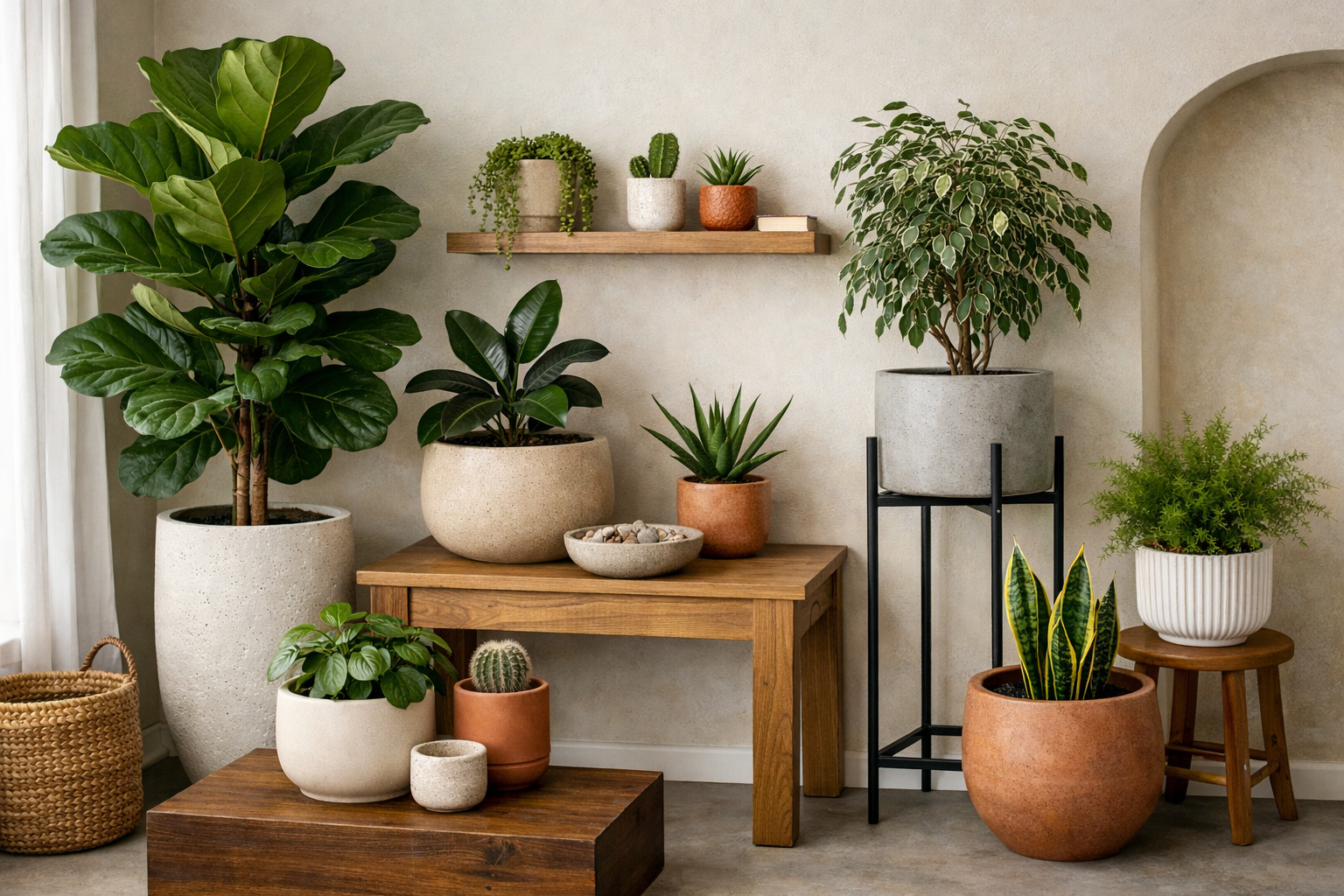
Choosing the best pots for indoor plants is a foundational step toward cultivating a thriving and aesthetically pleasing indoor garden. The ideal pot goes beyond mere decoration; it actively supports your plant’s health by managing moisture, facilitating root aeration, and accommodating growth. As we’ve explored, factors such as material (terracotta for dry-lovers, ceramic/plastic for moisture-lovers), the absolute necessity of drainage, and proper sizing are paramount. Additionally, innovations like self-watering systems offer convenience, while a growing array of eco-friendly options allow you to garden responsibly. In 2026, design trends favoring warm earth tones, organic shapes, and minimalist aesthetics mean you don’t have to sacrifice style for functionality.
To ensure your indoor plants flourish:
- Assess Your Plant’s Needs: Understand its watering preferences before choosing a pot material.
- Prioritize Drainage: Always select pots with drainage holes to prevent root rot.
- Size Correctly: Choose a pot that offers room for growth (1-4 inches larger) but isn’t excessively large.
- Consider Your Lifestyle: Opt for self-watering pots if your schedule is inconsistent or you travel frequently.
- Match Your Aesthetic: Select pots that complement your home decor and embrace current design trends.
- Explore Sustainable Options: Look into recycled plastic, fiber cement, or biodegradable pots for an eco-conscious choice.
By carefully considering these elements, you’ll be well-equipped to select pots that not only enhance the beauty of your home but also provide the optimal environment for your beloved indoor plants to thrive for years to come.
Related Reading
- Beginner’s Guide to Plant Care 2026: Grow Thriving Plants
- How Often Should You Water Plants? Ultimate Guide 2026
- Best Pots for Small Space Gardening in 2026 – Maximize Your
- Indoor Gardening for Small Homes & Apartments: 2026 Guide
- Soil Basics for Container Gardening: 2026 Expert Guide
FAQ
Q1: Do all indoor plant pots need drainage holes?
A1: Yes, virtually all indoor plant pots need drainage holes to prevent waterlogging and root rot, ensuring excess water can escape. If a decorative pot lacks drainage, use it as a cachepot with your plant in a nursery pot inside.
Q2: What’s the best pot material for succulents?
A2: Terracotta (unglazed clay) is the best pot material for succulents because its porous nature allows the soil to dry out quickly, preventing overwatering which succulents are very susceptible to.
Q3: How do I know when to repot my indoor plant?
A3: Repot your indoor plant when roots are growing out of drainage holes, the plant becomes top-heavy, water quickly runs through the soil, or growth has significantly slowed.
Q4: Are plastic pots bad for indoor plants?
A4: No, plastic pots are not inherently bad for indoor plants. They are lightweight, inexpensive, retain moisture well, and are suitable for many moisture-loving plants. Ensure they have drainage holes.
Q5: Can I use outdoor pots for indoor plants?
A5: Yes, you can use outdoor pots for indoor plants, provided they have drainage holes and are cleaned thoroughly. Be mindful that some outdoor materials (like heavy concrete) may be very heavy indoors.
Q6: What is a self-watering pot, and who benefits from it?
A6: A self-watering pot has a built-in water reservoir that wicks moisture up to the plant as needed. It benefits busy individuals, frequent travelers, or those with plants that require consistently moist soil.
Q7: What’s the difference between a cachepot and a planter?
A7: A cachepot is a decorative outer pot that holds an inner nursery pot (which has drainage holes). A planter (or traditional pot) is designed to hold soil and plant directly and should always have drainage holes.
Q8: Should my pot match my decor?
A8: While not essential for plant health, choosing pots that complement your decor enhances your home’s aesthetic. Current trends for 2026 favor warm earth tones, organic shapes, and minimalist designs.
Q9: How much should I spend on an indoor plant pot?
A9: Pot prices vary widely, from around $25 for basic options to over $88 for premium ceramic or designer pieces. Your budget should balance functionality, material quality, and aesthetic appeal.
Q10: Are there any eco-friendly pot options?
A10: Yes, eco-friendly options include pots made from recycled plastic, sustainable fiber cement, and biodegradable plant-based materials like bamboo fiber or rice hulls.
Q11: Can a pot be too large for a plant?
A11: Yes, a pot can be too large for a plant. An oversized pot holds too much soil, which retains excessive moisture and can lead to overwatering, root rot, and stunted growth because the soil takes longer to dry out.
Q12: Why do some pots have no drainage holes?
A12: Pots without drainage holes are typically designed to be cachepots (decorative covers) or for specific uses like creating a terrarium. They are generally not recommended for direct planting of most indoor plants due to the risk of root rot.
Sources
- Modern Interior Design Trends 2026: Planter & Pot Selection. (2025). Decor & Style Magazine.
- The Spruce. (2025). Best Indoor Planters.
- Architectural Digest. (2025). The Best Indoor Planters to Elevate Your Greenery.