Best Plants for Small Space Gardens (Complete List)
Ever dreamed of a bountiful garden but felt constrained by a tiny balcony, a small patio, or even just a sunny windowsill? You’re not alone! Many aspiring gardeners face the challenge of limited space, but the good news is that a small footprint doesn’t have to mean small aspirations. With the right plant choices and smart cultivation techniques, you can transform even the most compact areas into thriving green havens. This complete list of the best plants for small space gardens in 2026 will empower you to create a beautiful, productive, and enjoyable outdoor (or indoor) oasis, regardless of size.
Key Takeaways
- Choose “patio” varieties of fruits, vegetables, and dwarf trees specifically bred for compact growth.
- Prioritize plants with “cut-and-come-again” characteristics, allowing for multiple harvests.
- Incorporate vertical gardening solutions to maximize growing area in limited spaces.
- Select drought-tolerant and critter-proof plants to reduce maintenance and increase resilience.
- Opt for plants that offer multiple benefits, such as edibles that are also ornamental or pollinator attractors.
What Are the Best Edible Plants for Small Space Gardens?
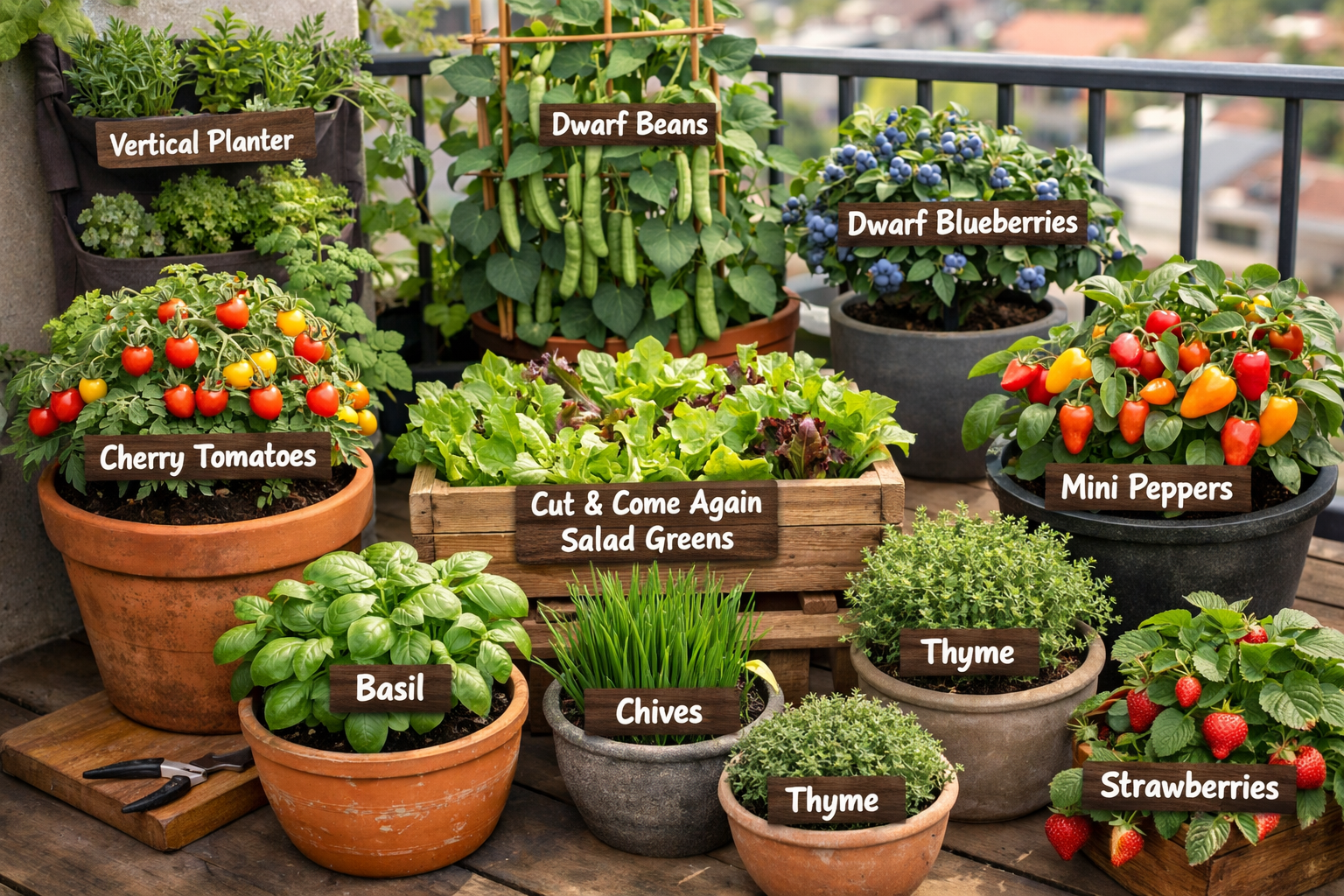
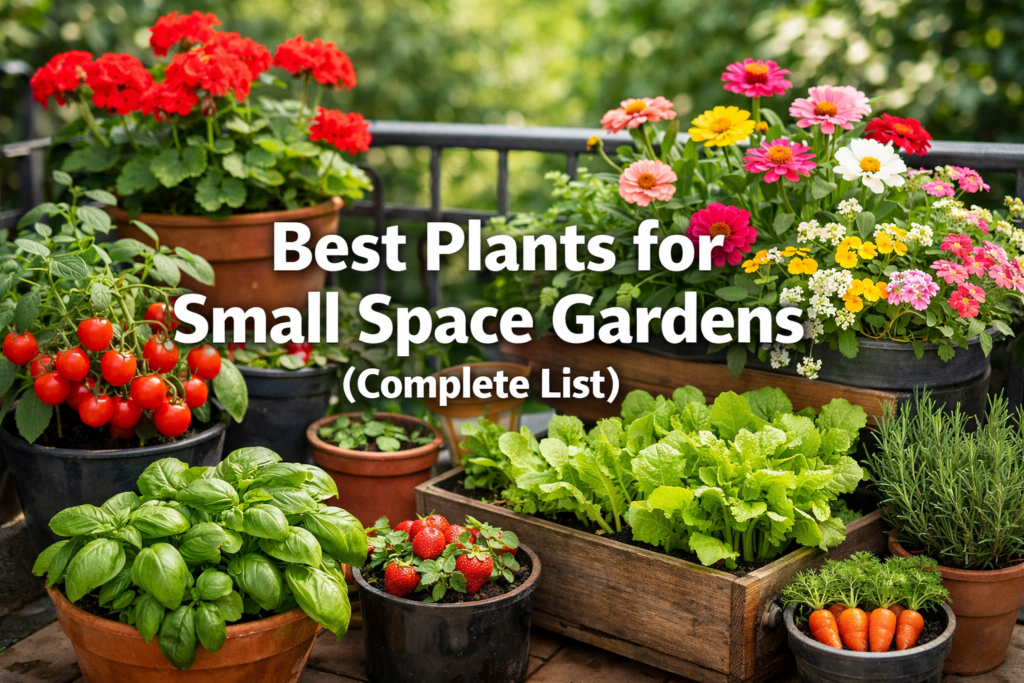
The best edible plants for small space gardens are compact, high-yielding varieties that thrive in containers and offer continuous harvests, making them ideal for balconies, patios, and windowsills. For 2026, “cut-and-come-again” salad leaves, chillies, and runner beans are top choices, alongside specially bred “patio” varieties of fruit trees and “bush” tomatoes designed for heavy cropping in limited containers [4].
When selecting edibles for a compact garden, consider the following:
- “Cut-and-Come-Again” Greens: These are a cornerstone for small edible gardens because they allow for repeated harvests from a single planting. Lettuce, spinach, kale, and arugula fall into this category. You snip off the outer leaves as needed, and the plant continues to produce new ones from the center. This maximizes your yield without requiring additional space.
- Dwarf and Bush Varieties: Many popular vegetables and fruits now come in compact versions specifically bred for container growing.
- Tomatoes: Look for “bush” or “patio” varieties like ‘Micro-Tom’ or ‘Patio Princess’. These stay small but produce an impressive amount of fruit [4].
- Peppers/Chillies: Bell peppers and various chilli varieties thrive in pots and offer continuous harvests.
- Beans: Runner beans can be grown vertically on a small trellis, while bush beans are self-supporting and compact.
- Squash/Cucumbers: Opt for bush varieties or compact vining types that can be trained upwards on a support.
- Herbs: Most herbs are excellent for small spaces, whether in individual pots, window boxes, or mixed containers. Basil, mint, parsley, chives, rosemary, and thyme are easy to grow and provide fresh flavors for cooking. Many herbs, like mint, are best grown in their own containers to prevent them from taking over the entire garden.
- Strawberries: Alpine or compact strawberry varieties are perfect for hanging baskets or tiered planters, yielding sweet fruit over an extended season.
- Dwarf Fruit Shrubs: Plants like the ‘Easy as Pie Bush Cherry’ and ‘DownHome Harvest Hello Darlin” are recommended for small gardens, offering both ornamental beauty and edible fruits [5]. These can serve as attractive focal points while providing a harvest.
Decision Rule: Choose compact, determinate varieties over sprawling, indeterminate ones. If you have limited sun exposure, prioritize leafy greens and herbs, which often tolerate partial shade better than fruiting plants.
Which Ornamental Plants Flourish in Small Containers and Gardens?
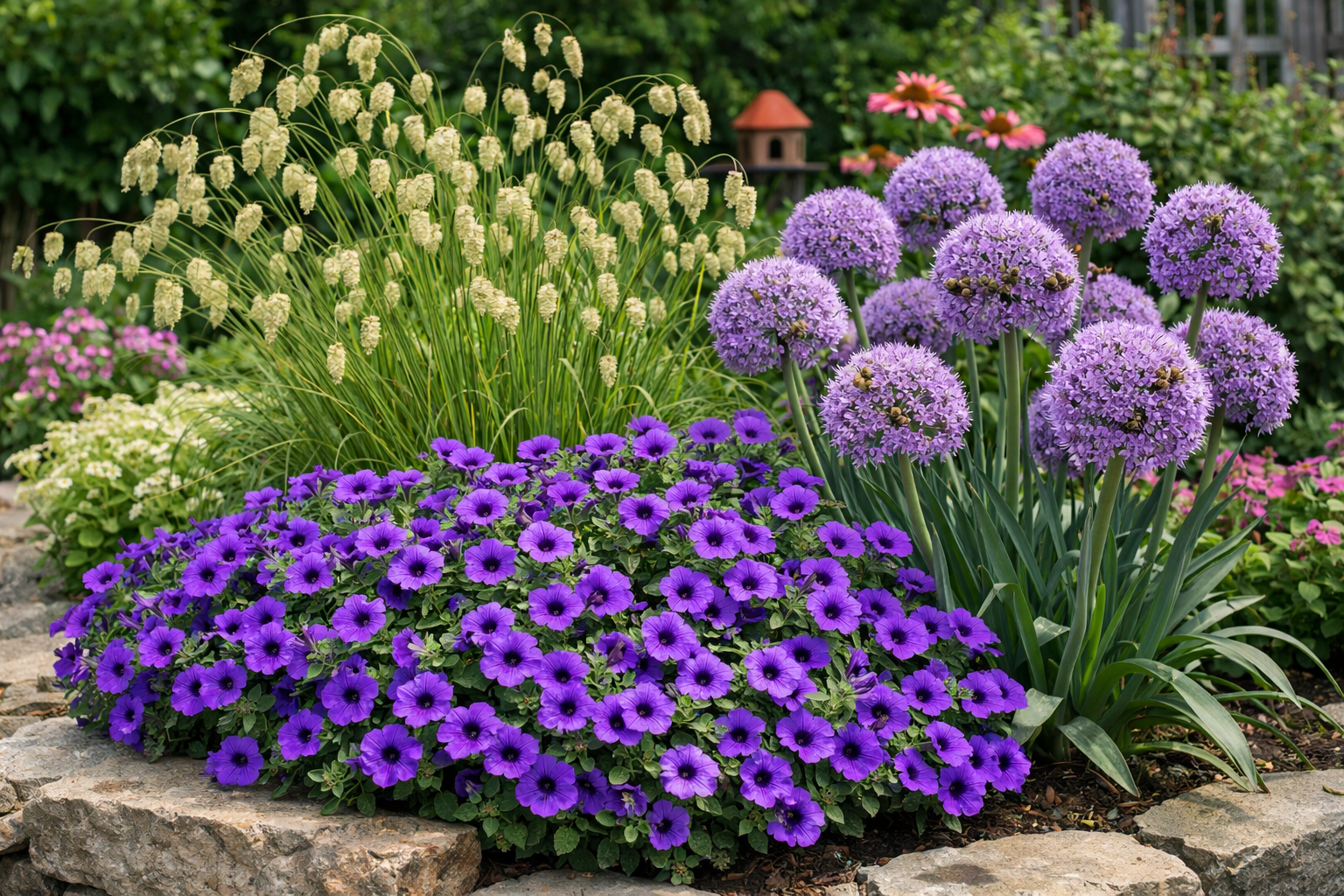
Ornamental plants that flourish in small containers and gardens are typically compact, have long blooming periods, or offer interesting foliage textures without becoming overgrown. A standout annual for 2026 is the Super Tunia Mini Vista Indigo, known for its dense flower coverage and minimal foliage, performing exceptionally well in containers [2].
Beyond vibrant annuals, consider these ornamentals for their suitability in confined spaces:
- Annuals for Continuous Color:
- Super Tunia Mini Vista Indigo: This petunia variety is a must-have for its prolific blooms that create a solid mass of color, effectively hiding its foliage. It’s perfect for cascading over the edges of pots or filling small beds [2].
- Marigolds, Impatiens, Begonias: These are reliable choices, offering continuous color from spring through fall, and many compact varieties are available.
- Grasses for Texture and Movement:
- Briza maxima (Greater Quaking Grass): Reaching only 45cm (18in) in height, this grass is drought-tolerant and adaptable to various soil types, adding delicate movement and texture to pots or small borders [1].
- Dwarf Fountain Grass (Pennisetum alopecuroides ‘Hameln’): A compact ornamental grass that provides fluffy seed heads and architectural interest.
- Perennials for Long-Term Beauty:
- Serendipity Allium: This critter-proof perennial is a magnet for pollinators, adding a touch of purple and spherical form to the garden [2]. Its resilience and attractiveness make it a great choice for low-maintenance small spaces.
- Dwarf Hostas: Ideal for shady spots, these offer beautiful foliage textures and come in numerous compact varieties.
- Heuchera (Coral Bells): Known for their striking foliage colors ranging from purple to lime green, Heucheras are excellent for containers and provide year-round interest.
- Climbing Plants: For vertical appeal, consider clematis (compact varieties), jasmine, or miniature roses trained on a small trellis or obelisk. These add height and fragrance without consuming much ground space.
- Helianthus annuus ‘ProCut Plum’: These sunflowers, reaching about 1.5m (5ft), are excellent for attracting pollinators and can be grown in large containers if provided full sun and regular feeding [1]. Their dramatic height can add a surprising vertical element to a small garden.
Common Mistake: Overcrowding pots with too many plants. While it’s tempting to pack in as much as possible, giving plants adequate space to grow ensures better air circulation, healthier growth, and a more aesthetically pleasing display. Aim for thoughtful arrangement rather than maximum density.
What Small Trees and Shrubs are Ideal for Compact Gardens?
Small trees and shrubs ideal for compact gardens are those with a naturally limited growth habit, attractive foliage or blooms, and often provide multi-seasonal interest without overwhelming the space. The Eastern Red Bud is a highly recommended small tree for 2026 gardens due to its spring floral display, while the Cinnamon Curls Birch offers unique bark and a manageable size [2, 3].
Choosing the right small trees and shrubs can add structure, height, and year-round interest to a small garden. Here are some top contenders:
- Small Trees:
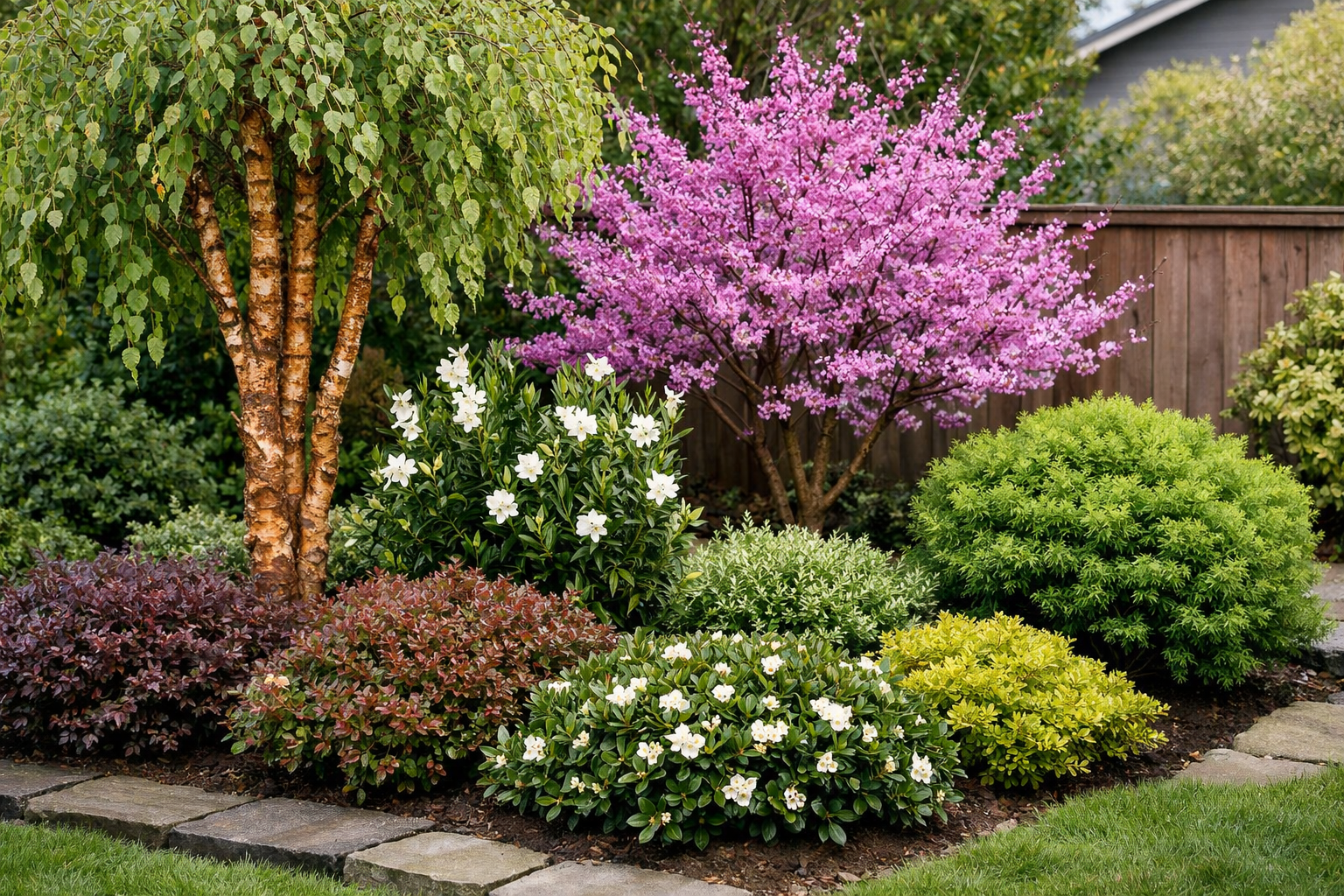
- Eastern Red Bud (Cercis canadensis): A popular choice for its stunning pink-purple flowers that emerge directly on the branches in early spring, often before the leaves. It provides a beautiful display and offers good fall color [2]. Many cultivars are available that remain relatively small.
- Cinnamon Curls Birch (Betula costata): This dwarf Korean birch grows to approximately 9 feet high and 9 feet wide, making it suitable for properties with limited space. Its exfoliating bark, which peels in curls, provides excellent winter interest [3].
- Japanese Maples (Acer palmatum varieties): Numerous dwarf and dissectum (cut-leaf) varieties offer exquisite foliage color and texture. They are perfect for containers or as focal points in small beds, often growing slowly to a manageable size.
- Dwarf Conifers: Many pines, spruces, and junipers have dwarf cultivars that provide evergreen structure and texture without growing too large. Look for varieties labeled ‘dwarf’ or ‘miniature’.
- Compact Shrubs: These shrubs are celebrated for being “small on space but big on beauty” [5].
- Diamond Spire Gardenia (Gardenia jasminoides ‘Diamond Spire’): Offers fragrant white flowers and glossy evergreen foliage, ideal for containers or small hedges [5].
- Low Scape Aronia (Aronia melanocarpa ‘Morton’): A hardy shrub with white flowers, edible dark berries, and brilliant fall color [5]. It’s adaptable and requires minimal maintenance.
- Touch of Gold Holly (Ilex crenata ‘Touch of Gold’): Provides evergreen structure with attractive gold-tipped foliage, excellent for year-round interest and defining small spaces [5].
- Autumn Bonfire Encore Azalea (Rhododendron ‘Autumn Bonfire’): Known for its reblooming capability, offering bursts of vibrant red flowers in spring, summer, and fall [5]. This makes it a long-lasting source of color.
- Green “Living Fences”: For defining boundaries or adding privacy in compact spaces, consider:
- Golden Oakland Holly
- Red Diamond Midsize Loropetalum
- Bayside Bonito Southern Wax Myrtle
- Little Gem Magnolia These provide dense evergreen foliage and can be pruned to maintain desired size and shape [5].
Edge Case: When choosing woody plants, always check the mature size of the specific cultivar, not just the species. A “small tree” can still grow too large for a truly tiny space if you select the wrong variety. Pay attention to height and spread at maturity. For more detailed insights into planning your green haven, explore our Ultimate Guide to Small Space Gardening for Beginners 2026.
How Can Vertical Gardening Maximize Space for the Best Plants for Small Space Gardens (Complete List)?
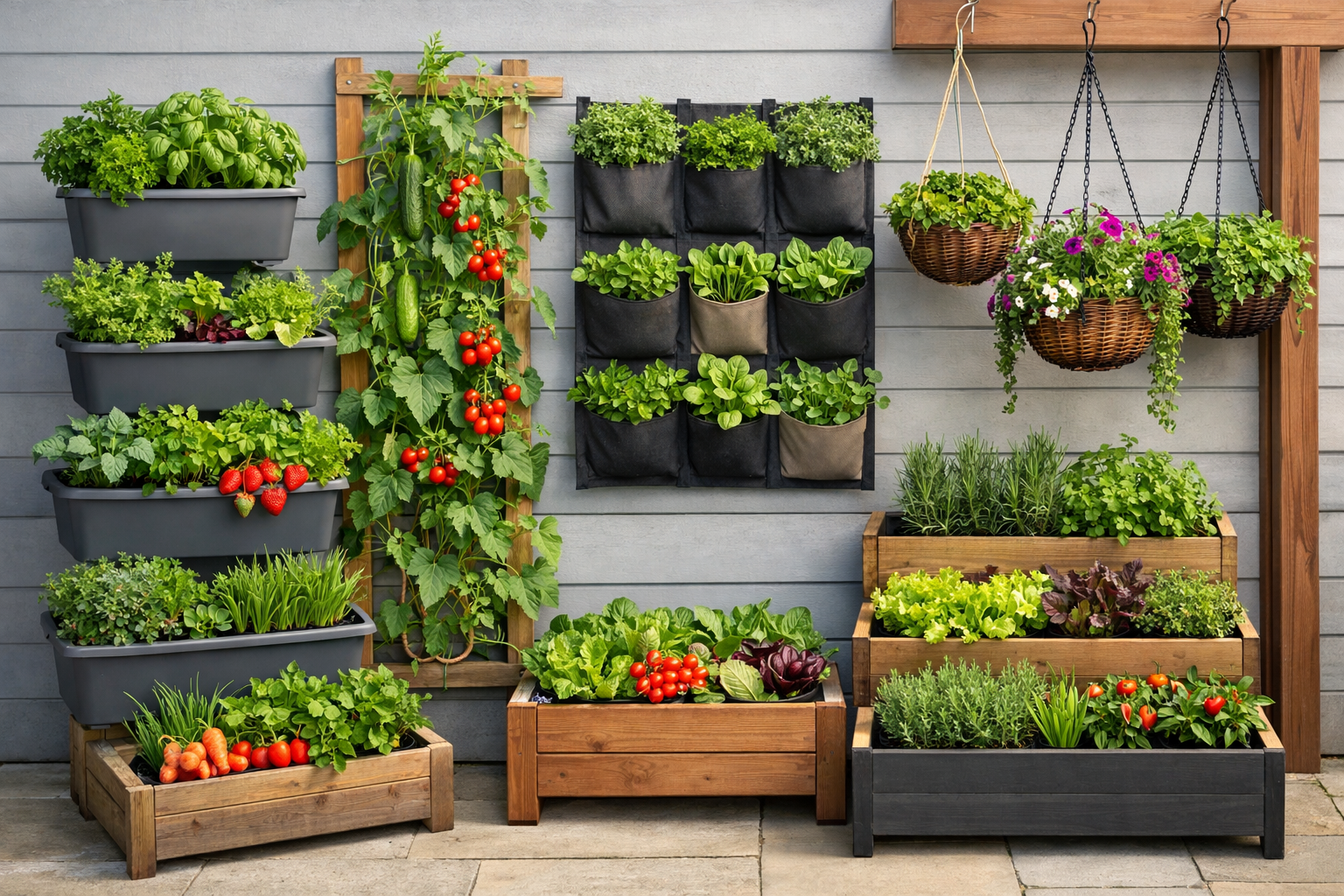
Vertical gardening is an indispensable strategy for maximizing growing space for the best plants for small space gardens, transforming walls, fences, and railings into productive areas. This method involves growing plants upwards rather than outwards, effectively increasing the planting density without requiring additional ground footprint.
Vertical gardening is not just a trend for 2026; it’s a practical necessity for many urban and suburban gardeners [4]. Here’s how to implement it effectively:
- Wall-Mounted Planters and Pocket Systems: These are among the most popular vertical solutions. Fabric pockets, often made from recycled materials, can be hung on walls and filled with soil and plants. Rigid wall-mounted planters come in various designs and can hold herbs, succulents, flowers, or leafy greens.
- Tiered Planters: These planters stack multiple levels of growing space on a single footprint. They are excellent for strawberries, herbs, or small annuals, allowing you to grow a diverse range of plants in a very compact area.
- Pallet Gardens: Repurposed wooden pallets can be stood upright and converted into multi-tiered planters. The slats create natural pockets for planting, ideal for herbs, small flowers, or shallow-rooted vegetables. Ensure pallets are heat-treated (HT stamp) rather than chemically treated.
- Trellises and Obelisks: For vining plants, trellises provide essential support and direct growth upwards. Runner beans, cucumbers, small squash, clematis, and climbing roses can all be trained to grow vertically, adding height and interest without taking up valuable ground space. An obelisk can be a beautiful focal point in a large pot, supporting multiple climbing plants.
- Hanging Baskets: While traditionally used for flowers, hanging baskets are fantastic for cascading edible plants like strawberries, cherry tomatoes (trailing varieties), or herbs. They free up surface space and add visual appeal at eye level.
- Ladder Shelves: A decorative ladder with shelves can hold multiple potted plants, creating a tiered display that maximizes vertical space. This is particularly useful for succulents, small herbs, or decorative items.
Pros and Cons of Vertical Gardening
| Aspect | Pros | Cons |
|---|---|---|
| Space Efficiency | Maximizes growing area in extremely limited footprints (balconies, walls). | Can be heavy once filled with soil and plants, requiring sturdy mounting or support. |
| Accessibility | Easier to reach and tend plants, reducing bending and kneeling. | Upper plants may cast shade on lower ones, requiring careful plant selection and placement. |
| Pest Control | Can reduce some ground-dwelling pests and diseases by elevating plants. | May require more frequent watering due to increased exposure to sun and wind, especially in fabric pockets. |
| Aesthetics | Creates visually interesting green walls and living art. | Initial setup costs for specialized vertical planters or structures can be higher than traditional pots. |
| Plant Versatility | Suitable for a wide range of plants, including edibles, ornamentals, and herbs. | Limited soil volume in many vertical systems means plants may need more frequent feeding and careful selection of compact types. |
By implementing vertical gardening techniques, even the tiniest patio can become a thriving garden. For more creative ideas, check out Mini Space Garden | Small Space Gardening Ideas – Simple & Smart Gardening Ideas for Small Spaces, Balconies & Apartments..
What are the Latest Trends for Best Plants for Small Space Gardens (Complete List) in 2026?
The latest trends for the best plants for small space gardens in 2026 emphasize resilience, multi-functionality, and ecological benefit, focusing on sustainable choices that thrive with minimal fuss. A key trend is the increased availability of “patio” varieties of fruit trees and “bush” tomatoes, specifically bred for heavy cropping in small containers [4]. Additionally, resilient, non-toxic groundcovers are gaining popularity, especially for pet-friendly and sustainable garden designs [7].
As we move through 2026, several key trends are shaping plant choices for compact spaces:
- “Patio” and Dwarf Varieties for Edibles: The demand for food security and homegrown produce continues to drive innovation in plant breeding. Expect to see even more compact, high-yielding varieties of fruits and vegetables, making it easier to grow your own food in limited spaces [4]. This includes dwarf citrus trees, mini bell peppers, and specialized berry bushes.
- Pollinator Magnets: With increasing awareness of declining pollinator populations, plants that attract bees, butterflies, and other beneficial insects are highly prized.
- Serendipity Allium is a fantastic example, being both critter-proof and a pollinator magnet [2].
- Helianthus annuus ‘ProCut Plum’ sunflowers also draw in pollinators and provide dramatic height [1].
- Other pollinator-friendly plants suitable for small spaces include lavenders, salvias, and coneflowers (compact varieties).
- Drought-Tolerant and Low-Maintenance Plants: As water conservation becomes more critical, plants that require less water and care are trending.
- Briza maxima (Greater Quaking Grass) is a prime example, being drought-tolerant and unfussy [1].
- Succulents and cacti continue to be popular for their resilience and sculptural forms, perfect for sunny, dry spots.
- Many native plants are naturally adapted to local climates and require less supplemental watering once established.
- Non-Toxic and Pet-Friendly Groundcovers: For those with furry friends, the safety of garden plants is paramount. Resilient, non-toxic groundcovers are a significant trend, providing attractive, low-maintenance green spaces that are safe for pets [7]. Examples include creeping thyme, Irish moss, and certain sedums. Always verify a plant’s toxicity to your specific pet before planting.
- Multi-functional Plants: Gardeners are seeking plants that offer more than one benefit. This includes:
- Edible Ornamentals: Such as the ‘Easy as Pie Bush Cherry’ or ‘DownHome Harvest Hello Darlin” fruit shrubs that provide both beauty and food [5].
- Plants with Winter Interest: Species like the Cinnamon Curls Birch with its exfoliating bark [3] or evergreen shrubs like the Touch of Gold Holly [5] ensure the garden remains attractive year-round, even in cold months.
- Biodiversity and Ecosystem Support: There’s a growing movement towards creating mini-ecosystems within small gardens. This involves choosing a diverse range of plants that support local wildlife, improve soil health, and contribute to overall environmental well-being. Even a small balcony garden can provide crucial habitat and food sources.
Quick Example: Instead of a single large tomato plant, a small space gardener in 2026 might choose three different “patio” bush tomato varieties, strategically placed in self-watering containers, alongside a hanging basket of ‘Super Tunia Mini Vista Indigo’ and a small trellis for dwarf runner beans, all interspersed with critter-proof ‘Serendipity Allium’ to attract pollinators [2, 4]. This approach maximizes yield, beauty, and ecological benefit within a minimal footprint.
How Do I Choose the Best Plants for My Specific Small Space Garden?
Choosing the best plants for your specific small space garden involves evaluating your unique growing conditions, personal preferences, and the amount of maintenance you are willing to provide. Start by assessing your available sunlight, soil type (if planting in-ground), and the microclimate of your space before selecting plants that match these criteria.
Here’s a step-by-step guide to making informed plant choices:
Assess Sunlight Exposure: This is the most crucial factor.
- Full Sun (6+ hours direct sunlight daily): Ideal for most vegetables (tomatoes, peppers, beans), fruiting shrubs, and many flowering annuals (petunias, marigolds).
- Partial Sun/Shade (3-6 hours direct sunlight, often morning sun): Suitable for leafy greens (lettuce, spinach, kale), most herbs, hostas, and impatiens.
- Full Shade (less than 3 hours direct sunlight): Limited options, but ferns, certain hostas, and some mosses can survive. Focus on foliage plants.
- Decision Rule: Do not try to force sun-loving plants into a shady spot or vice versa; it will lead to disappointment. Match the plant’s light requirements to your space.
Consider Space Constraints (Width, Depth, Height):
- Ground Space: How much actual floor area do you have for pots or a small bed? This dictates the number and size of containers.
- Vertical Space: Do you have walls, railings, or fences that can support vertical planters or trellises? Maximize height with climbers, hanging baskets, or tiered systems.
- Depth: Some plants need deep roots (e.g., carrots, large tomatoes), while others are shallow-rooted (e.g., salad greens, herbs). Choose appropriate container sizes.
Evaluate Water and Maintenance Needs:
- Your Availability: How often are you able to water and care for your plants? If you travel frequently or have a busy schedule, opt for drought-tolerant or low-maintenance plants like succulents, ornamental grasses (Briza maxima [1]), or self-watering planters.
- Plant Needs: Some plants are “thirsty” and need daily watering in containers, especially in hot weather (e.g., many annual flowers, fruiting vegetables). Others, like many herbs or resilient shrubs (Low Scape Aronia [5]), are more forgiving.
Define Your Gardening Goals:
- Edibles Only? Focus on high-yield, compact vegetables and herbs.
- Ornamental Beauty? Prioritize long-blooming flowers, interesting foliage, or architectural shrubs (e.g., Super Tunia Mini Vista Indigo [2], Diamond Spire Gardenia [5]).
- Mixed Use? Combine edibles with ornamentals for a vibrant, productive space (e.g., nasturtiums are edible flowers; dwarf fruit shrubs are beautiful and bear fruit).
- Pollinator Garden? Choose plants known to attract beneficial insects (e.g., Serendipity Allium [2], Helianthus annuus ‘ProCut Plum’ [1]).
- Pet-Friendly? Strictly research plant toxicity and choose non-toxic options, especially for groundcovers [7].
Consider Your Climate Zone: While this article focuses on compact plant choices, understanding your USDA hardiness zone or local climate is essential for choosing perennials, trees, and shrubs that will survive winter in your region. Annuals are less climate-dependent as they complete their life cycle in one season.
Checklist for Choosing Plants
- Sunlight: Does the plant match my available light?
- Mature Size: Will it fit the space without overcrowding?
- Water Needs: Can I realistically meet its watering requirements?
- Maintenance: How much pruning, fertilizing, or pest control will it need?
- Purpose: Does it meet my goal (food, beauty, pollinators, privacy)?
- Toxicity: Is it safe for pets and children if applicable?
- Seasonal Interest: Does it offer interest beyond a single bloom period?
By systematically addressing these points, you can curate a successful and enjoyable small space garden tailored precisely to your conditions and desires.
FAQ
Q1: Can I grow fruit trees in small containers? A1: Yes, many dwarf and “patio” varieties of fruit trees are specifically bred for container growing, allowing you to enjoy fresh fruit even in small spaces [4].
Q2: What are “cut-and-come-again” plants? A2: “Cut-and-come-again” plants are those from which you can harvest outer leaves or portions repeatedly, and the plant will continue to produce new growth, maximizing yield from a single plant. Salad greens are a prime example [4].
Q3: Are there any critter-proof plants for small gardens? A3: Yes, some plants, like Serendipity Allium, are noted as being critter-proof, deterring pests while still attracting beneficial pollinators [2].
Q4: How important is container size for small space gardening? A4: Container size is critical; it must be large enough to accommodate the plant’s mature root system and provide sufficient soil volume for moisture and nutrients. Too small a pot will stunt growth and require frequent watering.
Q5: What are good options for vertical gardening in 2026? A5: For 2026, excellent vertical gardening options include wall-mounted fabric pockets, tiered planters, repurposed pallet gardens, and traditional trellises for vining plants like runner beans or compact cucumbers.
Q6: Can small trees provide privacy? A6: Yes, certain small trees and shrubs, such as Golden Oakland Holly or Little Gem Magnolia, can be strategically planted to create green “living fences” or screens, offering privacy in compact spaces [5].
Q7: Which plants attract pollinators in a small garden? A7: Serendipity Allium and Helianthus annuus ‘ProCut Plum’ sunflowers are excellent choices for attracting pollinators to small gardens [1, 2]. Many herbs and compact flowering annuals also serve this purpose.
Q8: Are there drought-tolerant plants suitable for small spaces? A8: Absolutely. Briza maxima (Greater Quaking Grass) is a good example of a drought-tolerant plant suitable for containers, requiring less frequent watering [1]. Succulents, sedums, and many Mediterranean herbs are also low-water options.
Q9: What are some pet-friendly groundcover options for small spaces? A9: For 2026, resilient, non-toxic groundcovers are trending for pet-friendly designs [7]. Examples include creeping thyme, Irish moss, and certain sedums, but always verify species-specific toxicity for your pet.
Q10: How can I ensure my small garden has year-round interest? A10: To ensure year-round interest, select plants with multi-seasonal appeal, such as evergreen shrubs (Touch of Gold Holly [5]), trees with attractive bark (Cinnamon Curls Birch [3]), and reblooming shrubs (Autumn Bonfire Encore Azalea [5]).
Q11: What is a “patio” variety of plant? A11: A “patio” variety is a cultivar specifically bred to remain compact, produce fruit or flowers prolifically in smaller containers, and generally have a tidier growth habit suitable for limited spaces like patios or balconies [4].
Q12: Where can I find specialized seeds for trending plants? A12: Many specialized seeds, such as those for Cephalaria gigantea (Caucasian thistle) which reaches 80 inches but attracts honeybees, are available from specialty seed suppliers like Ferri Seeds [1].
Key Takeaways
- Strategic Plant Selection is Key: Choose dwarf, compact, or “patio” varieties of fruits, vegetables, trees, and shrubs specifically bred for small spaces to avoid overcrowding and ensure success.
- Maximize Yield with “Cut-and-Come-Again”: Prioritize leafy greens and herbs that allow for multiple harvests from a single plant, significantly boosting productivity in limited areas.
- Embrace Vertical Gardening: Utilize walls, railings, and overhead space with trellises, hanging baskets, and tiered planters to expand your growing area upwards, not outwards.
- Focus on Resilience and Low Maintenance: Select drought-tolerant, critter-proof, and disease-resistant plants to reduce ongoing care and ensure a healthier, more sustainable garden.
- Integrate Multi-functional Plants: Opt for plants that offer multiple benefits—edibles that are also ornamental, pollinator attractors, or provide seasonal interest beyond just blooms.
- Consider Ecological Impact: In 2026, trends lean towards choosing plants that support local pollinators and contribute to biodiversity, even in a small footprint.
- Assess Your Microclimate: Tailor plant choices to your specific sunlight conditions (full sun, partial shade, shade) and local climate zone for optimal growth.
- Safety First for Pets: If you have animals, prioritize non-toxic plants and groundcovers to create a safe and enjoyable garden environment [7].
Conclusion
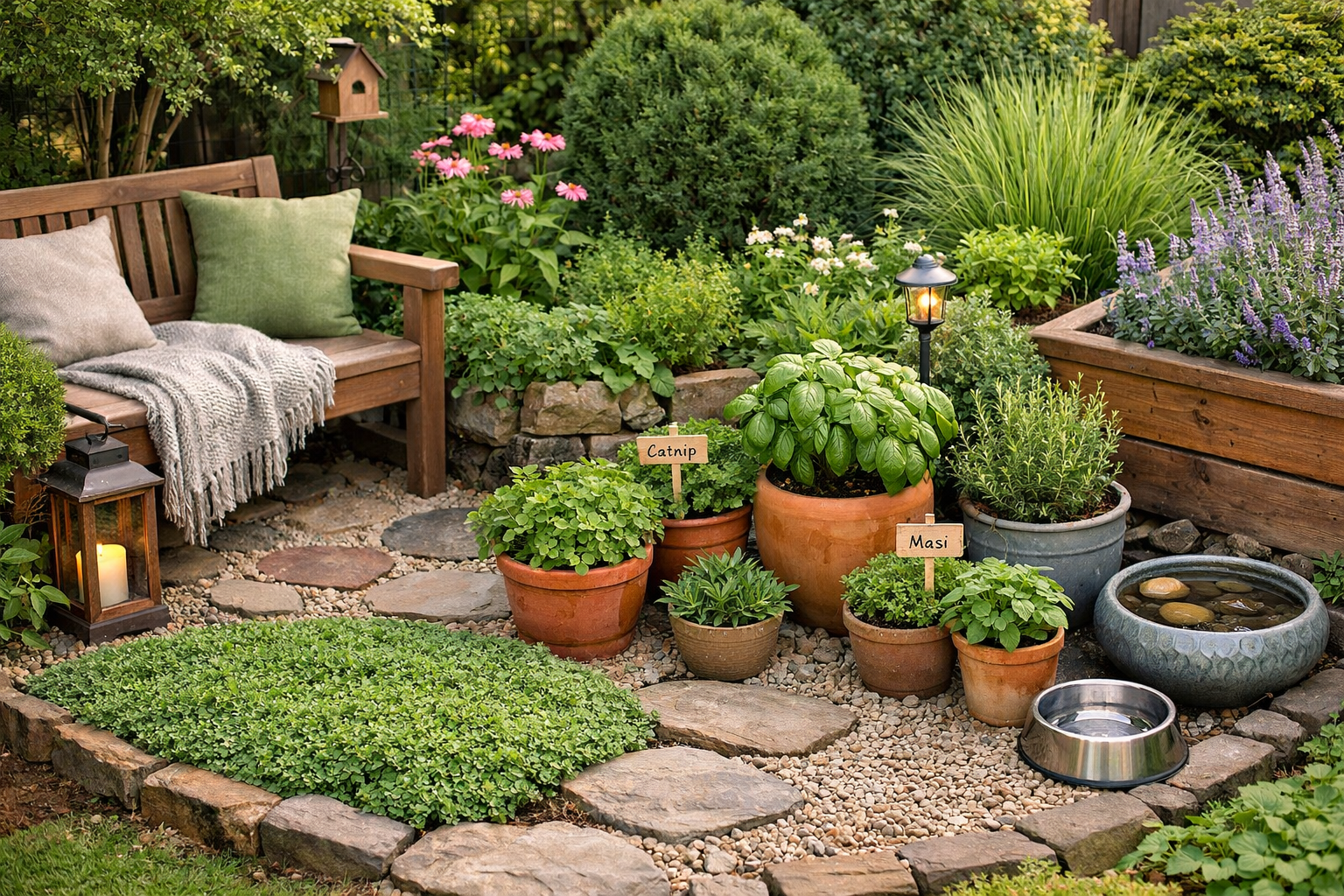
Creating a vibrant and productive garden, regardless of size, is entirely achievable in 2026 with thoughtful planning and the right plant selections. By focusing on compact varieties, embracing vertical solutions, and choosing resilient, multi-functional plants, you can transform even the smallest balcony or patio into a thriving green oasis. From “cut-and-come-again” edibles to pollinator-attracting ornamentals and structural dwarf trees, the complete list of best plants for small space gardens outlined here provides a robust foundation for your gardening success.
Now is the perfect time to assess your space, determine your gardening goals, and start curating your ideal collection of plants. Don’t let limited square footage limit your gardening dreams—instead, let it inspire creativity and efficiency. Take the actionable next step by drawing a simple sketch of your small space, noting sunlight patterns throughout the day, and then begin matching your preferred plants from this guide to those ideal locations. Happy gardening!
References
[1] Plants I Predict Will Be Trending In 2026 – https://www.homesandgardens.com/gardens/plants-i-predict-will-be-trending-in-2026 [2] Watch – https://www.youtube.com/watch?v=ujR6mHtp76M [3] Watch – https://www.youtube.com/watch?v=-qfff0kzpK0 [4] Small Garden Design Ideas 2026 Trends Layouts Plans – https://gardenornaments.com/blog/Small-Garden-Design-Ideas-2026-Trends-Layouts-Plans/ [5] Garden Trends 2026 – https://www.countryliving.com/gardening/garden-ideas/a70160525/garden-trends-2026/ [6] Watch – https://www.youtube.com/watch?v=eyB2d23_QPg [7] 2026 Garden Trends – https://southernlivingplants.com/plan-your-garden/2026-garden-trends/ [8] Garden Ideas – https://www.thecoolist.com/garden-ideas/