Best Plants for Indian Climate
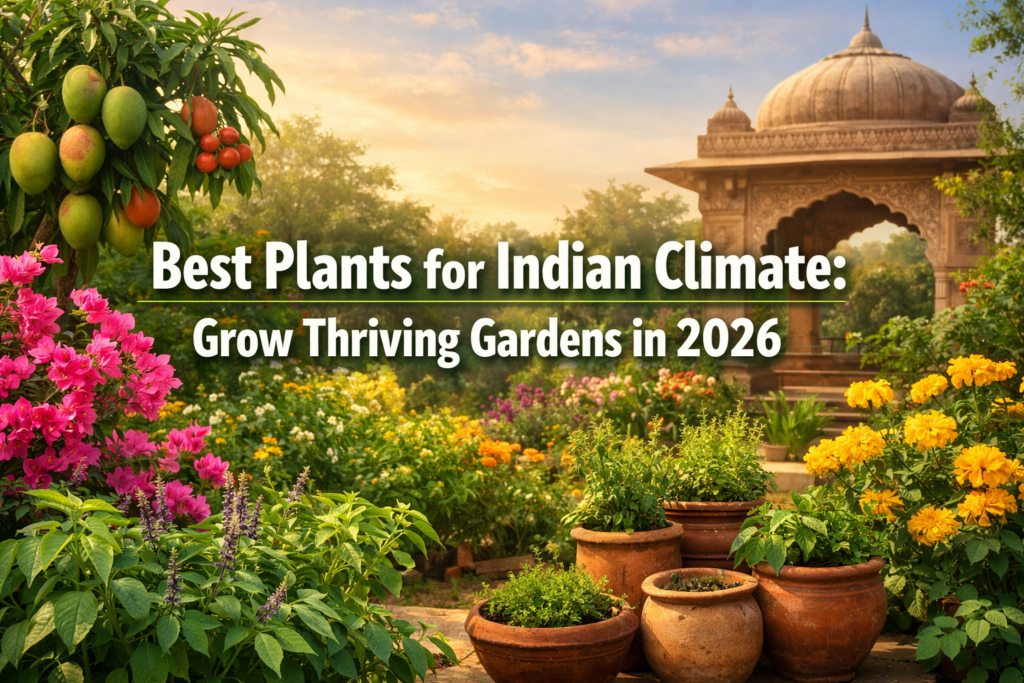
Quick Answer: The best plants for the Indian climate are those that are well-adapted to its diverse range of temperatures, humidity levels, and monsoon patterns, including robust flowering plants like hibiscus and bougainvillea, and resilient edibles such as curry leaf and okra. Selecting plants that thrive in specific regional conditions—tropical, arid, temperate, or coastal—is crucial for a successful garden in 2026.
Key Takeaways:
- Indian climate varies significantly, requiring plant selection tailored to specific regional conditions (tropical, arid, temperate, coastal).
- Heat and drought-tolerant varieties are essential for many parts of India, especially during long dry seasons.
- Monsoon-adapted plants can handle heavy rainfall and high humidity without succumbing to root rot or fungal diseases.
- Native Indian plants are often the easiest to grow as they are naturally suited to local conditions and pests.
- Edible plants like curry leaf, chili, and various gourds thrive in the Indian climate, offering fresh produce for home gardeners.
- Consider sunlight exposure, soil type, and watering needs when choosing the best plants for your Indian garden.
- For small spaces like balconies, opt for compact, high-yielding varieties or vertical gardening solutions.
- Embrace sustainable practices like composting and rainwater harvesting to support plant health and conserve resources.
What Are the Best Flowering Plants for Indian Climate?
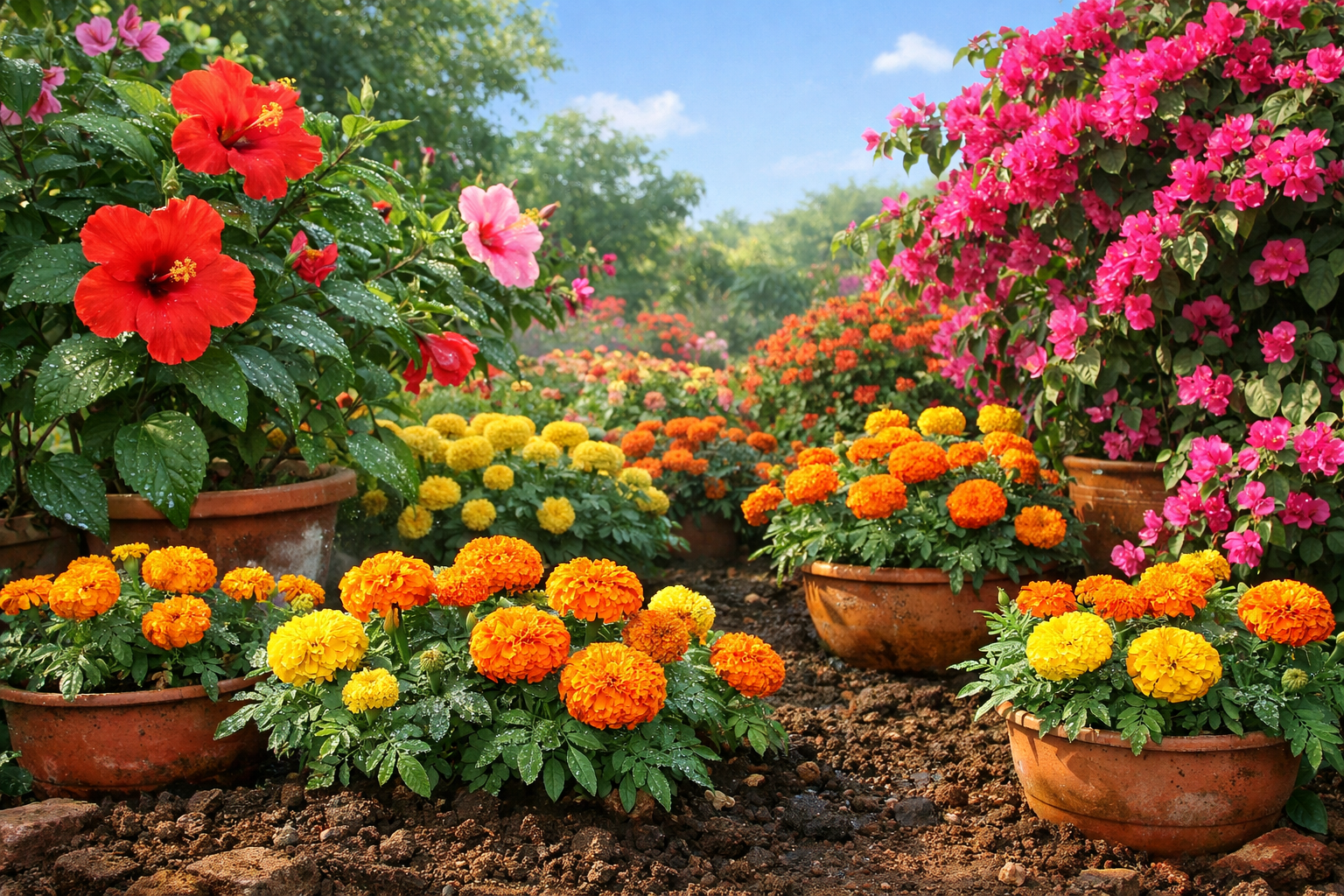
The best flowering plants for the Indian climate are typically hardy, heat-loving species that can withstand intense sun and varied monsoon patterns, bringing vibrant color and life to any garden. These plants are often low-maintenance and resistant to common pests, making them ideal for gardeners across the subcontinent.
Here are some top choices for flowering plants that thrive in India:
- Hibiscus (Gudhal): 🌺 A quintessential Indian flower, hibiscus varieties are incredibly resilient. They bloom almost year-round in tropical and subtropical regions, offering large, colorful flowers in shades of red, pink, yellow, and white. They prefer full sun and well-drained soil. Regular pruning helps maintain their shape and promotes more blooms.
- Bougainvillea: Known for its spectacular, papery bracts that come in brilliant hues of magenta, red, orange, and white, bougainvillea is exceptionally drought-tolerant once established. It thrives in full sun and poor soil, making it perfect for arid and semi-arid regions. It’s an excellent choice for balcony privacy with plants.
- Marigold (Genda): These cheerful yellow and orange flowers are a staple in Indian gardens and festivals. Marigolds are easy to grow from seed, tolerate various soil conditions, and bloom profusely in warm weather. They also act as natural pest deterrents for other plants.
- Jasmine (Mogra/Chameli): Highly prized for its intoxicating fragrance, various jasmine species flourish in India. Mogra (Arabian Jasmine) is particularly popular for its continuous white blooms and strong scent. It requires ample sunlight and regular watering, especially during flowering seasons.
- Periwinkle (Sadabahar): As its name suggests (“ever-blooming”), periwinkle provides continuous flowers in pink, white, and purple throughout the year. It’s incredibly hardy, low-maintenance, and thrives in full sun to partial shade, making it a favorite for ground cover or borders.
- Ixora: This tropical shrub produces dense clusters of small, star-shaped flowers in red, orange, yellow, and pink. Ixora loves warm, humid conditions and partial shade, making it a great choice for areas that receive morning sun and afternoon shade.
Decision Rule: Choose hibiscus or bougainvillea if you want robust, year-round blooms with minimal fuss in full sun. Opt for jasmine or ixora if fragrance or a slightly shadier spot is a priority.
Which Edible Plants Grow Best in the Indian Climate?
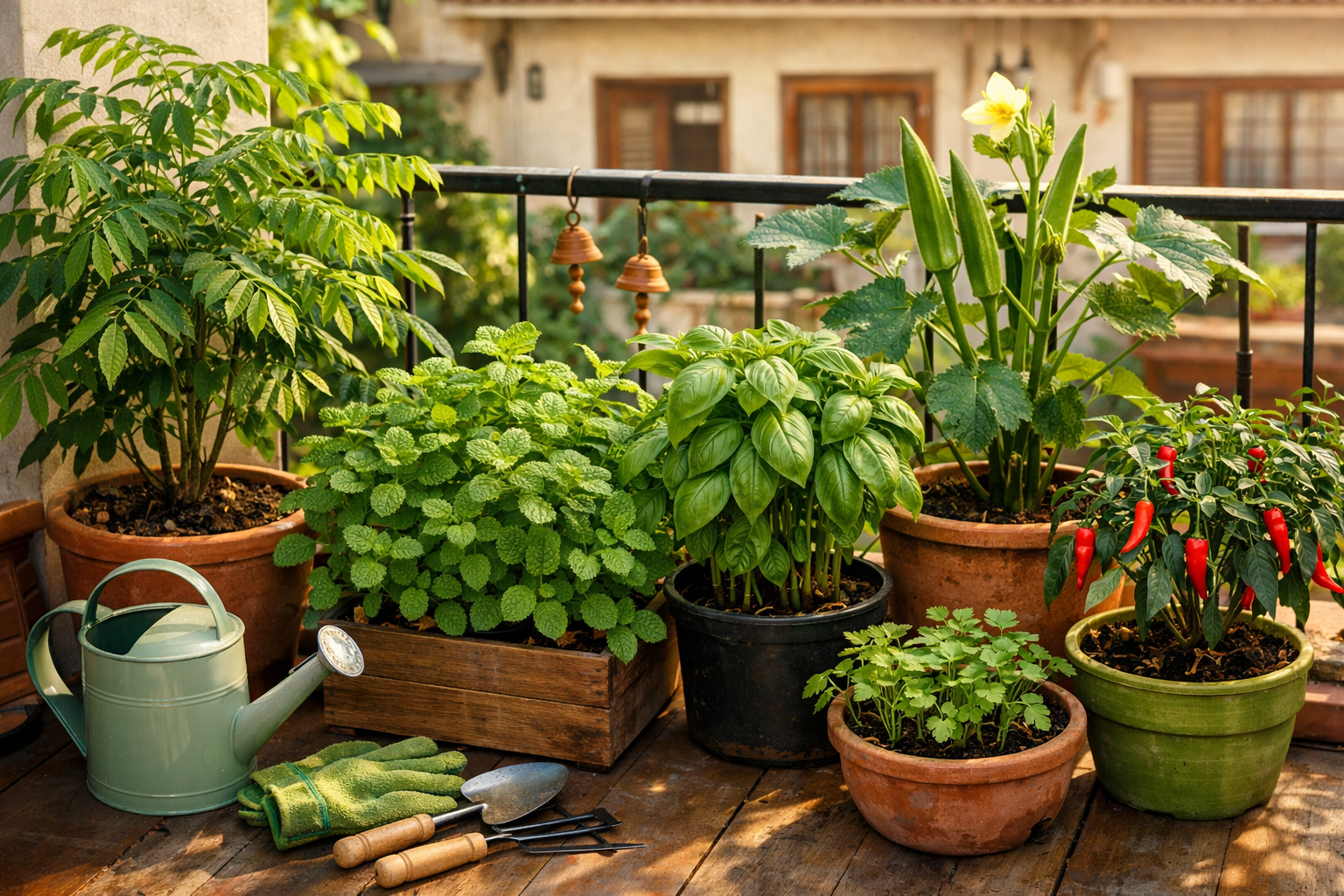
Edible plants that grow best in the Indian climate are typically heat-tolerant, fast-growing varieties that are commonly used in local cuisine, thriving in the abundant sunlight and monsoon-fed soils. These plants offer a sustainable way for home gardeners to cultivate fresh produce.
Consider these highly successful edible plants for your Indian garden:
- Curry Leaf (Murraya koenigii): 🌿 A must-have for Indian kitchens, the curry leaf plant thrives in warm, humid conditions and full sun. It’s relatively low-maintenance once established and can be grown in pots, making it suitable for small space gardening.
- Chili Pepper (Mirchi): India is famous for its diverse range of chilies, from mild to fiery hot. Chili plants love full sun and warm temperatures, producing continuous harvests. They are excellent for growing chili in pots on balconies.
- Okra (Bhindi): This popular vegetable thrives in hot, humid weather and rich, well-drained soil. Okra is a fast-growing plant that produces pods quickly, making it a rewarding choice for beginners. For guidance on getting started, refer to our beginner vegetable gardening plan 2026.
- Brinjal (Eggplant): Various brinjal varieties, from small and round to long and slender, grow well in warm climates. They require full sun and consistent watering, especially during fruiting.
- Bottle Gourd (Lauki/Doodhi) & Bitter Gourd (Karela): These climbing gourds are excellent choices for vertical gardening in India. They require strong support, full sun, and regular watering, yielding abundant harvests in warm seasons. They are among the best vegetables for small space gardening.
- Mint (Pudina): A refreshing herb, mint grows vigorously in partial shade to full sun, provided it receives adequate moisture. It’s best grown in containers to prevent it from taking over other plants.
- Basil (Tulsi/Holy Basil): Revered for its medicinal properties and strong aroma, Tulsi is easy to grow in pots or garden beds. It prefers full sun and well-drained soil.
Common Mistake: Overwatering edible plants, especially in containers, can lead to root rot during humid monsoon months. Ensure pots have excellent drainage and let the topsoil dry out between waterings. For more details on proper watering, see how often should you water plants?.
How Do Regional Climates in India Influence Plant Choices?
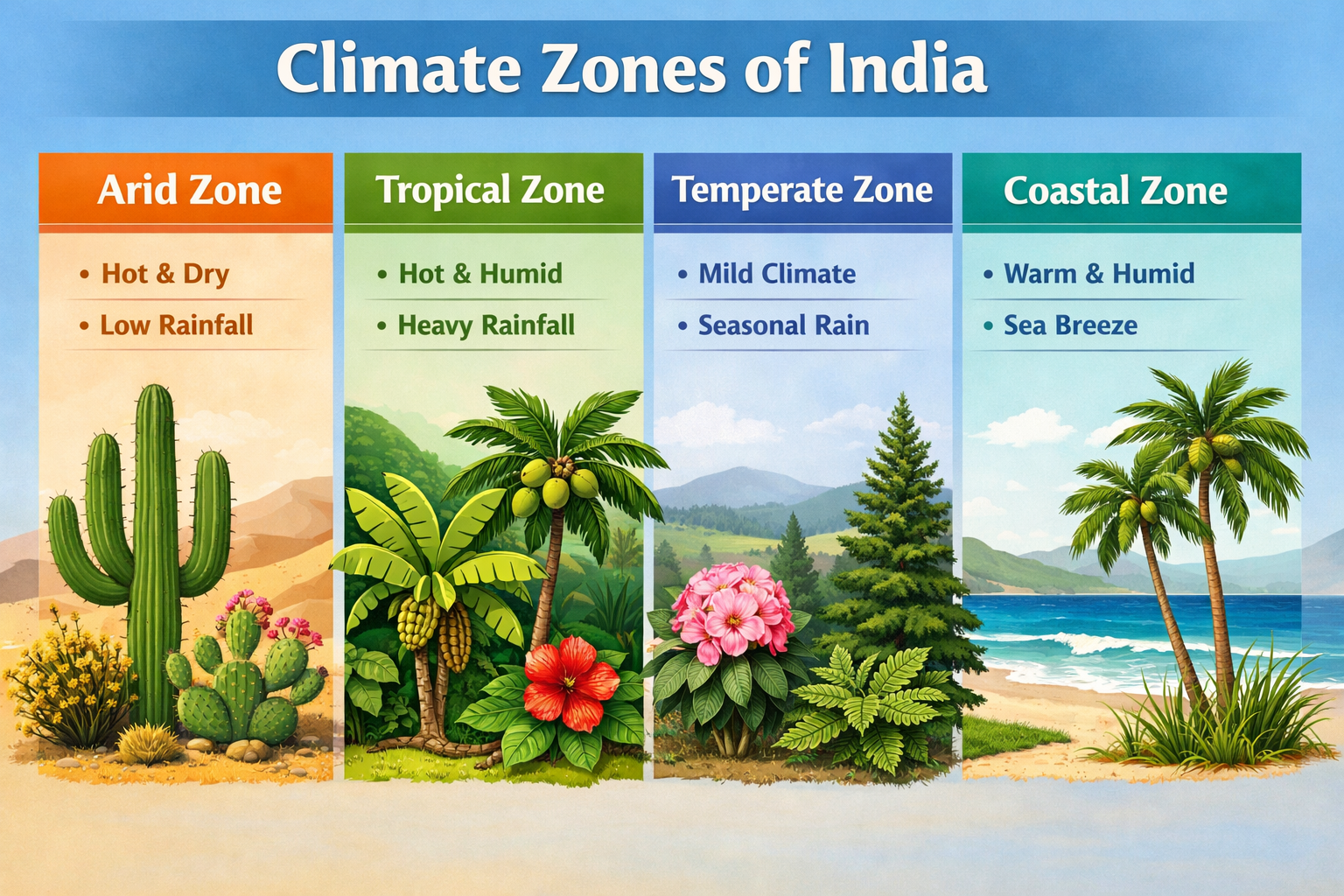
Regional climates in India—ranging from the arid deserts of Rajasthan to the humid tropics of Kerala, and the temperate Himalayas—significantly influence plant choices, as successful gardening depends on selecting species adapted to specific local conditions. Understanding these variations is key to cultivating a thriving garden.
Here’s a breakdown of how different Indian climate zones affect plant selection:
Tropical and Subtropical Regions (e.g., Kerala, Goa, West Bengal)
- Characteristics: High temperatures, high humidity, abundant rainfall (especially during monsoon).
- Best Plants:
- Flowering: Hibiscus, Plumeria (Frangipani), Ixora, Jasmine, Passionflower.
- Edible: Coconut, Banana, Mango, Papaya, Jackfruit, Pineapple, Tapioca, Elephant Foot Yam.
- Herbs/Spices: Turmeric, Ginger, Black Pepper, Cardamom.
- Tips: Focus on plants that tolerate heavy moisture and heat. Ensure good drainage to prevent root rot.
Arid and Semi-Arid Regions (e.g., Rajasthan, parts of Gujarat, Deccan Plateau)
- Characteristics: High temperatures, low humidity, scanty rainfall, extreme temperature fluctuations between day and night.
- Best Plants:
- Flowering: Bougainvillea, Adenium (Desert Rose), Oleander, Gaillardia, Portulaca.
- Edible: Pomegranate, Custard Apple, Ber (Indian Jujube), Grapes, various cacti (e.g., Prickly Pear for fruit).
- Trees: Neem, Khejri.
- Tips: Choose drought-tolerant and heat-resistant plants. Utilize mulching to retain soil moisture and protect roots from extreme heat. Watering should be deep but infrequent.
Temperate and Hilly Regions (e.g., Himachal Pradesh, Uttarakhand, parts of Northeast India)
- Characteristics: Cooler temperatures, distinct seasons (cold winters, moderate summers), good rainfall.
- Best Plants:
- Flowering: Rhododendron, Azalea, Lilies, Dahlias, Petunia, Pansies, Roses (many varieties).
- Edible: Apples, Pears, Peaches, Plums, Cherries, Strawberries, various temperate vegetables like Cabbage, Potatoes, Peas, Broccoli.
- Herbs: Rosemary, Thyme, Lavender.
- Tips: Consider frost tolerance for winter. Choose plants that require a chill period for flowering or fruiting. Succession planting can extend harvests in cooler climates.
Coastal Regions (e.g., Mumbai, Chennai, Puri)
- Characteristics: Moderate to high temperatures, very high humidity, saline air, strong winds.
- Best Plants:
- Flowering: Hibiscus, Oleander, Sea Hibiscus, Beach Morning Glory.
- Edible: Coconut, Cashew, Seashore Mallow, drumstick tree (Moringa).
- Trees: Casuarina, Mangroves (where applicable).
- Tips: Select salt-tolerant and wind-resistant varieties. Ensure good soil drainage. For exposed balconies, consider wind-resistant balcony plants.
Table: Plant Adaptations by Indian Climate Zone
| Climate Zone | Key Characteristics | Example Plants Thriving Here | Best Practices |
|---|---|---|---|
| Tropical/Subtropical | Hot, humid, heavy rain | Hibiscus, Jasmine, Curry Leaf, Banana, Papaya | Good drainage, consistent watering, sun-loving varieties |
| Arid/Semi-Arid | Hot, dry, low rainfall | Bougainvillea, Desert Rose, Pomegranate, Indian Jujube | Drought-tolerant, mulching, deep infrequent watering |
| Temperate/Hilly | Cooler, distinct seasons, frost | Rhododendron, Apples, Pears, Cabbage, Roses | Frost protection, consider chill requirements, seasonal planting |
| Coastal | Hot, humid, saline air, wind | Coconut, Oleander, Cashew, Seashore Mallow | Salt-tolerant, wind-resistant plants, robust anchorage for trees |
Edge Case: For regions experiencing both extremely hot summers and very cold winters (like parts of North India), consider planting seasonal crops or container gardening where plants can be moved indoors during extreme weather.
What Sustainable Gardening Practices Benefit Plants in India in 2026?
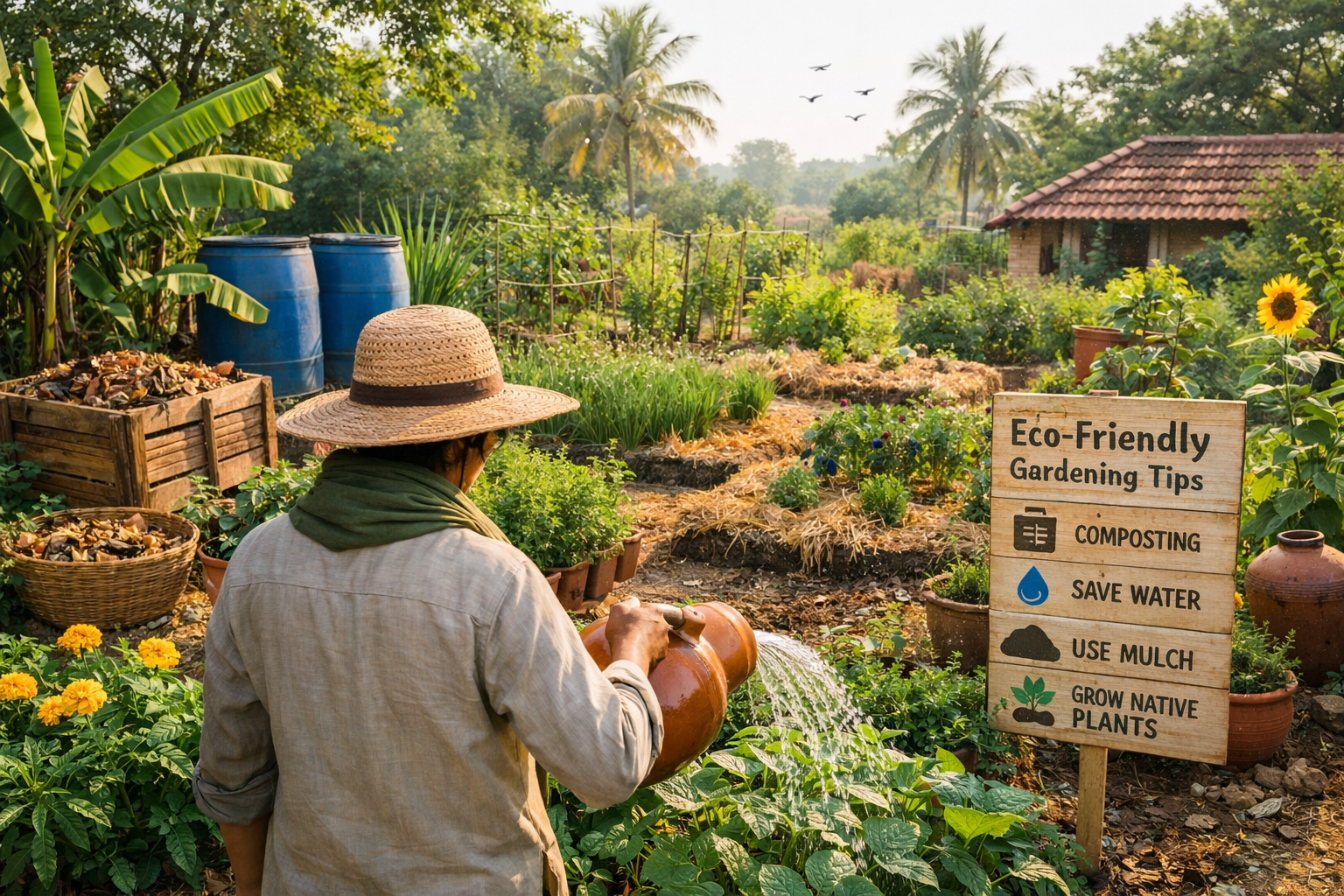
Sustainable gardening practices in India in 2026 focus on conserving water, improving soil health, and reducing chemical use, which are crucial for cultivating thriving plants amidst the country’s diverse climatic challenges. These methods support long-term ecological balance and plant resilience.
Here are key sustainable practices to adopt:
- Water Conservation:
- Rainwater Harvesting: Collect rainwater during the monsoon season for use during drier months. This reduces reliance on municipal water and is ideal for irrigation.
- Mulching: Apply a layer of organic mulch (e.g., straw, leaves, wood chips) around plants. Mulch significantly reduces water evaporation, keeps soil temperatures stable, and suppresses weeds.
- Drip Irrigation/Hand Watering: Use efficient watering methods that deliver water directly to the plant’s root zone, minimizing wastage. Water in the early morning or late evening to reduce evaporation. Learn more about how often to water container vegetables in summer.
- Soil Health Improvement:
- Composting: Create your own nutrient-rich compost from kitchen scraps and garden waste. Compost enhances soil structure, fertility, and water retention, reducing the need for chemical fertilizers.
- Crop Rotation: Rotate your vegetable crops annually to prevent nutrient depletion and break pest and disease cycles. This is particularly important for small space vegetable gardening.
- Green Manures/Cover Crops: Plant cover crops during fallow periods to enrich the soil with organic matter and nitrogen, and prevent erosion.
- Natural Pest and Disease Management:
- Companion Planting: Plant specific combinations of plants that naturally deter pests or attract beneficial insects. For example, marigolds can repel nematodes. Explore our companion planting guide 2026.
- Neem Oil: Use organic neem oil as a natural insecticide and fungicide. It’s effective against a wide range of pests without harming beneficial insects.
- Manual Removal: Regularly inspect plants and manually remove visible pests or diseased leaves to prevent spread.
- Choosing Native and Adapted Plants:
- Prioritize plants native to your region or those well-adapted to the local climate. These plants are naturally more resistant to local pests and diseases and require less water and intervention.
- Consider low maintenance plants for beginners if you’re just starting your sustainable gardening journey.
Actionable Step: Start a small compost pile with your kitchen and garden waste. Even a simple tumbler or bin can produce valuable compost within a few months, significantly improving your garden’s soil.
FAQ: Best Plants for Indian Climate
What are the easiest plants to grow in India for beginners?
For beginners in India, easy-to-grow plants include Marigolds, Periwinkle, Hibiscus, Money Plant, and edible options like Mint, Curry Leaf, and Okra, as they are hardy and require minimal specific care.
Which plants can tolerate extreme heat in India?
Plants that tolerate extreme heat in India are typically drought-resistant and sun-loving, such as Bougainvillea, Adenium (Desert Rose), Oleander, Portulaca, and various cacti.
Can I grow vegetables in pots on a balcony in India?
Yes, many vegetables thrive in pots on a balcony in India, especially those that don’t require deep roots, such as chilies, tomatoes, spinach, fenugreek, mint, and small gourds. See our guide to balcony vegetable garden guide 2026.
What plants require less water in the Indian climate?
Less water-demanding plants for the Indian climate include succulents, cacti, Bougainvillea, Adenium, and native species like Neem and Khejri, which are adapted to drier conditions.
How do monsoon rains affect plant choices in India?
Monsoon rains mean selecting plants that can tolerate high humidity and heavy moisture without developing root rot or fungal issues. Good drainage is crucial, and some plants like certain Jasmines and gourds thrive during this period.
Are native Indian plants better for home gardens?
Yes, native Indian plants are often better for home gardens because they are naturally adapted to local soil, climate, and pest conditions, requiring less maintenance and intervention.
What kind of soil is best for plants in the Indian climate?
Well-draining, fertile loamy soil enriched with organic matter is generally best for most plants in the Indian climate, as it provides nutrients while preventing waterlogging, especially during monsoon.
Which fruit trees can I grow in a small garden in India?
For a small garden in India, consider dwarf varieties of fruit trees like Lemon, Guava, Pomegranate, and Custard Apple, which can be grown in large containers.
How often should I fertilize plants in India?
Fertilizing frequency in India depends on the plant and soil, but generally, a balanced organic fertilizer every 4-6 weeks during the growing season is sufficient. Reduce frequency in dormant periods or during heavy monsoons. For vegetables, refer to our fertilizers for vegetables guide.
What are some good shade plants for an Indian balcony?
Good shade plants for an Indian balcony include Money Plant, Peace Lily, Areca Palm, Snake Plant, and certain types of ferns, which thrive in indirect or low light. For more options, see shade plants for balcony.
When is the best time to plant in India?
The best time to plant in India often varies by region and plant type, but generally, the post-monsoon period (late monsoon to early winter) is ideal as the soil is moist and temperatures are moderate.
What are some aromatic plants suitable for Indian homes?
Aromatic plants suitable for Indian homes include Jasmine (Mogra), Tulsi (Holy Basil), Gardenia, and various species of citrus plants like Lemon or Orange for their fragrant flowers and leaves.
Conclusion
Choosing the best plants for the Indian climate requires a thoughtful approach that considers the subcontinent’s vast climatic diversity, from scorching deserts to lush tropical zones and temperate hills. By selecting species that are naturally adapted to your specific regional conditions—whether they are heat-tolerant, monsoon-ready, or salt-resistant—you lay the groundwork for a thriving, low-maintenance garden. Embracing indigenous varieties and sustainable gardening practices like water conservation and composting further ensures the long-term health and vitality of your plants, contributing to a greener and more resilient environment. With the right choices and care in 2026, every Indian gardener can cultivate a beautiful and productive space.
Next Steps:
- Assess Your Local Climate: Determine whether your region falls into tropical, arid, temperate, or coastal categories.
- Evaluate Your Space: Consider available sunlight, space (ground, pots, balcony), and your gardening goals (flowers, edibles, privacy).
- Choose Adapted Plants: Select specific plant varieties recommended for your climate and space from the lists above.
- Prepare Your Soil: Ensure good drainage and enrich your soil with compost to give your plants the best start.
- Implement Sustainable Practices: Begin with simple steps like mulching and composting to conserve resources and enhance plant health.
References
- Indian Council of Agricultural Research (ICAR) – https://icar.org.in/
- National Horticulture Board (NHB) – https://nhb.gov.in/