Best Plants for Balcony Gardens: Your Ultimate 2026 Guide
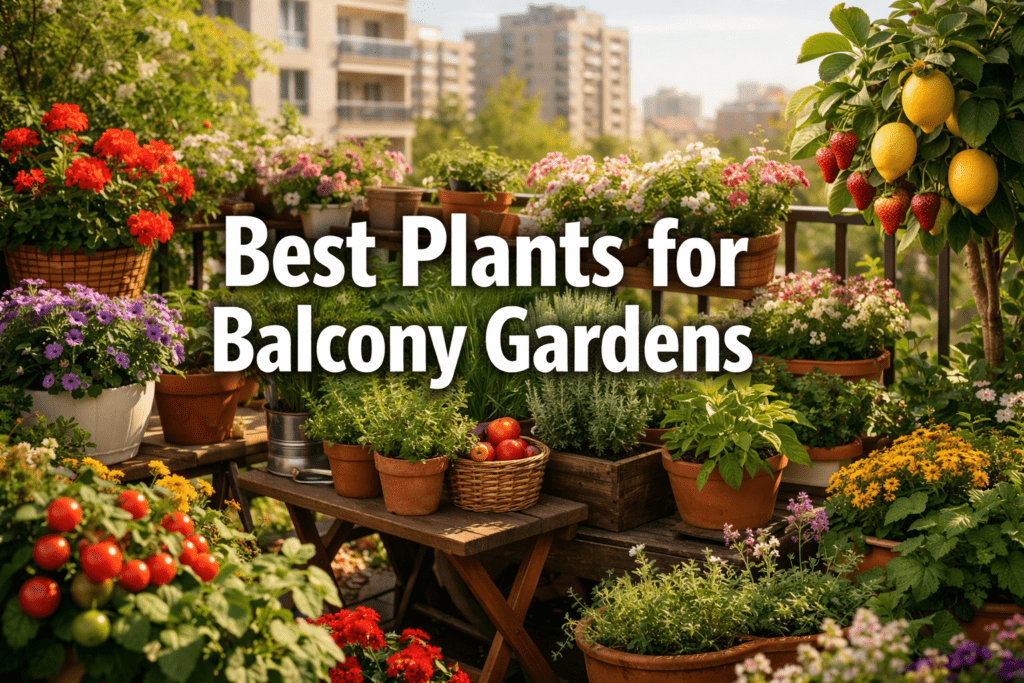
Transforming a small balcony into a lush, vibrant garden is not only achievable but immensely rewarding, offering a green escape right outside your door. Choosing the best plants for balcony gardens requires careful consideration of your specific conditions—primarily sunlight, space, and local climate—to ensure they thrive.
Key Takeaways:
- Assess your balcony’s sunlight exposure, wind, and local hardiness zone before selecting plants.
- Maximize small spaces by incorporating vertical gardening solutions and choosing compact varieties.
- Prioritize plants with low maintenance needs for a hassle-free gardening experience.
- Consider a mix of edibles, ornamentals, and privacy screens to create a functional and beautiful balcony oasis.
- Ensure proper potting, drainage, and watering for all container plants to support healthy growth.
Quick Answer
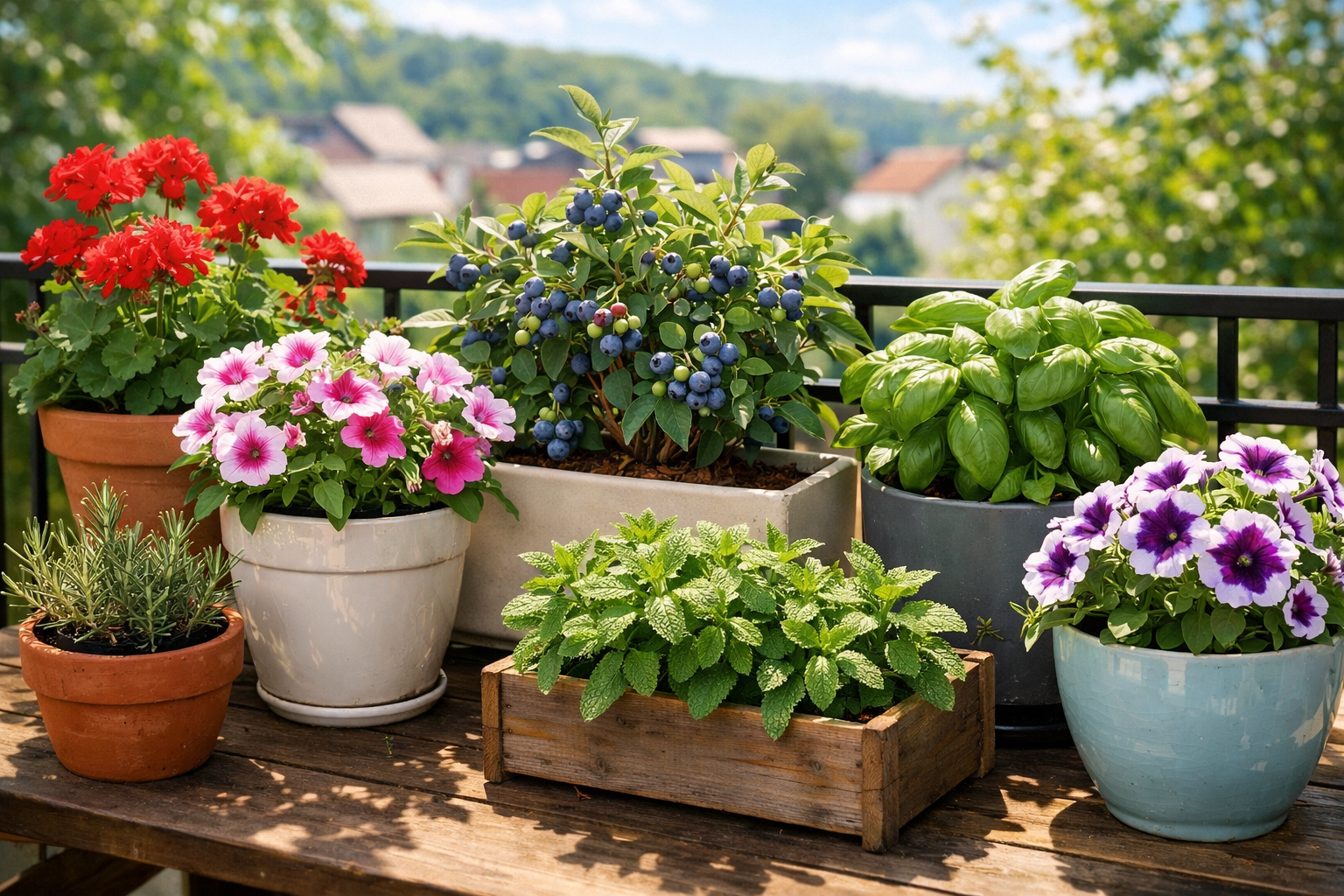
The best plants for balcony gardens are those that suit your balcony’s specific sun exposure, can thrive in containers, and align with your maintenance commitment, typically including compact vegetables, herbs, flowering annuals and perennials, and dwarf shrubs or trees. Popular choices range from sun-loving berries and roses to shade-tolerant hostas and begonias, as well as resilient, low-maintenance options like lantana and gardenia [2, 1]. Selecting the right plants transforms a confined outdoor area into a vibrant, personal green space.
What Factors Determine the Best Plants for Balcony Gardens?
Choosing the best plants for balcony gardens primarily hinges on understanding your specific balcony environment, which includes light availability, space constraints, and local climate. Without this foundational assessment, even the most beautiful plants may struggle to thrive.
The most critical factors to consider are:
- Sunlight Exposure: The amount of direct sunlight your balcony receives daily is paramount. Full sun typically means 6+ hours of direct sun, partial sun 3-6 hours, and shade less than 3 hours. Plants are categorized by their light needs, so matching plant to light is essential.
- Space Limitations: Balconies are often compact, so selecting plants that don’t overcrowd the area is crucial. Consider dwarf varieties, vertical gardening solutions, and plants with a naturally compact growth habit [3].
- Climate and Hardiness Zone: Your local USDA plant hardiness zone dictates which perennial plants can survive the winter outdoors. Annuals are less restricted but still influenced by seasonal temperatures.
- Weight Capacity: Balconies have weight limits. Opt for lighter potting mixes and consider the combined weight of pots, soil, water, and mature plants, especially for multiple large containers.
- Wind Exposure: High-rise balconies can experience significant wind, which can desiccate plants and knock over pots. Choose wind-tolerant species and heavy, stable containers.
- Maintenance Commitment: Some plants require daily watering and frequent pruning, while others are relatively hands-off. Align your plant choices with the time you’re willing to dedicate to gardening.
For example, if your balcony receives full, scorching afternoon sun, heat-tolerant plants like Lantana or Red Double Knock Out® Roses would be far more successful than shade-loving Hostas [2, 1]. Conversely, a north-facing balcony with minimal direct light would be ideal for begonias or coral bells. Failing to consider these factors often leads to plant stress, disease, and ultimately, plant failure.
Which Plants Thrive in Full Sun Balconies?
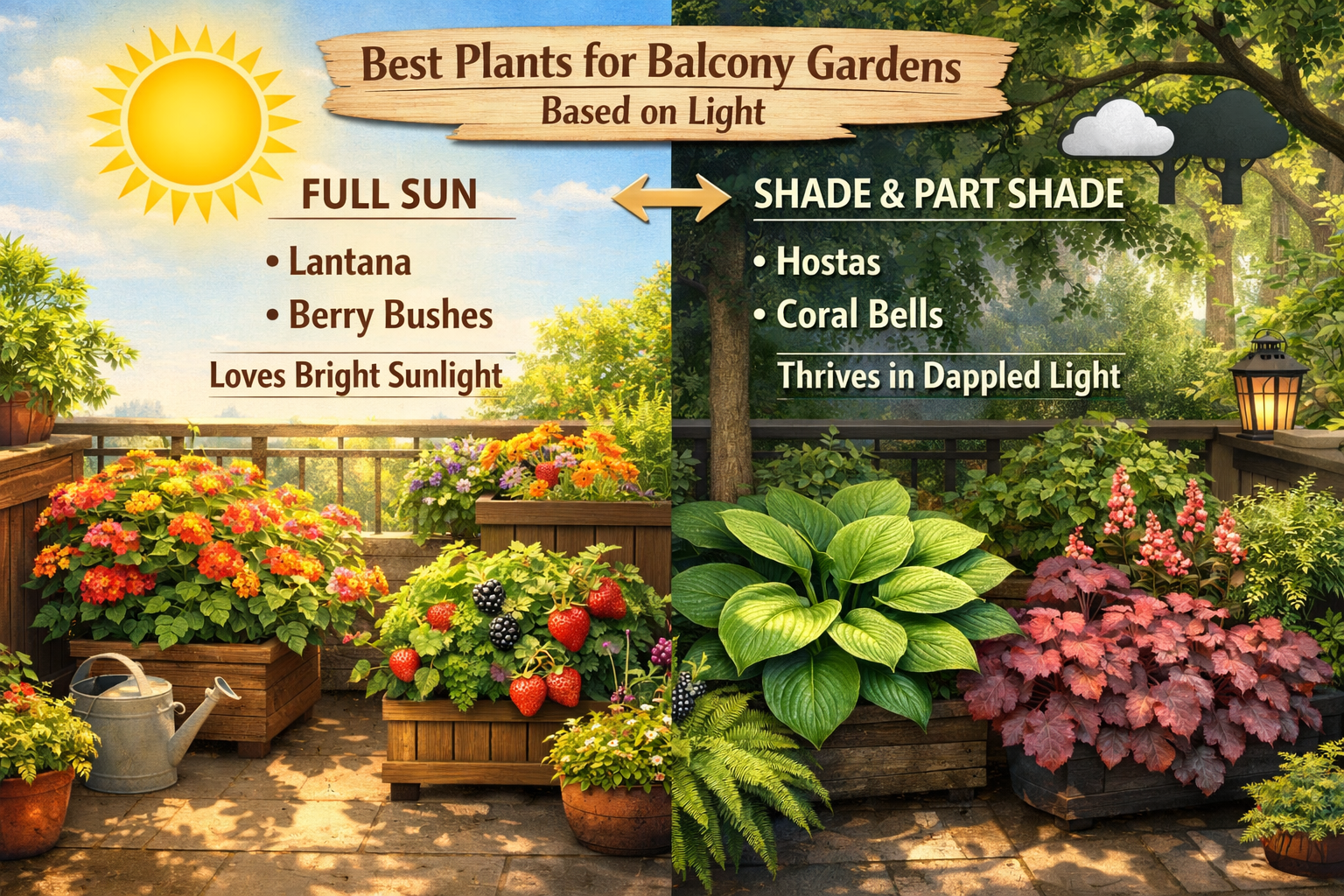
For balconies bathed in six or more hours of direct sunlight daily, a wide array of vibrant flowers, edible plants, and resilient shrubs can flourish, making full sun ideal for many popular gardening choices. These conditions mimic open garden spaces, allowing sun-loving species to reach their full potential.
Some of the best plants for full-sun balcony gardens include:
- Berry Plants: Strawberries, raspberries, and thornless blackberry varieties like Arapaho Blackberry Bush thrive in full sun and are excellent for container gardening [2, 1]. These self-pollinating plants offer delicious, fresh fruit right on your balcony.
- Lantana Varieties: Known for their fast growth and ease of care, Lantana varieties such as ‘Patriot’, ‘Bandana’, and ‘Luscious Grape’ produce fragrant flowers in multiple colors [2]. They are highly tolerant of heat and drought, making them perfect for sunny, exposed balconies.
- Roses: The Red Double Knock Out® Rose Tree is an excellent choice, known for its pest and disease resistance, continuous rebloom, and tolerance to heat and drought [1]. Its compact tree form is well-suited for a large pot.
- Geraniums: Classic and colorful, geraniums are incredibly popular for containers due to their bright blooms and ability to withstand direct sun, provided they receive adequate water [4].
- Dwarf Olive Bushes: Varieties like the Arbequina Olive Tree can produce a significant amount of olives annually and are self-pollinating [1]. Dwarf olive bushes and dwarf pomegranates are also noted for their drought tolerance and suitability for warmer climates like Southern California, growing 3-4 feet tall [3].
- Hydrangeas (Panicle varieties): While many hydrangeas prefer some shade, panicle types like Bobo and Fire Light Tidbit are more sun-tolerant and can do well in containers on sunny balconies, provided they receive consistent moisture [2].
When growing plants in full sun, especially in containers, it’s crucial to ensure consistent watering, as pots tend to dry out more quickly than garden beds. Using a high-quality potting mix with good water retention and adequate drainage is also vital. Consider our guide on “How Often Should You Water Plants? Ultimate Guide 2026” for more in-depth watering advice.
Comparison of Sun-Loving Balcony Plants
| Plant Type | Light Needs | Water Needs | Special Features | Ideal For |
|---|---|---|---|---|
| Arapaho Blackberry | Full Sun | Medium | Thornless, self-pollinating, sweet berries [1] | Edible gardens, fruit lovers |
| Lantana | Full Sun | Low-Medium | Fast-growing, fragrant, drought-tolerant [2] | Hot climates, continuous color |
| Red Knock Out® Rose | Full Sun | Medium | Disease-resistant, reblooming, heat tolerant [1] | Classic beauty, low-maintenance roses |
| Geraniums | Full Sun | Medium | Bright, long-lasting blooms, easy care [4] | Colorful displays, traditional appeal |
| Dwarf Olive Tree | Full Sun | Low-Medium | Edible olives, drought-tolerant, compact [1, 3] | Mediterranean theme, unique edibles |
If you’re unsure about your balcony’s sun exposure, observe it throughout the day for a few days to get an accurate reading. A south-facing balcony typically receives the most sun, while a north-facing one receives the least.
What Are the Best Plants for Shaded or Partially Shaded Balconies?
For balconies that receive less than six hours of direct sunlight, or mostly indirect/dappled light, choosing shade-loving plants is essential to prevent scorching and ensure robust growth. These conditions are often found on north-facing balconies, those overshadowed by buildings, or areas receiving only morning sun.
Excellent choices for shaded or partially shaded balcony gardens include:
- Hostas: Known for their diverse foliage in shades of green, blue, and variegated patterns, Hostas thrive in partial sun to full shade [2]. They are low-maintenance perennials that add lush texture and are hardy in zones 3-9. While they typically grow 2-4 inches tall with a spread of 5-6 inches, larger varieties are available for bigger pots.
- Begonias: These vibrant flowering plants perform exceptionally well in partial shade with minimal direct sunlight, requiring minimal care in containers with adequate drainage [2]. Their continuous blooms add a splash of color to darker corners.
- Coral Bells (Heuchera): A fantastic low-maintenance, shade-loving perennial, Coral Bells are cherished for their striking foliage colors, which can range from deep purple ‘Obsidian’ to warm ‘Marmalade’ hues [2]. They are tolerant of variable light conditions and add year-round interest.
- Hydrangeas (Oakleaf varieties): While panicle hydrangeas tolerate sun, oakleaf varieties like Ruby Slippers are better suited for shaded spots, offering beautiful blooms and distinctive foliage [2].
- Ferns: Many fern varieties, such as Boston ferns or Maidenhair ferns, thrive in humid, shady conditions and can bring a tropical, lush feel to a balcony.
- Impatiens: A classic choice for shade, impatiens offer continuous, bright blooms throughout the season, ideal for adding cheerful color to dark areas.
When cultivating shade-loving plants, be mindful that they generally require less watering than their sun-loving counterparts, as the soil retains moisture longer in cooler conditions. Overwatering is a common mistake that can lead to root rot. Good drainage in containers is therefore even more critical. You might also find our guide on “Best Pots for Small Space Gardening in 2026 – Maximize Your” helpful for selecting suitable containers.
How Can I Maximize Space with the Best Plants for Balcony Gardens?
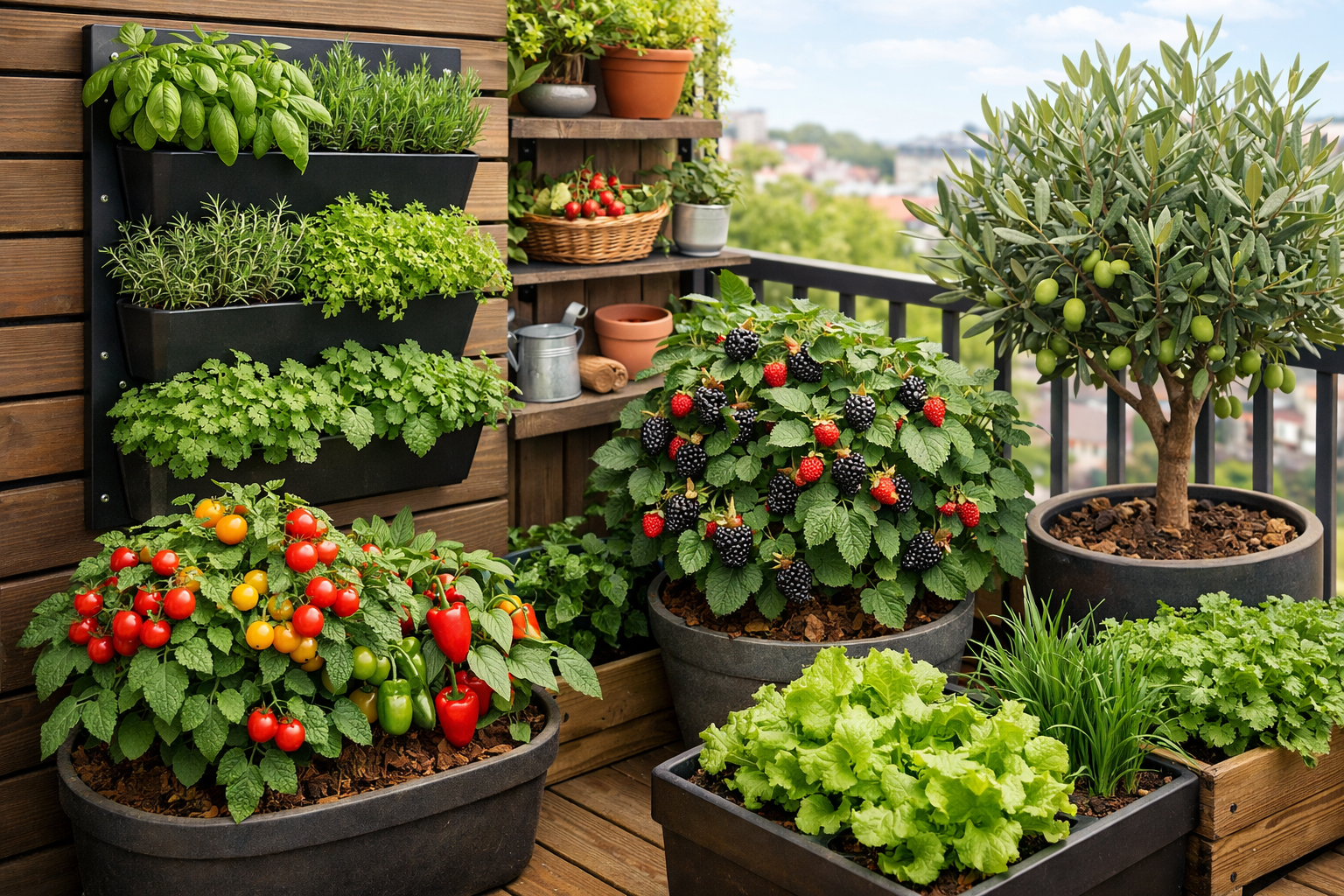
Maximizing space on a balcony requires strategic plant selection and innovative gardening techniques to create a lush garden without overcrowding, especially when dealing with limited square footage. Vertical gardening, choosing compact varieties, and multi-functional planters are key to optimizing your layout.
Here are effective strategies for maximizing space:
- Embrace Vertical Gardening: Utilize walls, railings, and hanging space. Vertical planters, tiered shelving, and hanging baskets allow you to grow more plants without taking up valuable floor space [5]. This is an excellent way to grow herbs, strawberries, or even small leafy greens. For more detailed instructions, consult our “Vertical Gardening Basics: Your 2026 Guide to Small Space Gardens”.
- Choose Compact and Dwarf Varieties: Many popular plants now come in smaller cultivars specifically bred for containers and small spaces. Look for “dwarf,” “patio,” or “miniature” labels.
- Dwarf Pomegranate and Olive Bushes: These grow only 3-4 feet tall and are drought-tolerant, perfect for a Mediterranean feel [3].
- Compact Berry Plants: Newer thornless blackberry and ornamental strawberry varieties are ideal for containers [2].
- Container Vegetables: Bush beans, determinate tomatoes, compact peppers, and radishes are all suitable for smaller pots. See our recommendations for “Best Vegetables for Small Space Gardening in 2026”.
- Opt for Multi-Functional Plants: Some plants offer both aesthetic appeal and practical benefits.
- Bamboo: Certain clumping (non-invasive) bamboo varieties can provide a fast-growing, natural privacy screen on your balcony while adding a serene aesthetic [4]. Ensure it’s contained to prevent spreading.
- Herbs: Grow a variety of herbs like basil, mint, rosemary, and thyme. They are compact, fragrant, and provide fresh ingredients for cooking.
- Use Smart Potting Solutions:
- Self-watering planters: These reduce watering frequency and can be helpful for busy gardeners.
- Rail planters: Attach directly to balcony railings, freeing up floor space.
- Stackable planters: Allow multiple plants to grow in a single vertical column.
- Layer Plants: In larger containers, plant taller species in the center or back, medium-height plants around them, and trailing plants over the edges. This creates a fuller look and utilizes the pot’s volume efficiently.
A common mistake is selecting plants that will quickly outgrow their containers or the balcony space. Always check the mature size of a plant before purchasing and ensure your chosen pot can accommodate it for a reasonable period. Overcrowding leads to poor air circulation, increased pest and disease issues, and stunted growth.
What Are Some Low-Maintenance and Resilient Options for Balcony Gardens?
For gardeners seeking beauty without constant upkeep, selecting low-maintenance and resilient plants is crucial for a successful and enjoyable balcony garden experience. These plants typically tolerate a range of conditions, resist common pests and diseases, and don’t demand frequent watering or pruning.
Here are some of the best low-maintenance plants for balcony gardens:
- Frost Proof Gardenia Shrub: This variety is particularly recommended for colder climates due to its hardiness, producing fragrant white blooms and deer-resistant glossy foliage [1]. It offers a classic, elegant look with less fuss than other gardenia types.
- Red Double Knock Out® Rose Tree: As mentioned earlier, this rose is a standout for its exceptional pest and disease resistance, continuous rebloom, and tolerance to heat and drought [1]. It provides consistent color with minimal intervention.
- Lantana Varieties: These are exceptionally easy to care for, thriving in full sun with minimal water once established [2]. Their fast growth and vibrant, fragrant flowers make them a cheerful addition to any balcony.
- Succulents and Cacti: For extremely hot, sunny, and dry conditions, succulents like sedum and echeveria, or various cacti, are perfect. They require very little water and thrive on neglect, making them nearly foolproof.
- Herbs (Rosemary, Thyme, Lavender): Many Mediterranean herbs are naturally drought-tolerant and resilient. Lavender also adds a beautiful fragrance and can deter pests [4]. These herbs are easy to grow in pots and demand little attention.
- Hostas: For shaded balconies, Hostas are incredibly low-maintenance, thriving with minimal care once established [2]. Their primary requirement is consistent moisture and protection from slugs, which is less of an issue in containers.
- Coral Bells (Heuchera): Another excellent perennial for shade, Coral Bells are tough plants with beautiful foliage that requires little attention beyond occasional watering [2].
To further simplify maintenance, consider using self-watering planters or incorporating a slow-release fertilizer at the beginning of the growing season. For those just starting out, focusing on these resilient species can build confidence and ensure a rewarding gardening journey. Our article on “Best Low Maintenance Plants 2026: Easy Care Guide” offers even more selections.
Pull Quote:
“The secret to a thriving balcony garden lies not in having the largest space, but in choosing the right plants that truly love their environment and demand only what you’re willing to give.”
FAQ
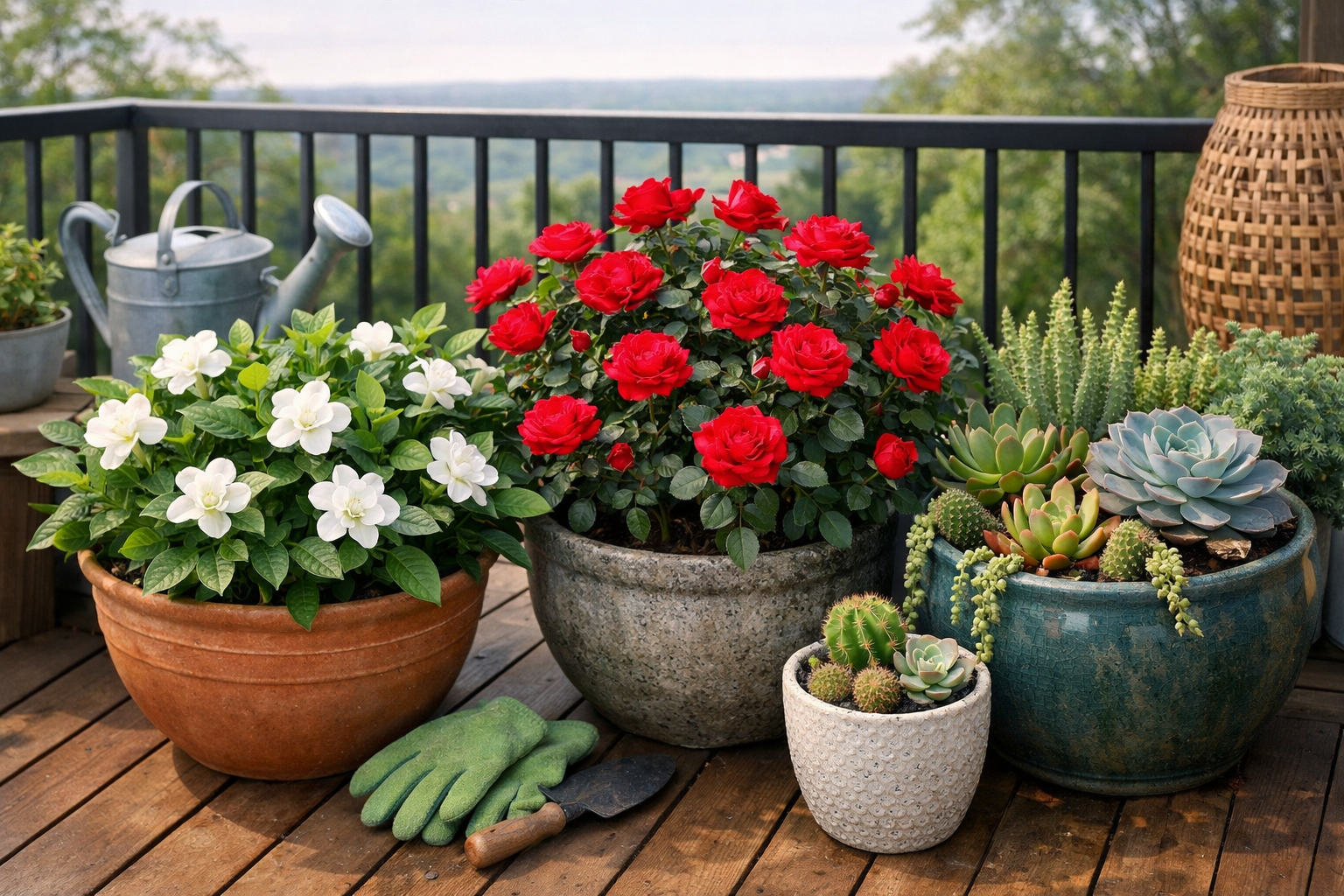
What are the easiest plants to grow in a balcony garden?
The easiest plants for a balcony garden often include herbs like basil, mint, and rosemary, along with resilient flowering plants such as geraniums and petunias, as well as succulents. These typically tolerate varied conditions and require minimal specialized care [4].
How do I choose plants for a small balcony?
When choosing plants for a small balcony, prioritize dwarf or compact varieties, utilize vertical space with hanging baskets or wall planters, and select plants that don’t spread aggressively. Consider trailing plants that spill over edges without taking up floor space [2].
Can I grow vegetables on my balcony?
Yes, many vegetables are excellent for balcony gardens. Opt for compact varieties like bush tomatoes, cherry tomatoes, compact peppers, lettuce, spinach, radishes, and bush beans. Strawberries and thornless blackberries also thrive in containers [2, 1].
What kind of soil should I use for balcony plants?
For balcony plants in containers, use a high-quality potting mix that is lightweight, well-draining, and retains moisture. Avoid dense garden soil, which can compact and impede drainage in pots. Our guide on “Soil Basics for Container Gardening: 2026 Expert Guide” provides further details.
How often should I water balcony plants?
Watering frequency for balcony plants depends on factors like plant type, pot size, sun exposure, and weather. Generally, check the soil moisture daily by sticking your finger an inch or two deep; water when the top inch feels dry [1].
What are some good plants for privacy on a balcony?
For privacy on a balcony, consider fast-growing, dense plants like clumping bamboo (ensure it’s contained to prevent spread), tall ornamental grasses, or climbing vines on a trellis. Dwarf conifers or upright shrubs can also create a green screen [4].
Can I grow fruit trees on a balcony?
You can grow dwarf varieties of fruit trees like dwarf olive, dwarf pomegranate, or citrus trees on a balcony, provided they are in large enough containers, receive adequate sunlight, and are suitable for your hardiness zone [3].
What if my balcony gets very little sun?
For balconies with very little sun, choose shade-tolerant plants such as Hostas, Begonias, Coral Bells, ferns, Impatiens, or even certain varieties of Hydrangeas [2]. These plants are adapted to lower light conditions.
Are there any plants to avoid for balcony gardens?
Avoid plants that become very large, have aggressive root systems, are highly susceptible to pests/diseases, or require very specific environmental conditions that are difficult to maintain on a balcony. Also, avoid invasive species that could harm local ecosystems.
Do I need special pots for balcony plants?
While not strictly “special,” balcony plants benefit from pots with good drainage holes to prevent root rot. Consider materials like terracotta (porous, good for drought-tolerant plants), plastic (lightweight, retains moisture), or ceramic (decorative, heavier) based on your needs [2].
Conclusion
Creating a flourishing balcony garden in 2026 is an accessible and rewarding endeavor, offering a personal sanctuary of green space even in urban environments. The key to success lies in a thoughtful approach: assess your balcony’s unique conditions, select plants that are well-suited to those parameters, and implement smart space-saving techniques. Whether your balcony is bathed in sun, shrouded in shade, or you simply seek low-maintenance beauty, there’s a perfect selection of plants waiting to transform your outdoor area.
By considering factors like sunlight, hardiness zone, and your personal commitment to care, you can curate a vibrant collection of flora—from edible berries and fragrant herbs to colorful roses and lush hostas. Remember to maximize your space with vertical gardening and compact varieties, and don’t shy away from resilient options that provide lasting beauty with minimal fuss. Embrace the journey of balcony gardening, and watch as your small outdoor space blossoms into a personal oasis.
Actionable Next Steps:
- Observe Your Balcony: Spend a day or two tracking how much direct sunlight your balcony receives at different times of the day.
- Determine Your Hardiness Zone: Use an online tool to find your local USDA plant hardiness zone.
- Choose Your Plant Category: Decide if you want edibles, ornamentals, privacy plants, or a mix.
- Select Specific Plants: Based on your observations and desired category, research the specific plants discussed in this guide that fit your criteria.
- Gather Supplies: Purchase appropriate containers, a high-quality potting mix, and any necessary gardening tools. For more guidance, see our “Balcony Garden Setup Step-by-Step | 2026 Ultimate Guide”.
- Start Planting! Begin your balcony gardening adventure and enjoy the process of nurturing your new green space.
References
[1] Top 7 Patio Potted Plants For Balcony Gardens – https://myperfectplants.com/blogs/blog/top-7-patio-potted-plants-for-balcony-gardens
[2] 10 Best Potted Plants To Instantly Upgrade Your Patio In 2026 – https://www.dripworks.com/blog/10-best-potted-plants-to-instantly-upgrade-your-patio-in-2026
[3] Beautiful Plants For Your Balcony Or Patio When You Dont Have Yard Space – https://www.greenthumb.com/beautiful-plants-for-your-balcony-or-patio-when-you-dont-have-yard-space/
[4] Balcony Goals 5 Plants That Instantly Upgrade Your Outdoor Space – https://tumbleweedplants.com/blogs/plant-blog/balcony-goals-5-plants-that-instantly-upgrade-your-outdoor-space
[5] Watch – https://www.youtube.com/watch?v=WCQH3R45oDM