Best Fertilizers for Small Gardens in 2026: Your Essential Guide
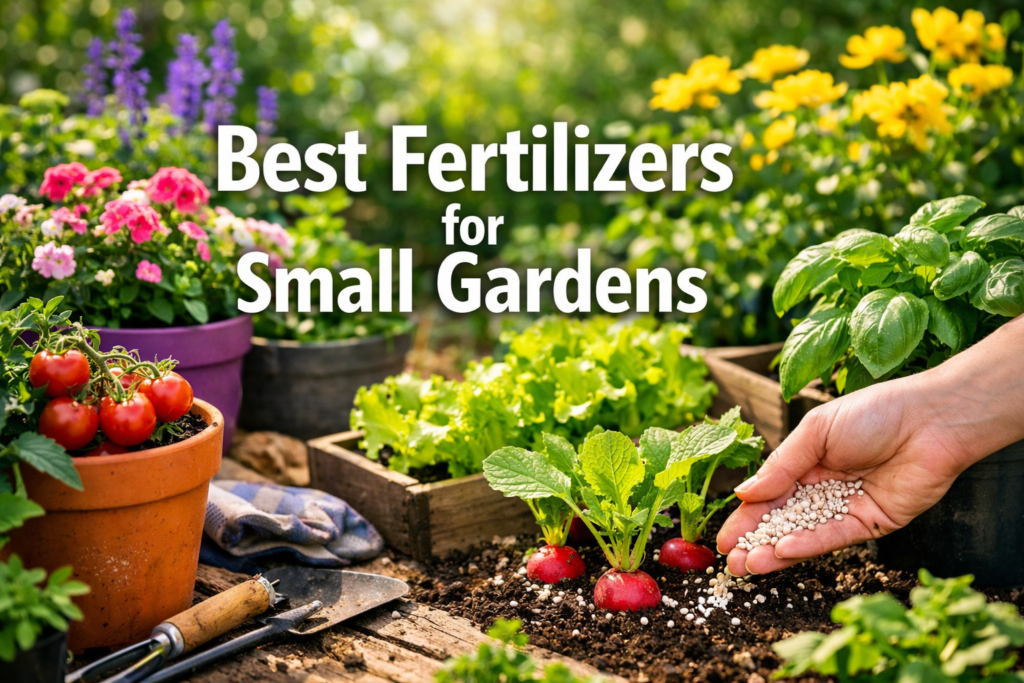
Table of Contents
Are you dreaming of a thriving small garden filled with vibrant flowers, lush herbs, or bountiful vegetables, but unsure how to give your plants the best start? Choosing the best fertilizers for small gardens is crucial for maximizing growth in limited spaces, ensuring your plants receive the precise nutrients they need to flourish throughout the 2026 growing season.
Key Takeaways
- Tailor Fertilizer to Plant Needs: Different plants require varying nutrient ratios (N-P-K); understand your plants’ specific demands.
- Balance Organic and Synthetic: Organic options improve soil health, while synthetics offer precise, fast-acting nutrient delivery.
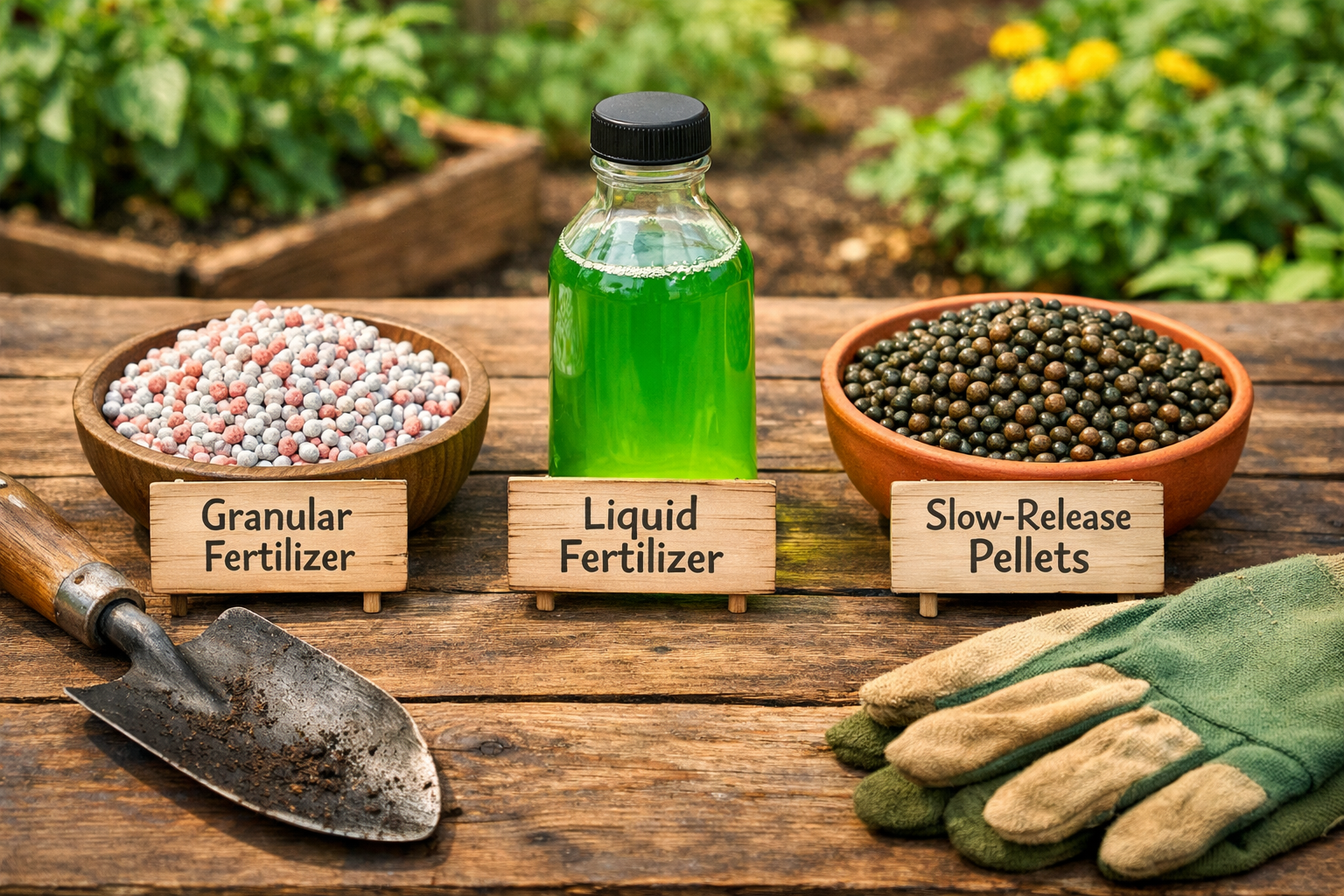
- Consider Fertilizer Form: Granular, liquid, and slow-release options each have specific application benefits and drawbacks for small spaces.
- Soil Testing is Key: Conduct a soil test to understand existing nutrient levels and pH, preventing over-fertilization or deficiencies.
- Read Labels Carefully: Always follow manufacturer instructions for application rates and frequency to avoid plant damage.
Quick Answer
The best fertilizers for small gardens in 2026 depend primarily on your specific plants’ nutritional requirements, your soil’s existing composition, and your preferred gardening approach (organic versus synthetic). Generally, balanced slow-release granular fertilizers or diluted liquid feeds are excellent choices for small gardens, providing a steady nutrient supply without overwhelming delicate root systems or compact soil volumes. Conducting a soil test is the most accurate way to determine which nutrients your small garden specifically needs.
What Are the Best Fertilizers for Small Gardens?
The best fertilizers for small gardens are those that provide a balanced array of essential nutrients tailored to the specific plants you are growing, while being easy to apply without over-fertilizing compact spaces. These typically include well-balanced N-P-K (Nitrogen, Phosphorus, Potassium) ratios, often incorporating micronutrients vital for overall plant health.
When cultivating a small garden, whether it’s a window box, a few containers, or a compact raised bed, the limited soil volume means plants can quickly deplete available nutrients. This makes supplemental fertilization not just beneficial, but often necessary for vigorous growth and abundant yields. The key is to select a fertilizer that matches the plant’s growth stage and nutrient demands. For example, leafy greens like lettuce and spinach thrive with higher nitrogen, while flowering plants and fruiting vegetables such as tomatoes benefit from increased phosphorus and potassium during their blooming and fruiting phases.
Consider these top categories when choosing fertilizers for your small garden:
- All-Purpose Balanced Fertilizers: These fertilizers have an N-P-K ratio where the numbers are similar (e.g., 5-5-5 or 10-10-10). They are a good starting point for most small gardens, especially if you’re growing a variety of plants with mixed needs, such as in a mixed container garden.
- Decision Rule: Choose an all-purpose balanced fertilizer if you have a diverse small garden with no specific nutrient deficiencies identified.
- Specialty Fertilizers: These are formulated for specific plant types, such as “Tomato Food,” “Rose Food,” or “Acid-Loving Plant Food.” They provide nutrient ratios optimized for those particular plants.
- Decision Rule: Opt for a specialty fertilizer if you are growing a monoculture (e.g., only tomatoes) or plants with very specific soil pH and nutrient requirements.
- Slow-Release Granular Fertilizers: These pellets or granules gradually release nutrients over weeks or months, reducing the frequency of application. This is particularly beneficial for small gardens where consistent nutrient availability is important without constant attention.
- Common Mistake: Applying too much slow-release fertilizer at once, leading to a sudden nutrient dump if the coating breaks or temperature spikes. Always follow package directions precisely.
- Liquid Fertilizers: These are diluted in water and applied directly to the soil or foliage. They offer fast nutrient absorption, making them ideal for quick boosts or correcting immediate deficiencies.
- Edge Case: For very young seedlings or plants recovering from stress, a diluted liquid fertilizer can provide quick, accessible nutrients without over-stressing roots.
Table: Common Fertilizer Types for Small Gardens
| Fertilizer Type | N-P-K Ratio Examples | Benefits for Small Gardens | Application Frequency | Best Use Case |
|---|---|---|---|---|
| All-Purpose Balanced | 5-5-5, 10-10-10 | Versatile, good for general growth | Monthly/Bi-monthly | Mixed plantings, general garden health |
| High Nitrogen | 10-5-5, 20-10-10 | Promotes lush foliage and green growth | As needed | Leafy greens, herbs, non-flowering ornamental plants |
| High Phosphorus/Potassium | 5-10-10, 2-8-4 | Encourages flowering, fruiting, root development | During bloom/fruit | Tomatoes, peppers, flowering annuals |
| Slow-Release Granular | Various, e.g., 14-14-14 | Consistent feeding over time, less frequent application | Every 2-4 months | Busy gardeners, container plants |
| Liquid Concentrates | Various, e.g., 2-4-2 | Fast absorption, quick nutrient boost, easy dilution | Weekly/Bi-weekly | Seedlings, stressed plants, quick correction |
| Organic (Compost Tea) | Variable | Improves soil health, gentle, nutrient-rich liquid | Bi-weekly | Soil amendment, gentle feeding for all plants |
The precise needs of your plants and the condition of your existing soil are the primary drivers for selecting the best fertilizers for small gardens. Before making a purchase, it’s wise to consider a simple soil test to understand what your soil is lacking.
How Do I Choose the Right N-P-K Ratio for My Small Garden?
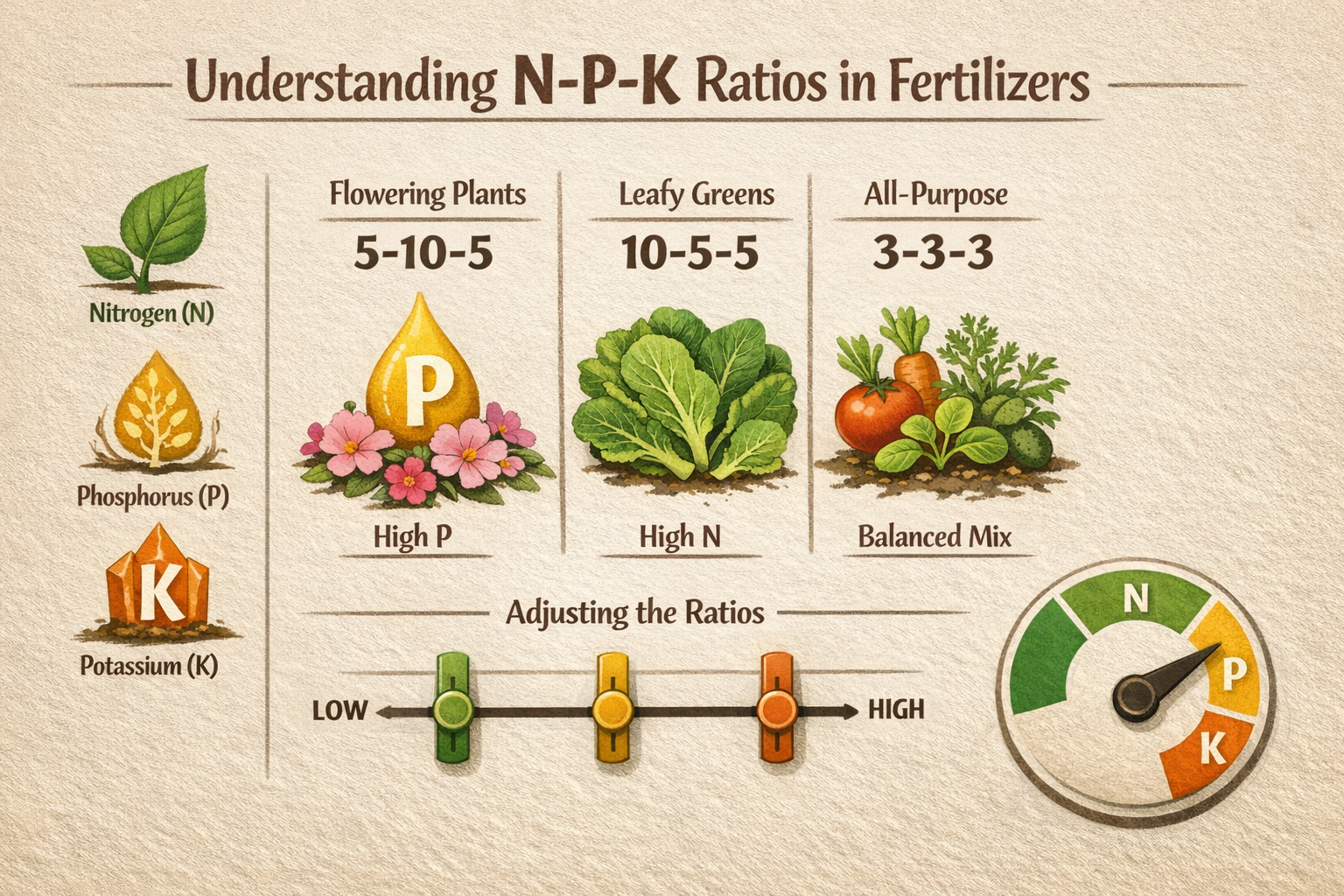
Choosing the right N-P-K ratio for your small garden involves understanding what each nutrient contributes to plant growth and matching that to your specific plants’ needs and growth stages. N-P-K stands for Nitrogen (N), Phosphorus (P), and Potassium (K), which are the three macronutrients plants require in the largest quantities.
Nitrogen is essential for leafy green growth and chlorophyll production. Phosphorus is vital for root development, flowering, and fruiting. Potassium contributes to overall plant vigor, disease resistance, and water regulation. A successful small garden relies on providing these nutrients in the correct balance to support healthy development from seedling to harvest.
Here’s how to select the appropriate N-P-K ratio:
- Understand Your Plant’s Growth Stage:
- Vegetative Growth (Leafy Greens, Young Plants): During this phase, plants primarily need nitrogen to produce lush foliage. Look for fertilizers with a higher first number (N), such as 10-5-5 or 20-10-10. This is ideal for herbs, lettuce, spinach, and young vegetable plants.
- Flowering and Fruiting (Tomatoes, Peppers, Flowers): Once plants begin to flower or set fruit, their demand shifts towards phosphorus and potassium. Choose fertilizers with higher middle (P) and last (K) numbers, like 5-10-10 or 2-8-4. This supports bloom production and fruit development.
- Root Development (Transplanting, Root Vegetables): When establishing new plants or growing root crops like carrots or radishes, phosphorus is particularly important. A balanced or slightly higher phosphorus ratio can be beneficial.
- Consider a Soil Test: The most accurate way to determine what your small garden soil needs is to conduct a soil test. These kits, available at garden centers or through local extension offices, will tell you the current levels of N, P, K, and other micronutrients, as well as the soil pH.
- Decision Rule: Always perform a soil test if your plants are struggling, if you are starting a new garden bed, or if you want to optimize nutrient application precisely. This prevents blindly applying fertilizer that isn’t needed or, worse, causing nutrient imbalances.
- General Purpose vs. Specific Needs:
- Balanced Ratios (e.g., 5-5-5, 10-10-10): These are good all-around choices for general garden health or if you have a diverse mix of plants. They provide a foundational level of all three macronutrients.
- Higher Nitrogen (e.g., 20-5-5): Use for turf, leafy greens, or plants where you want to promote vigorous green growth.
- Higher Phosphorus (e.g., 5-10-5): Excellent for establishing new plants, encouraging flowering, or boosting root vegetables.
- Higher Potassium (e.g., 5-5-10): Good for overall plant health, disease resistance, and improving fruit quality.
- Container Gardening Considerations: Plants in containers often need more frequent fertilization because nutrients leach out with watering. For container gardening, a diluted liquid fertilizer or a slow-release granular product can maintain consistent nutrient levels. Our guide on Best Pots for Small Space Gardening in 2026 also touches on soil and nutrient retention.
- Common Mistake: Using the same N-P-K ratio throughout the entire growing season for all plants. Plants’ needs change as they mature and move from vegetative growth to flowering and fruiting. Adjust your fertilizer accordingly.
- Example Application: For a small vegetable garden primarily focused on Best Vegetables for Small Space Gardening in 2026 like tomatoes and peppers, you might start with a balanced fertilizer (like 5-5-5) when planting, then switch to a higher phosphorus/potassium formula (like 2-8-4) once flowers appear to encourage fruit set.
Understanding the N-P-K ratio is fundamental to choosing the best fertilizers for small gardens and ensures your plants get exactly what they need, when they need it, leading to healthier, more productive growth.
What Are the Benefits of Organic Fertilizers for Small Gardens?
Organic fertilizers offer numerous benefits for small gardens, primarily by improving soil structure, fostering beneficial microbial activity, and providing a slow, steady release of nutrients that minimizes the risk of burning plants. These benefits are especially pronounced in compact gardening environments where soil health is paramount.
Unlike synthetic fertilizers that provide immediate, soluble nutrients, organic fertilizers work by breaking down over time, enriching the soil food web and contributing to long-term soil fertility. This approach aligns well with sustainable small space gardening practices, creating a healthier environment for plant roots and beneficial organisms.
Key benefits of using organic fertilizers in your small garden include:
- Improved Soil Structure: Organic materials like compost, manure, and humic acids bind soil particles together, enhancing aeration and drainage in heavy soils, and increasing water retention in sandy soils. This is critical for container gardens where soil can become compacted.
- Enhanced Microbial Activity: Organic fertilizers feed beneficial soil microbes, fungi, and earthworms. These organisms play a crucial role in nutrient cycling, converting organic matter into forms plants can readily absorb, and suppressing plant diseases. A thriving soil microbiome is a hallmark of healthy garden soil.
- Slow, Consistent Nutrient Release: Nutrients from organic sources are released gradually as microorganisms decompose them. This slow release reduces the risk of nutrient leaching, ensures a steady supply for plants over an extended period, and significantly lowers the chance of “fertilizer burn” — a common problem with over-application of synthetic fertilizers in small garden settings.
- Decision Rule: Choose organic fertilizers if you prioritize long-term soil health, want to minimize environmental impact, or are concerned about over-fertilization in delicate small garden ecosystems.
- Reduced Chemical Runoff: Since organic fertilizers are less soluble and bind to soil particles, they are less likely to leach into groundwater or run off into waterways, making them an environmentally friendlier choice.
- Introduction of Micronutrients: Beyond N-P-K, many organic fertilizers naturally contain a wide spectrum of essential micronutrients (like iron, zinc, manganese, boron) that synthetic fertilizers may lack unless specifically added. These micronutrients are vital for overall plant health and function.
- Increased Buffer Capacity: Organic matter helps stabilize soil pH, making it more resistant to drastic changes and creating a more favorable environment for nutrient availability to plants.
- Safer for Edibles: For those growing Small Space Vegetable Gardening: 2026 Step-by-Step Guide, organic fertilizers offer peace of mind, as there is no concern about chemical residues on edible crops.
Types of Organic Fertilizers for Small Gardens:
- Compost: A cornerstone of organic gardening, compost provides a balanced range of nutrients, improves soil structure, and adds beneficial microbes. Incorporate it into potting mixes or as a top dressing.
- Compost Tea: A liquid extract made by steeping compost in water, providing a quick, gentle nutrient boost and microbial inoculation. Excellent for liquid feeding container plants.
- Worm Castings: Rich in nutrients and beneficial microbes, worm castings are an excellent gentle fertilizer, especially for seedlings and houseplants.
- Bone Meal (N-P-K approx. 3-15-0): High in phosphorus, beneficial for root development and flowering plants.
- Blood Meal (N-P-K approx. 12-0-0): High in nitrogen, good for leafy growth.
- Fish Emulsion (N-P-K approx. 5-1-1): A liquid organic fertilizer providing nitrogen and micronutrients, useful for quick boosts.
- Kelp Meal (N-P-K approx. 1-0.5-2): Contains potassium and a wealth of micronutrients and growth hormones, beneficial for overall plant vigor.
| Organic Fertilizer | Primary Benefit | Application Example for Small Garden |
|---|---|---|
| Compost | Soil structure, balanced nutrients | Mix into potting soil; top dress garden beds |
| Worm Castings | Gentle nutrients, microbes | Sprinkle around base of seedlings or houseplants |
| Bone Meal | Phosphorus for roots/flowers | Mix into soil when planting bulbs or flowering plants |
| Fish Emulsion | Quick nitrogen boost, micronutrients | Dilute and use as a liquid feed for leafy greens |
| Kelp Meal | Potassium, micronutrients, growth hormones | Mix into soil; use as foliar spray for overall health |
Common Mistake: Expecting immediate, dramatic results from organic fertilizers. Their strength lies in their sustained, long-term improvement of soil health rather than rapid nutrient delivery. It is an investment in your garden’s future.
By integrating organic fertilizers, even in a small space, you are building a resilient, fertile environment that will support your plants for years to come. This approach is fundamental to creating a truly thriving small garden.
How Do I Safely Apply Fertilizers to Small Garden Plants?
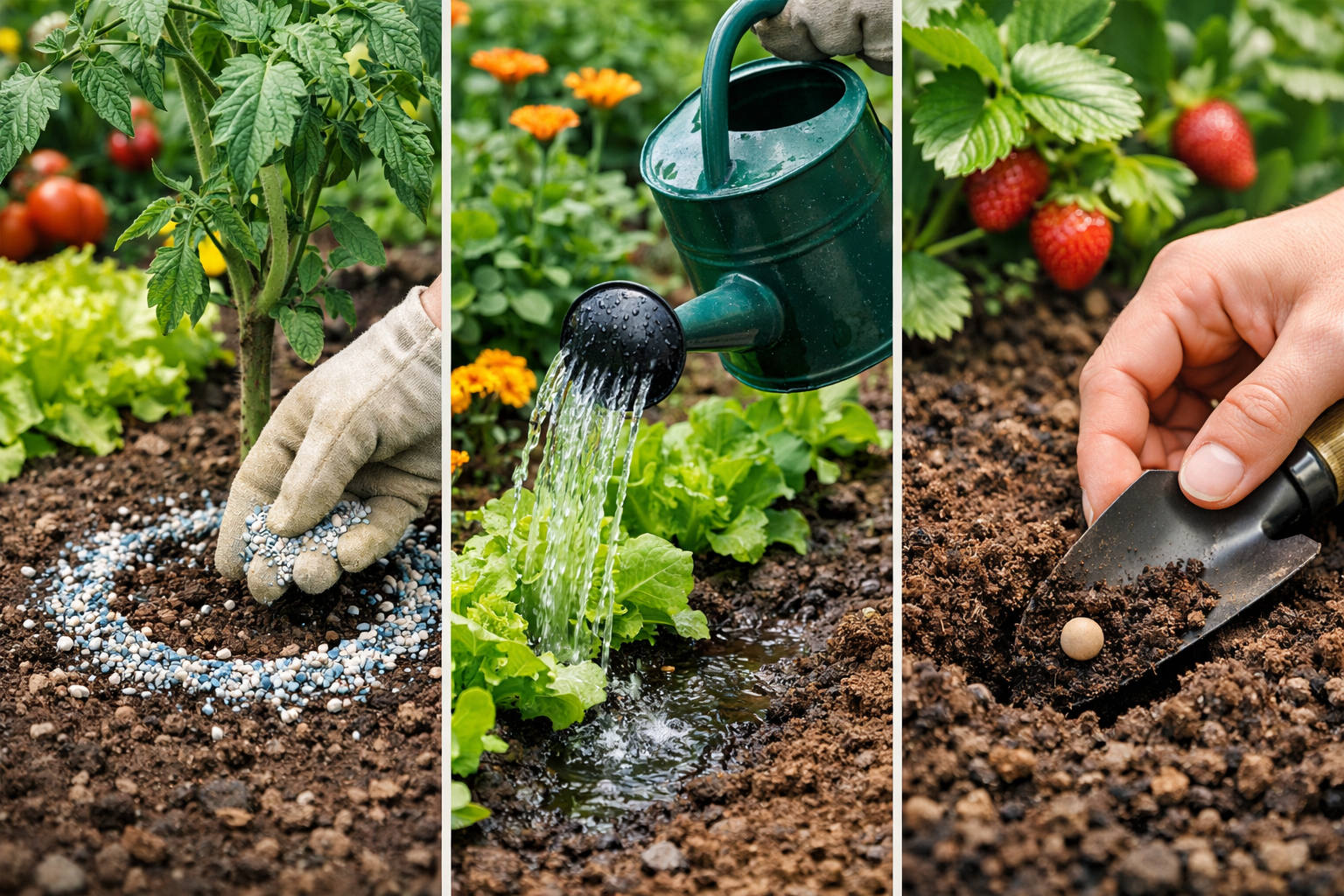
Safely applying fertilizers to small garden plants involves precise measurement, proper dilution (for liquids), careful placement, and consistent monitoring to prevent over-fertilization and ensure optimal nutrient uptake. Due to the confined nature of small gardens, even minor errors in application can quickly lead to plant damage.
The goal is to provide nutrients efficiently without causing stress or harm to your plants, whether they are in containers, raised beds, or a small in-ground plot. Always remember that more fertilizer is not always better; plants can only absorb a finite amount, and excess can lead to root burn, nutrient imbalances, or environmental runoff.
Follow these steps for safe and effective fertilizer application:
- Perform a Soil Test (Highly Recommended): Before applying any fertilizer, understand what your soil already has. A soil test will indicate deficiencies and pH levels, guiding your fertilizer choice and preventing unnecessary applications.
- Read the Label Thoroughly: This is the most critical step. Fertilizer labels provide specific instructions on:
- Application Rate: How much fertilizer to use per plant or per square foot.
- Frequency: How often to apply (e.g., weekly, monthly, once per season).
- Application Method: Whether it should be mixed into the soil, diluted in water, or sprinkled around the plant.
- Safety Precautions: Wear gloves, avoid contact with skin and eyes.
- Measure Accurately: Use measuring spoons or cups to ensure you apply the exact amount specified. Guessing often leads to over-application, especially in small garden settings where quantities are typically small.
- Decision Rule: Always measure granular fertilizers meticulously and dilute liquid concentrates precisely according to the label’s directions, never estimating.
- Application Techniques for Different Forms:
- Granular Fertilizers:
- Sprinkle Evenly: Distribute granules around the base of the plant, avoiding direct contact with the stem or leaves.
- Water In: Lightly scratch the granules into the top inch of soil, then water thoroughly. This dissolves the nutrients and helps them reach the roots, preventing fertilizer burn.
- Container Plants: For pots, sprinkle granules on the soil surface, leaving a small gap from the stem.
- Liquid Fertilizers:
- Dilute Correctly: Always mix concentrates with water according to label instructions. Often, container plants benefit from half-strength solutions applied more frequently.
- Apply to Soil: Pour the diluted solution directly onto the soil around the plant’s base, allowing it to soak into the root zone. Avoid getting excessive amounts on foliage, especially in direct sunlight, to prevent leaf burn.
- Foliar Feeding (Use Sparingly): Some liquid fertilizers can be sprayed directly onto leaves for quick absorption, but this is less common for primary feeding and should only be done if specified by the product, usually in the early morning or late evening.
- Slow-Release Fertilizers:
- Incorporate into Soil: These are often mixed into the potting mix before planting or gently worked into the topsoil. Their slow release mechanism means less frequent application.
- Avoid Overlap: Be mindful not to apply slow-release products on top of fresh applications of quick-release fertilizers, as this can lead to nutrient overload.
- Granular Fertilizers:
- Water Before and After (for granular fertilizers): If applying granular fertilizer, water the plants lightly first to moisten the soil. This helps distribute the nutrients and reduces the risk of root shock. Always water thoroughly after application.
- Common Mistake: Applying granular fertilizer to dry soil. This can concentrate salts and burn roots.
- Monitor Your Plants: After fertilizing, observe your plants closely for any signs of distress.
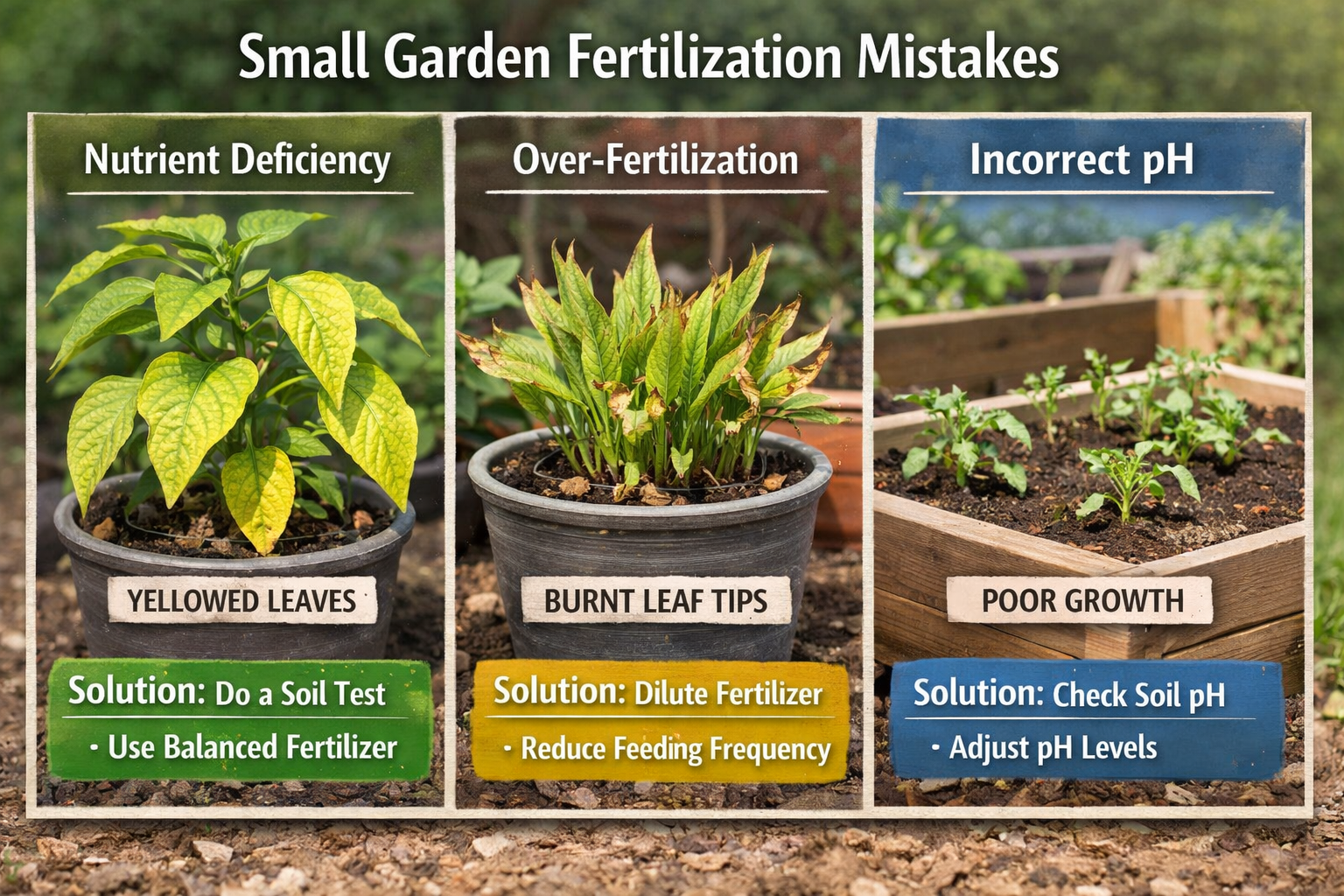
- Symptoms of Over-fertilization: Yellowing or browning leaf tips/edges, stunted growth, wilting, or a white crust on the soil surface. If these occur, flush the soil with plenty of plain water to leach out excess salts, or repot with fresh soil if in a container.
- Symptoms of Under-fertilization: Overall stunted growth, pale green or yellow leaves, sparse foliage, or poor flowering/fruiting.
- Consider Timing: Fertilize during active growth periods. Avoid fertilizing dormant plants or those stressed by extreme heat or cold. For new plants, wait a few weeks after planting to allow them to establish. Our Beginner’s Guide to Plant Care 2026 provides more context on general plant health.
By following these guidelines, you can ensure that the best fertilizers for small gardens are applied effectively and safely, fostering healthy growth without harming your precious plants.
What Are the Best Fertilizers for Small Container Gardens?
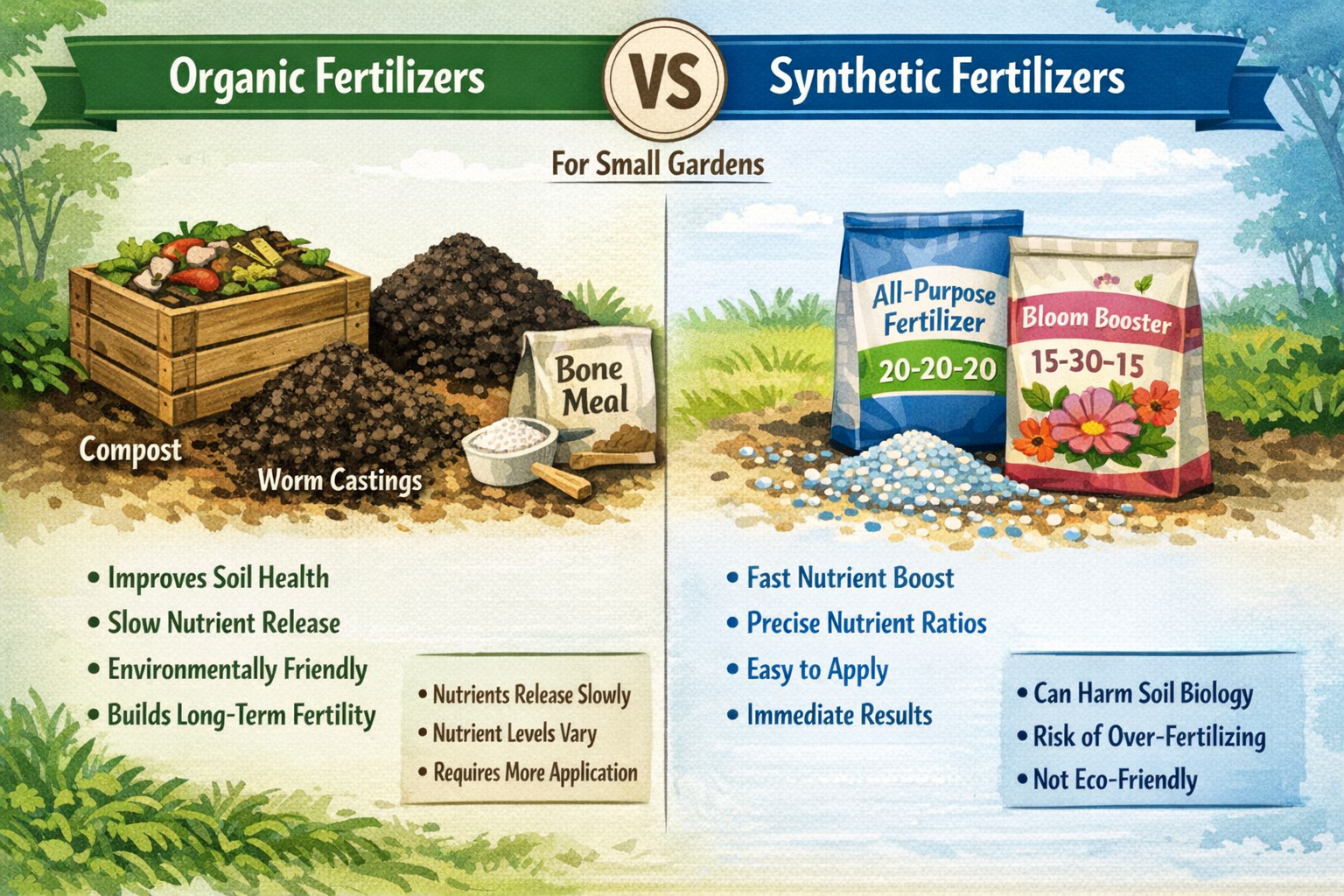
The best fertilizers for small container gardens are typically those that offer consistent, balanced nutrition, are easy to apply in limited spaces, and minimize the risk of nutrient leaching, which is common in potted plants. Slow-release granular fertilizers and diluted liquid feeds are generally ideal choices for these conditions.
Container gardening presents unique challenges because plants rely entirely on the gardener for nutrients, and frequent watering can wash away essential elements. The confined root systems also make them more susceptible to both nutrient deficiencies and fertilizer burn. Therefore, a careful and deliberate approach to fertilization is key to successful Container Gardening.
Here are the top considerations and best options for fertilizing small container gardens:
- Slow-Release Granular Fertilizers:
- Benefits: These are excellent for container plants because they provide a steady supply of nutrients over several months. You mix them into the potting mix during planting or top-dress the soil surface. This reduces the frequency of application and minimizes the risk of over-fertilization common with fast-acting products.
- Application: Follow package directions for the amount per container size. Mix thoroughly into the top layer of soil or incorporate into the entire potting mix before planting.
- Decision Rule: Choose slow-release granules if you want consistent feeding with minimal effort and prefer not to fertilize frequently.
- Liquid Fertilizers:
- Benefits: Liquid fertilizers provide nutrients quickly, which is beneficial for plants needing an immediate boost or during peak growing periods (flowering, fruiting). They are easy to dilute and apply, allowing for precise control.
- Application: Always dilute to half or quarter strength compared to garden bed recommendations, especially for container plants which are more sensitive. Apply with every second or third watering.
- Common Mistake: Applying full-strength liquid fertilizer to container plants. This almost guarantees fertilizer burn due to the concentrated salts in a limited soil volume.
- Organic Options:
- Benefits: Compost, worm castings, and compost tea are excellent for container gardens. They improve potting mix structure, encourage beneficial microbes, and release nutrients slowly.
- Application: Mix compost or worm castings into the potting mix when planting. Use diluted compost tea or fish emulsion as a liquid feed. These are particularly good for Best Indoor Plants for Small Homes 2026 due to their gentle nature and lack of synthetic chemicals.
- Edge Case: For delicate or edible container plants, organic liquid fertilizers like fish emulsion or liquid kelp can provide a gentle, comprehensive nutrient source.
- Balanced N-P-K Ratio:
- Considerations: For most general container plants (flowers, mixed herbs, small vegetables), a balanced fertilizer (e.g., 5-5-5 or 10-10-10) is a good starting point. Adjust based on plant-specific needs (e.g., higher P and K for flowering annuals or fruiting vegetables like cherry tomatoes).
- Micronutrients: Container soils can easily become depleted of micronutrients. Ensure your chosen fertilizer (or potting mix) includes essential trace elements like iron, magnesium, calcium, boron, and zinc.
- Potting Mix Quality: Start with a high-quality potting mix that drains well and retains moisture. Many commercial potting mixes include a starter charge of fertilizer, which means you might not need to fertilize for the first few weeks after planting. Read the potting mix label.
- Tip: When choosing a potting mix, consider those specifically formulated for containers; they often contain perlite or vermiculite for drainage and aeration, which are crucial for root health.
Checklist for Fertilizing Small Container Gardens:
- ✅ Start with a good potting mix: Many have starter nutrients.
- ✅ Consider slow-release granules: For consistent, low-effort feeding.
- ✅ Use diluted liquid fertilizer: For quick boosts or precise control.
- ✅ Always read and follow label instructions: Especially for dilution rates.
- ✅ Never apply to dry soil: Water before applying granular fertilizers.
- ✅ Monitor for signs of over or under-fertilization: Adjust as needed.
- ✅ Incorporate organic matter: For improved soil health and sustained nutrient release.
- ✅ Flush soil periodically: To prevent salt buildup in containers.
By carefully selecting and applying the best fertilizers for small gardens, especially those in containers, you can ensure your plants remain healthy and productive throughout their growing cycle. Remember that proper watering techniques, as detailed in our guide How Often Should You Water Plants? Ultimate Guide 2026, are equally important for nutrient absorption.
How Can I Avoid Common Fertilizing Mistakes in a Small Garden?
Avoiding common fertilizing mistakes in a small garden is crucial for preventing plant damage, optimizing growth, and making the most of your limited space and resources. The most frequent errors include over-fertilization, incorrect N-P-K ratios, and improper application techniques, all of which can have magnified negative effects in compact environments.
Small gardens, whether container-based or raised beds, have less soil volume to buffer errors, meaning plants are more vulnerable to nutrient imbalances. Precision and knowledge are therefore more important than ever when considering the best fertilizers for small gardens.
Here’s how to avoid common pitfalls:
- Mistake 1: Over-fertilization (The Most Common Error)
- Problem: Applying too much fertilizer, too frequently, or at too high a concentration. This leads to “fertilizer burn” — visible as browning or yellowing leaf tips/edges, wilting, stunted growth, and root damage due to excessive salt buildup.
- Prevention:
- Always Read Labels: Adhere strictly to the recommended dosage and frequency. When in doubt, use less than recommended, especially for container plants.
- Start Small: Begin with half the recommended dose, especially for new plants or new fertilizers, and observe plant response before increasing.
- Soil Test First: Understand existing nutrient levels. Don’t add what’s already there in sufficient quantities.
- Don’t Fertilize Dormant Plants: Plants don’t need food when not actively growing.
- Water Thoroughly: For granular fertilizers, watering immediately after application helps dissolve and distribute nutrients, preventing concentration around roots.
- Mistake 2: Incorrect N-P-K Ratio for Plant Needs
- Problem: Using a high-nitrogen fertilizer on a plant primarily grown for flowers or fruit, leading to lush foliage but poor bloom/fruit production. Conversely, using a low-nitrogen fertilizer on leafy greens can result in pale, stunted growth.
- Prevention:
- Identify Plant Needs: Know whether your plant is a heavy feeder, a light feeder, or needs specific nutrients at different life stages (e.g., high nitrogen for leafy greens, higher phosphorus/potassium for fruiting plants). Our guide on Best Plants for Small Gardens 2026: The Complete List can help identify plant types.
- Match Fertilizer to Purpose: Choose fertilizers with ratios that align with your plant’s current growth stage.
- Mistake 3: Applying Fertilizer to Dry Soil
- Problem: Granular fertilizers applied to dry soil can concentrate salts directly around dry roots, causing severe burn.
- Prevention:
- Water Before: Always moisten the soil thoroughly before applying granular fertilizers. This helps buffer the nutrients and facilitates even distribution.
- Water After: Follow up with another watering after application to help move nutrients into the root zone.
- Mistake 4: Not Considering Potting Mix Nutrients (for Container Gardens)
- Problem: Many fresh potting mixes come “charged” with starter fertilizers. Adding more immediately can lead to over-fertilization.
- Prevention:
- Read Potting Mix Labels: Check if your potting mix already contains nutrients. If so, delay your first fertilization for a few weeks or even a month.
- Mistake 5: Neglecting Soil pH
- Problem: Even with adequate fertilizer, plants cannot absorb nutrients efficiently if the soil pH is too high or too low for their specific needs.
- Prevention:
- Soil Test for pH: A soil test will reveal pH levels.
- Adjust pH as Needed: For acid-loving plants (e.g., blueberries), you might need to lower pH with elemental sulfur. For plants preferring alkaline soil, agricultural lime can raise pH. Most garden plants prefer a slightly acidic to neutral pH (6.0-7.0).
- Mistake 6: Not Incorporating Organic Matter
- Problem: Relying solely on synthetic fertilizers without adding organic matter can deplete beneficial soil microbes and degrade soil structure over time, especially in small, confined spaces.
- Prevention:
- Amend with Compost: Regularly incorporate compost, worm castings, or other organic matter into your small garden soil or potting mix. This improves soil health, structure, and provides a slow release of micronutrients. For more on this, see our article on Soil Basics for Container Gardening: 2026 Expert Guide.
- Mistake 7: Fertilizing in Extreme Weather
- Problem: Applying fertilizer during heatwaves or cold snaps can stress plants further, as their metabolic processes are already compromised.
- Prevention:
- Choose Mild Conditions: Fertilize during mild temperatures, ideally in the morning or late afternoon when temperatures are cooler. Avoid fertilizing when plants are visibly stressed.
By being mindful of these common mistakes and adopting careful, informed practices, you can successfully use the best fertilizers for small gardens, promoting robust plant health and bountiful harvests without inadvertently causing harm. For more general advice on pitfalls, refer to Beginner Mistakes in Small Space Gardening 2026.
FAQ About Best Fertilizers for Small Gardens
Q1: How often should I fertilize my small garden?
A1: The frequency depends on the fertilizer type and plant needs. Slow-release fertilizers last for months, while liquid fertilizers typically require weekly or bi-weekly application. Always check the product label for specific instructions.
Q2: Can I use one fertilizer for all my small garden plants?
A2: While an all-purpose balanced fertilizer (e.g., 5-5-5) can be a general solution, tailoring the N-P-K ratio to specific plant needs (e.g., higher nitrogen for leafy greens, higher phosphorus for flowering plants) will yield better results.
Q3: What is “fertilizer burn” and how can I avoid it?
A3: Fertilizer burn occurs when too much fertilizer (especially synthetic) causes a buildup of salts that draws moisture out of plant roots, leading to browning leaf edges and wilting. Avoid it by always following label instructions, never over-applying, and watering thoroughly after application.
Q4: Are organic fertilizers better than synthetic for small gardens?
A4: Organic fertilizers improve soil health, release nutrients slowly, and are environmentally friendly, which is great for long-term small garden vitality. Synthetic fertilizers offer precise, fast-acting nutrient delivery. The “best” depends on your gardening goals and soil condition.
Q5: Do I need a soil test for my small garden?
A5: Yes, a soil test is highly recommended, especially when starting a new garden or if plants are struggling. It identifies specific nutrient deficiencies and pH levels, allowing you to choose the most effective fertilizer.
Q6: Can I use houseplant fertilizer for my outdoor small garden?
A6: Yes, in many cases, especially for container plants. Houseplant fertilizers are often diluted liquid formulas or slow-release granules, which work well for the confined environments of small outdoor containers. Just ensure the N-P-K ratio suits your outdoor plant’s needs.
Q7: What are micronutrients and why are they important for small gardens?
A7: Micronutrients (e.g., iron, magnesium, boron) are essential nutrients plants need in smaller quantities. They are vital for various plant functions and can easily be depleted in small, frequently watered garden spaces. Many quality fertilizers include micronutrients.
Q8: Should I fertilize new seedlings in my small garden?
A8: New seedlings generally have enough nutrients from their seed and initial potting mix for a few weeks. If you do fertilize, use a very diluted liquid starter solution (e.g., ¼ strength) to avoid burning delicate roots.
Q9: How do I know if my plants need fertilizer?
A9: Signs include stunted growth, pale green or yellowing leaves (chlorosis), poor flowering or fruiting, or premature leaf drop. However, these symptoms can also indicate watering issues or pests, so confirm with a soil test if unsure.
Q10: What is the best time of day to fertilize my small garden?
A10: Early morning or late afternoon is ideal. Avoid fertilizing in the middle of a hot, sunny day, as this can increase the risk of leaf burn, especially with liquid or foliar applications.
Key Takeaways
- Tailor Fertilizer to Plant Needs: Match N-P-K ratios to the specific growth requirements of your plants (e.g., high N for leafy greens, high P/K for flowers/fruit).
- Balance Organic and Synthetic: Consider incorporating organic fertilizers for long-term soil health and microbial activity, alongside synthetic options for precise, targeted nutrient boosts.
- Understand Fertilizer Forms: Choose between slow-release granular (consistent feeding, less effort) and liquid concentrates (quick boosts, precise control) based on your gardening style and plant needs.
- Prioritize Soil Testing: Conduct a soil test to accurately identify nutrient deficiencies and pH imbalances, preventing wasteful or harmful fertilization.
- Measure Accurately and Read Labels: Always follow manufacturer instructions for application rates and frequency to prevent over-fertilization and ensure plant safety.
- Water Wisely: Always moisten soil before applying granular fertilizers and water thoroughly afterward to aid nutrient distribution and reduce burn risk.
- Monitor Plant Health: Regularly inspect plants for signs of nutrient deficiency or excess, adjusting your fertilization regimen as needed.
- Consider Container-Specific Needs: Container gardens require frequent, but often diluted, fertilization due to nutrient leaching and limited soil volume.
- Avoid Common Mistakes: Be vigilant against over-fertilization, applying to dry soil, or using incorrect N-P-K ratios, which are magnified in small garden settings.
- Integrate Organic Matter: Regularly amend your soil or potting mix with compost to improve structure, buffer nutrients, and enhance microbial life.
Sources
- Cornell University Cooperative Extension. (2021). Soil pH for Gardeners: How to Test and Amend Soil pH. https://gardening.cornell.edu/
- University of California Agriculture and Natural Resources. (2019). Fertilizing Home Gardens. https://ucanr.edu/
- Oregon State University Extension Service. (2020). Gardening in Containers. https://extension.oregonstate.edu/
Small Garden Fertilizer Selector 🌿
Use this tool to get personalized fertilizer recommendations for your small garden based on your plant type and growth goals in 2026.