Best Containers for Gardening: Pots, Buckets & DIY Ideas
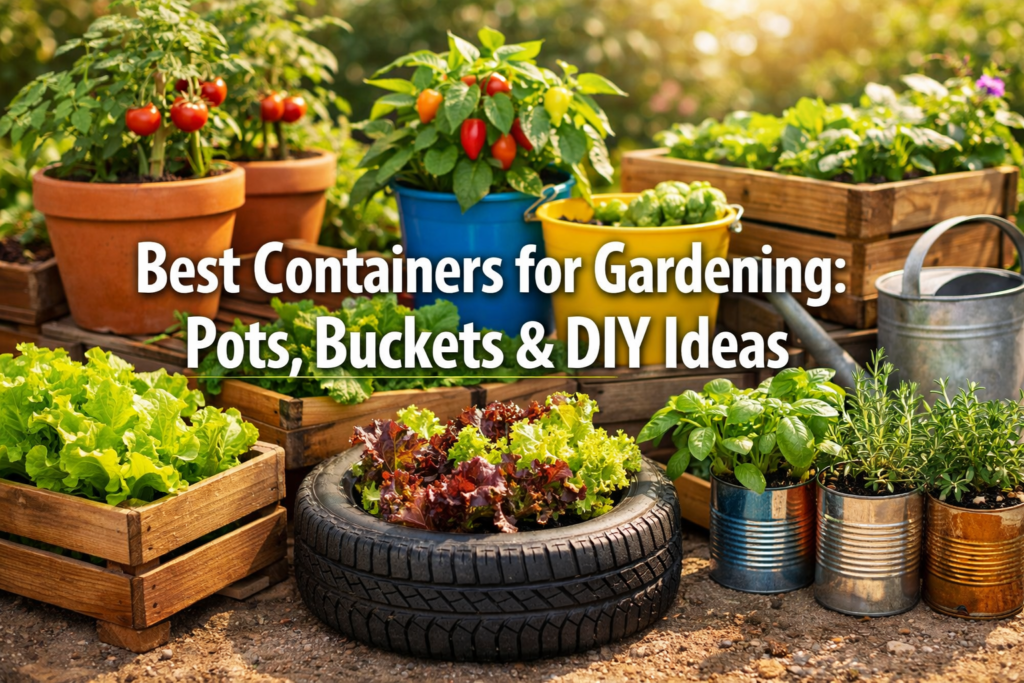
Quick Answer: Choosing the best containers for gardening depends on your plants’ needs, available space, and budget, with options ranging from traditional pots and versatile buckets to creative DIY solutions. Proper drainage, adequate size, and suitable material are crucial for any container to ensure healthy plant growth.
Key Takeaways:
- Drainage is Non-Negotiable: Every container, regardless of type, must have sufficient drainage holes to prevent root rot.
- Size Matters: Match the container size to the mature root system of your plants; shallow containers suit herbs, while deep-rooted vegetables need larger pots.
- Material Influences Care: Different materials (terracotta, plastic, fabric, wood) affect water retention, insulation, and durability, requiring varied watering and maintenance.
- Buckets are Budget-Friendly & Versatile: Repurposed 5-gallon buckets offer an economical and sturdy option for growing many vegetables, requiring only drainage hole modifications.
- DIY Solutions Offer Creativity & Sustainability: From old tires to wooden crates, DIY containers are a sustainable way to garden, often saving money and adding unique character.
- Consider Portability: Lighter plastic or fabric containers are easier to move for sun exposure or weather protection than heavy ceramic or concrete options.
- Evaluate Cost vs. Longevity: While some containers are cheaper upfront, durable materials like glazed ceramic or rot-resistant wood may offer better long-term value.
- Accessibility for All: Container gardening, utilizing a variety of pots, buckets, and DIY ideas, makes gardening accessible in small spaces like balconies and patios.
What Are the Best Traditional Pots for Container Gardening?
Traditional pots are widely available and come in various materials, each offering distinct advantages for container gardening, from excellent aesthetics to specific functional benefits. The best choice often balances plant needs, personal style, and maintenance preferences.
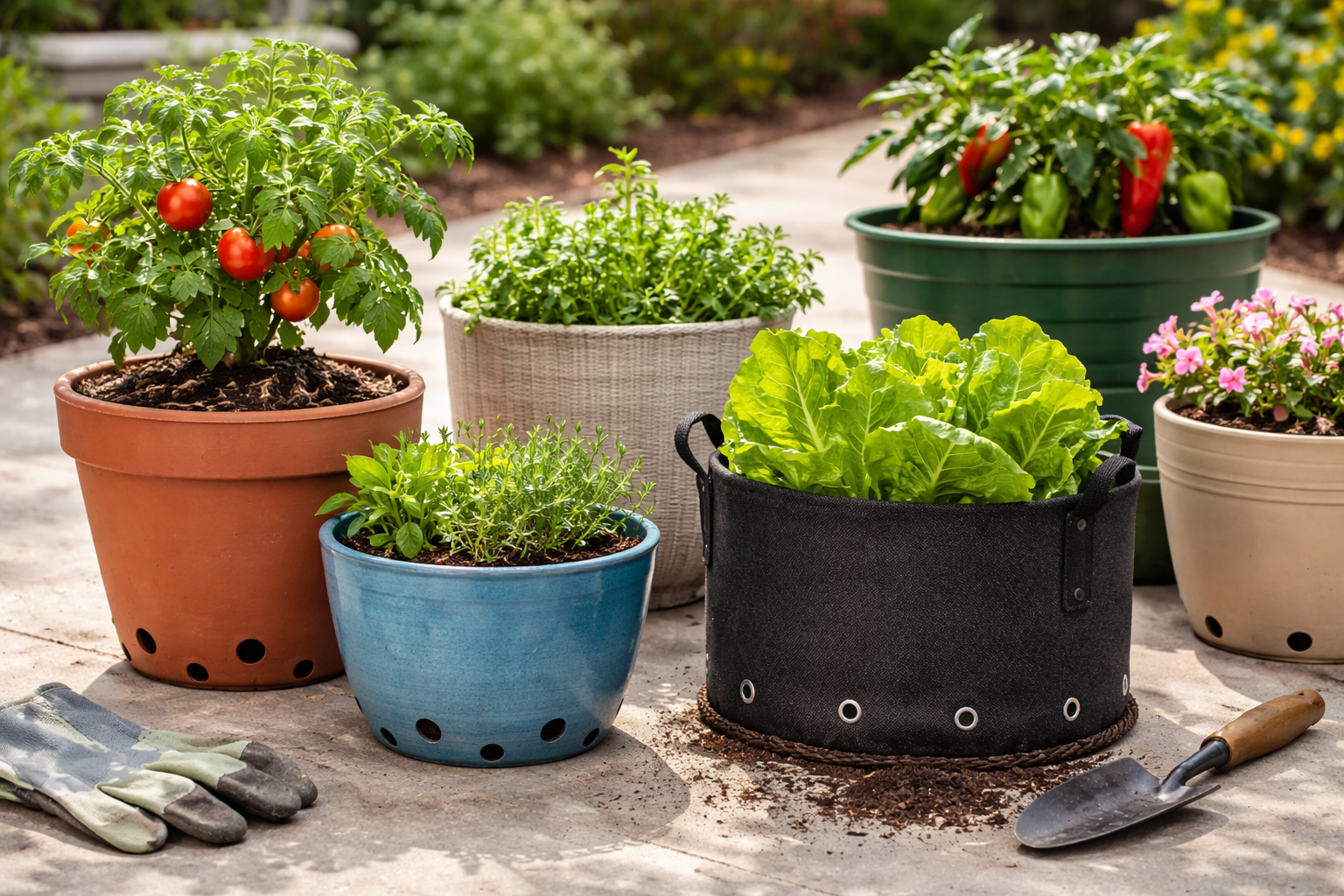
When selecting traditional pots, consider the material carefully as it dictates water retention, insulation, and overall weight. For example, porous materials like terracotta wick moisture away quickly, while glazed ceramic retains it longer.
- Terracotta/Clay Pots:
- Pros: Excellent breathability, prevents overwatering, classic aesthetic.
- Cons: Dries out quickly (requires more frequent watering), heavy, can break in freezing temperatures.
- Choose if: You tend to overwater or live in a humid climate. Great for herbs, succulents, and plants that prefer drier conditions.
- Plastic Pots:
- Pros: Lightweight, affordable, retains moisture well, durable, available in many colors and sizes.
- Cons: Less breathable, can overheat roots in direct sun, may degrade over time from UV exposure.
- Choose if: You need portable containers, are on a budget, or grow moisture-loving plants. Ideal for vegetables like tomatoes and peppers. For more options, see our guide on the Best Pots for Small Space Gardening in 2026.
- Ceramic/Glazed Pots:
- Pros: Visually appealing, good moisture retention (glazed), heavy (provides stability for larger plants).
- Cons: Heavy, expensive, can crack in cold weather, limited breathability.
- Choose if: Aesthetics are important, and you want less frequent watering. Suitable for decorative plants, small trees, or larger shrubs.
- Fabric Grow Bags:
- Pros: Excellent aeration (prevents root circling), lightweight, promotes healthy root structure, collapsible for storage.
- Cons: Dries out quickly (like terracotta), less aesthetically traditional, can be unstable when very tall.
- Choose if: You prioritize root health, need portable options, or grow vegetables like potatoes and carrots.
- Wooden Planters:
- Pros: Natural look, good insulation for roots, sturdy, can be customized in size.
- Cons: Can rot over time, heavy when filled, requires lining to extend lifespan, can be expensive.
- Choose if: You prefer a rustic aesthetic, need large, stable planters, and are willing to maintain them.
Decision Rule: For beginners, start with plastic pots or fabric grow bags due to their affordability, portability, and ease of use. If you’re growing on a balcony, explore options specifically designed for Best Pots for Balcony Garden 2026.
Why Are Buckets an Excellent Choice for “Best Containers for Gardening: Pots, Buckets & DIY Ideas”?
Buckets, particularly 5-gallon varieties, are an excellent choice for Best Containers for Gardening due to their low cost, durability, and deep capacity, making them ideal for growing a wide range of vegetables and larger plants. With proper modification, they provide a highly effective and budget-friendly gardening solution.
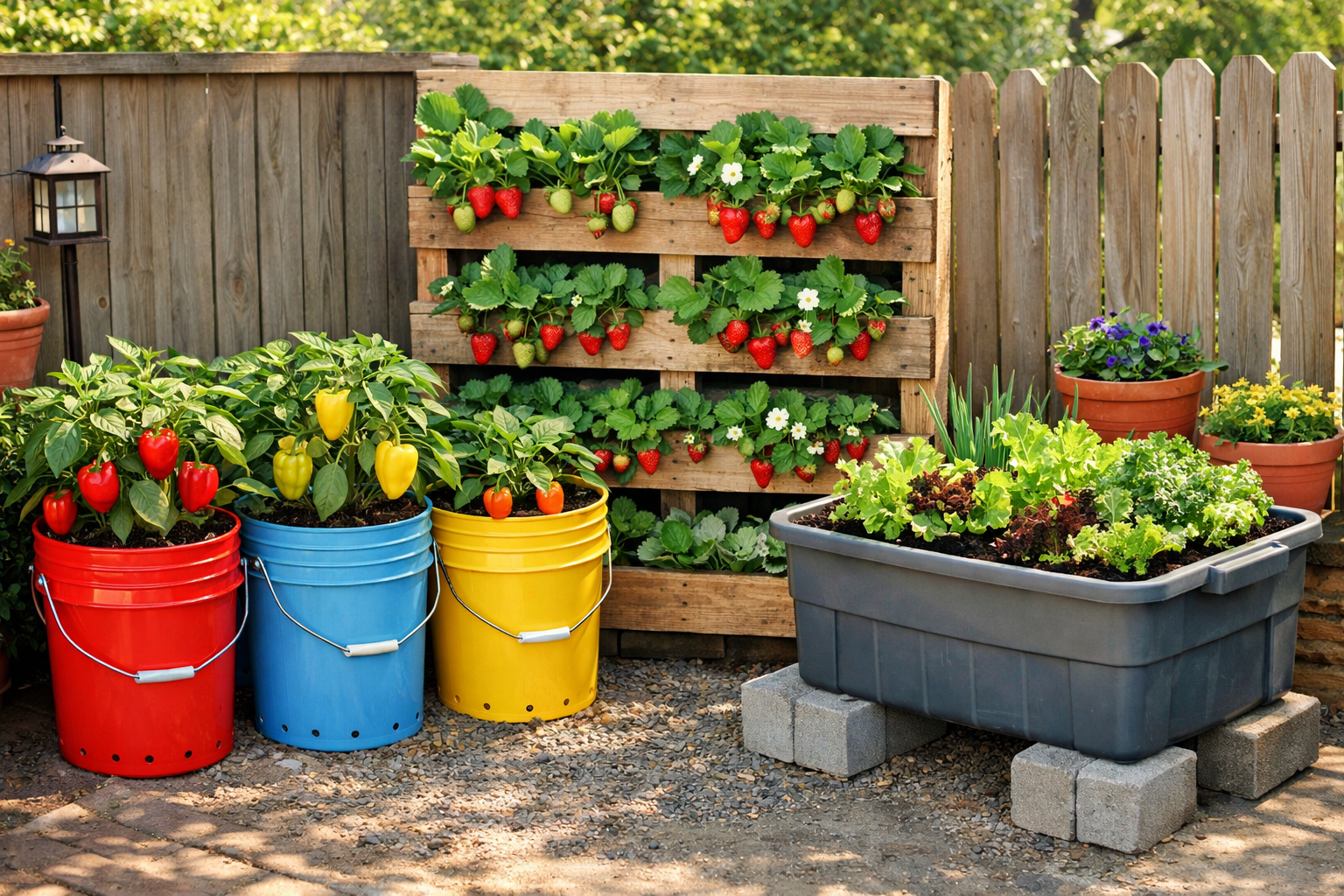
These often-overlooked containers can transform a small space into a productive garden. Their size is particularly beneficial for plants that require more root room.
- Cost-Effectiveness:
- Benefit: Often free or very inexpensive when sourced from construction sites (with permission), bakeries, or restaurants (food-grade buckets). This significantly reduces initial gardening costs.
- Example: A stack of five 5-gallon buckets can cost less than a single large ceramic pot.
- Durability:
- Benefit: Made from sturdy plastic, buckets can withstand various weather conditions and impacts, lasting for many growing seasons. They are less prone to breaking than terracotta or ceramic.
- Consideration: Ensure they are UV-resistant if left in direct sun for extended periods, or paint them a light color to reflect heat and protect roots.
- Ideal Size for Many Plants:
- Benefit: The 5-gallon size (roughly 10-12 inches in diameter and depth) is perfect for single larger plants like tomatoes, peppers, eggplants, squash, and even smaller fruit trees.
- Mistake to Avoid: Don’t try to cram too many plants into one bucket; this can lead to competition for nutrients and stunted growth. Refer to a pot size guide for vegetables to match plants appropriately.
- Ease of Modification:
- Benefit: Adding drainage holes is straightforward. Use a drill with a ½-inch to ¾-inch bit, making 5-8 holes in the bottom. You can also create self-watering systems with a second bucket.
- Pro Tip: Drill holes a few inches up the sides of the bucket if you want a small water reservoir at the bottom, helping to reduce watering frequency.
- Portability:
- Benefit: While full, they can be heavy, but empty buckets are light and easy to rearrange. Casters can be added to the bottom for easier movement of heavy, planted buckets.
- Edge Case: If growing on a balcony, check weight limits. While individual buckets are manageable, a collection of many full buckets can add significant weight.
Buckets are especially useful for vegetable gardening where depth is often more important than width.
What Are Some Creative and Practical DIY Ideas for “Best Containers for Gardening: Pots, Buckets & DIY Ideas”?
Creative DIY ideas for the Best Containers for Gardening repurpose everyday items into functional and aesthetic planters, offering sustainable, budget-friendly, and unique ways to garden in any space. These solutions often add character and reduce waste.
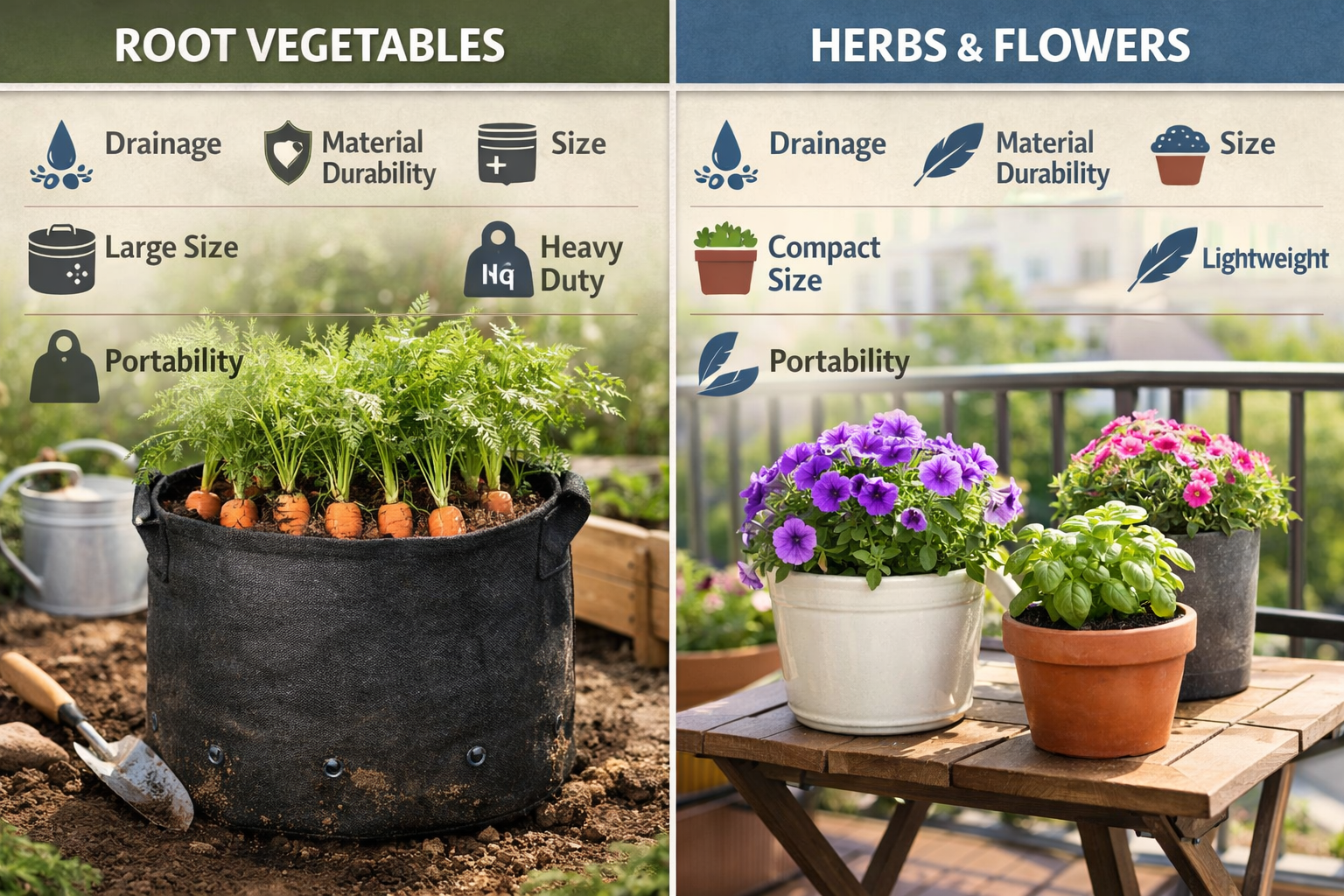
Embracing DIY containers allows for personalization and can significantly cut down on the cost of setting up a garden, especially for those looking for budget balcony gardening ideas.
Here are some popular and effective DIY container ideas:
- Repurposed Food Containers:
- Examples: Large plastic salad tubs, yogurt containers, coffee cans, milk jugs, and even old metal tins (ensure they are rust-resistant or lined).
- Modification: Always clean thoroughly and drill adequate drainage holes in the bottom. For metal, consider punching holes with a nail and hammer.
- Best For: Herbs, small leafy greens like lettuce and spinach, radishes, and seedlings.
- Old Tires:
- Examples: Car or truck tires.
- Modification: Wash thoroughly. Stack tires for deeper beds. Fill with soil. Paint them vibrant colors to enhance aesthetics and potentially reflect heat.
- Best For: Potatoes, squash, pumpkins, and other large, rambling plants that need ample space. Can also act as a mini raised bed.
- Wooden Crates/Pallets:
- Examples: Wine crates, old fruit crates, shipping pallets.
- Modification: Line with landscape fabric or thick plastic sheeting (with drainage holes poked in the liner) to prevent soil from escaping and extend wood life. Sand rough edges.
- Best For: Creating modular gardens, vertical gardens (pallets), or aesthetic raised beds for herbs, flowers, and shallow-rooted vegetables. Ideal for vertical balcony garden ideas.
- Plastic Storage Bins/Totes:
- Examples: Large plastic storage bins often used for household organization.
- Modification: Drill numerous drainage holes in the bottom. Can be painted to improve appearance.
- Best For: Deeper root vegetables like carrots, potatoes, and larger crops, acting as mini raised garden beds.
- Fabric Shopping Bags/Laundry Hampers:
- Examples: Reusable heavy-duty shopping bags, old canvas laundry hampers.
- Modification: Ensure the fabric is breathable. Line with landscape fabric if it’s too flimsy.
- Best For: Short-term growing of herbs or leafy greens. Similar benefits to fabric grow bags but often free.
- Mason Jars/Glass Bottles:
- Examples: Mason jars, wine bottles (cut safely).
- Modification: Crucial: These need specialized wicking systems or very careful watering as they lack natural drainage. Often used for hydroponics or self-watering setups with an inner net pot.
- Best For: Herbs (especially with passive hydroponic methods) or propagation.
- Bathtubs/Sinks:
- Examples: Repurposed old bathtubs or sinks.
- Modification: Ensure the drain is functional or create additional drainage. Can be painted.
- Best For: Large-scale herb gardens, leafy greens, or mixed flower beds.
Common Mistake: Forgetting to add adequate drainage holes to any DIY container will almost certainly lead to root rot and plant death. This is the single most critical step for success.
How Do I Choose the Right Size and Material for My Gardening Containers?
Choosing the right size and material for your gardening containers involves matching them to your plants’ specific needs, your garden’s location, and your personal gardening style and budget. Plant health and growth depend heavily on these selections.
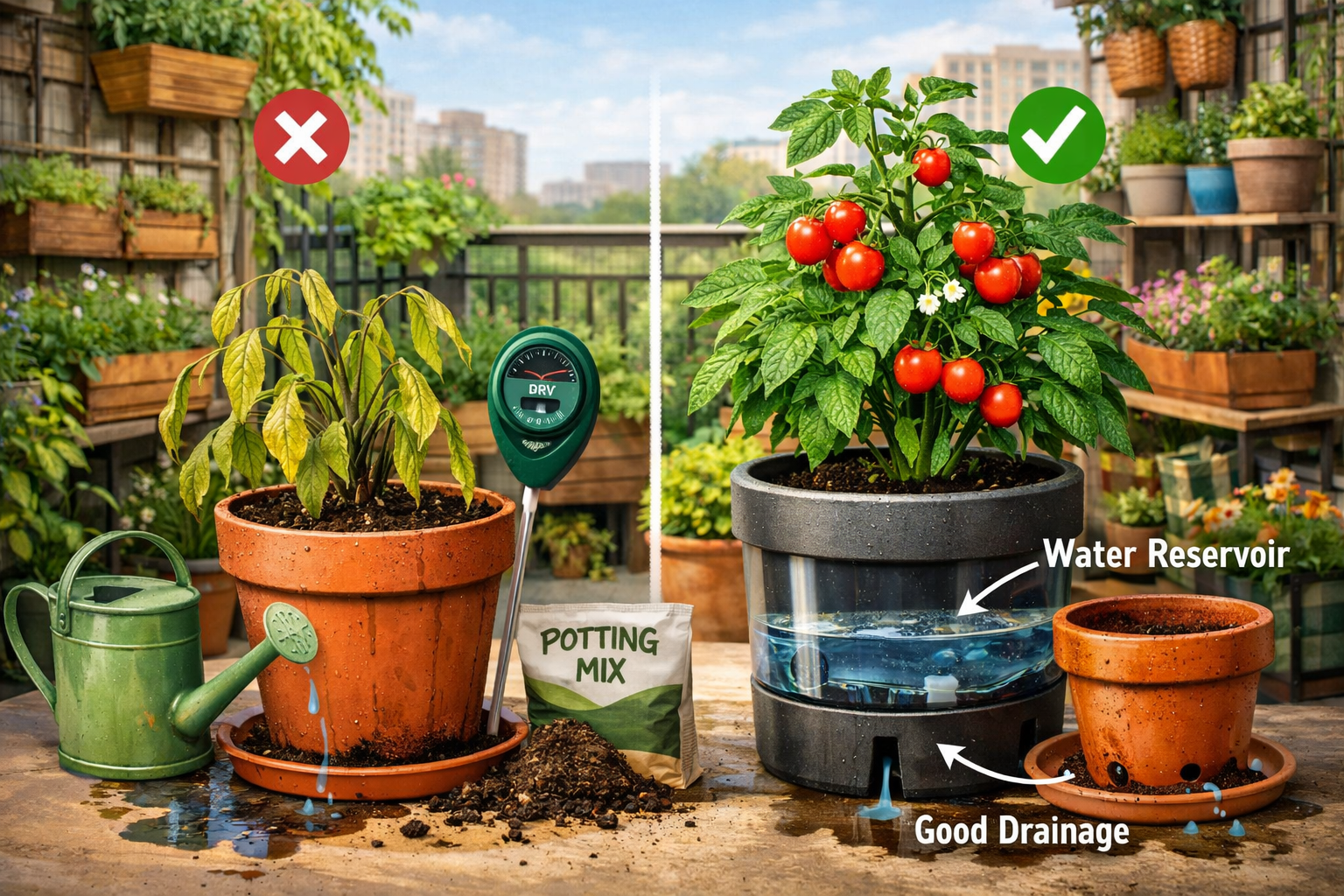
The decision-making process for the Best Containers for Gardening: Pots, Buckets & DIY Ideas can be broken down into practical considerations.
Choosing the Right Size:
The most critical factor for container size is the mature root system of the plant you intend to grow.
- Small (6-8 inches deep/diameter):
- Plants: Herbs (basil, cilantro, mint), lettuce, spinach, radishes, green onions.
- Why: These plants have shallow root systems and don’t require much space.
- Medium (10-14 inches deep/diameter):
- Plants: Bush beans, carrots, beets, peppers, most annual flowers, smaller determinate tomatoes, strawberries.
- Why: Provides enough room for moderate root growth and consistent moisture. For specific advice on growing in smaller pots, see our guide on Grow Big in Small Pots: What Vegetables Thrive in Shallow Container.
- Large (15+ inches deep/diameter):
- Plants: Indeterminate tomatoes, cucumbers, zucchini, squash, potatoes, blueberries, small fruit trees, perennial shrubs.
- Why: These plants develop extensive root systems and require significant soil volume to thrive, access nutrients, and maintain moisture.
- Volume Matters: Don’t just look at diameter. Depth is crucial for root vegetables and larger plants. A 5-gallon bucket (approx. 10-12 inches deep) is a good benchmark for many medium-to-large vegetables.
Choosing the Right Material:
Container material impacts watering frequency, root temperature, durability, and aesthetics.
| Material Type | Water Retention | Breathability | Weight | Durability | Cost | Best For |
|---|---|---|---|---|---|---|
| Terracotta/Clay | Low | High | Heavy | Moderate | Medium | Plants that prefer drier conditions (herbs, succulents), or if you tend to overwater. Excellent for hot climates where roots might overheat in plastic. |
| Plastic | High | Low | Light | High | Low | Moisture-loving plants (most vegetables), budget gardening, portability, beginners. Can be painted to match decor. |
| Ceramic/Glazed | High | Low | Very Heavy | High | High | Decorative displays, stable planting for taller plants, reduced watering frequency. Good for temperate climates. |
| Fabric Grow Bags | Low-Medium | Very High | Light | Medium | Low | Root health (air-pruning prevents circling), portability, storage, root vegetables like potatoes. Requires more frequent watering. |
| Wood | Medium | Medium | Heavy | Moderate-High | Medium-High | Raised beds, rustic aesthetics, good insulation. Needs liners to prevent rot. Ideal for larger, permanent installations or small space vegetable gardening. |
| Metal (Lined) | Medium-High | Low | Medium | High | Medium | Industrial aesthetic, can be used for deep root crops if properly lined and insulated (can get very hot in sun). Ensure drainage and prevent rust. |
When to Choose Which:
- Hot Climates: Terracotta or fabric bags help prevent roots from overheating, though they require more frequent watering. Light-colored plastic also helps.
- Dry Climates: Glazed ceramic or plastic pots will reduce watering needs.
- Windy Locations: Heavy ceramic, concrete, or well-weighted wooden planters provide stability. For balconies, consider wind-resistant balcony plants and sturdy containers.
- Small or Balcony Spaces: Lightweight plastic or fabric grow bags are ideal for portability and space efficiency. Balcony garden layout ideas often incorporate these.
- Budget Conscious: Plastic pots and DIY buckets are your best bet.
Ultimately, experiment with different types of containers to see what works best for your specific plants and gardening conditions in 2026.
Conclusion
Selecting the best containers for gardening, whether traditional pots, repurposed buckets, or creative DIY solutions, is fundamental to successful container gardening. The core principles of adequate drainage, appropriate size for your plants, and thoughtful material choice remain paramount. As we’ve explored, each type of container offers unique benefits and drawbacks, from the moisture-retaining properties of plastic to the breathable nature of terracotta and fabric grow bags, or the sustainable ingenuity of DIY projects.
By understanding your plants’ needs, assessing your space constraints, and considering your budget, you can make informed decisions that foster thriving plants and a beautiful garden. Don’t be afraid to experiment with different options and get creative with materials. Remember, the right container is one that supports healthy root growth and allows you to enjoy the rewarding experience of growing your own food or nurturing vibrant flowers. Happy gardening in 2026!
FAQ
Q1: What is the most important feature for any gardening container?
A1: The most important feature is drainage holes to prevent waterlogging and root rot, regardless of the container type or material.
Q2: Can I use any plastic container for gardening?
A2: Yes, many plastic containers can be repurposed for gardening, but ensure they are clean, have drainage holes, and ideally are food-grade if you’re growing edibles.
Q3: How do I add drainage holes to a bucket or DIY container?
A3: Use a drill with a ½-inch to ¾-inch bit to make 5-8 holes in the bottom. For metal, a hammer and nail can also create holes.
Q4: Are fabric grow bags better than plastic pots?
A4: Fabric grow bags offer superior aeration and prevent root circling, promoting healthier root systems, but they dry out faster than plastic pots. The “better” option depends on your plant’s needs and watering habits.
Q5: What size container do I need for tomatoes?
A5: For most tomato varieties, a container of at least 5 gallons (10-12 inches deep and wide) is recommended to support their extensive root system and growth.
Q6: How can I prevent my containers from drying out too quickly?
A6: Use larger pots, choose materials that retain moisture (like plastic or glazed ceramic), add mulch to the soil surface, or consider self-watering container designs.
Q7: Can I reuse old tires as planters?
A7: Yes, old tires can be repurposed as durable planters. Wash them thoroughly, and you can paint them to improve aesthetics and reflect heat.
Q8: What are the cheapest options for gardening containers?
A8: Repurposed 5-gallon buckets, plastic storage bins, and other cleaned food-grade plastic containers are typically the cheapest options.