Beginner Indoor Gardening Tips
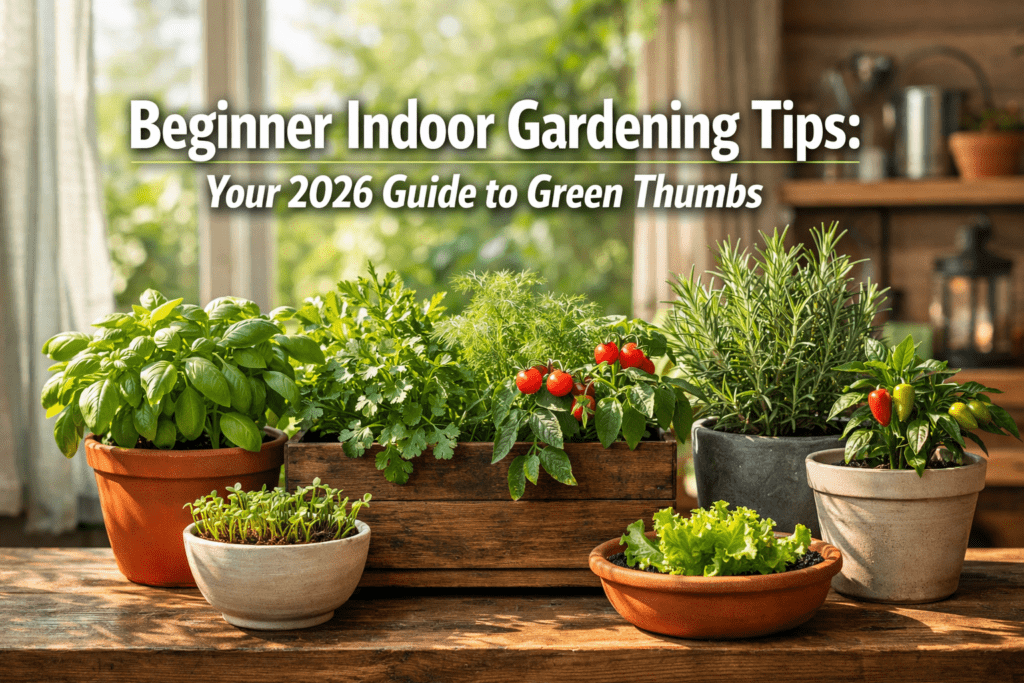
Quick Answer: Starting an indoor garden in 2026 is an accessible and rewarding hobby, requiring attention to a few key principles: choosing the right beginner-friendly plants, ensuring adequate light, using appropriate soil and containers, and establishing a consistent watering and feeding routine. Success hinges on understanding your plants’ basic needs and adapting to your home’s environment.
Key Takeaways
- Start Simple: Choose low-maintenance plants like herbs (basil, mint), succulents, or snake plants.
- Light is Key: Identify your home’s light conditions (sunny window, indirect light) or invest in grow lights.
- Proper Watering: Avoid overwatering; check soil moisture before adding water.
- Good Soil Matters: Use a well-draining potting mix specifically designed for containers.
- Container Choice: Select pots with drainage holes to prevent root rot.
- Feed Sparingly: Fertilize during growing seasons, but avoid over-fertilizing beginners.
- Monitor & Adapt: Regularly inspect plants for pests or signs of stress and adjust care as needed.
- Enjoy the Process: Indoor gardening is a journey of learning and observation.
What Are the Best Plants for Beginner Indoor Gardening Tips?
The best plants for beginner indoor gardening are those that are forgiving of minor mistakes, adapt well to typical indoor conditions, and have relatively low maintenance requirements, allowing newcomers to build confidence. Opting for resilient species significantly increases your chances of early success in 2026.
For those just starting, I recommend focusing on plants known for their hardiness and ability to thrive indoors. These often include herbs, certain vegetables, and decorative houseplants.
- Herbs: Many herbs are excellent for beginners.
- Basil: Requires plenty of light and consistent moisture, but grows quickly and rewards with fresh flavor.
- Mint: Extremely vigorous and tolerant, though it can spread aggressively if not contained.
- Chives: Easy to grow from seed or bulb, offering continuous harvests.
- Parsley: A bit slower than basil but still relatively straightforward.
- For a comprehensive list of easy-to-grow herbs, check out our guide on Beginner-Friendly Herbs to Grow: Easy Guide 2026.
- Vegetables (Dwarf Varieties): Certain compact vegetables are suitable for indoor cultivation.
- Lettuce & Spinach: Fast-growing leafy greens that do well in partial sun.
- Radishes: Can mature quickly in containers.
- Cherry Tomatoes: Requires more light but dwarf varieties can be productive.
- For more options, explore our article on Best Vegetables for Small Space Gardening in 2026.
- Houseplants: These are often chosen for their aesthetic appeal and air-purifying qualities.
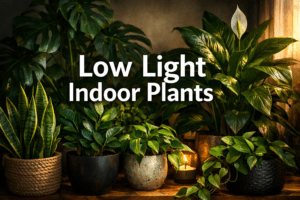
- Snake Plant (Sansevieria): Tolerates low light and infrequent watering, making it incredibly resilient.
- Spider Plant (Chlorophytum comosum): Easy to propagate and adaptable to various light conditions.
- Pothos (Epipremnum aureum): A vining plant that thrives in a range of light and can handle some neglect.
- ZZ Plant (Zamioculcas zamiifolia): Extremely drought-tolerant and forgiving of low light.
- For specific recommendations on houseplants, see Best Indoor Plants for Small Homes 2026: Top Low-Maintenance Picks.
Decision Rule: Choose leafy greens or herbs if your indoor space receives moderate, indirect light for at least 4-6 hours daily. If you have a very bright, sunny window (6+ hours of direct sun), you can venture into fruiting plants like dwarf tomatoes or peppers. If light is consistently low, opt for succulents or very tolerant houseplants.
How Do I Provide Adequate Light for My Indoor Plants?
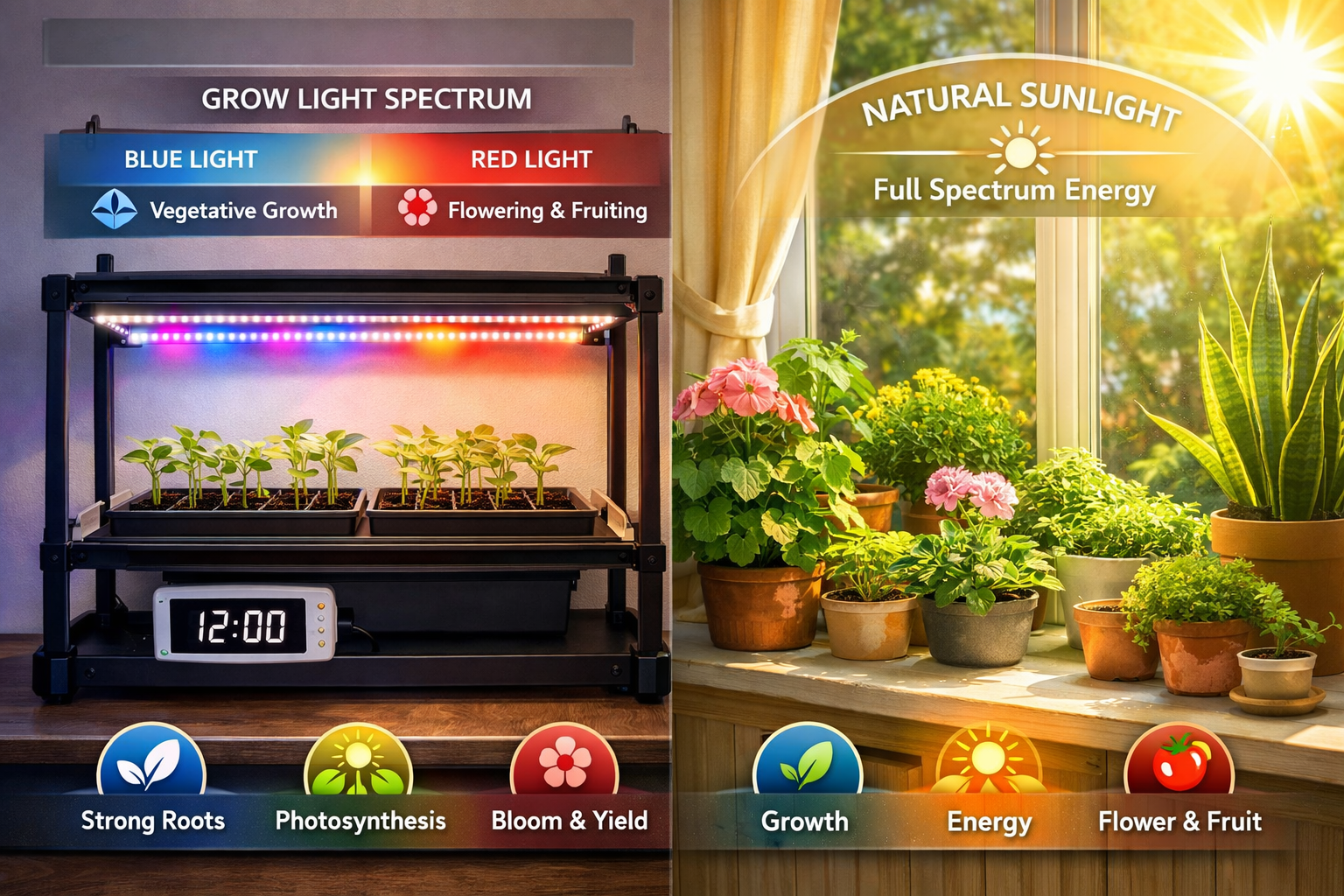
Providing adequate light is crucial for the health and growth of indoor plants, as light is their primary energy source for photosynthesis; generally, most indoor plants need at least 6-8 hours of bright, indirect light daily. Assessing your natural light sources and supplementing with artificial lighting if necessary are key steps for beginner indoor gardening tips in 2026.
Indoor light conditions can vary dramatically from one room to another, or even at different times of the year.
- Assess Natural Light:
- South-facing windows typically offer the brightest and longest duration of direct light, ideal for sun-loving plants like herbs or fruiting vegetables.
- East-facing windows provide gentle morning sun, suitable for plants that prefer bright, indirect light.
- West-facing windows deliver intense afternoon sun, which can sometimes be too harsh without sheer curtains.
- North-facing windows offer the least amount of direct light, best for low-light tolerant plants.
- Keep in mind that factors like overhangs, nearby buildings, and even window cleanliness can significantly impact the amount of light reaching your plants.
- Utilize Grow Lights: When natural light is insufficient, grow lights become indispensable.
- LED Grow Lights: These are energy-efficient, long-lasting, and emit very little heat. They come in various spectrums, with “full spectrum” options being excellent for general plant growth.
- Fluorescent Lights (CFL or T5): Also energy-efficient, but often less powerful than LEDs. Good for seedlings or leafy greens.
- Placement: Position grow lights typically 6-12 inches above plant foliage, adjusting based on the light’s intensity and plant needs. Always follow manufacturer recommendations.
- Timing: Use a timer to ensure plants receive 12-16 hours of light per day, mimicking a natural growing cycle. Plants also need a period of darkness to rest and perform other metabolic processes.
- Rotation: Regularly rotate your plants, especially those near windows, to ensure all sides receive even light exposure and prevent lopsided growth.
Common Mistake: A frequent error is placing a plant that requires “bright, indirect light” several feet away from any window, effectively putting it in low light. “Bright, indirect” means close to a window (within 1-3 feet) where it receives ample light but no direct sunbeams.
What Essential Tools and Supplies Do I Need for Beginner Indoor Gardening?
For beginner indoor gardening, a few essential tools and supplies will set you up for success without overwhelming you with specialized equipment. Starting with the basics ensures you can provide proper care from planting to harvest in 2026.
Having the right foundational items makes plant care easier and more effective. You don’t need a sprawling garden shed full of gadgets; a minimalist approach works well for small indoor spaces.
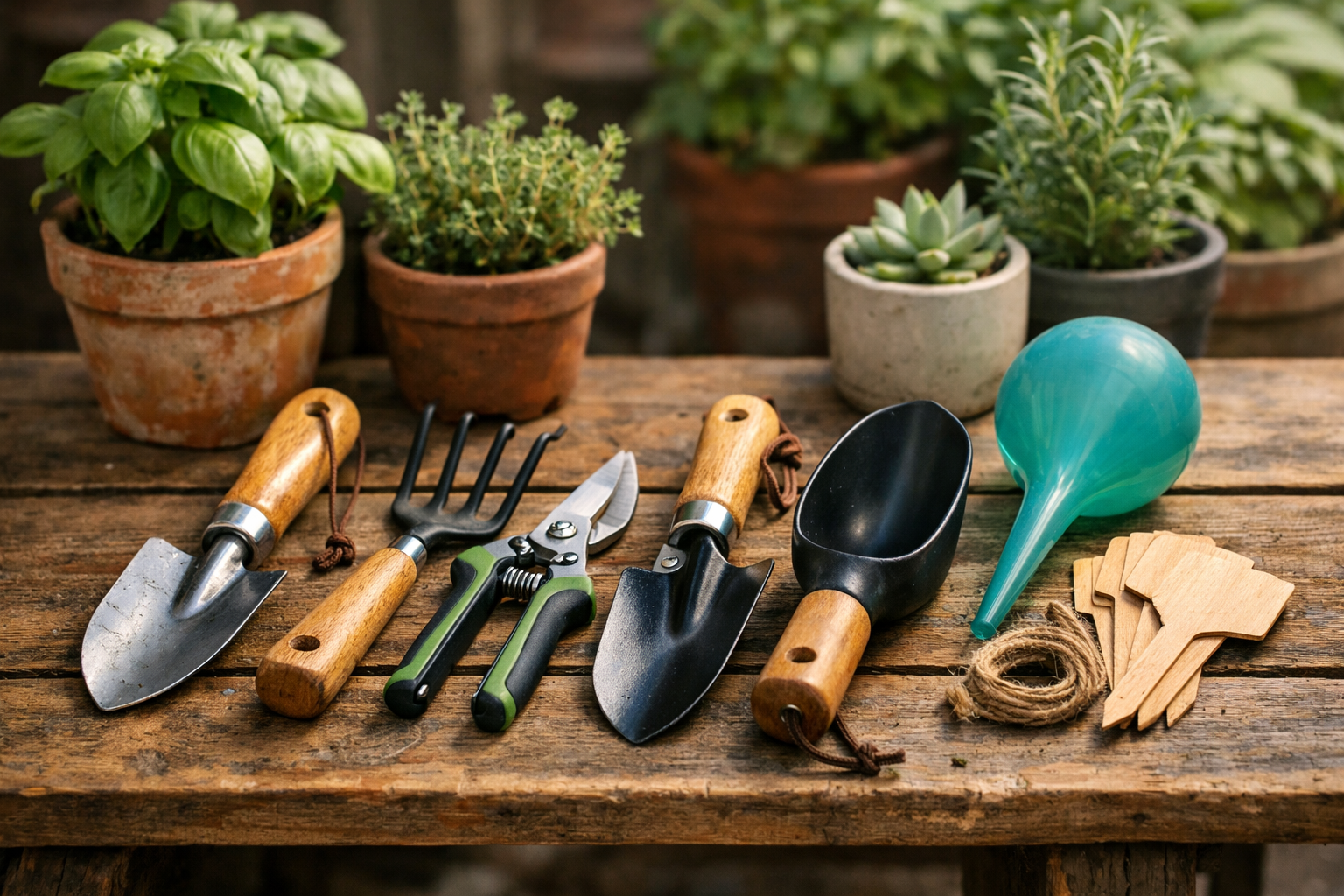
Essential Tools & Supplies Checklist:
- Pots/Containers:
- Requirement: Always choose pots with drainage holes to prevent waterlogging and root rot.
- Material: Terra cotta pots breathe well, which is great for plants prone to overwatering. Plastic pots retain moisture longer, suitable for plants that prefer consistent dampness.
- Size: Start with containers appropriate for the mature size of your plant. For instance, a small herb might begin in a 4-inch pot but will likely need a 6-8 inch pot as it grows. Read more about Best Pots for Small Space Gardening in 2026.
- Potting Mix:
- Requirement: Do not use garden soil indoors, as it can compact, harbor pests, and lack proper drainage.
- Type: Purchase a high-quality, sterile potting mix formulated for indoor plants or containers. Look for mixes that are light, airy, and drain well. For vegetables, a mix designed for edibles is often preferred. See our guide on Soil Basics for Container Gardening: 2026 Expert Guide.
- Watering Can or Bottle:
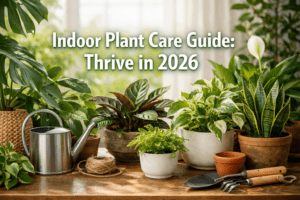
- Requirement: A small watering can with a long, slender spout allows for precise watering at the soil level, minimizing splashing.
- Alternative: A repurposed plastic bottle with small holes poked in the lid can work in a pinch.
- Hand Trowel/Small Scoop:
- Purpose: For scooping soil, repotting, and gently working around plant roots. A small, sturdy trowel is invaluable.
- Pruning Shears/Snips:
- Purpose: Essential for harvesting herbs, deadheading flowers, and trimming away yellowing or dead leaves. Clean cuts promote plant health.
- Soil Moisture Meter (Optional but Recommended):
- Purpose: Takes the guesswork out of watering by indicating the moisture level deep within the soil. A simple and affordable tool that prevents both over and under-watering.
- Plant Labels:
- Purpose: Especially useful when starting plants from seed to keep track of varieties and planting dates.
- Fertilizer:
- Type: A balanced, all-purpose liquid fertilizer, or one specifically for edibles if growing vegetables.
- Application: Follow package directions, but generally, indoor plants need less fertilizer than outdoor ones. Fertilize only during active growing seasons (spring/summer) and typically at half strength for beginners.
| Item | Purpose | Beginner-Friendly Recommendation |
|---|---|---|
| Pots | Plant housing & root support | Terra cotta or plastic with drainage holes, 4-8 inches |
| Potting Mix | Nutrient-rich, well-draining medium | Sterile, lightweight mix for indoor plants |
| Watering Can | Precise water delivery | Small can with narrow spout |
| Hand Trowel | Scooping soil, repotting | Durable, small size |
| Pruning Snips | Harvesting, trimming | Sharp, clean small shears |
| Moisture Meter | Monitors soil hydration | Simple probe-style meter (digital or analog) |
| Plant Labels | Identification, tracking | Reusable plastic or bamboo stakes |
| Liquid Fertilizer | Provides essential nutrients | Balanced NPK (e.g., 5-5-5) liquid feed |
Edge Case: If you are gardening in a very small apartment or limited space, consider vertical gardening solutions or self-watering planters. These can maximize your growing area and simplify watering. Our guide on Indoor Gardening for Small Homes & Apartments: 2026 Guide offers more insights.
What are the Best Watering Practices for Indoor Plants?
The best watering practices for indoor plants revolve around checking the soil moisture level before watering and ensuring proper drainage, as overwatering is the most common cause of plant demise. Understanding your plant’s specific needs and the environmental conditions of your home in 2026 will help you establish a successful watering routine.
Watering correctly is more about technique and observation than a fixed schedule. Different plants have different needs, and factors like temperature, humidity, light, and pot size all influence how quickly soil dries out.
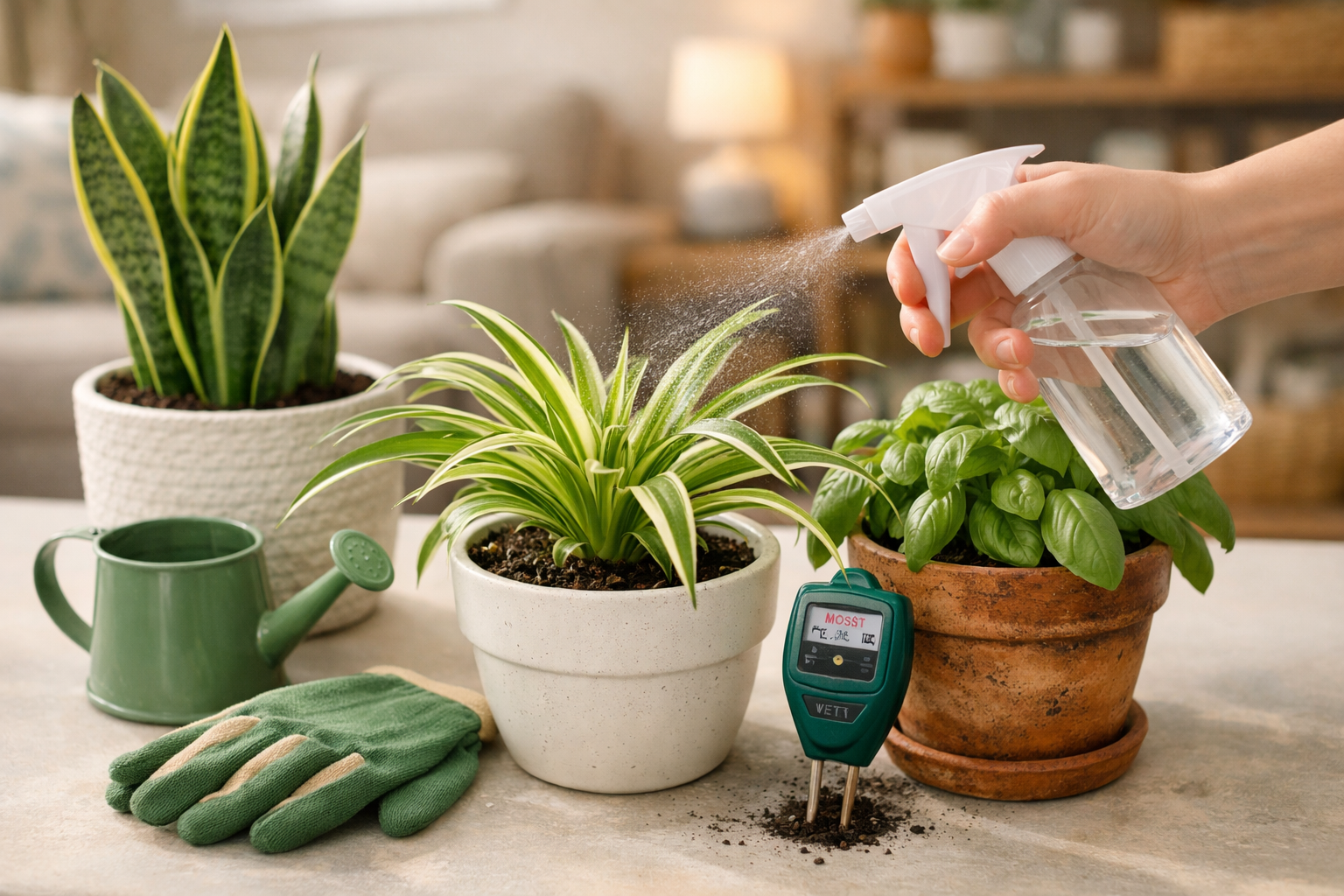
- Feel the Soil: The most reliable method is to feel the soil. Stick your finger about 1-2 inches deep into the potting mix.
- If it feels dry: It’s likely time to water.
- If it feels damp: Wait a few more days and check again.
- For larger pots, you might need to check deeper. A soil moisture meter can provide a more accurate reading.
- Water Thoroughly: When you do water, do so until water begins to drain out of the bottom of the pot. This ensures the entire root ball receives moisture. Empty any excess water from the saucer within 15-30 minutes to prevent the plant from sitting in standing water, which can lead to root rot.
- Frequency vs. Volume: It’s better to water thoroughly less often than to give small sips frequently. Small amounts of water tend to only moisten the topsoil, leaving the lower roots dry.
- Understand Plant Needs:
- Succulents and Cacti: Prefer their soil to dry out completely between waterings.
- Tropical Plants (e.g., Pothos, Spider Plant): Prefer consistent moisture but not soggy soil; allow the top inch or two to dry out.
- Herbs: Often prefer consistently moist soil, especially fast-growing varieties like basil.
- Seasonal Adjustments: Plants typically require more water during their active growing season (spring and summer) and less during dormancy (fall and winter). Reduce watering frequency when temperatures are cooler and light levels are lower.
- Water Quality: Tap water is usually fine, but if your tap water is heavily chlorinated, letting it sit out for 24 hours can help dissipate the chlorine. Some sensitive plants may prefer distilled or rainwater.
Common Mistake: Consistently watering on a set schedule (e.g., “every Wednesday”) without checking the soil can lead to overwatering or underwatering. Always check the soil first. Another common mistake is using pots without drainage holes, which inevitably leads to waterlogged soil and root problems.
When and How Should I Fertilize My Indoor Garden?
You should fertilize your indoor garden primarily during the plants’ active growing season, typically spring and summer, using a balanced, diluted liquid fertilizer to provide essential nutrients that potting mix alone cannot sustain long-term. Avoiding fertilization during dormancy and not over-fertilizing are crucial for healthy growth in 2026.
Fertilizing is about supplementing the nutrients that your plants absorb from the soil. Since indoor plants are in confined containers, their access to nutrients is limited, unlike outdoor plants that can draw from a larger soil volume.
- Timing is Key:
- Active Growth (Spring and Summer): This is when your plants are actively producing new leaves, stems, and possibly flowers or fruit. Fertilize every 2-4 weeks during this period.
- Dormancy (Fall and Winter): Most indoor plants slow down their growth in cooler, darker months. Reduce or stop fertilizing entirely during this time, as excess nutrients can build up in the soil and harm roots.
- Choose the Right Fertilizer:
- Balanced NPK: A general-purpose houseplant fertilizer with a balanced NPK ratio (e.g., 5-5-5 or 10-10-10) is suitable for most plants. NPK stands for Nitrogen (leafy growth), Phosphorus (roots/flowers), and Potassium (overall plant health).
- Specialty Fertilizers: For specific plants like orchids or citrus, a specialized fertilizer might be beneficial.
- Organic Options: Worm castings or compost tea can also provide nutrients gently.
- Dilution and Application:
- Dilute: Always dilute liquid fertilizers to half or even quarter strength, especially for beginners. Over-fertilizing is far more damaging than under-fertilizing.
- Apply to Moist Soil: Never fertilize dry soil. Water your plant first, then apply the diluted fertilizer. This prevents root burn.
- Method: Pour the diluted fertilizer evenly over the soil surface, avoiding direct contact with leaves.
- Signs of Nutrient Deficiency:
- Yellowing Lower Leaves: Often indicates a nitrogen deficiency.
- Slow Growth/Stunted Plants: General nutrient deficiency.
- Pale Leaves/Lack of Vigor: Can signal a need for more nutrients.
Common Mistake: The most common mistake is over-fertilizing. This can lead to fertilizer burn, where the excess salts draw moisture out of the roots, causing leaves to yellow, brown, and eventually die. If you suspect over-fertilization, flush the soil thoroughly with plain water several times.
How Can I Address Common Pest and Disease Issues in Indoor Gardening?
Addressing common pest and disease issues in indoor gardening requires regular inspection, early detection, and appropriate, often organic, treatment methods to protect your plants and prevent widespread infestations. Proactive monitoring is a key part of successful beginner indoor gardening tips for 2026.
Indoor environments can be less prone to large-scale pest outbreaks than outdoor gardens, but pests can still find their way in, often hitchhiking on new plants, contaminated soil, or even through open windows.
- Regular Inspection:
- Frequency: Make it a habit to visually inspect your plants weekly.
- What to Look For: Check both the top and underside of leaves, stems, and the soil surface for any unusual spots, sticky residue, tiny bugs, or webbing.
- New Plants: Always isolate new plants for a few weeks before introducing them to your existing collection to ensure they aren’t bringing in pests.
- Common Indoor Pests and Solutions:
- Fungus Gnats: Small, dark flies that hover around soil, often a sign of overwatering.
- Solution: Allow the top inch or two of soil to dry out completely between waterings. Yellow sticky traps can catch adults. Bacillus thuringiensis israelensis (BTI) can be used for larvae in the soil.
- Spider Mites: Tiny arachnids that cause speckling on leaves and fine webbing, especially on the underside of leaves.
- Solution: Isolate the plant. Rinse heavily infested plants with a strong spray of water. Treat with insecticidal soap or neem oil. Increase humidity around the plant.
- Aphids: Small, soft-bodied insects that cluster on new growth, sucking sap and leaving sticky honeydew.
- Solution: Wipe them off with a damp cloth or spray with a strong stream of water. Treat with insecticidal soap or neem oil.
- Mealybugs: White, cottony masses found in leaf axils and along stems.
- Solution: Dip a cotton swab in rubbing alcohol and touch it directly to the mealybugs to kill them. Repeat regularly. Treat with insecticidal soap or neem oil for larger infestations.
- Fungus Gnats: Small, dark flies that hover around soil, often a sign of overwatering.
- Disease Prevention and Treatment:
- Good Air Circulation: Helps prevent fungal diseases.
- Proper Watering: Avoid overwatering, which can lead to root rot and other moisture-related issues.
- Sterile Potting Mix: Reduces the introduction of soil-borne pathogens.
- Clean Tools: Sterilize pruning shears between plants to avoid spreading disease.
- Root Rot: If a plant suddenly wilts and the soil is soggy, root rot is likely. Repot into fresh, dry soil after trimming away any rotten (mushy, black) roots.
- Neem Oil: A versatile, organic pesticide and fungicide. It disrupts pest life cycles and can treat some fungal issues. Always follow product instructions for dilution and application.
Important Note: Act quickly at the first sign of pests. Small infestations are much easier to control than widespread ones. Consistency in treatment is crucial for success.
Conclusion
Embarking on the journey of indoor gardening in 2026 is an enriching experience that transforms your living space and connects you with nature. By focusing on these beginner indoor gardening tips—selecting appropriate plants, understanding their light and watering needs, using the right tools, and proactively managing pests—you’re well-equipped to cultivate a thriving indoor oasis. Remember that gardening is a continuous learning process; patience and observation are your best allies.
Actionable Next Steps:
- Assess Your Space: Identify the light conditions in different areas of your home.
- Choose Your First Plant: Select one or two low-maintenance plants from our recommended list.
- Gather Basic Supplies: Acquire pots with drainage, quality potting mix, a small watering can, and snips.
- Establish a Routine: Develop a habit of checking soil moisture regularly and inspecting your plants for any issues.
- Expand Gradually: As you gain confidence, gradually introduce new plants or try a slightly more challenging variety.
Happy gardening!
FAQ
Q1: How often should I water my indoor plants?
A1: Water your indoor plants when the top 1-2 inches of soil feel dry to the touch, rather than following a fixed schedule.
Q2: Do all indoor plants need direct sunlight?
A2: No, most indoor plants thrive in bright, indirect light; only a few sun-loving plants like certain herbs or vegetables require direct sunlight.
Q3: What kind of soil should I use for indoor plants?
A3: Always use a high-quality, sterile potting mix specifically formulated for indoor plants, as it provides proper drainage and aeration.
Q4: Is it okay to use garden soil for indoor gardening?
A4: No, garden soil is too heavy, can compact in pots, and may contain pests or diseases that are harmful to indoor plants.
Q5: How do I know if my plant is getting enough light?
A5: Signs of insufficient light include leggy growth, pale leaves, lack of new growth, or no flowering in blooming plants.
Q6: Can I use regular houseplant fertilizer for edible indoor plants?
A6: Yes, a balanced all-purpose houseplant fertilizer can be used, but ensure it’s diluted and consider organic or food-safe options for edibles.
Q7: What are the signs of overwatering?
A7: Symptoms of overwatering include yellowing leaves, soft and mushy stems or roots, wilting despite wet soil, and a foul smell from the soil.
Q8: How do I deal with tiny flies hovering around my plant’s soil?
A8: These are likely fungus gnats, often indicating overwatering; let the soil dry out more between waterings and use yellow sticky traps.
Q9: When should I repot my indoor plants?
A9: Repot your indoor plants when they become root-bound (roots growing out of drainage holes), growth slows significantly, or the plant appears top-heavy, typically every 1-2 years.
Q10: What temperature is best for indoor plants?
A10: Most indoor plants prefer a consistent temperature range between 65-75°F (18-24°C) during the day and slightly cooler at night.
References
- No external sources were used for this article.