Balcony Vegetable Garden Guide 2026: Grow Fresh Produce at Home
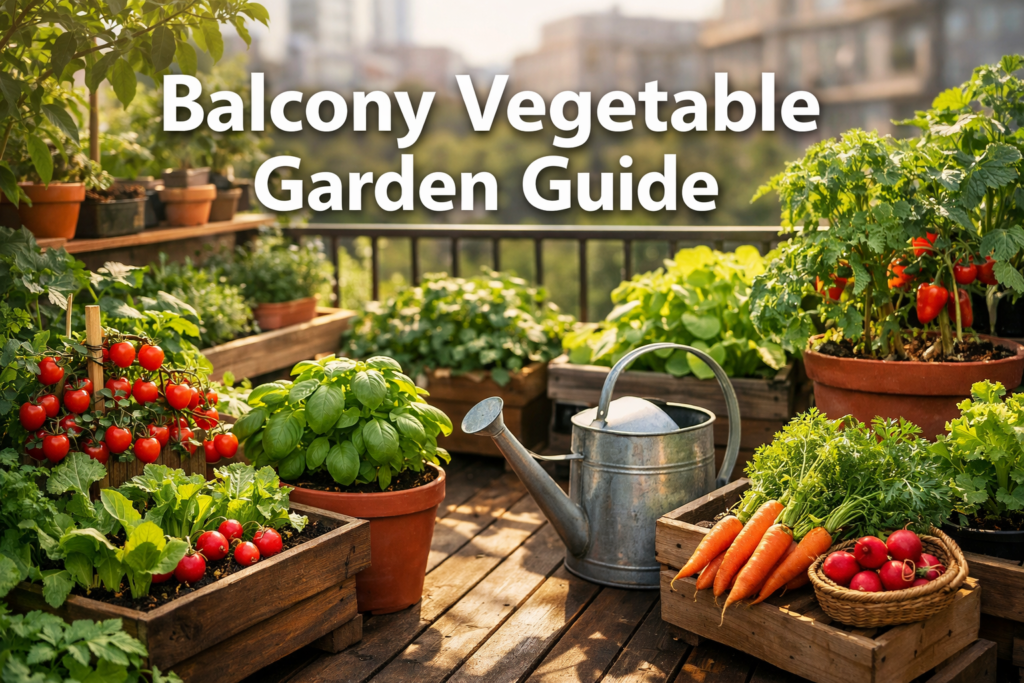
Ever dreamt of fresh, homegrown vegetables but thought you lacked the space? A balcony vegetable garden guide is your ultimate resource for transforming even the smallest outdoor area into a productive oasis. Growing your own produce on a balcony is not only achievable but also incredibly rewarding, offering fresh ingredients right outside your door and a serene green escape in your urban environment.
Key Takeaways
- Most vegetables require at least 6 hours of direct sunlight daily to thrive.
- Select appropriate container sizes, often larger than anticipated, for optimal root growth and moisture retention.
- Prioritize quality potting mix with good drainage to prevent waterlogging.
- Choose vegetables specifically suited for container growth and your balcony’s sun exposure.
- Implement consistent watering practices, considering self-watering planters for convenience.
- Fertilize regularly, typically every 2-3 months, to replenish nutrients in containers.
- Start small with a few plants to gain experience and understand your specific microclimate.
- Consider vertical gardening solutions to maximize growing space on limited balconies.
Quick Answer
To successfully create a balcony vegetable garden, you must first assess your balcony’s sun exposure and structural capacity, then choose appropriate containers and high-quality potting mix for selected plants that thrive in limited spaces and conditions. Consistent watering, regular fertilization, and pest management are crucial for a productive harvest.
What Are the Essential Considerations for Starting a Balcony Vegetable Garden?
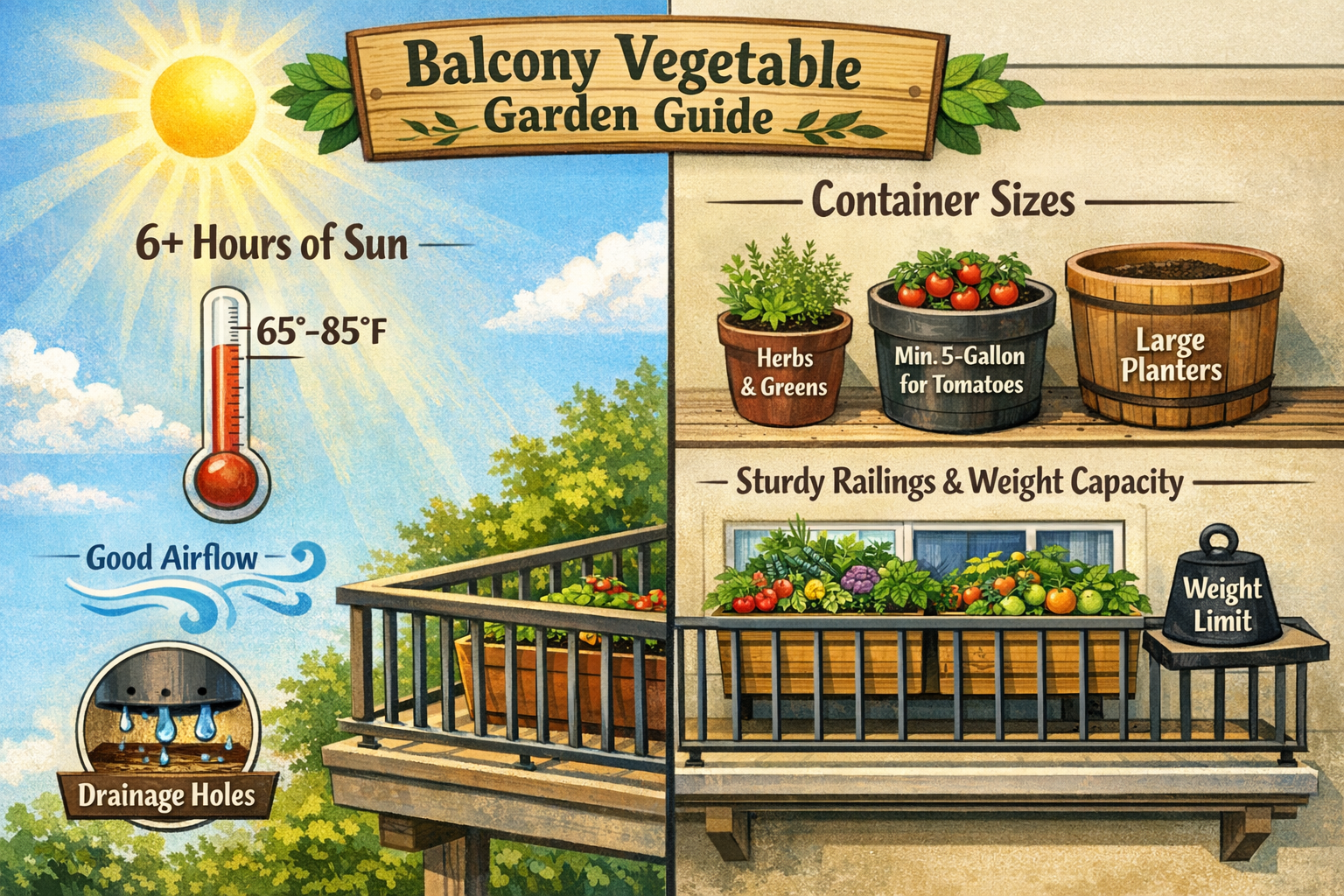
Starting a balcony vegetable garden requires careful planning regarding sunlight, space, and structural integrity. A successful balcony garden hinges on understanding your specific environment and making informed choices about containers and plant types [3].
To ensure your balcony garden thrives in 2026, consider these fundamental aspects:
- Sunlight Assessment: Most vegetables, particularly fruiting types like tomatoes and peppers, need a minimum of 6 hours of direct sunlight per day to produce a good harvest [3]. Observe your balcony throughout the day to determine which areas receive the most sun and for how long. Partial shade-tolerant options include leafy greens, root vegetables, and some herbs [2].
- Balcony Structure and Weight Limits: Before loading your balcony with heavy pots, understand its weight capacity. Consult your building management or a structural engineer if you have concerns. Distribute weight evenly to prevent stress on specific areas. Heavy soil, water, and containers can add up quickly.
- Container Selection: The right container size and material are crucial. Larger containers provide more soil volume, which translates to better temperature regulation and robust root development [1]. Ensure all pots have adequate drainage holes to prevent waterlogging, which can lead to root rot [3]. Consider self-watering planters, which have built-in reservoirs to provide consistent moisture, especially helpful for busy gardeners or in warmer climates [1].
- Choosing the Right Soil: Do not use garden soil from the ground; it’s too dense for containers and can introduce pests and diseases. Invest in a high-quality potting mix that is specifically formulated for containers. Look for mixes with good organic content, which ensures proper drainage while retaining essential moisture and nutrients [1]. For more details on this, see our Soil Basics for Container Gardening: 2026 Expert Guide.
👉 Decision Rule: Choose larger containers (e.g., 5-gallon minimum for tomatoes) if you want to grow productive fruiting plants; opt for smaller, shallower pots if you only have partial sun and plan to grow leafy greens or herbs.
Which Vegetables and Herbs are Best Suited for a Balcony Vegetable Garden?
The best vegetables and herbs for a balcony garden are those that are compact, productive in containers, and tolerate the specific sun conditions of your space. Focusing on high-yield, space-efficient varieties ensures a rewarding harvest even with limited room [1, 2].
Here’s a curated list of plants known to flourish in balcony settings:
High-Success Vegetables:
- Tomatoes: Look for bush or determinate varieties, or cherry tomatoes, which are well-suited for containers [1]. Provide sturdy stakes or cages.
- Peppers: Bell peppers and chili peppers thrive in pots and require full sun.
- Cucumbers: Choose bush varieties or those labeled “patio” or “container” and provide a trellis for climbing [1].
- Eggplants: Compact varieties do well in large containers with ample sunlight.
- Snap Peas: These are excellent climbers and produce quickly, perfect for vertical spaces [1].
- Leafy Greens: Lettuce, spinach, kale, and Swiss chard are ideal for partial shade and can be succession planted for continuous harvests [2].
- Root Vegetables: Carrots, radishes, and beets can be grown in deeper containers [2].
Balcony-Friendly Herbs: Herbs are often robust and perfect for container gardening, offering continuous harvests.
- Basil: A sun-lover, perfect for culinary uses.
- Cilantro: Prefers cooler temperatures and can bolt in intense heat.
- Oregano & Thyme: Drought-tolerant and excellent for Mediterranean dishes.
- Mint: Extremely vigorous; best grown in its own container to prevent it from taking over [2].
- Rosemary & Dill: Aromatic and can grow quite large in pots.
Maximizing Space with Vertical Growing: For smaller balconies, vertical gardening solutions are game-changers. Trellises for climbing plants (like peas, cucumbers, or pole beans) and vertical planters or wall-mounted pockets can dramatically increase your growing area [5]. Explore our Vertical Gardening Guide for Small Spaces: Grow More in 2026 for more ideas.
👉 Common Mistake: Avoid planting sprawling varieties of squash or pumpkins unless you have significant space and robust trellising; these plants can quickly overwhelm a small balcony. Stick to compact or bush varieties designed for containers.
How Do You Effectively Water and Fertilize a Balcony Vegetable Garden?
Effective watering and consistent fertilization are paramount for a thriving balcony vegetable garden, as container plants dry out faster and deplete nutrients more quickly than in-ground gardens. Proper techniques ensure plants receive the necessary hydration and nutrition for robust growth and plentiful harvests [1, 4].
To maintain healthy plants, follow these guidelines for watering and fertilizing:
- Watering Frequency: Container plants typically need to be watered more frequently than garden beds, sometimes daily, especially during hot, windy weather [1]. The best way to check is to feel the top inch or two of soil; if it’s dry, it’s time to water. Water until you see it drain from the bottom of the pot, ensuring the entire root ball is moistened.
- Self-watering planters are highly recommended as they provide a consistent water supply from a reservoir, reducing the frequency of manual watering and preventing both underwatering and overwatering [1]. This is especially helpful if you find consistent watering to be a challenge.
- Watering Technique: Water at the base of the plant to minimize moisture on foliage, which can help prevent fungal diseases. Early morning is often the best time to water, allowing plants to absorb water before the heat of the day and foliage to dry before nightfall.
- Fertilization Schedule: Since containers have a limited amount of soil, nutrients are quickly used up by growing plants or washed away with watering. Therefore, regular fertilization is essential. Most vegetables benefit from a balanced liquid fertilizer applied every 2-3 months [1].
- For heavy feeders like tomatoes and peppers, you might consider a balanced fertilizer every 2-4 weeks during their fruiting period.
- Always follow the product instructions for dilution and application rates to avoid over-fertilizing, which can burn plant roots.
- Organic Fertilizing Options: Incorporate slow-release organic fertilizers, compost, or worm castings into your potting mix at planting time for a sustained nutrient release. Liquid organic options like fish emulsion or seaweed extract can provide a quick nutrient boost.
👉 Edge Case: If your balcony faces west and receives intense afternoon sun, plants may require watering twice a day during peak summer. Conversely, if your balcony is heavily shaded, you might need to water less frequently to avoid soggy soil.
What Are the Best Practices for Pest and Disease Management in Balcony Gardens?
Managing pests and diseases in a balcony vegetable garden involves vigilant observation and proactive, organic strategies to protect your plants without harsh chemicals. Early detection and intervention are key to preventing minor issues from becoming major problems [2].
Here are effective practices for keeping your balcony garden healthy:
- Regular Inspections: Make it a habit to check your plants daily or every few days. Look under leaves, along stems, and at new growth for any signs of pests (like aphids, spider mites, or whiteflies) or disease symptoms (discoloration, spots, wilting). The earlier you spot a problem, the easier it is to control [2].
- Manual Removal: For small infestations, simply hand-picking larger pests (like caterpillars or slugs) is an effective first line of defense. A strong spray of water can dislodge aphids and spider mites from leaves.
- Organic Pest Control:
- Neem Oil: A natural insecticide and fungicide that can deter a wide range of pests and fungal diseases. Apply according to package directions, typically in the evening to avoid harming beneficial insects and causing leaf burn.
- Insecticidal Soap: Effective against soft-bodied pests like aphids, mealybugs, and spider mites. It works by smothering the pests.
- Companion Planting: Certain plants can deter pests. For example, marigolds can repel nematodes and other pests, while basil can help protect tomatoes [6].
- Promote Plant Health: Healthy plants are more resistant to pests and diseases. Ensure proper watering, fertilization, and adequate sunlight. Avoid overcrowding plants, as good air circulation helps prevent fungal issues [4].
- Quarantine New Plants: Before introducing new plants to your balcony, isolate them for a week or two to ensure they aren’t carrying any pests or diseases that could spread to your existing garden.
- Sanitation: Remove any diseased leaves or plant debris immediately. Clean your pots and tools between plantings to prevent the spread of pathogens.
How Can You Maximize Space and Yield in a Small Balcony Garden?
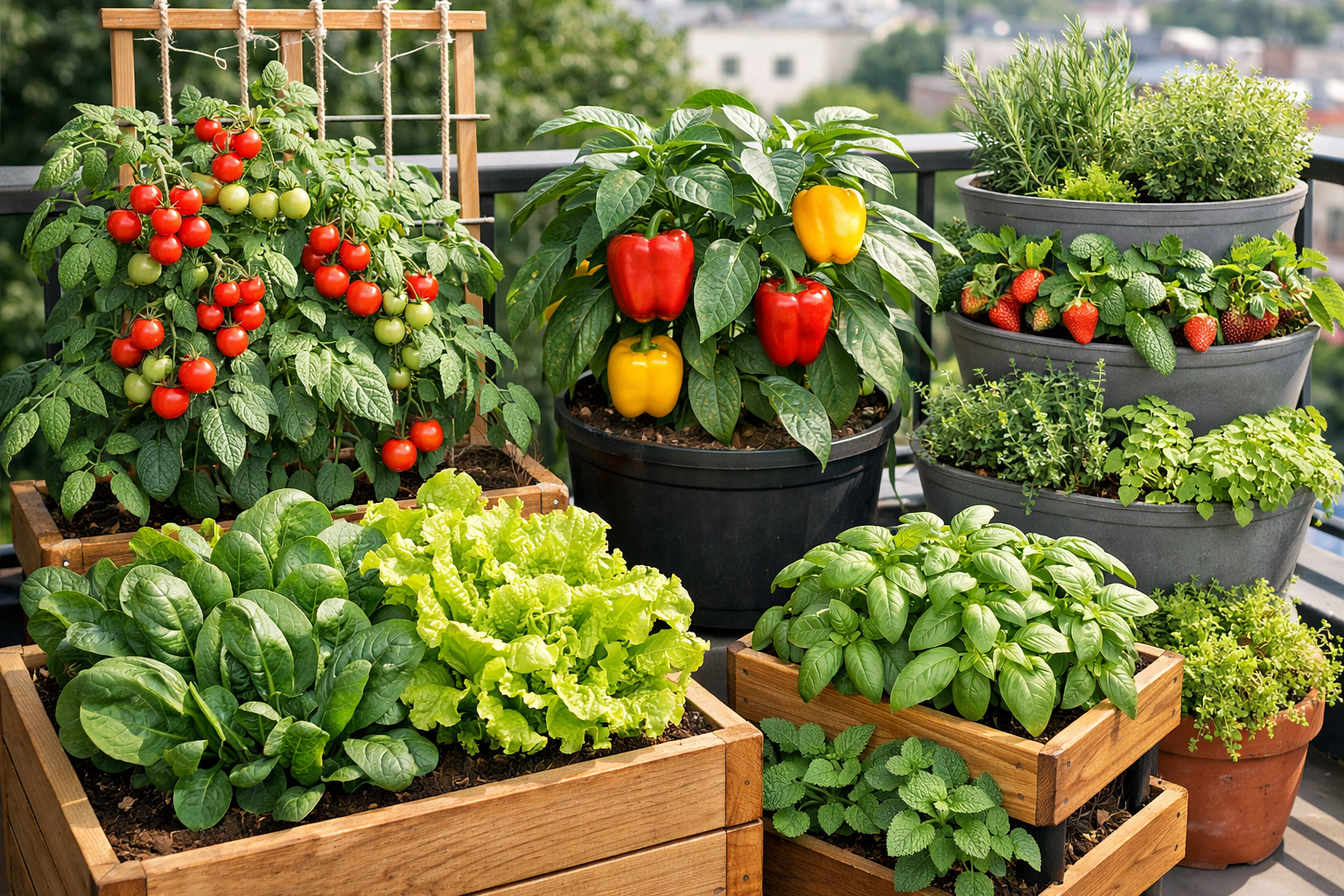
Maximizing space and yield in a small balcony garden requires smart plant selection, creative container arrangements, and efficient growing techniques. By thinking vertically and choosing productive, compact varieties, you can significantly increase your harvest even in limited footprints [5].
Consider these strategies to get the most out of your small balcony space:
- Go Vertical: This is perhaps the most effective way to maximize space.
- Trellises and Stakes: Essential for climbing plants like peas, cucumbers, pole beans, and indeterminate tomatoes. This directs growth upwards, freeing up floor space [1].
- Vertical Planters/Wall Pockets: Systems that hang on walls or railings allow you to grow numerous small plants like herbs, lettuce, and strawberries in stacked tiers [5].
- Tiered Planters: Multi-level planters that fit in a small footprint, ideal for herbs and small greens.
- Choose Compact and Bush Varieties: Many vegetables now come in dwarf, bush, or patio varieties specifically bred for container growing. For example, “patio” tomatoes, bush beans, and compact peppers take up less horizontal space but still offer good yields [7]. Consult our “Best Plants for Small Gardens 2026: The Complete List” for more options: https://minispacegarden.com/best-plants-for-small-space-gardens-complete-list/.
- Succession Planting: Instead of planting all your seeds at once, sow small batches of quick-growing crops (like lettuce, radishes, or spinach) every 2-3 weeks. This ensures a continuous harvest rather than a single large one, maximizing the productivity of your containers over time [6].
- Interplanting: Grow compatible plants together in the same container. For example, plant fast-growing radishes around the base of a slower-growing tomato plant. The radishes will be harvested before the tomato needs the extra space, effectively utilizing the soil [6].
- Container Grouping and Mobility: Group pots together to create a microclimate that can help retain humidity. Use wheeled caddies for heavier pots to easily move plants to sunnier spots or protect them from harsh weather.
- Utilize Railings: Railing planters can provide additional growing space for herbs, flowers, or small leafy greens without taking up precious floor space [5]. Always ensure they are securely fastened.
What Common Mistakes Should Be Avoided in a Balcony Vegetable Garden Guide?
Avoiding common pitfalls in your balcony vegetable garden is crucial for success and prevents wasted effort and resources. Many challenges arise from underestimating the specific needs of container plants and balcony environments compared to traditional in-ground gardening [1, 2].
Here are key mistakes to steer clear of:
- Underestimating Sunlight Requirements: This is perhaps the most frequent error. Planting sun-loving vegetables like tomatoes or peppers in a shady balcony will result in sparse growth and minimal fruit. Always track your balcony’s sun exposure diligently before selecting plants [3]. If you only have partial sun, stick to shade-tolerant crops like lettuce, spinach, and root vegetables.
- Using Insufficient Container Sizes: Small pots restrict root growth, lead to quick drying out, and can cause plants to become root-bound and stressed. Always choose containers that are large enough for the mature size of the plant; for most fruiting vegetables, this means at least 5-gallon capacity or larger [1].
- Poor Drainage: Containers without adequate drainage holes will lead to waterlogged soil, which suffocates roots and causes root rot. Ensure every pot has drainage, and elevate pots slightly if needed to prevent drain holes from becoming blocked [3].
- Incorrect Soil Choice: Using garden soil instead of quality potting mix is a common mistake. Garden soil is too heavy, compacts easily in pots, and often contains pests or diseases. Potting mix is lighter, provides better aeration, and drains well [1].
- Inconsistent Watering: Container plants dry out much faster than garden beds. Underwatering causes wilting and stress, while overwatering can lead to root rot. Develop a consistent watering routine, checking soil moisture daily, especially during warm weather [4]. Self-watering planters can significantly help with this [1].
- Neglecting Fertilization: Nutrients leach out of container soil quickly with regular watering. Without consistent feeding, plants will become nutrient-deficient, leading to poor growth and low yields. Fertilize regularly with a balanced liquid feed every 2-3 months [1].
- Overcrowding Plants: While tempting to plant many things, overcrowding reduces air circulation, increases competition for nutrients, and makes plants more susceptible to pests and diseases. Give each plant enough space to grow to its mature size.
- Ignoring Pest and Disease Signs: Small issues can quickly escalate on a balcony. Regular inspection and prompt, targeted treatment of pests and diseases are essential to maintain plant health [2]. For guidance, refer to “Beginner Mistakes in Small Space Gardening 2026”: https://minispacegarden.com/beginner-mistakes-in-small-space-gardening/.
Conclusion
Embarking on a balcony vegetable garden journey in 2026 is an accessible and rewarding way to bring fresh produce into your home, regardless of how much space you have. By carefully assessing your balcony’s conditions, selecting appropriate plants and containers, and committing to consistent care, you can enjoy a continuous supply of homegrown vegetables and herbs. Remember to start small, learn from your experiences, and embrace the process of nurturing your mini urban farm. With this Balcony Vegetable Garden Guide, you’re well-equipped to transform your balcony into a vibrant, productive oasis.
Actionable Next Steps:
- Observe Your Balcony: Spend a day monitoring your balcony’s sun exposure at different times. Note down how many hours of direct sunlight different areas receive.
- Assess Weight Capacity: If unsure, check with your building management about any weight restrictions for your balcony.
- Choose Your First Plants: Based on your sunlight assessment, select 2-3 easy-to-grow vegetables or herbs suitable for containers, such as lettuce, radishes, or cherry tomatoes (if you have full sun).
- Gather Supplies: Purchase appropriate containers (with drainage holes), quality potting mix, and seeds or starter plants. Consider a self-watering planter for ease.
- Start Planting: Follow the steps in this guide to plant your chosen vegetables and begin your balcony gardening adventure!
FAQ
How much sun does a balcony vegetable garden need?
Most vegetables, especially fruiting plants like tomatoes and peppers, require at least 6 hours of direct sunlight daily to thrive and produce a good harvest [3]. Leafy greens and root vegetables can tolerate partial shade (4-5 hours of sun).
What are the best vegetables to grow on a balcony?
High-success vegetables for balconies include tomatoes (bush/cherry varieties), peppers, cucumbers (bush varieties), snap peas, eggplants, and leafy greens (lettuce, spinach, kale) [1, 2]. Many herbs like basil, mint, and oregano also do exceptionally well [2].
What size containers are best for balcony vegetables?
Larger containers are generally better, as they offer more soil volume for root development and moisture retention. Aim for at least 5-gallon capacity for larger vegetables like tomatoes and peppers, and smaller pots for herbs and leafy greens [1].
Do I need special soil for balcony gardening?
Yes, use a high-quality potting mix specifically designed for containers. It provides better drainage and aeration than garden soil, which can be too heavy and compact in pots [1].
How often should I water my balcony vegetable garden?
Container plants dry out faster than in-ground gardens. Check the top inch or two of soil daily; if it’s dry, water thoroughly until water drains from the bottom. During hot weather, plants may need watering twice a day [4]. Self-watering planters can help maintain consistent moisture [1].
How often should I fertilize balcony plants?
Since nutrients leach out of container soil quickly, regular fertilization is necessary. Apply a balanced liquid fertilizer every 2-3 months, or more frequently for heavy feeders like tomatoes during their fruiting period [1].
Can I grow vegetables in the shade on my balcony?
While full sun is ideal for most, you can grow shade-tolerant vegetables like lettuce, spinach, kale, Swiss chard, radishes, and carrots in areas receiving only 3-4 hours of direct sun or bright indirect light [2].
How can I protect my balcony plants from pests?
Regularly inspect plants for signs of pests. Use organic pest control methods like hand-picking, strong water sprays, neem oil, or insecticidal soap for small infestations. Promoting plant health and good air circulation also helps [2].
References
[1] How To Grow Vegetable Garden On Balcony – https://www.arthousesf.com/blogs/news/how-to-grow-vegetable-garden-on-balcony
[2] Beginners Guide To Starting A Balcony Garden – https://growoya.com/blogs/news/beginners-guide-to-starting-a-balcony-garden
[3] Vegetable Container Gardening – https://www.joyusgarden.com/vegetable-container-gardening/
[4] Step By Step How To Guide For Creating A Balcony Vegetable Garden – https://www.floraflex.com/blogs/floraflex-media/step-by-step-how-to-guide-for-creating-a-balcony-vegetable-garden
[5] Apartment Balcony Garden Ideas – https://homegrown-garden.com/blogs/blog/apartment-balcony-garden-ideas
[6] Beginner Basic Vegetable Garden Layout Guide – https://seedsheets.com/beginner-basic-vegetable-garden-layout-guide/
[7] Best Vegetables For Balcony Container Gardening – https://www.citycultivator.com/best-vegetables-for-balcony-container-gardening/