Balcony Garden Setup Step-by-Step: Your 2026 Ultimate Guide
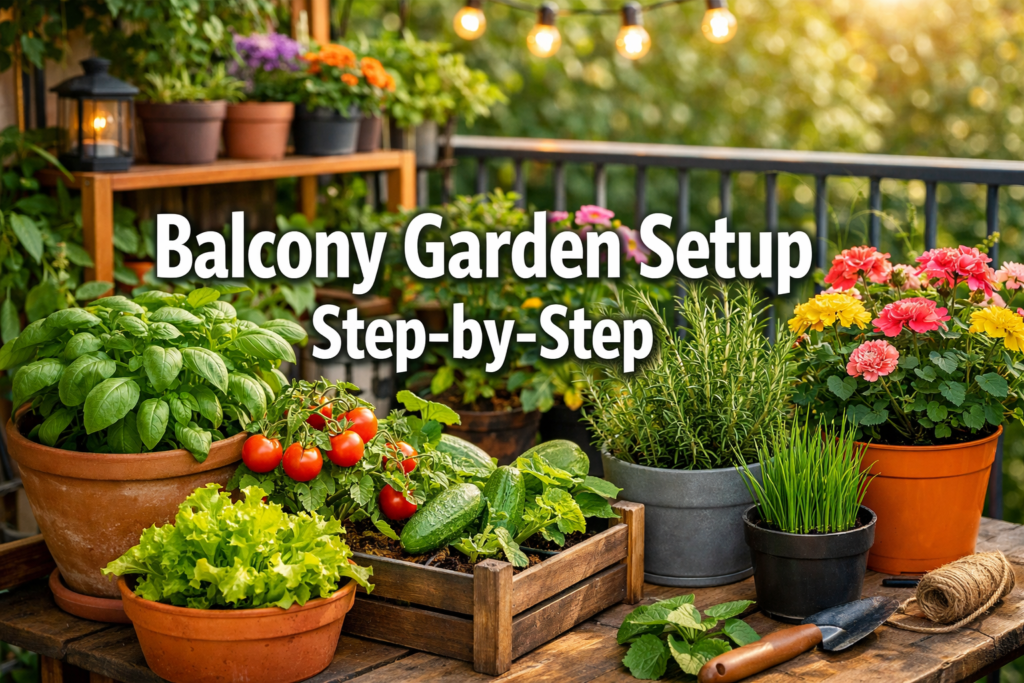
Are you dreaming of fresh herbs, vibrant flowers, or even homegrown vegetables, but only have a small balcony to work with? Transforming a compact outdoor space into a thriving garden is entirely achievable, and this comprehensive “Balcony Garden Setup Step-by-Step” guide for 2026 will show you exactly how. With thoughtful planning and strategic plant choices, anyone can create a lush, productive urban oasis, bringing nature closer to home and enhancing their living environment.
Key Takeaways
- Plan Meticulously: Begin by assessing building regulations, measuring your space, and understanding sunlight exposure.
- Maximize Vertically: Utilize hanging planters, trellises, and vertical towers to make the most of limited square footage.
- Choose Wisely: Select lightweight containers, quality potting mix, and plants suited to your balcony’s conditions and your experience level.
- Prioritize Drainage: Implement effective drainage solutions to prevent water damage and maintain plant health.
- Commit to Care: Regular watering, feeding, and pest management are crucial for a flourishing balcony garden.
Quick Answer
Setting up a balcony garden involves a systematic approach: first, understand your space and local regulations; second, choose appropriate containers and high-quality soil; third, select plants that thrive in your balcony’s specific light conditions; and finally, implement a consistent watering and feeding schedule. This strategic “Balcony Garden Setup Step-by-Step” ensures a successful and sustainable green space, even in urban environments.
How Do I Start a Balcony Garden in 2026?
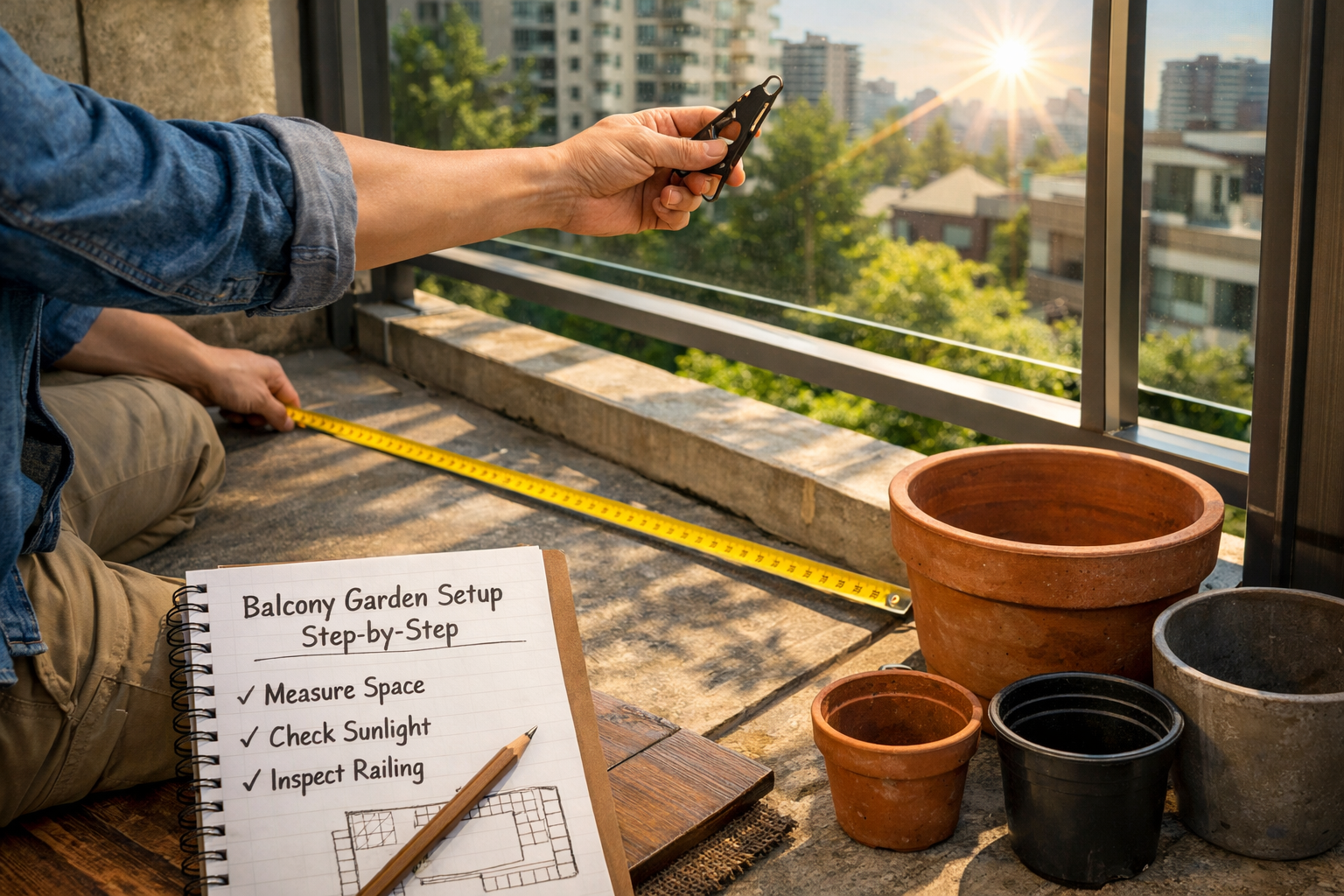
Starting a balcony garden in 2026 requires careful consideration of your specific outdoor space, including local regulations, available light, and structural limitations, to ensure a safe and successful setup. Begin by checking with your building management or landlord about any rules regarding balcony alterations, weight limits, or drainage requirements before purchasing any materials [2].
Here’s a detailed approach to kickstart your balcony garden:
- Understand Building Regulations: Before anything else, review your lease agreement or speak with your building’s management. Key restrictions might include:
- Weight Capacity: Balconies have weight limits, so choose lightweight pots and soil. Heavy ceramic or concrete planters filled with wet soil can exceed these limits [2].
- Drainage: Many buildings prohibit water runoff that could affect lower units. You may need to use drip trays or self-watering planters [3].
- Mounting Restrictions: Drilling into walls or railings might be forbidden, which impacts choices for vertical gardens or hanging baskets [2].
- Height Limits: Some balconies have restrictions on how high plants or structures can extend above the railing [2].
- Measure Your Space: Accurately measure the width, depth, and height of your balcony, as well as railing dimensions [1, 2]. Consider door swings and any existing furniture to map out walkable areas and placement for pots. Documenting these measurements will help you select appropriately sized containers and vertical structures. For example, if your balcony is very narrow, freestanding vertical towers might be a better choice than wide planters that obstruct walkways [2].
- Assess Sunlight Exposure: Observe your balcony throughout the day to understand how much direct sunlight it receives.
- Full Sun (6+ hours): Ideal for most vegetables, herbs, and flowering plants like petunias or sunflowers.
- Partial Sun (3-6 hours): Suitable for many herbs, leafy greens, and shade-tolerant flowers like impatiens.
- Shade (less than 3 hours): Best for ferns, hostas, and some herbs like mint or parsley. Matching plants to their light requirements is crucial for their survival [2].
- Consider Wind and Microclimates: Balconies, especially on higher floors, can be exposed to significant wind, which dries out plants quickly and can cause physical damage. Grouping pots together can create a microclimate, reducing water evaporation and shielding roots from harsh winds [4]. Opt for wind-resistant plants with sturdy growth habits and use heavier or weighted containers to prevent tipping [4].
Decision Rule: Choose lightweight, durable plastic or fabric containers if weight is a primary concern. Opt for ceramic or terracotta only if your balcony has a confirmed high weight capacity and you are confident in managing drainage.
What are the Essential Steps for Balcony Garden Setup Step-by-Step?
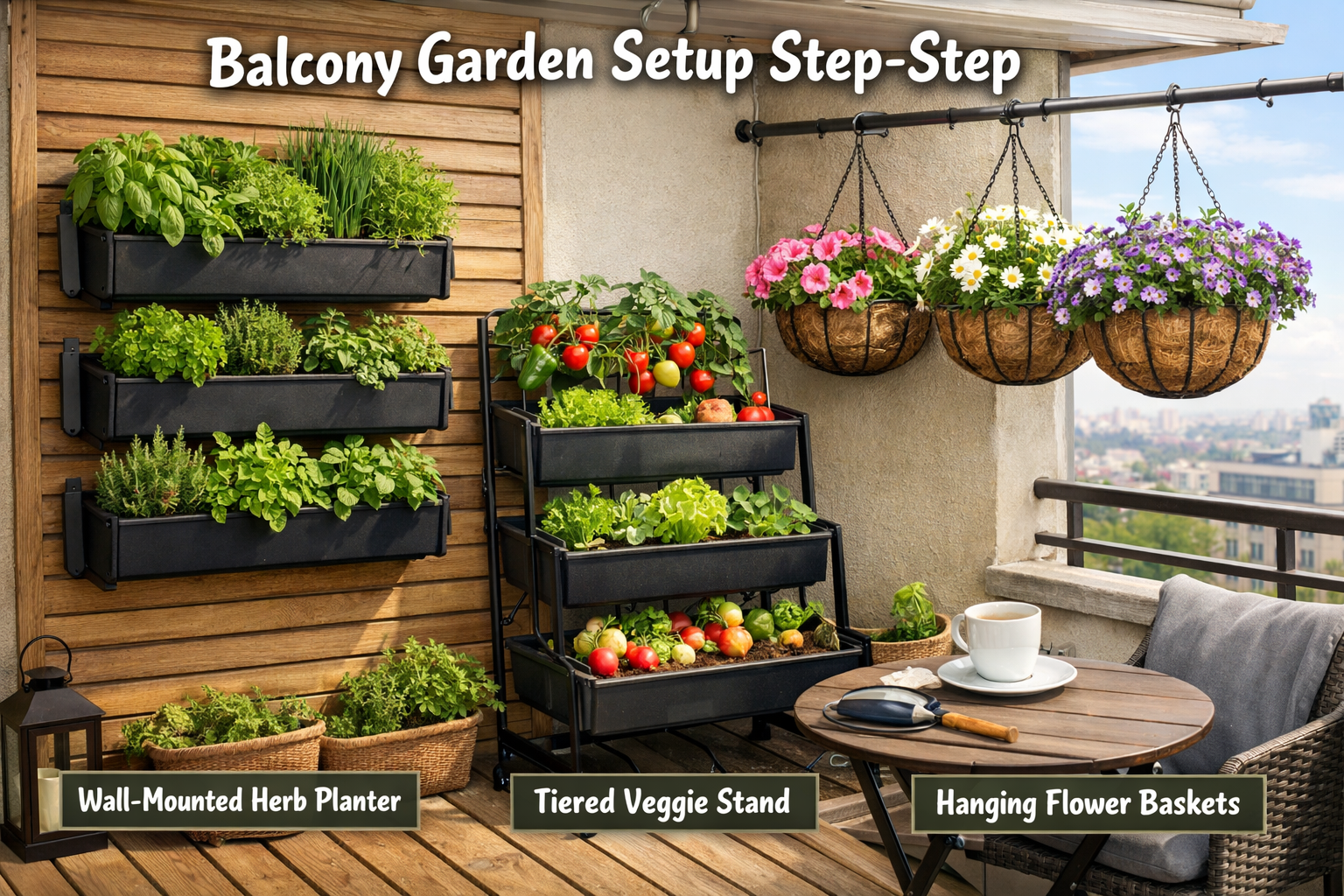
The essential steps for a successful balcony garden setup involve smart planning, selecting the right materials, and understanding how to arrange your plants to thrive in a limited space. This organized approach minimizes waste and maximizes your chances of cultivating a flourishing garden.
Here are the key steps in detail:
Step 1: Design Your Layout and Choose a Theme
Before buying anything, sketch out your balcony layout. This helps visualize where everything will go and how much space each element will occupy [1]. Consider a theme for your garden – perhaps a vibrant flower display, a productive herb and vegetable patch, or a serene green retreat. This guide to Balcony Garden Themes To Maximize Your Small Space In 2026 offers excellent inspiration [4].
- Maximize Vertical Space: Since horizontal space is limited, prioritize vertical gardening solutions. This includes:
- Hanging Planters: Attach to railings or overhead structures.
- Trellises: Perfect for climbing plants like peas, beans, or morning glories.
- Wall-Mounted Planters: Utilize blank wall space for herbs or succulents.
- Freestanding Vertical Towers: These are highly recommended as they don’t require drilling and offer deep soil pockets suitable for a diverse range of crops [2]. For more ideas, check out our Vertical Gardening Guide for Small Spaces: Grow More in 2026.
- Consider Traffic Flow: Ensure your design leaves enough room for walking, sitting, and accessing all plants for watering and care.
Step 2: Select Containers and Potting Mix
The choice of containers and soil is paramount for a balcony garden, impacting plant health, drainage, and balcony weight.
- Lightweight Containers: Opt for plastic, fabric grow bags, or lightweight resin pots. These are significantly lighter than ceramic or terracotta, especially when filled with soil and water [2].
- Varying Sizes: Use different sized pots to accommodate various plant needs. Deeper pots are essential for root vegetables or larger plants, while shallow pots work for herbs and leafy greens. For specific recommendations, see Best Pots for Small Space Gardening in 2026 – Maximize Your.
- Drainage Holes: Every container must have drainage holes to prevent waterlogging, which can kill plants. If your pots lack holes, you’ll need to drill them [3].
- Drainage Trays/Saucers: Place saucers under all pots to catch excess water and prevent it from dripping onto neighbors below [3].
- High-Quality Potting Mix: Do not use garden soil from your yard, as it compacts in containers, hindering drainage and aeration [2]. Instead, use a lightweight potting mix specifically formulated for containers.
- Soil Amendment: Enhance your potting mix by adding 10-20% compost or worm castings. This improves nutrient levels, boosts beneficial microbial activity, and helps retain moisture, especially important in fast-draining containers [2]. Our Soil Basics for Container Gardening: 2026 Expert Guide provides more details.
Step 3: Choose Your Plants
Selecting the right plants is critical, aligning with your balcony’s sunlight, space, and your gardening experience.
- Sunlight Match: Refer back to your sunlight assessment. Full sun balconies can grow tomatoes, peppers, most herbs, and flowers. Partial sun is good for leafy greens, peas, and some root vegetables. Shade is best for ferns, mosses, and shade-loving herbs [2].
- Compact Varieties: Look for dwarf, bush, or compact varieties of vegetables and fruits specifically bred for container gardening. For example, bush beans instead of pole beans, or determinate tomato varieties. See Best Vegetables for Small Space Gardening in 2026 for ideas.
- Wind Resistance: If your balcony is windy, choose plants with sturdy stems and compact growth. Avoid tall, delicate plants.
- Companion Planting: Add flowering herbs and companion plants like calendula, basil, chives, and thyme. These attract beneficial pollinators, which are often scarce on balconies, and can deter pests [2].
- Edibles vs. Ornamentals: Decide whether you want edibles (vegetables, herbs, fruits), ornamentals (flowers, decorative foliage), or a mix. A mix often provides both beauty and utility.
Step 4: Planting and Initial Care
With your containers and plants ready, it’s time to get your hands dirty.
- Fill Containers Loosely: Fill your pots with potting mix without packing it down. Leave about an inch or two of space from the rim to allow for watering [2].
- Water Lightly: Before planting, lightly water the soil to settle it.
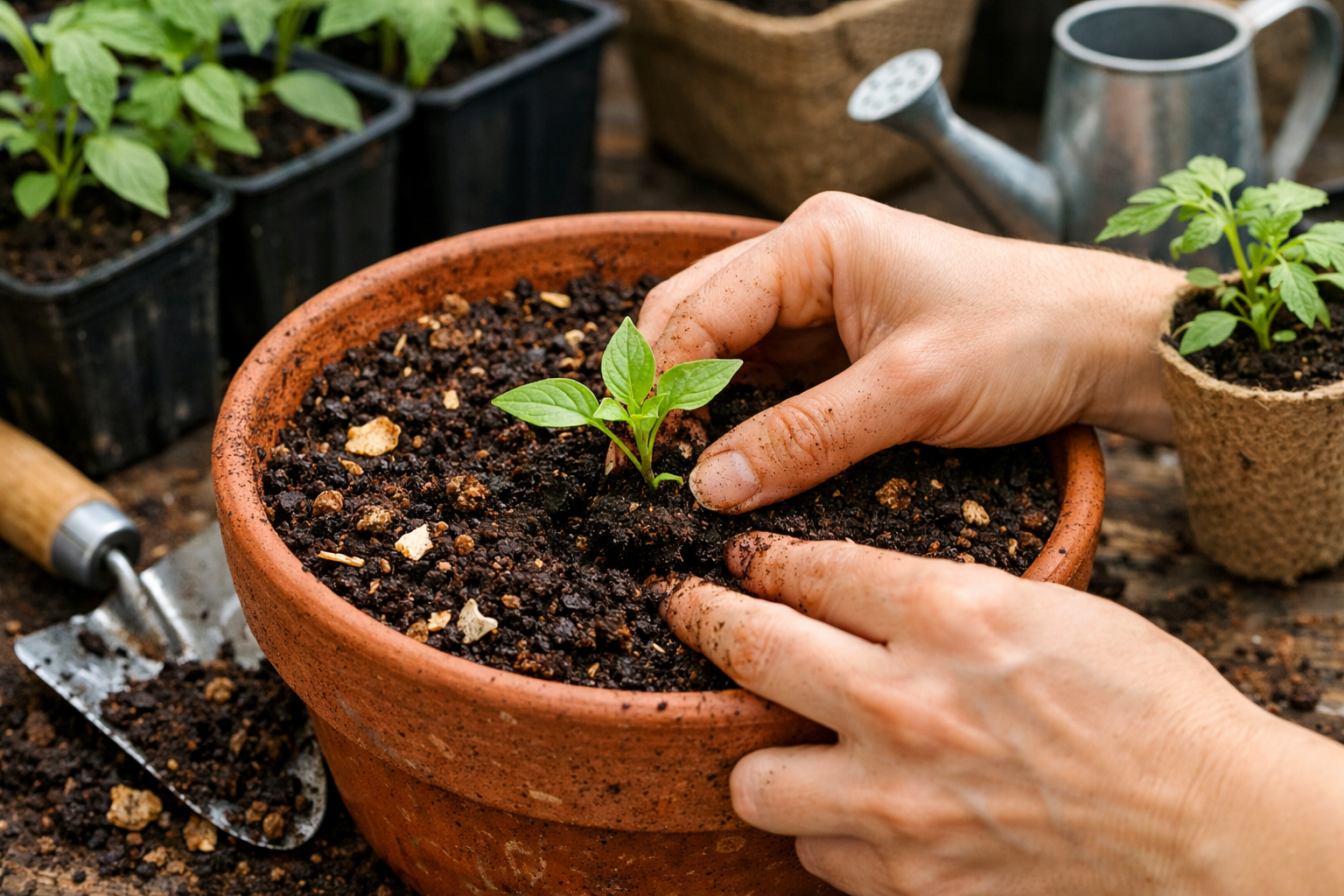
- Planting: Carefully remove plants from their nursery pots. Dig a hole large enough for the root ball, place the plant, and gently backfill with soil, pressing lightly around the base.
- Water Thoroughly: After planting, water deeply until water drains from the bottom of the pot. This helps settle the soil around the roots.
- Arrangement: Arrange your pots according to light requirements and aesthetic preferences. Place taller plants at the back or sides, and smaller plants or trailing varieties towards the front or edges. Grouping pots helps create a more stable environment and visually fuller look [4].
Common Mistake: Overwatering immediately after planting, or not checking drainage, can lead to root rot. Ensure proper drainage is established from the start.
What are the Best Practices for Maintaining a Balcony Garden in 2026?
Maintaining a thriving balcony garden in 2026 involves consistent watering, appropriate feeding, diligent pest management, and regular pruning to ensure plant health and productivity. Unlike in-ground gardens, container plants rely entirely on you for their needs, making proactive care essential.
Here are the best practices for ongoing maintenance:
- Watering Wisely: Container plants dry out much faster than garden beds due to increased air exposure and limited soil volume.
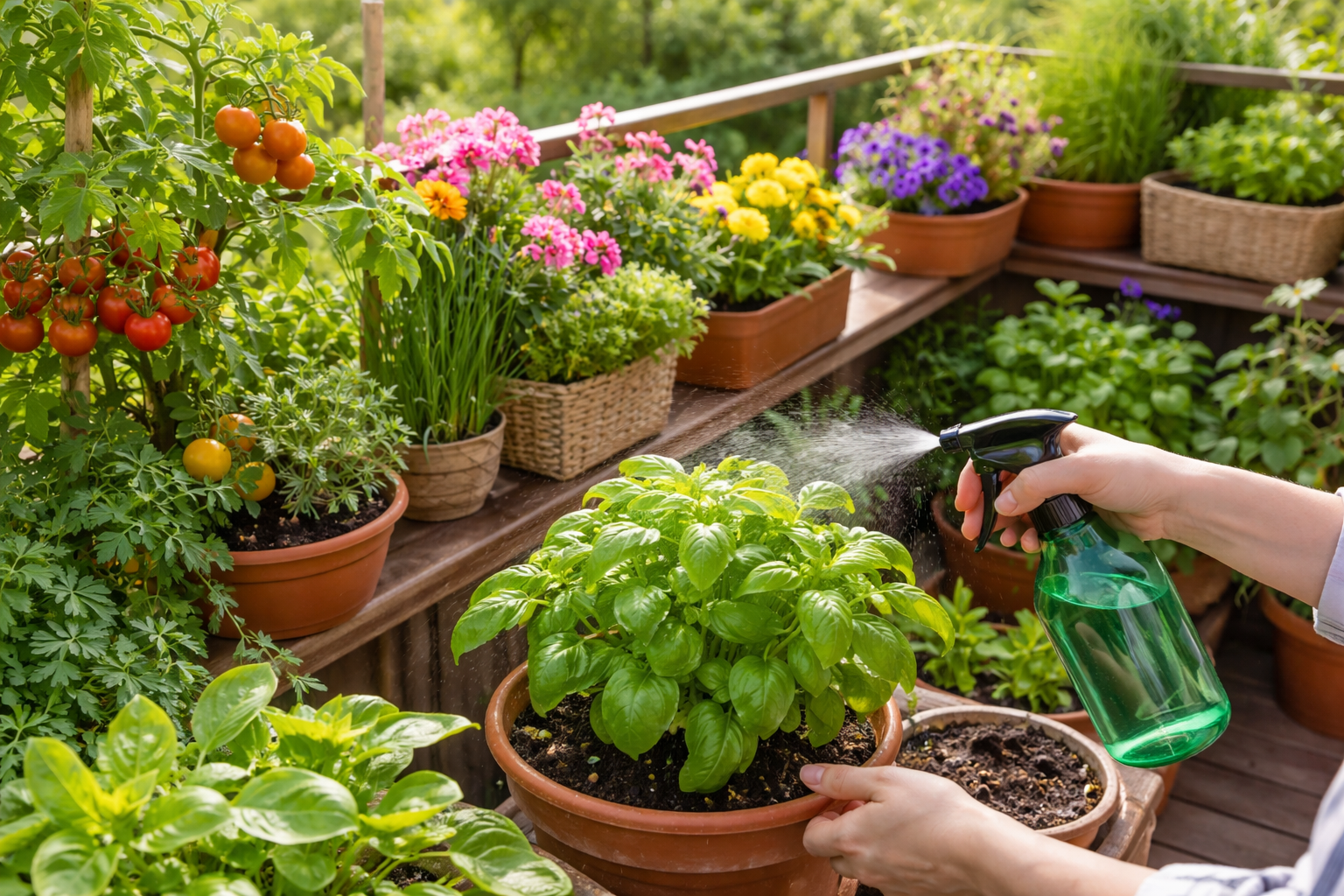
- Frequency: Check soil moisture daily by sticking your finger about an inch into the soil. If it feels dry, it’s time to water [8]. On hot, windy days, some plants may need watering twice a day.
- Technique: Water deeply until you see water draining from the bottom of the pot. Avoid light, frequent sprinkles that only wet the surface. For detailed guidance, consult How Often Should You Water Plants? Ultimate Guide 2026.
- Self-Watering Pots: Consider self-watering containers, which have a reservoir that significantly reduces watering frequency, especially useful for busy gardeners or when away for short periods.
- Fertilization: Since container plants deplete soil nutrients quickly, regular feeding is crucial.
- Start with Nutrient-Rich Soil: Begin with a potting mix amended with compost, which provides a slow release of nutrients [2].
- Liquid Feed: Supplement with a balanced liquid fertilizer every 2-4 weeks, especially for heavy feeders like vegetables and flowering plants. Follow package directions for dilution rates.
- Slow-Release Granules: Alternatively, incorporate slow-release granular fertilizers into the potting mix at the beginning of the growing season.
- Pest and Disease Management: Balcony gardens can still attract pests, though often fewer than ground gardens.
- Daily Inspection: Regularly inspect your plants for signs of pests (e.g., aphids, spider mites) or diseases (e.g., powdery mildew). Early detection makes control easier.
- Organic Solutions: Use organic pest control methods like insecticidal soap, neem oil, or simply hosing off pests with a strong spray of water. Companion planting can also help deter certain pests [2].
- Remove Affected Parts: Prune away any diseased or heavily infested leaves or stems to prevent spread.
- Pruning and Deadheading:
- Pruning: Trim back overgrown plants to encourage bushier growth and air circulation, which reduces disease risk. For vegetables like tomatoes, pinch off suckers for better fruit production.
- Deadheading: Remove spent flowers to encourage plants to produce more blooms instead of diverting energy into seed production.
- Support for Plants: Provide stakes, cages, or small trellises for climbing vegetables (e.g., tomatoes, cucumbers) or top-heavy flowering plants to prevent them from breaking or toppling over.
- Seasonal Adjustments: Be prepared to move plants indoors or provide protection during extreme weather conditions like severe cold, intense heatwaves, or strong storms.
Edge Case: If you live in an area with very strict water restrictions, explore passive hydroponics or wick-system containers, which are incredibly efficient with water usage.
What Plants Thrive Best in a Balcony Garden Setup Step-by-Step?
Many plants can thrive in a balcony garden setup, but the best choices are typically compact varieties, those that tolerate container life well, and species whose light requirements match your balcony’s sun exposure. Selecting the right plants is a critical part of the Balcony Garden Setup Step-by-Step process, ensuring your efforts lead to a lush and productive space [5].
Here’s a breakdown of excellent plant choices for balcony gardens:
1. Herbs (Many are well-suited for containers) 🌱
Herbs are fantastic for balconies because most have compact growth habits, are highly aromatic, and provide fresh ingredients for cooking. Many are also quite forgiving for beginner gardeners.
- Sun-Loving Herbs (Full Sun):
- Basil: Needs consistent moisture and heat. Great for pest deterrence too [2].
- Rosemary: Drought-tolerant once established; prefers well-drained soil.
- Thyme: Low-growing, ideal for the edges of pots or hanging planters.
- Oregano: Similar to thyme, spreads nicely and is very hardy.
- Lavender: Adds beauty and attracts pollinators. Requires good drainage.
- Partial Sun/Shade Herbs:
- Mint: Very vigorous, best grown in its own pot to prevent it from taking over [2].
- Parsley: Biennial, meaning it grows for two years.
- Chives: Produces lovely edible flowers.
2. Vegetables (Focus on compact, bush, or determinate varieties) 🥕
Choosing the right vegetable varieties is key to success in a small space. Look for terms like “bush,” “dwarf,” or “container-friendly” on seed packets or plant labels.
- Leafy Greens (Partial Sun to Full Sun):
- Lettuce & Spinach: Quick growers, often tolerant of some shade. You can harvest outer leaves for continuous yield.
- Swiss Chard & Kale: Very productive and visually appealing.
- Arugula: Grows quickly, especially in cooler weather.
- Fruiting Vegetables (Full Sun, require consistent watering):
- Cherry Tomatoes: Look for “determinate” or “bush” varieties like ‘Patio Princess’ or ‘Tiny Tim’. They produce fruit all at once and stop growing taller [7].
- Bush Beans: Don’t require a trellis, unlike pole beans.
- Mini Peppers (Bell or Chili): Grow well in medium-sized pots.
- Eggplant (Dwarf varieties): Can be quite productive in large containers.
- Strawberries: Excellent for hanging baskets or vertical planters.
- Root Vegetables (Require deeper pots):
- Radishes: Very fast-growing and don’t need much depth.
- Carrots (Short varieties): Look for ‘Paris Market’ or ‘Danvers Half Long’ for containers.
- Scallions/Green Onions: Easy to grow from scraps or seeds.
3. Flowers (Add color, attract pollinators, and deter pests) 🌸
Flowers not only beautify your balcony but also play a crucial ecological role by attracting beneficial insects, which are often less common in urban environments [2].
- Full Sun Flowers:
- Petunias: Trailing varieties are perfect for hanging baskets or railing planters.
- Marigolds: Known to deter some pests and add bright pops of color.
- Nasturtiums: Edible flowers and leaves, great for trailing.
- Calendula: Attracts pollinators and adds cheer [2].
- Geraniums: Hardy, colorful, and relatively low maintenance.
- Partial Sun Flowers:
- Impatiens: Provides bright color in shadier spots.
- Begonias: Offer beautiful foliage and flowers, preferring indirect light.
4. Companion Plants (Beneficial for overall garden health) 🌻
Integrating companion plants is a smart strategy to enhance your balcony garden’s ecosystem.
- Examples: Calendula, basil, chives, and thyme around vegetables can help attract beneficial pollinators and potentially deter certain pests [2]. Consider these when planning your Complete Balcony Gardening Guide for Small Apartments 2026.
Comparison Table: Popular Balcony Plants by Sun Requirement
| Plant Type | Sun Requirement | Container Size | Notes |
|---|---|---|---|
| Herbs | |||
| Basil | Full Sun | Small-Medium | Needs consistent moisture. |
| Mint | Partial Sun | Small (own pot) | Spreads aggressively; grow alone. |
| Rosemary | Full Sun | Medium | Drought tolerant once established. |
| Chives | Full Sun | Small | Edible flowers, easy to grow. |
| Vegetables | |||
| Cherry Tomatoes | Full Sun | Medium-Large | Choose ‘bush’ or ‘determinate’ varieties. Needs support. |
| Leafy Greens | Partial-Full | Small-Medium | Quick harvest, can re-grow. |
| Bush Beans | Full Sun | Medium | No trellis needed. |
| Radishes | Partial-Full | Shallow | Very fast, easy for beginners. |
| Strawberries | Full Sun | Small (hanging) | Great for hanging baskets. |
| Flowers | |||
| Petunias | Full Sun | Small-Medium | Trailing varieties ideal for baskets. |
| Marigolds | Full Sun | Small | Attracts pollinators, deters pests. |
| Impatiens | Partial Shade | Small | Bright colors for shadier spots. |
Decision Rule: For beginners, start with easy-to-grow herbs like basil or mint, and hardy leafy greens. As your confidence grows, you can experiment with more demanding vegetables or specific flower varieties that require more tailored care.
What are Common Mistakes to Avoid in Balcony Garden Setup Step-by-Step?
Avoiding common pitfalls is crucial for the success of your balcony garden, preventing wasted effort, resources, and potential damage to your property. Understanding these mistakes is an integral part of an effective Balcony Garden Setup Step-by-Step, ensuring a smoother and more rewarding gardening experience.
Here are the common mistakes to steer clear of:
- Ignoring Building Regulations and Weight Limits: This is arguably the most critical mistake. Overloading your balcony with heavy pots, soil, and water can be dangerous and lead to structural damage or fines [2]. Always check your lease or building rules for weight restrictions, drilling prohibitions, and drainage requirements.
- Solution: Use lightweight containers (plastic, fabric), lightweight potting mix, and spread weight evenly.
- Underestimating Sunlight: Misjudging the amount of sunlight your balcony receives is a common reason plants fail. Planting sun-loving vegetables in a shady spot will result in leggy, unproductive plants [2].
- Solution: Observe your balcony’s sun exposure for at least a full day, or even a week, before buying plants. Choose plants specifically suited to the light conditions (full sun, partial sun, shade) you have.
- Poor Drainage: Lack of proper drainage leads to waterlogged soil, suffocating roots and causing root rot, a common plant killer [3]. Allowing water to drip freely onto lower balconies can also cause neighbor disputes.
- Solution: Ensure all pots have drainage holes. Use saucers or drip trays under every pot. Consider self-watering containers for better moisture management.
- Using Garden Soil in Containers: Garden soil is dense and designed for in-ground use. In pots, it compacts, drains poorly, and lacks the aeration container plants need, often leading to nutrient deficiencies and root problems [2].
- Solution: Always use a high-quality, lightweight potting mix formulated for containers. Amend with compost for better nutrition and moisture retention [2]. Our guide on Soil Basics for Container Gardening: 2026 Expert Guide offers more insights.
- Overcrowding Plants: While it’s tempting to fit as many plants as possible, overcrowding reduces air circulation, increases competition for nutrients and light, and makes plants more susceptible to pests and diseases.
- Solution: Give each plant adequate space according to its mature size. Utilize vertical gardening solutions to maximize the number of plants without overcrowding horizontal space [1].
- Inconsistent Watering: Container plants dry out quickly. Forgetting to water, or watering too superficially, can stress plants or cause them to wilt and die.
- Solution: Check soil moisture daily. Water deeply until water drains from the bottom. Establish a consistent watering routine, adjusting for weather conditions.
- Neglecting Wind Protection: Exposed balconies can be very windy, leading to physical damage to plants, increased water evaporation, and potential tipping of pots [4].
- Solution: Choose wind-resistant plants, group pots together to create a microclimate, and use heavier or weighted containers for stability.
- Forgetting About Fertilization: Potting mix nutrients are quickly used up or leached out by frequent watering. Without replenishment, plants will suffer from nutrient deficiencies.
- Solution: Incorporate slow-release fertilizer or apply liquid fertilizer regularly as per product instructions, especially for fruiting and flowering plants.
- Not Planning for Access: If plants are placed too tightly, it can be difficult to water, prune, or harvest without damaging other plants or making the space unusable.
- Solution: Ensure there are clear pathways and that all plants are easily reachable for routine care.
By being mindful of these common mistakes, you can significantly increase your chances of creating a beautiful, healthy, and low-stress balcony garden that you can enjoy throughout 2026 and beyond. For further guidance on avoiding errors, consult Beginner Mistakes in Small Space Gardening 2026.
FAQ
Q1: Can I grow vegetables successfully on a balcony?
Yes, you can absolutely grow vegetables on a balcony, especially compact varieties like cherry tomatoes, bush beans, leafy greens, radishes, and herbs, provided you have adequate sunlight (at least 6 hours for most fruiting vegetables) and suitable containers [7].
Q2: What kind of soil should I use for balcony plants?
Always use a high-quality, lightweight potting mix specifically formulated for containers, not garden soil. Amend it with compost or worm castings (10-20%) to improve nutrient content and moisture retention [2].
Q3: How do I ensure proper drainage for my balcony garden?
Ensure all containers have drainage holes, and place saucers or drip trays underneath them to catch excess water and prevent runoff onto lower balconies [3]. You can also use a layer of gravel at the bottom of pots, though this is less crucial than drainage holes.
Q4: How often should I water my balcony plants?
Watering frequency depends on plant type, pot size, and weather. Check the soil daily by sticking your finger an inch deep; if it feels dry, water thoroughly until water drains from the bottom [8]. On hot, windy days, some plants may need water twice a day.
Q5: What are the best containers for a balcony garden?
Lightweight containers such as plastic pots, fabric grow bags, and resin planters are ideal, especially for balconies with weight restrictions. Choose various sizes to accommodate different plant root depths, and always ensure they have drainage holes [2].
Q6: How can I maximize space on a small balcony?
Maximize space by utilizing vertical gardening solutions like hanging planters, railing planters, trellises for climbing plants, and freestanding vertical garden towers [1, 2]. These draw the eye upwards and free up floor space.
Q7: Do I need to fertilize balcony plants?
Yes, container plants need regular fertilization because nutrients in potting mix are quickly used up or washed away. Supplement with a balanced liquid fertilizer every 2-4 weeks or incorporate slow-release granules, especially for vegetables and flowering plants.
Q8: How can I protect my balcony plants from wind?
Choose wind-resistant plants with sturdy growth, group pots together to create a windbreak, and use heavier or weighted containers to prevent them from toppling over [4]. Consider temporary wind screens if your balcony is very exposed.
Q9: What plants are good for shady balconies?
For shady balconies (less than 3 hours of direct sun), consider plants like impatiens, begonias, ferns, hostas, and herbs such as mint and parsley [2]. Leafy greens like lettuce and spinach can also tolerate partial shade.
Q10: Is it okay to drill into my balcony walls for vertical gardening?
Before drilling, always check your building’s regulations or consult your landlord. Many leases prohibit drilling into walls or railings. If drilling isn’t allowed, opt for freestanding vertical garden towers or railing hooks [2].
Key Takeaways
- Plan Diligently: Start your “Balcony Garden Setup Step-by-Step” by thoroughly assessing building rules, weight limits, and your balcony’s sunlight and wind exposure.
- Measure Accurately: Detailed measurements of your space will guide your container and plant choices, ensuring a functional layout [1, 2].
- Embrace Verticality: Utilize hanging baskets, trellises, and vertical garden systems to maximize growing area in limited horizontal space [2].
- Choose Lightweight Materials: Opt for plastic or fabric containers and a specific lightweight potting mix to avoid exceeding balcony weight limits [2].
- Prioritize Drainage: Ensure all pots have drainage holes and use saucers to prevent water damage to your balcony or neighbors below [3].
- Select Appropriate Plants: Match your plant choices to your balcony’s sunlight conditions and choose compact or bush varieties suitable for containers [2, 5].
- Maintain Consistently: Regular watering, feeding, pest checks, and pruning are crucial for the long-term health and productivity of your balcony garden.
- Learn from Mistakes: Be aware of common pitfalls like using garden soil, overcrowding, or inconsistent watering, and adjust your practices accordingly [2].
- Consider Companion Planting: Integrate flowering herbs and other beneficial plants to attract pollinators and deter pests naturally [2].
- Enjoy the Process: Transforming your balcony into a green oasis is a rewarding experience that enhances your living space and connects you with nature.
References
[1] Design Guide For A Small Apartment Balcony Garden – https://gingerwithroots.com/design-guide-for-a-small-apartment-balcony-garden/
[2] How To Start Vertical Gardening On A Patio Or Balcony – https://www.gardentowerproject.com/blogs/learning-center/how-to-start-vertical-gardening-on-a-patio-or-balcony
[3] Creating A Lush Balcony Garden The Apartment Dwellers Guide To Gardening – https://naturehills.com/blogs/garden-blog/creating-a-lush-balcony-garden-the-apartment-dwellers-guide-to-gardening
[4] Balcony Garden Themes To Maximize Your Small Space In 2026 – https://balconygardenparadise.com/balcony-garden-themes-to-maximize-your-small-space-in-2026/
[5] Apartment Balcony Garden Ideas – https://homegrown-garden.com/blogs/blog/apartment-balcony-garden-ideas
[6] Colorful Balcony Garden Plans – https://obliquenewyork.com/2026/01/16/colorful-balcony-garden-plans/
[7] How To Grow Vegetable Garden On Balcony – https://www.arthousesf.com/blogs/news/how-to-grow-vegetable-garden-on-balcony
[8] How To Grow A Balcony Garden – https://www.masterclass.com/articles/how-to-grow-a-balcony-garden
[9] Balcony Gardening Before You Get Started – https://aclibrary.org/blogs/post/balcony-gardening-before-you-get-started/