Balcony Garden Layout Ideas: Crafting Your Urban Oasis in 2026
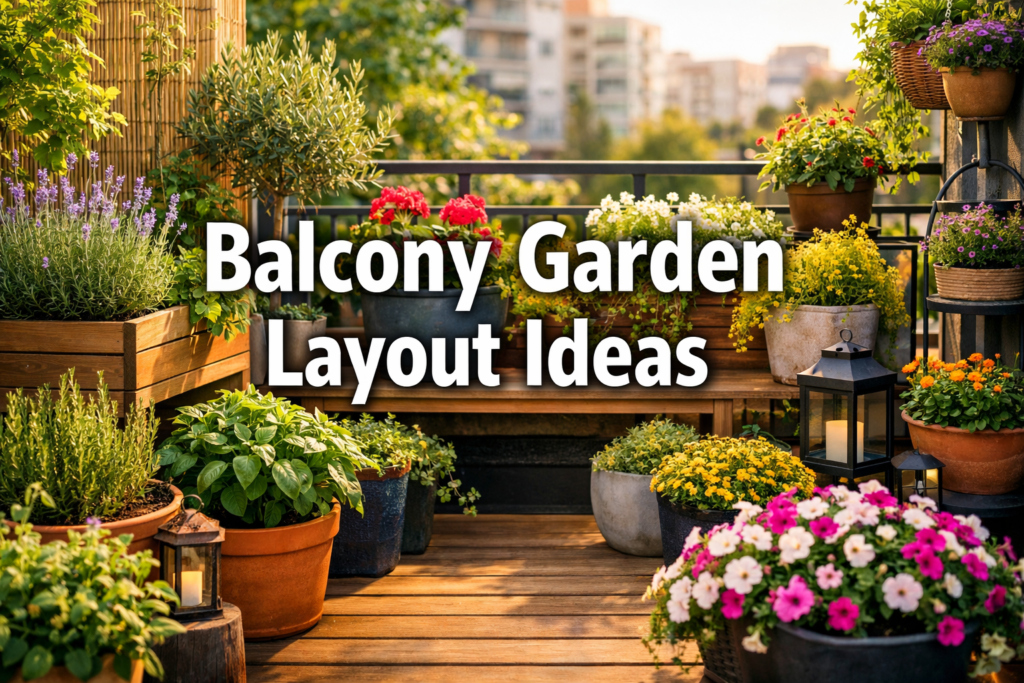
Are you dreaming of a lush, vibrant green space, even if your only outdoor area is a small balcony? Transforming a modest balcony into a thriving garden paradise is entirely achievable with smart Balcony Garden Layout Ideas. This guide will help you design a functional and beautiful outdoor retreat, maximizing every inch of your available space.
Key Takeaways
- Verticality is Key: Utilize vertical space with shelves, hanging planters, and wall-mounted systems to expand your planting area.
- Strategic Pot Clustering: Group pots by height and water needs to create microclimates, reduce wind stress, and simplify maintenance.
- Embrace 2026 Trends: Incorporate native plants, edibles, and biophilic designs for a sustainable and on-trend balcony garden.
- Prioritize Safety & Durability: Choose heavy, wide containers for stability and ensure your balcony can support the weight of your garden.
- Plan for Sun & Wind: Observe your balcony’s specific conditions to select plants that will thrive and implement wind protection if necessary.
Quick Answer
Effective Balcony Garden Layout Ideas involve strategically utilizing vertical space, clustering pots to create favorable growing conditions, and selecting plants suited to your specific light and environmental factors. By planning a layout that maximizes visual appeal, plant health, and accessibility, you can transform any balcony into a productive and beautiful garden sanctuary in 2026.
How Can I Maximize Space with Smart Balcony Garden Layout Ideas?
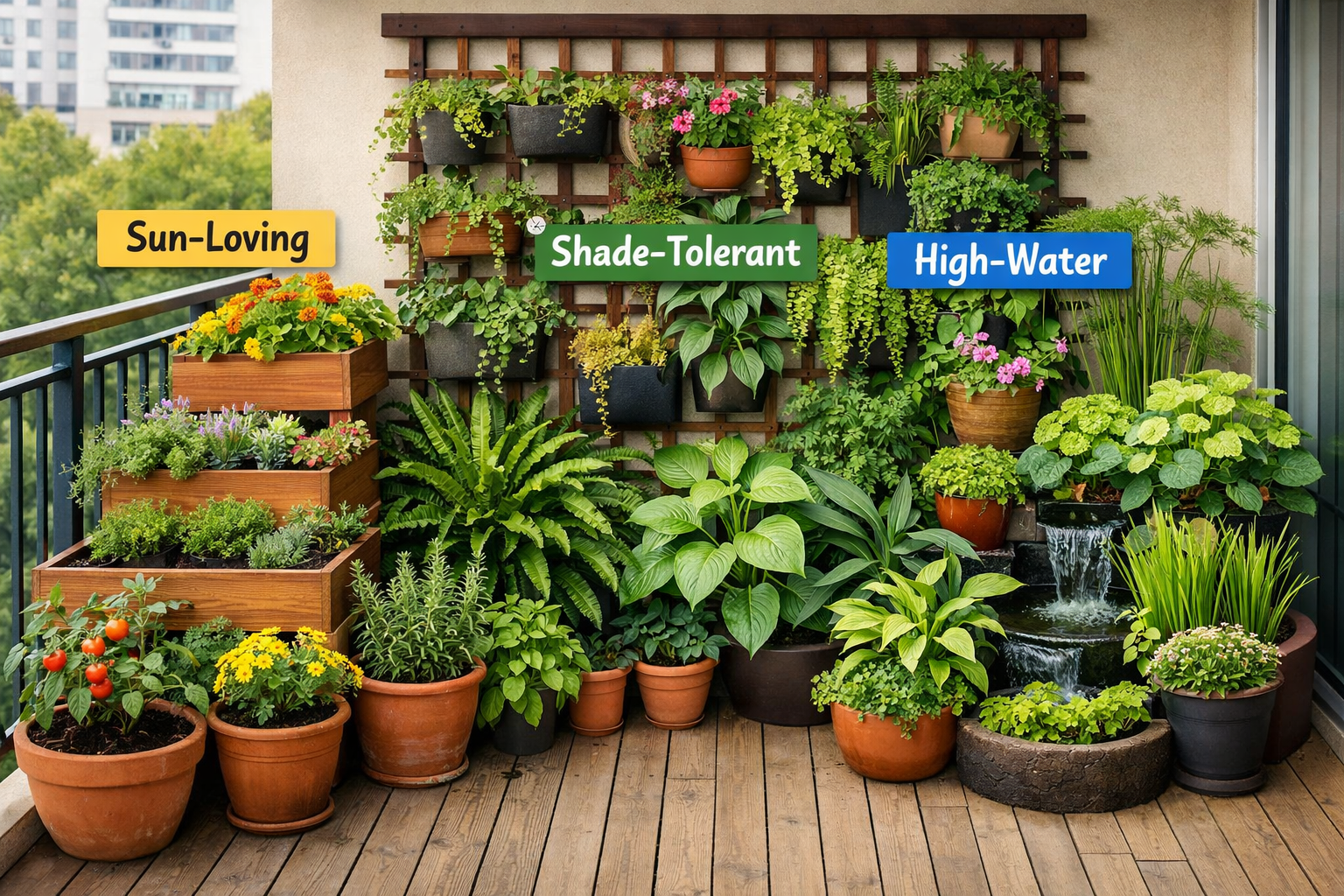
To maximize space on a balcony, the most effective strategy is to build upwards, leveraging vertical gardening solutions and tiered arrangements rather than relying solely on floor-based plantings. This approach allows you to multiply your growing area without consuming precious floor space.
Utilizing verticality is the primary space-saving strategy for small balconies, allowing gardeners to grow a wider variety of plants in a compact area [1]. This involves a range of solutions tailored to different balcony sizes and aesthetic preferences.
- Vertical Garden Walls: These systems can range from simple pocket planters made of felt to more elaborate modular panels that hold multiple plants. They are excellent for herbs, leafy greens, and ornamental flowers.
- Hanging Planters: Hooks attached to ceilings or railings can hold baskets or pots, creating layers of greenery. Choose lightweight materials to minimize weight, especially for ceiling-mounted options.
- Wall Grids and Trellises: These allow climbing plants like morning glories, jasmine, or even small fruit vines to grow upwards, adding lushness and potentially privacy. You can also attach small pots or shelves to grid systems.
- Tiered Shelving Units: Multi-level shelves provide numerous surfaces for pots without taking up a large footprint. Opt for units made from weather-resistant materials like treated wood, metal, or durable plastic.
- Rail Planters: These clever containers hook directly over your balcony railing, making use of otherwise unused space. Ensure they are securely fastened and don’t protrude too far outwards, especially if you have neighbors below.
- Stackable Pots: Some pot designs allow you to stack them directly on top of each other, creating a mini tower of plants. These are great for strawberries or various herbs.
When implementing vertical solutions, consider the weight capacity of your balcony and the structural integrity of your walls and railings. Always check with your building management or a structural engineer if you plan extensive installations. For a comprehensive overview of setting up your balcony garden, consider reviewing our “Balcony Garden Setup Step-by-Step | 2026 Ultimate Guide”.
Choose vertical solutions if your balcony has limited floor space but ample wall or railing availability. Prioritize wall grids for climbing plants and tiered shelves for a variety of potted herbs or flowers.
What Are the Best Container and Potting Strategies for Balcony Garden Layout Ideas?
The best container and potting strategies for balcony gardens involve selecting appropriate container materials and sizes, prioritizing stability, and implementing pot clustering to optimize plant health and visual appeal. These methods ensure plants thrive while making the most of limited space.
Pot clustering is a recommended core layout principle for balcony gardens, helping create microclimates, reduce wind stress, and retain moisture, all while maintaining an organized appearance [1]. Grouping pots by height and water needs is also key to simplifying maintenance and maximizing visual impact within limited floor space [1].
Here’s a breakdown of effective container and potting strategies:
Container Material and Size Selection:
- Heavy, Wide Containers: These are essential for wind-prone balcony environments to prevent tipping [1]. Materials like terracotta, ceramic, or concrete are excellent choices for larger, structural plants. Low, wide pots are specifically recommended for high-wind conditions [1].
- Lightweight Options: For smaller plants or areas where weight is a concern, consider fiberglass, resin, or lightweight plastic. Ensure they have adequate drainage holes.
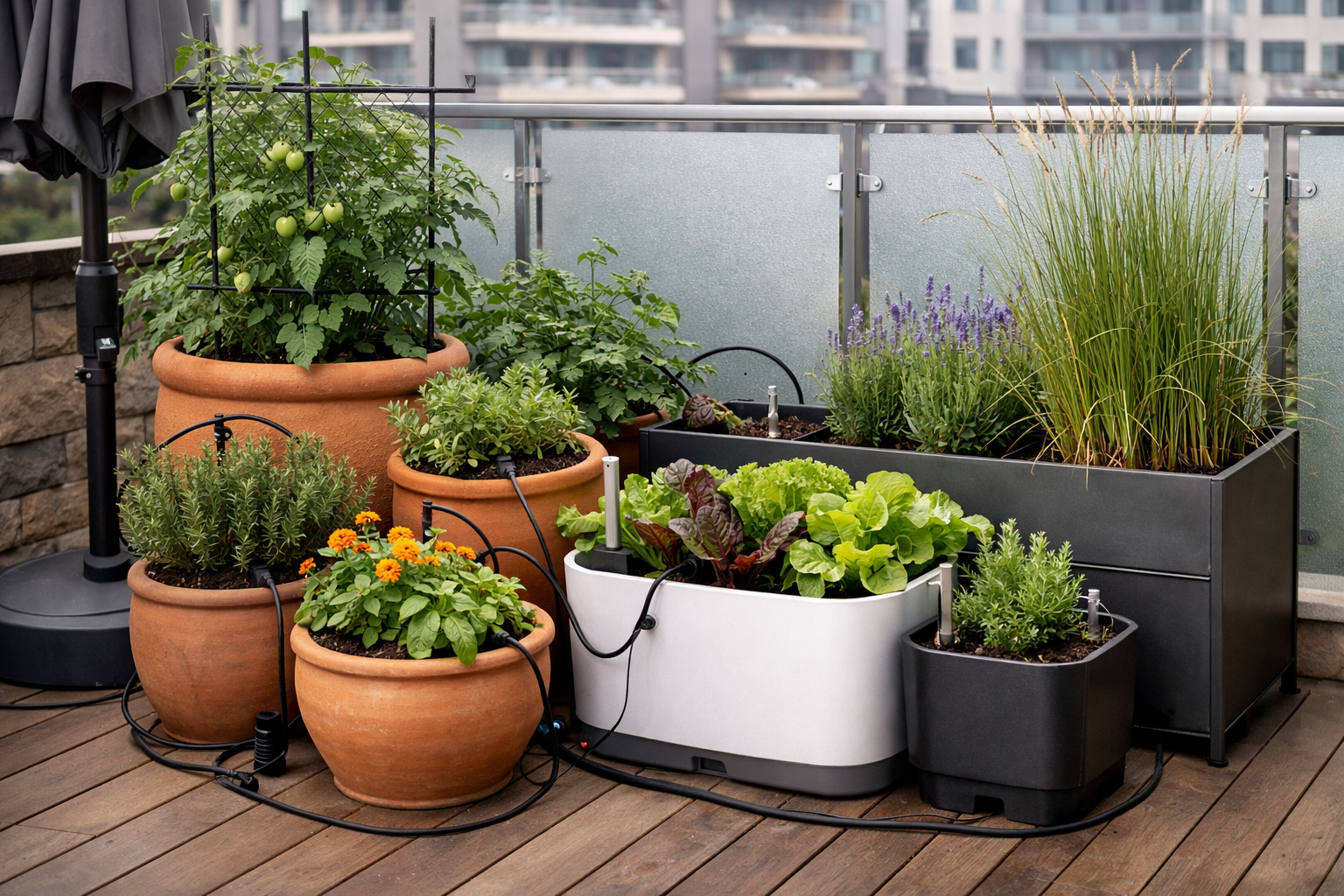
- Self-Watering Planters: These are excellent for busy gardeners or those looking to reduce watering frequency. They have a reservoir that supplies water to the plants from the bottom up.
- Grow Bags: Fabric grow bags are lightweight, allow for excellent aeration, and are surprisingly versatile for vegetables like potatoes or carrots.
- Smart Planters: Some modern planters incorporate sensors to monitor soil moisture and nutrient levels, alerting you when care is needed.
Pot Clustering Techniques:
- Grouping by Need: Arrange plants with similar sun and water requirements together. This makes watering more efficient and creates ideal microclimates where plants can benefit from each other’s humidity.
- Visual Interest: Cluster pots of varying heights, textures, and colors to create dynamic focal points. Place taller plants at the back or center, with shorter or trailing plants in front.
- Wind Protection: In windy areas, larger, heavier pots can shield smaller, more delicate plants from strong gusts.
- Moisture Retention: Grouping pots helps reduce evaporation from the soil surface, keeping the root systems cooler and moist longer.
Soil and Drainage:
- Quality Potting Mix: Always use a high-quality potting mix specifically designed for containers. Garden soil is too dense and can compact, suffocating roots. For detailed information on soil, see our “Soil Basics for Container Gardening: 2026 Expert Guide”.
- Adequate Drainage: Ensure all pots have drainage holes to prevent waterlogging, which can lead to root rot. Consider using saucers underneath to catch excess water, especially if you have neighbors below.
| Container Type | Best Use Cases | Pros | Cons |
|---|---|---|---|
| Terracotta/Ceramic | Large structural plants, wind-prone areas | Heavy, stable, classic look, good insulation | Heavy, can dry out quickly, prone to cracking |
| Fiberglass/Resin | Modern aesthetic, weight-conscious | Lightweight, durable, wide color/style range | Can be expensive, may not be as stable in wind |
| Self-Watering | Busy gardeners, thirsty plants | Reduces watering frequency, consistent moisture | Can be costly, limited aesthetic options |
| Fabric Grow Bags | Vegetables, temporary plantings | Lightweight, breathable, good for root health | Less stable, less decorative, may need more water |
| Rail Planters | Maximizing railing space, herbs, small flowers | Utilizes unused space, creates privacy | Limited depth, can be unstable if not secured |
Choose pot clustering if you want to improve plant health, reduce maintenance, and create a cohesive visual display. Avoid using mismatched, flimsy containers that can easily tip over in windy conditions.
What Are the Hottest Balcony Garden Layout Ideas and Trends for 2026?
The hottest balcony garden layout ideas and trends for 2026 prioritize sustainability, functionality, and creating an inviting outdoor living space, with a strong focus on native plants, edible gardening, and biophilic design. These trends reflect a desire for gardens that are both beautiful and beneficial.
Native plants dominate 2026 balcony design due to their low maintenance requirements, climate resilience, and benefits to local insect populations [1]. Edible gardening, featuring herbs, greens, dwarf tomatoes, and compact peppers, is another leading trend, requiring only 4–6 hours of sunlight [1]. Tropical and biophilic design elements are also increasingly popular, featuring ferns, monstera, palms, and trailing vines to create a lush, resort-like atmosphere [4].
Here are the key trends shaping balcony garden layouts in 2026:
Native Plants for Local Ecosystems:
- Why it’s trending: They require less water and fertilizer once established, are resistant to local pests and diseases, and provide vital habitat and food for pollinators [1].
- Layout Impact: Integrate native flowers, grasses, and small shrubs. This reduces maintenance and supports local biodiversity.
Edible Balconies: Grow Your Own Food:
- Why it’s trending: The desire for fresh, homegrown produce continues to grow, even in urban settings [1].
- Layout Impact: Dedicate specific areas for edibles. Use vertical planters for herbs and greens, and compact varieties of vegetables like dwarf tomatoes, bush beans, or compact peppers in larger pots [1]. Ensure these areas receive at least 4-6 hours of direct sunlight. Check out our “Small Space Vegetable Gardening: 2026 Step-by-Step Guide”.
Biophilic and Tropical Design:
- Why it’s trending: Creating a connection to nature and a sense of calm and well-being.
- Layout Impact: Incorporate lush, green foliage plants like ferns, monstera, various palms (e.g., Chinese Fan Palms for height), and trailing vines [2, 4]. Use plants with varied leaf shapes and textures.
“Patio Culture” – Extending Indoor Living Outdoors:
- Why it’s trending: Balconies are increasingly viewed as extensions of living rooms, driving interest in elegant, low-maintenance container gardening [3].
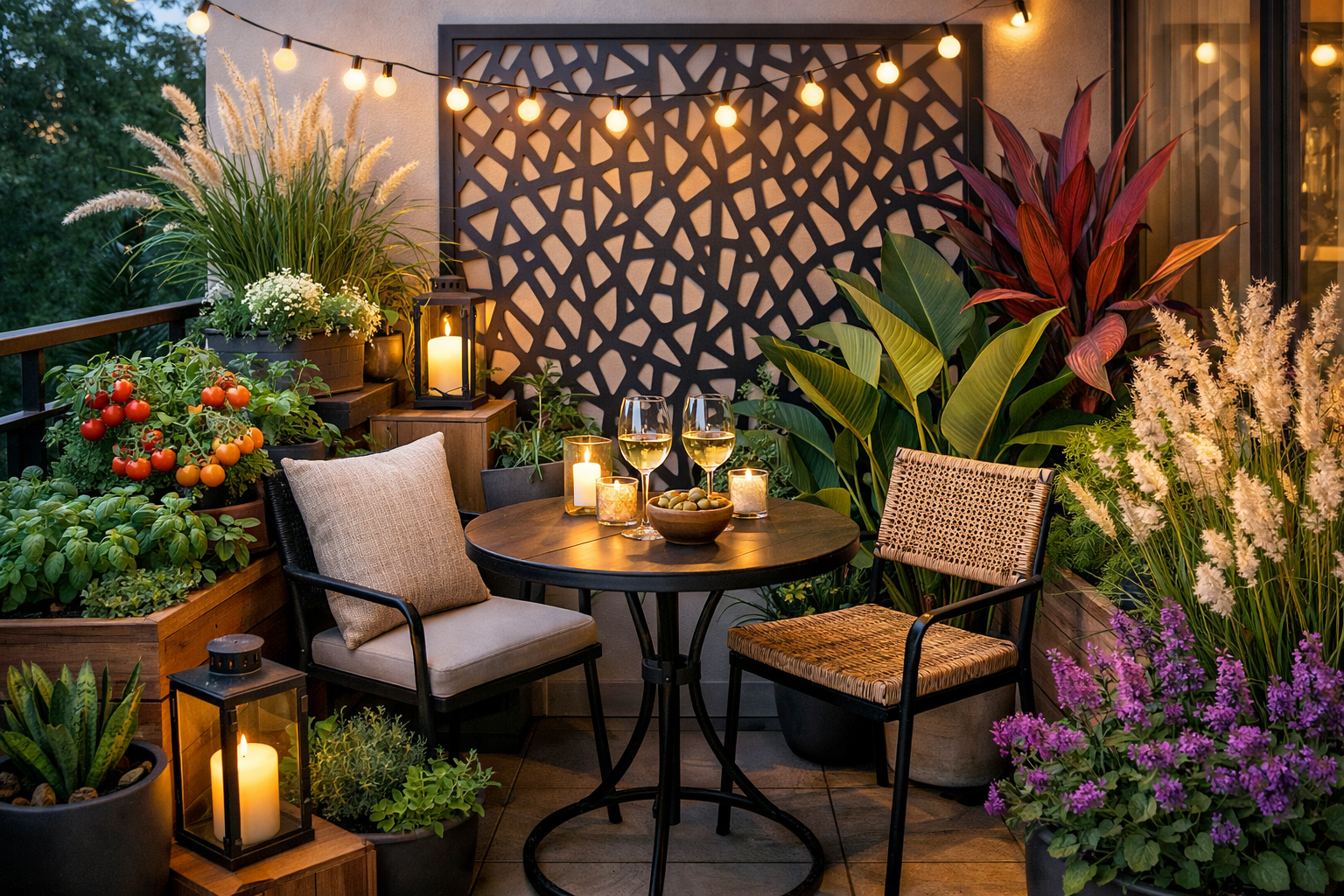
- Layout Impact: Design your balcony with comfortable seating, ambient lighting, and decorative elements like outdoor rugs or cushions. Integrate plants seamlessly into the decor, using stylish pots and attractive plant stands.
Maximalism and Bold Plantings:
- Why it’s trending: A counter-trend to past minimalism, emphasizing “big and bold” plantings with diverse colors, textures, and quantity [5].
- Layout Impact: Don’t be afraid to mix and match. Combine various plant types, use large, statement containers, and experiment with vibrant color palettes, including sophisticated jewel tones alongside soft neutrals [2, 6].
Structural Plants for Year-Round Interest:
- Why it’s trending: The need for plants that provide structure and beauty beyond seasonal blooms.
- Layout Impact: Integrate recommended structural plants such as Boxwood for long-term shape, Camellias for cold-weather blooms, and Juniper Topiaries for deep green texture [2]. These anchor your design.
Choose these 2026 trends if you want a contemporary, sustainable, and highly functional balcony garden. Prioritize native plants for easy care and incorporate edibles if you have sufficient sunlight.
What are the Essential Steps for Planning and Implementing Balcony Garden Layout Ideas?
Planning and implementing effective balcony garden layout ideas involves a systematic approach, starting with assessing your space and environmental conditions, then moving to design, plant selection, and ongoing maintenance. This ensures your garden is well-suited to its environment and your lifestyle.
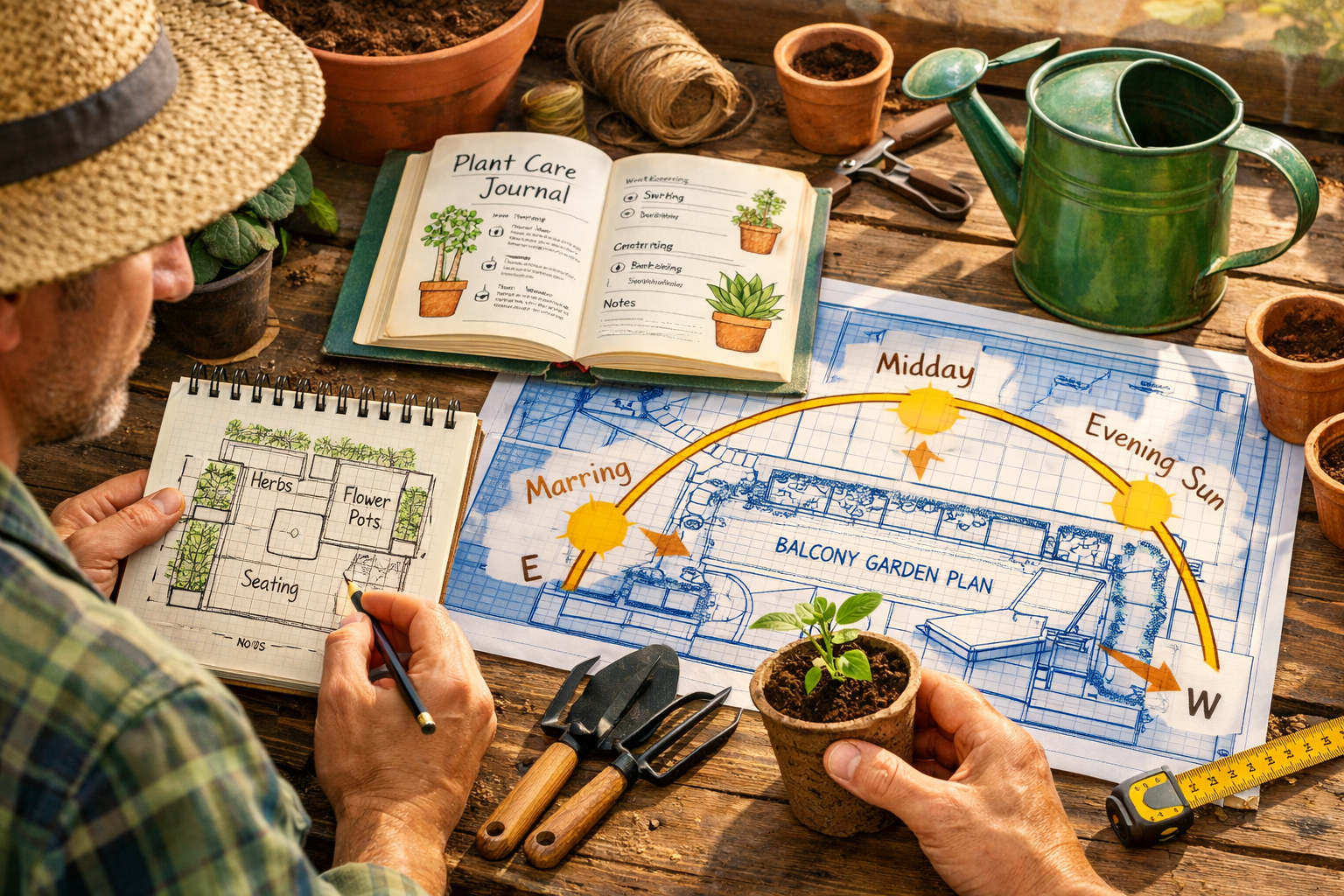
Tracking systems, such as a balcony garden journal, are recommended to monitor sun exposure, watering schedules, and plant performance, allowing for rapid layout adjustments based on actual conditions [1]. This proactive approach to observation and record-keeping is crucial for long-term success.
Here’s a step-by-step guide to planning and implementing your balcony garden:
Step 1: Assess Your Balcony’s Environment
- Sunlight: Observe your balcony throughout the day. How many hours of direct sun does it receive? Note areas of full sun, partial sun, and shade. This is critical for plant selection.
- Wind: Is your balcony exposed to strong winds? High winds can desiccate plants, knock over pots, and damage delicate foliage. Consider windbreaks like screens or heavier, wider pots [1].
- Weight Capacity: Understand your balcony’s weight limits. Pots, soil (especially when wet), and plants can be heavy. Distribute weight evenly and avoid overloading any single area. Consult your building management if unsure.
- Water Access: Plan how you will water your plants. Is there a tap nearby? Will you use a watering can, a small hose, or a drip irrigation system?
- Drainage: Ensure excess water from your pots doesn’t inconvenience neighbors below. Use saucers or self-draining planters.
Step 2: Define Your Garden’s Purpose and Style
- What do you want to grow? Edibles (herbs, vegetables), flowers, privacy screen, or a mix? Edible gardening is a leading 2026 trend, requiring 4-6 hours of sun [1].
- What aesthetic do you prefer? Tropical and biophilic designs are popular [4], as is a maximalist approach with diverse colors and textures [5]. Consider a color palette of soft neutrals with jewel tones [2].
- How will you use the space? For dining, relaxing, or purely for gardening?
Step 3: Design Your Layout
- Sketch It Out: Draw a simple map of your balcony. Mark sun/shade zones, doors, and any permanent fixtures.
- Utilize Vertical Space: Incorporate hanging planters, wall grids, and tiered shelves to maximize planting area [1].
- Create Zones: Divide your balcony into functional zones: a seating area, a dedicated plant zone, or a “grow your own” section for edibles.
- Pot Clustering: Group pots by height and water needs to create microclimates and simplify maintenance [1]. Place taller plants at the back or corners, shorter ones in front.
Step 4: Select Your Plants and Containers
- Match Plants to Conditions: Choose plants that thrive in your balcony’s specific sunlight and wind conditions. For example, sun-loving herbs for sunny spots, or shade-tolerant ferns for shadier corners. Explore our “Best Plants for Small Gardens 2026: The Complete List” for ideas.
- Choose Appropriate Containers: Select heavy, wide containers for larger plants and windy areas [1]. Consider self-watering pots for convenience.
- Native Plants: Integrate native plants for low maintenance and environmental benefits [1].
- Start Small: If you’re new to gardening, begin with easy-to-grow plants like succulents, herbs, or marigolds.
Step 5: Install and Plant
- Clean and Prepare: Clean your balcony thoroughly before bringing in plants and soil.
- Install Structures: Set up any vertical garden systems, shelves, or trellises first.
- Potting: Use high-quality potting mix. Ensure proper drainage in all containers.
- Arrangement: Place your plants according to your layout design. Step back and assess the visual balance and functionality.
Step 6: Maintain and Adapt
- Watering: Establish a consistent watering schedule, adjusting based on weather and plant needs. Our “How Often Should You Water Plants? Ultimate Guide 2026” can help.
- Feeding: Fertilize plants as needed, according to their specific requirements.
- Pruning and Deadheading: Regularly remove spent blooms and prune for shape and health.
- Pest and Disease Control: Monitor your plants for signs of pests or diseases and address them promptly.
- Journaling: Keep a balcony garden journal to track plant performance, watering, and any issues [1]. This helps you learn and make informed adjustments to your layout or plant choices.
- Seasonal Adjustments: Be prepared to move plants or provide protection during extreme weather conditions.
Choose this systematic approach if you want a successful, long-lasting balcony garden that meets your aesthetic and functional goals. Avoid rushing into planting without proper planning, especially regarding sun exposure and weight capacity.
Common Mistakes in Balcony Garden Layouts
A common mistake in balcony garden layouts is underestimating the environmental conditions, particularly sun exposure and wind patterns, which leads to plants struggling despite good intentions. Another frequent error is overloading the balcony without considering weight limits.
- Ignoring Sunlight Patterns: Many gardeners assume a balcony receives full sun, but shading from adjacent buildings or the balcony above can create surprisingly diverse light conditions. Plants chosen for full sun will languish in shade, and vice-versa.
- Underestimating Wind Exposure: Balconies, especially on higher floors, can experience strong gusts that quickly dry out plants and knock over lightweight containers. This stress can severely impact plant health [1].
- Overloading the Balcony: Wet soil and heavy pots add significant weight. Neglecting to consider your balcony’s weight capacity can lead to structural damage or unsafe conditions. Always distribute weight evenly and avoid excessive use of very large, heavy containers in one spot.
- Poor Drainage: Containers without adequate drainage holes will lead to waterlogged soil and root rot, a common killer of potted plants.
- Choosing the Wrong Plants for the Space: Selecting plants that grow too large for their containers, have invasive root systems, or simply aren’t suited to the available light and temperature will result in stunted growth and a messy appearance.
- Lack of Accessibility: A beautiful layout can become frustrating if you can’t easily reach all your plants for watering, pruning, or pest control. Ensure pathways are clear and plants aren’t too densely packed.
- Neglecting Pot Clustering: Failing to group pots can leave plants vulnerable to wind and rapid moisture loss, making maintenance more difficult [1].
Balcony Garden Layout Ideas: Cost and Time Considerations
The cost of creating a balcony garden can range from under $100 for a basic setup to several hundred or even thousands for an elaborate design, depending on the scale, plant choices, and structural elements. The initial time investment for planning and setup typically takes a few hours to a full weekend, with ongoing maintenance requiring minutes daily or a few hours weekly.
Cost Considerations:
- Containers: Prices vary widely.
- Budget-friendly: Plastic pots, grow bags (e.g., $5-$20 each).
- Mid-range: Terracotta, resin, lightweight fiberglass (e.g., $20-$80 each).
- High-end: Large ceramic, custom metal planters, self-watering systems (e.g., $80-$300+ each).
- Soil: Expect to spend $10-$30 per large bag of quality potting mix.
- Plants:
- Seeds: Most economical, a few dollars per packet.
- Seedlings/Small Plants: $5-$20 each, depending on type and size.
- Mature Plants/Shrubs: $20-$100+ for larger specimens. Native plants and edibles can be budget-friendly [1].
- Vertical Structures:
- Simple Rail Planters/Hanging Baskets: $15-$50 each.
- Modular Vertical Garden Systems/Shelving: $50-$300+.
- Tools & Accessories: Watering can, trowel, pruners ($30-$100 for a basic set). Consider drip irrigation for larger setups ($50-$200).
- Decorative Elements: Lighting, small furniture, privacy screens can add to the cost.
Time Considerations:
- Planning Phase: 2-4 hours to assess sunlight, wind, weight, and sketch a layout. Additional time for research on suitable plants.
- Shopping & Sourcing: 2-6 hours, depending on how many stores you visit or online orders you place.
- Setup & Planting:
- Small, Simple Garden: 3-5 hours (e.g., a few pots, pre-bought plants).
- Moderate Garden with Vertical Elements: 6-12 hours (e.g., installing shelves, multiple containers, planting seeds/seedlings).
- Elaborate Design: 1-2 full weekends (e.g., building custom structures, extensive planting, drip irrigation setup).
- Ongoing Maintenance (Daily/Weekly):
- Watering: 5-15 minutes daily or every few days, depending on climate and plant needs [1].
- Pest Checks/Pruning/Harvesting: 15-30 minutes weekly.
- Fertilizing/Repotting: Varies seasonally, maybe 1-2 hours monthly.
Choose a budget-friendly approach if you’re a beginner or have limited funds, focusing on seeds, grow bags, and easy-to-care-for plants. Invest more in durable containers and vertical systems if you envision a long-term, more permanent garden.
Pros and Cons of Different Balcony Garden Layout Ideas
Different balcony garden layout ideas offer distinct advantages and disadvantages, primarily impacting space utilization, maintenance, and aesthetic appeal. Understanding these trade-offs helps in selecting the most suitable design for individual needs and balcony specifications.
| Layout Idea | Pros | Cons | Ideal For |
|---|---|---|---|
| Vertical Gardening | Maximizes limited floor space, creates green walls for privacy [1]. | Can be expensive to set up, requires consistent watering, heavy for some walls. | Small balconies, urban dwellers, privacy seekers. |
| Pot Clustering | Creates microclimates, reduces wind stress, simplifies watering [1]. | Can look cluttered if not planned well, requires more pots. | All balcony sizes, especially windy ones; enhancing plant health. |
| Zoned Layout | Creates distinct areas for dining, relaxation, and gardening. | Requires larger balconies, may reduce total planting space. | Medium to large balconies, those wanting multi-functional spaces. |
| Minimalist Design | Clean, uncluttered aesthetic, easy to maintain. | Limited plant variety, can feel sparse. | Modern apartments, individuals preferring simple aesthetics. |
| Maximalist Design | Lush, vibrant, diverse textures and colors [5]. | High maintenance, can feel overwhelming if not curated, heavier. | Experienced gardeners, larger balconies, bold aesthetic preferences. |
| Edible Garden Focus | Fresh produce, satisfying hobby [1]. | Requires specific sun exposure (4-6 hrs), can attract pests. | Sunny balconies, food enthusiasts, sustainable living advocates. |
| Biophilic/Tropical Theme | Creates a lush, resort-like atmosphere, promotes well-being [4]. | May require specific humidity/temperature, can be higher maintenance. | Humid climates, those seeking an exotic, calming retreat. |
Choose a vertical gardening layout if your primary constraint is floor space and you want to maximize plant count. Opt for a zoned layout if you have a larger balcony and want to create distinct functional areas.
Conclusion
Designing an impactful balcony garden in 2026 is an exciting endeavor that transforms a small outdoor space into a personal oasis. By embracing smart Balcony Garden Layout Ideas, you can navigate the unique challenges of limited space, sun exposure, and wind. The key lies in strategic planning: prioritizing verticality to maximize growing area, employing pot clustering for plant health and visual coherence, and aligning your plant choices with your balcony’s specific environmental conditions.
The trends of 2026—from the integration of native and edible plants to the adoption of biophilic and maximalist designs—offer a wealth of inspiration for creating a balcony garden that is both aesthetically pleasing and ecologically responsible. Remember that a successful balcony garden is not just about the initial setup; it requires ongoing observation, adaptation, and care. By meticulously assessing your space, planning your layout, and committing to regular maintenance, you will cultivate a thriving, beautiful, and highly personalized outdoor retreat that enhances your urban living experience for years to come.
Actionable Next Steps
- Assess Your Balcony: Spend a full day observing sun patterns and note wind exposure. Measure your space.
- Sketch a Layout: Draft a basic plan, incorporating vertical elements and potential plant groupings.
- Research Plants: Identify native plants, edibles, or structural plants that thrive in your observed conditions.
- Source Materials: Start gathering appropriate containers (prioritizing heavy, wide pots for stability), quality potting mix, and necessary tools.
- Start Small: Begin with a few easy-to-care-for plants and gradually expand as you gain confidence and understanding.
FAQ
What are the best plants for a small balcony garden in 2026?
For small balcony gardens in 2026, excellent choices include herbs (mint, basil, rosemary), leafy greens (lettuce, spinach), dwarf vegetables (cherry tomatoes, compact peppers), native plants for low maintenance, and trailing ornamentals like petunias or ivy [1]. Structural plants like Boxwood or Juniper Topiaries also provide year-round interest [2].
How do I protect my balcony garden from wind?
To protect your balcony garden from wind, use heavy, wide containers that are less likely to tip over [1]. Group pots together to create a microclimate and provide mutual shelter [1]. You can also install windbreaks like privacy screens, trellises with climbing plants, or use strategically placed larger, robust plants.
Can I grow vegetables on a small balcony?
Yes, you can absolutely grow vegetables on a small balcony, especially with 2026’s emphasis on edible gardening [1]. Focus on compact varieties like dwarf tomatoes, bush beans, radishes, and leafy greens. Ensure your balcony receives at least 4-6 hours of direct sunlight, and utilize vertical planters to maximize space.
How often should I water my balcony plants?
The frequency of watering balcony plants depends on factors like plant type, container size, weather, and soil. Generally, container plants dry out faster than in-ground plants. Check the soil moisture daily; water when the top inch or two of soil feels dry. Self-watering planters can reduce this frequency [1].
What is the ideal soil for balcony container gardening?
The ideal soil for balcony container gardening is a high-quality, lightweight potting mix specifically formulated for containers. Avoid using dense garden soil, as it can compact and hinder drainage, leading to root rot. Look for mixes that offer good aeration and moisture retention.
How do I ensure privacy in my balcony garden layout?
To ensure privacy in your balcony garden layout, incorporate tall, dense plants like bamboo (in containers), climbing vines on a trellis, or strategically placed structural plants such as Chinese Fan Palms or Boxwood [2, 4]. Vertical garden walls can also act as effective green screens [1].
What are some low-maintenance balcony garden layout ideas?
Low-maintenance balcony garden layout ideas for 2026 include using native plants, which are climate-resilient and require less water and care [1]. Incorporate succulents, cacti, or hardy herbs. Self-watering planters and gravel mulch can also reduce watering frequency, making maintenance easier.
References
[1] Balcony Garden Themes To Maximize Your Small Space In 2026 – https://balconygardenparadise.com/balcony-garden-themes-to-maximize-your-small-space-in-2026/ [2] Trends In Container Gardening 2026 – https://www.containedcreations.com/blog/trends-in-container-gardening-2026 [3] Garden Trends For 2026 – https://www.gardeningknowhow.com/garden-how-to/design/garden-trends-for-2026 [4] Watch – https://www.youtube.com/watch?v=8vNumTxh4J0 [5] Garden Trends 2026 – https://www.countryliving.com/gardening/garden-ideas/a70160525/garden-trends-2026/ [6] Colorful Balcony Garden Plans – https://obliquenewyork.com/2026/01/16/colorful-balcony-garden-plans/ [7] Whats Trending For 2026 – https://thebalconygarden.eu/blogs/news/whats-trending-for-2026