Balcony Garden Setup Step-by-Step: Your Ultimate 2026 Guide to Urban Greenery
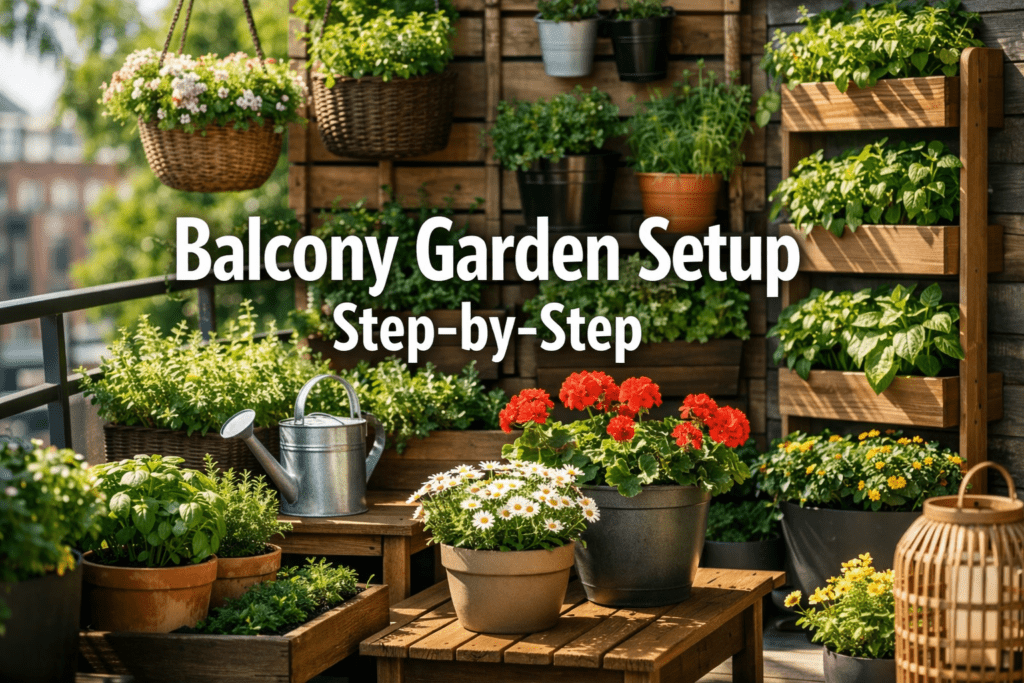
Quick Answer Setting up a balcony garden involves a systematic approach, beginning with a thorough site assessment to understand light, wind, and structural limitations, followed by careful selection of containers, plants, and appropriate growing media. By following a detailed “Balcony Garden Setup Step-by-Step” guide, urban dwellers can transform a small outdoor space into a productive and beautiful oasis, cultivating everything from herbs and vegetables to flowers.
TL;DR
- Successful balcony gardening starts with assessing your space’s sunlight and load capacity.
- Choose appropriate containers and soil that match your plant selections and balcony conditions.
- Select plants carefully based on light, space, and local climate for optimal growth.
- Implement efficient watering, feeding, and pest management strategies for thriving plants.
- Regular maintenance and seasonal adjustments are crucial for long-term balcony garden success.
1. How Do You Begin Planning Your Balcony Garden Setup Step-by-Step?
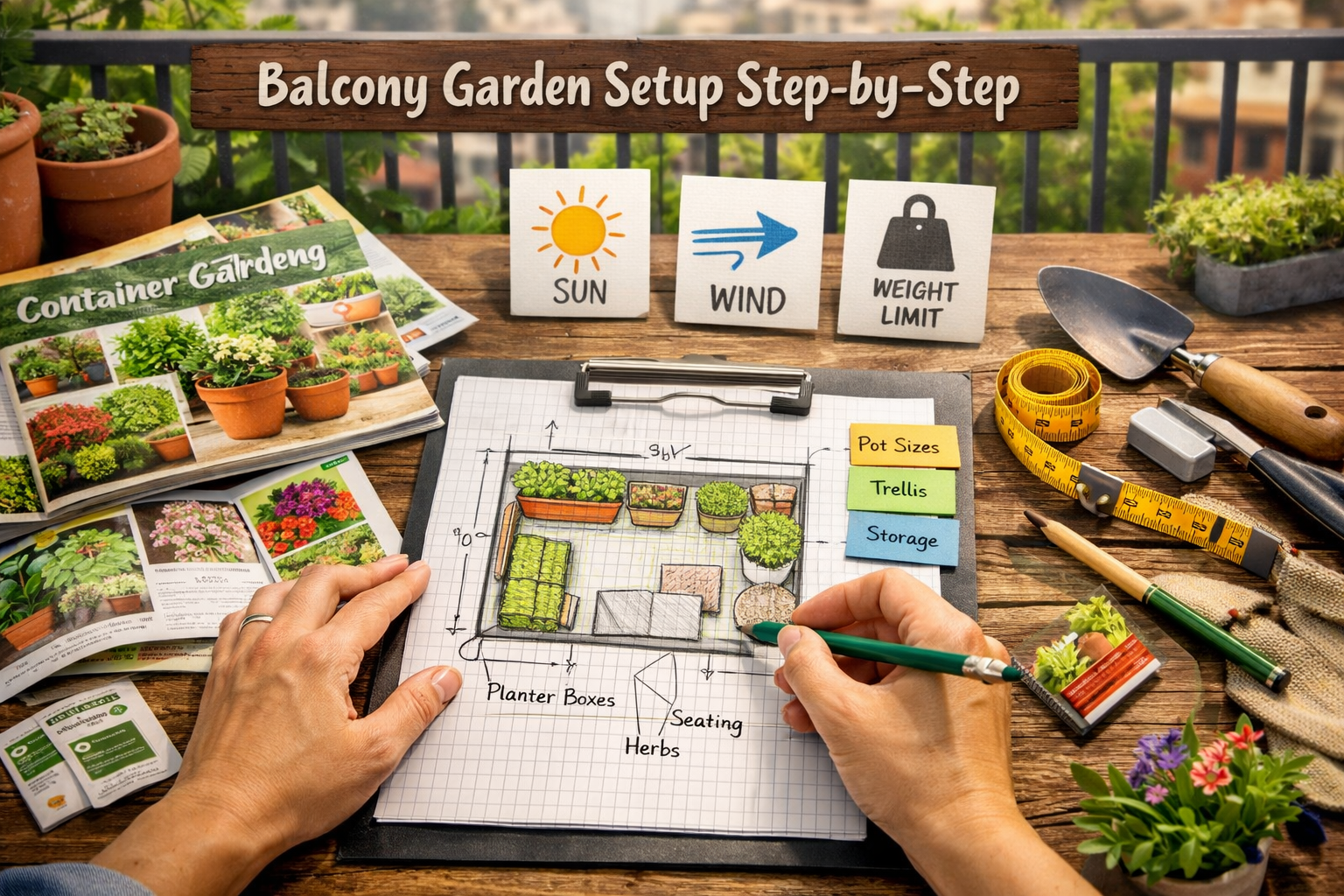
Starting your balcony garden setup step-by-step begins with a crucial site assessment to understand the environmental conditions and physical limitations of your specific balcony space. This initial phase helps ensure that your garden will be sustainable, safe, and tailored to maximize plant growth and aesthetic appeal. Neglecting this foundational step can lead to wasted effort and plant failure.
Key Considerations for Initial Planning:
- Sunlight Exposure: Determine how many hours of direct sunlight your balcony receives daily. This is perhaps the most critical factor, influencing which plants will thrive.
- Full Sun: 6+ hours (ideal for most vegetables, herbs, and flowering plants).
- Partial Sun/Shade: 3-6 hours (suitable for many leafy greens, some herbs, and shade-tolerant flowers).
- Full Shade: Less than 3 hours (best for ferns, hostas, and very shade-loving plants).
- Decision Rule: Observe your balcony’s sun exposure at different times of the day for at least one full day, or ideally, a week, to get an accurate average.
- Wind Protection: Balconies, especially on higher floors, can be exposed to strong winds, which dehydrate plants quickly and can cause physical damage.
- Assess if you need windbreaks like screens, trellises with climbing plants, or strategic placement of taller, sturdier plants.
- Common Mistake: Overlooking wind can lead to plants drying out rapidly or pots being knocked over.
- Weight Capacity: It is paramount to know the structural weight limits of your balcony. Soil, water, and pots can become extremely heavy.
- Consult your building management or landlord for specifications. If unavailable, distribute weight evenly and consider lightweight alternatives like fabric pots and soilless mixes.
- Edge Case: For older buildings or very large gardens, structural engineer consultation might be advisable for peace of mind.
- Water Access and Drainage: Plan how you will water your plants and how excess water will drain without causing issues for neighbors below.
- Consider proximity to a water source (e.g., tap, long hose).
- Use pots with drainage holes and saucers to catch runoff.
- Example: For balconies without a tap, a watering can or a small drip irrigation system connected to a rain barrel (if permitted) can be efficient.
- Privacy and Aesthetics: Think about the overall look and feel you want to achieve.
- Do you want to create a private retreat, or simply add greenery?
- Vertical gardening solutions can enhance privacy and maximize space. For inspiration on optimizing small spaces, refer to our Ultimate Guide to Small Space Gardening for Beginners 2026.
2. What Are the Best Container and Soil Choices for a Balcony Garden Setup Step-by-Step?
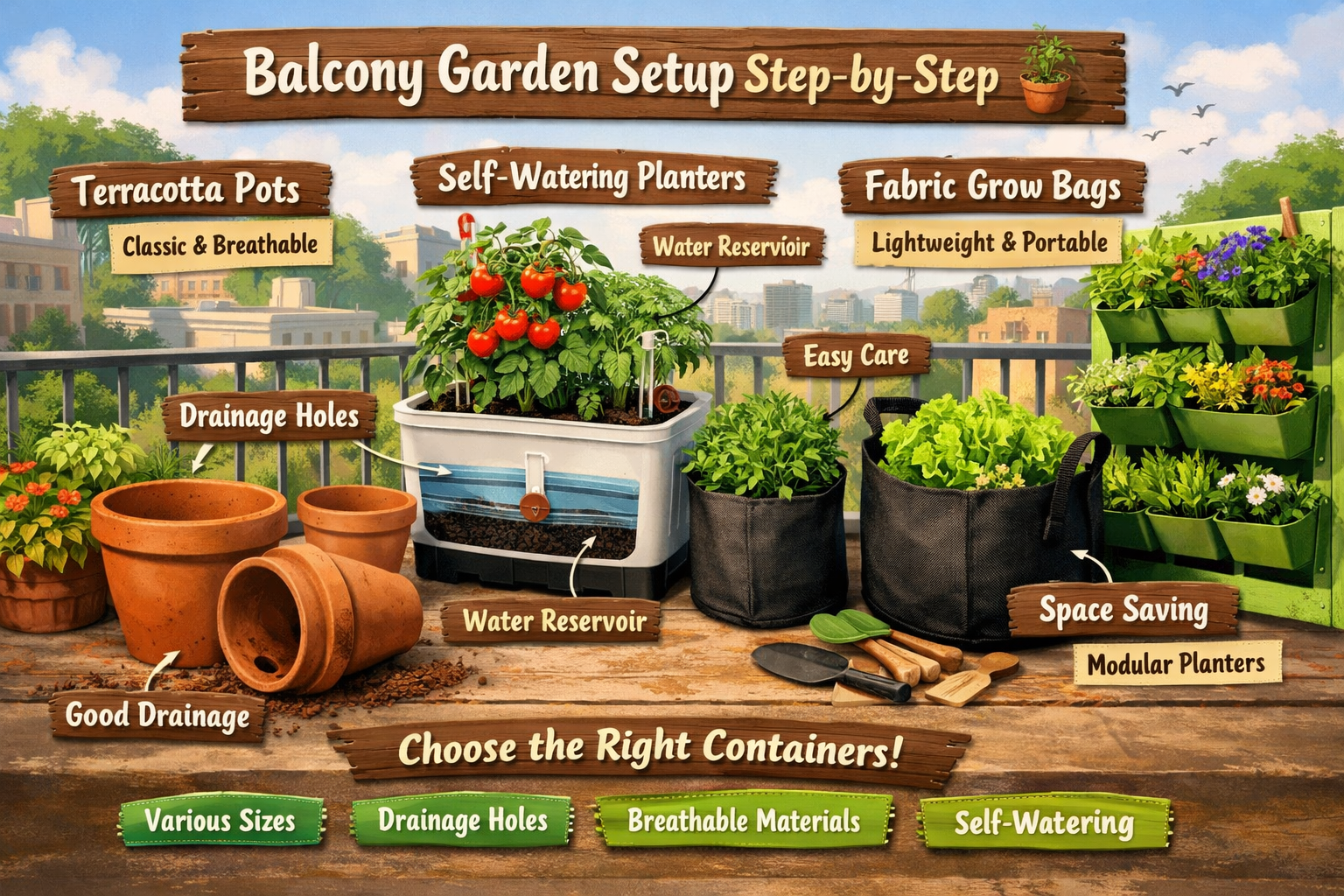
For a successful “Balcony Garden Setup Step-by-Step,” selecting the right containers and soil is crucial, as they provide the foundation for plant health in a limited space. Containers need to be appropriate for plant size and balcony conditions, while the soil must offer proper drainage and nutrients. Choosing wisely here directly impacts your plants’ ability to thrive.
Selecting the Right Containers:
- Material Matters: Different materials have varying properties that affect plant health and durability.
- Terracotta/Clay: Porous, allowing roots to breathe and preventing overwatering. Dries out quickly, requiring more frequent watering in hot climates.
- Plastic/Resin: Lightweight, retains moisture well, and is durable. Can heat up in direct sun, potentially stressing roots.
- Fabric Grow Bags: Excellent aeration and drainage, preventing root circling. Lightweight and easy to move, but can dry out quickly.
- Wood: Attractive and insulative, but can rot over time. Requires liners to prolong life.
- Metal: Modern aesthetic, but can heat up excessively in sun. Use with caution or in shaded areas.
- Size and Depth: Match the container size to the mature size of the plant.
- Shallow pots: Good for herbs, lettuce, and shallow-rooted annuals.
- Deep pots: Essential for vegetables like tomatoes, peppers, root crops (carrots, potatoes), and larger shrubs.
- Decision Rule: A general rule of thumb is to choose a pot that is at least twice the width of the plant’s root ball and deep enough to accommodate root growth.
- Drainage Holes: Every container must have drainage holes to prevent waterlogging and root rot.
- Use saucers underneath to catch excess water, especially for multi-story buildings.
- Common Mistake: Using decorative pots without drainage holes will almost certainly kill plants due to suffocated roots. If a beautiful pot lacks holes, use it as a cachepot and place a smaller, drained pot inside.
- Container Types for Space Saving:
- Vertical Planters: Ideal for maximizing space on small balconies. Come in various forms, from wall-mounted pockets to tiered structures.
- Hanging Baskets: Excellent for trailing plants like petunias, strawberries, or cherry tomatoes, freeing up floor space.
- Rail Planters: Attach directly to balcony railings, saving floor space while adding greenery.
Choosing the Right Soil (Potting Mix):
- Not Garden Soil: Never use garden soil in containers; it compacts easily, drains poorly, and may contain pests or diseases.
- Quality Potting Mix: Invest in a high-quality, lightweight potting mix specifically designed for containers.
- It contains peat moss, coir, perlite, vermiculite, and often a slow-release fertilizer. This blend ensures good aeration, drainage, and moisture retention.
- Criteria: Look for mixes that are “all-purpose” or “container mix.” For specific needs, like succulents, opt for a “cactus and succulent mix.”
- Nutrient Content: While potting mixes often come with some initial nutrients, these are depleted over time.
- Consider mixing in organic compost for added nutrients and beneficial microbes, especially for heavy feeders like vegetables.
- Example: A good potting mix for vegetables might include a blend of coco coir for moisture retention, perlite for drainage, and a balanced slow-release organic fertilizer.
3. How Do You Select the Best Plants for Your Balcony Garden Setup Step-by-Step?
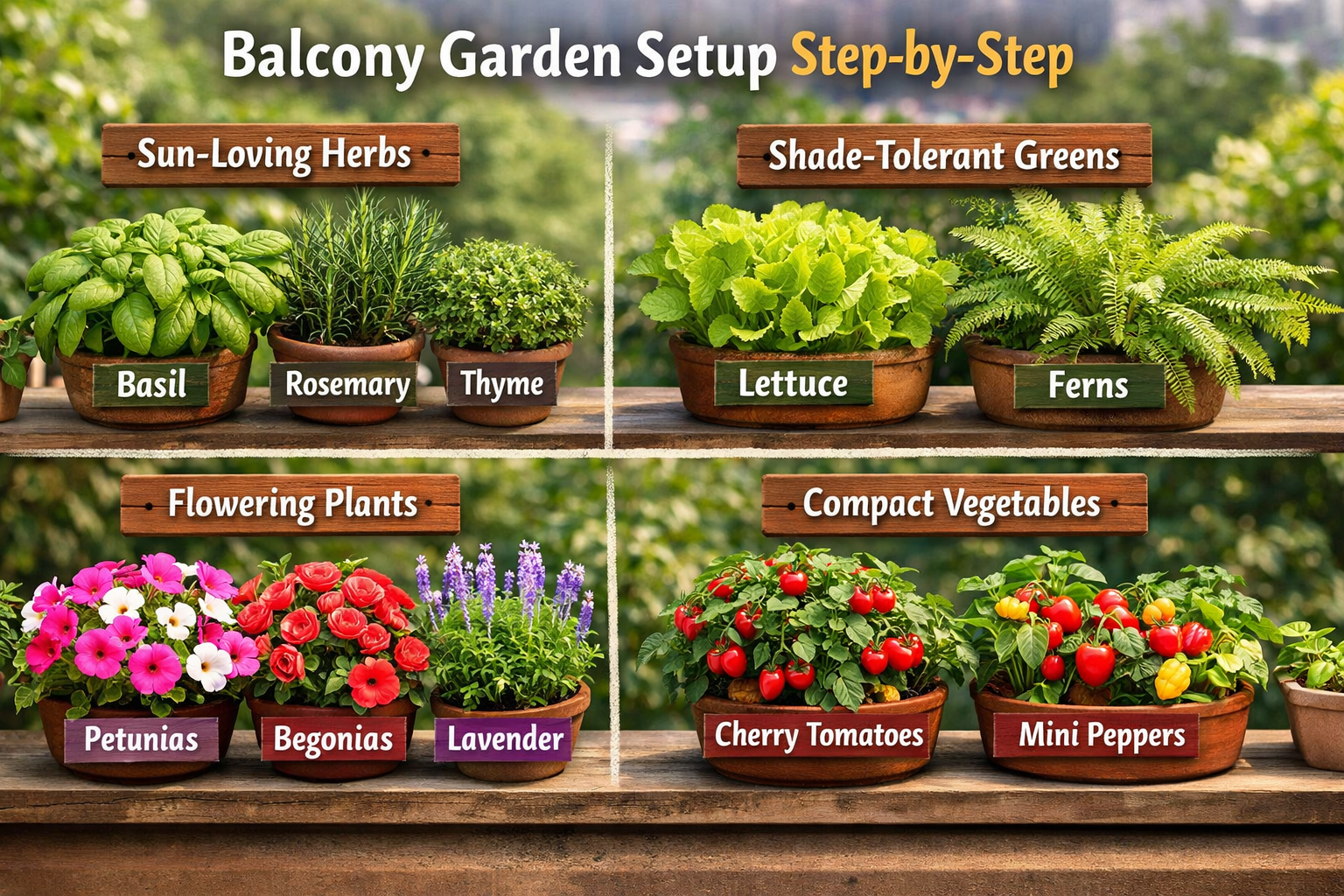
Selecting the right plants is a pivotal stage in your “Balcony Garden Setup Step-by-Step,” directly influencing the success and enjoyment of your green space. This choice must align with your balcony’s specific environmental conditions, available space, and your personal gardening goals to ensure plants thrive rather than merely survive. Mismatched plants are a primary cause of garden failure.
Matching Plants to Your Balcony’s Conditions:
- Sunlight Requirements: This is non-negotiable.
- Full Sun (6+ hours): Most vegetables (tomatoes, peppers, eggplant, cucumbers), herbs (basil, rosemary, thyme, oregano), many flowers (petunias, marigolds, geraniums, sunflowers), strawberries.
- Partial Sun (3-6 hours): Leafy greens (lettuce, spinach, kale), some herbs (mint, cilantro, parsley), bush beans, peas, blueberries, impatiens, fuchsias.
- Shade (less than 3 hours): Ferns, hostas, violas, some varieties of lettuce and spinach, specific herbs like mint (though it prefers more sun).
- Decision Rule: Always check the plant tag for specific light requirements before purchasing.
- Space Considerations: Choose compact varieties or plants suitable for vertical growth.
- Compact Vegetables: Look for “bush” varieties of cucumbers, tomatoes, and squash. Dwarf fruit trees or columnar fruit varieties are also excellent for pots.
- Vertical Growers: Peas, pole beans, small gourds, some cucumbers, and vining tomatoes can be trained up trellises or stakes.
- Herbs: Many herbs are naturally compact and ideal for containers.
- Example: Instead of a sprawling zucchini, opt for a ‘Patio Princess’ zucchini or a ‘Bush Champion’ cucumber.
- Wind Tolerance: Some plants are more susceptible to wind damage than others.
- Choose sturdier plants or those with flexible stems for exposed areas.
- Provide support (stakes, cages) for taller plants like tomatoes or peppers.
- Common Mistake: Placing delicate, tall plants in high-wind areas without adequate support.
- Water Needs: Group plants with similar water requirements together to simplify watering.
- Drought-tolerant plants (succulents, rosemary, lavender) need less frequent watering.
- Water-loving plants (most vegetables, impatiens) need consistent moisture.
Popular Plant Choices for Balcony Gardens:
| Plant Category | Examples for Balconies | Key Considerations |
|---|---|---|
| Vegetables | Cherry tomatoes, bush beans, peppers, lettuce, spinach | Need adequate sun, consistent watering, sturdy support if tall |
| Herbs | Basil, mint, rosemary, thyme, chives, cilantro | Generally easy, many tolerate partial shade, distinct water needs |
| Flowers | Petunias, marigolds, geraniums, impatiens, pansies | Add color and attract pollinators, choose based on sun needs |
| Fruits | Strawberries, blueberries (dwarf), dwarf citrus | Require specific soil pH (blueberries), ample sun, good drainage |
- Benefits of Diversity: Mixing plants can promote biodiversity, help with pest control (e.g., marigolds deterring some pests), and create a more visually appealing garden.
- Starting Small: If you’re new to gardening, begin with a few easy-to-grow plants like herbs (basil, mint) or leafy greens (lettuce, spinach) to build confidence before expanding to more demanding crops. For beginners seeking to master gardening in tight spaces, our main resource, Mini Space Garden | Small Space Gardening Ideas, offers extensive insights.
4. What Are the Installation and Planting Steps for a Balcony Garden Setup Step-by-Step?
The installation and planting phase is where your “Balcony Garden Setup Step-by-Step” truly comes to life, turning your plans into a tangible green space. Executing these steps correctly ensures a strong start for your plants, providing them with the best environment to establish and grow. Proper planting techniques minimize transplant shock and maximize success.
Step-by-Step Installation and Planting:
- Clean and Prepare Your Balcony:
- Sweep away debris, clean the floor, and ensure the area is clear of obstructions.
- If using shelves or vertical planters, secure them firmly to the wall or railing according to manufacturer instructions.
- Constraint: Ensure all structures are within your balcony’s weight limits and securely fastened to prevent accidents, especially in windy conditions.
- Arrange Containers:
- Place your empty containers in their planned locations. This allows you to visualize the layout and make adjustments before they become heavy with soil and plants.
- Consider varying heights and sizes for visual interest and to allow all plants access to light. Use risers or stands for smaller pots if needed.
- Decision Rule: Position taller plants and vertical structures where they won’t unduly shade shorter plants unless shade is specifically desired.
- Fill Containers with Potting Mix:
- Fill each container with your chosen quality potting mix, leaving about 1-2 inches (2.5-5 cm) of space from the rim. This “headroom” prevents water and soil from overflowing during watering.
- Avoid compacting the soil too much; it should remain airy for root growth.
- Common Mistake: Filling pots with garden soil or cheap, heavy mixes that drain poorly.
- Plant Your Seedlings or Established Plants:
- Gently remove plants from their nursery pots. If roots are circling at the bottom, carefully loosen them to encourage outward growth.
- Dig a hole in the potting mix large enough for the plant’s root ball.
- Place the plant in the hole, ensuring the top of the root ball is level with the surrounding soil.
- Backfill with potting mix, gently firming around the base of the plant to remove large air pockets, but do not pack it down tightly.
- Example: When planting a tomato seedling, ensure the stem is buried slightly deeper than it was in its nursery pot to encourage more root development.
- Water Thoroughly:
- Immediately after planting, water each container until water drains from the bottom. This settles the soil around the roots and eliminates air pockets.
- Constraint: Ensure saucers are in place to catch runoff, preventing water from dripping onto lower balconies.
- Add Mulch (Optional but Recommended):
- Apply a thin layer (1-2 inches or 2.5-5 cm) of organic mulch (e.g., wood chips, straw, shredded leaves) to the surface of the soil.
- Benefits: Mulch helps retain soil moisture, regulate soil temperature, and suppress weeds, reducing maintenance.
- Install Supports (If Needed):
- For vining plants like tomatoes, cucumbers, or pole beans, install stakes, cages, or trellises at the time of planting to avoid disturbing roots later.
- Decision Rule: Proactive support prevents plants from toppling over as they grow and bear fruit.
5. What Ongoing Care and Maintenance are Essential for Your Balcony Garden Setup Step-by-Step?
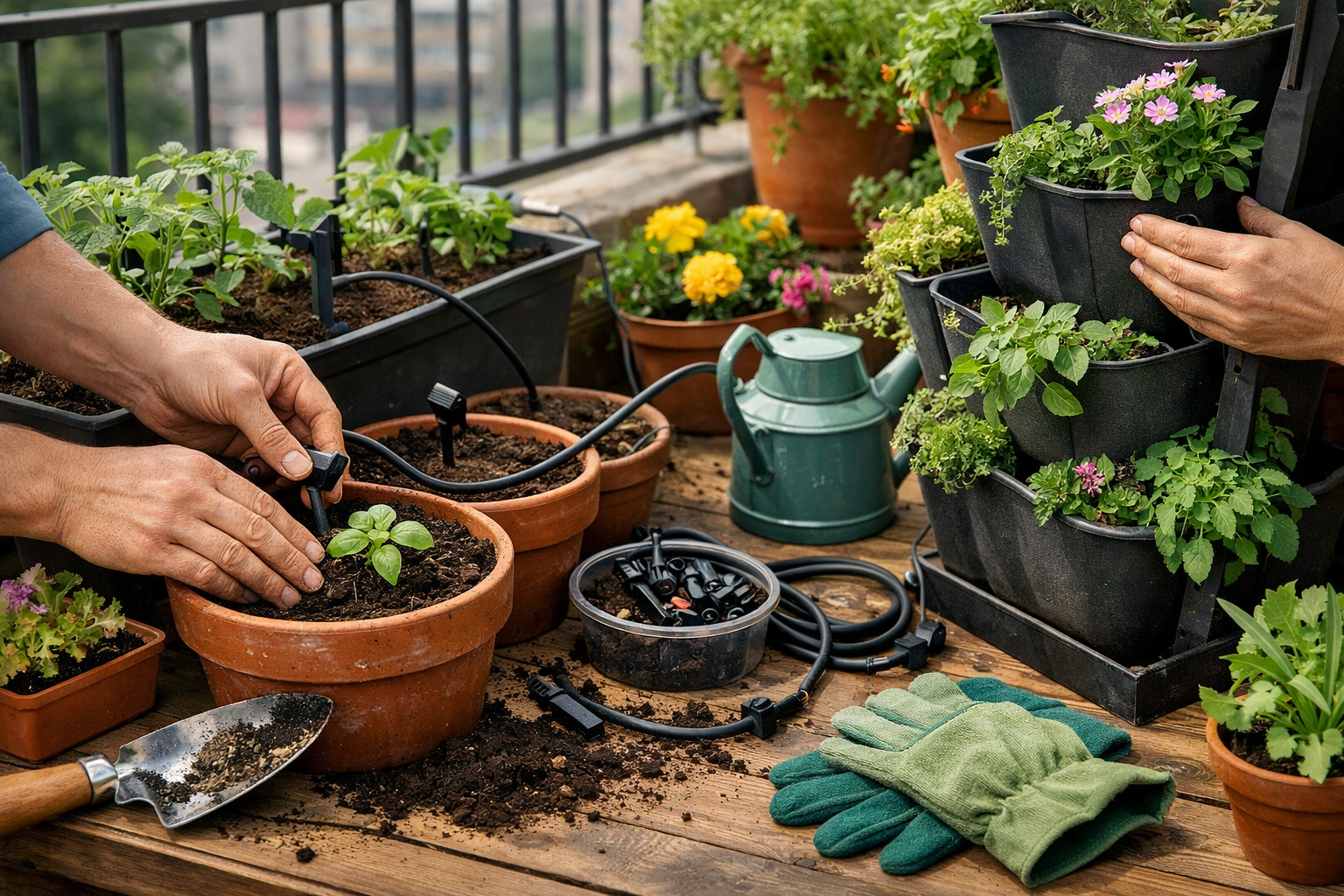
Ongoing care and maintenance are indispensable for the long-term success and vitality of your “Balcony Garden Setup Step-by-Step.” Once established, plants require consistent attention to watering, feeding, pest control, and seasonal adjustments to thrive in their containerized environment. Neglecting these aspects can lead to declining plant health, reduced yields, and an overall less attractive garden.
Essential Ongoing Care Practices:
- Watering: This is the most frequent and critical task for container gardens.
- Frequency: Check soil moisture daily by sticking your finger about an inch (2.5 cm) into the soil. Water when the top inch feels dry.
- Method: Water deeply until it drains from the bottom of the pot. Avoid frequent, shallow watering, which encourages shallow root growth.
- Time of Day: Water in the early morning or late evening to minimize evaporation.
- Common Mistake: Overwatering is as detrimental as underwatering, leading to root rot. Ensure pots have excellent drainage.
- Technology Tip: Consider a drip irrigation system for consistent watering, especially if you travel or have many pots.
- Fertilizing: Container plants deplete soil nutrients faster than in-ground plants.
- Schedule: Begin fertilizing about 3-4 weeks after planting, or when plants show signs of needing nutrients (e.g., yellowing leaves, slow growth).
- Type: Use a balanced liquid fertilizer every 2-4 weeks, or incorporate a slow-release granular fertilizer at the beginning of the growing season.
- Decision Rule: Follow product instructions carefully; over-fertilizing can burn roots.
- Pest and Disease Management: Regular inspection is key.
- Early Detection: Inspect plants regularly for signs of pests (e.g., aphids, spider mites) or diseases (e.g., powdery mildew).
- Organic Solutions: For minor infestations, try spraying with a strong stream of water, insecticidal soap, or neem oil. Encourage beneficial insects by planting flowers that attract them.
- Example: If you spot aphids, a dilute solution of dish soap and water sprayed on the affected leaves can often control them.
- Pruning and Deadheading:
- Pruning: Remove dead, diseased, or damaged leaves/stems to redirect energy to healthy growth. Prune herbs regularly to encourage bushier growth.
- Deadheading: Remove spent flowers (deadhead) to encourage continuous blooming and prevent plants from putting energy into seed production.
- Benefits: Improves plant vigor, appearance, and extends the blooming or harvesting period.
- Support and Training:
- As plants grow, continue to train vining plants onto their supports (stakes, trellises) and tie them gently if needed.
- Edge Case: For heavy fruiters like tomatoes, consider supplementing with additional ties or larger cages as the fruit develops.
- Repotting or Refreshing Soil:
- Annually or every two years, larger plants may need repotting into a slightly larger container or having their soil refreshed.
- Remove the top few inches of old soil and replace it with fresh potting mix, or gently lift the plant, prune some outer roots, and replant with fresh soil.
- Constraint: This helps replenish nutrients and prevent root bound conditions.
- Seasonal Adjustments:
- Cold Protection: In colder months, move sensitive plants indoors, cover them, or provide frost protection.
- Heat Protection: In intense summer heat, provide partial shade for sensitive plants or move pots to a cooler spot.
- Actionable Next Step: Research the hardiness zones of your plants and plan accordingly for changing seasons.
Frequently Asked Questions (FAQ)
Is a balcony garden worth it?
Yes, a balcony garden is highly worth it for urban dwellers, offering fresh produce, aesthetic beauty, improved air quality, and a connection to nature in a small space, enhancing well-being and home value.
What is the first step in starting a balcony garden?
The first step in starting a balcony garden is a thorough site assessment, evaluating sunlight exposure, wind conditions, and the structural weight capacity of your balcony.
Can I grow vegetables on a balcony?
Absolutely, many vegetables can thrive on a balcony, especially compact varieties of tomatoes, peppers, leafy greens, herbs, and bush beans, provided they receive adequate sunlight and proper care.
How much weight can a typical balcony hold for gardening?
The weight capacity of a typical balcony varies significantly by building codes and construction, but it’s crucial to consult your building management; as a general estimate, many modern balconies can safely hold around 50-100 pounds per square foot (244-488 kg/m²), but always verify.
How often should I water my balcony plants?
You should water your balcony plants when the top inch of soil feels dry to the touch, which typically means daily in hot, dry weather and less frequently during cooler or humid periods.
What kind of soil is best for balcony gardening?
A high-quality, lightweight potting mix specifically designed for containers is best for balcony gardening, as it provides excellent drainage, aeration, and contains essential nutrients without compacting.
How do I protect my balcony plants from strong winds?
Protect balcony plants from strong winds by using windbreaks like screens or trellises, selecting wind-tolerant plant varieties, and ensuring all pots and structures are heavy or securely anchored.
Can I use regular garden soil in my balcony pots?
No, it is not recommended to use regular garden soil in balcony pots because it compacts easily, drains poorly, and can introduce pests or diseases, leading to unhealthy root systems and plant failure.
What are some good beginner plants for a balcony garden?
Good beginner plants for a balcony garden include herbs like basil and mint, leafy greens such as lettuce and spinach, and resilient flowers like marigolds and petunias, due to their relatively low maintenance requirements.
How can I maximize space on a small balcony?
Maximize space on a small balcony by utilizing vertical gardening solutions, hanging baskets, railing planters, and choosing compact plant varieties to make the most of limited square footage.
Key Takeaways
- Assess Your Space First: Before purchasing anything, thoroughly evaluate your balcony’s sunlight, wind exposure, and weight capacity to avoid future problems.
- Choose Wisely: Select containers with proper drainage and use a high-quality potting mix, not garden soil, to give your plants the best start.
- Plant for Success: Match plant choices to your balcony’s specific conditions (sunlight, space, wind) and consider compact or vertical varieties to maximize yield.
- Proper Installation: Arrange containers strategically, plant correctly with adequate spacing, and water thoroughly immediately after planting.
- Consistent Care is Key: Regular watering, appropriate fertilizing, vigilant pest management, and timely pruning are vital for the sustained health and productivity of your balcony garden.
- Embrace Vertical Gardening: For small spaces, vertical planters and hanging baskets are excellent ways to expand your planting area and add visual interest.
- Seasonal Adaptations: Be prepared to adjust your care routine and protect plants from extreme weather changes throughout the year.
References
- Cornell University Cooperative Extension. (2024). Container Gardening. https://gardening.cornell.edu/
- University of California Agriculture and Natural Resources. (2023). Gardening in Small Spaces. https://ucanr.edu/
- The Old Farmer’s Almanac. (2025). Container Vegetable Gardening. https://www.almanac.com/