Air Purifying Indoor Plants
Key Takeaways
- NASA’s Clean Air Study: Groundbreaking research in the late 1980s confirmed that common indoor plants effectively remove airborne toxins like formaldehyde, benzene, and trichloroethylene.
- Top Performers: Snake Plants, Peace Lilies, Pothos, Spider Plants, and ZZ Plants are among the most effective and easiest to care for Air Purifying Indoor Plants.
- Mechanism of Action: Plants filter air through their leaves, which absorb pollutants, and through microorganisms in the soil that break down toxins.
- Beyond Air Quality: Beyond purifying air, these plants can boost mood, reduce stress, increase humidity, and enhance indoor aesthetics.
- Care is Key: Optimal light, watering, and humidity are crucial for plants to perform their air-purifying functions effectively.
- Placement Matters: Distribute plants throughout your home or office, especially in areas with common pollutant sources like new furniture or cleaning products.
- Safety First: If you have pets or small children, always check if a plant is non-toxic before bringing it into your home.
- Start Small, Grow Big: Begin with a few easy-care plants and gradually expand your collection as you become more confident in plant care.
Quick Answer
Air Purifying Indoor Plants are specific plant species that can naturally filter common indoor air pollutants, such as volatile organic compounds (VOCs), formaldehyde, and benzene, creating a healthier living and working environment. These plants achieve this by absorbing toxins through their leaves and roots, with soil microorganisms also playing a significant role in breaking down these harmful substances.
Do Air Purifying Indoor Plants Really Work, and How?
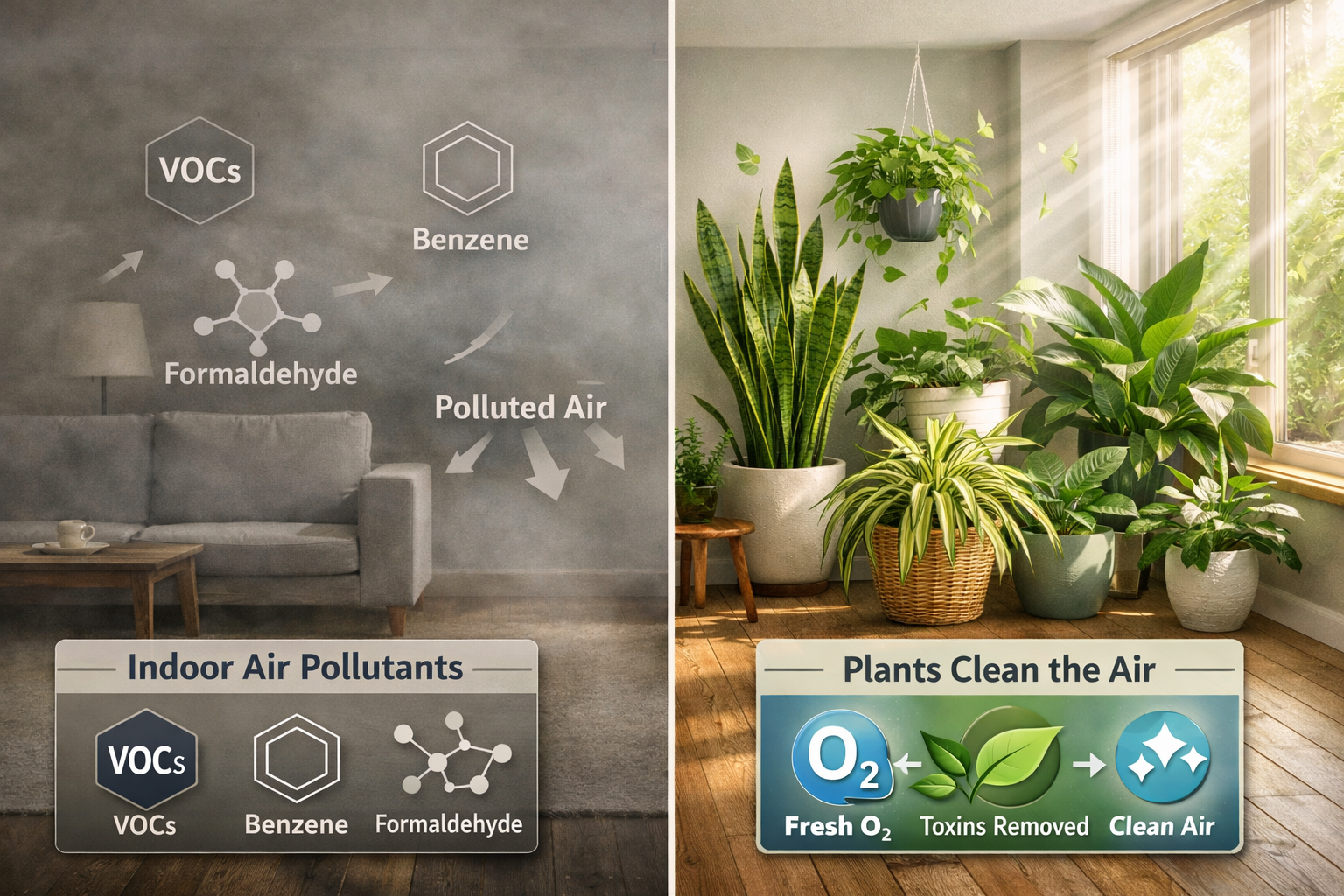
Yes, air purifying indoor plants genuinely work to remove airborne toxins, primarily by absorbing pollutants through their leaves and roots, while also engaging soil microorganisms to break down harmful chemicals. This capability was famously highlighted by NASA’s Clean Air Study in 1989, which investigated natural ways to filter air in sealed environments, finding that many common houseplants are highly effective at removing volatile organic compounds (VOCs).
How Plants Purify Your Air
The mechanism behind how Air Purifying Indoor Plants clean the air is multi-faceted:
- Leaf Absorption: Plant leaves have stomata, small pores that take in carbon dioxide for photosynthesis. During this process, they also absorb airborne pollutants like formaldehyde, benzene, and trichloroethylene. Once inside the plant, these chemicals are then metabolized or stored.
- Root and Soil Microorganisms: A significant portion of the air purification occurs in the root zone. The plant’s root system, along with the soil it grows in, hosts a diverse community of microorganisms. These microbes consume pollutants that are drawn down through the soil or absorbed by the roots, converting them into nutrients for the plant or harmless substances. This symbiotic relationship is a powerful detoxifier.
- Transpiration: Plants release water vapor into the air through a process called transpiration. While primarily about moisture, this process also helps to circulate air around the plant, drawing more airborne particles into contact with the leaves and soil.
What Pollutants Do They Target?
Common indoor air pollutants addressed by these plants include:
- Formaldehyde: Found in insulation, particleboard, paper products, and some cleaning products.
- Benzene: Present in plastics, synthetic fibers, detergents, and tobacco smoke.
- Trichloroethylene: Used in dry cleaning, printing inks, paints, and adhesives.
- Xylene: Found in rubber, leather, printing, and paint thinners.
- Ammonia: Common in cleaning products.
Decision Rule: Choose to incorporate Air Purifying Indoor Plants into your home if you are concerned about indoor air quality, spend a lot of time indoors, or simply want to enhance your living space with natural elements. The benefits extend beyond just air purification to overall well-being.
Which Are the Best Air Purifying Indoor Plants for Your Home?
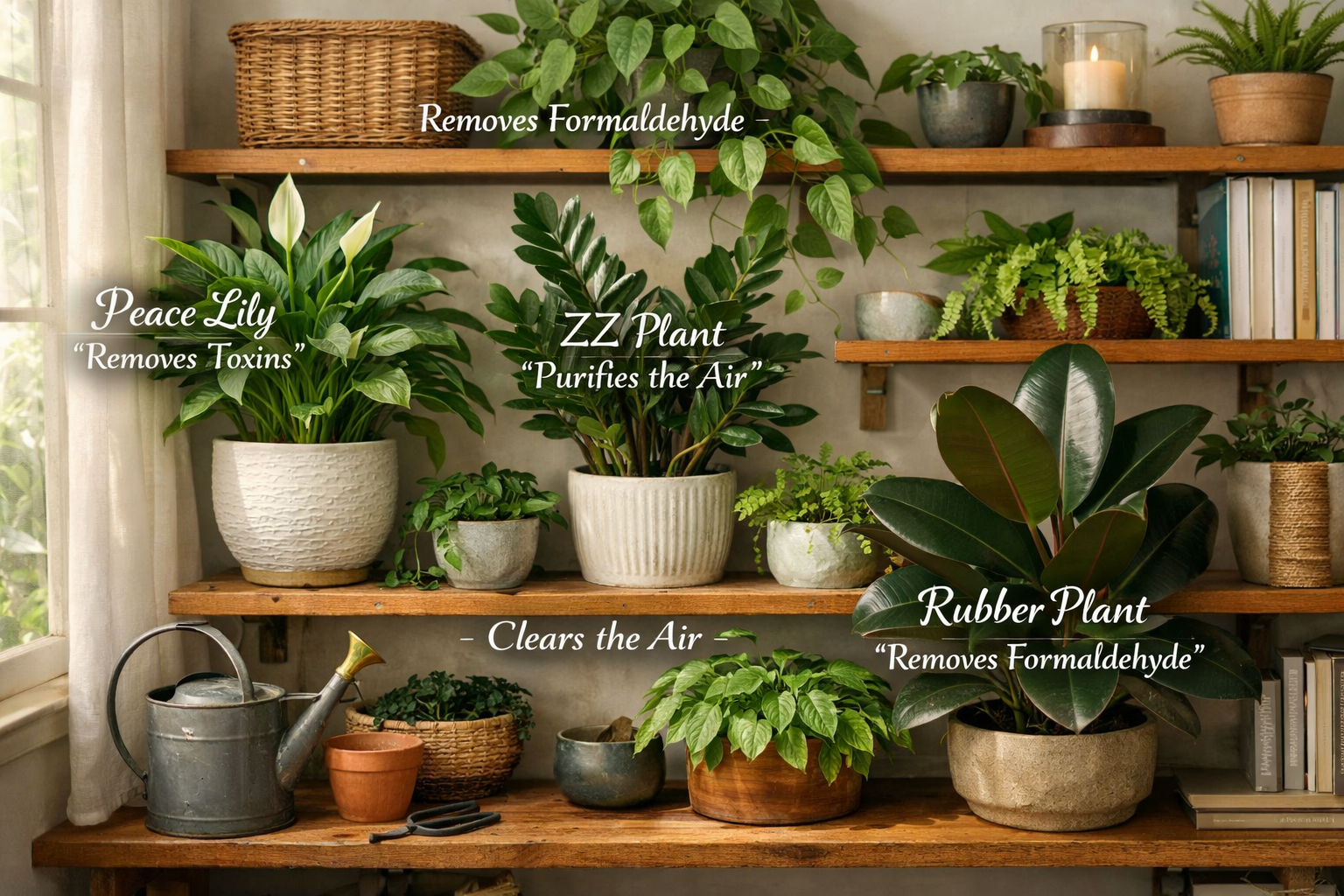
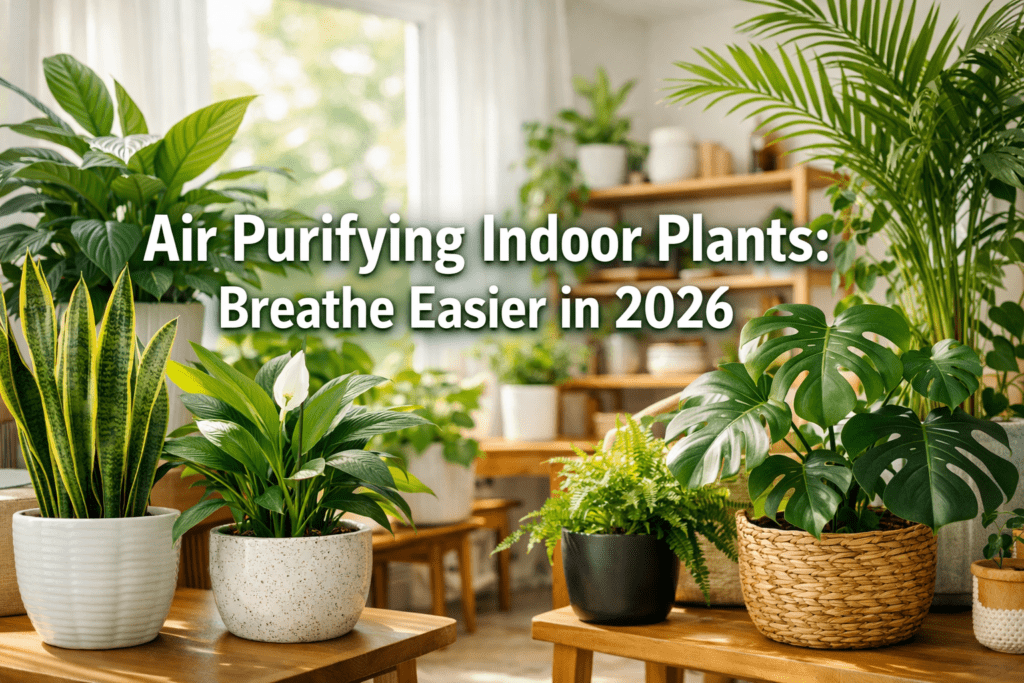
The best Air Purifying Indoor Plants for your home are those that are not only effective at removing toxins but are also relatively easy to care for and adaptable to typical indoor conditions. Some standouts include the Snake Plant, Peace Lily, Pothos, Spider Plant, and ZZ Plant, each offering unique benefits and varying levels of maintenance.
Top 5 Air Purifying Indoor Plants
Here’s a curated list of top performers, combining air purification efficacy with ease of care:
Snake Plant (Sansevieria trifasciata)
- Purifies: Benzene, formaldehyde, trichloroethylene, xylene, toluene.
- Care Level: Very Easy 🌱
- Why it’s great: Extremely tolerant of neglect, thrives in low light, and unique among most plants for converting carbon dioxide to oxygen at night. Ideal for bedrooms.
- Common Mistake: Overwatering, especially in low light conditions, which can lead to root rot. Allow the soil to dry out completely between waterings.
Peace Lily (Spathiphyllum)
- Purifies: Ammonia, benzene, formaldehyde, trichloroethylene, xylene.
- Care Level: Easy-Moderate 🌸
- Why it’s great: Known for its elegant white flowers and glossy green leaves. It effectively removes a wide range of toxins and is a good indicator of when it needs water (leaves droop dramatically).
- Edge Case: All parts of the Peace Lily are toxic if ingested, so keep away from pets and small children. If you have pets, consider alternatives.
Pothos (Epipremnum aureum)
- Purifies: Benzene, formaldehyde, carbon monoxide, xylene.
- Care Level: Very Easy 💚
- Why it’s great: A trailing plant perfect for hanging baskets or shelves. Pothos varieties are incredibly hardy, tolerant of various light conditions (though prefer bright, indirect light), and grow quickly.
- Quick Example: A single Pothos plant can significantly improve air quality in a small office cubicle or bathroom.
Spider Plant (Chlorophytum comosum)
- Purifies: Formaldehyde, xylene, carbon monoxide, toluene.
- Care Level: Very Easy 🕷️
- Why it’s great: One of the easiest indoor plants to grow, producing “spiderettes” that can be easily propagated. It’s non-toxic to pets and great for beginners.
- Decision Rule: Choose Spider Plants if you want a pet-friendly option that’s low maintenance and produces abundant plantlets for sharing or expanding your collection.
ZZ Plant (Zamioculcas zamiifolia)
- Purifies: Benzene, toluene, xylene, ethylbenzene.
- Care Level: Very Easy ✨
- Why it’s great: Highly drought-tolerant and can survive in extremely low light conditions, making it almost indestructible. Its waxy, dark green leaves add a sleek, modern touch.
- Common Mistake: Similar to Snake Plants, the biggest danger to a ZZ Plant is overwatering. It’s better to underwater than overwater.
Comparison Table: Top Air Purifying Indoor Plants
| Plant Name | Primary Pollutants Removed | Care Level | Pet-Friendly? | Light Needs |
|---|---|---|---|---|
| Snake Plant | Formaldehyde, Benzene | Very Easy | No | Low to Bright, Indirect |
| Peace Lily | Ammonia, Formaldehyde | Easy-Moderate | No | Low to Medium, Indirect |
| Pothos | Benzene, Formaldehyde | Very Easy | No | Low to Bright, Indirect |
| Spider Plant | Formaldehyde, Xylene | Very Easy | Yes | Medium to Bright, Indirect |
| ZZ Plant | Benzene, Toluene | Very Easy | No | Low to Medium, Indirect |
Note: “No” for pet-friendly means toxic if ingested. Always research specific plant toxicity if you have pets or small children.
How Do I Care for My Air Purifying Indoor Plants for Optimal Health?
Caring for your Air Purifying Indoor Plants for optimal health involves understanding their basic needs for light, water, humidity, and nutrients, as these factors directly impact their ability to thrive and purify the air effectively. Providing the right environment ensures the plant can perform its natural detoxification processes efficiently.
Key Care Components
Light Requirements:
- Direct Sunlight: Very few indoor plants prefer direct, unfiltered sun for extended periods. This can burn leaves.
- Bright, Indirect Light: Most Air Purifying Indoor Plants thrive in bright, indirect light, meaning they should be near a window but not in the direct path of sunbeams. East or north-facing windows are often ideal.
- Low Light: Some plants, like Snake Plants and ZZ Plants, tolerate low light, but even they benefit from some indirect brightness to maintain their vigor and air-purifying capabilities.
- Common Mistake: Placing a plant that needs bright, indirect light in a dark corner, or a low-light plant in scorching direct sun. This leads to stunted growth or burnt foliage.
Watering:
- Feel the Soil: The most reliable method is to check the soil moisture. Stick your finger about an inch or two into the soil. If it feels dry, it’s likely time to water.
- Thorough Watering: When you water, do so thoroughly until water drains from the bottom of the pot. This ensures the entire root ball gets hydrated.
- Avoid Overwatering: Root rot is the number one killer of indoor plants. Ensure pots have drainage holes and do not let plants sit in standing water.
- Seasonal Adjustment: Plants typically need less water in winter months when growth slows down.
Humidity:
- Many common indoor plants are tropical in origin and prefer higher humidity than typical homes provide, especially in winter.
- Increase Humidity: You can mist leaves (though this is often temporary), use a pebble tray, or group plants together to create a microclimate. A small humidifier can also be very beneficial.
Fertilization:
- Grow Season: Fertilize during the active growing season (spring and summer) when the plant is using more energy.
- Less is More: Use a balanced liquid fertilizer at half strength every 2-4 weeks. Over-fertilization can burn roots.
- No Fertilizer in Winter: Plants typically don’t need fertilizer in fall and winter.
Pest Control:
- Regularly inspect your plants for signs of pests like spider mites, mealybugs, or aphids.
- Treatment: Isolate affected plants and treat with insecticidal soap or neem oil. Early detection is key.
Checklist for Healthy Air Purifying Indoor Plants
- ✅ Right Potting Mix: Use a well-draining indoor potting mix.
- ✅ Proper Drainage: Ensure pots have drainage holes.
- ✅ Dust Leaves: Wipe dust off leaves regularly so they can photosynthesize and absorb pollutants efficiently.
- ✅ Pruning: Trim yellowing or dead leaves to encourage new growth.
- ✅ Repotting: Repot every 1-2 years or when the plant becomes root-bound.
How Can I Maximize the Air Purification Benefits of My Indoor Plants?
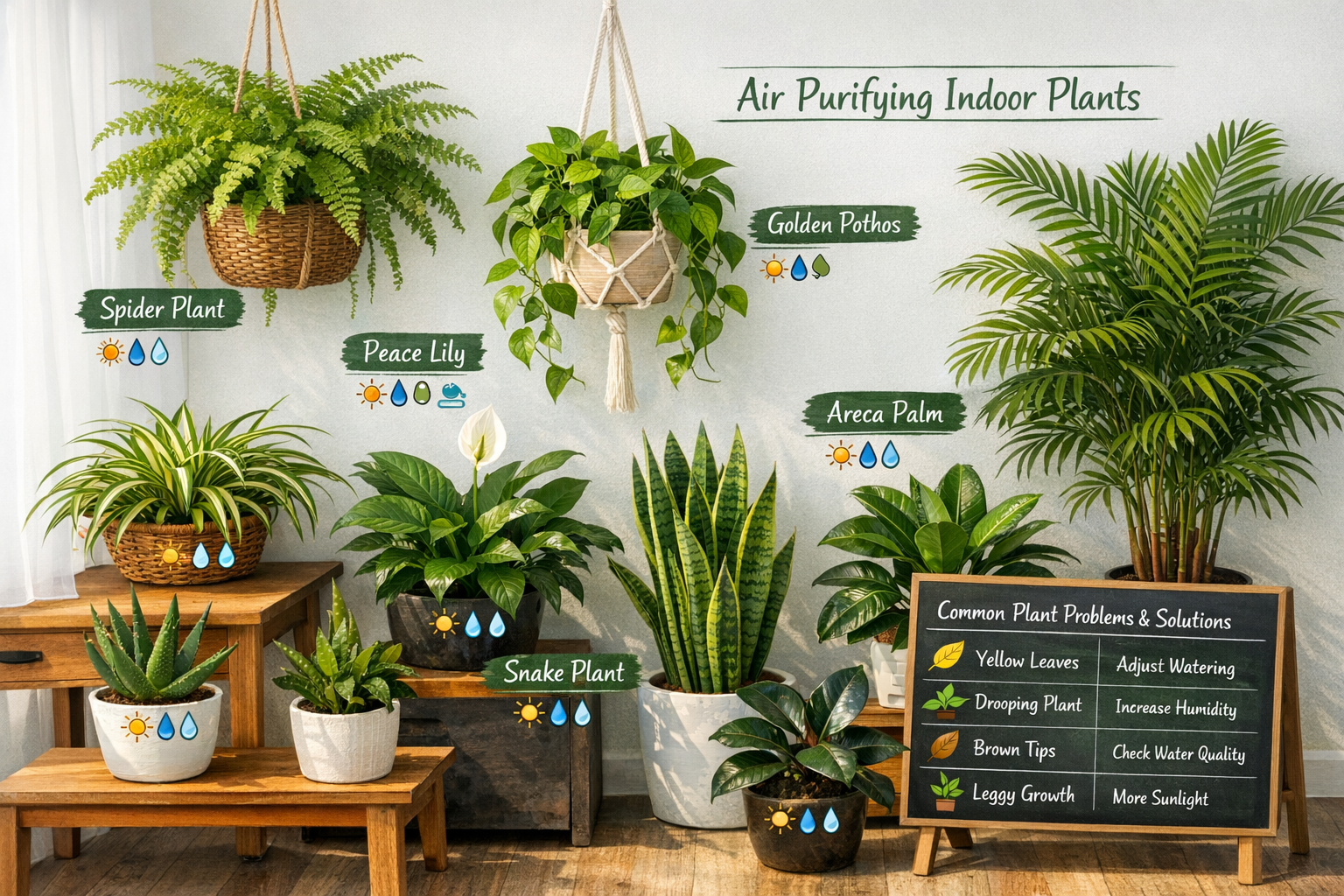
To maximize the air purification benefits of your indoor plants, strategically place a sufficient number of healthy plants throughout your living spaces, focus on species known for high purification rates, and ensure they receive proper care. The goal is to create an integrated system where plants are actively engaged in improving air quality across your home or office.
Strategies for Enhanced Air Purification
Quantity and Distribution:
- More is Better: While even one plant helps, studies suggest that for noticeable improvement in air quality, you’ll need multiple plants. NASA’s study recommended 15-18 plants for an 1,800-square-foot home. Don’t worry about exact numbers; start with what feels manageable and gradually add more.
- Strategic Placement: Place plants in areas where pollutants are most common.
- Living Rooms: Often contain furniture, carpets, and electronics that off-gas VOCs.
- Bedrooms: Good for plants that release oxygen at night (like Snake Plants) for improved sleep.
- Home Offices: Can help filter emissions from printers, computers, and glues in desks.
- Kitchens & Bathrooms: Peace Lilies thrive in higher humidity and can help filter ammonia from cleaning products.
- Vary Plant Types: Different plants target different pollutants. A diverse collection provides broader spectrum purification.
Optimal Plant Health:
- Consistent Care: Healthy plants are efficient plants. Ensure they receive adequate light, water, and humidity (as detailed in the previous section). A struggling plant won’t be an effective air purifier.
- Clean Leaves: Dust can block stomata, reducing the plant’s ability to absorb pollutants and perform photosynthesis. Gently wipe leaves with a damp cloth every few weeks. This also helps with pest detection.
- Avoid Chemical Sprays: If you need to treat pests, use organic options like neem oil or insecticidal soap, as chemical pesticides can introduce new pollutants.
Consider Plant Size:
- Larger plants with more foliage generally have a greater capacity for air purification due to increased leaf surface area. Incorporate a mix of sizes, from tabletop plants to larger floor plants.
Synergy with Ventilation:
- While plants are fantastic, they complement, rather than replace, good ventilation. Occasionally opening windows, especially after using cleaning products or new furniture, allows for fresh air exchange.
Actionable Steps:
- Assess Your Space: Identify areas with potential pollutant sources (e.g., new carpet, paint, frequently used cleaning supplies).
- Choose Wisely: Select Air Purifying Indoor Plants known for tackling the specific pollutants you’re concerned about, or choose a diverse mix for general improvement. Remember to check toxicity if you have pets.
- Integrate into Decor: Plan plant placement as part of your home decor. This makes it easier to add more plants without making your space feel cluttered.
- Monitor Progress: While you can’t see the air getting cleaner, pay attention to how your plants are doing. Healthy, thriving plants are a sign that they’re hard at work.
For those interested in optimizing various aspects of their home environment for wellness, exploring resources on overall health and lifestyle, such as understanding how long it takes to get pregnant naturally, can be a part of a holistic approach to a healthy life.
FAQ
Q: Do Air Purifying Indoor Plants remove all pollutants?
A: No, while effective against many common VOCs, they do not remove all types of pollutants, nor do they replace professional air filtration systems for severe air quality issues.
Q: How many Air Purifying Indoor Plants do I need for a typical room?
A: For a noticeable effect, a general guideline often cited is 2-3 plants per 100 square feet, but this can vary based on plant size, species, and room conditions. More plants offer greater benefits.
Q: Are all Air Purifying Indoor Plants safe for pets?
A: No, many common air-purifying plants (like Peace Lilies and Pothos) are toxic if ingested by pets. Always verify a plant’s toxicity before bringing it into a pet-friendly home.
Q: Do I need special soil for Air Purifying Indoor Plants?
A: No, a good quality, well-draining indoor potting mix is usually sufficient. Healthy soil with active microorganisms is key to their air-purifying function.
Q: Can plants help with allergies?
A: While plants can improve air quality, some people are allergic to plant pollen or mold that can grow in damp soil. Choose low-pollen plants and ensure proper watering to prevent mold.
Q: How quickly do Air Purifying Indoor Plants clean the air?
A: Air purification is a continuous, gradual process. Significant changes won’t happen overnight, but consistent plant presence contributes to long-term air quality improvement.
Q: Do plants need sunlight to purify air?
A: Yes, most plants rely on photosynthesis, which requires light, to thrive and perform their air-purifying functions. Even low-light plants need some indirect light.
Q: Can I use Air Purifying Indoor Plants in a windowless room?
A: Some highly tolerant plants like the ZZ Plant or Snake Plant can survive in very low light, but for optimal purification, they will still benefit from occasional exposure to brighter, indirect light or artificial plant grow lights.
Q: How often should I dust my plant’s leaves?
A: Dust leaves every few weeks to once a month with a soft, damp cloth to ensure stomata remain clear for maximum absorption and photosynthesis.
Q: What is the primary benefit of Air Purifying Indoor Plants beyond air quality?
A: Beyond air purification, they contribute significantly to mental well-being by reducing stress, boosting mood, increasing focus, and adding aesthetic beauty to indoor spaces.
Q: Do plants truly make a measurable difference in modern homes?
A: While modern homes are built to be more airtight, trapping pollutants, plants offer a natural, continuous, and energy-free method to mitigate these toxins, contributing to a healthier environment in conjunction with good ventilation.
Conclusion
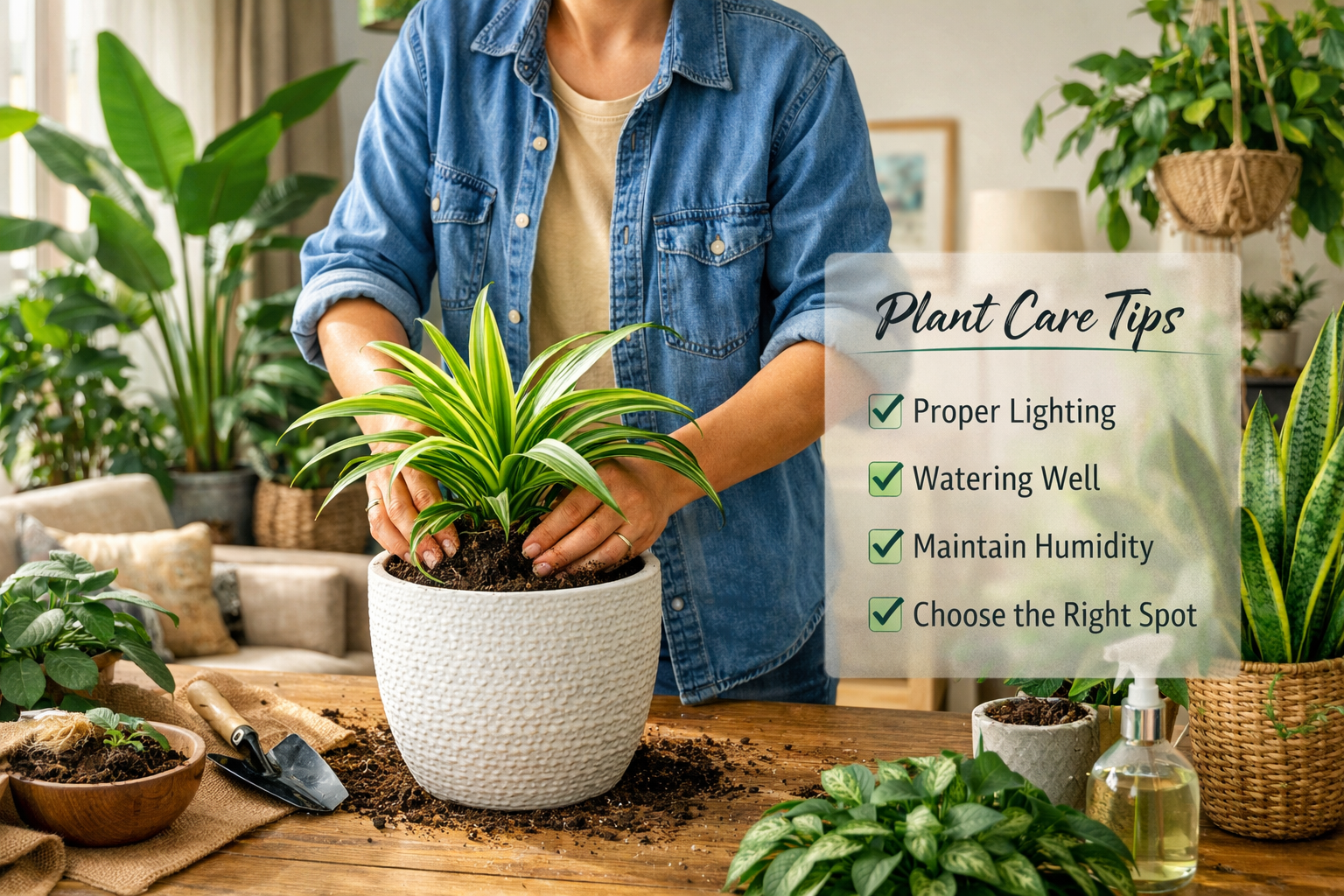
Incorporating Air Purifying Indoor Plants into your home or office in 2026 offers a natural, aesthetically pleasing, and effective way to enhance indoor air quality and promote overall well-being. From the hardworking Snake Plant to the elegant Peace Lily, these botanical allies utilize their leaves, roots, and associated soil microorganisms to break down common airborne toxins like formaldehyde and benzene.
To unlock their full potential, select the right plants for your environment, paying close attention to their specific needs regarding light, water, and humidity. Distribute a healthy number of plants throughout your space, especially in areas prone to pollutant sources, and remember to keep their leaves clean to maximize their filtering capacity. While plants work continuously to improve your indoor environment, they are best seen as a complementary solution alongside good ventilation practices. By embracing these living air purifiers, you’re not just decorating; you’re cultivating a healthier, more vibrant living space for yourself and your loved ones.
Related Reading:
- Easy Ovulation Calculator | Find Your Most Fertile Days Fast
- Fertile Window Calculator | Find Your 6-Day Conception Window
- Pregnancy Chances After One Unprotected Act (2026 Guide)
- How Long Does It Take to Get Pregnant Naturally?
- Implantation After Ovulation: Timing, Symptoms
Sources
- NASA. (1989). Interior Landscape Plants for Indoor Air Pollution Abatement. National Aeronautics and Space Administration.
- Wolverton, B. C., Johnson, A., & Bounds, K. (1989). Interior landscape plants for indoor air pollution abatement. NASA.