Vertical Gardening Basics
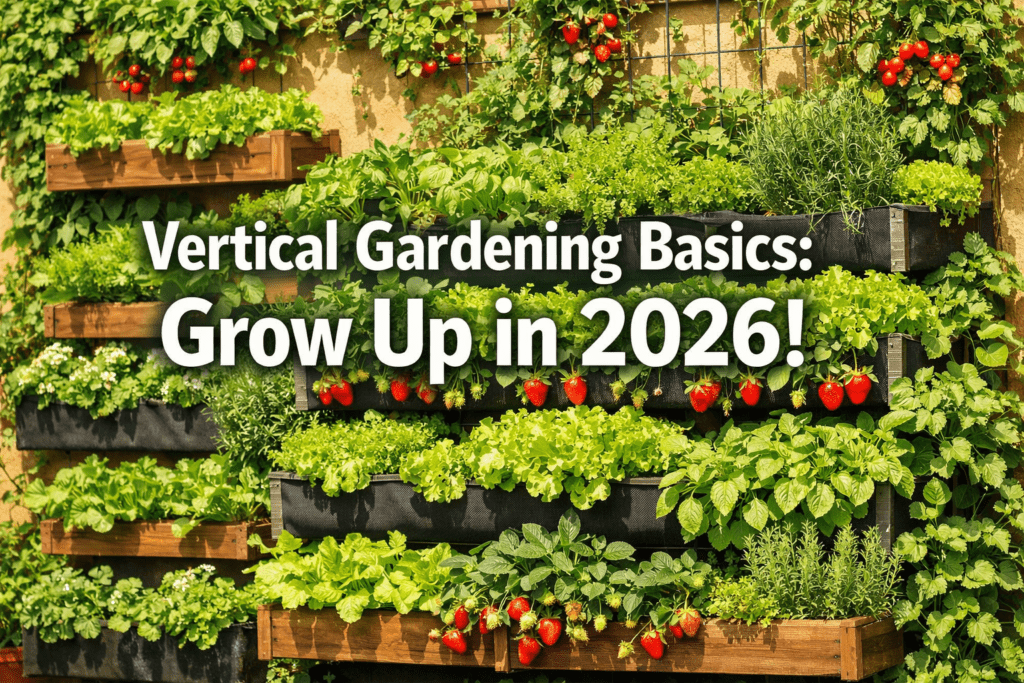
Vertical gardening offers an innovative solution for growing plants in limited spaces by extending cultivation upwards instead of outwards. It allows individuals to maximize their gardening potential on balconies, patios, or even indoors, transforming unused vertical areas into lush, productive green spaces in 2026. This guide covers the essential Vertical Gardening Basics to help you get started successfully.
Key Takeaways
- Space Optimization: Vertical gardening is ideal for small areas like balconies, patios, or apartments, making gardening accessible to urban dwellers.
- System Variety: Choose from stacked planters, wall-mounted pockets, DIY pallet gardens, or hydroponic towers based on space, budget, and plant type.
- Plant Selection: Prioritize compact, shallow-rooted, or vining plants that thrive in vertical conditions, such as herbs, leafy greens, and strawberries.
- Sunlight is Key: Most plants need at least 6 hours of direct sunlight daily; proper placement or supplemental lighting is crucial.
- Watering Strategies: Vertical gardens dry out faster, requiring consistent watering and efficient systems like drip irrigation or self-watering containers.
- Soil Quality: Use a lightweight, nutrient-rich potting mix that drains well to support healthy plant growth.
- Regular Maintenance: Consistent feeding, pruning, and pest monitoring are vital for a thriving vertical garden.
- DIY vs. Pre-made: Decide between cost-effective DIY projects and convenient, ready-to-assemble kits based on your skills and time.
What is Vertical Gardening and Why is it Popular in 2026?
Vertical gardening is a method of growing plants in vertically suspended panels or stacked tiers, utilizing minimal ground area and maximizing cubic footage. This technique is incredibly popular in 2026, particularly for urban dwellers, because it transforms confined spaces into productive gardens, making fresh produce and beautiful flora accessible to those without traditional yard space. It addresses the growing need for sustainable, space-saving gardening solutions amidst increasing urbanization.
Vertical gardening systems can range from simple DIY structures to sophisticated hydroponic setups, making them versatile for various environments and gardening goals. The core idea is to grow plants upwards, against a wall, on a trellis, or in a freestanding structure. This method not only saves space but can also create aesthetically pleasing green walls, improve air quality, and even offer insulation benefits for buildings.
Consider vertical gardening if you have:
- A small balcony or patio.
- Limited yard space.
- An empty wall in a sunny spot.
- A desire to grow more food or flowers than traditional container gardening allows.
- An interest in small space gardening.
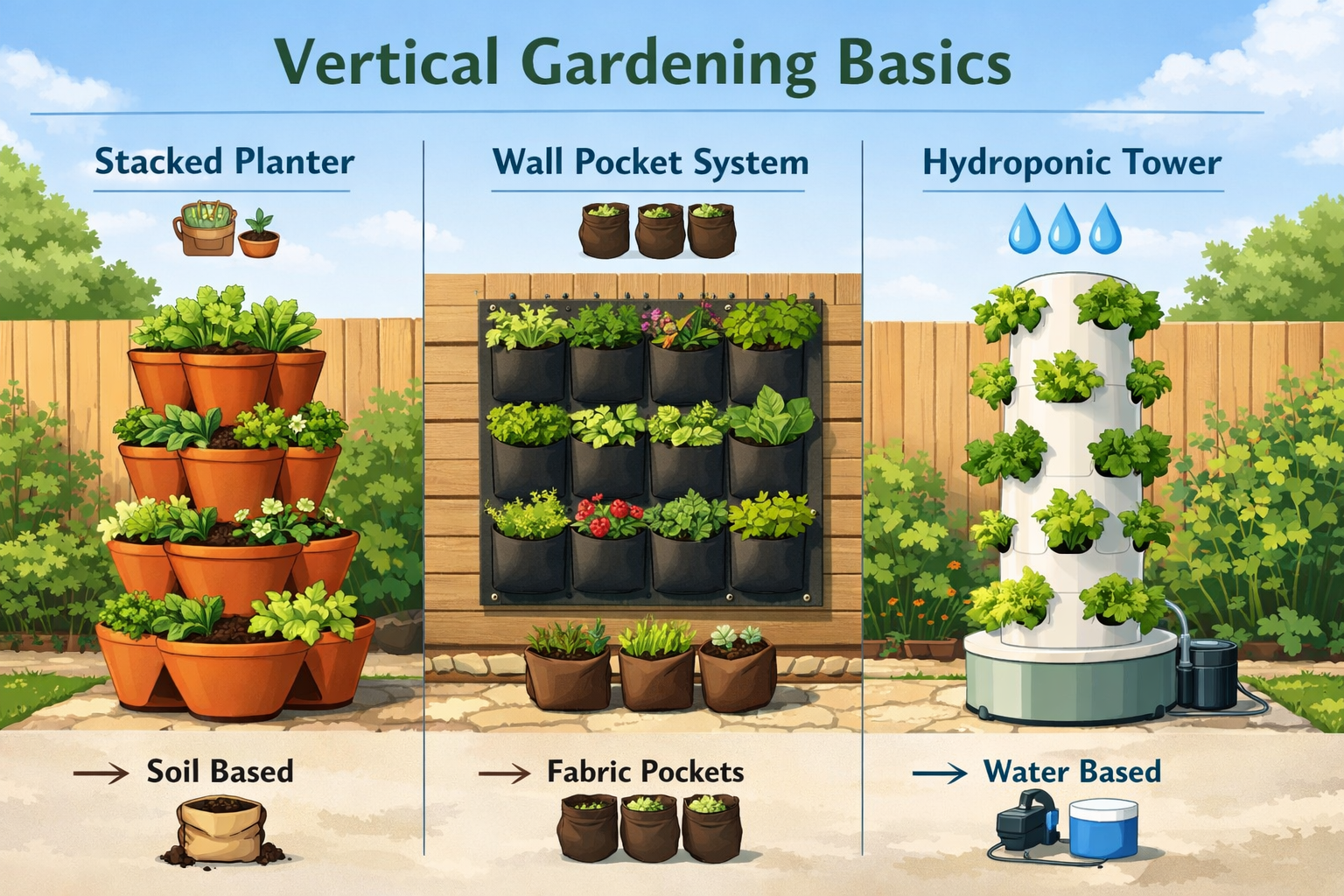
What are the Different Types of Vertical Gardening Systems?
There are several types of vertical gardening systems available, each with unique advantages and suitability for different plants and spaces. Understanding these options is a fundamental part of mastering Vertical Gardening Basics, as the chosen system dictates much of the setup and maintenance.
Common Vertical Gardening Systems:
- Stacked Planters: These systems consist of multiple pots designed to stack on top of each other, often rotating to ensure even sun exposure for all plants. They are typically freestanding and ideal for herbs, strawberries, or small flowers. Choose stacked planters if you need a portable system and have some floor space.
- Wall-Mounted Pocket Systems: Fabric or plastic pockets are attached to a frame or directly to a wall, allowing plants to grow horizontally from vertical pockets. These are excellent for creating living walls and are often used for leafy greens, herbs, and ornamental plants. Opt for pocket systems for a dramatic green wall effect or to utilize bare wall space.
- Pallet Gardens: An affordable and popular DIY option, repurposed wooden pallets are modified to hold plants in their crevices or in attached containers. They can lean against a wall or be freestanding. Pallet gardens are a good choice for beginners on a budget looking to grow a variety of smaller plants.
- Trellises and Arbors: While not strictly “vertical gardening” in the container sense, using trellises and arbors trains vining plants (like cucumbers, tomatoes, or beans) to grow upwards, saving significant ground space. This is a great choice if you want to grow larger vegetables in a small area.
- Hydroponic or Aeroponic Towers: These advanced systems grow plants without soil, using nutrient-rich water circulated through vertical structures. They offer faster growth and higher yields but require a greater initial investment and more technical understanding. Consider these if you’re serious about maximizing yield, have indoor space, and are comfortable with a tech-driven approach. For more on growing food in small spaces, check out our Small Space Vegetable Gardening: 2026 Step-by-Step Guide.
Decision Rule: Choose a stacked planter for portability and ease of access; a wall-mounted system for aesthetic appeal and efficient wall use; a pallet garden for a budget-friendly DIY approach; and a hydroponic tower for maximum yield and faster growth, if you’re ready for a more advanced setup.
How Do You Start a Vertical Garden? Step-by-Step Vertical Gardening Basics
Starting a vertical garden involves a few key steps, from planning and selecting the right system to planting and ongoing care. Following these Vertical Gardening Basics ensures a successful and thriving garden in 2026.
1. Plan Your Space and Sunlight
Before anything else, assess your chosen location. How much direct sunlight does it receive daily? Most fruiting vegetables and many herbs require at least 6 hours. Leafy greens can tolerate 3-4 hours of partial shade. Understand your sun exposure to select appropriate plants. Also, consider the weight capacity of your wall or balcony if you’re installing a heavy system, especially after watering. For balcony setups, our Complete Balcony Gardening Guide for Small Apartments 2026 offers more insights.
2. Choose Your System
Based on your space, budget, and desired plants, select a vertical gardening system. As discussed, options range from simple stacked pots to complex hydroponic towers.
- DIY Example: For a simple start, you could use repurposed plastic bottles or old gutters mounted to a fence.
- Pre-made Example: Purchase a multi-tiered planter from a garden supply store.
3. Select the Right Plants
Choose plants that are well-suited for vertical growth. Ideal candidates include:
- Herbs: Basil, mint, parsley, chives, thyme, oregano.
- Leafy Greens: Lettuce, spinach, arugula, kale.
- Strawberries: Especially ever-bearing varieties.
- Vining Plants (with support): Cherry tomatoes, cucumbers (bush varieties), small squash, peas.
- Flowers: Petunias, nasturtiums, impatiens.
Avoid large root vegetables or sprawling plants unless you have a very robust system with ample individual container space. Our guide on Best Vegetables for Small Space Gardening in 2026 can help with plant choices.
4. Prepare Your Growing Medium
For soil-based vertical gardens, use a high-quality, lightweight potting mix. This is crucial as vertical containers dry out faster and heavier soil can strain structures.
- A good mix includes peat moss or coco coir for moisture retention, perlite or vermiculite for drainage and aeration, and compost for nutrients.
- Avoid using heavy garden soil, which compacts easily and can introduce pests or diseases. Learn more about Soil Basics for Container Gardening: 2026 Expert Guide.
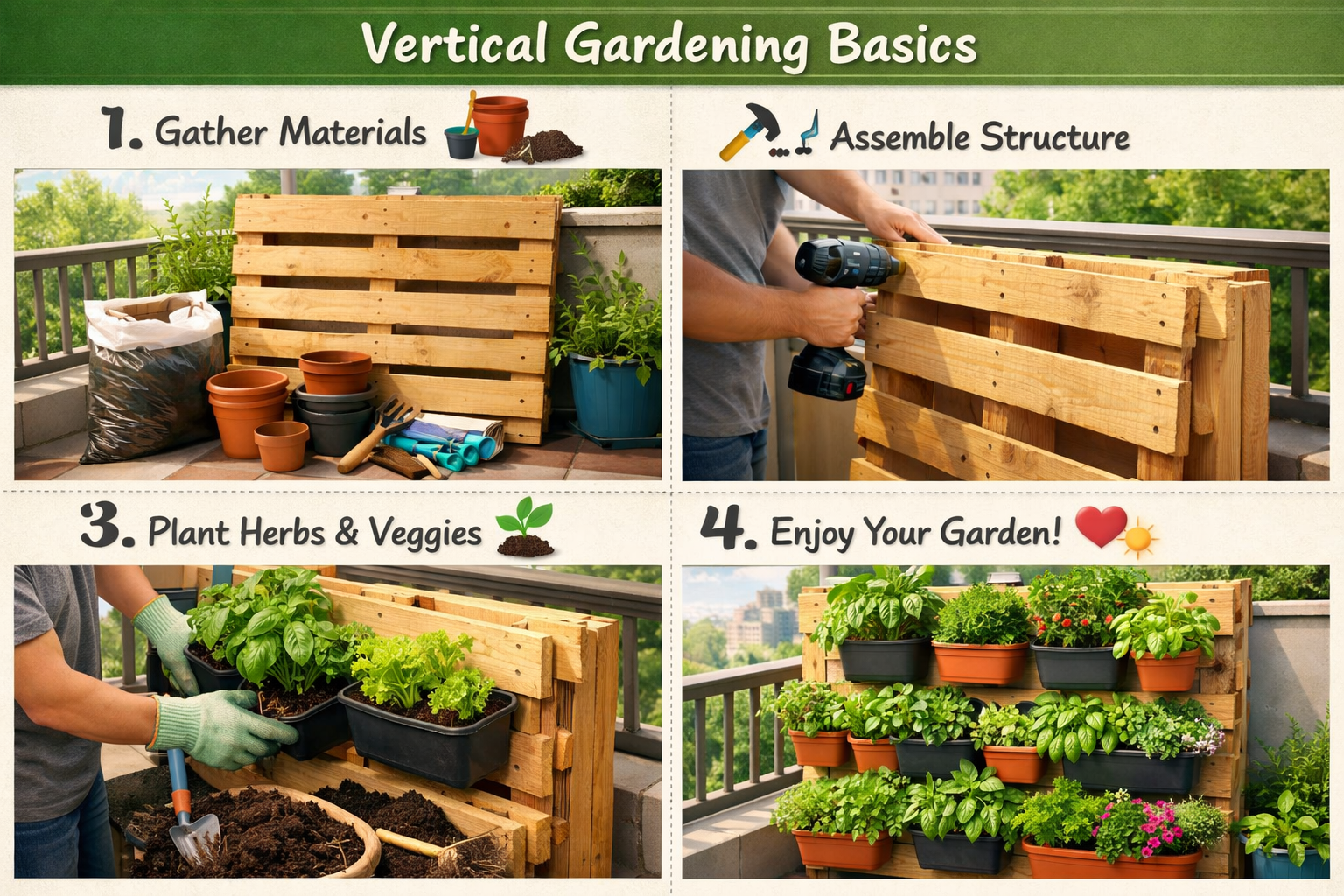
5. Install and Plant
Assemble your chosen vertical garden system according to the manufacturer’s instructions or your DIY plan. Fill the containers or pockets with your prepared potting mix. Carefully plant your chosen seedlings or sow seeds directly, ensuring adequate spacing for growth.
6. Set Up Watering and Fertilization
Vertical gardens, due to their exposure and often smaller soil volume, dry out more quickly than traditional beds.
- Watering: Consistent watering is key. Consider a drip irrigation system for larger setups, or hand-water regularly. Check soil moisture daily.
- Fertilization: Since nutrients can leach out quickly, regular feeding with a balanced liquid fertilizer is often necessary. Follow package instructions, usually feeding every 2-4 weeks. For more details, see Fertilizers for Vegetables: 2026 Expert Guide for Optimal Gardening.
7. Ongoing Maintenance
- Pruning: Trim back overgrown plants to encourage bushier growth and prevent shading other plants.
- Pest Control: Inspect plants regularly for signs of pests or diseases. Address issues promptly with organic pest control methods if possible.
- Harvesting: Harvest regularly to encourage continued production.
Common Mistake: Neglecting consistent watering. Vertical gardens are highly susceptible to drying out, especially on hot, windy days. Always check soil moisture daily, particularly during peak growing season. If you are struggling with pests, our Pest Control for Small Gardens: 2026 Expert Guide can help.
What Are the Benefits and Challenges of Vertical Gardening?
Vertical gardening offers numerous benefits, especially for those with limited space, but it also comes with specific challenges that require careful attention. Understanding these aspects is crucial for anyone considering Vertical Gardening Basics for their home or urban landscape.
Benefits of Vertical Gardening
- Space Saving: The most significant advantage is its ability to maximize growing area in small footprints, making gardening possible in urban apartments, patios, and balconies.
- Accessibility: Growing at various heights can make gardening more accessible for individuals with mobility issues, reducing the need for bending and kneeling.
- Improved Air Quality: A living wall can act as a natural air filter, improving the immediate environment, especially indoors.
- Aesthetics: Vertical gardens are visually appealing, transforming bland walls into vibrant, green features. They can also create privacy screens.
- Increased Yields: By utilizing vertical space, you can often grow more plants in a concentrated area than in a traditional garden bed of the same ground footprint.
- Pest and Disease Reduction: Elevated plants can sometimes be less susceptible to ground-dwelling pests and soil-borne diseases.
- Water Efficiency: Drip irrigation systems often used in vertical setups can be highly water-efficient, minimizing waste.
Challenges of Vertical Gardening
- Increased Watering Needs: Vertical gardens, particularly those with individual pockets or small containers, tend to dry out much faster due to increased exposure to sun and wind. This demands more frequent watering, sometimes multiple times a day in hot climates.
- Nutrient Depletion: Because of frequent watering and smaller soil volumes, nutrients can leach out quickly, requiring more regular fertilization than in traditional gardens.
- Structural Integrity: DIY or improperly installed systems can be unstable or unable to support the weight of plants, soil, and water, posing a safety risk.
- Cost: While DIY options can be cheap, pre-made vertical garden systems, especially hydroponic ones, can be a significant initial investment.
- Plant Stress: Plants in vertical gardens might experience more stress from extreme temperatures or inconsistent watering, affecting growth and yield if not managed properly.
- Limited Plant Choice: Not all plants are suitable for vertical growth. Larger, sprawling plants or deep-rooted vegetables typically do not thrive in these systems.
Edge Case: If you live in a very windy area, freestanding vertical gardens or wall-mounted systems with large plants might require extra bracing or a windbreak to prevent damage. For balcony gardens, our Wind-Resistant Balcony Plants: Ultimate 2026 Guide & Tips offers specific advice.
Conclusion
Embracing Vertical Gardening Basics opens up a world of possibilities for gardeners of all experience levels, especially those navigating the constraints of urban living in 2026. By understanding the different systems, selecting appropriate plants, and committing to consistent care, you can transform even the smallest spaces into productive and beautiful green oases. While it presents unique challenges like increased watering needs and nutrient management, the rewards of fresh produce, enhanced aesthetics, and efficient space utilization make vertical gardening a highly worthwhile endeavor.
Actionable Next Steps:
- Assess Your Space: Determine the sunlight exposure and available wall or floor space in your desired gardening area.
- Research Systems: Explore various vertical gardening systems and decide which best fits your needs and budget.
- Start Small: Begin with a simple DIY project or a small pre-made system to gain experience before investing in a larger setup.
- Choose Easy Plants: Opt for beginner-friendly herbs and leafy greens to ensure early success.
- Prioritize Watering: Set up a consistent watering schedule and consider automated solutions if frequent hand-watering isn’t feasible.
Related Reading
- Vertical Gardening Guide for Small Spaces: Grow More in 2026
- Beginner Vegetable Gardening Plan 2026: Your Easy Guide
- Essential Tools for Small Space Gardening in 2026 – Mini Spa
FAQ
Q: What are the best plants for vertical gardening?
A: Ideal plants include herbs (basil, mint), leafy greens (lettuce, spinach), strawberries, and small vining plants like cherry tomatoes or bush cucumbers.
Q: How often should I water a vertical garden?
A: Vertical gardens typically need watering more frequently than traditional gardens, often daily in hot or windy conditions. Always check the soil moisture before watering.
Q: Can I use regular garden soil in a vertical garden?
A: No, it’s best to use a lightweight, well-draining potting mix. Garden soil can be too heavy and compact, hindering drainage and aeration.
Q: Are vertical gardens suitable for indoors?
A: Yes, many vertical gardening systems are suitable for indoor use, especially with adequate natural light or supplemental grow lights.
Q: How do I fertilize a vertical garden?
A: Regular feeding with a balanced liquid fertilizer is usually necessary, typically every 2-4 weeks, as nutrients can leach out quickly.
Q: How much does it cost to start a vertical garden?
A: Costs vary widely. DIY pallet gardens can be nearly free, while pre-made systems range from $50-$300+, and hydroponic towers can exceed $500.
Q: What is the main advantage of vertical gardening?
A: The main advantage is its exceptional space-saving capability, allowing gardening in confined areas where traditional gardening isn’t possible.
Q: Do vertical gardens attract pests?
A: Like any garden, vertical gardens can attract pests. However, elevated plants may be less susceptible to some ground-dwelling pests. Regular inspection is key.
Q: Can vertical gardens improve air quality?
A: Yes, particularly in indoor or enclosed outdoor spaces, vertical gardens can help improve air quality by filtering pollutants and increasing oxygen levels.
Q: What are common mistakes to avoid in vertical gardening?
A: Common mistakes include insufficient watering, using heavy garden soil, choosing unsuitable plants, and inadequate structural support.