Wall Garden Ideas
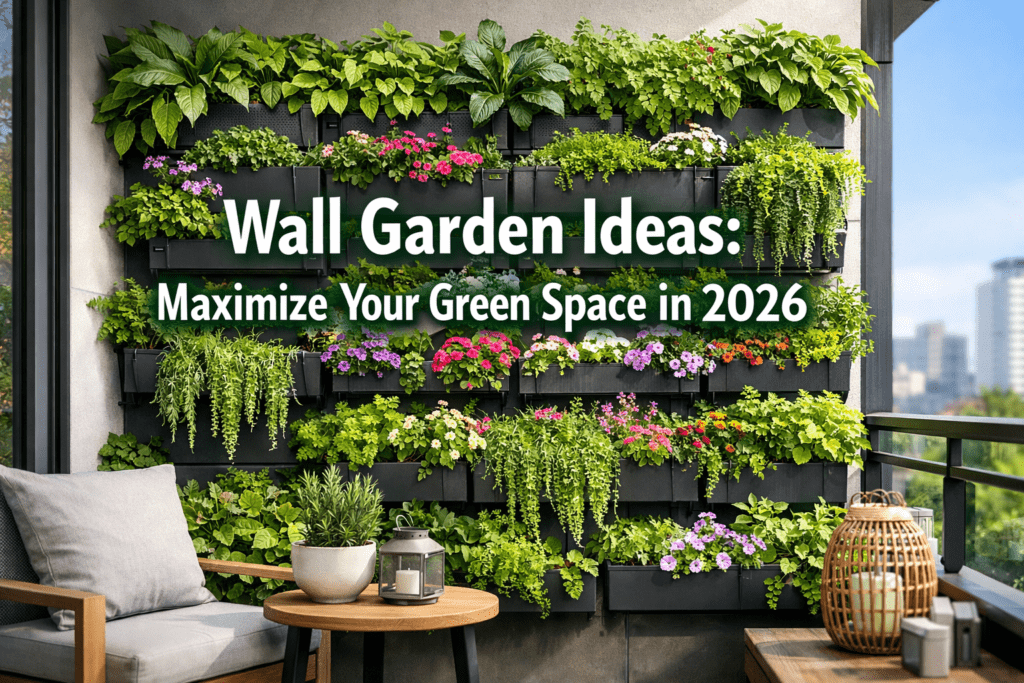
Quick Answer: Wall garden ideas offer innovative solutions for cultivating plants vertically, transforming unused wall space into lush green displays, edible gardens, or vibrant floral arrangements, especially ideal for small urban environments like balconies and patios. These vertical systems not only enhance aesthetics but also improve air quality and provide fresh produce, making gardening accessible to virtually anyone in 2026.
Key Takeaways
- Wall gardens maximize limited space, allowing gardening in urban or small areas.
- They come in various types, including pocket planters, panel systems, and hydroponic setups.
- Choosing the right plants involves considering sunlight, watering needs, and plant size.
- DIY options are often cost-effective and allow for personalized design.
- Proper irrigation and structural support are critical for long-term success.
- Wall gardens can grow edibles, ornamentals, and even air-purifying plants.
- Maintenance involves regular watering, feeding, and occasional pruning.
- They add significant aesthetic value and can improve outdoor living spaces.
What Are Wall Garden Ideas and Why Are They Popular in 2026?
Wall garden ideas involve cultivating plants in a vertical orientation on a wall or other upright structure, offering a creative and efficient way to introduce greenery into spaces where horizontal ground area is limited. Their popularity in 2026 stems from increasing urbanization, a desire for sustainable living, and the aesthetic appeal of bringing nature closer to home, even in compact environments.
These innovative gardening solutions transform mundane walls into living tapestries of plants, ranging from herbs and vegetables to flowers and succulents. They are particularly beneficial for urban dwellers, apartment residents, and those with small balconies or patios, enabling them to enjoy gardening without needing extensive ground plots. Beyond their space-saving benefits, wall gardens contribute to improved air quality, reduced urban heat island effect, and offer a calming visual element. The variety of systems available, from simple DIY projects to sophisticated automated setups, makes them accessible to gardeners of all skill levels and budgets.
Benefits of Implementing Wall Garden Ideas:
- Space Optimization: Wall gardens are perfect for maximizing green space in cramped urban settings.
- Aesthetic Enhancement: They turn plain walls into dynamic, living works of art, boosting curb appeal.
- Environmental Impact: Plants help purify the air, absorb noise, and can lower ambient temperatures.
- Increased Produce: Grow fresh herbs, fruits, and vegetables even if you lack a traditional garden.
- Accessibility: Vertical designs can be easier to manage for individuals with mobility challenges.
What Types of Wall Garden Systems Are Available?
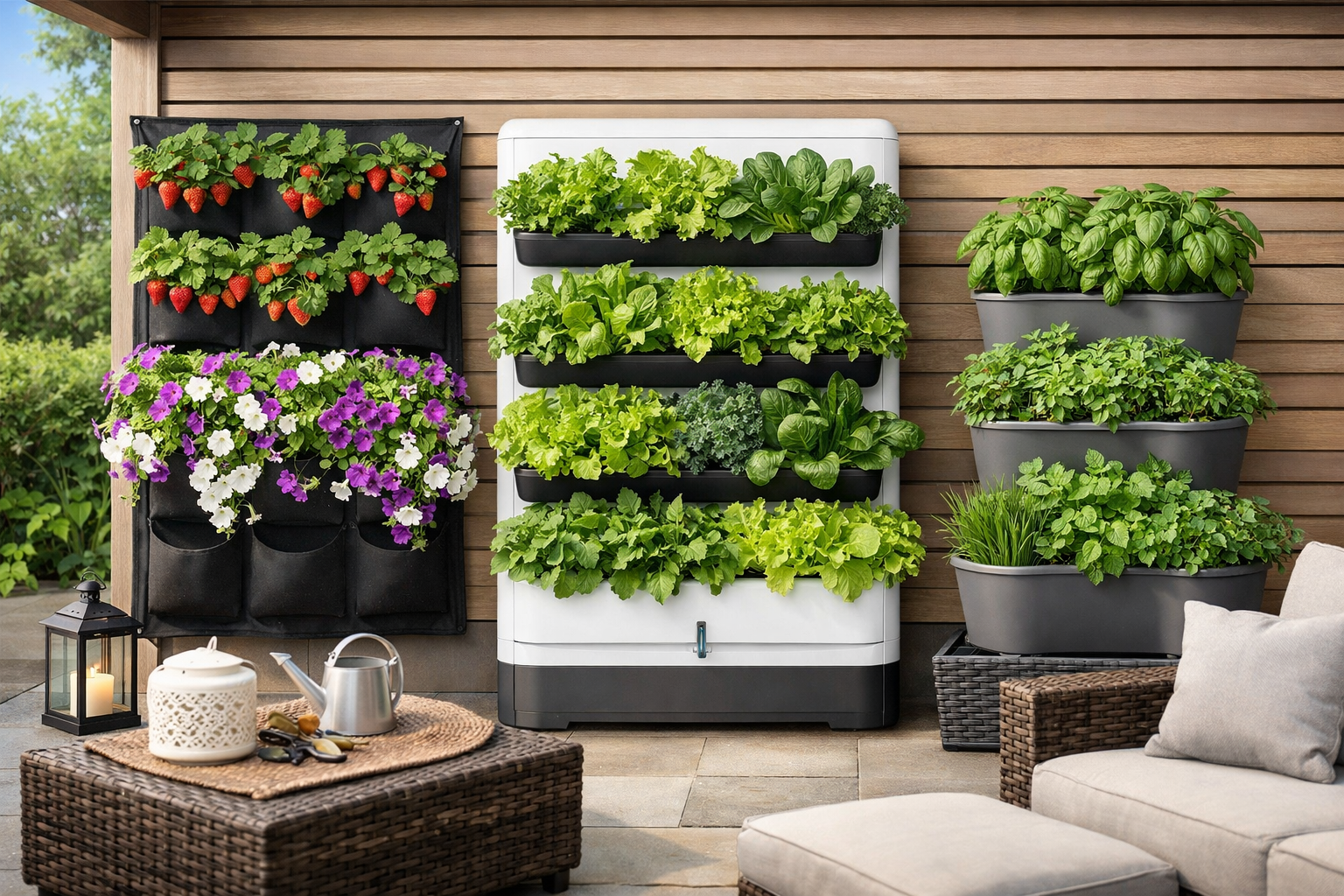
Several types of wall garden systems are available, each offering distinct advantages in terms of installation, maintenance, and plant capacity, making it easy to find a suitable option for any space or budget. These systems range from simple hanging planters to complex hydroponic setups.
When considering which system to choose, evaluate your available space, the amount of sunlight the wall receives, your budget, and the type of plants you wish to grow. For instance, pocket planters are excellent for beginners and small herb gardens, while panel systems offer a more integrated and scalable solution for larger installations. Hydroponic systems, though requiring a higher initial investment and technical know-how, provide accelerated growth and water efficiency, making them a good choice for dedicated edible gardens. For those looking to start small and on a budget, simple container gardening principles can be adapted vertically.
Popular Wall Garden Systems:
- Pocket Planters/Fabric Systems: These involve multi-pocketed fabric panels that hang vertically. They are lightweight, flexible, and affordable, ideal for herbs, small flowers, and succulents.
- Choose if: You’re on a budget, need a flexible solution, or want to grow smaller, less demanding plants.
- Modular Panel Systems: These are rigid panels, often made of plastic or metal, that hold individual pots or planting cells. They offer a more structured and durable solution, suitable for a wider range of plants.
- Choose if: You seek a permanent, scalable solution with a cleaner aesthetic.
- Freestanding Vertical Planters: Not strictly wall-mounted but vertical, these units lean against or stand near a wall. They typically feature stacked tiers of planters and are easily movable.
- Choose if: You need flexibility in placement or cannot permanently attach anything to your wall (e.g., balcony gardening for renters).
- Hydroponic or Aquaponic Systems: These advanced systems use water and nutrient solutions instead of soil, often incorporating pumps and timers. They are highly efficient for growing edibles indoors or outdoors.
- Choose if: You’re an experienced gardener, prioritize rapid growth, or want to conserve water.
- Pallet Gardens: A DIY favorite, repurposed wooden pallets can be modified to create planting pockets. They offer a rustic charm and are very cost-effective.
- Choose if: You enjoy DIY projects, have access to pallets, and prefer a rustic look.
What Are the Best Plants for Wall Garden Ideas?
The best plants for wall garden ideas are those that thrive in confined spaces, require moderate root depth, and are compatible with the specific light and watering conditions of your vertical setup. Selecting the right plants is crucial for a successful and visually appealing wall garden.
Consider factors like sun exposure, mature size, and watering needs. Trailing plants work well for cascading effects, while compact herbs and leafy greens are perfect for edible walls. Always check the specific requirements for each plant you choose to ensure it can flourish in a vertical environment. For those with limited sunlight, our guide on balcony gardening without sunlight offers excellent plant suggestions.
Top Plant Choices for Wall Gardens:
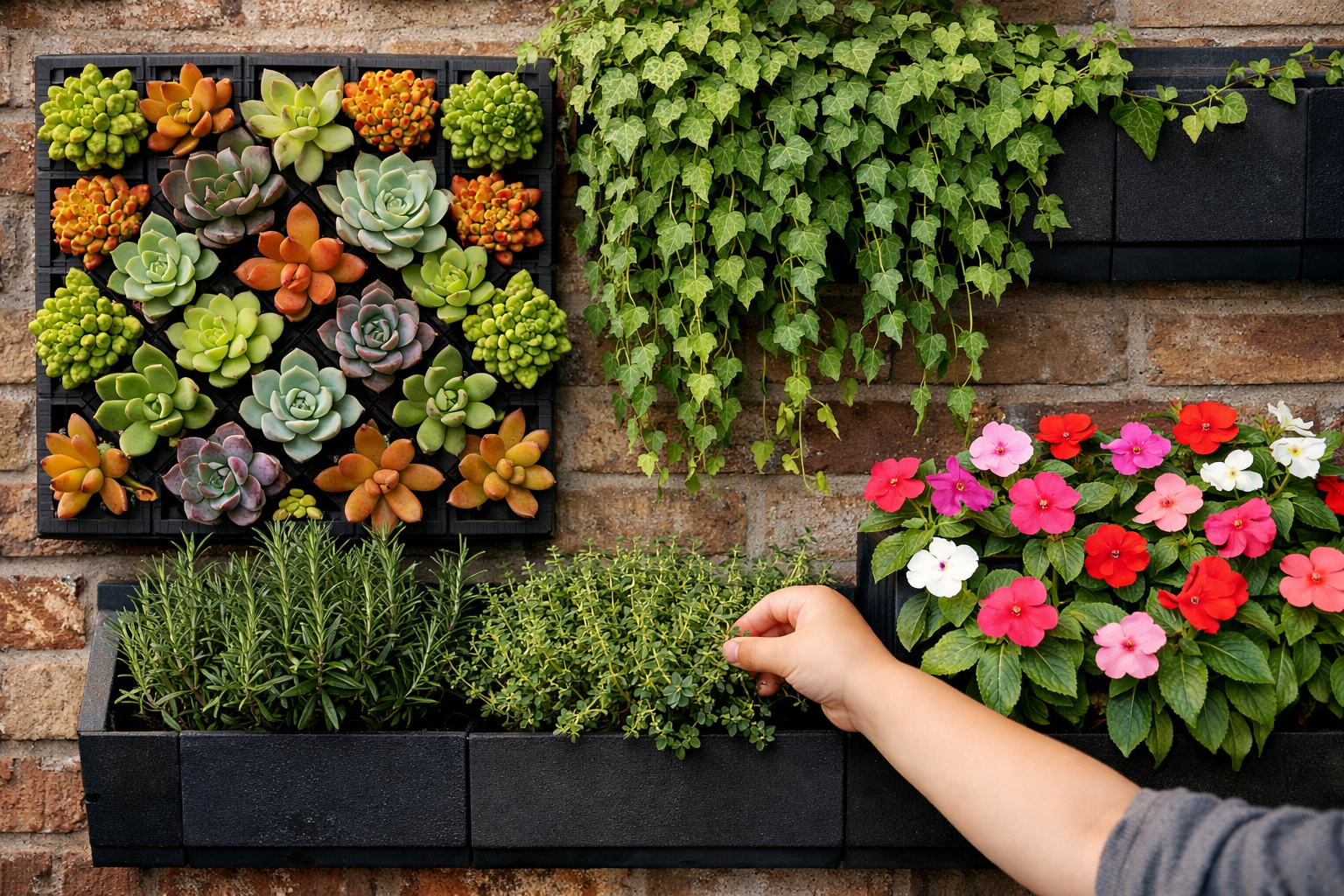
- Herbs: Basil, mint, rosemary, thyme, oregano, chives, and parsley are excellent choices due to their compact size, continuous harvest, and aromatic qualities. They adapt well to small pockets and frequent watering.
- Leafy Greens: Lettuce (especially loose-leaf varieties), spinach, kale, and Swiss chard grow quickly and can be harvested repeatedly. They prefer partial shade to full sun, depending on the variety.
- Strawberries: These plants are ideal for hanging and pocket systems, producing sweet fruits that cascade beautifully. They require consistent moisture and ample sunlight.
- Succulents: Sedums, Echeverias, and Sempervivums are low-maintenance, drought-tolerant, and offer diverse textures and colors. They are perfect for sunny, drier wall gardens.
- Flowering Annuals: Petunias, impatiens, lobelia, and pansies add vibrant color and visual interest. Choose varieties known for their compact or trailing habits.
- Small Ferns: For shadier wall garden spots, options like Boston fern or maidenhair fern provide lush greenery and texture, thriving in consistent humidity.
- Trailing Plants: Ivy, pothos, and creeping fig are excellent for creating a full, cascading look, especially on larger wall installations. These are generally low-maintenance.
How Do I Set Up a DIY Wall Garden in 2026?
Setting up a DIY wall garden in 2026 involves choosing your system, selecting a suitable location, gathering materials, and carefully planting to ensure success. This hands-on approach allows for personalization and can be a cost-effective way to create your green wall.
Before you begin, ensure your chosen wall can support the weight of the garden once it’s filled with soil and watered. Proper drainage is also key to preventing root rot and waterlogging, so consider systems that allow excess water to escape without damaging the wall. You can find detailed advice on how to start a mini garden at home that applies well to vertical setups.
Step-by-Step DIY Wall Garden Setup:
Assess Your Location:
- Sunlight: Determine the amount of direct and indirect sunlight your chosen wall receives throughout the day. Most plants need at least 4-6 hours of sun.
- Wall Material: Ensure the wall (fence, patio wall, balcony railing) is sturdy enough to hold the weight.
- Water Access: Plan how you will water your wall garden. Proximity to a water source is beneficial.
Choose Your System & Materials:
- Fabric Pockets: Buy pre-made fabric planters or repurpose heavy-duty felt.
- Pallet Garden: Source a clean, untreated wooden pallet.
- Modular Planters: Purchase interlocking or stackable vertical containers.
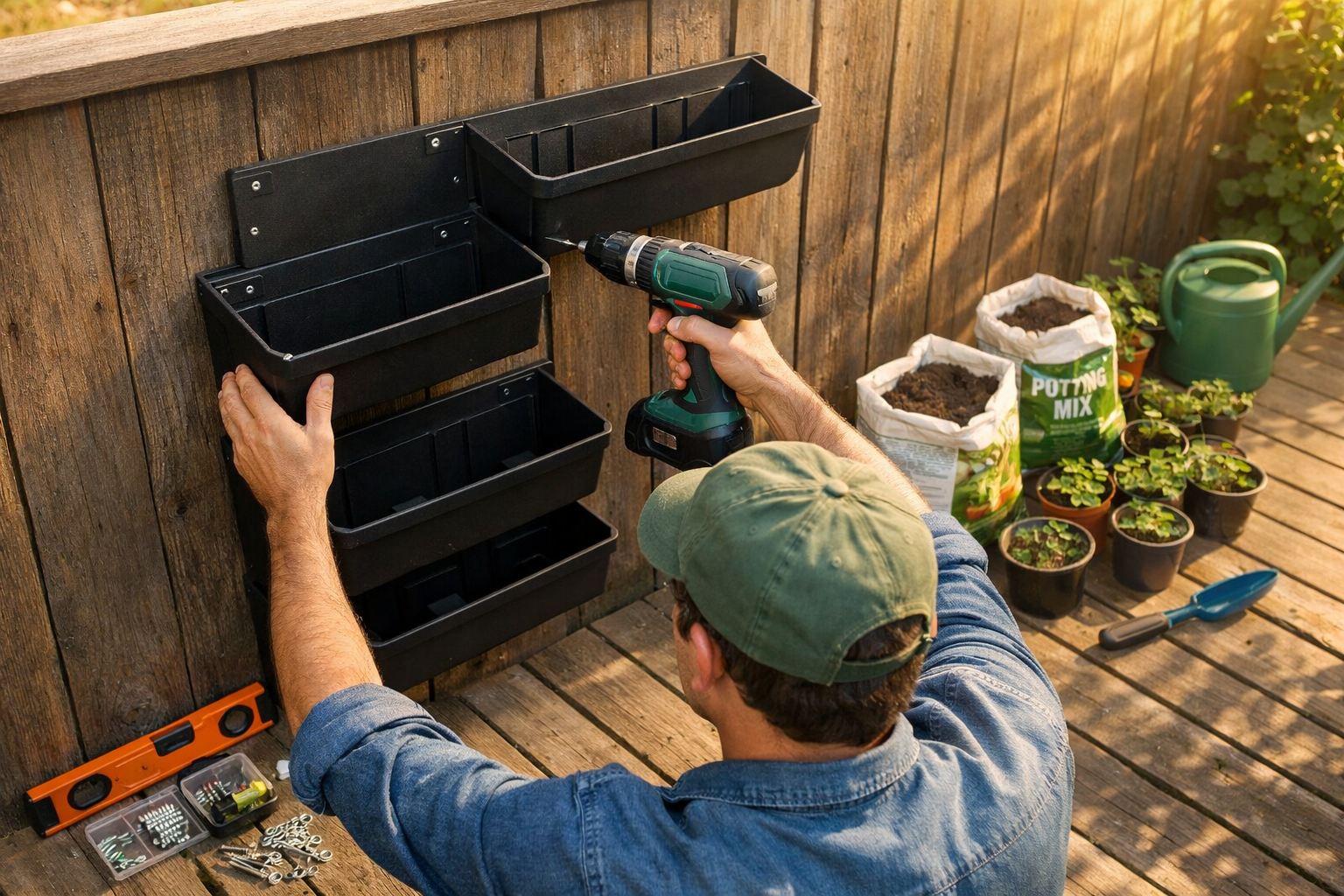
- Tools: You’ll need a drill, screws, level, measuring tape, and gardening gloves.
- Potting Mix: Use a high-quality, lightweight soil basics for container gardening that retains moisture well.
- Plants: Select appropriate plants based on your light conditions and desired outcome.
Install the Structure:
- Mounting: Securely attach your chosen system to the wall using appropriate hardware. Use a level to ensure it’s straight. For heavier systems, consider anchoring into studs or masonry.
- Drainage: If using multiple tiers, ensure the design allows for proper drainage from one level to the next, or that each pocket/pot drains independently.
Planting Your Wall Garden:
- Fill with Soil: Partially fill each pocket or container with your chosen potting mix.
- Place Plants: Gently remove plants from their nursery pots and place them in the wall garden sections. Fill around the roots with more soil, leaving about an inch of space from the top.
- Water Thoroughly: Water immediately after planting to help settle the soil and reduce transplant shock.
Ongoing Care and Maintenance:
- Watering: Wall gardens typically dry out faster than ground gardens. Check soil moisture daily, especially during hot weather. Consider drip irrigation for larger setups. (See: How often should you water plants?)
- Fertilizing: Plants in containers need regular feeding. Use a balanced liquid fertilizer every 2-4 weeks. (See: Best fertilizers for small gardens 2026)
- Pruning & Pest Control: Trim spent flowers and unruly growth. Monitor for pests and address them promptly. (See: Pest control for small gardens)
Conclusion
Wall garden ideas offer an incredible opportunity to infuse greenery and life into any space, regardless of size. Whether you’re an urban dweller with a tiny balcony or simply looking to add a unique aesthetic element to your home in 2026, vertical gardening provides a flexible, rewarding, and sustainable solution. From diverse system types to carefully chosen plants, the possibilities for creating a thriving vertical oasis are vast.
Embracing wall gardens not only maximizes your growing potential but also contributes to a healthier, more beautiful environment. Start by assessing your space, researching suitable plants, and selecting a system that aligns with your vision and budget. With a little planning and consistent care, your wall garden can become a stunning focal point and a source of fresh produce or vibrant blooms for years to come.
Actionable Next Steps:
- Evaluate Your Space: Identify a wall or vertical area that receives adequate sunlight and is structurally sound.
- Research Systems: Explore different wall garden types (pocket, panel, hydroponic, DIY pallet) to find one that fits your needs and skill level.
- Select Plants: Choose plants suitable for your climate, light conditions, and the specific wall garden system.
- Gather Materials: Purchase your chosen system, high-quality potting mix, and plants. Don’t forget essential tools.
- Install & Plant: Follow our step-by-step guide for setting up your wall garden, ensuring proper installation and planting techniques.
- Maintain & Enjoy: Commit to a regular watering and feeding schedule, and enjoy the beauty and bounty of your new vertical garden!
Related Reading:
- Vertical Gardening Guide for Small Spaces: Grow More in 2026
- Small Balcony Garden Ideas 2026: Design Your Oasis
- How to Choose Plants for Small Spaces: 2026 Expert Guide
FAQ
Q1: Can I grow vegetables in a wall garden?
A1: Yes, many compact vegetables like lettuce, spinach, kale, strawberries, and various herbs thrive in wall gardens, provided they get enough sunlight and consistent watering.
Q2: How often do I need to water a wall garden?
A2: Wall gardens typically dry out faster than traditional ground gardens due to increased air exposure. You may need to water daily, especially during hot, dry periods. Always check the soil moisture before watering.
Q3: Are wall gardens expensive to set up?
A3: The cost varies widely. DIY options like pallet gardens or fabric pocket planters can be very affordable, while sophisticated modular or hydroponic systems can involve a higher initial investment.
Q4: What kind of wall can support a wall garden?
A4: Most sturdy walls, such as brick, concrete, wood fences, or secure balcony railings, can support a wall garden. Ensure the structure is robust enough to handle the weight of the plants, soil, and water.
Q5: Can wall gardens be used indoors?
A5: Absolutely. Many wall garden systems are designed for indoor use, particularly hydroponic units or smaller pocket planters. Ensure adequate light (natural or grow lights) and proper drainage to protect indoor surfaces.
Q6: What’s the best way to fertilize plants in a wall garden?
A6: Since nutrients can leach out faster in vertical systems, use a balanced liquid fertilizer every 2-4 weeks during the growing season. Follow the product’s dilution instructions carefully.
Q7: Do wall gardens attract pests?
A7: Like any garden, wall gardens can attract pests. However, good air circulation in vertical setups can sometimes deter certain pests. Regular inspection and prompt treatment with organic pest control methods are key.
Q8: How much sunlight do wall gardens need?
A8: Most flowering plants and edibles need at least 4-6 hours of direct sunlight per day. If your wall receives less, choose shade-tolerant plants like ferns, impatiens, or certain leafy greens.
Q9: What’s the lifespan of a wall garden system?
A9: The lifespan depends on the materials. Fabric pocket systems might last 3-5 years, while durable modular plastic or metal systems can last 10+ years with proper care and maintenance.
Q10: Can I move a wall garden?
A10: Freestanding vertical planters are easily movable. Wall-mounted systems are more permanent, but smaller, lighter units can sometimes be relocated with careful uninstallation and re-installation.
Q11: How do I prepare my wall garden for winter?
A11: For perennial plants, consider bringing smaller units indoors or providing insulation. For annuals, you can clear the garden and replant in spring. Some systems can be dismantled and stored.
Q12: Are there self-watering wall garden options?
A12: Yes, many modern wall garden systems, especially hydroponic and some modular designs, come with integrated self-watering or drip irrigation features, reducing manual watering effort.
Sources
- “Vertical Gardening” – National Gardening Association (2021)
- “The Benefits of Vertical Gardens in Urban Environments” – Journal of Urban Ecology (2020)
- “Container Gardening: A Beginner’s Guide” – University of Maryland Extension (2019)