Best Indoor Plants for Small Homes: Your 2026 Guide to Green Living
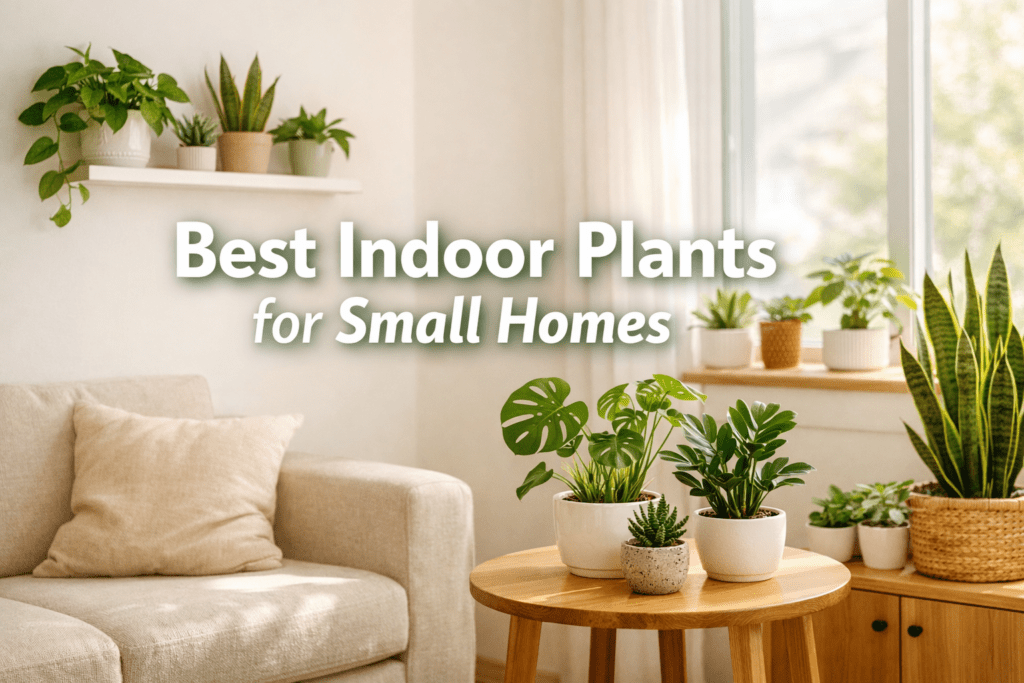
Bringing nature indoors can transform any living space, but for those with limited square footage, selecting the right plants is crucial. The best indoor plants for small homes are those that are compact, low-maintenance, and thrive in common indoor conditions without overwhelming your space. This comprehensive guide will help you choose species that not only survive but flourish, enhancing your small home with vibrant greenery and improved air quality.
Key Takeaways
- Compact Size is Key: Prioritize plants that remain small or can be easily pruned to fit tight spaces.
- Low Maintenance: Choose species that require minimal watering and specific light conditions, ideal for busy individuals or plant beginners.
- Vertical Greenery: Utilize vertical space with hanging planters or shelves to maximize your plant collection without cluttering surfaces.
- Consider Light Levels: Match plants to your home’s natural light; low-light options are essential for dimmer rooms.
- Pet-Friendly Options: If you have pets, always check if a plant is non-toxic before bringing it home.
- Air Purification Benefits: Many indoor plants naturally filter toxins, contributing to a healthier living environment.
- Start Small: Begin with one or two easy-care plants and expand your collection as you gain confidence and understanding.
- Proper Drainage: Ensure all pots have drainage holes to prevent root rot, a common killer of indoor plants.
Quick Answer
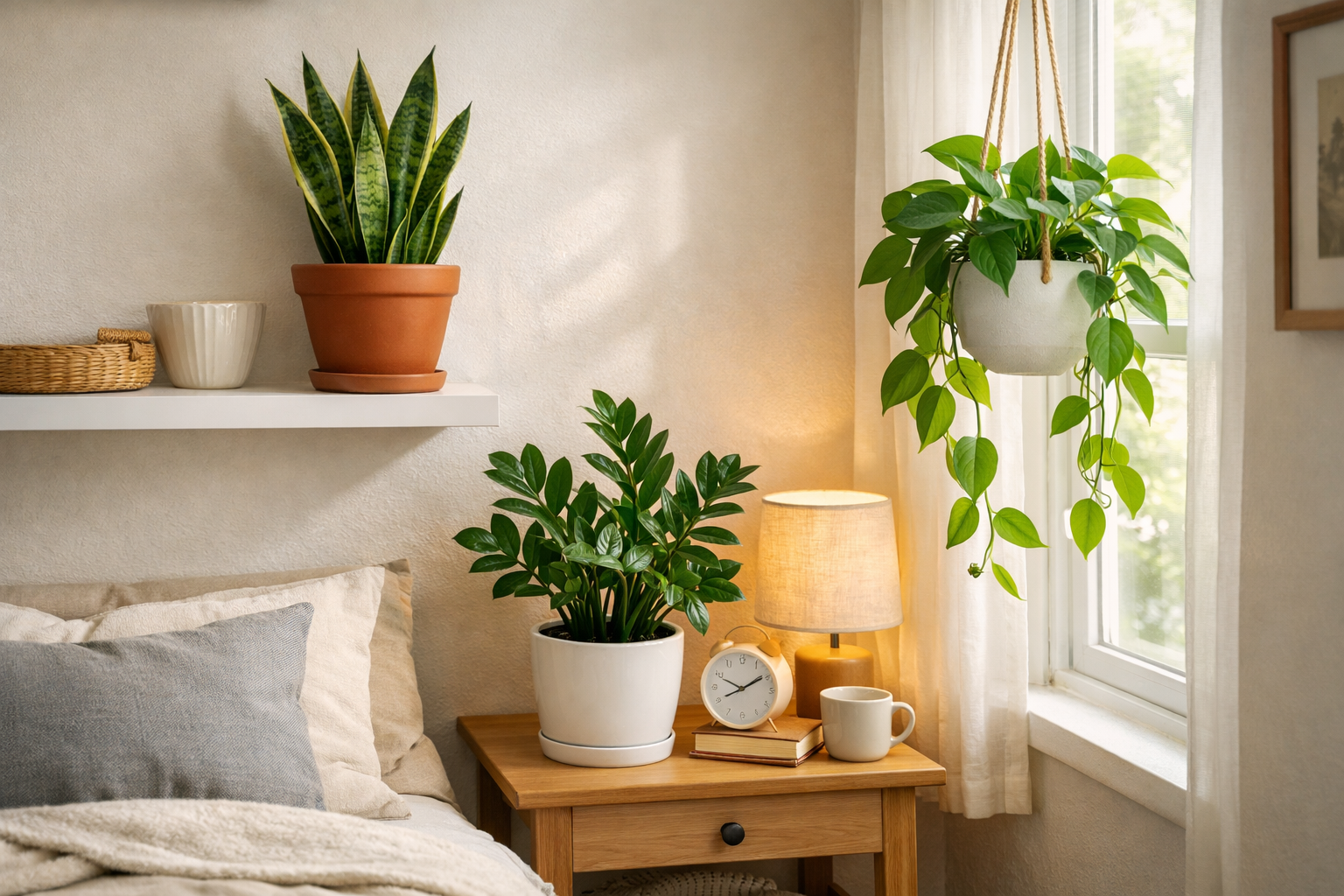
The best indoor plants for small homes are typically compact, slow-growing, and low-maintenance species like the Snake Plant, ZZ Plant, Pothos, and various succulents. These plants offer significant aesthetic and air-purifying benefits without demanding excessive space or specialized care, making them ideal for apartments, studios, or any area with limited room. Strategic placement and appropriate pot sizes are essential for integrating them successfully into smaller living areas.
What Qualifies as a “Small Home” for Indoor Plants?
A “small home” for indoor plants refers to any living space where horizontal surface area is limited, such as apartments, studios, tiny houses, dorm rooms, or even compact offices. This classification implies that plant choices should prioritize vertical growth, compact forms, or those that can be easily contained, ensuring they enhance the space rather than create clutter. When selecting plants for such environments, the primary constraints are typically floor space, shelf space, and natural light availability, making compact and adaptable species highly desirable.
When considering plants for a small home, evaluate the following:
- Floor Space: How much room is available on the ground without obstructing pathways or furniture? Many small homes have minimal floor space, necessitating plants that fit on shelves, windowsills, or can be hung.
- Shelf & Surface Area: Kitchen counters, bathroom vanities, bookshelves, and narrow ledges become prime real estate. Plants that stay under 12-18 inches tall and wide are ideal for these spots.
- Vertical Space: Walls and ceilings can be utilized effectively with hanging planters or wall-mounted options, allowing for greenery without sacrificing precious horizontal space.
- Natural Light: Smaller homes often have fewer windows or windows that offer limited light exposure. This makes plants tolerant of lower light conditions particularly valuable.
- Air Circulation: Adequate air circulation is important for plant health, and in smaller, sometimes less ventilated spaces, this can be a factor.
Choosing the right plant for a small home means balancing its mature size and growth habits with your available space and light conditions. Opt for species that naturally have a small footprint or those that can be easily pruned to maintain a desired size.
Which Are the Top Low-Maintenance Indoor Plants for Small Spaces?
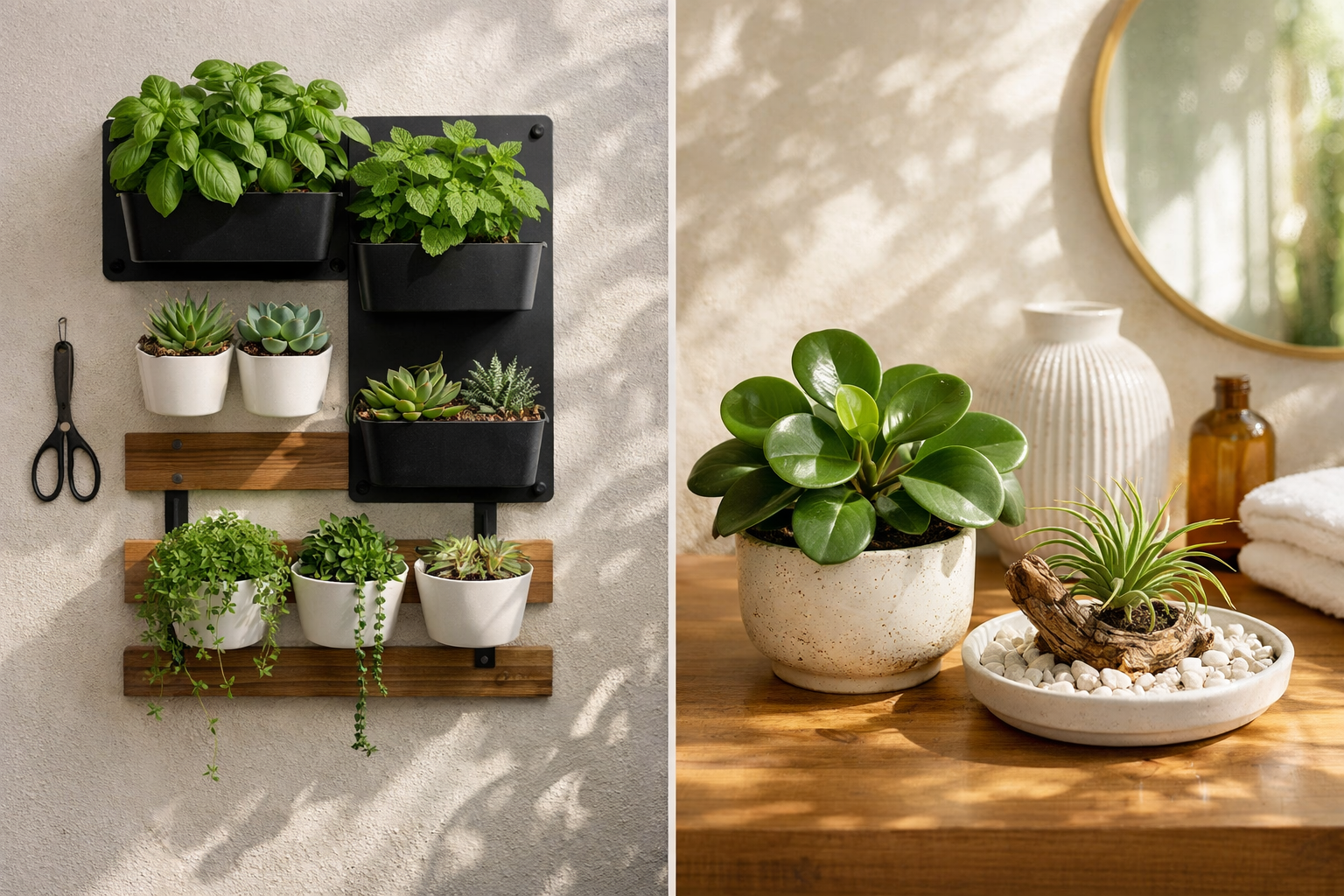
The top low-maintenance indoor plants for small spaces are resilient species that tolerate various conditions, require infrequent watering, and don’t grow excessively large, making them perfect for busy individuals or beginners. These plants typically thrive on neglect rather than constant attention, offering beauty with minimal fuss. Examples include the Snake Plant, ZZ Plant, Pothos, and specific types of succulents.
Here’s a breakdown of some of the best choices for minimal upkeep:
- Snake Plant (Sansevieria trifasciata) 🐍
- Why it’s great: Extremely tolerant of neglect, can handle low light, and only needs watering every 2-4 weeks. Its upright, sword-like leaves grow vertically, making it ideal for tight corners or narrow shelves.
- Size: Can reach up to 3 feet tall but stays very slender.
- Light: Low to bright indirect light.
- Water: Allow soil to dry completely between waterings.
- Tip: Great for bedrooms as it releases oxygen at night.
- ZZ Plant (Zamioculcas zamiifolia) 🌱
- Why it’s great: Incredibly drought-tolerant due to its thick rhizomes that store water. It can survive in very low light conditions and needs watering even less frequently than a Snake Plant, often monthly or less.
- Size: Grows up to 2-3 feet tall and wide, but its slow growth means it stays compact for years.
- Light: Low to bright indirect light.
- Water: Water only when the soil is completely dry.
- Tip: Avoid overwatering, which is its biggest enemy.
- Pothos (Epipremnum aureum) 🌿
- Why it’s great: This vining plant is forgiving, adaptable to various light levels, and visually appealing when allowed to trail or climb. Its vines can be pruned to maintain size or arranged to fit any space, especially from hanging baskets or high shelves.
- Size: Vines can grow very long but are easily trimmed.
- Light: Low to bright indirect light.
- Water: Water when the top inch of soil feels dry.
- Tip: Propagate cuttings easily in water to create new plants or fill out existing pots.
- Spider Plant (Chlorophytum comosum) 🕷️
- Why it’s great: Easy to care for, produces “spiderettes” that can be propagated, and is non-toxic to pets. Its arching leaves look great in hanging baskets or on a pedestal.
- Size: Matures to about 1-2 feet wide and tall, with arching leaves.
- Light: Bright to moderate indirect light.
- Water: Keep soil consistently moist but not waterlogged.
- Tip: Excellent air purifier, removing common household toxins.
- Peace Lily (Spathiphyllum) 🌸
- Why it’s great: Known for its elegant white spathes and dark green foliage, the Peace Lily is a good indicator plant – it droops dramatically when thirsty, making it hard to forget to water. It thrives in low light.
- Size: Can grow 1-3 feet tall depending on the variety.
- Light: Low to moderate indirect light.
- Water: Water when the leaves begin to droop slightly.
- Caution: Toxic to pets if ingested.
- Succulents (various types, e.g., Haworthia, Gasteria, Echeveria) 🌵
- Why they’re great: Require minimal watering, love bright light, and come in a vast array of compact shapes and colors. Their small size makes them perfect for windowsills or grouped arrangements.
- Size: Most stay under 6-12 inches.
- Light: Bright, direct light is often preferred, but some do well in bright indirect light.
- Water: Water thoroughly only when the soil is completely dry, which can be every few weeks or once a month.
- Tip: Ensure pots have excellent drainage to prevent root rot.
Choosing any of these options ensures you’ll have beautiful, thriving greenery in your small home without the constant worry of intricate care routines.
How Can I Maximize Greenery in a Tiny Apartment?
To maximize greenery in a tiny apartment, focus on vertical solutions, multi-functional plant displays, and choosing compact varieties that thrive in limited space. Utilizing every available surface, from walls to windowsills, allows you to integrate more plants without creating clutter or compromising essential living areas. This approach helps transform a small home into a lush, vibrant sanctuary.
Here are specific strategies to enhance your small space with plants:
- Go Vertical with Shelves and Wall Planters:
- Floating Shelves: Install narrow floating shelves above furniture or in unused corners. These are perfect for displaying small potted plants like succulents, small ferns, or trailing Pothos.
- Wall-Mounted Planters: Consider vertical garden systems or individual wall-mounted pots. These can turn an empty wall into a living art piece, suitable for herbs in the kitchen or decorative foliage in the living room.
- Bookcases: Integrate small plants among books and decor items on a bookcase, adding life and color.
- Hang ‘Em High with Ceiling or Wall Hooks:
- Hanging Baskets: Plants like Spider Plants, Trailing Pothos, or String of Pearls look fantastic cascading from hanging baskets. Use sturdy ceiling hooks or wall brackets. This frees up floor and shelf space while drawing the eye upwards, making the room feel larger.
- Macrame Hangers: These add a bohemian touch and are effective for suspending pots of various sizes.
- Utilize Windowsills and Narrow Ledges:
- Succulent Collections: Windowsills with good light are perfect for a collection of small succulents or cacti. Their compact nature allows for multiple plants in a small area.
- Herb Gardens: A sunny kitchen windowsill can host a small herb garden (basil, mint, chives), providing fresh ingredients and pleasant aromas.
- Choose Compact and Slow-Growing Varieties:
- Miniature Plants: Opt for dwarf varieties or naturally small plants that won’t outgrow their space quickly.
- Terrariums: Create enclosed ecosystems with miniature plants. Terrariums are self-contained, low-maintenance, and fit perfectly on small tables or desks.
- Air Plants (Tillandsia): These unique plants require no soil and can be displayed in creative ways—on decorative rocks, in glass orbs, or mounted on wood—taking up minimal space.
- Multi-functional Furniture:
- Plant Stands with Storage: Some plant stands come with multiple tiers or integrated storage, serving a dual purpose.
- Tabletop Greenery: A single, well-chosen plant as a centerpiece on a coffee table or dining table can make a significant impact without clutter.
By strategically placing the best indoor plants for small homes and leveraging vertical and multi-functional solutions, you can create a vibrant, green oasis, even in the most modest living areas.
What Common Mistakes Should I Avoid When Choosing Indoor Plants for a Small Home?
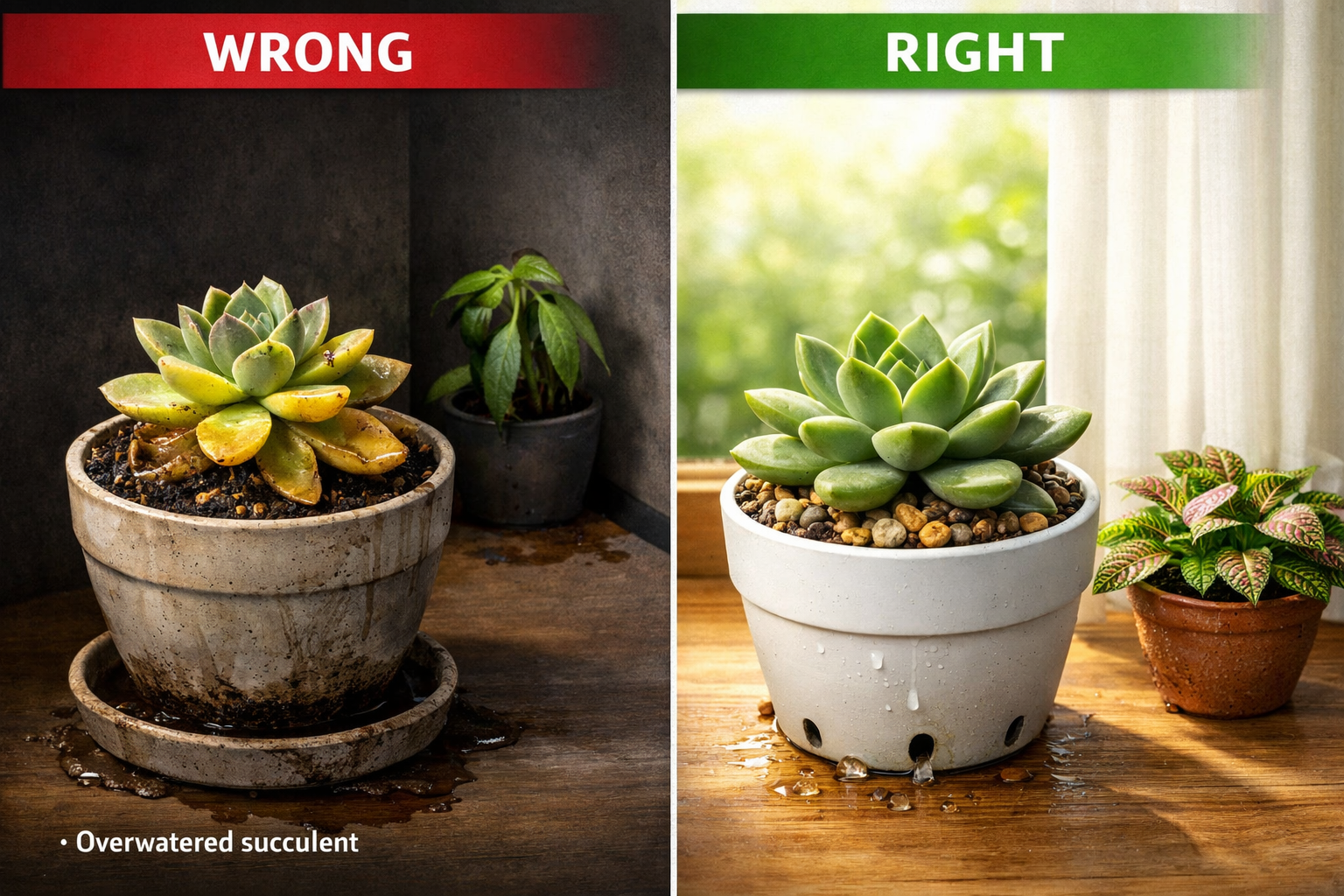
When choosing indoor plants for a small home, avoid common mistakes such as selecting plants that grow too large, ignoring light requirements, overwatering, and neglecting proper drainage. These errors can lead to plant failure, clutter, and an unhealthy living environment, diminishing the benefits that plants typically bring to a compact space. Focusing on appropriate plant choices and care tailored to a small setting ensures long-term success.
Here are key pitfalls to steer clear of:
- Choosing Plants That Grow Too Large:
- Mistake: Buying a small plant like a Fiddle Leaf Fig or a large Monstera, unaware of its mature size. These can quickly overwhelm a small room, blocking light or making areas feel cramped.
- Solution: Always research a plant’s mature size and growth habit before purchasing. Opt for dwarf varieties or plants known for their compact growth. For instance, a Snake Plant will grow tall but stay narrow, fitting well into a tight corner, unlike a sprawling Bird of Paradise.
- Ignoring Light Requirements:
- Mistake: Placing a sun-loving succulent in a dimly lit corner or a low-light fern directly in a sunny window. In small homes, specific light conditions can be scarce.
- Solution: Assess the natural light in your home before buying. Identify bright, indirect light spots, low-light corners, and sunny windowsills. Match plants to these conditions. For consistently dim areas, consider LED grow lights, which are now available in sleek, compact designs.
- Overwatering:
- Mistake: Providing too much water, especially to plants that prefer drier conditions, or watering on a schedule regardless of soil moisture. Small pots can dry out quickly, but larger pots in small spaces might retain water longer.
- Solution: Always check the soil moisture before watering. Stick your finger an inch or two into the soil; water only when it feels dry to the touch for most plants. Succulents and cacti need the soil to dry out completely. Overwatering is the most common cause of indoor plant death.
- Lack of Proper Drainage:
- Mistake: Using decorative pots without drainage holes, or placing plants directly into cachepots (pots without drainage) without a nursery pot inside. This leads to waterlogged soil and root rot.
- Solution: Always use pots with drainage holes. If you love a decorative pot without drainage, use it as a cachepot and keep your plant in a slightly smaller nursery pot inside. Remove the plant to water it, let it drain completely, then return it to the cachepot.
- Neglecting Air Circulation:
- Mistake: Placing too many plants in a confined area without adequate air movement, which can encourage pests and fungal diseases.
- Solution: Ensure good air circulation, especially in humid areas like bathrooms. Occasionally open windows or use a small fan to circulate air. Space plants appropriately to allow air to flow around them.
- Forgetting About Pest Management:
- Mistake: Bringing a new plant home without inspecting it for pests, or ignoring early signs of infestation. In a small space, pests can quickly spread to your entire collection.
- Solution: Isolate new plants for a few weeks. Regularly inspect leaves (top and bottom) for signs of pests. Treat promptly with insecticidal soap or neem oil if pests are found.
By being mindful of these common missteps, you can cultivate a thriving collection of the best indoor plants for small homes, ensuring they bring joy and beauty without the frustration of constant struggle.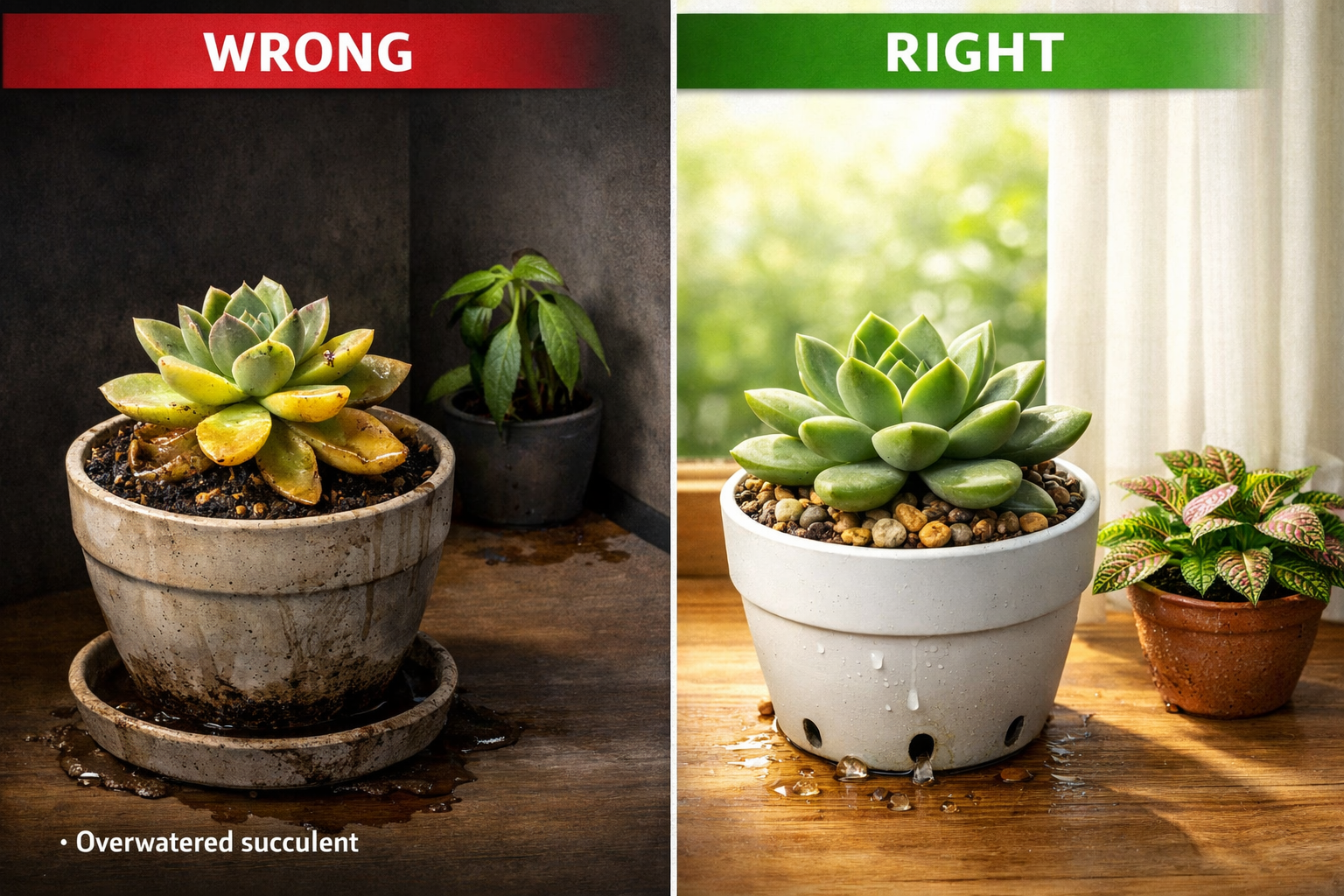
What Are the Best Pet-Friendly Indoor Plants for Small Homes?
The best pet-friendly indoor plants for small homes are non-toxic, compact species that pose no harm to curious cats or dogs, allowing pet owners to enjoy greenery without worry. Prioritizing these plants ensures a safe environment for animal companions while still enhancing the living space with natural beauty. Some top choices include the Spider Plant, Boston Fern, Areca Palm, and African Violet.
Here’s a list of fantastic pet-safe options that thrive in smaller settings:
- Spider Plant (Chlorophytum comosum) 🐾
- Why it’s great: Extremely easy to care for, tolerant of various conditions, and known for its cascading “spiderettes” which look fantastic in hanging baskets. It’s completely non-toxic to cats and dogs.
- Size: Grows to 1-2 feet wide, perfect for shelves or hanging.
- Light: Bright to moderate indirect light.
- Water: Keep soil consistently moist but not soggy.
- Boston Fern (Nephrolepis exaltata) 🌿
- Why it’s great: Its lush, feathery fronds add a touch of tropical elegance. Boston Ferns are non-toxic and thrive in high humidity, making them ideal for bathrooms or kitchens.
- Size: Can reach 2-3 feet in diameter but can be managed with pruning.
- Light: Moderate to bright indirect light.
- Water: Keep soil consistently moist.
- Tip: Misting helps maintain humidity.
- Areca Palm (Dypsis lutescens) 🌴
- Why it’s great: A graceful palm that provides a touch of the tropics and is safe for pets. While it can grow large over many years, a young Areca Palm is perfectly suitable for a small corner, growing slowly.
- Size: Starts small, can grow to 6-7 feet tall over time, but is easily managed in a smaller pot.
- Light: Bright indirect light.
- Water: Keep soil consistently moist, allowing the top inch to dry out.
- African Violet (Saintpaulia) 💜
- Why it’s great: These charming plants offer beautiful, vibrant flowers in a compact size, making them perfect for windowsills or small tables. They are non-toxic to pets.
- Size: Typically 6-12 inches wide.
- Light: Bright indirect light.
- Water: Water from the bottom or ensure water doesn’t touch the leaves to prevent spots.
- Christmas Cactus (Schlumbergera) 🌺
- Why it’s great: Known for its festive, tubular flowers that bloom in winter, the Christmas Cactus is a succulent that is both beautiful and pet-friendly. It’s also relatively easy to care for.
- Size: Trailing habit, fits well in hanging baskets or on shelves.
- Light: Bright indirect light.
- Water: Water when the top inch or two of soil is dry.
- Prayer Plant (Maranta leuconeura) 🙏
- Why it’s great: Features striking, patterned leaves that fold up at night, resembling hands in prayer. This plant is non-toxic and adds unique visual interest to a small space.
- Size: Generally stays under 1 foot tall and wide.
- Light: Low to medium indirect light.
- Water: Keep soil consistently moist.
When selecting any plant, always double-check its toxicity to pets, as information can vary or new varieties may emerge. Resources like the ASPCA provide comprehensive lists of toxic and non-toxic plants. By choosing from these pet-friendly options, you can safely enjoy the beauty and benefits of the best indoor plants for small homes without compromising your furry friends’ well-being.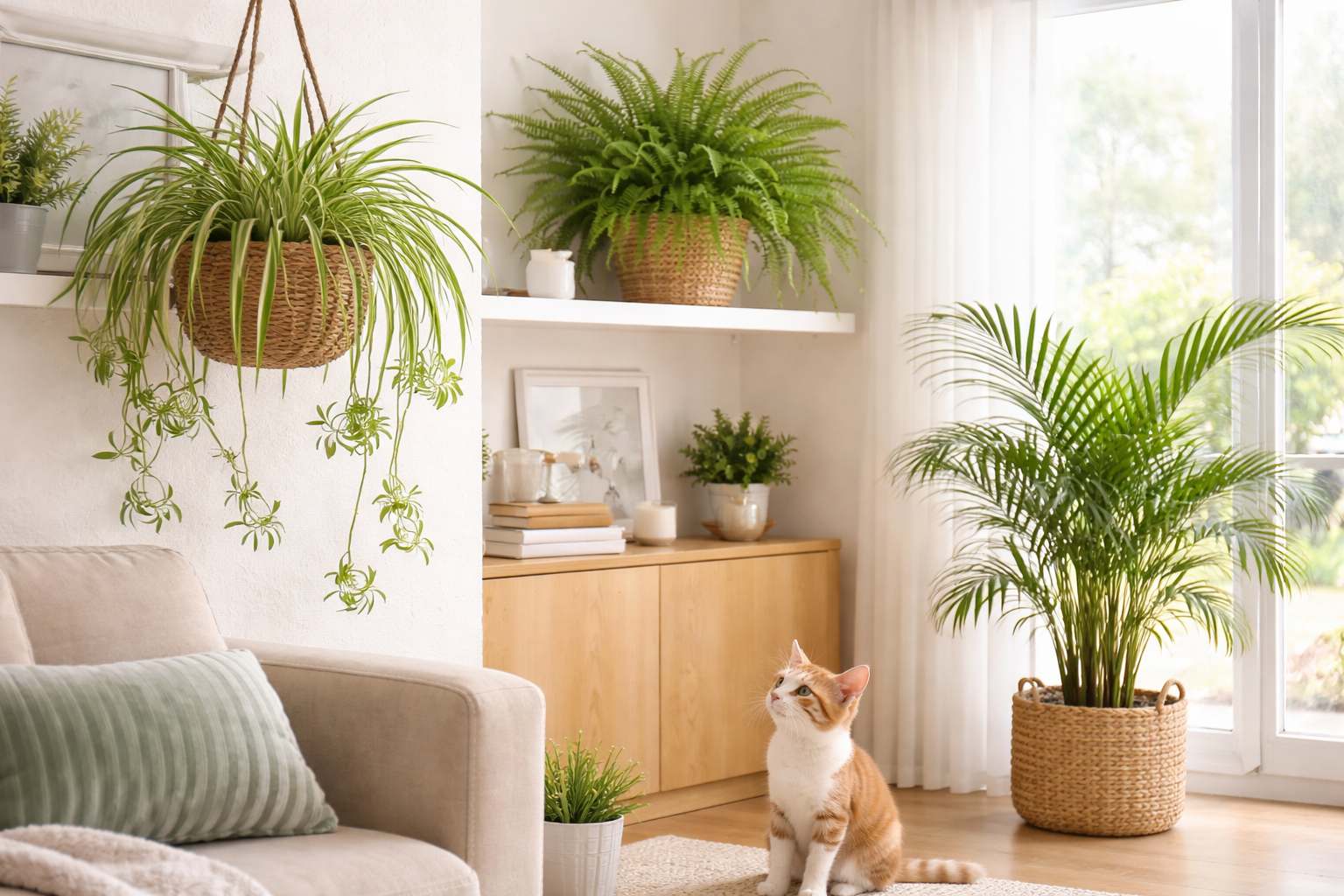
Conclusion
Creating a vibrant, green sanctuary in a small home is entirely achievable with careful plant selection and strategic placement. The best indoor plants for small homes are those that are compact, resilient, and demand minimal care, fitting seamlessly into limited spaces without overwhelming them. By embracing vertical gardening, utilizing compact varieties like the Snake Plant or ZZ Plant, and avoiding common pitfalls such as overwatering or neglecting light requirements, anyone can cultivate a thriving indoor garden. Remember to consider pet-friendly options if you have animal companions and always prioritize plants that match your lifestyle and home’s specific conditions. Start small, observe your plants, and enjoy the countless benefits that indoor greenery brings to your living environment in 2026.
Related Reading
- How Accurate Are Pregnancy Calculators? Your 2026 Guide
- Pregnancy Chances After One Unprotected Act (2026 Guide)
- Implantation Symptoms Day by Day
FAQ
Q1: What is the easiest indoor plant for a small apartment?
A1: The Snake Plant (Sansevieria) is widely considered the easiest indoor plant for small apartments due to its extreme drought tolerance, ability to thrive in low light, and upright, compact growth habit.
Q2: Can I put a large plant in a small home?
A2: Generally, it is not recommended to place very large plants in a small home as they can quickly overwhelm the space, block natural light, and make the room feel cramped. Opt for compact or slow-growing varieties.
Q3: How do I choose the right pot size for small indoor plants?
A3: Choose a pot that is only slightly larger than the plant’s current root ball, typically 1-2 inches wider in diameter. This prevents overwatering and provides enough space for growth without being excessive.
Q4: Are air plants good for small spaces?
A4: Yes, air plants (Tillandsia) are excellent for small spaces because they require no soil and can be displayed creatively in terrariums, on decorative objects, or hung, taking up minimal footprint.
Q5: How often should I water my indoor plants in a small home?
A5: Watering frequency depends on the plant type, pot size, and environmental conditions. Always check the soil moisture before watering; most plants prefer the top inch or two of soil to dry out between waterings.
Q6: What if my small home has very little natural light?
A6: For small homes with low natural light, choose plants known for thriving in shade, such as ZZ Plants, Snake Plants, or Peace Lilies. You can also supplement with compact LED grow lights.
Q7: Are succulents suitable for small homes?
A7: Yes, succulents are highly suitable for small homes because they are compact, low-maintenance, and require minimal water, making them perfect for windowsills, shelves, or small tabletop arrangements.
Q8: How can I prevent pests on my indoor plants in a small apartment?
A8: To prevent pests, inspect new plants before bringing them home, regularly wipe down leaves, ensure good air circulation, and avoid overwatering. Treat any signs of pests promptly with insecticidal soap.
Q9: Can I use hanging baskets in a small apartment?
A9: Yes, hanging baskets are an excellent way to maximize greenery in a small apartment as they utilize vertical space and keep plants off valuable floor and shelf areas.
Q10: What are some benefits of having indoor plants in a small home?
A10: Indoor plants enhance aesthetics, improve air quality by filtering toxins, boost mood, and reduce stress, all of which are particularly beneficial in compact living environments.
Q11: Do I need special soil for my small indoor plants?
A11: Most indoor plants thrive in a well-draining potting mix. For succulents and cacti, use a specialized gritty mix designed for fast drainage.
Q12: How do I know if my plant is getting enough light?
A12: Signs of insufficient light include leggy growth, pale leaves, and lack of new growth. Too much direct light can cause scorched or yellowing leaves. Observe your plant’s growth and adjust its placement as needed.
Sources
- ASPCA. (2026). Toxic and Non-Toxic Plants List. Retrieved from https://www.aspca.org/pet-care/animal-poison-control/toxic-and-non-toxic-plants
- Royal Horticultural Society. (2026). Houseplant care and cultivation. Retrieved from https://www.rhs.org.uk/houseplants/caring-for