Watering Vegetables Correctly: Your 2026 Expert Guide
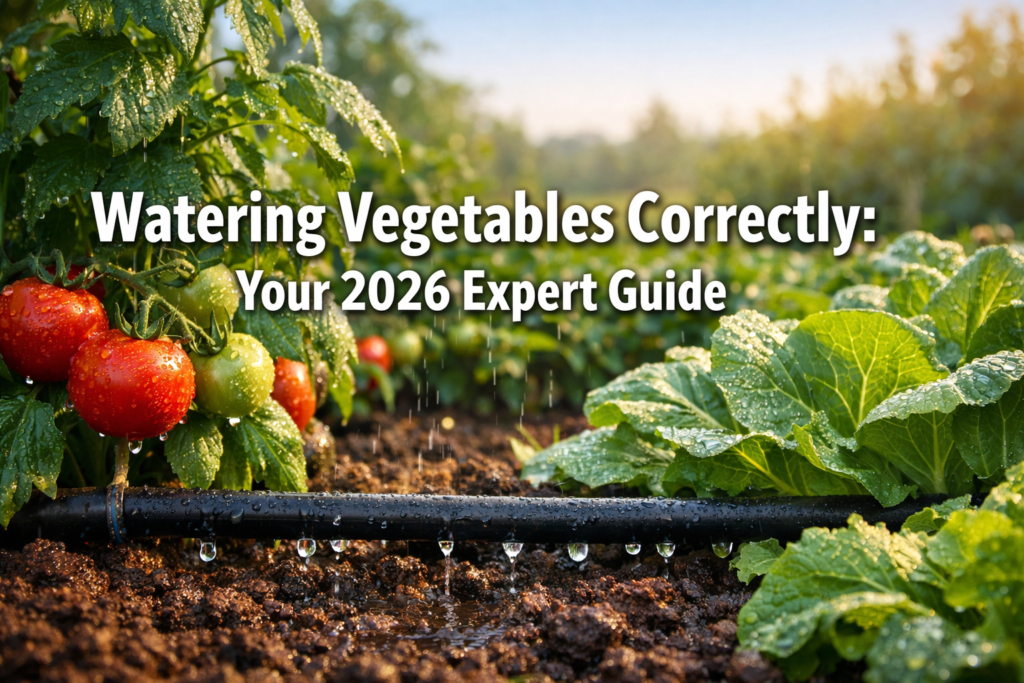
Proper watering is one of the most critical factors for a thriving vegetable garden, directly impacting plant health, yield, and disease resistance. Mastering the art of watering vegetables correctly can transform your gardening success, ensuring your plants receive just the right amount of moisture without waste or stress. This guide provides expert advice and actionable steps for effective irrigation, tailored for the 2026 growing season.
Key Takeaways
- Vegetable plants generally need about one inch of water per week, though this can double in hot summer months.
- Water deeply until moisture penetrates 6-8 inches into the soil to encourage strong, deep root systems.
- The best time to water is early morning (4-6 a.m.) to reduce disease risk and minimize evaporation.
- Drip irrigation and soaker hoses are the most efficient watering methods, delivering water directly to roots.
- Mulching with 2-4 inches of organic material significantly reduces water evaporation and conserves moisture.
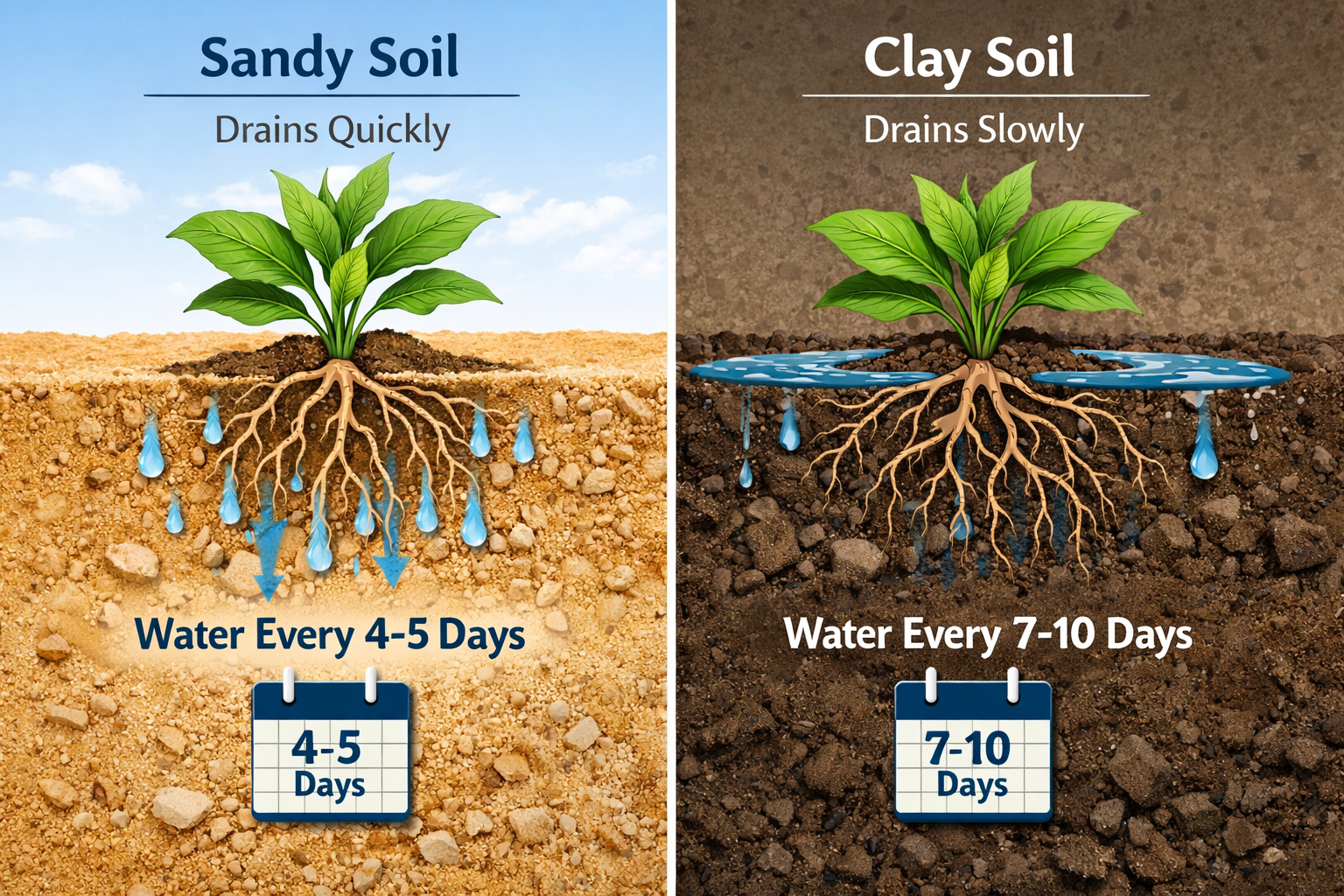
- Adjust watering frequency based on soil type; sandy soils need more frequent watering than clay soils.
- Container plants require more frequent watering, often daily during hot periods.
- Avoid overhead watering to prevent fungal diseases and water waste.
- Newly planted seedlings and seeded beds require consistent moisture for establishment and germination.
- Different vegetables have varying water needs; observe your plants closely for signs of thirst.
Quick Answer
Watering vegetables correctly involves providing deep, consistent moisture to the root zone, typically aiming for one inch of water per week, adjusted for climate and soil type. The most effective methods are drip irrigation or soaker hoses, applied early in the morning, to promote deep root growth and minimize water loss and disease.
Why is Watering Vegetables Correctly So Important for Plant Health?
Watering vegetables correctly is crucial because water is essential for photosynthesis, nutrient transport, and maintaining plant turgidity, directly impacting growth, yield, and resilience against stress and disease. Without adequate and appropriate watering, vegetables can become stunted, produce less, and be more susceptible to pests and diseases. Plants use water to move nutrients from the soil to their leaves, stems, and fruits, a process vital for healthy development and productivity [1]. Insufficient water causes wilting and nutrient lockout, while overwatering can lead to root rot and other fungal issues.
- Nutrient Uptake: Water acts as the vehicle for transporting essential nutrients from the soil into the plant’s root system and throughout its structure.
- Photosynthesis: Water is a key component in photosynthesis, the process by which plants convert sunlight into energy for growth.
- Structural Integrity: Proper water levels keep plant cells turgid, maintaining the plant’s upright structure and preventing wilting.
- Temperature Regulation: Plants release water vapor through their leaves (transpiration), which helps cool them down during hot weather.
- Disease Prevention: Consistent, appropriate watering strengthens plants, making them more resilient to common diseases. Conversely, erratic watering or overhead irrigation can create conditions ripe for fungal problems [1].
For optimal growth, especially for vegetable gardening, understanding these foundational needs ensures your plants thrive rather than just survive. Consistent moisture at the root level contributes to a more robust and productive garden throughout the season.
How Much Water Do Vegetables Need Each Week?
Most vegetable plants require approximately one inch of water per week, but this amount needs adjustment based on factors like the season, climate, and specific plant type. During hot summer months (typically July-September), plants may need up to two inches of water per week to compensate for increased evaporation and transpiration [5]. Conversely, in cooler spring months (May-June), about one inch often suffices.
- General Rule: Aim for one inch of water per week, applied deeply.
- Summer Heat: Increase to 1.5 to 2 inches per week during prolonged hot or dry spells [5].
- Moisture Check: Always check the soil moisture before watering. Stick your finger 2-3 inches into the soil; if it feels dry, it’s time to water.
- New Plantings: Newly planted seedlings and newly seeded beds require more consistent moisture. Seedlings need consistently moist soil for the first 1-2 weeks, while seeded beds need quick, shallow soaks every 1-2 days until germination [3].
- Plant-Specific Needs: Shallow-rooted plants like lettuce, spinach, and beans may need more frequent, lighter waterings, while deep-rooted crops like corn, tomatoes, and squash benefit from deeper, less frequent applications [1]. This tailored approach is vital for the best vegetables for small space gardening in 2026.
Understanding these variations is key to watering vegetables correctly and preventing both underwatering and overwatering, which can equally harm your plants.
What is the Best Method for Watering Vegetables Correctly?
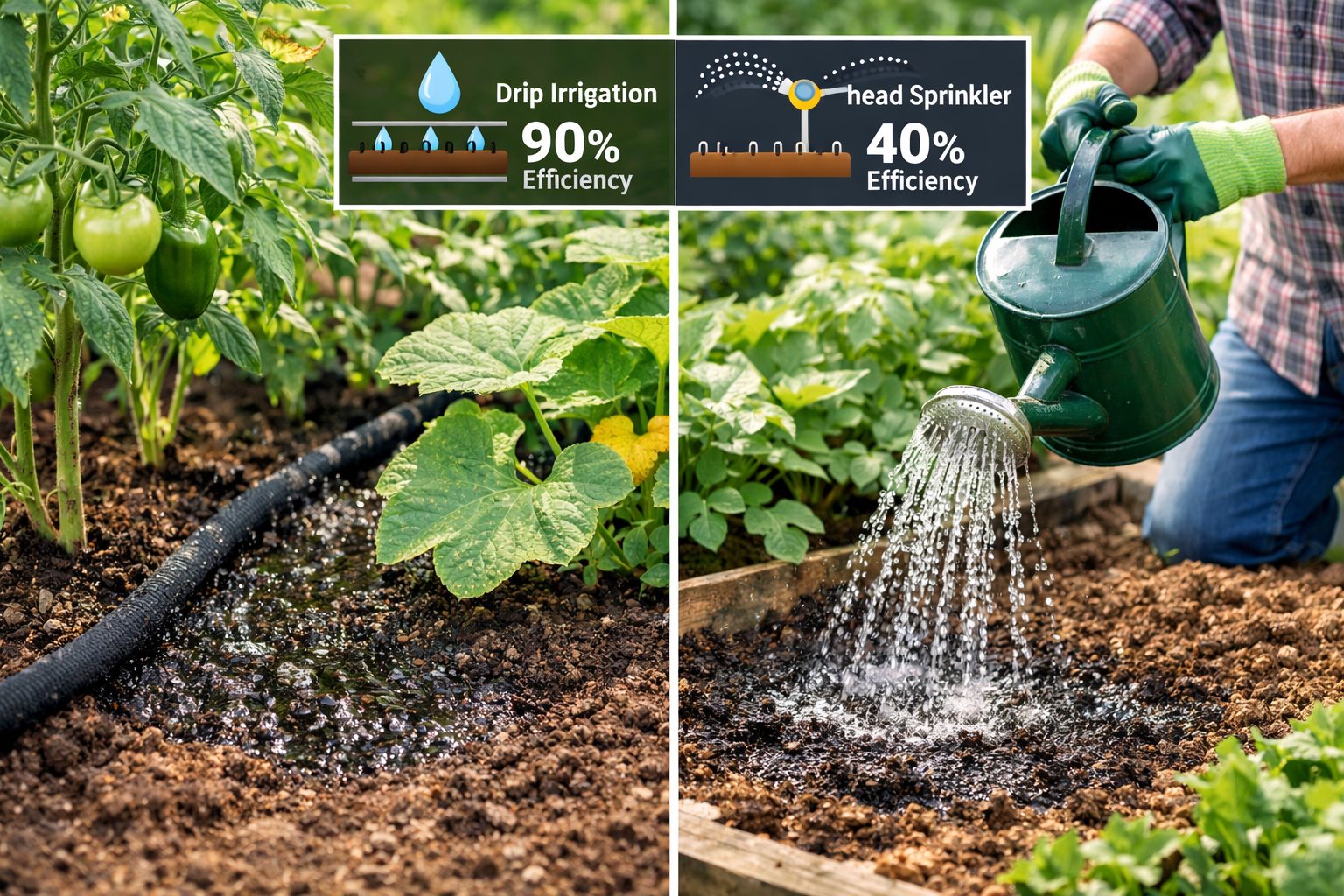
The most effective method for watering vegetables correctly involves delivering water directly to the plant’s root zone, which significantly reduces waste, evaporation, and the risk of fungal diseases. Soaker hoses and drip irrigation systems are considered the most efficient methods [1]. These systems slowly release water at the base of the plants, allowing for deep soil penetration without wetting the foliage.
- Drip Irrigation/Soaker Hoses:
- Efficiency: Delivers water precisely where it’s needed, directly to the roots, minimizing runoff and evaporation. This can reduce water use by up to 50% compared to overhead methods [1].
- Disease Prevention: Keeps foliage dry, which is crucial for preventing common fungal diseases like powdery mildew and blight on susceptible plants such as tomatoes, squash, and cucumbers [3].
- Application: Ideal for rows of vegetables or container gardens.
- Hand Watering:
- Control: Allows precise control over water volume and placement.
- Technique: Water slowly at the base of each plant for 30-60 seconds, ensuring deep penetration. Avoid just sprinkling the surface [3].
- Best For: Smaller gardens, container plants, or targeting specific thirsty plants.
- Avoid Overhead Watering:
- Inefficiency: Overhead sprinklers lose a significant amount of water to evaporation and wind drift [1].
- Disease Risk: Wet leaves can lead to fungal and bacterial diseases, especially if the foliage remains wet for extended periods [1].
- When to Use: Only consider for broad areas like lawns, and even then, timed correctly.
Choosing the right watering method is a cornerstone of sustainable and productive gardening, particularly for those engaged in small space vegetable gardening in 2026.
When is the Optimal Time of Day to Water Vegetables?
The optimal time to water vegetables is early in the morning, preferably between 4 and 6 a.m., to allow the soil and foliage to dry before the intense heat of midday. This timing minimizes water loss due to evaporation and reduces the risk of fungal diseases. Watering in the cool morning ensures plants have access to moisture throughout the day to withstand heat and promotes robust growth [4].
- Morning Benefits:
- Reduced Evaporation: Cooler temperatures and less wind mean more water reaches the roots instead of evaporating [4].
- Disease Prevention: Any water that splashes onto leaves has ample time to dry off in the morning sun, discouraging fungal growth [1].
- Plant Recovery: Provides plants with a fresh supply of water before the stress of daily heat, helping them perform photosynthesis efficiently.
- Why Avoid Midday:
- High Evaporation: Water applied during the hottest part of the day evaporates quickly, meaning less reaches the roots.
- Leaf Scorch: While less common than often believed, water droplets on leaves can magnify sunlight in rare cases, leading to leaf burn.
- Why Avoid Evening:
- Disease Risk: Watering in the evening leaves foliage wet overnight, creating an ideal environment for fungal and bacterial diseases to develop [4].
- Pest Activity: Some pests are more active on moist plants in the evening.
Adjusting your watering schedule to the early morning is one of the simplest yet most impactful changes you can make to improve plant health and achieve success with watering vegetables correctly. For a broader understanding of watering frequencies, consult guides like “How Often Should You Water Plants? Ultimate Guide 2026.”
How Do Soil Type and Mulch Affect Watering Frequency?
Soil type significantly dictates how often you need to water, with sandy soils requiring more frequent watering than heavy clay soils due to their differing drainage rates. Simultaneously, applying a 2-4 inch layer of organic mulch is a highly effective strategy to conserve moisture, reducing evaporation by up to 70% [2].
- Soil Type Impact:
- Sandy Soil: Drains quickly and retains less water. Water thoroughly every 4-5 days in the absence of rain [1, 4]. These soils dry out faster, so plants need more frequent replenishment.
- Clay Soil: Retains water well but can become compacted. Water every 7-10 days as it holds moisture for longer [1]. Overwatering clay can lead to root rot because of poor aeration.
- Loamy Soil: An ideal mix of sand, silt, and clay, offering good drainage and water retention. Watering frequency typically falls between sandy and clay soil recommendations.
- Mulch Benefits:
- Moisture Retention: A layer of organic mulch (e.g., straw, wood chips, shredded leaves) insulates the soil, dramatically reducing water evaporation from the soil surface [2].
- Weed Suppression: Mulch helps suppress weeds, which compete with vegetables for water and nutrients.
- Temperature Regulation: Keeps soil temperatures more consistent, protecting roots from extreme heat and cold.
- Soil Improvement: As organic mulch breaks down, it adds nutrients and improves soil structure over time. This is particularly beneficial for soil basics for container gardening.
Integrating these considerations into your watering strategy—understanding your soil and utilizing mulch—is paramount for watering vegetables correctly and building a more climate-resilient garden in 2026 [2].
What are the Common Mistakes to Avoid When Watering Vegetables?
Several common mistakes can undermine the effort to grow healthy vegetables, including shallow watering, inconsistent schedules, and neglecting container plants. Avoiding these pitfalls is crucial for ensuring your garden thrives.
- Shallow Watering: This is perhaps the most common mistake. Watering briefly only moistens the top inch or two of soil, encouraging shallow root growth. Shallow roots make plants less resilient to drought and daily stress [1, 3].
- Correction: Always water deeply, aiming for 6-8 inches of soil penetration, which encourages roots to grow deeper and become more self-sufficient [1, 4].
- Inconsistent Watering: Erratic watering—periods of drought followed by heavy irrigation—can stress plants, leading to issues like blossom end rot in tomatoes and stunted growth [3].
- Correction: Establish a consistent watering schedule tailored to your soil type and plant needs, and stick to it, adjusting only for significant rainfall or heat waves.
- Overwatering: While often perceived as benevolent, too much water can be as harmful as too little. Overwatering suffocates roots by displacing oxygen in the soil, leading to root rot and fungal diseases [4].
- Correction: Always check soil moisture before watering. Water only when the top few inches of soil feel dry. Ensure good drainage, especially in containers.
- Overhead Watering (Sprinklers): As discussed, overhead watering wastes water through evaporation and wets foliage, creating conditions favorable for fungal diseases [1].
- Correction: Opt for drip irrigation, soaker hoses, or careful hand watering at the soil level.
- Neglecting Container Plants: Vegetables in containers dry out much faster than those in garden beds.
- Correction: Container plants often require daily watering during hot months, or a thorough soaking every few days during cooler periods, until water runs from the drainage holes [4].
- Ignoring Plant-Specific Needs: Not all vegetables have the same water requirements.
- Correction: Research the specific needs of each vegetable you grow. For example, leafy greens prefer consistent moisture, while melons need plenty of water during fruit development.
By being mindful of these common errors, you can significantly improve your success in watering vegetables correctly and cultivate a more vibrant and productive garden.
Watering Different Vegetable Stages and Types
Watering vegetables correctly means adapting your approach to different growth stages and specific plant types, as their water needs evolve from germination to harvest.
| Growth Stage/Plant Type | Water Requirement | Frequency & Depth | Key Considerations |
|---|---|---|---|
| Newly Seeded Beds | High, consistent | Quick, shallow soaks every 1-2 days | Essential for germination; once-weekly watering is insufficient [3]. |
| Young Seedlings | High, consistent | Consistently moist soil for 1-2 weeks after planting | Helps establish roots; transition to deeper, less frequent watering [3]. |
| Leafy Greens (Lettuce, Spinach) | Moderate, consistent | More frequent, shallower watering (due to shallow roots) | Prevents bolting and bitterness; keep soil evenly moist. |
| Fruiting Plants (Tomatoes, Peppers, Squash, Melons) | High, especially during flowering/fruiting | Deep, less frequent watering (due to deeper roots) | Critical for fruit development and preventing blossom end rot [1]. |
| Root Crops (Carrots, Radishes, Beets) | Moderate, consistent | Consistent moisture prevents splitting/forking | Avoid extremes (too dry or too wet); aim for steady growth. |
| Container Vegetables | Very High | Daily in hot months; every few days otherwise | Dries out quickly; water until drainage from bottom [4]. |
Decision Rule: Choose deep, infrequent watering for established, deep-rooted plants to encourage strong root systems. Opt for more frequent, shallower watering for newly germinated seeds, young seedlings, leafy greens, and all container-grown vegetables.
Edge Case: Drought Conditions: During severe drought, focus water on newly planted and fruiting vegetables, as these are most sensitive. Consider using shade cloth to reduce water stress and evaporation, and increase mulch depth. This is a key aspect of designing a climate-resilient vegetable garden in 2026.
Conclusion
Mastering the art of watering vegetables correctly is a foundational skill for any successful gardener. By understanding the optimal timing, methods, quantities, and adapting to specific plant and soil needs, you can significantly boost your garden’s health and productivity in 2026. Prioritizing deep, consistent morning watering with efficient systems like drip irrigation, and utilizing mulch to conserve moisture, are key practices. Avoiding common mistakes such as shallow watering or inconsistent schedules will ensure your plants develop strong root systems and remain resilient against stress and disease.
Actionable Next Steps:
- Assess Your Soil: Determine if your garden soil is sandy, clay, or loamy to adjust watering frequency accordingly.
- Invest in Efficiency: Consider installing a drip irrigation system or using soaker hoses for targeted watering.
- Mulch Your Beds: Apply a 2-4 inch layer of organic mulch around your plants to conserve moisture and suppress weeds.
- Adopt Morning Watering: Adjust your schedule to water early in the morning, ideally between 4 and 6 a.m.
- Monitor Soil Moisture: Regularly check the soil 2-3 inches deep before watering to avoid over or under-watering.
- Observe Your Plants: Pay attention to signs of stress (wilting, yellowing leaves) to fine-tune your watering regimen.
By implementing these strategies, you’ll provide your vegetable garden with the precise care it needs to flourish. For further reading on related topics, explore our guides on Beginner’s Guide to Plant Care 2026 and Ultimate Guide to Small Space Gardening for Beginners 2026.
FAQ
Q: How do I know if I’m overwatering or underwatering my vegetables?
A: Overwatering often leads to yellowing leaves, stunted growth, and soft, mushy stems. Underwatering causes wilting, crispy or browning leaf edges, and overall drooping. Checking soil moisture 2-3 inches deep is the most reliable method.
Q: Can I use tap water for my vegetable garden?
A: Yes, tap water is generally fine for vegetable gardens. If your tap water is heavily chlorinated, letting it sit in an open container for 24 hours can allow chlorine to dissipate, though most plants tolerate it well.
Q: How long should I water my vegetable garden?
A: The duration depends on your watering method, soil type, and flow rate. Aim to deliver approximately one inch of water, ensuring it penetrates 6-8 inches deep into the soil. For drip irrigation, this might mean running it for 30-60 minutes; for hand watering, it’s about 30-60 seconds per plant.
Q: Is rainwater better for watering vegetables?
A: Rainwater is excellent for plants because it’s naturally soft and free of chlorine and other chemicals found in tap water. Collecting rainwater can also be a sustainable gardening practice.
Q: Should I water vegetables every day?
A: Generally, no. Daily shallow watering encourages shallow roots. Deep, less frequent watering (e.g., 2-3 times a week depending on conditions) is better for most established vegetables, encouraging strong, deep root systems. Container plants, however, may need daily watering during hot weather [4].
Q: What’s the best way to check soil moisture without special tools?
A: The “finger test” is highly effective. Stick your finger about 2-3 inches into the soil near the plant’s base. If it feels dry, it’s time to water. If it feels moist, wait.
Q: How does windy weather affect vegetable watering?
A: Windy conditions increase evaporation from both the soil and plant leaves, meaning your plants will dry out faster and may require more frequent or longer watering sessions. Mulch becomes even more beneficial in windy areas.
Q: Can I water vegetables with ice cubes?
A: While ice cubes can provide slow, consistent moisture, they are generally not practical or efficient for an entire vegetable garden. They are better suited for specific potted plants or orchids, not broad garden beds.
References
[1] Conserving Water In The Vegetable Garden – https://fieldreport.caes.uga.edu/publications/C964/conserving-water-in-the-vegetable-garden/
[2] How To Design A Climate Resilient Vegetable Garden In 2026 – https://vegplotter.com/blog/how-to-design-a-climate-resilient-vegetable-garden-in-2026
[3] Watering Vegetable Garden – https://www.creativevegetablegardener.com/watering-vegetable-garden/
[4] Watering The Vegetable Garden – https://gardeningsolutions.ifas.ufl.edu/plants/edibles/vegetables/watering-the-vegetable-garden/
[5] Summer Care Of The Home Vegetable Garden – https://extension.okstate.edu/fact-sheets/summer-care-of-the-home-vegetable-garden.html
[6] Watering Vegetable Garden – https://extension.umn.edu/how/watering-vegetable-garden
[7] Gardening Trends For 2026 Designing With Intention Balance And Care – https://swanhose.com/blogs/general-gardening/gardening-trends-for-2026-designing-with-intention-balance-and-care