
Water vs soil propagation for beginners: which is better?
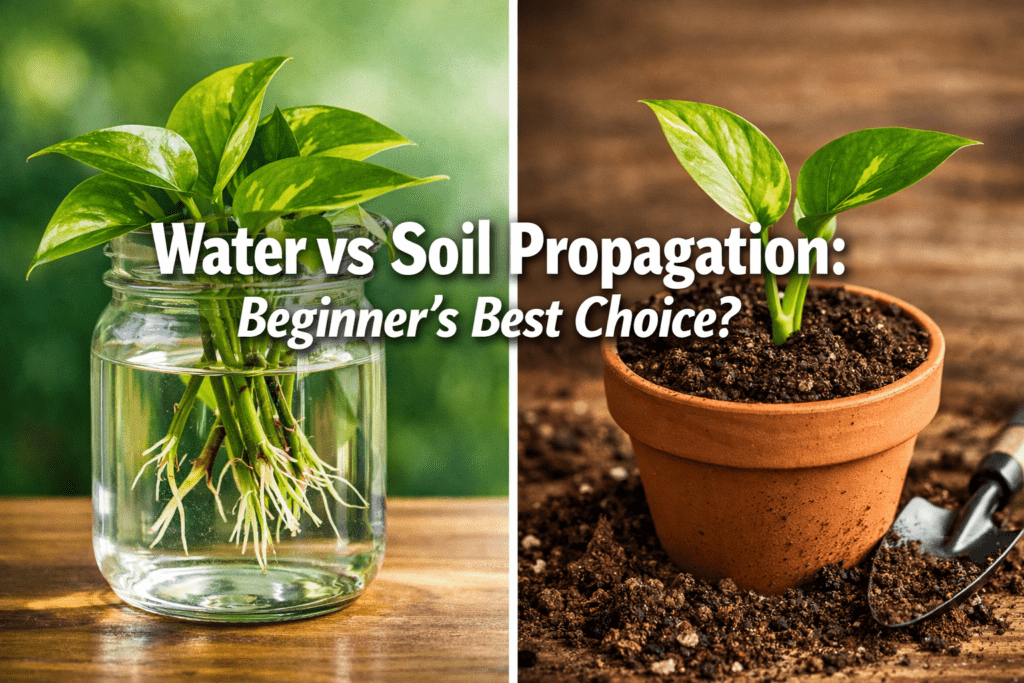
For new plant enthusiasts, choosing between water and soil propagation can feel like a pivotal decision for success. Water propagation often appears simpler and more visually rewarding, allowing you to observe root development directly. However, soil propagation can yield stronger initial root systems and a smoother transition to permanent planting, especially for certain plant types. Ultimately, the “better” method for beginners depends on the specific plant, your level of patience, and your desire for direct observation versus long-term resilience.
Key Takeaways
- Water propagation is excellent for visual learners, offers easy monitoring of root growth, and works well for many common houseplants.
- Soil propagation often produces more robust root systems adapted to their final growing medium, leading to higher success rates after transplanting.
- Plant type is the most significant factor; some plants root better in water (e.g., Pothos, Philodendron), while others thrive in soil from the start (e.g., succulents, many herbs).
- For beginners, starting with readily rooting plants in water can build confidence before exploring soil.
- Transplant shock is a common issue with water-propagated plants when moving them to soil.
- Nutrient availability is higher in soil, supporting stronger initial growth once roots form.
- Sterility is easier to maintain in water propagation, reducing disease risk, but water changes are essential.
- Experimentation is key; try both methods with different cuttings to see what works best for you and your plants.
What is Water Propagation, and When Should Beginners Use It?
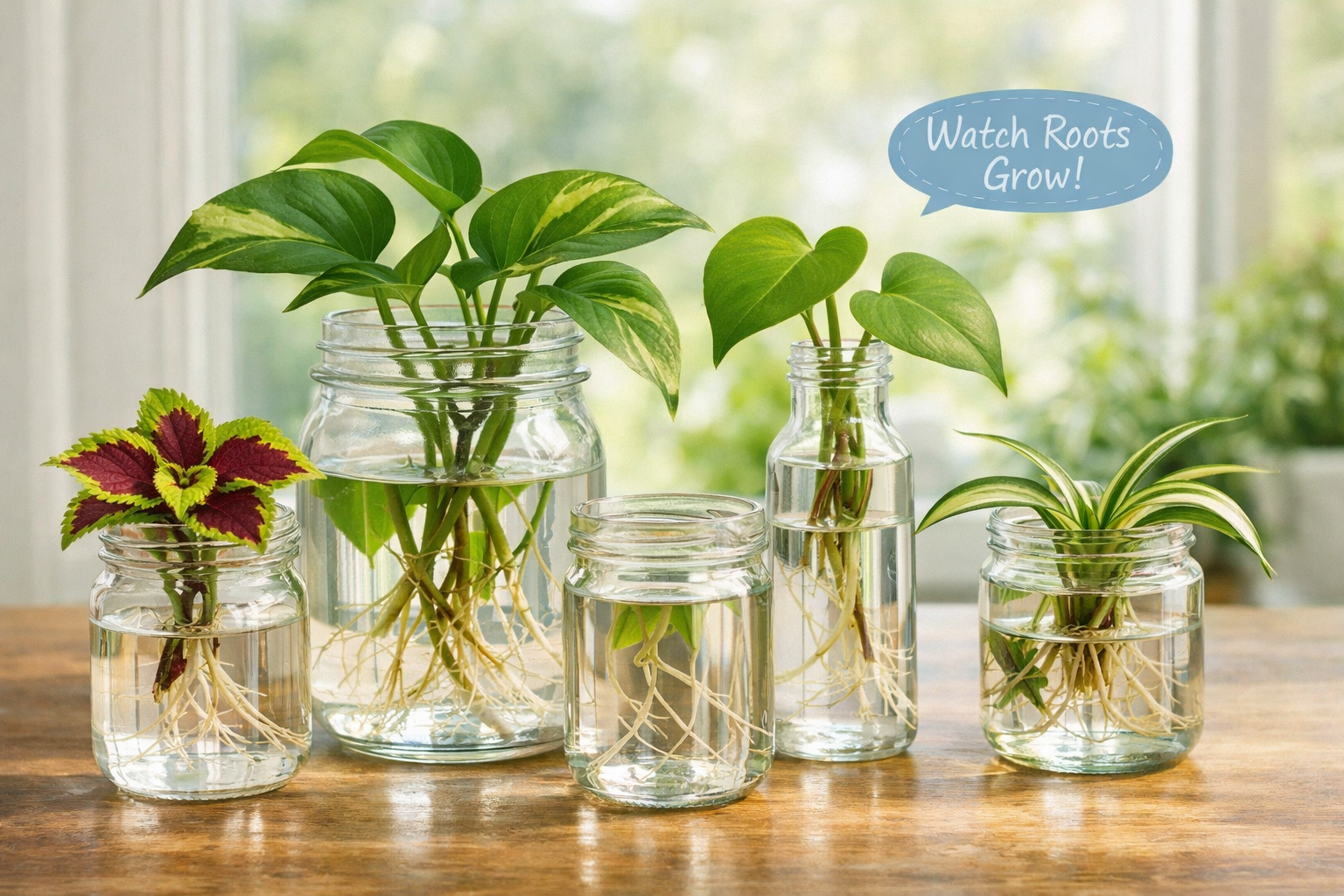
Water propagation involves rooting plant cuttings directly in water, a method often favored by beginners due to its simplicity and the satisfaction of watching roots grow. This technique is best used for plants that root easily from stem cuttings and when you want to closely monitor the rooting process without disturbing the developing root system.
Many popular houseplants are excellent candidates for water propagation. The main advantage for beginners is the visual aspect—you can literally see the roots forming, which is encouraging and helps understand plant biology.
How Water Propagation Works
To propagate in water, you typically take a stem cutting with a few leaves and at least one node (the bump on the stem where leaves or roots emerge). The bottom of the cutting, including the node, is then submerged in water, often in a clear glass vessel.
- Process: Take a healthy cutting, remove lower leaves, place the cutting in a clear container with clean water.
- Water Changes: Replace the water every 3-5 days to replenish oxygen and prevent bacterial growth.
- Root Development: Roots typically appear within 2-4 weeks, depending on the plant species and environmental conditions.
- Ideal Candidates: Pothos, Philodendron, Coleus, Monstera, Lucky Bamboo, and many herbs like Mint and Basil.
Pros of Water Propagation
- Visual Appeal: You can see roots form, which is exciting and educational for beginners.
- Simplicity: Requires minimal supplies—just a cutting and a container of water.
- Cleanliness: No messy soil involved during the initial rooting phase.
- Reduced Disease Risk: Less prone to fungal issues like damping-off, common in overly wet soil.
- Easy Monitoring: It’s simple to check root progress and determine when the plant is ready for soil.
Cons of Water Propagation
- “Water Roots”: Roots developed in water are different from soil roots; they are often weaker and less efficient at absorbing nutrients from soil, leading to transplant shock.
- Lack of Nutrients: Water provides no nutrients, so plants must be moved to soil eventually to thrive long-term.
- Frequent Water Changes: Requires consistent attention to change the water to prevent algae and bacterial growth.
- Not Universal: Some plants simply do not root well in water or prefer soil from the start.
When to Choose Water Propagation
Choose water propagation if you are a visual learner, enjoy observing the growth process, or are propagating plants known to root easily in water. It’s also a good choice for those with limited space or who want to display their cuttings as decorative elements. Remember, plants rooted in water will eventually need to be transitioned to a best soil mix for indoor plants or a suitable potting medium.

What is Soil Propagation, and Why Might It Be Better for Beginners in 2026?
Soil propagation involves rooting plant cuttings directly into a suitable potting medium, mimicking their natural environment. For many plant types, particularly those with delicate root systems or those prone to transplant shock, starting in soil can offer a more robust and less stressful transition to mature growth. In 2026, with increasing awareness of plant resilience and minimizing stress, soil propagation is often recommended for a more sustainable long-term success rate.
How Soil Propagation Works
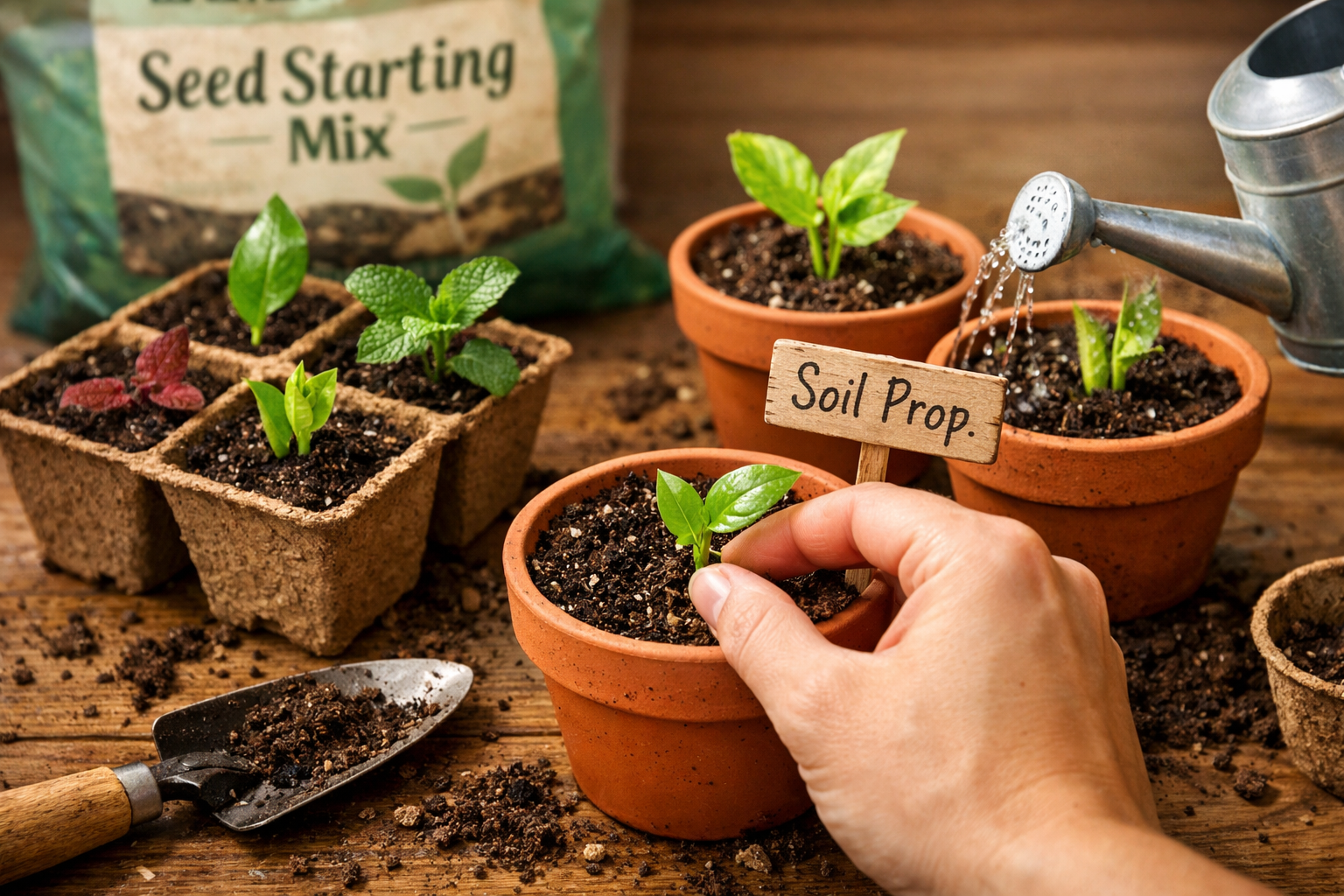
With soil propagation, a cutting is placed directly into a moist, well-draining soil mix designed for propagation or seed starting. This method encourages the development of “soil-adapted” roots from the beginning, which are generally stronger and better equipped to absorb nutrients from the surrounding medium.
- Process: Take a healthy cutting, dip the cut end in rooting hormone (optional but recommended for many plants), and insert it into a pre-moistened, loose soil mix.
- Moisture Control: Maintain consistent, but not overly wet, moisture in the soil. Overwatering is a common mistake for beginners. For guidance on appropriate watering, check our article on watering vegetables correctly.
- Rooting Medium: Use a light, well-draining mix specifically for cuttings, such as a blend of peat moss, perlite, and vermiculite. A best soil mix for container gardening can be adapted.
- Environment: Provide warmth and high humidity, often achieved with a humidity dome or by covering the pot with a plastic bag.
Pros of Soil Propagation
- Stronger Root System: Plants develop roots adapted to soil from day one, leading to less transplant shock and a smoother transition to larger pots or gardens.
- Nutrient Availability: The soil mix provides essential nutrients as the roots develop, promoting healthier initial growth.
- Broader Plant Range: Suitable for a wider variety of plants, including those that struggle in water (e.g., succulents, rosemary, lavender).
- Less Maintenance: Once established, soil-propagated plants often require less frequent attention compared to changing water daily.
- Direct Growth: Once rooted, the plant can continue growing in the same pot without needing an immediate transfer.
Cons of Soil Propagation
- Hidden Progress: You cannot visually monitor root development, which can be frustrating for impatient beginners.
- Risk of Rot: Overwatering can easily lead to fungal diseases and rot, especially if the soil isn’t well-draining. Our guide on common watering mistakes in container gardening can help prevent this.
- Requires More Supplies: Rooting hormone, specialized soil mixes, and humidity domes might be needed.
- Less Sterile: Soil can introduce pests or diseases if not sterilized or if using poor-quality potting mix.
When to Choose Soil Propagation
Opt for soil propagation if you are propagating plants known to prefer it, such as most succulents, woody herbs, or if you want to ensure a more robust root system from the outset. It’s also a good method if you prefer a “set it and forget it” approach once the initial setup is complete, as long as proper moisture is maintained. For those starting their gardening journey, exploring easy vegetables for beginners and propagating them directly in soil can lead to successful harvests
Water vs Soil Propagation: A Direct Comparison for Beginners
When deciding between water vs soil propagation for beginners, it’s helpful to weigh the advantages and disadvantages side-by-side, focusing on factors like ease of use, root development, and long-term success. While water offers immediate visual gratification, soil often provides a more natural and resilient start for a plant’s journey.
| Feature | Water Propagation | Soil Propagation |
|---|---|---|
| Ease for Beginners | Very easy; visual root growth is encouraging. | Easy, but requires more attention to soil moisture. |
| Root Type | “Water roots” – often weaker, adapted to water. | “Soil roots” – stronger, adapted to nutrient absorption. |
| Visibility | Excellent; roots are visible through clear containers. | Poor; roots develop underground. |
| Nutrient Source | None; relies on stored energy in cutting. | Provided by the potting mix. |
| Transplant Shock | High risk when moving to soil. | Low risk; plant is already in its growing medium. |
| Maintenance | Frequent water changes (every 3-5 days). | Consistent moisture monitoring; less frequent changes. |
| Disease/Rot Risk | Low for rot, but algae can form if not changed. | Higher risk of rot/fungus if overwatered. |
| Success Rate | High for easy-rooting plants; variable for others. | Generally higher for overall plant health post-rooting. |
| Best For | Pothos, Philodendron, Lucky Bamboo, visual learners. | Succulents, Rosemary, woody stems, robust growth. |
Common Mistakes to Avoid in Both Propagation Methods
Even with simple propagation techniques, beginners can encounter issues. Knowing what to avoid is crucial for success, whether you choose water vs soil propagation for beginners.
Water Propagation Mistakes
- Not Changing Water: Stagnant water quickly depletes oxygen and harbors bacteria, leading to rot. Change water every few days.
- Too Much Water: Ensure only the nodes are submerged, not the entire cutting. Too much stem in water can lead to decay.
- Leaving Dead Leaves in Water: Decaying organic matter pollutes the water and encourages pathogens. Remove any leaves that fall into the water.
- Transplanting Too Soon or Too Late: Transplanting too soon means roots aren’t developed enough; too late means roots become overly specialized to water and struggle in soil. Aim for roots 1-2 inches long.
Soil Propagation Mistakes
- Overwatering: This is the most common killer. Constantly soggy soil suffocates roots and causes rot. Let the top inch or two of soil dry out slightly between waterings. Read our guide on how often should you water plants for more detail.
- Using Heavy Potting Mix: Garden soil or dense potting mixes retain too much moisture, preventing air circulation essential for root growth. Use a light, well-draining seed-starting mix.
- Insufficient Humidity: Many cuttings need high humidity to prevent drying out before roots form. A humidity dome or plastic bag helps.
- Disturbing Cuttings: Constantly pulling up cuttings to check for roots can damage fragile new growth.
- Lack of Drainage: Ensure your pots have drainage holes to prevent waterlogging. For tips on choosing pots, see our article on how to choose pot size for container plants.
When to Switch from Water to Soil (and How to Do It)
Deciding when and how to transition a water-propagated cutting to soil is critical to prevent transplant shock, which is a significant factor in the water vs soil propagation for beginners debate. The goal is to acclimate the water roots to a new environment gradually.
When to Transition
Wait until the roots are at least 1-2 inches long and have some secondary branching. Very fine, wispy roots are often not ready for the harsher soil environment. Waiting too long can also be detrimental, as the “water roots” become highly specialized and struggle more with the switch.
How to Transition Water-Rooted Cuttings to Soil
- Prepare the Soil: Use a light, well-draining potting mix. A good beginner indoor gardening tips includes using a mix with perlite or vermiculite for aeration.
- Choose a Small Pot: Start with a pot that’s just slightly larger than the root ball. Too large a pot holds too much moisture, increasing rot risk.
- Plant Gently: Create a small hole in the center of the pre-moistened soil. Carefully place the cutting in the hole, ensuring the roots are spread out and not cramped. Gently backfill with soil, lightly patting it down around the base.
- Initial Watering: Water thoroughly after planting to help the soil settle around the roots.
- Acclimation Period: This is the most crucial step. For the first week or two, treat the newly potted plant gently:
- Humidity: Consider placing a clear plastic bag loosely over the plant or using a humidity dome to maintain high humidity. Gradually poke holes in the bag or lift the dome over several days to reduce humidity.
- Light: Place the plant in indirect, bright light, avoiding direct sun.
- Moisture: Keep the soil consistently moist, but not soggy. Do not let it dry out completely during this period.
- Patience: Expect a slight pause in growth as the plant adjusts. Yellowing leaves can be a sign of transplant shock, but new growth indicates successful acclimation.
Which Plants Prefer Water vs Soil Propagation for Beginners?
The plant species itself is often the biggest determinant of which propagation method will yield the best results for beginners. Some plants are incredibly versatile, while others have strong preferences.
Plants That Excel in Water Propagation
These are generally good choices if you’re exploring water vs soil propagation for beginners and want a high success rate and visual satisfaction:
- Pothos (Epipremnum aureum): Almost foolproof. Roots quickly and reliably.
- Philodendron (various species): Similar to Pothos, very forgiving.
- Coleus (Plectranthus scutellarioides): Roots extremely fast in water, often within a week.
- Lucky Bamboo (Dracaena sanderiana): Almost exclusively propagated in water.
- Impatiens: Roots readily and produces flowers quickly.
- Mint, Basil, Rosemary (softwood cuttings): Many herbs root well in water, especially younger, softer stems. For more on herbs, check out beginner-friendly herbs to grow.
Plants That Prefer Soil Propagation
For these plants, starting directly in soil usually leads to stronger, healthier plants with less fuss during the rooting phase:
- Succulents (e.g., Sedum, Echeveria): Stem or leaf cuttings need to “callus” (dry out) for a few days before being placed on or in dry soil. Water propagation almost always leads to rot.
- Cacti: Similar to succulents, they require callusing and dry soil to prevent rot.
- Geraniums: While they can root in water, soil cuttings typically produce more robust plants.
- Rosemary (hardwood cuttings): Older, woodier stems of rosemary prefer soil.
- Lavender: Responds well to soil propagation with rooting hormone.
- Many Woody Shrubs: Lilacs, hydrangeas, and other woody plants generally root best in a moist soil mix, often with rooting hormone.
- African Violets (leaf cuttings): Best rooted by placing the petiole (leaf stem) into moist potting mix.
When in doubt, research the specific plant you wish to propagate. Often, you’ll find recommendations for the most successful method. For general plant care, our beginners guide to plant care offers foundational advice.
Conclusion
For beginners diving into plant propagation, the choice between water and soil isn’t a matter of one being universally “better” than the other, but rather understanding which method suits the specific plant, your learning style, and your long-term gardening goals. Water propagation offers an exciting, visible journey for quickly rooting plants, building confidence with its ease and transparency. However, it comes with the caveat of potential transplant shock. Soil propagation, while less visually immediate, often fosters more resilient “soil-ready” roots, leading to healthier, more stable plant growth after the initial rooting phase.
My recommendation for those new to propagation in 2026 is to start with easy-to-root plants in water to gain familiarity and enjoy the visual process. Once you’ve successfully rooted a few plants this way and understand the transition process, branch out into soil propagation for plants that prefer it or when you desire a stronger, more independent plant from the outset. Don’t be afraid to experiment with both methods for different plant types to discover what works best for you and your green companions. Happy propagating!
FAQ
Q1: Can all plants be propagated in water?
A1: No, not all plants propagate successfully in water. Succulents, cacti, and many woody plants often rot in water and prefer soil.
Q2: How long does it take for roots to form in water propagation?
A2: Rooting time varies greatly by plant, but most common houseplants (like Pothos) will show roots within 1-4 weeks.
Q3: Do I need rooting hormone for propagation?
A3: Rooting hormone is not always necessary for water propagation but can significantly increase success rates and speed up rooting, especially for soil propagation and more challenging cuttings.
Q4: Why are my water-propagated roots turning brown?
A4: Brown roots usually indicate rot, often caused by stagnant, oxygen-depleted water or bacteria. Ensure you change the water frequently (every 3-5 days).
Q5: What kind of soil should I use for soil propagation?
A5: Use a light, well-draining seed-starting mix or a custom blend of peat moss/coco coir, perlite, and vermiculite. Avoid heavy garden soil.
Q6: How do I know if my soil-propagated cutting has rooted?
A6: Gently tug on the cutting. If you feel resistance, it likely has roots. You might also see new leaf growth as a strong indicator.
Q7: Can I leave plants in water indefinitely?
A7: While some plants like Lucky Bamboo can live in water long-term, most water-propagated plants need to be moved to soil eventually to access essential nutrients and grow into healthy, mature specimens.
Q8: What is transplant shock and how can I prevent it?
A8: Transplant shock is stress a plant experiences when moved from one environment to another. Prevent it by gradually acclimating water-rooted plants to soil, maintaining high humidity, and providing indirect light initially.
Sources
- The Old Farmer’s Almanac. (2024). How to Propagate Plants From Cuttings.
- University of Maryland Extension. (2023). Plant Propagation by Cuttings.
Tags: plant propagation, water propagation, soil propagation, plant cuttings, beginner gardening, houseplant care, rooting plants, plant care tips, gardening techniques, growing plants, plant enthusiasts, 2026 gardening guide