Fast Growing Vegetables: 2026 Guide to Quick Harvests
Ever wished you could harvest fresh, homegrown produce in a flash? You can! Fast growing vegetables offer the satisfaction of a garden yield in a remarkably short timeframe, making them ideal for new gardeners, those with limited space, or anyone eager for a continuous supply of fresh greens and roots. In 2026, with innovative varieties and smart gardening techniques, cultivating these rapid growers is more accessible and rewarding than ever before.
Key Takeaways
- Fast-growing vegetables like radishes, lettuce, spinach, and bush beans can be harvested in as little as 3-6 weeks.
- These quick-yield crops are perfect for maximizing small spaces, container gardens, or successional planting.
- Choosing specific fast-maturing varieties significantly reduces time to harvest.
- Optimizing soil, light, and water conditions is crucial for accelerating growth.
- Modern gardening techniques such as smart pots, vertical farming, and precision agriculture can further boost productivity and speed.
- These vegetables provide a continuous supply of fresh produce, often allowing for multiple harvests in one season.
- Even beginners can achieve successful harvests with minimal effort and the right plant care practices.
Quick Answer
Fast growing vegetables are varieties that mature and are ready for harvest in a short period, typically ranging from 20 to 60 days, offering gardeners rapid returns on their efforts. These include leafy greens, root vegetables, and some legumes, which are well-suited for successive plantings, small spaces, and beginners looking for quick success.
What Are the Best Fast Growing Vegetables for Quick Harvests?
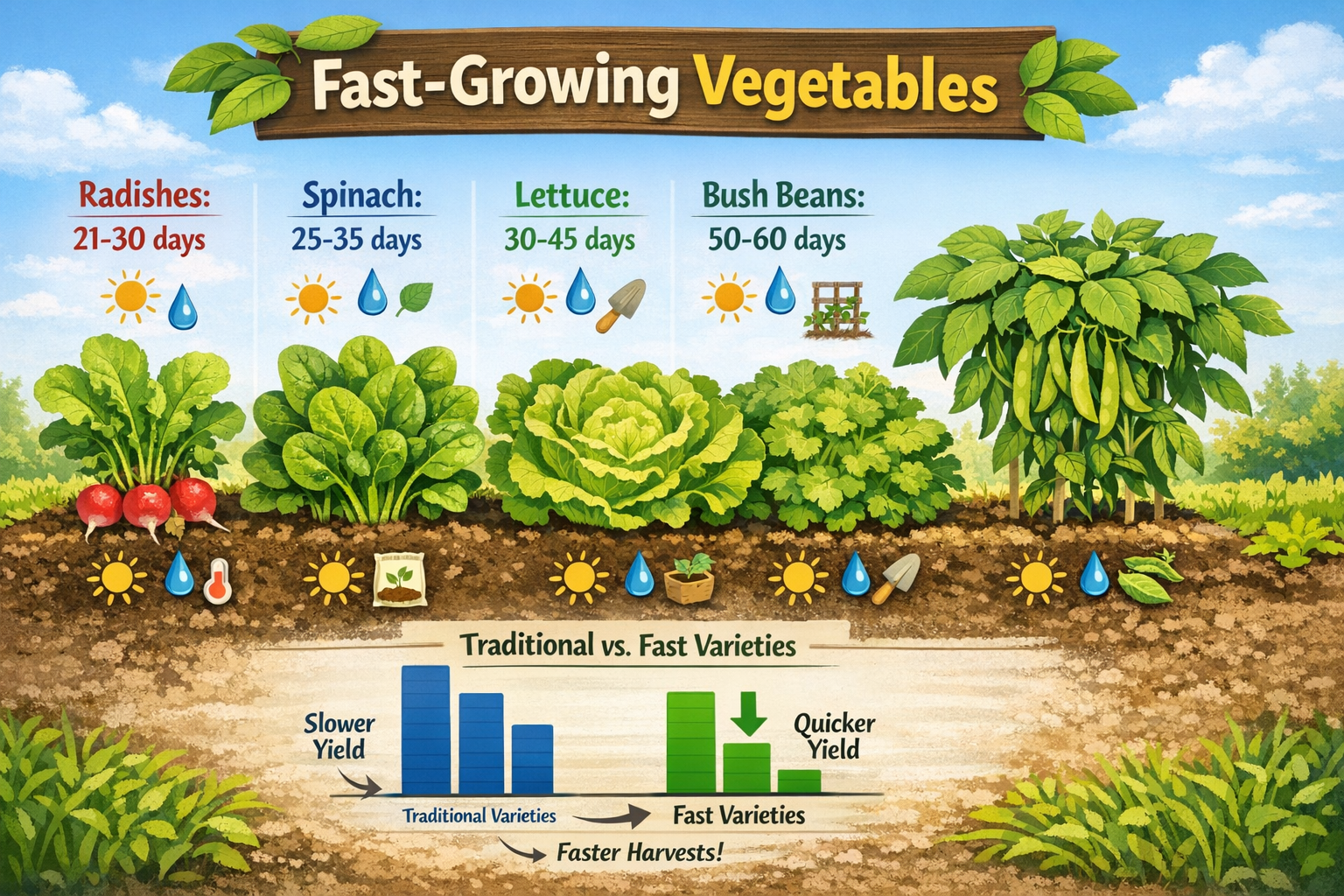
The best fast growing vegetables for quick harvests are those that mature in 60 days or less, providing a fresh yield in a relatively short period. These include a variety of leafy greens, root vegetables, and some legumes, making them excellent choices for gardeners seeking immediate gratification or a continuous supply of fresh produce.
Here are some of the top contenders:
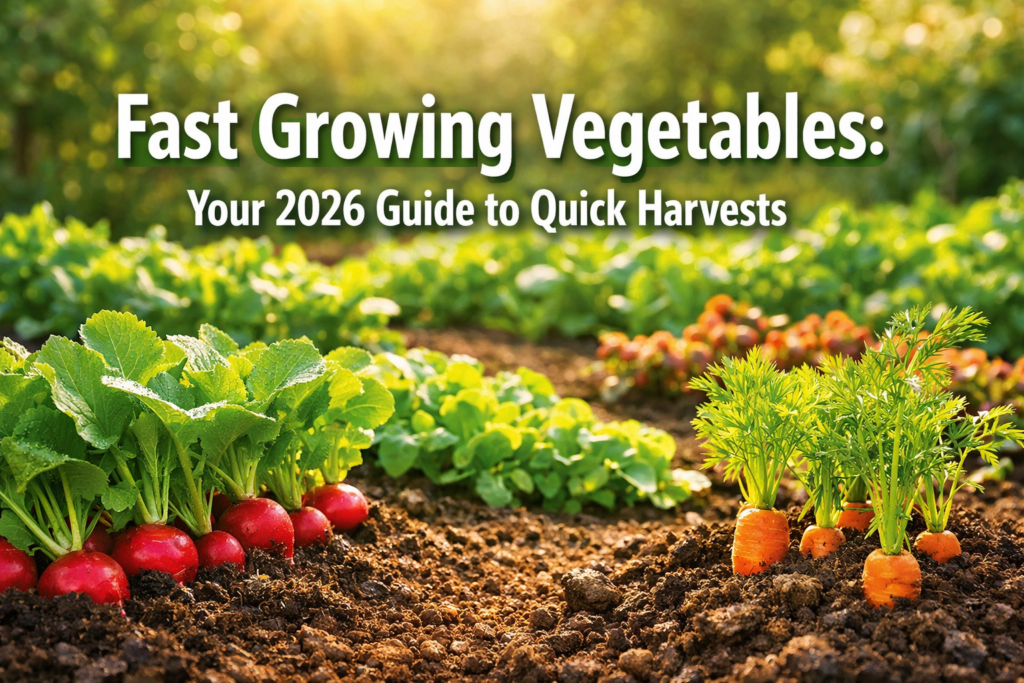
- Radishes (21-30 days) 🥕: Perhaps the quintessential fast grower, radishes can go from seed to plate in under a month. They thrive in cool weather and loose soil, offering a peppery crunch. ‘Cherry Belle’ and ‘French Breakfast’ are popular, fast-maturing varieties.
- Lettuce (30-60 days) 🥬: Many lettuce varieties are ready for harvest in 30 days for baby leaves, or 60 days for full heads. Loose-leaf varieties like ‘Black Seeded Simpson’ and ‘Salad Bowl’ are particularly fast, allowing for “cut-and-come-again” harvesting.
- Spinach (30-45 days) 🌿: This nutrient-packed leafy green grows quickly, especially in cooler temperatures. You can harvest baby spinach leaves in about a month, or wait a bit longer for larger leaves. ‘Bloomsdale Long Standing’ and ‘Tyee’ are reliable choices.
- Arugula (20-40 days) 🌱: Known for its peppery flavor, arugula is incredibly fast-growing. Baby leaves can be ready in just 20 days, making it perfect for frequent salads.
- Bush Beans (45-60 days) 🫘: Unlike pole beans, bush beans don’t require trellising and produce their harvest all at once, usually within 50-60 days. Varieties like ‘Contender’ and ‘Provider’ are excellent for rapid yields.
- Bok Choy (30-50 days) 🥬: This Asian green is a cool-season favorite, offering tender leaves and crisp stalks. Baby bok choy can be harvested in about 30 days.
- Turnips (30-60 days) 🍠: Depending on whether you’re growing for greens or roots, turnips can be harvested quickly. The greens are ready in about 30 days, while the roots take 40-60 days. ‘Purple Top White Globe’ is a common variety.
- Mustard Greens (20-40 days) 🍃: These zesty greens mature quickly, providing a pungent addition to salads or stir-fries. ‘Southern Giant Curled’ is a popular, fast-growing option.
When selecting seeds, always check the “days to maturity” listed on the packet. If you have a small space or are engaging in small space vegetable gardening, these fast-growing options are ideal for maximizing your yield.
How Can Gardeners Maximize Yields of Fast Growing Vegetables?
Gardeners can maximize yields of fast growing vegetables by optimizing growing conditions, employing smart gardening techniques, and utilizing specific plant care strategies tailored to rapid growth. This approach focuses on efficiency and providing ideal environments for quick maturation.
Here are key strategies:
- Choose the Right Varieties: Select specific cultivars known for their speed and productivity. For instance, new vegetable varieties like Cornell’s ‘Sweet Bea’ squash or ‘Habanada’ pepper are bred for efficiency, and the ‘Red Impact’ pepper has shown nearly double the productivity rate compared to other varieties [1, 5]. For tabletop gardening, the RHS recommends miniature peppers, compact courgettes, and baby leaf salads [8].
- Prepare Optimal Soil: Fast growers need nutrient-rich, well-draining soil. Amend your garden beds or containers with compost before planting. For container gardening, using a high-quality potting mix designed for vegetables is essential. Proper soil basics for container gardening can make a significant difference.
- Ensure Adequate Sunlight: Most fast growing vegetables require at least 6-8 hours of direct sunlight daily to perform their best. If light is limited, consider supplemental grow lights, especially for indoor gardening for small homes & apartments.
- Consistent Watering: Rapid growth demands consistent moisture. Utilize technologies like smart pots with moisture sensors that can automate watering, ensuring plants receive the precise amount they need without over or under-watering [2]. If you’re watering manually, refer to guides like how often should you water plants? for best practices.
- Strategic Fertilization: Provide a balanced fertilizer, or one slightly higher in nitrogen for leafy greens, to support vigorous growth. Organic amendments can also slowly release nutrients over time.
- Succession Planting: To ensure a continuous harvest, plant small batches of seeds every 2-3 weeks rather than planting all at once. This staggers your harvest and prevents a glut of produce.
- Utilize Smart Containers & Vertical Space:
- Smart Pots and Air Pots: These specialized containers are designed to optimize root systems. Smart pots can enhance drainage and aeration, while air pots prevent root circling and promote stronger, healthier growth with better aeration [2].
- Vertical Gardening: This technique multiplies usable surface area, allowing you to grow more in a smaller footprint. Vertical gardening guide for small spaces can help you get started.
- Container Gardening: For those with limited ground space, growing vegetables for small space gardening in containers is highly effective. Ensure you select the best pots for small space gardening to maximize your yield.
- Pest and Disease Management: Regularly inspect your plants for signs of pests or disease. Early detection and intervention prevent issues from slowing down growth or destroying your crop.
- Efficient Lighting: If growing indoors or in shaded areas, efficient lighting systems, especially LED lights, can significantly improve growth and even flowering quality when positioned correctly [2].
By integrating these strategies, even beginner gardeners can achieve impressive yields from their fast growing vegetables throughout the 2026 growing season.
How Do Environmental Factors Affect the Growth Rate of Fast Growing Vegetables?
Environmental factors significantly influence the growth rate of fast growing vegetables, with light, temperature, water, and soil quality being paramount. Optimal conditions accelerate maturation, while suboptimal ones can stunt growth or lead to bolting.
- Sunlight: Fast growing vegetables generally require ample sunlight, typically 6-8 hours daily. Insufficient light leads to leggy, weak plants and slower growth. Conversely, too much intense, direct sun can sometimes stress young plants, especially leafy greens, leading to premature bolting (going to seed) in warmer temperatures.
- Temperature: Most fast-growing leafy greens and root vegetables thrive in cooler temperatures (e.g., 50-75°F or 10-24°C). Temperatures too high can cause many of these plants to bolt quickly, making the leaves bitter or inedible. For example, spinach and lettuce will often bolt in sustained summer heat. Frost can damage or kill tender seedlings.
- Water: Consistent moisture is critical for rapid, healthy growth. Fast-growing plants need regular watering, especially in containers, as they are actively developing roots, shoots, and leaves. Irregular watering can lead to stress, cracking in root vegetables, or bitterness in leafy greens. However, overwatering can cause root rot and fungal diseases. Smart pots and automated irrigation systems can help maintain ideal moisture levels [2].
- Soil Quality: Well-draining, nutrient-rich soil is essential. Loose soil allows root vegetables to expand easily and prevents waterlogging. Organic matter improves soil structure, water retention, and provides a steady supply of nutrients, which directly fuels rapid growth. Compacted or poor soil hinders root development and nutrient uptake.
- Nutrient Availability: Fast growers quickly deplete soil nutrients. Regular feeding with balanced fertilizers or rich compost ensures they have the necessary building blocks for rapid development. Precision agriculture technologies using remote sensing and AI-driven analytics are increasingly guiding variable-rate nutrient applications to optimize growth [4].
Understanding and controlling these environmental factors allows gardeners to create an ideal habitat that pushes fast growing vegetables to their peak potential, ensuring a quick and bountiful harvest in 2026.
What Are Common Mistakes to Avoid When Growing Fast Growing Vegetables?
When cultivating fast growing vegetables, common mistakes often stem from impatience or overlooking basic plant needs, which can hinder their rapid development and reduce yields. Avoiding these pitfalls ensures a more successful and abundant harvest.
Here are some common mistakes and how to avoid them:
- Overcrowding Seeds/Seedlings:
- Mistake: Planting seeds or seedlings too close together. This leads to competition for light, water, and nutrients, slowing down growth for all plants.
- Solution: Follow spacing recommendations on seed packets. Thin seedlings promptly once they reach a few inches tall. For example, radishes and carrots need adequate space to develop their roots fully.
- Inconsistent Watering:
- Mistake: Allowing the soil to dry out completely between waterings or consistently overwatering. Both extremes stress plants and impede growth.
- Solution: Maintain consistent soil moisture. Check the soil frequently, especially in containers. Consider using smart pots or drip irrigation for automated, precise watering [2]. New gardeners can learn from our Beginner’s Guide to Plant Care 2026 for watering basics.
- Poor Soil Preparation:
- Mistake: Planting in heavy, compacted, or nutrient-poor soil. This prevents roots from expanding and accessing essential nutrients.
- Solution: Amend soil with compost or well-rotted manure before planting. For containers, use a high-quality, well-draining potting mix.
- Insufficient Sunlight:
- Mistake: Placing plants in a location that receives less than 6 hours of direct sunlight daily.
- Solution: Choose the sunniest spot in your garden or balcony. If growing indoors, use supplemental grow lights.
- Ignoring Pest and Disease Issues:
- Mistake: Failing to regularly inspect plants, allowing pests or diseases to take hold and damage fast-growing crops quickly.
- Solution: Monitor plants daily. Address issues promptly with organic pest control methods or by removing affected plant parts.
- Planting Too Much at Once:
- Mistake: Planting an entire packet of seeds for one crop simultaneously, resulting in a massive harvest all at once and subsequent waste.
- Solution: Practice succession planting. Sow small batches of seeds every 1-2 weeks for a continuous, manageable harvest.
- Harvesting Too Late:
- Mistake: Waiting too long to harvest, especially for leafy greens, which can become bitter or bolt in the heat.
- Solution: Harvest leafy greens and root vegetables when they are young and tender for the best flavor and texture. With “cut-and-come-again” crops like lettuce and spinach, pick outer leaves as needed.
- Neglecting Nutrient Needs:
- Mistake: Assuming fast-growing vegetables don’t need additional feeding. Rapid growth consumes nutrients quickly.
- Solution: Supplement with a balanced, organic liquid fertilizer every few weeks, especially for container-grown plants.
By being mindful of these common mistakes, you can ensure your fast growing vegetables thrive and provide bountiful, delicious harvests. Many of these issues are discussed in our Beginner Mistakes in Small Space Gardening 2026 guide.
Can Fast Growing Vegetables Thrive in Small Spaces or Containers?
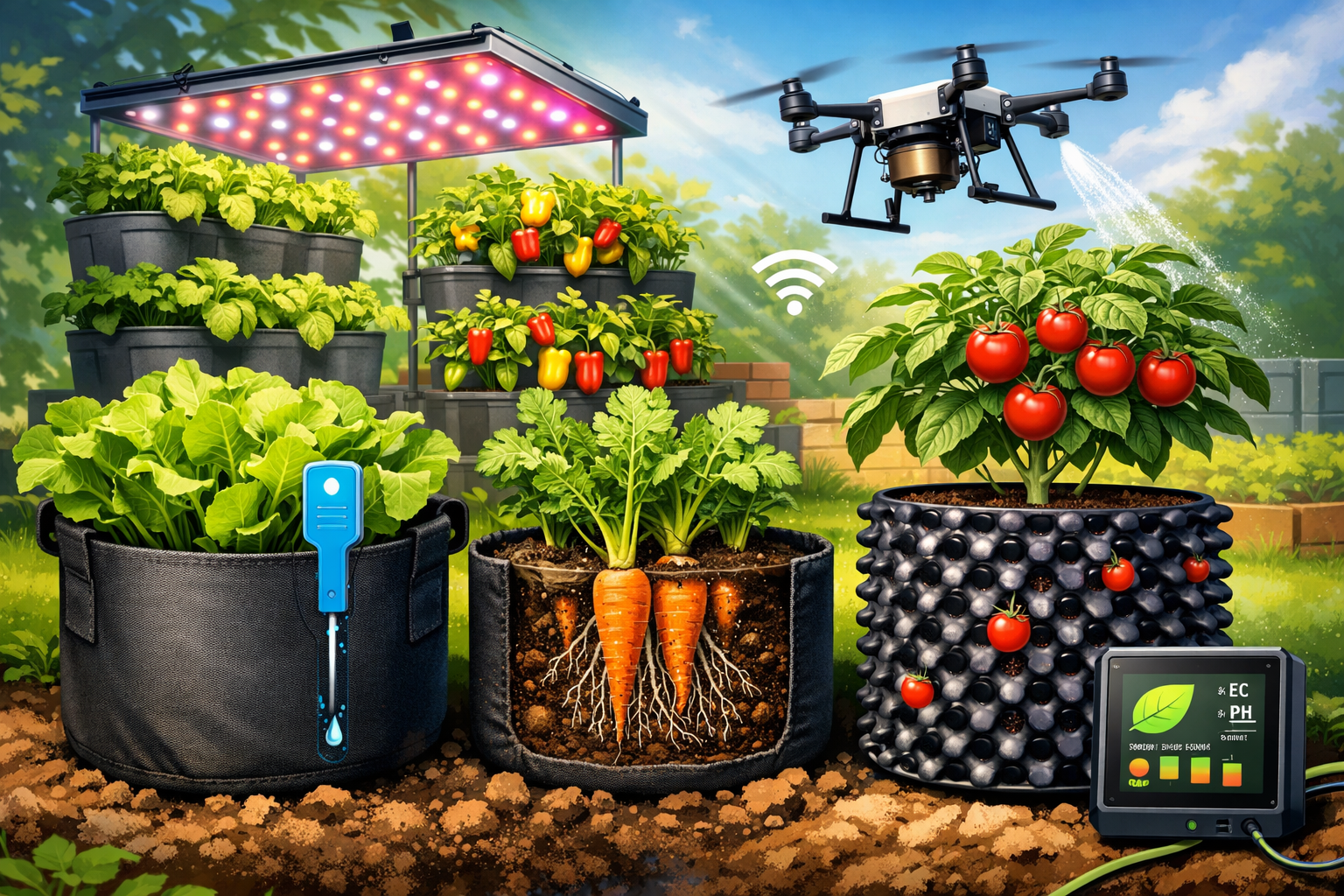
Yes, fast growing vegetables are exceptionally well-suited for thriving in small spaces and containers, making them an excellent choice for urban gardeners, apartment dwellers, or anyone with limited outdoor area. Their compact growth habits and quick maturation cycles allow for efficient use of space and multiple harvests per season.
Many of these plants naturally have smaller footprints, or their “baby” stages are edible, which aligns perfectly with the constraints of container and small-space gardening. For example, the RHS notes that tabletop varieties like cherry tomatoes, miniature peppers, and compact courgettes are growing trends for 2026, suitable even for a windowsill [8].
Here’s why they excel:
- Compact Nature: Most fast growers, especially leafy greens (lettuce, spinach, arugula, bok choy), radishes, and bush beans, have a relatively small root system and above-ground footprint. This means they don’t require large plots of land to flourish.
- Quick Turnaround: Their short “days to maturity” allows gardeners to harvest a crop and then replant immediately, maximizing the yield from a single container or small bed over the growing season. This is ideal for vertical gardening basics where space is at a premium.
- Container Versatility: They adapt well to various container sizes and types, from window boxes and grow bags to smart pots and raised beds. This flexibility is crucial for balcony gardening or a simple mini garden at home.
- “Cut-and-Come-Again” Harvesting: Many leafy greens allow you to harvest outer leaves repeatedly, extending the productive life of a single plant in a container.
- Vertical Gardening Potential: Fast-growing vining plants or those that can be trellised (like some bush beans or small cucumbers if you choose slightly longer maturing options) can be incorporated into vertical gardening setups, further maximizing square footage.
To ensure success in small spaces, focus on high-quality potting mix, consistent watering (using self-watering planters or smart pots can be beneficial), and adequate sunlight. For more options, explore our guide on best plants for small gardens 2026.
What Role Do New Varieties and Technology Play in Growing Fast Growing Vegetables in 2026?
New varieties and advanced technology are revolutionizing the cultivation of fast growing vegetables in 2026, enabling unprecedented efficiency, higher yields, and climate resilience. These innovations cater to both commercial growers and home gardeners, making it easier to produce fresh produce rapidly.
- Innovative Vegetable Varieties: Plant breeders are continuously developing new cultivars optimized for speed, yield, and resistance.
- Cornell University has introduced varieties like ‘Sweet Bea’ squash, which is four times larger than traditional varieties, and the ‘Habanada’ pepper, designed for efficiency [1].
- The ‘Red Impact’ pepper, for example, has shown nearly double the productivity rate compared to other varieties tested in 2026, demonstrating the significant impact of specific breeding [5].
- WorldVeg is focusing on breeding vital vegetables such as tomato, pepper, legumes, and eggplant, with an emphasis on heat, pest, and disease-resistant varieties to ensure climate resilience and faster growth cycles [3]. These developments ensure that plants not only grow quickly but also thrive under challenging conditions.
- Smart Gardening Technologies: Technology now plays a critical role in optimizing the growing environment.
- Smart Pots and Air Pots: These advanced containers optimize root health and growth. Smart pots can integrate moisture sensors for automated watering, while air pots, with their perforated designs, prevent root twisting and promote superior aeration and healthier root development, leading to stronger, more productive plants [2].
- Precision Agriculture: Remote sensing, in-field cameras, and AI-driven analytics are guiding variable-rate irrigation and nutrient applications. This allows for precise control over growing conditions, ensuring plants receive exactly what they need, when they need it, accelerating growth and minimizing waste [4].
- Efficient Lighting: For indoor and vertical gardening setups, efficient LED lighting, strategically positioned above and within plant canopies, can significantly improve flowering quality and overall growth rates [2].
- Automated Systems: The integration of sensors and automation allows for consistent control over irrigation, substrate, and nutrition, creating ideal growing conditions that reduce the time to harvest and increase overall output, particularly in controlled environments and indoor gardening.
These advancements collectively empower gardeners to cultivate fast growing vegetables with greater success and efficiency than ever before, aligning with the increasing market demand for ready-to-eat and snack-sized produce and the growing popularity of organic vegetables [4].
Comparison Table: Common Fast Growing Vegetables
| Vegetable Type | Days to Harvest (Approx.) | Ideal Growing Conditions | Best for Small Spaces? | Notes |
|---|---|---|---|---|
| Radishes | 21-30 days | Cool, moist, loose soil | Yes (small roots) | Peppery, quick yield |
| Lettuce | 30-60 days (baby: 30) | Cool, consistent moisture | Yes (cut-and-come-again) | Many varieties |
| Spinach | 30-45 days (baby: 30) | Cool, moist, rich soil | Yes | Nutrient-dense |
| Arugula | 20-40 days (baby: 20) | Cool, well-drained soil | Yes | Zesty flavor |
| Bush Beans | 45-60 days | Warm, full sun | Yes (compact plants) | Pods ripen quickly |
| Bok Choy | 30-50 days (baby: 30) | Cool, moist, rich soil | Yes | Mild, crisp Asian green |
| Turnips | 30-60 days (greens: 30) | Cool, loose soil | Yes | Roots and greens |
Conclusion
Embracing fast growing vegetables offers an immensely rewarding experience for gardeners of all skill levels, especially in 2026. From the rapid gratification of a radish harvest in mere weeks to the continuous supply of fresh greens from succession-planted lettuce and spinach, these quick-yield crops are invaluable. By selecting the right varieties, optimizing environmental conditions, and leveraging modern gardening technologies like smart pots and precision agriculture, you can transform your gardening efforts into a highly productive and enjoyable endeavor. Whether you’re maximizing a small urban balcony or enriching a traditional garden bed, the promise of fresh, homegrown produce in a flash is well within reach.
Actionable Next Steps:
- Identify Your Space: Determine your available growing area (garden bed, containers, windowsill, balcony).
- Select 1-2 Fast Growers: Choose a couple of fast-growing vegetables from our list that appeal to you and suit your climate.
- Source Quality Seeds: Purchase seeds from a reputable supplier, paying attention to “days to maturity” and variety descriptions.
- Prepare Your Soil: Ensure your planting medium is rich, well-draining, and appropriate for your chosen vegetables.
- Start Planting: Follow seed packet instructions for depth and spacing, and consider succession planting for continuous harvests.
- Monitor & Nurture: Provide consistent water, adequate sunlight, and keep an eye out for pests or diseases. Enjoy the swift journey from seed to plate!
FAQ
What is the fastest growing vegetable?
Radishes are often considered the fastest growing vegetable, with some varieties ready for harvest in as little as 21 days from planting.
Can fast growing vegetables be grown indoors?
Yes, many fast growing vegetables, especially leafy greens like lettuce, spinach, and arugula, thrive indoors with adequate light (natural or supplemental grow lights) and consistent watering.
What does “cut-and-come-again” mean for vegetables?
“Cut-and-come-again” refers to vegetables, typically leafy greens, that allow you to harvest the outer leaves while the plant continues to produce new growth from the center, providing multiple harvests from a single plant.
Do fast growing vegetables require special soil?
Fast growing vegetables benefit from well-draining, nutrient-rich soil amended with compost, but do not necessarily require “special” soil. Consistent moisture and nutrients are more important.
Are fast growing vegetables less nutritious?
No, the speed of growth does not diminish their nutritional value. Fast growing vegetables are just as nutritious as their slower-growing counterparts, packed with vitamins and minerals.
What are some common challenges when growing fast growing vegetables?
Common challenges include bolting (going to seed prematurely) in hot weather, pest infestations, inconsistent watering, and overcrowding, all of which can be managed with proper care.
Can I grow fast growing vegetables in winter?
Many fast growing vegetables, particularly leafy greens like lettuce, spinach, and arugula, are cool-season crops and can be grown in mild winters or extended with season extenders like cold frames, or indoors under grow lights.
What is the advantage of using smart pots for fast growing vegetables?
Smart pots and air pots improve root health and aeration, prevent root circling, and can integrate moisture sensors for automated, precise watering, all contributing to stronger, more productive plants and faster growth [2].
References
[1] What S Ahead In Food For 2026 – https://www.hortidaily.com/article/9799633/what-s-ahead-in-food-for-2026/
[2] Plant Based Trends To Watch Smarter Greener Growing For 2026 – https://atami.com/blog/cultivation/plant-based-trends-to-watch-smarter-greener-growing-for-2026
[3] From Vision To Action Strategy 2026 2033 – https://avrdc.org/from-vision-to-action-strategy-2026-2033/
[4] 2026 State Of The Vegetable Industry – https://vegetablegrowersnews.com/article/2026-state-of-the-vegetable-industry/
[5] Watch – https://www.youtube.com/watch?v=UQLlEKMTxw0
[8] The Rhs Says Tabletop Vegetables Are 2026s Biggest Growing Trend Even A Windowsill Will Do – https://berkorange.co.uk/the-rhs-says-tabletop-vegetables-are-2026s-biggest-growing-trend-even-a-windowsill-will-do/