Best Vegetables for Small Space Gardening in 2026
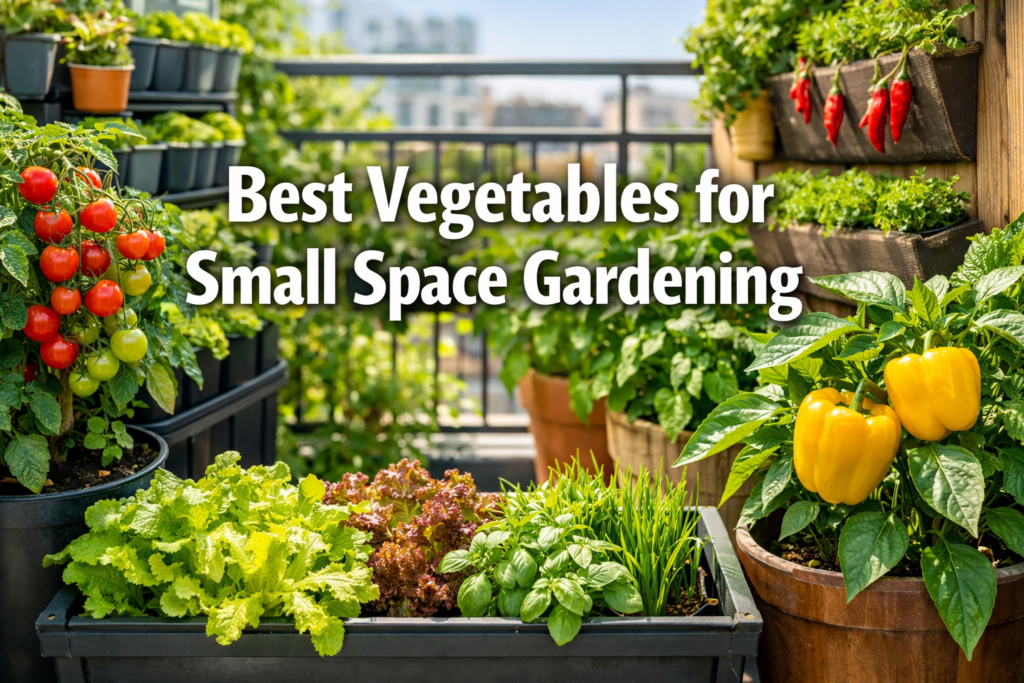
Are you dreaming of fresh, home-grown produce but only have a tiny balcony, a small patio, or even just a sunny windowsill? Growing your own food, even in limited areas, is entirely achievable in 2026 with the right vegetable choices and techniques. This guide will explore the best vegetables for small space gardening, focusing on varieties that thrive in containers, vertical setups, or compact plots, allowing you to maximize every inch of your available growing area.
Key Takeaways
- Compact Varieties are Key: Choose bush or determinate varieties over vining ones for plants like tomatoes, cucumbers, and squash, or opt for vining types to train vertically.
- Vertical Gardening Maximizes Space: Trellises, stakes, and hanging planters are essential for vining plants like cucumbers, pole beans, and indeterminate tomatoes.
- Container Suitability: Most small-space vegetables thrive in pots, but ensure adequate drainage and appropriate soil for optimal growth.
- High-Yield Choices: Focus on vegetables that produce continuously or offer a significant harvest from a single plant, such as cherry tomatoes, chard, and specific pepper varieties.
- Fast Growers for Quick Harvests: Radishes and lettuce offer quick turnarounds, allowing for multiple harvests within a single growing season.
- Strategic Plant Pairing: Consider companion planting to optimize space and plant health, selecting varieties with similar light and water needs.
Quick Answer
The best vegetables for small space gardening are those with compact growth habits, high productivity in limited soil volume, or a natural tendency to grow vertically, such as cherry tomatoes, bush beans, specific compact squash and cucumber varieties, leafy greens like chard and spinach, radishes, and peppers. Selecting the right varieties and utilizing techniques like vertical gardening allows even the smallest areas to become productive food gardens.
Which Vegetables Are Most Productive for Small Space Gardening?
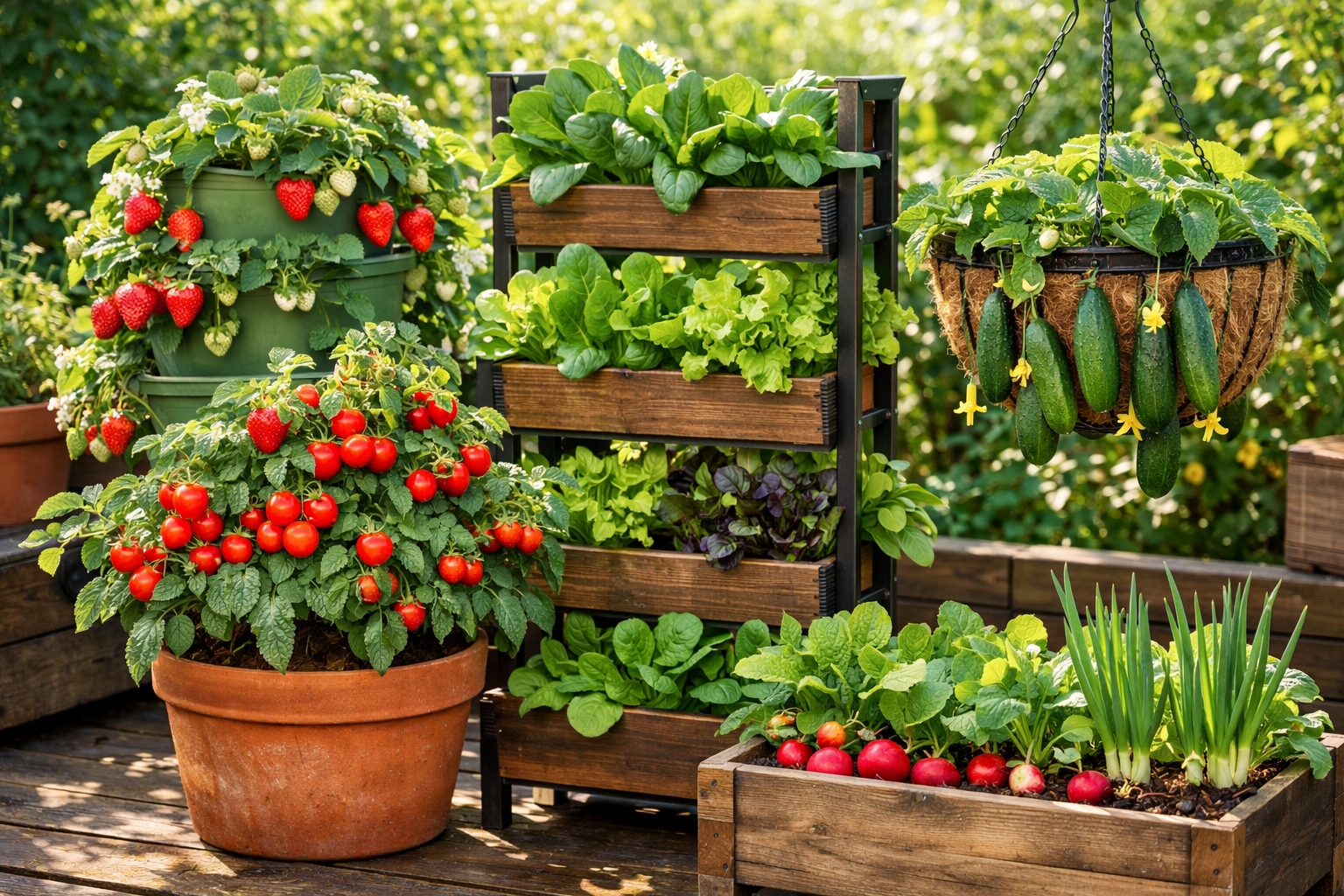
For small space gardening, the most productive vegetables are those that offer a high yield relative to their footprint, often through continuous harvesting, compact growth, or efficient vertical use of space. These include specific varieties of tomatoes, cucumbers, zucchini, peppers, and leafy greens.
When maximizing yield in a limited area, selecting the right variety is crucial. For example, Sungold Cherry Tomatoes are an award-winning variety known for “insane sweetness, disease resistance and unstoppable” performance, making them incredibly productive in containers [4]. Similarly, the Merlin Cucumber has been identified as a top performer, yielding abundantly even in smaller setups [2]. For zucchini, Sanabria Zucchini is “incredibly productive” when grown in confined spaces [2]. Other high-yield options include Brandy Boy Tomatoes, Red Impact Sweet Peppers, and Garden Salsa Hot Peppers, which consistently rank among the most productive options for 2026 gardens [2].
- Tomatoes: Look for determinate (bush) varieties or compact indeterminate types like ‘Balcony Patio Princess’, ‘Tumbler’, or ‘Lizzano’ which thrive in pots and offer continuous harvests [1]. Cherry tomatoes, in particular, are prolific.
- Cucumbers: Choose bush varieties or train vining types like ‘Merlin’ vertically on a trellis to save ground space.
- Zucchini & Summer Squash: Select bush varieties such as ‘Bush Zucchini’ or ‘Early Prolific Squash’ which mature quickly (around 45 days) and have a compact footprint [1].
- Peppers: Both sweet and hot peppers, including ‘Red Impact’ and ‘Garden Salsa’ varieties, grow well in containers and offer ongoing harvests throughout the season.
- Chard: Reaching full size in about 60 days, chard like ‘Verde De Taglio’ and ‘Fordhook Giant’ grows well in pots and can be harvested repeatedly by taking outer leaves [1].
What Are the Best Vegetables for Container Gardening in Small Spaces?
The best vegetables for container gardening in small spaces are those that naturally have a compact root system, bush-like growth, or varieties specifically bred for pot cultivation, ensuring they thrive without needing extensive ground space. These include many leafy greens, radishes, carrots, bush beans, compact tomatoes, and peppers.
Container gardening is an excellent strategy for small spaces like balconies, patios, or even windowsills. The key is to choose appropriate pot sizes and ensure good drainage. For successful container gardening, consider using high-quality potting mix formulated for containers, as it provides better aeration and drainage than garden soil. Many “Best Vegetables for Small Space Gardening” guides emphasize the importance of variety selection for containers.
Here’s a breakdown of top choices for containers:
- Leafy Greens: Lettuce, spinach, arugula, and chard (e.g., ‘Verde De Taglio’, ‘Fordhook Giant’) are perfect. They grow quickly, tolerate partial shade, and can be harvested “cut-and-come-again” style for continuous production [1].
- Radishes: Fast-growing and ready in about 45 days, radishes are ideal for quick turnarounds in pots [1]. ‘Icicle’ radish is a good choice for smaller spaces [1].
- Carrots: Opt for “stump-rooted” or “miniature” varieties like ‘Danvers Half Long’ or ‘Paris Market’ which don’t require deep soil.
- Bush Beans: Unlike pole beans, bush beans (e.g., stringless varieties) grow compactly and don’t require extensive support, making them excellent for pots [1]. They mature in approximately 64 days [1].
- Compact Tomatoes: As mentioned, varieties like ‘Balcony Patio Princess’, ‘Tumbler’, and ‘Lizzano’ are specifically bred for container growing [1]. Ensure they have at least a 5-gallon pot for optimal growth.
- Peppers: Both bell peppers and hot peppers thrive in containers, preferring larger pots (3-5 gallons) and plenty of sunlight.
- Eggplant: Compact varieties such as ‘Casper’, ‘Fairy Tale’, ‘Gretel’, and ‘Thai Purple Blush’ hybrid can be grown successfully in 5-gallon containers, taking 65-80 days from transplanting to harvest [1].
Decision Rule: Choose vegetables with “bush” or “dwarf” in their name if you want to avoid trellising, otherwise, ensure you have a plan for vertical support if selecting vining varieties. For optimal results, refer to our guide on Best Pots for Small Space Gardening in 2026 to select the right vessels for your plants.
How Can Vertical Gardening Maximize Yield for Small Spaces?
Vertical gardening maximizes yield for small spaces by allowing vining plants to grow upwards, utilizing vertical planes instead of sprawling horizontally, thereby increasing the number of plants that can be grown in a limited footprint. This method is particularly effective for “Best Vegetables for Small Space Gardening” that are natural climbers.
By training plants to grow upwards on trellises, stakes, cages, or hanging planters, gardeners can significantly increase their harvest without needing more ground space. This technique is indispensable for small backyards, balconies, and patios. For more detailed insights, check out our Vertical Gardening Guide for Small Spaces: Grow More in 2026.
Here are the best vegetables for vertical gardening and how to implement them:
- Cucumbers: Vining cucumbers like ‘Merlin’ can be trained on trellises, saving valuable ground space [3]. Provide sturdy support as the fruits can become heavy.
- Indeterminate Tomatoes: Varieties like ‘Sungold Cherry’ or ‘Brandy Boy’ will continue to grow and produce fruit throughout the season if given vertical support like stakes or cages [3]. This is different from determinate (bush) varieties, which typically produce all their fruit at once.
- Pole Beans: Unlike bush beans, pole bean varieties like ‘Romano’ or ‘Blauhilde’ are natural climbers and can produce much larger yields over a longer period when grown on a trellis or tepee [1, 3]. They mature in about 64 days [1].
- Peas: Both shelling peas and snap peas are excellent candidates for vertical growth on netting or trellises.
- Winter Squash/Cantaloupe (Compact Varieties): While some can be heavy, certain smaller vining winter squash or cantaloupe varieties can be grown vertically if given strong support and slings for developing fruit [3].
Common Mistake: Failing to provide adequate and sturdy support from the beginning can lead to plant damage or collapse once the plants are heavy with fruit. Install trellises or stakes when transplanting seedlings.
What Fast-Growing Vegetables Are Best for Quick Harvests in Small Gardens?
Fast-growing vegetables are those that reach maturity and are ready for harvest in a short timeframe, allowing gardeners in small spaces to enjoy multiple harvests within a single growing season. These include radishes, lettuce, spinach, and other quick-turnaround greens.
For gardeners eager to see results quickly or those with very short growing seasons, selecting rapid-maturing vegetables is a smart strategy. These plants are ideal for succession planting, where you plant new seeds every few weeks to ensure a continuous supply.
Consider these quick-harvest options:
- Radishes: Often ready in as little as 3-4 weeks (around 45 days) from seed, radishes are the quintessential fast-growing vegetable [1]. Varieties like ‘Icicle’ are good for small spaces [1].
- Lettuce: Many loose-leaf lettuce varieties can be harvested within 30-45 days, and some can be cut multiple times.
- Spinach: Similar to lettuce, spinach can be harvested in about 30-45 days and often regrows after cutting.
- Arugula: This peppery green matures very quickly, often within 20-30 days, making it excellent for rapid turnover.
- Bok Choy/Pak Choi: Baby bok choy can be ready in about 30 days.
- Green Onions (Scallions): Grow from seed or replant the white ends of store-bought scallions in soil for a quick regrowth.
Tip for continuous harvest: Plant small batches of these fast-growing vegetables every 1-2 weeks. This technique, known as succession planting, ensures a steady supply rather than one large harvest followed by a lull.
Which Compact Vegetable Varieties Thrive in Limited Space?
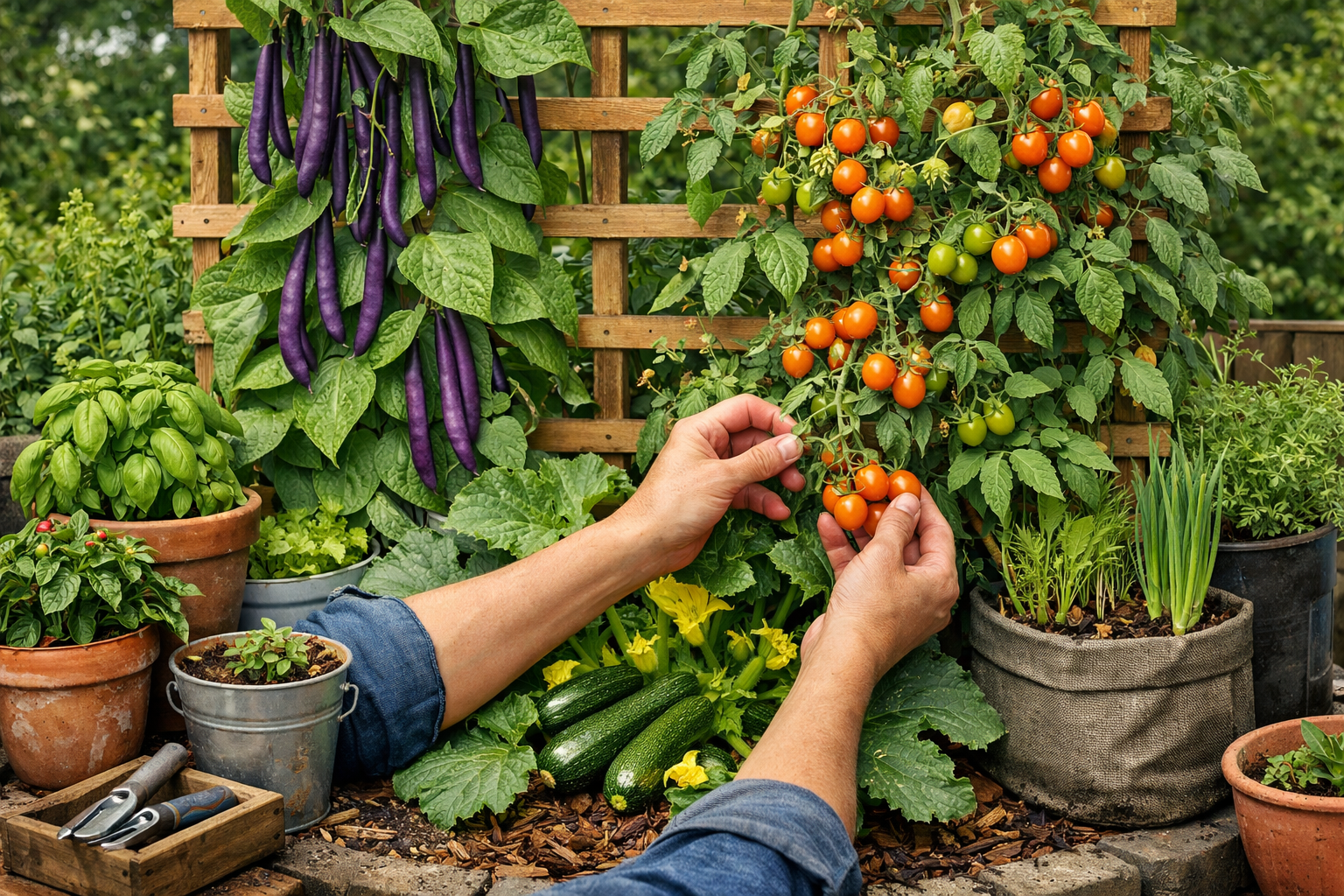
Compact vegetable varieties, often labeled as “bush,” “dwarf,” or “patio” types, are specifically bred or naturally grow smaller, making them ideal for small space gardening in containers, raised beds, or tight garden plots. These selections are crucial for maximizing yield in minimal area.
Selecting the right cultivar makes a significant difference in a small garden. Instead of fighting a sprawling plant, choosing a compact variety ensures the plant fits its allotted space without overcrowding. This allows more light and air circulation, leading to healthier plants and better harvests.
Here are some top compact vegetable varieties:
- Tomatoes: ‘Balcony Patio Princess’, ‘Tumbler’, and ‘Lizzano’ are examples of compact container varieties that produce well in pots [1]. For cherry tomatoes, ‘Sungold’ offers high productivity in a relatively contained space [4].
- Cucumbers: Look for ‘Bush Slicer’, ‘Merlin’, or ‘Patio Snacker’ varieties that produce shorter vines or bushier growth, making them suitable for vertical training or smaller containers [2].
- Zucchini & Summer Squash: ‘Bush Zucchini’, ‘Early Prolific Squash’, or ‘Eight Ball’ zucchini are good choices as they form more compact mounds rather than sprawling vines [1].
- Beans: Bush bean varieties are self-supporting and grow to a manageable size, perfect for containers, unlike vining pole beans that require significant vertical support [1].
- Eggplant: ‘Fairy Tale’, ‘Gretel’, ‘Casper’, and ‘Thai Purple Blush’ hybrid eggplants are known for their compact size and suitability for container growing [1].
- Peppers: Most pepper varieties, both sweet and hot, are naturally bushy and grow well in containers, including ‘Red Impact’ and ‘Garden Salsa’ [2].
Edge Case: While “bush” varieties are great for small spaces, if you have vertical structures available, vining “pole” beans or indeterminate tomatoes often offer a higher overall yield in the long run, even if they take up more vertical space. For help getting started, consider our Ultimate Guide to Small Space Gardening for Beginners 2026.
What are the Best Leafy Greens for Small Space Gardens?
The best leafy greens for small space gardens are those that grow quickly, can be harvested multiple times (cut-and-come-again), and have relatively shallow root systems, making them ideal for containers, window boxes, or vertical planters. These include lettuce, spinach, chard, and arugula.
Leafy greens are a staple for any small space gardener due to their ease of growth and continuous yield. They often tolerate some shade, which is beneficial for less-than-ideal sunny spots, and they provide fresh produce over a long period.
Here’s why these greens are ideal:
- Lettuce: Loose-leaf varieties are perfect for small spaces because you can pick outer leaves as needed, allowing the plant to continue producing. Romaine and butterhead also do well.
- Spinach: A cool-weather crop that grows quickly and offers multiple harvests. It thrives in containers and can be planted in succession.
- Chard: Varieties like ‘Verde De Taglio’ and ‘Fordhook Giant’ are colorful and productive, growing well in pots and providing a steady supply of nutritious leaves from about 60 days after planting [1].
- Arugula: This peppery green grows incredibly fast (ready in 20-30 days) and is excellent for adding flavor to salads. It’s perfect for quick succession planting.
- Kale: While some kale varieties can get large, ‘Dwarf Blue Curled’ or ‘Lacinato’ can be grown in containers and harvested as baby greens or mature leaves.
- Herbs: While not always considered “vegetables,” culinary herbs like basil, mint, parsley, and cilantro are excellent for small spaces and provide continuous harvests.
Comparison Table: Leafy Greens for Small Spaces
| Vegetable | Days to Harvest (approx.) | Harvest Style | Container Suitability | Notes |
|---|---|---|---|---|
| Radishes | 45 days | Single Harvest | Excellent | Very fast; good for succession planting [1] |
| Lettuce | 30-45 days | Cut-and-Come-Again | Excellent | Prefers cooler weather; many varieties |
| Spinach | 30-45 days | Cut-and-Come-Again | Excellent | Cool-season crop, can bolt in heat |
| Chard | 60 days | Cut-and-Come-Again | Excellent | Tolerates heat better than spinach [1] |
| Arugula | 20-30 days | Cut-and-Come-Again | Excellent | Spicy flavor, quick turnaround |
| Kale | 50-75 days | Cut-and-Come-Again | Good | Hearty, can be harvested young or mature |
Conclusion
Embracing small space gardening in 2026 offers a rewarding path to fresh, homegrown produce, regardless of your available area. By strategically selecting compact varieties, prioritizing vertical growth, and choosing high-yield, fast-maturing vegetables, you can transform a balcony, patio, or even a sunny corner into a vibrant and productive garden. Focus on plants like ‘Sungold Cherry’ tomatoes, ‘Merlin’ cucumbers, bush beans, chard, radishes, and compact peppers to make the most of every inch. With thoughtful planning and the right plant choices, your small space can yield an abundant harvest.
Actionable Next Steps:
- Assess Your Space: Determine the amount of sunlight your area receives daily and the total footprint available. This will guide your plant selection.
- Choose Your Vegetables: Select 3-5 of the best vegetables for small space gardening from this list, prioritizing those that fit your sun exposure and taste preferences.
- Gather Supplies: Invest in appropriate containers, quality potting mix, and any necessary vertical supports like trellises or stakes. Our guide on Essential Tools for Small Space Gardening in 2026 can help.
- Start Planting: Follow planting instructions for your chosen varieties, considering succession planting for continuous harvests.
- Monitor and Maintain: Regularly water, fertilize, and check for pests to ensure your plants thrive.
FAQ
What is the easiest vegetable to grow in a small space?
The easiest vegetables to grow in a small space are often radishes and lettuce because they mature quickly, require minimal space, and are forgiving for beginners [1].
Can I grow tomatoes in small pots?
Yes, you can grow tomatoes in small pots, especially compact or “patio” varieties like ‘Balcony Patio Princess’ or ‘Tumbler’, provided the pot is at least 5 gallons and they receive ample sunlight [1].
How much sunlight do small space vegetables need?
Most vegetables, including those in small spaces, require at least 6-8 hours of direct sunlight per day for optimal growth and fruiting, though leafy greens can tolerate partial shade [6].
What is vertical gardening?
Vertical gardening is a method of growing plants upwards using structures like trellises, stacks, or hanging planters to maximize space, especially beneficial for vining crops like cucumbers and pole beans [3].
Do I need special soil for container vegetables?
Yes, you should use a high-quality potting mix specifically formulated for containers, as it provides better drainage, aeration, and nutrient retention than regular garden soil [6].
Can I grow multiple vegetables in one container?
Yes, you can grow multiple compatible vegetables in one larger container, especially those with similar light and water needs, such as a mix of leafy greens or a tomato with basil at its base.
References
[1] Small Space Survival Garden Zbcz2004 – https://www.motherearthnews.com/organic-gardening/small-space-survival-garden-zbcz2004/
[2] Watch – https://www.youtube.com/watch?v=UQLlEKMTxw0
[3] Small Veg Garden Ideas – https://www.foodgardenlife.com/learn/small-veg-garden-ideas
[4] Watch – https://www.youtube.com/watch?v=GmN4WzYHNWI
[5] Vegetables To Grow In Small Spaces – https://www.keepingitholistic.com/vegetables-to-grow-in-small-spaces/
[6] Small Space Vegetable Gardens – https://northerngardener.org/small-space-vegetable-gardens/