Growing Herbs Indoors: Your Essential 2026 Home Garden Guide
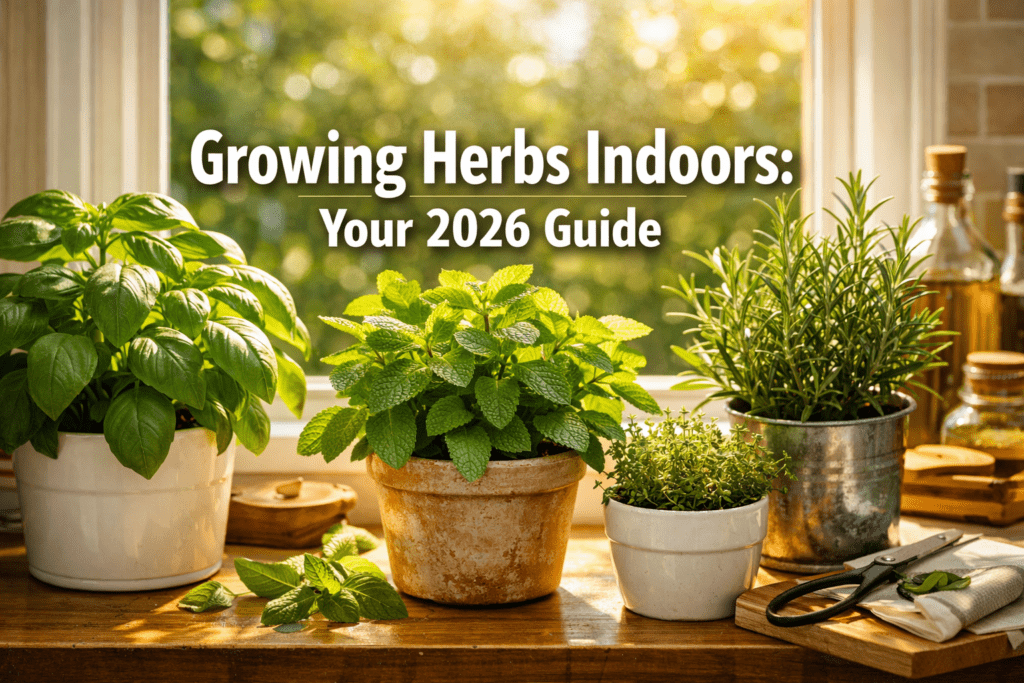
Bringing the vibrant flavors and delightful aromas of fresh herbs into your home kitchen is an incredibly rewarding experience, and growing herbs indoors makes this possible year-round, regardless of climate or outdoor space. Whether you’re a seasoned gardener or a complete beginner, cultivating your own indoor herb garden provides immediate access to fresh ingredients, enhances your home’s aesthetic, and offers a therapeutic connection to nature. This comprehensive guide will walk you through everything you need to successfully grow a variety of herbs in your home in 2026.
Key Takeaways
- Year-Round Freshness: Growing herbs indoors ensures a constant supply of fresh flavors for cooking, even during colder months.
- Optimal Lighting is Crucial: Most herbs require 6-8 hours of bright, direct sunlight daily; supplement with grow lights if natural light is insufficient.
- Proper Watering Prevents Problems: Water herbs when the top inch of soil feels dry, ensuring good drainage to avoid root rot.
- Choose the Right Herbs: Select herbs suited for indoor conditions like basil, mint, chives, parsley, and rosemary.
- Container and Soil Selection: Use pots with drainage holes and a high-quality, well-draining potting mix.
- Temperature and Humidity: Maintain consistent room temperatures (65-75°F) and moderate humidity for best results.
- Regular Harvesting: Prune and harvest regularly to encourage bushier growth and prevent legginess.
- Monitor for Pests: Inspect plants frequently for pests and address issues early with natural solutions.
- Fertilize Sparingly: Indoor herbs generally need less fertilizer than outdoor plants; apply a diluted liquid feed every 2-4 weeks during active growth.
Quick Answer
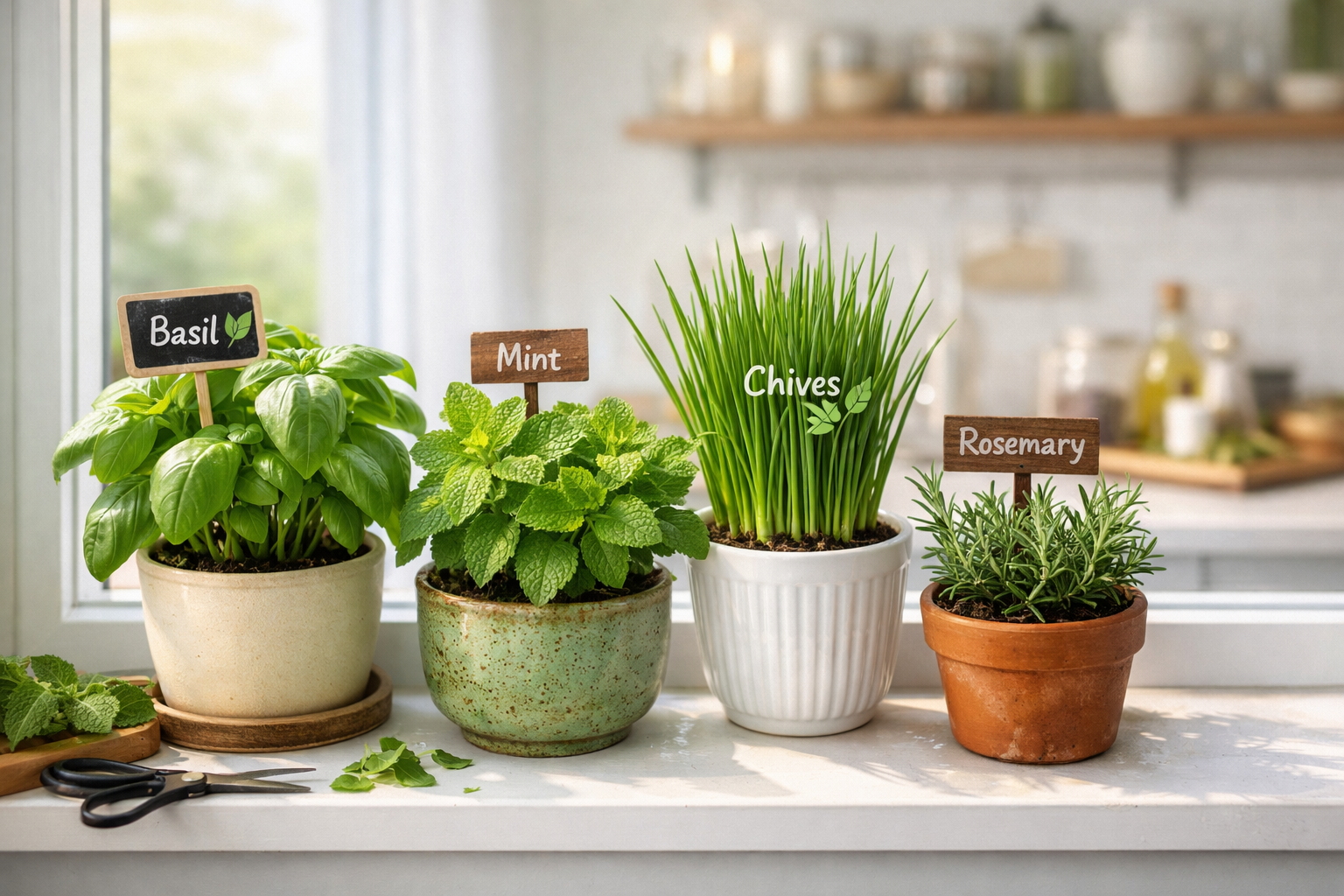
Growing herbs indoors is a straightforward and rewarding process that requires adequate light, proper watering, suitable containers, and well-draining soil to thrive. By understanding the specific needs of your chosen herbs and providing a stable indoor environment, you can enjoy fresh, aromatic ingredients right from your kitchen windowsill throughout the year.
What are the Best Herbs for Growing Herbs Indoors?
The best herbs for growing indoors are generally those that tolerate lower light conditions, adapt well to container life, and don’t require extensive space, making them ideal for urban dwellers or anyone seeking fresh ingredients year-round. These include popular culinary favorites like basil, mint, chives, parsley, and rosemary, which can flourish with proper care in your home.
When selecting herbs for your indoor garden, consider their individual light, water, and space requirements. Here are some top choices that generally perform well in indoor environments:
- Basil (Ocimum basilicum): A warm-weather annual that thrives in bright light (6-8 hours daily) and consistent moisture. Basil is particularly sensitive to cold, making it an excellent candidate for indoor cultivation. Pinch back regularly to encourage bushier growth.
- Mint (Mentha spp.): Known for its vigorous growth, mint varieties like peppermint and spearmint are very adaptable. They prefer bright, indirect light and consistently moist soil. Due to their spreading nature, mint is best grown in its own pot to prevent it from outcompeting other herbs.
- Chives (Allium schoenoprasum): These onion-flavored greens are easy to grow indoors and appreciate bright light and well-drained soil. Chives are hardy perennials that will continue to produce when harvested regularly.
- Parsley (Petroselinum crispum): Both flat-leaf and curly parsley varieties do well indoors. They prefer bright, indirect light and consistently moist soil. Parsley can be slow to germinate but grows steadily once established.
- Rosemary (Rosmarinus officinalis): A woody Mediterranean herb that loves bright light (at least 6 hours, preferably more) and prefers slightly drier soil between waterings. Rosemary can be a bit more challenging than others but is very rewarding when successful.
- Thyme (Thymus vulgaris): Another Mediterranean herb that thrives in bright light and well-drained soil, preferring to dry out slightly between waterings. Thyme is relatively low-maintenance and spreads well in containers.
- Oregano (Origanum vulgare): Similar to thyme and rosemary, oregano enjoys bright light and letting its soil dry out between waterings. It’s a resilient plant that can produce abundant leaves indoors.
- Cilantro (Coriandrum sativum): While sometimes challenging indoors due to its preference for cooler temperatures and tendency to bolt (go to seed) in heat, cilantro can be grown successfully with consistent moisture and partial shade during warmer periods. Frequent sowing ensures a continuous supply.
Decision Rule: Choose herbs that match the light availability in your chosen indoor space. If you have a south-facing window, you can grow sun-lovers like rosemary. For east or west-facing windows, basil, mint, and parsley are good choices. For minimal natural light, plan to invest in grow lights. A common mistake is trying to grow sun-loving herbs like rosemary or lavender in a poorly lit corner, which often leads to weak, leggy plants.
What Essential Conditions Do Herbs Need for Growing Herbs Indoors?
Successful growing herbs indoors hinges on providing the right environmental conditions, primarily sufficient light, appropriate temperatures, moderate humidity, and good air circulation. Just like their outdoor counterparts, indoor herbs require a specific balance of these factors to thrive and produce flavorful leaves.
To create an optimal environment for your indoor herb garden, focus on these key conditions:
- Light: This is often the most critical factor. Most culinary herbs require 6-8 hours of direct sunlight daily to flourish.
- Natural Light: A south-facing window is ideal for maximum light exposure. East or west-facing windows can also work for some herbs, offering moderate morning or afternoon sun. North-facing windows typically provide insufficient light for most herbs.
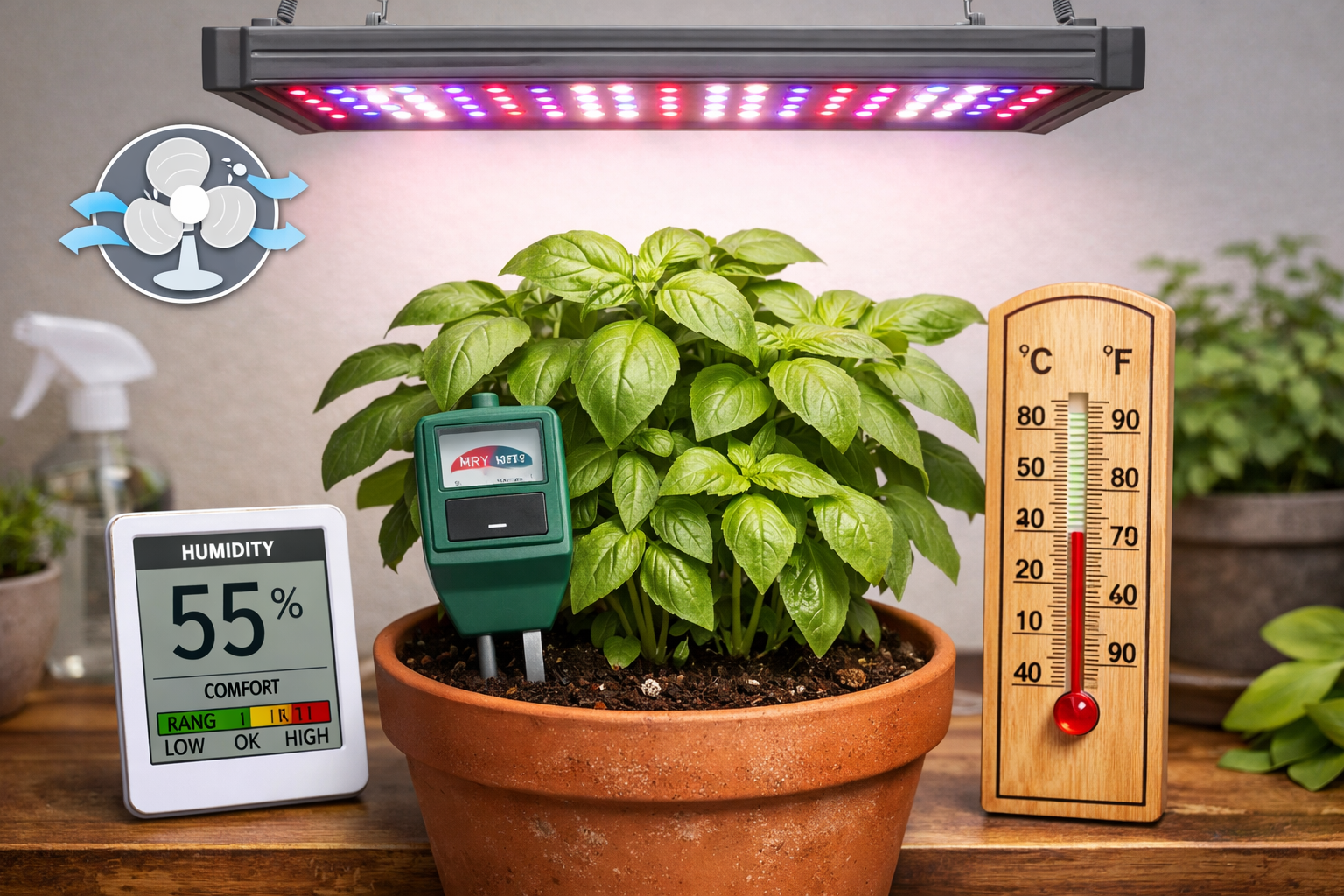
- Supplemental Lighting: If natural light is lacking, investing in LED grow lights is highly recommended. Full-spectrum LED grow lights mimic natural sunlight and can significantly boost growth. Position them 6-12 inches above the plants, keeping them on for 12-16 hours a day. For more on maximizing growth in confined spaces, consider our guide on Indoor Gardening for Small Homes & Apartments: 2026 Guide.
- Temperature: Most herbs prefer temperatures between 65-75°F (18-24°C), which aligns with comfortable indoor living temperatures. Avoid placing herbs near drafty windows, air conditioning vents, or heat registers, as sudden temperature fluctuations can stress them.
- Humidity: Average household humidity levels (around 40-60%) are generally acceptable for most herbs. However, in very dry indoor environments (especially during winter with heating systems running), herbs like basil and mint may benefit from increased humidity.
- Boosting Humidity: You can place pots on a tray filled with pebbles and water (ensure the pot itself isn’t sitting directly in water), or use a small room humidifier nearby. Misting plants occasionally can offer temporary relief but isn’t a long-term solution.
- Air Circulation: Good airflow helps prevent fungal diseases and deters pests. Ensure your herbs aren’t crammed together and consider using a small oscillating fan on a low setting for a few hours a day to gently circulate air around them. This mimics outdoor conditions and strengthens plant stems.
Edge Case: If you live in an extremely dry climate or your home’s humidity drops significantly in winter, humidity trays become essential for herbs like basil and parsley, which can suffer from crispy leaf edges. Without sufficient humidity, these plants may not grow as robustly.
How Do I Care for My Indoor Herbs?
Caring for your indoor herbs involves consistent watering, appropriate feeding, regular harvesting, and diligent pest management to ensure they remain healthy and productive. Following a routine care schedule is essential for the long-term success of your indoor herb garden.
Here’s a breakdown of crucial care practices for growing herbs indoors:
- Watering: The most common mistake for indoor plants is improper watering.
- When to Water: Water thoroughly when the top inch of soil feels dry to the touch. Stick your finger into the soil to check. Do not water on a strict schedule (e.g., “every Tuesday”), as plant needs vary based on temperature, light, and pot size.
- How to Water: Water until you see water draining from the bottom of the pot. Discard any excess water from the saucer after about 15-30 minutes to prevent root rot. Learn more about How Often Should You Water Plants? Ultimate Guide 2026.
- Underwatering vs. Overwatering: Wilting leaves can indicate both. Check the soil moisture. If it’s bone dry, it’s underwatering. If it’s soggy and the leaves are yellowing, it’s likely overwatering.
- Fertilizing: Indoor herbs generally need less fertilizer than outdoor ones.
- Frequency: During their active growing season (spring and summer), feed your herbs with a balanced liquid fertilizer at half strength every 2-4 weeks. Reduce or stop fertilizing during fall and winter when growth slows.
- Type: Use an all-purpose organic liquid fertilizer specifically formulated for herbs or edibles.
- Harvesting and Pruning: Regular harvesting encourages bushier growth and prevents herbs from becoming leggy or going to seed too quickly.
- How to Harvest: For leafy herbs like basil, mint, and parsley, pinch or snip off the top sets of leaves, just above a leaf node. For woody herbs like rosemary and thyme, harvest sprigs by cutting about 2-4 inches off the tips.
- Benefits of Pruning: This process signals the plant to produce more side shoots, leading to a fuller, more productive plant. Avoid removing more than one-third of the plant at once.
- Pest and Disease Management: Indoor herbs are susceptible to common houseplant pests.
- Common Pests: Look out for spider mites, aphids, and whiteflies. Inspect the undersides of leaves regularly.
- Solutions: If you spot pests, isolate the plant immediately. Use organic pest control methods such as neem oil spray, insecticidal soap, or simply wiping leaves with a damp cloth. Good air circulation and proper watering also help prevent issues.
- Repotting: As your herbs grow, they may become root-bound.
- Signs: Slowed growth, roots growing out of drainage holes, or the plant drying out very quickly between waterings indicate it’s time to repot.
- Process: Choose a pot that is only 1-2 inches larger in diameter than the current one. Use fresh, well-draining potting mix. For comprehensive advice on soil, refer to our Soil Basics for Container Gardening: 2026 Expert Guide.
Common Mistake: Over-fertilizing is a frequent error. Too much fertilizer can burn plant roots and lead to salt buildup in the soil. Always dilute fertilizers to half strength for indoor herbs.
What are the Best Containers and Soil for Growing Herbs Indoors?
Choosing the right containers and using a high-quality, well-draining potting mix are fundamental steps to successfully growing herbs indoors, as these elements directly impact root health and overall plant vitality. Proper container and soil selection prevents common issues like root rot and ensures adequate nutrient availability.
Here’s what you need to know about containers and soil:
- Containers:
- Drainage Holes are Non-Negotiable: Every pot you use for growing herbs indoors MUST have drainage holes at the bottom. Without them, water collects, leading to soggy soil and fatal root rot.
- Material Matters:
- Terracotta/Clay Pots: These are excellent because their porous nature allows for air exchange and helps the soil dry out more evenly, reducing the risk of overwatering. They can be heavier and dry out faster, requiring more frequent watering for some plants.
- Plastic Pots: Lightweight, affordable, and retain moisture longer than terracotta. Ensure good drainage holes.
- Ceramic Pots: Often decorative, but if they lack drainage holes, they are unsuitable. If they have holes, they behave similarly to plastic in moisture retention.
- Size: Start with pots appropriate for the herb’s mature size. A 6-8 inch diameter pot is usually sufficient for a single herb plant like basil or mint. For larger, woody herbs like rosemary, a 10-12 inch pot might be needed. Using pots that are too large initially can lead to excess moisture retention and root problems. For ideas on maximizing space, check out Best Pots for Small Space Gardening in 2026 – Maximize Your.
- Potting Mix:
- Not Garden Soil: Never use soil from your outdoor garden for indoor plants. Garden soil is too dense, contains weed seeds, and may harbor pests and diseases not suited for indoor environments.
- High-Quality Potting Mix: Opt for a lightweight, sterile, and well-draining potting mix. Look for mixes specifically designed for containers or houseplants.
- Ingredients to Look For: A good potting mix will typically contain a blend of peat moss or coco coir (for moisture retention), perlite or vermiculite (for drainage and aeration), and compost or other organic matter (for nutrients).
- Enhancing Drainage: You can further improve drainage by mixing in extra perlite or coarse sand, especially for herbs like rosemary and thyme that prefer drier conditions.
Comparison Table: Potting Mix Components
| Component | Primary Function | Benefits | Considerations |
|---|---|---|---|
| Peat Moss | Moisture retention, slight acidity | Holds water, lightens soil | Can be unsustainable; slightly acidic |
| Coco Coir | Moisture retention, aeration, neutral pH | Sustainable alternative to peat, excellent drainage and water retention | May require more frequent nutrient supplementation |
| Perlite | Aeration, drainage, prevents compaction | Lightweight, improves airflow to roots | Floats to the top over time |
| Vermiculite | Moisture retention, aeration, nutrient exchange | Holds water and nutrients, good for germination | Can hold too much water if overused |
| Compost | Nutrient supply, improves soil structure | Provides slow-release nutrients, beneficial microbes | Quality varies; can be heavy |
Decision Rule: Always prioritize pots with drainage holes and invest in a quality potting mix. A good rule of thumb is to choose terracotta pots for herbs that prefer to dry out between waterings (rosemary, thyme, oregano) and plastic or glazed ceramic for those that like more consistent moisture (basil, mint, parsley).
Can I Start Herbs from Seed Indoors, or Should I Buy Plants?
You can successfully start herbs from seed indoors, which is often a more economical option and offers a wider variety of choices, but buying starter plants provides immediate gratification and a higher success rate for beginners. The best approach depends on your experience level, patience, and the specific herbs you wish to grow.
Here’s a breakdown to help you decide:
Starting Herbs from Seed Indoors
Pros:
- Cost-Effective: Seeds are significantly cheaper than purchasing mature plants, especially if you plan to grow many herbs.
- Variety: A much broader selection of herb varieties is available as seeds than as starter plants. You can experiment with heirloom or less common types.
- Rewarding Experience: There’s a unique satisfaction in nurturing a plant from a tiny seed to a full-grown herb.
- Better Acclimation: Plants grown from seed in your home environment are already adapted to its specific conditions.
Cons:
- Time and Patience: Germination and initial growth can take weeks or even months. Some herbs, like parsley, are notoriously slow to sprout.
- Requires More Skill: Managing light, moisture, and temperature for delicate seedlings requires more attention and can be challenging for novices.
- Lower Success Rate: Not all seeds will germinate, and seedlings are fragile, making them susceptible to damping-off disease or other issues.
- Special Equipment: May require seed-starting trays, heat mats, and dedicated grow lights for optimal germination and early growth.
Recommended Herbs for Seed Starting: Basil, cilantro, dill, chives, mint (though mint spreads aggressively, so seeds are a good way to start a contained plant).
Buying Starter Plants
Pros:
- Instant Gratification: You get immediate, established plants ready to grow and harvest.
- Higher Success Rate: Starter plants are robust and have already navigated the most vulnerable seedling stage.
- Less Effort: No need for seed-starting equipment or the initial nurturing phase.
- Faster Harvest: You can usually start harvesting leaves within a week or two of bringing them home.
Cons:
- More Expensive: The cost per plant is higher, especially if you want multiple varieties.
- Limited Variety: Nurseries typically stock only the most popular and commercially viable herb varieties.
- Potential for Pests/Diseases: You risk introducing pests or diseases from the nursery into your home, so always inspect new plants thoroughly.
- Acclimation Period: New plants may experience a short period of stress as they adjust to your home’s unique light and humidity.
Decision Rule: If you’re a beginner or value convenience and quick results, start with purchased plants. If you enjoy the gardening process, want a wider selection, or are on a budget, starting from seed is a fantastic option. For beginners, buying a few “easy plants to grow in small spaces” is often the best first step to build confidence before attempting seeds.
Quick Tip: When buying starter plants for growing herbs indoors, choose plants with vibrant green leaves, no visible pests, and firm stems. Avoid plants with yellowing leaves, brown spots, or signs of wilting. Repot them into good quality potting mix soon after bringing them home.
How Do I troubleshoot Common Problems When Growing Herbs Indoors?
Troubleshooting common problems when growing herbs indoors involves observing your plants closely for signs of distress and systematically addressing issues related to light, water, nutrients, or pests. Early detection and intervention are key to restoring your herbs to health and maintaining a thriving indoor garden.
Here’s a guide to diagnosing and fixing common issues:
- Yellowing Leaves:
- Cause: Often a sign of overwatering, nutrient deficiency (especially nitrogen), or insufficient light.
- Solution: Check soil moisture – if soggy, reduce watering frequency and ensure good drainage. If soil is dry, consider a balanced liquid fertilizer. Move to a brighter location or add a grow light.
- Drooping or Wilting Leaves:
- Cause: Can be both underwatering or overwatering. Also, extreme temperature changes or root rot.
- Solution: Feel the soil. If dry, water thoroughly. If soggy, withhold water and check for root rot (soft, dark roots). Ensure stable room temperatures.
- Leggy, Stretched Growth (Tall and Sparse):
- Cause: Insufficient light. Plants are stretching to find more light.
- Solution: Provide more direct light. Move plants to a brighter window or, ideally, use a full-spectrum LED grow light for 12-16 hours a day. Regular pruning can also help encourage bushier growth, but light is the primary factor.
- Brown or Crispy Leaf Tips/Edges:
- Cause: Low humidity, inconsistent watering (too dry between waterings), or salt buildup from fertilizer.
- Solution: Increase humidity (pebble tray, humidifier). Ensure consistent watering. Flush the soil periodically with plain water to remove salt buildup, and reduce fertilizer strength/frequency.
- White Powdery Patches on Leaves (Powdery Mildew):
- Cause: High humidity combined with poor air circulation.
- Solution: Improve air circulation around plants (e.g., small fan). Remove affected leaves. Apply a natural fungicide like diluted neem oil or baking soda solution.
- Small, Sticky Bugs or Webs on Leaves (Pests):
- Cause: Common indoor pests like aphids, spider mites, or whiteflies.
- Solution: Isolate the infected plant. Gently wash off pests with a strong stream of water or wipe leaves with a damp cloth. Apply insecticidal soap or neem oil spray according to product directions. Regularly inspect new plants before introducing them to your indoor garden. For beginners, understanding Beginner Mistakes in Small Space Gardening 2026 can help avoid many of these issues.
- No New Growth:
- Cause: Dormancy (especially in winter), insufficient light, nutrient deficiency, or the plant is root-bound.
- Solution: Check light conditions. If it’s winter, growth will naturally slow. Fertilize if appropriate. If roots are circling the pot, repot into a slightly larger container.
Pull Quote:
“The secret to a thriving indoor herb garden isn’t just about providing care; it’s about becoming an observant gardener, understanding your plants’ subtle cues, and responding proactively to their needs.”
Conclusion
Successfully growing herbs indoors in 2026 transforms your kitchen into a year-round source of fresh, aromatic ingredients and adds a touch of natural beauty to your home. By understanding the core requirements—sufficient light, appropriate watering, suitable containers with good drainage, and a quality potting mix—you can overcome common challenges and cultivate a thriving indoor herb garden. Remember, consistency in care and keen observation are your best tools for ensuring your basil, mint, rosemary, and other culinary favorites flourish.
Actionable Next Steps:
- Assess Your Light: Identify the brightest south, east, or west-facing windows in your home. If natural light is limited, research and purchase a full-spectrum LED grow light.
- Choose Your First Herbs: Start with 2-3 easy-to-grow herbs like basil, mint, or chives. Decide if you’ll buy starter plants for immediate success or try seeds for a wider variety.
- Gather Supplies: Acquire pots with drainage holes (terracotta is often a good choice), a high-quality potting mix, a small watering can, and potentially a soil moisture meter.
- Set Up Your Garden: Plant your herbs, paying attention to proper potting techniques. Position them in their designated spot, ensuring good air circulation.
- Establish a Routine: Develop a routine for checking soil moisture, watering, and inspecting for pests. Begin light fertilization during active growth periods.
- Harvest Regularly: Don’t be afraid to harvest! Regular pruning encourages more growth and keeps your plants productive.
Enjoy the journey of growing herbs indoors and savor the unparalleled flavor they bring to your culinary creations.
FAQ
Q1: How much light do indoor herbs need?
A1: Most indoor herbs require 6-8 hours of bright, direct sunlight daily. If natural light is insufficient, use a full-spectrum LED grow light for 12-16 hours per day.
Q2: What is the best way to water indoor herbs?
A2: Water thoroughly when the top inch of soil feels dry, allowing water to drain from the bottom. Discard excess water from the saucer to prevent root rot.
Q3: Can I use regular garden soil for indoor herbs?
A3: No, always use a high-quality, well-draining potting mix specifically designed for containers or houseplants, as garden soil is too dense and can harbor pests.
Q4: Why are my indoor herbs getting leggy?
A4: Leggy growth is a sign of insufficient light. Move your herbs to a brighter location or supplement with a grow light to encourage bushier growth.
Q5: How often should I fertilize indoor herbs?
A5: During the active growing season (spring and summer), feed with a balanced liquid fertilizer at half strength every 2-4 weeks. Reduce or stop fertilizing in fall and winter.
Q6: What are the easiest herbs to grow indoors for beginners?
A6: Basil, mint, chives, and parsley are generally considered the easiest herbs for beginners to grow indoors due to their adaptability and relatively straightforward care requirements.
Q7: Do I need special pots for growing herbs indoors?
A7: You need pots with drainage holes to prevent waterlogging and root rot. Terracotta, plastic, or ceramic pots all work, as long as they have proper drainage.
Q8: How do I prevent pests on my indoor herbs?
A8: Regularly inspect your plants, especially the undersides of leaves. Improve air circulation, and if pests appear, use organic solutions like neem oil or insecticidal soap.
Q9: What temperature is best for indoor herbs?
A9: Most herbs prefer consistent room temperatures between 65-75°F (18-24°C). Avoid extreme temperature fluctuations.
Q10: Can I grow different types of herbs in the same pot?
A10: While possible, it’s generally best to grow herbs with similar light and water requirements together. For example, sun-loving, dry-tolerant herbs like rosemary and thyme can share a pot, but moisture-loving mint should typically have its own.
References
- University of Illinois Extension. (2026). Growing Herbs Indoors.
- Cornell Cooperative Extension. (2025). Indoor Herb Gardening Basics.