Beginner’s Guide 2026: How Much & How Often To Water Plants
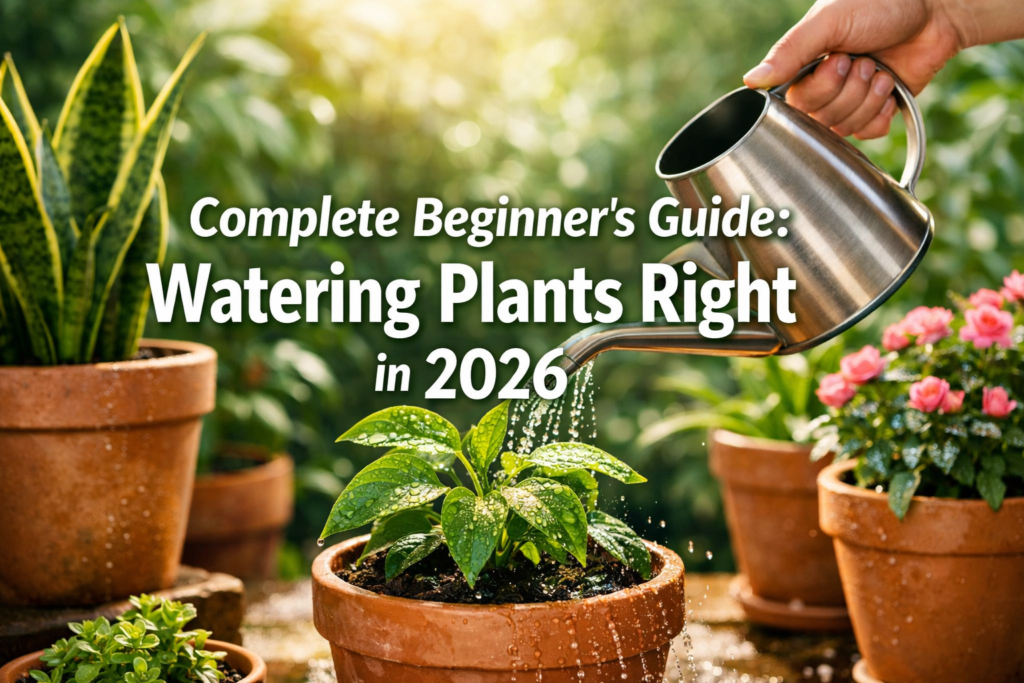
Quick Answer: Determining how much and how often to water plants primarily depends on the specific plant species, its growing environment (container vs. in-ground, indoor vs. outdoor), and current weather conditions. Most plants prefer consistent moisture without being waterlogged, meaning you should water thoroughly until water drains from the bottom, then allow the top inch or two of soil to dry out before watering again.
Key Takeaways
- No Universal Rule: Watering needs vary significantly by plant type, size, pot material, soil, temperature, humidity, and light exposure.
- The Finger Test is Key: Always check the soil moisture with your finger or a moisture meter before watering to prevent over or underwatering.
- Water Deeply, Not Frequently: Aim to thoroughly soak the soil until water drains, encouraging deep root growth. Shallow, frequent watering is detrimental.
- Container Plants Need More: Plants in pots dry out faster than those in the ground due to increased air circulation around the soil.
- Observe Your Plants: Wilting or discolored leaves are often signs of improper watering, either too much or too little.
- Drainage is Crucial: Ensure all pots have drainage holes to prevent root rot.
- Morning is Best: Watering in the morning allows plants to absorb moisture before the heat of the day, reducing evaporation and fungal diseases.
- Adjust Seasonally: Plants generally need more water in hot, dry weather and less in cooler, humid, or dormant periods.
The Foundation of Plant Hydration: Understanding Your Plant’s Needs
Understanding your plant’s specific needs is the first step in mastering how much water and how often to provide. While there isn’t a single universal watering schedule, tailoring your approach to individual plants, their environment, and the type of soil they are in will lead to thriving greenery.
All plants require water for photosynthesis, nutrient transport, and maintaining turgidity (their structural rigidity). However, plants from arid regions, like cacti and succulents, store water and prefer dry conditions between waterings, while tropical plants or leafy vegetables often need more consistent moisture. The size and maturity of a plant also influence its water demand; larger, more established plants generally have more extensive root systems and may tolerate slightly longer periods between waterings, or conversely, demand more volume per watering session.
A crucial element to consider is the soil type. Fast-draining soil mixes, common for succulents or in container gardening for beginners, will dry out quicker than heavy, clay-rich soils. Similarly, the material of your pot plays a role: terracotta pots are porous and promote evaporation, leading to faster drying than plastic or glazed ceramic pots.
The Finger Test: Your Best Watering Tool
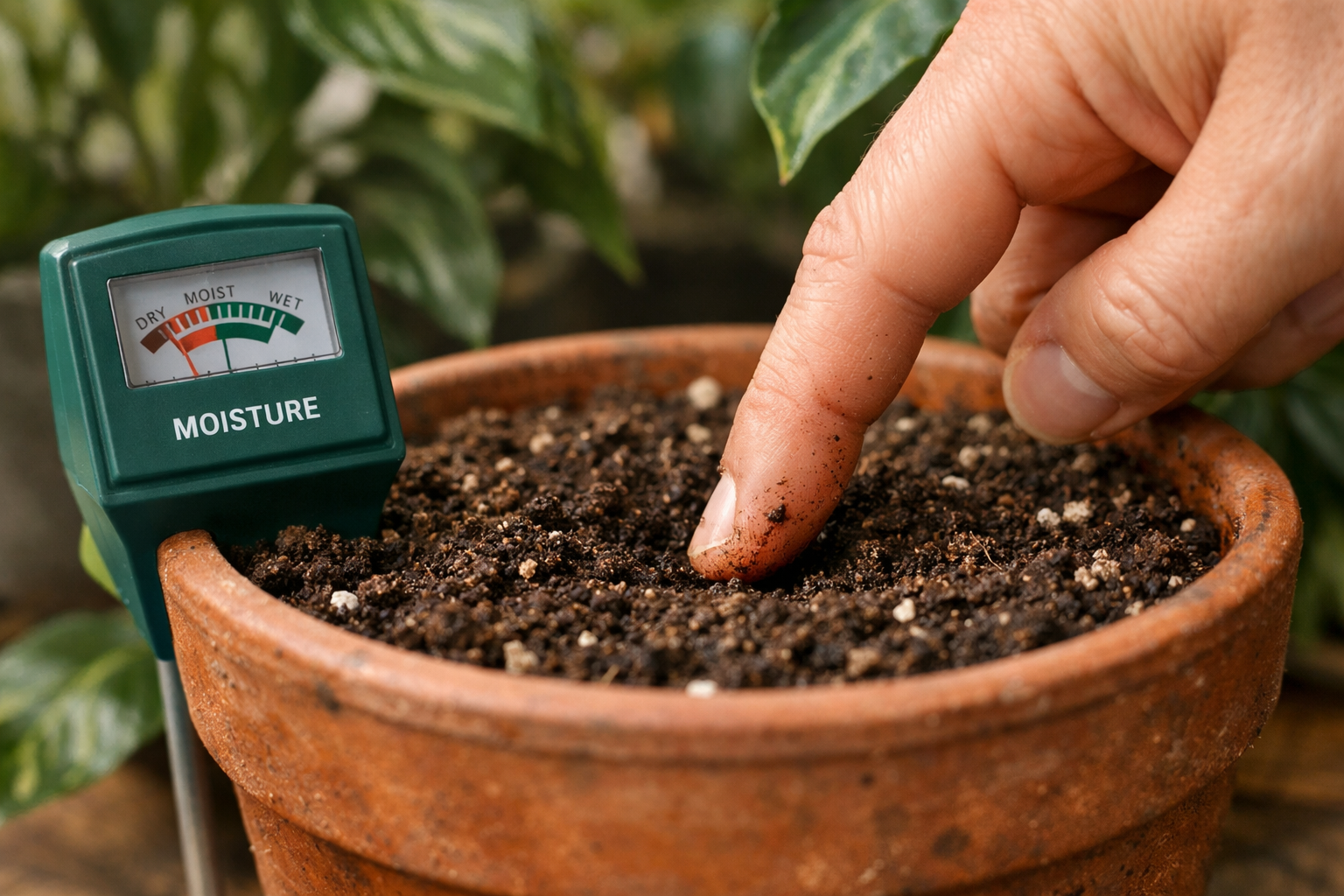
To determine if your plant needs water, perform the “finger test.” Insert your finger about 1-2 inches (2.5-5 cm) into the soil.
- If the soil feels dry at that depth: It’s likely time to water.
- If it feels moist: Wait a day or two and test again.
For smaller pots or sensitive plants, a wooden chopstick or a moisture meter can offer a more precise reading. This method ensures you’re responding to the actual moisture level, not just adhering to a rigid schedule, which is fundamental to a “Complete beginner’s guide: how much water and how often?” approach.
Decision Rule: Choose the finger test for daily checks and general plant care. Opt for a moisture meter for plants with specific, finicky needs or when first learning a new plant’s habits.
How Much Water: Deep Soaking for Strong Roots
When it’s time to water, the goal is to provide a thorough, deep soaking rather than a superficial sprinkle. This encourages roots to grow deeper into the soil, seeking moisture, which makes the plant more resilient to dry spells.
To water effectively, apply water slowly and evenly to the soil surface until it begins to drain from the bottom of the pot. For plants in containers, this usually means seeing water come out of the drainage holes. If water immediately rushes through, the soil might be too dry and compacted, in which case a slow, repeated watering might be needed, or bottom-watering (placing the pot in a tray of water) could be beneficial.
Avoid letting your plant sit in standing water for extended periods, especially for indoor plants, as this can lead to root rot. After watering, ensure any excess water in the saucer is emptied. This practice is essential, particularly for container plants, as outlined in our guide on how often should you water container plants.
Watering Volume Guidelines
| Plant Type / Location | General Moisture Preference | How Much Water (per session) |
|---|---|---|
| Indoor Plants | Moderately moist | Until water drains from bottom of pot |
| Outdoor Container Plants | Consistently moist (dries faster) | Until water drains from bottom; may need more volume |
| Vegetables (in-ground) | Consistently moist | 1 inch (2.5 cm) of water per week, including rainfall |
| Succulents/Cacti | Dry between waterings | Thoroughly soak, then allow to dry completely |
| Large Shrubs/Trees | Deeply watered, less frequent | Slow, deep soak to 12-18 inches (30-45 cm) depth |
Common Mistake: Many beginners make the mistake of providing small sips of water daily. This only moistens the topsoil, leading to shallow root systems that are less efficient at absorbing nutrients and more susceptible to stress during dry periods. Always aim for a deep soak.
How Often: Factors Influencing Your Watering Schedule
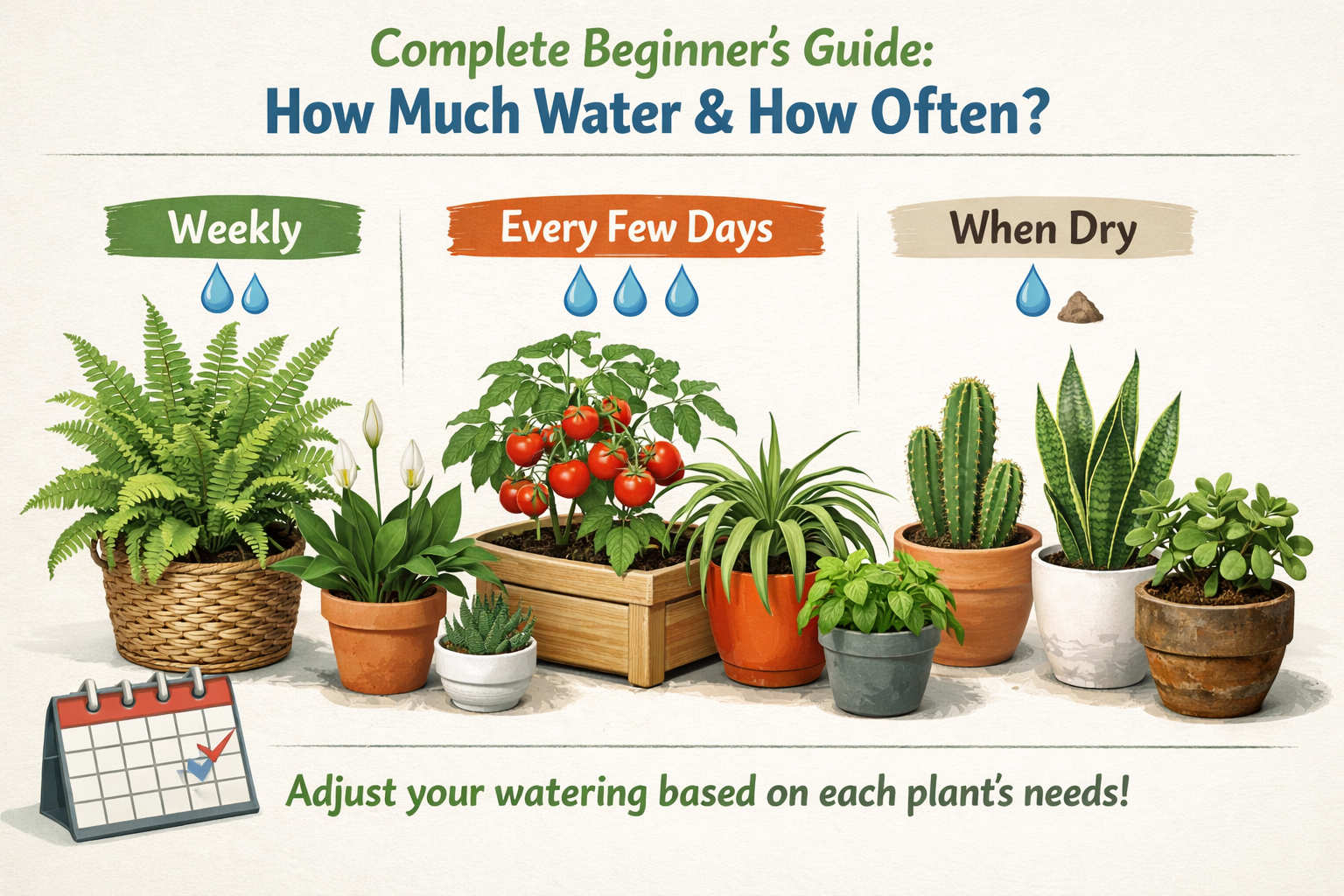
The frequency of watering is highly variable and constantly evolving based on several dynamic factors, making it a critical aspect of any “Complete beginner’s guide: how much water and how often?” resource. It’s less about a rigid calendar schedule and more about adapting to the plant’s current environment and needs.
Key Factors:
- Plant Species: As mentioned, desert plants need infrequent watering, while moisture-loving plants like ferns or many vegetables (e.g., those highlighted in our watering vegetables correctly guide) require more frequent hydration.
- Container Size and Material: Smaller pots dry out faster than larger ones. Terracotta pots, due to their porous nature, promote evaporation and will require more frequent watering than plastic or glazed pots.
- Soil Composition: Well-draining, sandy soils dry out quicker than dense, clay-rich soils or those with high organic matter. A good best soil mix for container gardening will balance drainage and moisture retention.
- Temperature and Humidity: Hotter temperatures and lower humidity accelerate water evaporation from the soil and transpiration from plant leaves, increasing watering frequency. In contrast, cooler, humid conditions mean less frequent watering. For example, how often to water container vegetables in summer 2026 provides specific summer guidelines.
- Light Exposure: Plants in full sun will use water much faster than those in shade.
- Season: Plants typically need more water during their active growing season (spring and summer) and significantly less during dormancy (fall and winter).
- Plant Growth Stage: Seedlings and young plants often need more consistent moisture than established plants. Fruiting and flowering plants also have higher water demands.
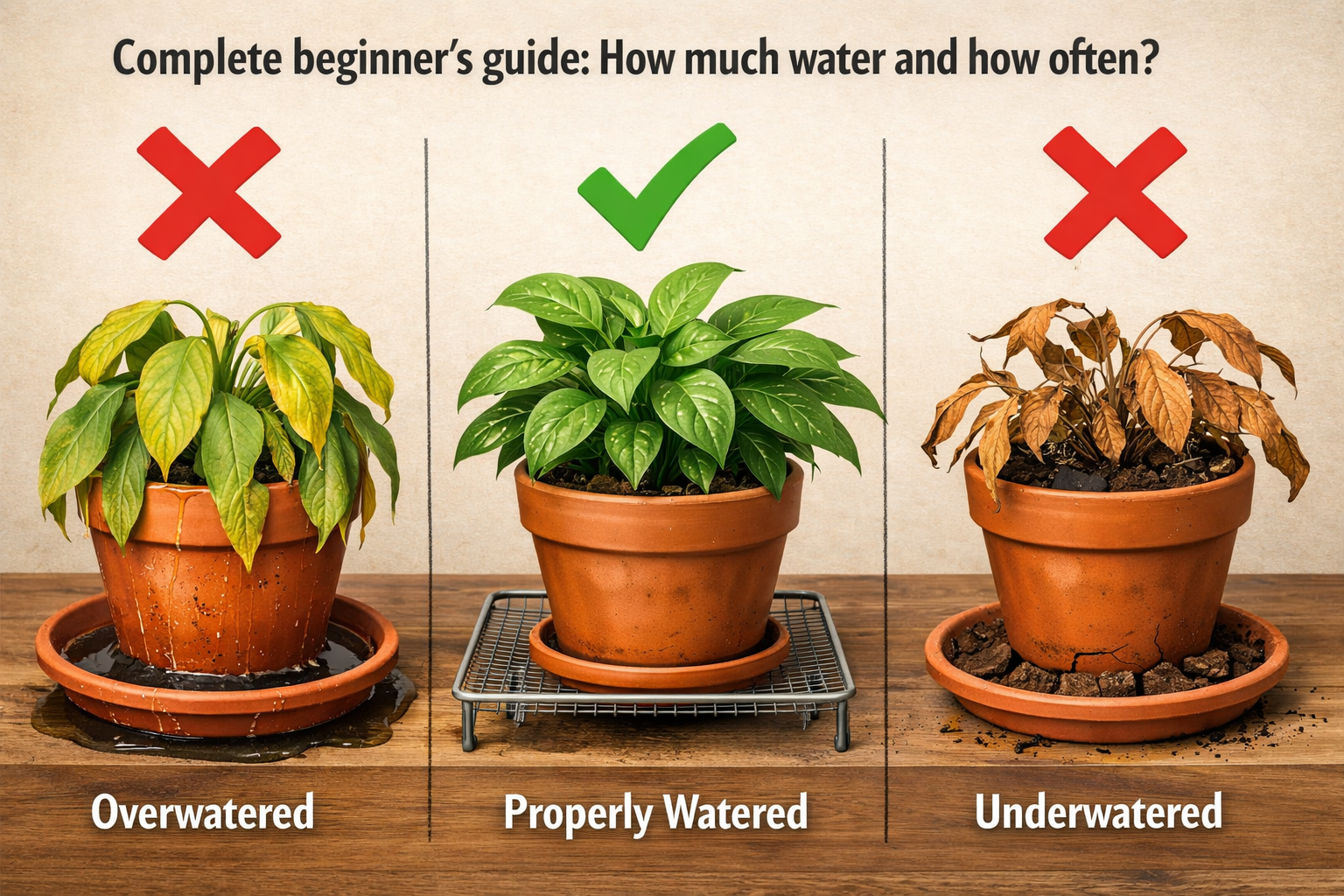
Signs of Improper Watering
Learning to read your plant’s signals is a vital part of knowing how much water and how often.
- Underwatered:
- Wilting or drooping leaves: Often, leaves will recover quickly after a good watering.
- Dry, crispy leaf edges/tips: Especially common in hot, dry conditions.
- Stunted growth.
- Leaves turning yellow or brown and falling off.
- Soil pulling away from the edges of the pot.
- Overwatered:
- Yellowing leaves, especially lower ones.
- Drooping leaves that feel soft or mushy. (This can look similar to underwatering, but the soil will be saturated).
- Soft, mushy stems or roots (root rot).
- Fungus gnats flying around the soil surface.
- Musty smell from the soil.
Edge Case: Drought-resistant plants, like those discussed in our drought resistant plants guide, are an exception to general watering rules. They thrive on infrequent watering and are highly susceptible to overwatering. Always research your specific plant’s needs.
Conclusion
Mastering the art of watering is one of the most impactful skills any beginner gardener can acquire. There’s no single “correct” answer to how much water and how often; instead, it’s about observation, understanding individual plant needs, and adapting to environmental conditions. By regularly checking soil moisture with the finger test, watering deeply until drainage occurs, and paying close attention to your plant’s physical signals, you’ll develop an intuitive sense for its hydration needs. Remember that consistent, appropriate watering is fundamental to preventing common issues like root rot or dehydration and will set the stage for a thriving, vibrant garden in 2026 and beyond.
Related Reading
- Beginner Indoor Gardening Tips: 2026 Starter Guide
- Indoor Watering Guide: Master Houseplant Hydration In 2026
- Common Watering Mistakes In Container Gardening: Expert Guide 2026
FAQ
How do I know if I’m overwatering or underwatering?
Overwatering often causes yellowing, drooping, soft leaves and possibly a musty smell from the soil. Underwatering typically results in wilting, dry, crispy leaves, and very dry soil that might pull away from the pot edges.
Should I water my plants every day?
Generally, no. Most plants prefer thorough watering less frequently, allowing the topsoil to dry out between waterings. Daily watering often leads to overwatering and root rot, especially for container plants.
Is it better to water in the morning or evening?
Morning is generally best. Watering in the morning allows plants to absorb water before the heat of the day, reducing evaporation and giving leaves time to dry, which helps prevent fungal diseases.
What is the “finger test” for watering?
The “finger test” involves sticking your finger about 1-2 inches (2.5-5 cm) into the soil. If it feels dry at that depth, it’s time to water. If it’s still moist, wait.
Do all plants need the same amount of water?
Absolutely not. Watering needs vary greatly by plant type (e.g., succulents vs. ferns), size, growth stage, pot type, soil, and environmental conditions like temperature and humidity.
What if my pot doesn’t have drainage holes?
Pots without drainage holes are problematic as they trap excess water, leading to root rot. If you must use such a pot, either drill holes or use it as a decorative cover pot for a plant that is in a separate pot with drainage.
Can I use tap water for my plants?
Most tap water is fine for plants. However, if your tap water is heavily chlorinated or very hard, letting it sit out for 24 hours can help dissipate chlorine, or using filtered water might be beneficial for sensitive plants.
How does humidity affect watering frequency?
Higher humidity means plants lose less water through transpiration and soil evaporates less, so you’ll generally need to water less frequently. Conversely, in low humidity, plants will need water more often.
My plant is wilting, what should I do?
First, check the soil moisture. If it’s bone dry, underwatering is likely; water thoroughly. If the soil is saturated, it might be overwatering; allow it to dry out, consider repotting if severe.
Do plants need more water when they are flowering or fruiting?
Yes, plants generally have higher water demands during their flowering and fruiting stages as they require more energy and moisture for these processes.
How can I make my plants more drought-tolerant?
Encourage deep root growth by watering deeply but less frequently. This teaches roots to seek water further down. Incorporating organic matter into the soil also improves water retention.
References
- Oregon State University Extension Service. (2018). Watering the Home Landscape.
- University of California Agriculture and Natural Resources. (2020). Watering Plants in Containers.