Apartment Gardening Ideas USA 2026: Grow More in Small Spaces
Quick Answer: Apartment gardening in the USA in 2026 involves maximizing small spaces using container gardens, vertical systems, and smart plant choices that thrive indoors or on balconies, allowing urban dwellers to cultivate fresh produce, herbs, and flowers despite limited square footage. This approach prioritizes efficient use of space, appropriate plant selection, and simplified care routines to make gardening accessible and rewarding for city living.
Key Takeaways
- Space Optimization is Key: Utilize vertical space, hanging planters, and compact containers to grow a variety of plants in small areas.
- Choose the Right Plants: Select plants known to thrive in containers and limited sunlight, such as herbs, leafy greens, and compact vegetables.
- Container Gardening is Versatile: Containers offer flexibility for movement, soil control, and adapting to changing conditions.
- Vertical Gardens Maximize Yield: Systems like wall planters and stacked pots significantly increase planting density without taking up floor space.
- Sunlight Dictates Plant Choice: Assess your available light before selecting plants; south-facing windows or balconies offer the most options.
- Watering and Feeding are Crucial: Container plants dry out faster and require more consistent nutrient replenishment than in-ground gardens.
- Consider Hydroponics/Aeroponics: Advanced apartment gardening ideas USA include soilless systems for high-yield, low-space cultivation.
- Pest Management is Important: Regularly inspect plants and use organic pest control methods suitable for indoor or balcony environments.
- Start Small and Scale Up: Begin with a few easy-to-grow plants to build confidence before expanding your apartment garden.
- Adapt to Local Climate: While indoors, considerations for humidity and temperature vary, outdoor balcony gardens need to account for regional weather patterns.
What Are the Best Space-Saving Apartment Gardening Ideas USA for 2026?
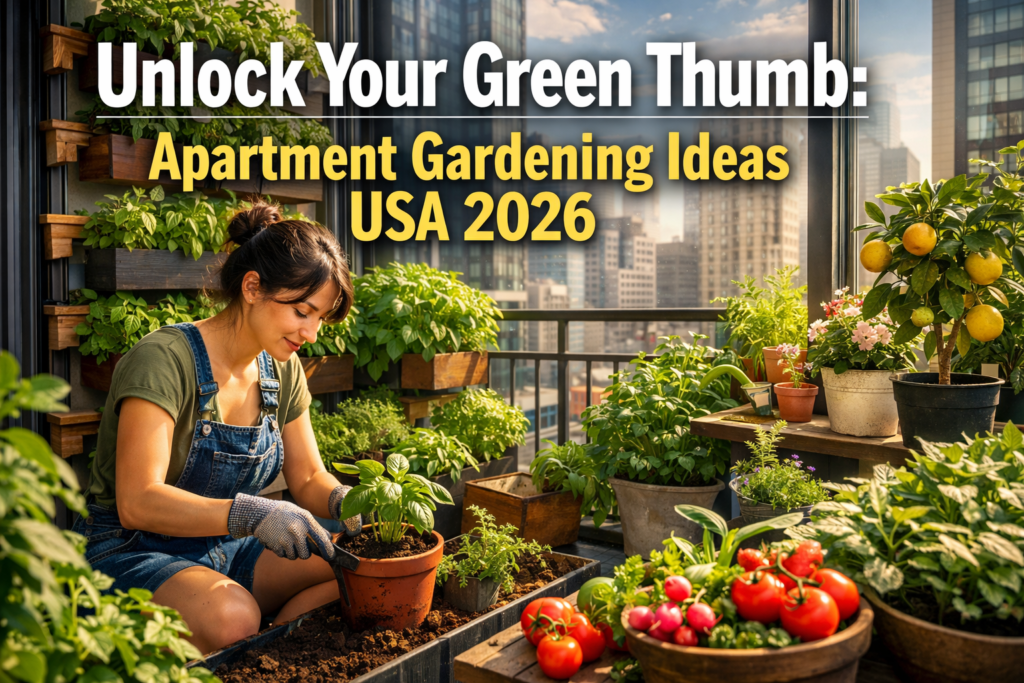
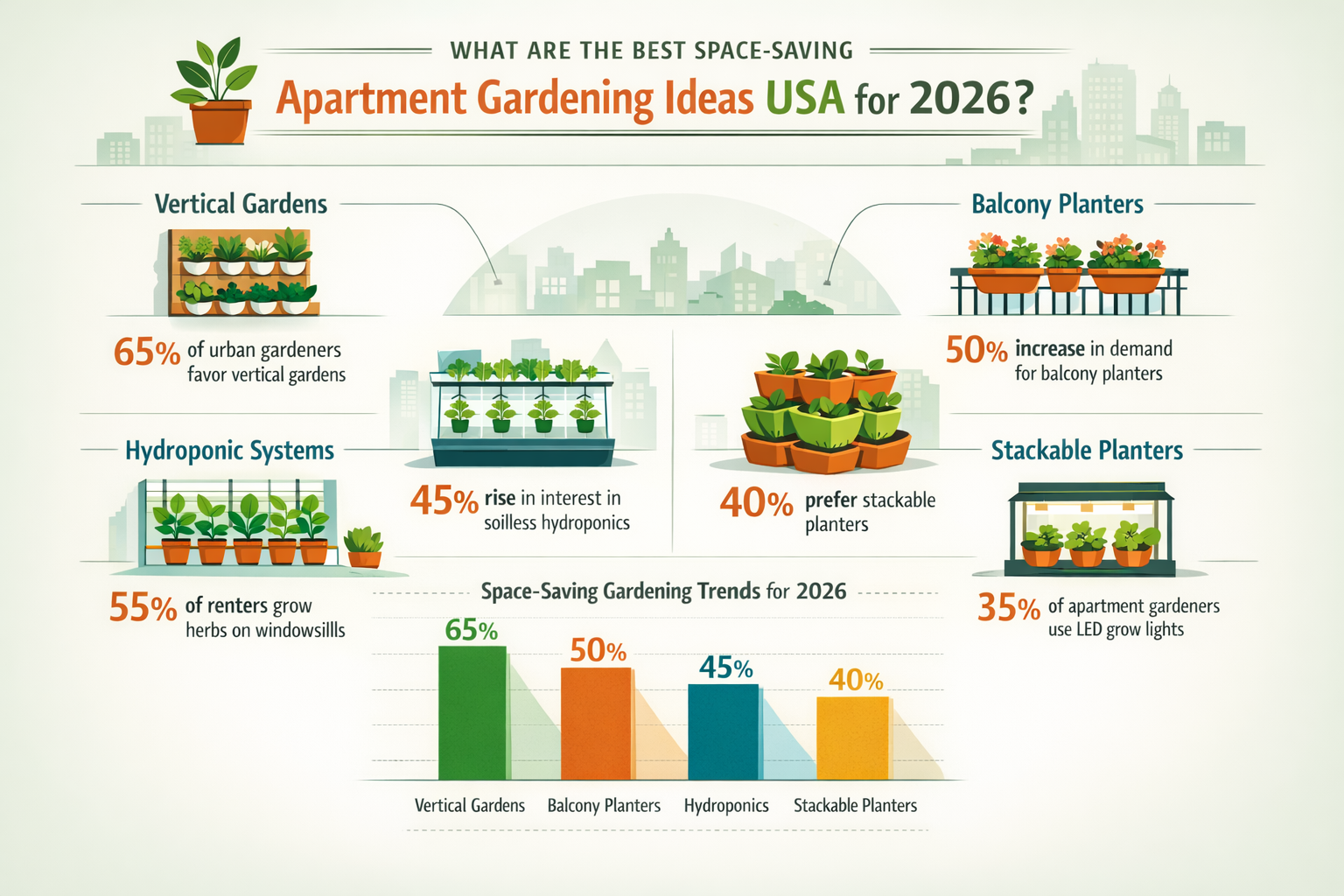
The best space-saving apartment gardening ideas in the USA for 2026 revolve around maximizing vertical dimensions and utilizing modular systems to transform even the smallest nooks into thriving green spaces. These strategies are crucial for urban dwellers who typically lack traditional yard space, allowing them to cultivate a wide array of plants.
For most apartment dwellers, the challenge isn’t desire but rather square footage. Vertical gardening, hanging planters, and compact container systems are paramount for successful apartment gardening. Consider the following approaches:
- Vertical Garden Systems: These are arguably the most effective for apartment gardening.
- Wall-Mounted Planters: Systems that attach directly to a wall, allowing plants to grow upwards. They come in various forms, from pocket planters to modular shelves. These are ideal for herbs, lettuce, and small flowers. (For more details, see our guide on 2026 Wall Garden Ideas).
- Stacked Planters: Tiers of pots that stack on top of each other, creating a column of plants. Strawberries, herbs, and small succulents do well in these.
- Pallet Gardens: Upcycled wooden pallets can be stood upright and converted into multi-level planters, though they require more space than other vertical options.
- Hanging Gardens:
- Ceiling Hooks & Macramé Hangers: Perfect for trailing plants, small ferns, and air plants, freeing up valuable floor or counter space.
- Rail Planters: Specifically designed to hang over balcony railings, providing external growing space without intruding on the balcony itself. These are great for petunias or small edibles.
- Container Gardening Solutions:
- Smart Pot Selection: Choose self-watering pots or containers with integrated trellises for climbing plants. Opt for lightweight materials if you plan to move them frequently. Check out our recommendations for the Best Pots For Balcony Garden 2026.
- Window Boxes: Traditional window boxes can be installed on exterior sills (if permitted by your building) or on interior sills, providing a narrow, linear growing area.
- Grow Bags: Fabric grow bags are lightweight, portable, and excellent for root vegetables like carrots or potatoes, which need deeper soil, or for larger plants like tomatoes. They also prevent root circling.
- Hydroponic and Aeroponic Systems:
- Countertop Hydroponics: For those looking for cutting-edge apartment gardening ideas USA, small, self-contained hydroponic units are excellent for growing herbs and leafy greens indoors year-round with minimal mess and faster growth. These systems deliver nutrients directly to plant roots in a water solution, eliminating soil.
- Aeroponic Towers: While larger, compact aeroponic towers can be placed on a balcony or in a well-lit corner, misting roots with nutrient solution and offering very high yield in a small footprint.
When choosing a system, consider the amount of sunlight your space receives, your budget (see Budget Balcony Gardening Ideas 2026), and the types of plants you wish to grow. For instance, a south-facing balcony will provide ample light for various edibles, while a north-facing window might be better suited for shade-tolerant ornamental plants or specific herbs.
What Are the Essential Supplies and Best Plants for Apartment Gardening in the USA?
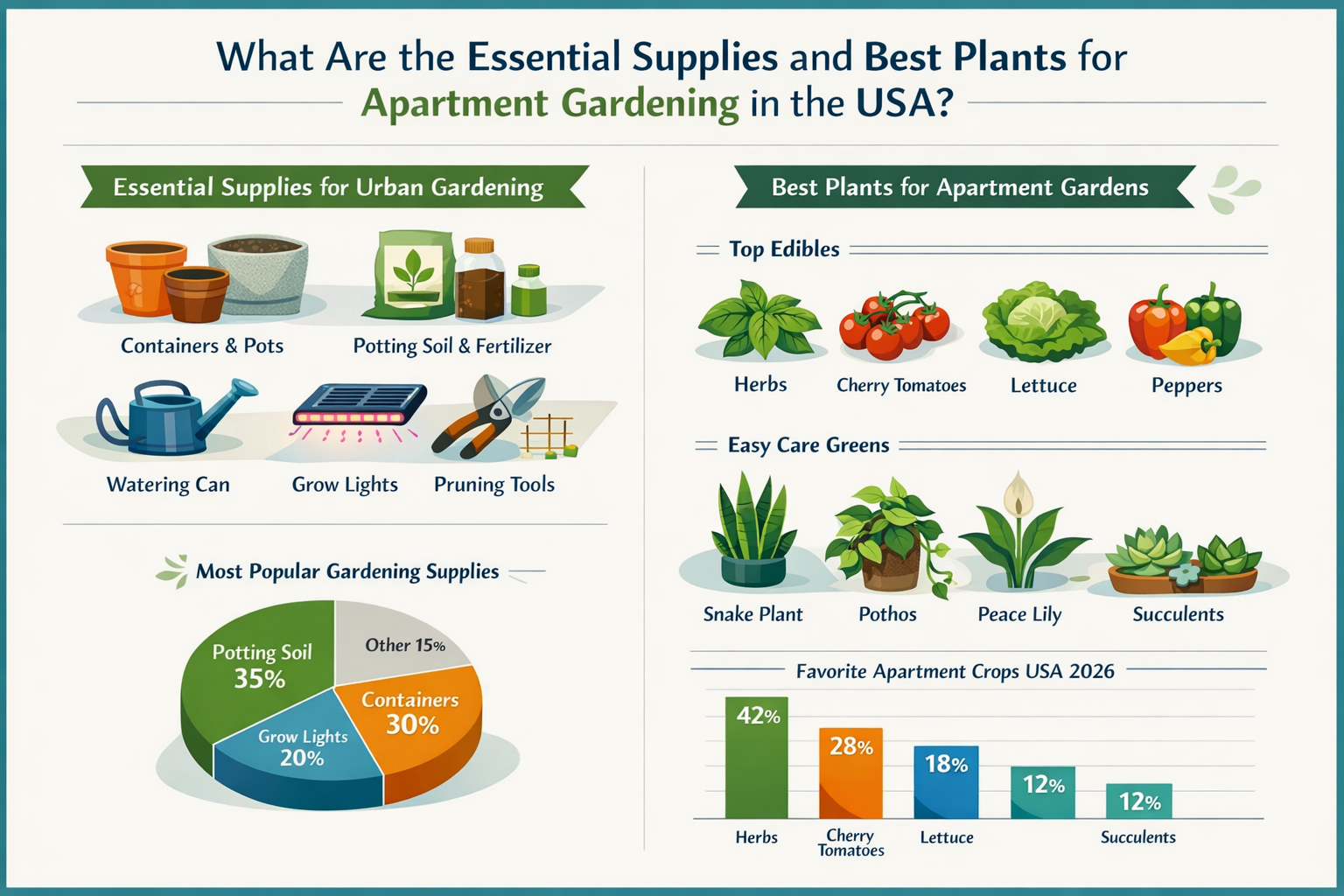
For successful apartment gardening in the USA in 2026, essential supplies include appropriate containers, quality potting mix, and basic tools, while the best plants are those that are compact, productive in limited light, and well-suited for container life. Selecting the right combination of tools and flora significantly impacts your garden’s health and yield.
Effective apartment gardening is a balance between having the right equipment and choosing plants that thrive in confined, often partially shaded, environments.
Essential Supplies
- Containers:
- Variety is Key: From small terracotta pots for herbs to larger fabric grow bags for vegetables or dwarf fruit trees. Material matters—plastic retains moisture better, while terracotta breathes more.
- Drainage Holes: Non-negotiable for all containers to prevent root rot. If a pot lacks them, drill your own.
- Saucers/Trays: To catch excess water and protect floors or balconies.
- Potting Mix:
- Not Garden Soil: Use a high-quality, lightweight potting mix specifically formulated for containers. It provides good drainage, aeration, and nutrient retention. Avoid heavy garden soil which compacts in pots. For optimal growth, refer to our guide on the Best Soil Mix For Container Gardening.
- Watering Equipment:
- Small Watering Can or Spray Bottle: Essential for precise watering, especially for delicate seedlings or indoor plants.
- Self-Watering Systems: Consider these for busy gardeners or if you tend to forget watering, as they provide a consistent moisture supply.
- Basic Tools:
- Hand Trowel and Cultivator: For planting, transplanting, and aerating soil.
- Pruning Shears: For harvesting herbs, trimming growth, and removing dead leaves to encourage new growth.
- Gloves: To protect your hands.
- Fertilizer:
- Liquid or Slow-Release: Container plants deplete soil nutrients faster. A balanced liquid fertilizer applied regularly or a slow-release granular fertilizer will keep plants nourished. Consider specific Fertilizers For Vegetables if growing edibles.
- Light Source (Optional but Recommended):
- Grow Lights: For apartments with limited natural light, compact LED grow lights can make a huge difference, especially for starting seeds or growing demanding vegetables indoors.
Best Plants for Apartment Gardening in the USA
Choosing the right plants is crucial for success. Prioritize those that are compact, have shallow root systems, or can tolerate partial shade.
- Herbs (Great for Beginners):
- Basil, Mint, Rosemary, Thyme, Parsley, Cilantro: Most herbs thrive in pots and don’t require immense space. They also benefit from frequent harvesting. See our Indoor Herb Garden Setup for more.
- Leafy Greens:
- Lettuce (loose-leaf varieties), Spinach, Arugula, Kale, Swiss Chard: These grow quickly, are “cut-and-come-again,” and many varieties tolerate partial shade.
- Compact Vegetables:
- Cherry Tomatoes (Dwarf Varieties): Look for determinate or bush varieties designed for containers.
- Bush Beans: Unlike pole beans, bush beans don’t require extensive trellising.
- Radishes, Carrots (Short Varieties): Grow well in deeper containers or fabric grow bags.
- Bell Peppers (Compact Varieties): Can be productive in 2-3 gallon pots.
- Small Eggplants: Similar to peppers, choose varieties bred for containers.
- Strawberries: Excellent in hanging baskets or stacked planters.
- Ornamental Plants:
- Succulents & Cacti: Low maintenance, require little water, and thrive in bright, indirect light.
- Pothos, Spider Plants, ZZ Plants: Tolerant of lower light conditions and purify indoor air.
- Impatiens, Petunias (Dwarf Varieties): Add a splash of color to balconies or windowsills.
Decision Rule: Choose plants based on the sunlight exposure your apartment receives. Full sun (6+ hours direct light) opens up more options for fruiting vegetables. Partial sun (3-6 hours) is ideal for most leafy greens and herbs. Low light (less than 3 hours) is best for specific indoor ornamentals or less demanding herbs like mint. Avoid large, sprawling plants unless you have a particularly spacious balcony.
Common Mistake: Overwatering is a frequent mistake, especially with container plants. Always check soil moisture with your finger before watering. The top inch or two should feel dry before you water again. For more on this, consult our article on Common Watering Mistakes In Container Gardening.
How Can I Maximize Yields in a Small Apartment Garden?
Maximizing yields in a small apartment garden involves strategic plant selection, optimizing light exposure, and implementing consistent care routines, ensuring that every inch of space and every available resource contributes to robust plant growth. Efficient use of resources directly translates to a more productive mini-ecosystem within your living space.
To get the most out of your limited space, consider these key strategies:
- Strategic Plant Grouping and Companion Planting:
- Verticality with Vining Plants: Train vining plants like cucumbers (bush varieties), small gourds, or climbing beans up trellises, stakes, or string. This utilizes vertical space without taking up valuable floor area.
- Companion Planting: Pair plants that benefit each other. For example, basil can enhance the flavor of tomatoes and deter some pests. Lettuce can be interplanted beneath taller plants to utilize partial shade.
- Succession Planting:
- Continuous Harvest: Instead of planting all your seeds at once, sow small batches of quick-growing crops (like lettuce, radishes, or bush beans) every 2-3 weeks. This ensures a continuous harvest throughout the growing season rather than a single large yield followed by an empty patch.
- Rotate Crops: Even in small containers, rotating plant families annually can help prevent nutrient depletion and pest buildup.
- Optimize Light Exposure:
- Track Sunlight: Observe your space throughout the day to understand light patterns. Rotate plants to ensure all sides receive adequate sunlight.
- Reflective Surfaces: Use white or reflective materials near your plants to bounce light onto less exposed areas. Aluminum foil or white poster board can work wonders.
- Grow Lights: Supplement natural light with LED grow lights, especially during shorter days or for plants with high light requirements. This can significantly boost growth and yield, particularly for indoor vegetable gardening.
- Consistent Watering and Nutrition:
- Regular Watering: Container plants dry out quickly. Check soil moisture daily and water deeply when needed, ensuring excess water drains away. Avoid common watering mistakes that can hinder growth.
- Fertilize Regularly: As mentioned, container plants exhaust nutrients faster. Use a balanced liquid fertilizer every 2-4 weeks or a slow-release granular product to keep them fed.
- Pruning and Harvesting Techniques:
- Pinch Back Herbs: Regularly pinch off the top leaves of herbs like basil and mint to encourage bushier growth and prevent flowering, which can reduce leaf production.
- “Cut-and-Come-Again” Greens: Harvest outer leaves of lettuce, spinach, and kale, allowing the plant to continue producing from the center.
- Deadheading: Remove spent flowers from ornamental plants to encourage more blooms.
- Pest and Disease Management:
- Early Detection: Regularly inspect your plants for signs of pests or disease. Early intervention is key in a small, contained environment to prevent spread.
- Organic Solutions: Use neem oil, insecticidal soap, or horticultural oils as natural, safe treatments for common apartment garden pests. Introduce beneficial insects if you have a controlled outdoor balcony space.
Edge Case: If your apartment faces north or has very limited direct sunlight, focus on plants that tolerate shade or low light, such as mint, cilantro, spinach, or specific ornamental plants like ZZ plants or ferns. Trying to force sun-loving plants in these conditions will likely result in sparse growth and low yields. Consider investing in a strong grow light for these scenarios to significantly expand your plant options.
What Are the Best Practices for Balcony Gardening in the USA in 2026?
Balcony gardening in the USA in 2026 demands attention to structural limits, weather exposure, and community rules, alongside standard container gardening practices to ensure a thriving and safe elevated green space. It offers a unique opportunity to create an outdoor oasis while navigating specific urban constraints.
Balconies provide valuable outdoor growing space, but they come with their own set of considerations distinct from indoor gardening.
- Assess Structural Capacity and Regulations:
- Weight Limits: Soil, water, and containers can become very heavy. Distribute weight evenly and avoid overloading any single area. Consult your building management or a structural engineer if unsure.
- Lease/HOA Rules: Many apartment complexes have rules regarding balcony use, including what can be grown, planter types, and watering practices (e.g., no dripping water onto lower balconies). Understand these thoroughly before you begin. For renters, this guide on Balcony Gardening For Renters: 2026 Ultimate Guide is invaluable.
- Sunlight and Wind Exposure:
- Sunlight Mapping: Just like indoors, track how much direct sun your balcony receives throughout the day. South-facing balconies usually offer the most sun, west-facing gets intense afternoon sun, and north-facing gets minimal direct light.
- Wind Protection: Balconies, especially on higher floors, can be very windy.
- Choose Wind-Resistant Plants: Opt for plants with flexible stems and sturdy root systems, or those listed as Wind-Resistant Balcony Plants.
- Sturdy Containers: Heavy ceramic or concrete pots are less likely to tip over than lightweight plastic.
- Windbreaks: Consider adding a trellis with climbing plants or a removable screen if winds are consistently strong.
- Watering and Drainage:
- Frequent Watering: Balcony plants in containers are exposed to more sun and wind, causing soil to dry out faster. Daily watering may be necessary, especially in summer.
- Proper Drainage: Ensure all pots have drainage holes and use saucers underneath to prevent water runoff onto lower balconies or public areas. Self-watering planters can be a great solution.
- Plant Selection for Balconies:
- Edibles: Many herbs, leafy greens, radishes, bush beans, cherry tomatoes, and compact peppers thrive on balconies. For specific ideas, see Small Balcony Vegetable Gardening: Your 2026 Urban Guide.
- Flowers: Petunias, marigolds, nasturtiums, and impatiens (for shady spots) add beauty and can attract pollinators.
- Dwarf Trees/Shrubs: Consider dwarf citrus, blueberries, or small evergreens if your balcony can support the weight and has adequate space.
- Pest and Disease Management:
- Increased Exposure: Balcony gardens are more exposed to outdoor pests than indoor plants. Regularly inspect plants.
- Organic Solutions: Use organic pest control methods like neem oil or insecticidal soap.
- Good Air Circulation: Ensure plants aren’t overly crowded to promote air flow, which helps prevent fungal diseases.
- Aesthetics and Design:
- Verticality: Employ vertical gardening systems to maximize planting area without cluttering the floor.
- Mix Heights and Textures: Use a variety of pot sizes and plant types to create visual interest.
- Furniture Integration: Incorporate plants into your balcony furniture arrangement for a cohesive look. Explore Balcony Garden Decor Ideas 2026 for inspiration.
Comparison Table: Indoor vs. Balcony Apartment Gardening
| Feature | Indoor Apartment Gardening | Balcony Apartment Gardening |
|---|---|---|
| Light Source | Primarily natural window light; often supplemented by grow lights. | Natural sun, but varying exposure depending on orientation/shade. |
| Environmental Control | Controlled temperature, humidity; minimal wind. | Exposed to outdoor temperatures, humidity, wind, rain. |
| Pest Exposure | Lower, but can get indoor pests (spider mites, fungus gnats). | Higher, exposed to outdoor insects and wildlife. |
| Weight Limits | Generally less of a concern, but heavy pots can be bulky. | Critical consideration for structural integrity. |
| Watering Needs | Less frequent due to lower evaporation. | More frequent due to wind and sun exposure. |
| Plant Options | Limited to smaller, shade-tolerant, or grow-light-friendly plants. | Wider range of edibles and ornamentals, including sun-lovers. |
| Aesthetic Impact | Enhances interior decor, purifies air. | Extends living space, creates outdoor retreat. |
| Community Rules | Minimal, often related to pot size near windows. | More frequent regulations (runoff, appearance, safety). |
What Common Mistakes Should Be Avoided in Apartment Gardening?
Avoiding common pitfalls in apartment gardening is crucial for success, with the most prevalent errors stemming from incorrect plant selection for available light, inadequate watering practices, and neglecting drainage, all of which can quickly lead to plant stress or failure. Understanding and sidestepping these mistakes ensures a healthier, more productive garden.
Many aspiring apartment gardeners make similar mistakes that can be easily avoided with a little foresight and planning.
- Ignoring Light Requirements:
- Mistake: Planting sun-loving vegetables like tomatoes in a north-facing window that receives only indirect light.
- Solution: Accurately assess your available sunlight throughout the day. Most vegetables require at least 6 hours of direct sun. If you don’t have it, choose shade-tolerant plants (e.g., leafy greens, herbs) or invest in a full-spectrum grow light for indoor vegetable gardening.
- Improper Watering:
- Mistake: Overwatering (leading to root rot) or underwatering (causing wilting and stress). There’s no one-size-fits-all schedule.
- Solution: Feel the soil before watering. Water when the top inch or two of soil is dry. Water deeply until it drains from the bottom, then empty any saucers. Use pots with proper drainage. Read our guide on how often to water container plants.
- Using the Wrong Soil:
- Mistake: Using garden soil from outdoors in containers. It’s too dense, compacts easily, and doesn’t drain well in pots.
- Solution: Always use a high-quality potting mix specifically designed for containers. It provides the necessary aeration, drainage, and nutrient retention.
- Neglecting Drainage:
- Mistake: Planting in pots without drainage holes, or allowing pots to sit in standing water in saucers.
- Solution: Ensure every container has drainage holes. If not, drill them. Use saucers, but empty any accumulated water within 30 minutes of watering to prevent waterlogging.
- Overcrowding Plants:
- Mistake: Sowing too many seeds or planting too many plants in one container to maximize space.
- Solution: Follow spacing recommendations for each plant. Overcrowding leads to competition for light, water, and nutrients, resulting in weak, unproductive plants. Thin seedlings properly. For guidance on appropriate pot sizes, see our Pot Size Guide For Vegetables 2026.
- Forgetting to Fertilize:
- Mistake: Relying solely on the nutrients in potting mix, which are quickly depleted in container gardening.
- Solution: Supplement with a balanced liquid or slow-release fertilizer regularly, typically every 2-4 weeks, after the initial nutrients in the potting mix have been used up.
- Ignoring Pests and Diseases:
- Mistake: Not regularly inspecting plants, allowing pests or diseases to take hold and spread.
- Solution: Make it a habit to check your plants (top and bottom of leaves) for any signs of trouble. Address issues promptly with organic pest control methods. Early detection prevents major infestations.
- Not Considering Building Regulations:
- Mistake: Setting up a balcony garden that violates lease agreements regarding weight limits, aesthetics, or water runoff.
- Solution: Always check with your landlord or HOA before making significant changes to your balcony or exterior windows.
- Trying to Grow Too Much, Too Soon:
- Mistake: Overwhelming yourself by attempting to grow a vast, diverse garden as a beginner.
- Solution: Start small with easy-to-grow plants like herbs or leafy greens. Build confidence and knowledge, then gradually expand your garden. This prevents burnout and ensures a more enjoyable experience. Consider starting with our Beginner Indoor Gardening Tips: 2026 Starter Guide.
By being mindful of these common missteps, apartment gardeners can create a more resilient and rewarding green space in 2026.
How Can Urban Gardeners Maintain Their Apartment Gardens Throughout the Year?
Maintaining apartment gardens year-round in the USA requires adapting to seasonal changes, addressing common issues like pests and nutrient depletion, and employing smart watering and pruning techniques to ensure continuous health and productivity. Consistent, proactive care is the bedrock of a thriving urban garden.
Seasonal shifts and continuous growth mean your apartment garden needs ongoing attention. Here’s how to maintain it effectively:
- Seasonal Adjustments:
- Spring (Planting & Growth): This is prime time for starting seeds indoors or moving tender plants outdoors to a balcony. Focus on consistent watering and initial fertilization as plants establish. Repot plants that have outgrown their containers.
- Summer (Peak Production): Increased heat means more frequent watering, sometimes daily for balcony plants. Monitor for pests that thrive in warm weather. Harvest regularly to encourage more production. Provide shade if plants are getting scorched by intense afternoon sun.
- Autumn (Transition & Harvest): Harvest remaining summer crops. Plant cool-season crops like kale, spinach, and lettuce. Bring sensitive plants indoors before the first frost. Reduce watering as temperatures drop and evaporation slows.
- Winter (Dormancy & Indoor Focus): For outdoor spaces, clean up containers and store them. Focus on indoor gardening, perhaps with grow lights for herbs or microgreens. Ensure indoor plants receive adequate light and humidity, reducing watering significantly for dormant plants.
- Watering Wisely:
- Feel the Soil: The most reliable method is to check the top inch or two of soil moisture with your finger. Water when it feels dry.
- Deep Watering: Always water until it drains from the bottom of the pot. This encourages deep root growth.
- Consider Self-Watering Planters: These can be a lifesaver for busy individuals, ensuring consistent moisture.
- Monitor Humidity: Indoor plants, especially in winter with heating on, may need increased humidity. Use pebble trays or a humidifier.
- Nutrition and Soil Health:
- Regular Fertilization: As discussed, container plants deplete nutrients faster. Follow a regular feeding schedule with a balanced liquid fertilizer or slow-release granules.
- Top-Dressing: Add a fresh layer of compost or worm castings to the top of the soil annually to replenish organic matter.
- Repotting: Every 1-2 years, repot plants that have become root-bound into slightly larger containers, or prune roots and replace some old soil with fresh potting mix. This is especially important for herbs and small shrubs.
- Pruning and Deadheading:
- Encourage Bushiness: Pinch back herbs like basil and mint to prevent them from flowering and to promote denser foliage.
- Remove Spent Blooms: Deadhead flowering plants (remove faded flowers) to encourage new blooms and prevent the plant from putting energy into seed production.
- Trim Leggy Growth: Prune back any long, straggly stems to maintain plant shape and vigor.
- Pest and Disease Management:
- Daily Inspection: Make it a routine to quickly scan your plants for signs of pests (e.g., sticky residue, tiny bugs, chewed leaves) or disease (e.g., spots, discoloration).
- Organic Solutions: Keep a bottle of insecticidal soap or neem oil handy for quick treatment.
- Quarantine New Plants: Isolate new plants for a week or two before introducing them to your main garden to prevent introducing pests.
- Cleanliness and Organization:
- Keep Tools Clean: Sterilize pruning shears between plants to prevent disease spread.
- Remove Debris: Clear fallen leaves and dead plant matter from pots to deter pests and disease.
- Organize Your Space: A tidy garden is easier to maintain and makes spotting problems quicker. Explore Small Space Garden Hacks: Grow More In Less (2026) for more ideas.
Actionable Next Step: Create a simple weekly or bi-weekly checklist for your garden, covering watering, feeding, pest checks, and light pruning. This routine ensures consistent care and prevents small issues from becoming big problems.
FAQ About Apartment Gardening Ideas USA
Q1: Can I grow vegetables in a small apartment without a balcony?
Yes, you can! Focus on indoor options like windowsill gardens for herbs and leafy greens, or use grow lights for plants with higher light needs. Countertop hydroponic systems are also excellent for growing vegetables indoors.
Q2: What are the easiest vegetables to grow for beginners in an apartment?
Leafy greens like lettuce, spinach, and arugula, along with herbs such as basil, mint, and cilantro, are among the easiest and most forgiving options for apartment gardeners. Radishes are also quick and relatively simple.
Q3: How much sunlight do apartment plants need?
Most fruiting vegetables (like tomatoes, peppers) need 6-8 hours of direct sunlight. Leafy greens and many herbs can thrive with 3-6 hours of direct sun or bright indirect light. Many ornamental plants can tolerate even less.
Q4: Do I need special soil for apartment container gardening?
Yes, always use a high-quality potting mix designed for containers. It’s lighter, drains better, and provides necessary aeration, unlike heavy garden soil which compacts in pots.
Q5: How often should I water my apartment garden plants?
Watering frequency depends on the plant, pot size, and environmental conditions. Check the soil moisture daily; water when the top inch or two of soil feels dry. Water deeply until it drains from the bottom.
Q6: Can I use regular tap water for my apartment plants?
Generally, yes. Most tap water is fine. If your tap water is heavily chlorinated, let it sit out for 24 hours to allow the chlorine to dissipate before using it.
Q7: What are vertical gardens and are they good for apartments?
Vertical gardens are systems where plants grow upwards, maximizing space. They are excellent for apartments and balconies, allowing you to grow more plants in a small footprint by utilizing wall space or stacked planters.
Q8: How can I deal with pests in my apartment garden?
Regularly inspect your plants. For common pests like aphids or spider mites, use organic solutions such as insecticidal soap, neem oil, or simply wipe them off with a damp cloth. Good air circulation also helps prevent many issues.
Q9: Is it expensive to start an apartment garden?
It doesn’t have to be. You can start with basic pots, seeds, and potting mix for a low initial investment. Upcycling containers, starting from seeds, and choosing less expensive plants can keep costs down.
Q10: How do I know if my apartment plants are getting enough nutrients?
Signs of nutrient deficiency include yellowing leaves (especially older ones), stunted growth, or poor fruit/flower production. Regular fertilization with a balanced liquid fertilizer is usually sufficient to prevent these issues.
Conclusion
Apartment gardening in the USA in 2026 is a highly achievable and rewarding pursuit, transforming confined urban spaces into vibrant, productive green sanctuaries. By embracing space-saving techniques like vertical gardening and strategic container use, urban dwellers can cultivate a surprising array of plants, from fresh herbs and leafy greens to cheerful flowers and compact vegetables. The key to success lies in understanding your unique environment—particularly light availability—and adopting consistent care practices, including proper watering, appropriate nutrition, and vigilant pest management. While challenges like limited space and varying sunlight exist, the joy of harvesting your own produce or simply tending to a thriving plant collection offers immense satisfaction. Start small, learn as you grow, and watch your apartment transform into a testament to the power of nature, even amidst city life.