Urban Gardening Ideas USA Small Space: Grow More in 2026
Quick Answer: Cultivating a thriving garden in a small urban space across the USA in 2026 is entirely achievable through strategic vertical planting, innovative container gardening, and smart plant selection, transforming balconies, patios, and even windowsills into productive green oases. The key lies in maximizing every inch with creative solutions and understanding the specific needs of your chosen plants in limited environments.
Key Takeaways:
- Verticality is Vital: Utilize walls, fences, and shelving to grow upward, significantly expanding your planting area without occupying precious floor space.
- Container Versatility: Nearly any plant can thrive in a container, allowing flexibility in arrangement and the ability to move plants for optimal light or protection.
- Strategic Plant Selection: Choose compact, dwarf, or high-yield varieties that are well-suited for small spaces and container life.
- Optimized Watering: Small space gardens, especially containers, often require more frequent and careful watering due to faster soil drying.
- Sunlight is Supreme: Assess your space’s sunlight exposure throughout the day to match plants to their ideal growing conditions.
- DIY & Budget-Friendly: Many effective small space gardening solutions can be created or adapted using recycled materials, keeping costs down.
- Pest and Disease Management: Easier to spot and manage issues in a contained environment, but vigilance remains crucial.
- Community Resources: Urban gardeners can often find support, workshops, and shared resources through local community garden groups or online forums.
What Are the Best Vertical Gardening Ideas for Small Urban Spaces in the USA?
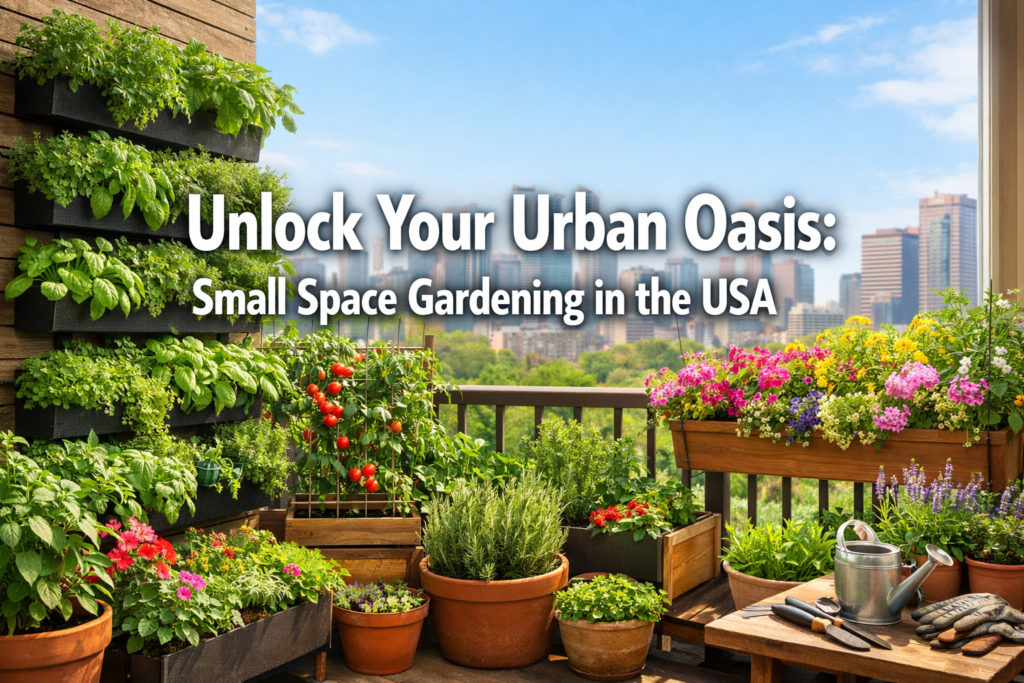
The best vertical gardening ideas for small urban spaces in the USA leverage existing structures like walls, fences, and railings to grow plants upwards, dramatically increasing planting capacity without consuming valuable ground space. This approach is ideal for balconies, patios, and even small backyards in bustling cities.
Vertical gardening systems are a cornerstone of effective urban gardening ideas USA small space. They make it possible to grow a wide array of plants, from herbs and leafy greens to flowering ornamentals and even some compact vegetables. Choosing the right system depends on your budget, available light, and the types of plants you wish to grow.
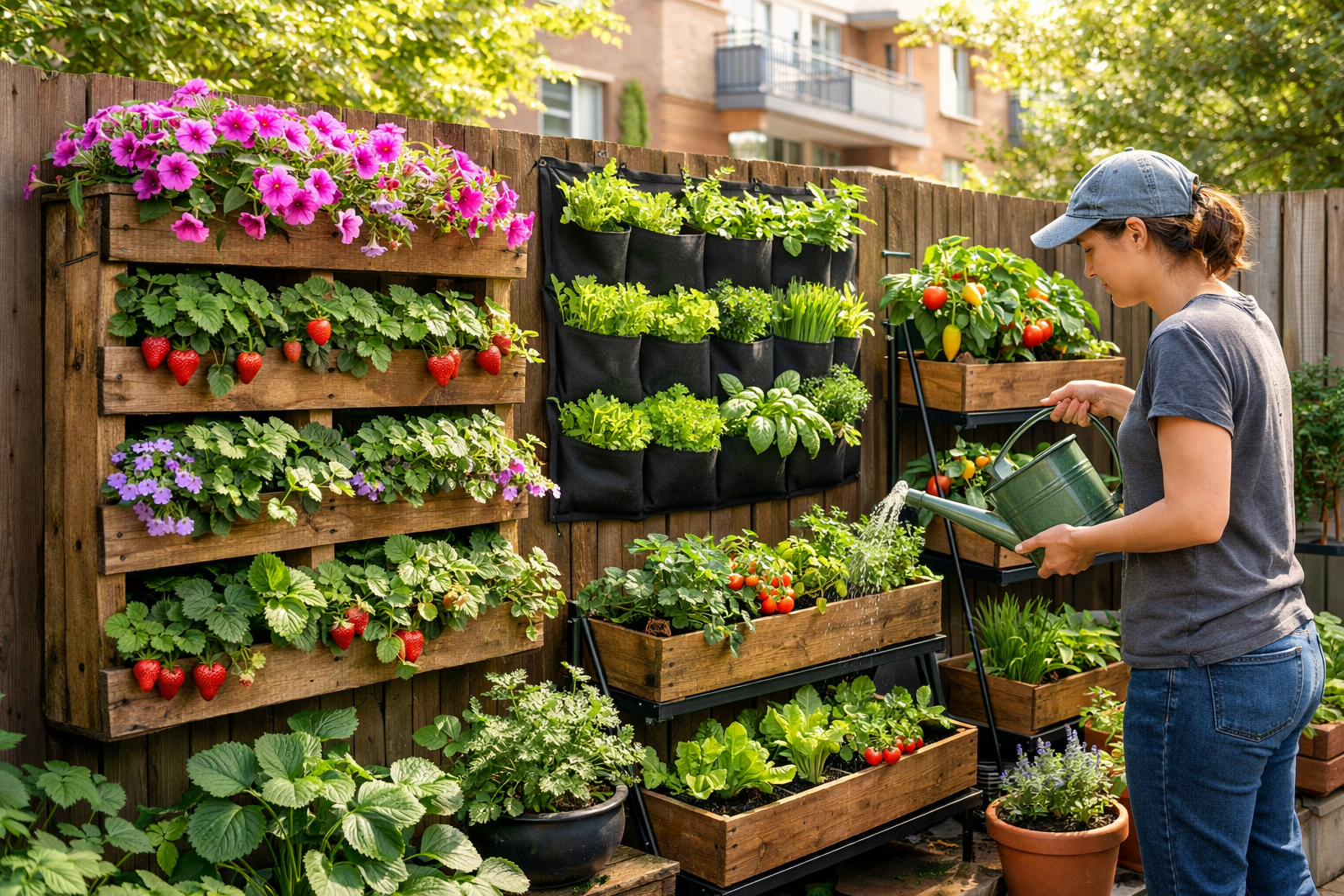
- Pallet Gardens: Repurposed wooden pallets can be easily converted into multi-tiered planters. Lay a pallet flat, staple landscape fabric into the gaps to create pockets, and fill with soil. This works well for herbs like mint, basil, and thyme, or strawberries.
- Wall-Mounted Planters: Fabric pocket planters or modular plastic systems can be directly attached to walls or fences. These are excellent for creating a living wall of succulents, ferns, or various salad greens. Ensure the wall can support the weight, especially after watering.
- Tiered Planter Stands: These freestanding structures typically have multiple levels of planters, allowing you to grow several plants in a compact footprint. They are versatile and can be moved, which is beneficial for chasing the sun or protecting plants from harsh weather. Look for options with built-in drainage.
- Ladder Gardens: An old ladder can be upcycled by placing planks across the rungs to hold potted plants. This creates an appealing, rustic tiered display.
- DIY Bottle/Can Gardens: For a truly budget-friendly option, plastic bottles or tin cans can be cut, drilled, and strung together vertically, either hanging or mounted, to grow small herbs or flowers.
- Hydroponic/Aeroponic Towers: For those seeking advanced solutions, vertical hydroponic or aeroponic towers circulate nutrient-rich water, allowing for rapid plant growth without soil. While a higher initial investment, they offer significant yield in minimal space.
When selecting a vertical system for your urban gardening ideas USA small space, consider the sunlight exposure of your area. Most edible plants require at least 6 hours of direct sunlight daily. For more inspiration, explore various DIY Vertical Garden Ideas that can be tailored to your specific needs in 2026.
How Can Container Gardening Maximize Your Small Urban Space?
Container gardening maximizes small urban spaces by providing flexibility, mobility, and the ability to control growing conditions for individual plants, making it an indispensable part of urban gardening ideas USA small space. This method allows gardeners to transform any hard surface into a productive growing area.
The beauty of container gardening lies in its adaptability. You aren’t restricted by permanent garden beds, enabling you to experiment with different arrangements and relocate plants as needed. This is particularly useful in urban environments where sunlight patterns can shift throughout the day or season.
- Choose the Right Containers: A wide variety of containers are suitable, including terracotta pots, plastic nursery pots, fabric grow bags, wooden planters, and repurposed items like old tires or buckets. The key is proper drainage holes. For ideas on suitable vessels, see our guide on Best Pots For Balcony Garden 2026.
- Size Matters: Select containers appropriate for the mature size of your plant’s root system. Shallow-rooted plants like lettuce or radishes can thrive in shallower pots, while deep-rooted vegetables like tomatoes or carrots require deeper containers (at least 12-18 inches). For specific vegetable recommendations, check out Best Vegetables For Small Space Gardening In 2026.
- Premium Potting Mix: Use a high-quality potting mix specifically designed for containers. This provides good drainage, aeration, and nutrient retention, which is crucial as container plants don’t have access to the extensive nutrient network of a garden bed. Avoid using garden soil, which can compact and inhibit root growth in pots.
- Strategic Arrangement: Arrange containers to maximize sunlight exposure. Taller plants can be placed at the back or north side of your space to avoid shading smaller plants. Consider rolling plant caddies for easy repositioning.
- Watering Wisely: Container plants dry out faster than in-ground gardens. Monitor soil moisture daily, especially during hot weather. Overwatering and underwatering are common pitfalls; refer to How Often Should You Water Container Plants? 2026 Expert Guide for best practices.
- Fertilization: Since nutrients can leach out of containers with watering, regular fertilization is important. Use a balanced liquid fertilizer every 2-4 weeks during the growing season, or incorporate slow-release granules into your potting mix.
- Plant Companionship: Group plants with similar light and water needs together to simplify care. Certain companion plantings can also deter pests or enhance growth.
Container gardening offers unparalleled flexibility for urban dwellers. It allows for a vibrant and productive garden even in the most restricted environments, making it a cornerstone of successful urban gardening ideas USA small space.
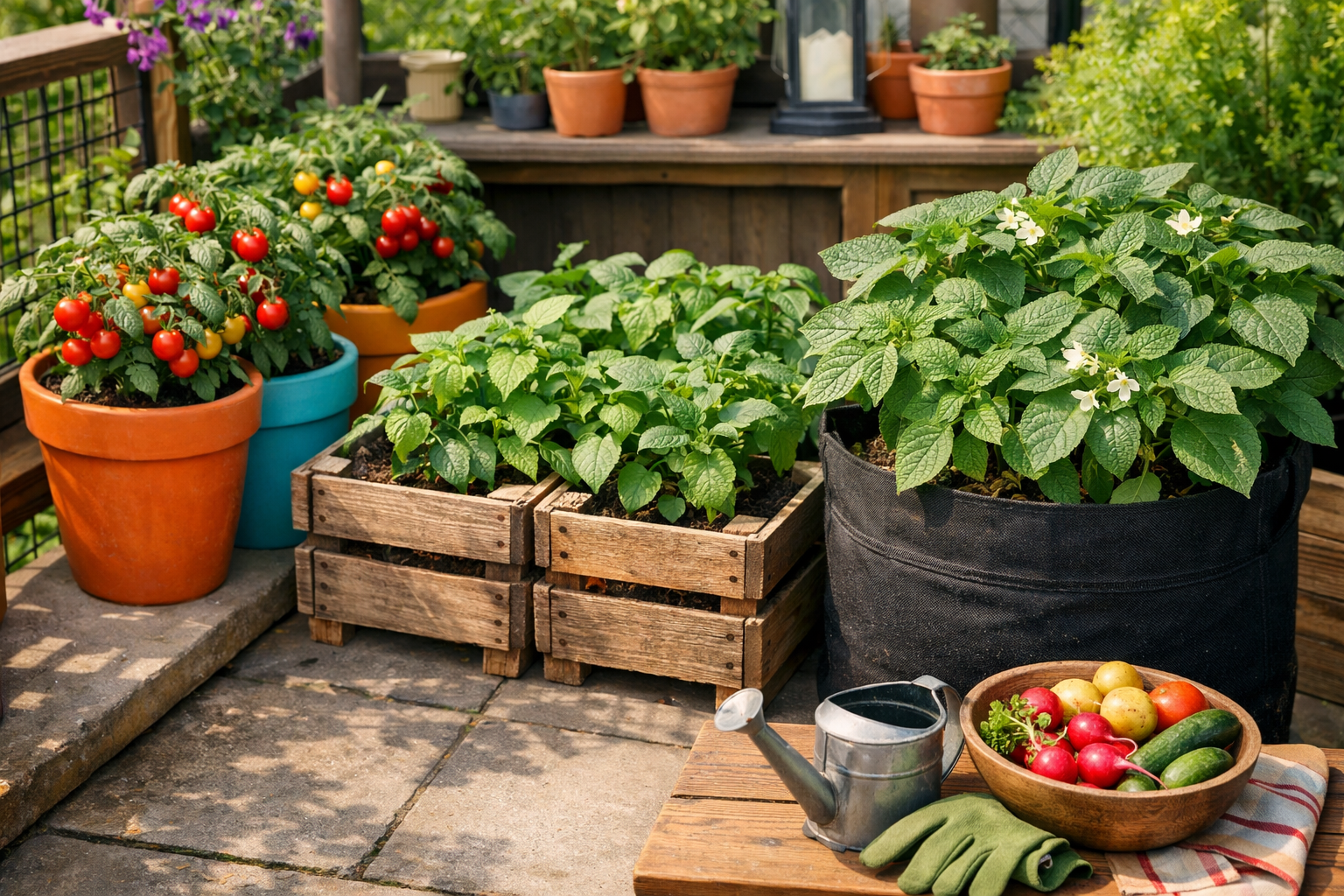
What are the Best Plants for Small Space Urban Gardens in 2026?
For urban gardening ideas USA small space, the best plants are those that are compact, productive, and can tolerate container life or limited growing areas. Choosing the right varieties ensures maximum yield and enjoyment from your miniature garden.
The key is to look for “dwarf,” “bush,” “patio,” or “compact” varieties, as these are specifically bred to perform well in restricted conditions. Prioritizing plants that offer continuous harvests or multiple uses (e.g., herbs that double as decor) also maximizes your limited space.
Here’s a breakdown of excellent choices:
- Leafy Greens:
- Lettuce & Spinach: Quick-growing, can be succession planted, and tolerate partial shade. ‘Buttercrunch’ lettuce and ‘Tyee’ spinach are excellent choices for containers.
- Swiss Chard & Kale: Productive, attractive, and can be harvested outer leaves over time. ‘Bright Lights’ chard adds vibrant color.
- Herbs:
- Basil, Mint, Chives, Parsley, Cilantro: Most herbs thrive in pots and offer continuous harvests. They can be grown in window boxes, vertical planters, or small individual pots. Explore specific guidance in our Balcony Herb Garden Guide 2026.
- Compact Vegetables:
- Cherry Tomatoes: Look for ‘Patio Princess’, ‘Tiny Tim’, or ‘Bush Early Girl’ varieties. These are determinate types that stay compact and are ideal for containers. Our Growing Tomatoes In Small Spaces guide offers more tips.
- Bush Beans: Unlike pole beans, bush varieties don’t need trellises and are perfect for pots.
- Radishes & Carrots: Choose short-rooted carrot varieties like ‘Danvers Half Long’ or ‘Paris Market’. Radishes mature quickly and require shallow containers.
- Peppers: Bell peppers and chili peppers like ‘Pot-a-Peno’ or ‘Lunchbox’ varieties are great for containers, especially when supported.
- Eggplant: ‘Patio Baby’ or ‘Fairytale’ eggplants are compact and prolific in pots.
- Cucumbers: Bush varieties like ‘Spacemaster’ or ‘Bush Champion’ can be grown in large containers with a small trellis.
- Small Fruits:
- Strawberries: Excellent for hanging baskets or vertical planters, offering a sweet reward.
- Blueberries: Dwarf varieties like ‘Top Hat’ can be grown in large containers if you provide acidic soil.
- Edible Flowers:
- Nasturtiums, Pansies, Marigolds: Add beauty and can be used in salads. Many also deter pests. See our Best Flowers For Small Spaces article for more.
When planning your urban gardening ideas USA small space, always check the plant tag for mature size, light requirements, and whether it’s suitable for container growing.
What Essential Tools and Supplies Do You Need for Small Space Urban Gardening?
For successful urban gardening ideas USA small space, a minimalist yet effective set of tools and supplies is crucial, prioritizing versatility and space-saving design. You don’t need a sprawling shed full of equipment, but rather a few key items that perform multiple functions.
The right tools not only make gardening easier but also ensure your plants receive the care they need to thrive in confined conditions. Opt for high-quality, durable items that will last.
- Hand Trowel and Cultivator: Essential for digging small holes, transplanting seedlings, and breaking up compacted soil in containers. Choose ergonomic designs for comfort.
- Pruning Shears/Snips: For harvesting herbs and leafy greens, pruning back overgrown plants, and deadheading flowers. A sharp pair ensures clean cuts that promote healthy plant growth.
- Watering Can or Hose with a Gentle Sprayer: Container gardens dry out quickly. A watering can with a fine rose attachment is ideal for seedlings and delicate plants, while a hose with an adjustable nozzle is efficient for larger setups. Consider our tips on Common Watering Mistakes In Container Gardening.
- Gardening Gloves: Protect your hands from soil, thorns, and potential irritants.
- Potting Mix: As mentioned, a high-quality, well-draining potting mix is non-negotiable for container success. Look for mixes specifically formulated for vegetables or flowers, often enriched with compost.
- Containers: A variety of sizes and types, based on your plant selection. Fabric grow bags are lightweight, reusable, and promote good root aeration.
- Fertilizer: A balanced liquid or slow-release granular fertilizer formulated for your specific plants (e.g., vegetable, all-purpose).
- Seeds or Starter Plants: Begin with quality seeds or healthy young plants from a reputable nursery.
- Trellises, Stakes, or Cages: For supporting vining plants like tomatoes, cucumbers, and some peppers in containers. Vertical support is vital in small spaces.
- Plant Labels: To keep track of what you’ve planted, especially if starting from seeds or trying new varieties.
- Small Shovel/Scoop: Useful for moving potting mix into containers.
- Work Surface (Optional): A small folding table or portable potting bench can make tasks like repotting much easier.
When stocking up for your urban gardening ideas USA small space, remember that efficiency is key. Every tool should serve a clear purpose and ideally be compact enough for easy storage.
How Can Renters Successfully Implement Urban Gardening Ideas in Small Spaces?
Renters can successfully implement urban gardening ideas in small spaces by focusing on portable, non-damaging, and easily removable solutions that respect lease agreements and landlord preferences. The key is to keep everything temporary and contained.
Many urban dwellers are renters, and while they may lack permanent garden plots, their balconies, patios, windowsills, and fire escapes offer significant gardening potential.
- Container Gardening is Your Ally: All plants should be grown in containers. This allows you to easily move plants, reconfigure your layout, or take your garden with you if you move. Choose lightweight pots or fabric grow bags for ease of relocation. For a comprehensive guide, see Balcony Gardening For Renters: 2026 Ultimate Guide.
- Check Lease Agreements: Before starting, review your lease for any restrictions on exterior modifications, weight limits on balconies, or specific rules about plants. If unsure, a conversation with your landlord can prevent future issues.
- Verticality with Care: Utilize vertical gardening systems that are freestanding or attach with non-damaging methods.
- Freestanding Tiered Planters: No wall attachment needed.
- Shepherd’s Hooks: Great for hanging baskets from railings or overhangs without drilling.
- Trellises in Pots: Integrate trellises directly into large containers for vining plants.
- Window Boxes: Ensure they are securely mounted without drilling into the building if prohibited. Some designs hook onto railings.
- Weight Considerations: Be mindful of the weight of large containers, especially when filled with wet soil. Balconies have weight limits, usually around 50-100 lbs per square foot for residential balconies. Spread heavier pots evenly.
- Water Management: Prevent water runoff from damaging property below or disturbing neighbors. Use saucers under all pots to catch excess water. Consider drip trays for vertical systems.
- Pest and Disease Control: Vigilance is key to preventing infestations that could spread to neighboring units. Use organic pest control methods when possible.
- Temporary Raised Beds: If you have a small patio or ground-level space, consider temporary raised beds made from fabric grow bags or untreated wood that can be disassembled. Avoid digging directly into the ground without explicit permission.
- Sunlight Assessment: Accurately gauge the amount of sunlight your rental space receives. This dictates what you can successfully grow. Often, window boxes or hanging planters are best for spaces with limited direct sun.
By prioritizing portability, good water management, and respecting property rules, renters can fully enjoy the benefits of urban gardening ideas USA small space.
What Are Common Mistakes to Avoid in Small Space Urban Gardening?
Avoiding common pitfalls is crucial for success in urban gardening ideas USA small space, as errors can quickly lead to plant failure and wasted effort in confined environments. Knowing what to watch out for helps prevent frustration and ensures a more bountiful harvest.
Many challenges in small space gardening stem from underestimating the unique requirements of container and vertical growing. Proactive measures can mitigate most of these issues.
- Using Garden Soil in Containers: Garden soil is heavy, compacts easily, and doesn’t drain well in pots, suffocating roots. Always use a high-quality potting mix designed for containers.
- Insufficient Drainage: Pots without drainage holes or with clogged holes will drown roots. Ensure all containers have adequate drainage to prevent waterlogging.
- Underestimating Sunlight Needs: Many edibles require at least 6-8 hours of direct sunlight. Placing sun-loving plants in shaded areas leads to leggy growth and poor yields. Track your space’s sun exposure before planting.
- Overwatering or Underwatering: Container plants dry out faster but are also more susceptible to root rot if constantly soggy. Feel the soil; water when the top inch or two is dry. For guidance, read our article on Common Watering Mistakes In Container Gardening.
- Neglecting Fertilization: Container plants quickly deplete soil nutrients. Regular feeding with a balanced fertilizer is essential for continuous growth and production.
- Choosing the Wrong Plant Varieties: Planting large, sprawling varieties (e.g., full-size pumpkins, indeterminate tomatoes without proper support) in small pots will lead to disappointment. Select compact or dwarf varieties.
- Ignoring Pest and Disease Early On: In close quarters, pests and diseases can spread rapidly. Inspect plants regularly and address issues promptly with organic solutions. See Pest Control For Small Gardens: 2026 Expert Guide for tips.
- Overcrowding Plants: While tempting to maximize every inch, overcrowding restricts air circulation, promotes disease, and leads to stunted growth as plants compete for resources. Give each plant adequate space.
- Not Considering Weight Limits: Especially on balconies, the combined weight of wet soil and containers can exceed structural limits. Spread weight evenly and consider lightweight materials like fabric grow bags.
- Lack of Support for Vining Plants: Even compact vining plants need trellises or stakes. Providing support early prevents plants from breaking or growing untidily.
By being mindful of these common mistakes, your urban gardening ideas USA small space can flourish, providing you with fresh produce and beautiful greenery.
Conclusion
Embracing urban gardening ideas USA small space in 2026 offers a rewarding path to cultivating fresh produce and vibrant greenery, even within the confines of city living. The key to success lies in creative problem-solving, strategic plant selection, and smart use of vertical and container growing methods. Whether you’re a renter optimizing a balcony or a homeowner making the most of a compact patio, the principles of maximizing vertical space, choosing compact plant varieties, and ensuring proper watering and nutrition are paramount.
By avoiding common mistakes like using poor soil or neglecting plant support, you can transform seemingly unproductive areas into thriving miniature ecosystems. The journey of small space urban gardening is not just about growing plants; it’s about fostering a deeper connection to nature, enhancing your living environment, and enjoying the freshest ingredients right at your doorstep.
Next Steps for Your Urban Garden:
- Assess Your Space: Identify areas with adequate sunlight (balconies, windowsills, patios) and measure available dimensions.
- Choose Your Method: Decide if vertical gardening, container gardening, or a combination best suits your space and lifestyle.
- Select Your Plants: Research compact and high-yield varieties suitable for your climate and chosen method.
- Gather Your Tools: Invest in essential tools and high-quality potting mix.
- Start Small: Begin with a few easy-to-grow plants to build confidence and learn your space’s unique microclimate.
FAQ
Q: What is the minimum sunlight required for a small urban vegetable garden? A: Most vegetables, especially fruiting ones like tomatoes and peppers, require at least 6-8 hours of direct sunlight daily. Leafy greens and root vegetables can tolerate 4-6 hours.
Q: Can I grow vegetables indoors in a small urban space? A: Yes, many vegetables and herbs can be grown indoors, especially with adequate light. South-facing windows are ideal, or you can use grow lights for optimal results.
Q: How do I manage watering for small container gardens in hot climates? A: Container gardens dry out quickly in hot climates. Water daily, sometimes twice a day. Use self-watering planters, add mulching to retain moisture, and consider drought-tolerant plant varieties.
Q: What are the best budget-friendly urban gardening ideas for small spaces? A: Utilize repurposed items like old tires, buckets, or plastic bottles for containers. DIY pallet gardens or vertical setups from reclaimed wood are also cost-effective. Starting from seed is cheaper than buying seedlings.
Q: How can I protect my small urban garden from pests without harsh chemicals? A: Use organic pest control methods such as neem oil, insecticidal soap, hand-picking pests, companion planting to deter insects, and introducing beneficial insects. Regular inspection is key.
Q: What types of plants are best for beginners in small urban gardens? A: Easy-to-grow options include herbs (basil, mint, chives), leafy greens (lettuce, spinach), radishes, bush beans, and cherry tomatoes (dwarf varieties).
Q: Is it possible to compost in a small urban apartment? A: Yes, vermicomposting (worm composting) or using a small indoor compost bin is excellent for apartments. It turns food scraps into nutrient-rich fertilizer for your small garden.
Q: How do I ensure proper drainage in my containers? A: Always use pots with drainage holes. If a pot lacks them, drill several holes in the bottom. Place a layer of gravel or broken pottery at the bottom of the pot before adding soil for improved drainage.
Q: Can I grow fruit trees in small urban spaces? A: Yes, dwarf or columnar fruit tree varieties are suitable for large containers. Examples include dwarf citrus, fig, or even certain apple varieties. They require large pots and careful pruning.
Q: How do I prevent strong winds from damaging my balcony garden? A: Use heavy, stable pots, choose wind-resistant plants, and consider placing plants behind a protective screen or railing. Grouping pots together can also provide mutual shelter.
Q: What about urban gardening ideas for small spaces that lack direct sunlight? A: Focus on shade-tolerant plants like leafy greens (lettuce, spinach, Swiss chard), herbs (mint, parsley, cilantro), and certain flowers (impatiens, hostas). Reflective surfaces can also bounce light into darker areas.
Q: How often should I fertilize my container plants in an urban garden? A: Most container plants benefit from fertilization every 2-4 weeks during their active growing season. Always follow the product’s instructions and avoid over-fertilizing, which can burn roots.
References
- The Old Farmer’s Almanac. (2023). Container Gardening Basics.
- University of California Agriculture and Natural Resources. (2021). Urban Garden Basics.
- Cornell University Cooperative Extension. (2022). Vertical Gardens for Small Spaces.