Beginner-Friendly Herbs to Grow: Your 2026 Guide to a Thriving Herb Garden
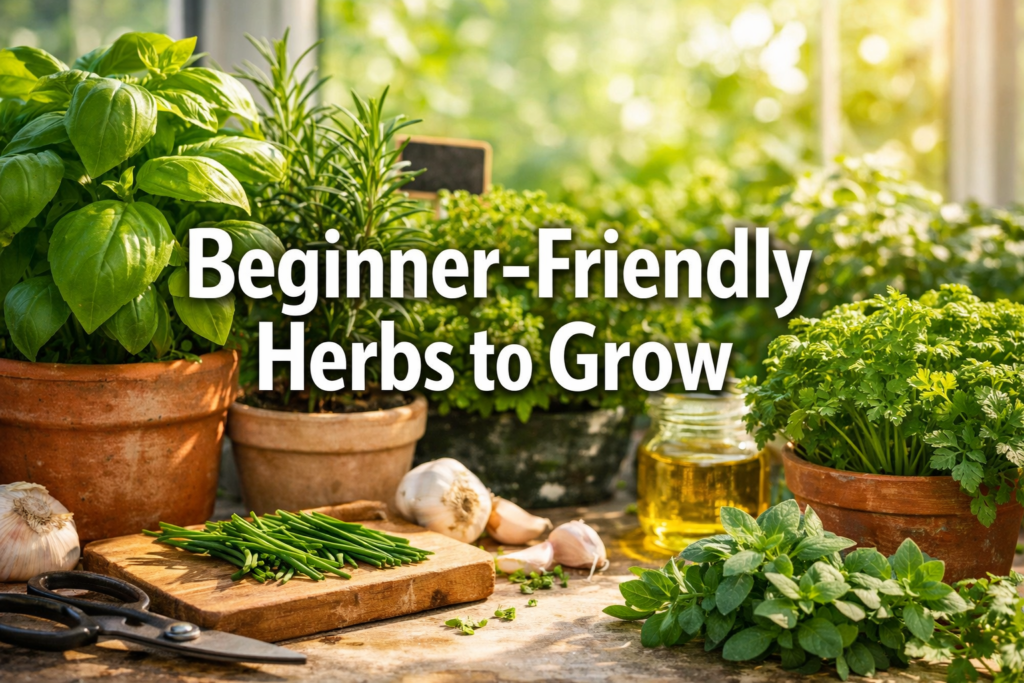
Embarking on the journey of growing your own herbs can transform your cooking, enhance your home’s aesthetic, and provide a rewarding hobby. For those new to gardening, selecting the right plants is crucial for a successful first experience. Fortunately, many popular herbs are remarkably resilient and forgiving, making them ideal beginner-friendly herbs to grow. This guide provides comprehensive insights into choosing, planting, and nurturing herbs that thrive with minimal fuss, ensuring you enjoy fresh flavors year-round in 2026.
Key Takeaways
- Start Simple: Choose well-known, forgiving herbs like basil, mint, rosemary, parsley, and chives for initial success.
- Location Matters: Most herbs need at least 6 hours of direct sunlight daily; choose a sunny windowsill or outdoor spot.
- Proper Watering: Avoid overwatering; ensure good drainage and water only when the top inch of soil feels dry.
- Quality Soil: Use a well-draining potting mix, especially for container gardening, to prevent root rot.
- Harvest Regularly: Frequent harvesting encourages bushier growth and prolongs the plant’s productive life.
What Are the Easiest Herbs for Beginners to Grow?
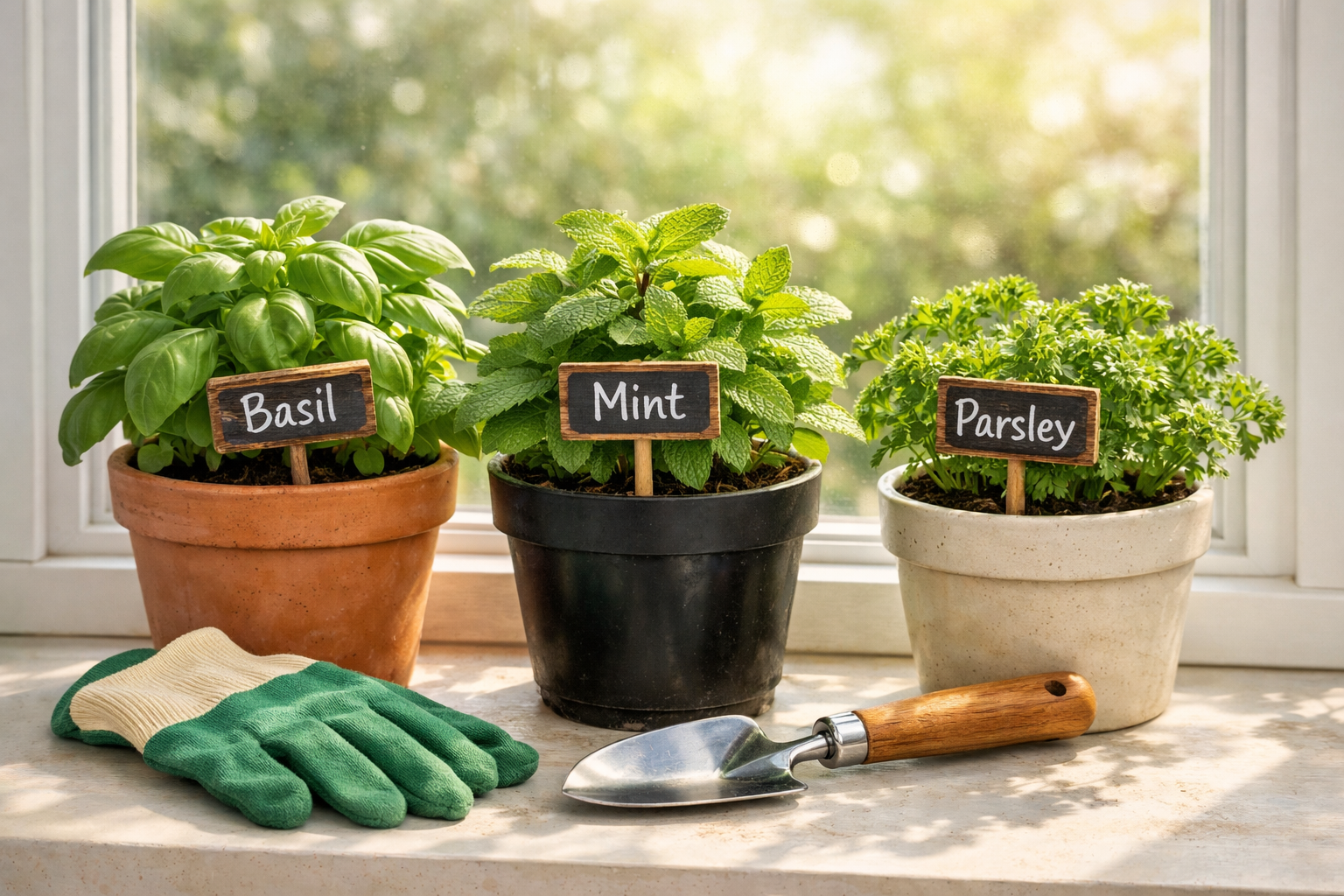
The easiest herbs for beginners to grow are typically those that adapt well to various conditions, require minimal specialized care, and are robust enough to recover from occasional neglect. These include culinary staples like basil, mint, rosemary, parsley, and chives, all known for their resilience and straightforward cultivation. Selecting these varieties significantly increases a new gardener’s chances of success, making the experience enjoyable and rewarding.
Top 5 Beginner-Friendly Herbs
Here’s a closer look at our top recommendations for beginner-friendly herbs to grow:
Basil (Ocimum basilicum)
- Why it’s great for beginners: Basil thrives in warmth and sun, grows quickly from seed or seedling, and offers a continuous harvest throughout the summer. Its aromatic leaves are indispensable in Italian cuisine.
- Ideal conditions: Prefers full sun (6-8 hours daily) and consistently moist, well-draining soil. It’s sensitive to cold.
- Quick tip: Pinch off flower buds to encourage more leaf production. Basil is an annual, meaning it completes its life cycle in one growing season.
Mint (Mentha species) 🌿
- Why it’s great for beginners: Mint is incredibly vigorous and almost impossible to kill, making it a perfect choice. Its rapid growth provides an abundant supply for teas, drinks, and desserts.
- Ideal conditions: Adaptable to sun or partial shade, and tolerates a range of soil types, though it prefers consistently moist conditions.
- Quick tip: Mint can be invasive. It’s best grown in containers to prevent it from taking over your garden beds.
Rosemary (Rosmarinus officinalis)
- Why it’s great for beginners: Rosemary is a hardy, woody perennial that tolerates drier conditions once established, and it provides year-round fragrance and flavor in many climates. It’s an excellent choice for savory dishes.
- Ideal conditions: Loves full sun and well-draining, slightly sandy soil. It’s drought-tolerant.
- Quick tip: Prune regularly to maintain shape and encourage new growth. Rosemary can also be grown indoors with sufficient light.
Parsley (Petroselinum crispum)
- Why it’s great for beginners: Both curly and flat-leaf parsley are relatively easy to grow, providing fresh greens for garnishes and flavorings. They are biennial, meaning they grow leaves in the first year and flower/seed in the second.
- Ideal conditions: Prefers partial shade in hot climates but can handle full sun elsewhere. Requires consistently moist, rich soil.
- Quick tip: Soak seeds overnight before planting to aid germination. Harvest outer leaves first.
Chives (Allium schoenoprasum)
- Why it’s great for beginners: Chives are onion-flavored, grass-like perennials that are very low maintenance and cold-hardy. They grow back year after year, offering delicate flavor for many dishes.
- Ideal conditions: Thrives in full sun to partial shade and well-draining soil. Tolerant of various conditions.
- Quick tip: Divide clumps every few years to maintain vigor. The purple flowers are also edible and attractive.
What Essential Supplies Do You Need to Start Growing Herbs?
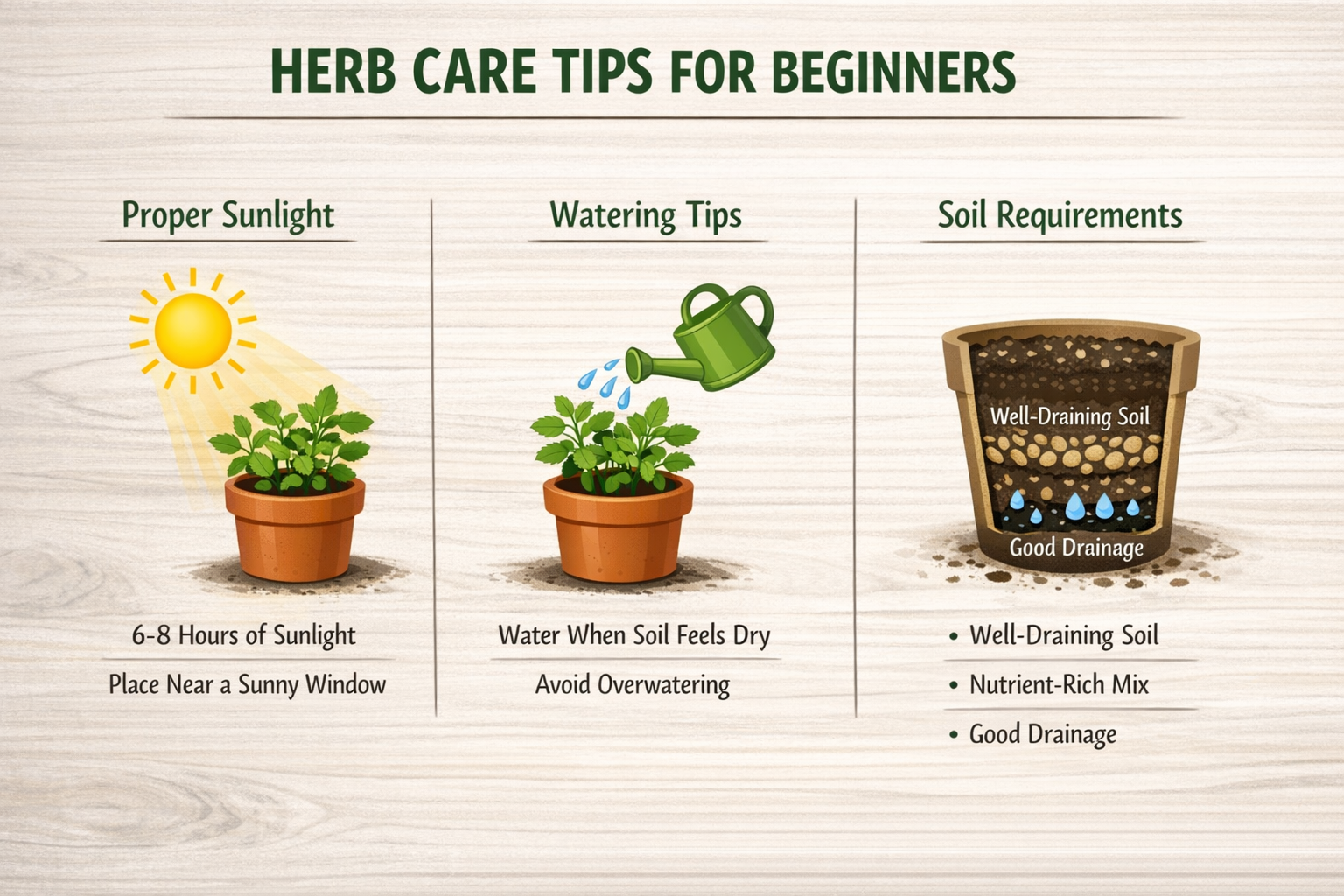
To start growing herbs successfully, you need only a few essential supplies that are readily available and typically inexpensive. These foundational items include appropriate containers, a quality potting mix, seeds or starter plants, and a watering can, ensuring you have the basic tools for proper cultivation. Investing in these basics simplifies the initial setup and prevents common beginner mistakes.
Essential Gardening Supplies Checklist
- Containers: Choose pots with drainage holes. Terra cotta pots are excellent for herbs like rosemary and thyme that prefer drier conditions, while plastic or glazed ceramic pots retain moisture longer. For small spaces, consider various container gardening options.
- Decision rule: Choose larger pots (at least 6-8 inches in diameter) for vigorous herbs like mint to give their roots room to grow, or opt for specific best pots for small space gardening in 2026.
- Potting Mix: A good quality, well-draining potting mix is crucial. Avoid using garden soil, which can be too heavy and contain pests or diseases. Look for mixes specifically designed for containers or herbs.
- Common mistake: Using dense garden soil in pots leads to waterlogging and root rot. Always use a lightweight, airy potting mix. For more information, consult our guide on soil basics for container gardening.
- Seeds or Starter Plants:
- Seeds: More economical, wider variety, but require more patience. Check the planting instructions on the packet.
- Starter Plants (Seedlings): Offer immediate gratification and a higher success rate for beginners. Look for healthy, compact plants without yellowing leaves or signs of pests.
- Watering Can: A small watering can with a fine rose attachment provides gentle, even watering, preventing soil displacement and protecting delicate seedlings.
- Small Hand Trowel/Cultivator: Useful for planting, loosening soil, and light weeding.
- Pruning Shears/Scissors: Essential for harvesting leaves and stems, and for pruning to encourage bushier growth.
- Sunlight: The most crucial “supply.” Most herbs require at least 6 hours of direct sunlight per day. Identify the sunniest spot in your home or garden. If natural light is limited, consider a grow light for indoor setups.
How Do You Care for Beginner-Friendly Herbs to Ensure They Thrive?
Caring for beginner-friendly herbs to grow primarily involves consistent watering, providing adequate sunlight, and occasional harvesting or pruning to encourage robust growth. By focusing on these fundamental aspects, even novice gardeners can cultivate healthy, productive herbs. Understanding each herb’s specific needs, while generally simple, is key to preventing common issues.
Key Aspects of Herb Care
Here’s a breakdown of how to keep your herbs healthy and happy:
Sunlight Requirements:
- General Rule: Most culinary herbs thrive in full sun, meaning at least 6-8 hours of direct sunlight daily.
- Indoor vs. Outdoor:
- Indoors: Place pots on a south-facing window sill if possible. If natural light is insufficient, especially during winter, supplement with a full-spectrum LED grow light. Our guide on indoor gardening for small homes & apartments: 2026 Guide offers more insights.
- Outdoors: Choose a spot in your garden or balcony that receives ample direct sun.
- Edge Case: Some herbs like parsley and mint can tolerate partial shade, especially in very hot climates where intense afternoon sun can scorch their leaves.
Watering Practices:
- Feeling the Soil: The best way to know when to water is to feel the soil. Stick your finger about an inch or two into the potting mix. If it feels dry, it’s time to water.
- Thorough Watering: Water thoroughly until you see water draining from the bottom of the pot.
- Avoid Overwatering: This is a common killer of herbs. Soggy soil deprives roots of oxygen, leading to root rot. Ensure proper drainage.
- Frequency: Varies depending on temperature, humidity, pot size, and herb type. During hot spells, you might water daily; in cooler weather, once or twice a week might suffice. For detailed guidance, see our article on how often should you water plants? Ultimate Guide 2026.
Soil and Fertilization:
- Well-Draining Soil: As mentioned, use a good quality potting mix. Good drainage is paramount.
- Fertilization: Herbs generally don’t require heavy feeding. Over-fertilizing can reduce the potency of their essential oils and flavor.
- Recommendation: If using a fresh potting mix, it often contains enough nutrients for the first few months. After that, a half-strength dose of a balanced liquid fertilizer every 4-6 weeks during the growing season is usually sufficient.
Pruning and Harvesting:
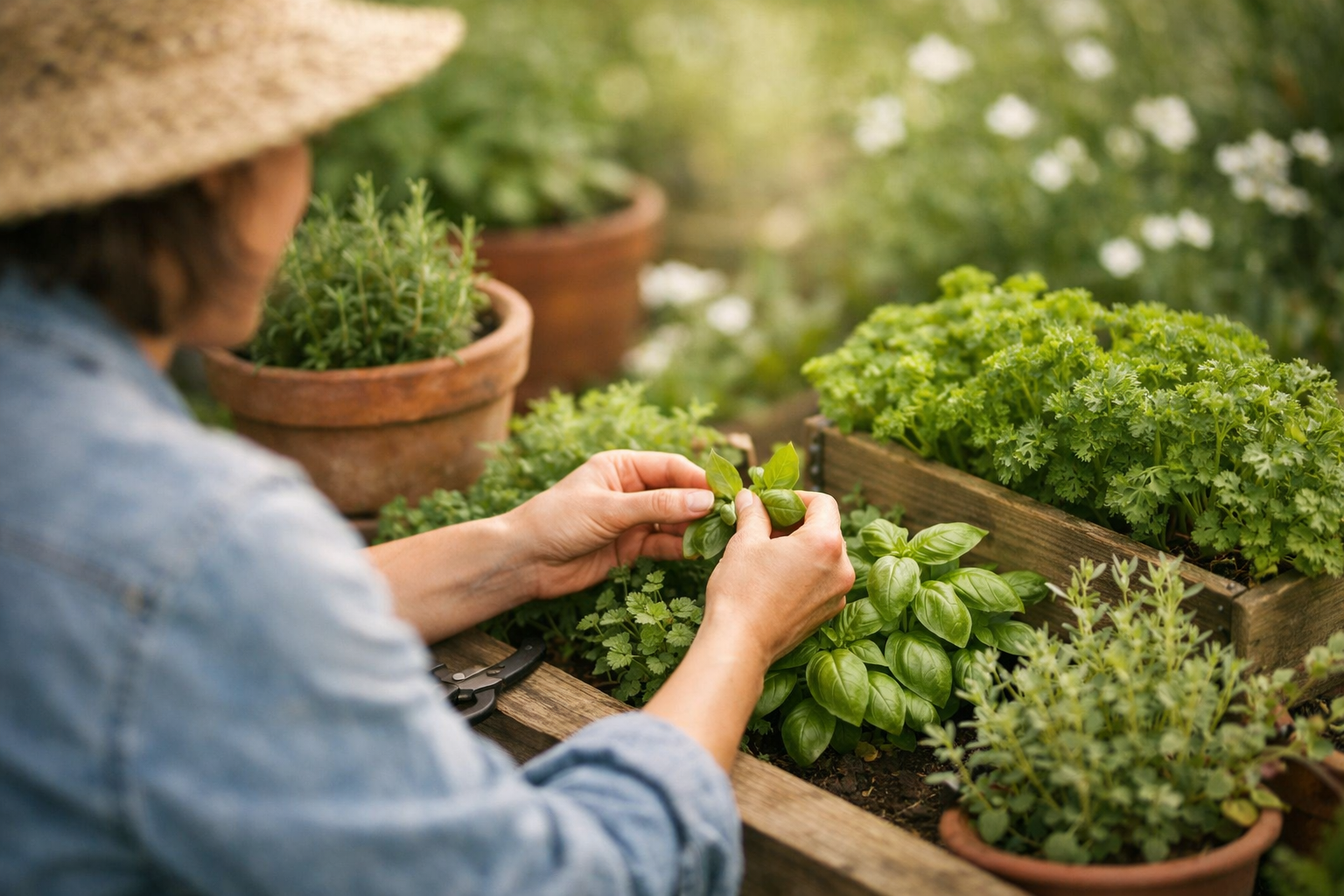
- Regular Harvesting: This is crucial! Pinching off leaves and stems regularly encourages the plant to produce more foliage and become bushier, rather than leggy.
- Pinching Back: For most herbs, pinch off the top set of leaves just above a leaf node to promote branching.
- Flower Buds: For herbs like basil, pinch off any flower buds as soon as they appear. Flowering signals the end of the plant’s life cycle for annuals, and can reduce leaf flavor.
- Example: When harvesting basil, snip off the top few inches of a stem, leaving at least one set of leaves below the cut to allow the plant to regrow.
Pest and Disease Management:
- Inspection: Regularly inspect your plants for signs of pests (like aphids, spider mites) or diseases.
- Early Intervention: Catching problems early makes them easier to manage. A strong spray of water can dislodge many pests. For more persistent issues, use insecticidal soap, following product instructions carefully.
- Good Air Circulation: Helps prevent fungal diseases. Avoid overcrowding plants.
Can You Grow Beginner-Friendly Herbs Indoors or Outdoors?
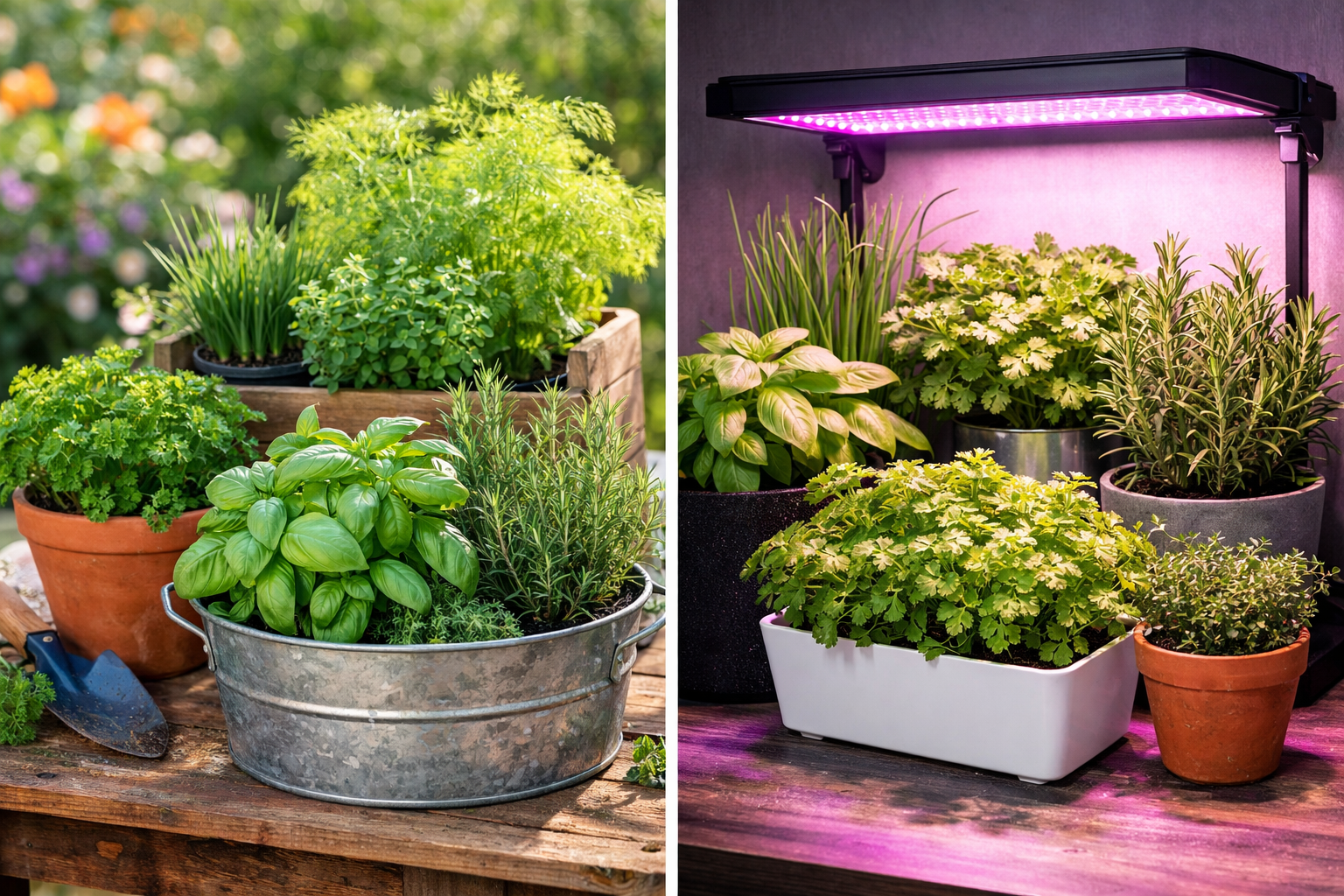
Yes, you can successfully grow most beginner-friendly herbs to grow both indoors and outdoors, making them versatile choices for various living situations. The primary consideration for success in either environment is ensuring adequate light, consistent watering, and appropriate temperatures. Indoor growing provides year-round access to fresh herbs, while outdoor cultivation often leads to more vigorous growth during the warmer months.
Indoor vs. Outdoor Herb Gardening
Here’s a comparison to help you decide where to plant your herbs:
| Feature | Indoor Herb Gardening | Outdoor Herb Gardening |
|---|---|---|
| Space | Ideal for small apartments, condos, or homes with limited yard space. Perfect for windowsills, kitchen counters, or vertical gardens. | Requires a garden bed, raised bed, balcony, or patio space for containers. |
| Light | Requires a very sunny window (south-facing is best) or supplemental grow lights. | Benefits from natural sunlight, typically 6+ hours of direct sun for most herbs. |
| Temperature | Consistent indoor temperatures, protected from extreme heat or cold. | Subject to seasonal temperature fluctuations; herbs may need protection from frost or scorching sun. |
| Watering | May need less frequent watering due to lower evaporation indoors. Avoid overwatering. | May require more frequent watering, especially during hot, dry periods. |
| Pest Control | Generally fewer outdoor pests, but indoor pests (fungus gnats, spider mites) can occur. | More susceptible to a wider range of garden pests and diseases. |
| Harvest | Year-round access to fresh herbs. | Seasonal harvesting, usually abundant during growing season. |
| Growth Rate | Often slower growth due to less intense light, but consistent. | Usually more vigorous growth due to stronger light and larger root space. |
| Consideration | Ensure good air circulation to prevent fungal issues. | Protect from heavy winds or strong storms. |
Tips for Success in Each Environment:
Indoor Growing:
- Choose the right spot: South-facing windows are ideal. East or west-facing windows can also work. North-facing windows usually don’t provide enough light for most herbs unless supplemented.
- Rotate pots: Turn your pots every few days to ensure all sides of the plant receive light, promoting even growth.
- Humidity: Indoor air can be dry, especially in winter. Grouping plants together or using a pebble tray with water can increase local humidity.
- Container selection: Opt for best pots for small space gardening in 2026 that fit your aesthetic and the herb’s needs.
- For a complete guide, check out our resource on indoor gardening for small homes & apartments: 2026 Guide.
Outdoor Growing:
- Hardening off: If starting seeds indoors or buying nursery plants, gradually introduce them to outdoor conditions over a week or two before planting permanently to prevent shock.
- Container gardening: If space is limited, grow herbs in containers on a balcony, patio, or even a sunny doorstep. This allows for mobility if conditions change. Explore options in our complete balcony gardening guide for small apartments 2026.
- Companion planting: Some herbs can benefit other plants by repelling pests or attracting beneficial insects. For example, basil is often planted near tomatoes.
- Protection: In regions with harsh winters, tender perennials like rosemary might need to be brought indoors or provided with winter protection.
How Can Beginners Harvest and Use Fresh Herbs?
Beginners can easily harvest fresh herbs by gently pinching or snipping off leaves and stems, ensuring they never remove more than a third of the plant at a time to promote continuous growth. Using these freshly harvested herbs immediately in cooking, drinks, or garnishes maximizes their vibrant flavor and aroma. Regular harvesting is not only for culinary use but also a crucial part of maintaining plant health and productivity.
Best Practices for Harvesting and Using Herbs
When to Harvest:
- Young Plants: Wait until your herb plants are established and have several sets of leaves before beginning to harvest.
- Morning Harvest: The best time to harvest most herbs is in the morning after the dew has dried but before the heat of the day causes essential oils to evaporate. This is when their flavor is most concentrated.
- Before Flowering: For leafy herbs like basil and parsley, aim to harvest before they flower, as flowering can signal the end of the plant’s life cycle and diminish leaf flavor.
How to Harvest:
- Pinching: For soft-stemmed herbs like basil, mint, and parsley, you can simply pinch off individual leaves or small stems with your fingers.
- Clipping: For larger stems or woodier herbs like rosemary and thyme, use sharp scissors or small pruning shears for a clean cut.
- Rule of Thumb: Never harvest more than one-third of the plant’s total foliage at any one time. This allows the plant enough leaves for photosynthesis and recovery, ensuring it continues to grow.
- Promote Bushiness: When harvesting, always cut just above a leaf node (the point where leaves or branches emerge from the stem). This encourages the plant to branch out, leading to a bushier, more productive plant.
Using Your Fresh Herbs:
- Immediate Use: The best way to enjoy fresh herbs is to use them immediately after harvesting. This is when their flavor and aroma are at their peak.
- Culinary Applications:
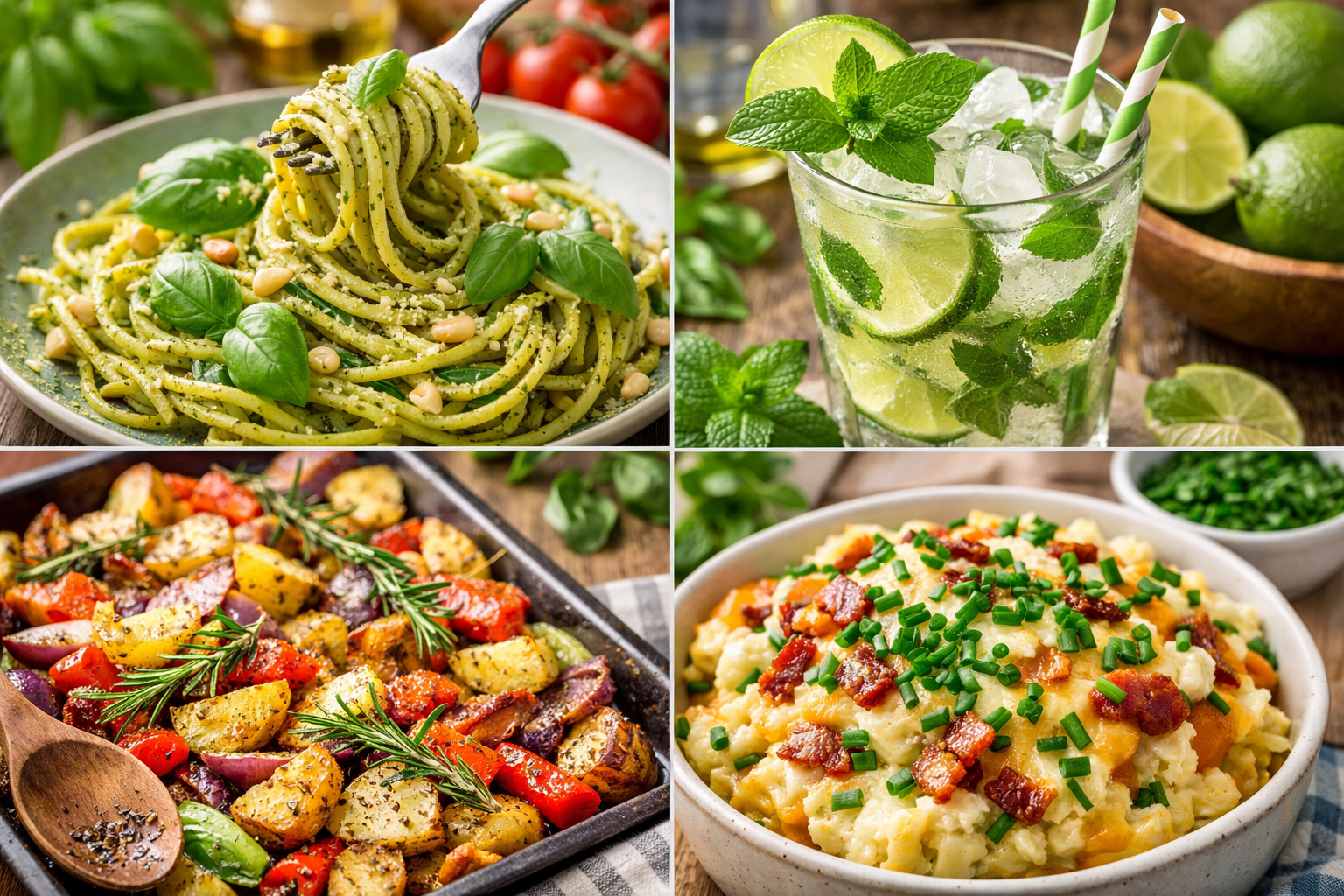
- Basil: Perfect for pesto, Caprese salads, pasta sauces, and topping pizzas.
- Mint: Ideal for teas, mojitos, fruit salads, and Middle Eastern dishes.
- Rosemary: Excellent with roasted potatoes, chicken, lamb, and in bread.
- Parsley: A versatile garnish, adds freshness to salads, soups, stews, and omelets.
- Chives: Sprinkle over baked potatoes, eggs, cream cheese, or fish.
- Drying and Freezing: If you have an abundance of herbs, you can preserve them for later use.
- Drying: Hang bundles of herbs in a cool, dry, well-ventilated area, or use a dehydrator.
- Freezing: Chop herbs finely and freeze them in ice cube trays with a little water or olive oil. Once frozen, transfer to freezer bags.
Cleaning Herbs:
- Gently rinse harvested herbs under cool running water.
- Pat them dry thoroughly with a paper towel or use a salad spinner before using or storing. Excess moisture can lead to spoilage.
What Common Mistakes Should Beginner Herb Growers Avoid?
Beginner herb growers should avoid several common mistakes to ensure their plants thrive, including overwatering, providing insufficient light, and using poor quality soil. These pitfalls can quickly lead to plant stress or death, but they are easily preventable with a little knowledge. Recognizing and circumventing these issues early on sets the stage for a successful and enjoyable herb gardening experience. For more general advice, see our guide on beginner mistakes in small space gardening 2026.
Top 5 Mistakes to Avoid
Overwatering:
- Problem: This is the most common reason herbs die. Roots need oxygen, and perpetually soggy soil suffocates them, leading to root rot.
- Solution: Always check the soil moisture before watering. Water only when the top inch or two of soil feels dry to the touch. Ensure your pots have drainage holes. It’s almost always better to underwater slightly than to overwater.
- Look out for: Yellowing leaves, droopy plants that don’t perk up after watering (can be a sign of root rot, not thirst), and mold on the soil surface.
Insufficient Light:
- Problem: Most culinary herbs are sun-lovers and become leggy (tall and spindly with sparse leaves) and less flavorful if they don’t get enough light.
- Solution: Place herbs in the sunniest spot available, ideally receiving 6-8 hours of direct sunlight daily. If growing indoors, a south-facing window is best, or invest in a full-spectrum grow light. Rotate plants regularly for even light exposure.
Using the Wrong Soil:
- Problem: Dense garden soil or heavy topsoil in containers compacts, retains too much water, and lacks the aeration herbs need.
- Solution: Always use a high-quality, lightweight potting mix specifically formulated for containers or herbs. These mixes provide the necessary drainage and aeration. Avoid garden soil for potted plants entirely.
Neglecting Drainage:
- Problem: Pots without drainage holes turn into water traps, guaranteeing root rot for most herbs.
- Solution: Every container must have at least one drainage hole. If your decorative pot lacks holes, use it as a cachepot (a decorative cover) and place a functional pot with drainage holes inside it, ensuring no water sits at the bottom.
Not Harvesting (or Harvesting Incorrectly):
- Problem: Not harvesting can lead to leggy, weak plants that produce fewer leaves and may bolt (go to seed) prematurely, especially annuals like basil. Harvesting too much at once can shock or kill the plant.
- Solution: Harvest regularly to encourage bushier growth. Pinch back stems above a leaf node. Never remove more than one-third of the plant’s foliage at a time. For flowering herbs like basil, pinch off flower buds as soon as they appear to extend the leaf-producing phase.
By avoiding these common missteps, beginner gardeners can significantly improve their chances of success and enjoy a continuous supply of fresh, flavorful herbs. For a deeper dive into general plant care, our “Beginner’s Guide to Plant Care 2026: Grow Thriving Plants” offers additional valuable information.
Conclusion
Growing your own herbs is an incredibly rewarding and accessible entry point into gardening, offering fresh flavors and a connection to nature right at your fingertips. By focusing on beginner-friendly herbs like basil, mint, rosemary, parsley, and chives, you can minimize challenges and maximize success. Remember that good light, proper watering, and well-draining soil are the cornerstones of a thriving herb garden, whether you choose to cultivate your green companions indoors on a sunny windowsill or outdoors in a small garden patch.
The satisfaction of snipping a fresh sprig of basil for your pasta or garnishing a drink with homegrown mint is unparalleled. As you gain confidence, don’t hesitate to experiment with different varieties and expand your horticultural horizons. Start small, observe your plants, and enjoy the delicious journey of growing your own food. Happy gardening in 2026!
Actionable Next Steps:
- Choose Your First Herb: Pick one or two herbs from our beginner-friendly list that you use often in your cooking.
- Scout Your Location: Identify the sunniest spot in your home or outdoor space that receives at least 6 hours of direct sunlight.
- Gather Supplies: Purchase appropriate pots with drainage, a quality potting mix, and either seeds or starter plants for your chosen herbs.
- Plant and Water: Follow the planting instructions carefully and establish a consistent, but not excessive, watering routine.
- Start Harvesting: Begin harvesting small amounts once your plants are established, encouraging more growth and enjoying the fruits (or leaves!) of your labor.
FAQ
What are the easiest herbs to grow from seed?
Basil, cilantro, and dill are among the easiest herbs to grow from seed, often germinating quickly and showing robust growth within a few weeks.
How often should I water my potted herbs?
Water potted herbs when the top inch of soil feels dry to the touch, ensuring water drains from the bottom of the pot to prevent root rot.
Do herbs need full sun?
Most culinary herbs thrive in full sun, requiring at least 6-8 hours of direct sunlight per day for optimal growth and flavor.
Can I grow different herbs in the same pot?
Yes, you can grow different herbs in the same pot if they have similar needs for sunlight, water, and soil, such as rosemary, thyme, and oregano.
Why are my herb leaves turning yellow?
Yellowing leaves often indicate overwatering, insufficient light, or a nutrient deficiency. Check soil moisture and light exposure first.
How do I encourage my herbs to grow bushier?
Regularly pinch or snip off the top leaves and flower buds, cutting just above a leaf node, to encourage lateral branching and bushier growth.
What’s the difference between annual and perennial herbs?
Annual herbs complete their life cycle in one growing season (e.g., basil), while perennial herbs grow back year after year (e.g., mint, rosemary).
Can I use regular garden soil for potted herbs?
No, regular garden soil is too dense for containers and can lead to poor drainage and root rot; use a quality potting mix instead.
How can I keep pests off my herbs?
Regularly inspect plants for pests, use a strong spray of water to dislodge them, and consider insecticidal soap for more persistent issues.
Is it better to start with herb seeds or starter plants?
Beginners often find more immediate success with starter plants, though seeds are more economical and offer a wider variety.
What temperature do herbs prefer?
Most culinary herbs prefer temperatures between 65-70°F (18-21°C), thriving in conditions comfortable for humans.
How can I tell if my herb plant is getting enough light indoors?
If your indoor herb plants are leggy, pale, or not producing many leaves, they are likely not getting enough light and may need a grow light.
Sources
- The Old Farmer’s Almanac. (2026). Growing Herbs for Beginners.
- University of Maryland Extension. (2026). Herb Culture and Use.