How to Choose Plants for Small Spaces: Your 2026 Expert Guide
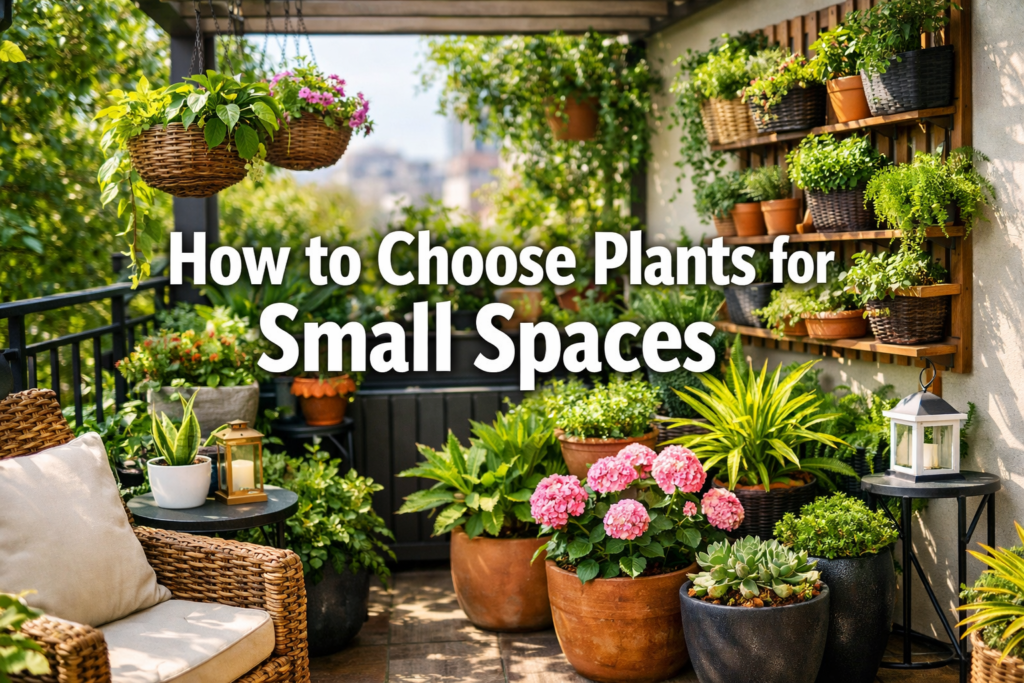
Are you dreaming of a lush, vibrant garden but only have a tiny balcony, a cramped patio, or a sunny windowsill to work with? It’s entirely possible to cultivate a thriving green oasis, even in the most limited areas. The secret lies in knowing how to choose plants for small spaces effectively, transforming compact spots into functional and beautiful botanical havens.
Key Takeaways
- Assess Your Space: Understand available light, size, and microclimate before selecting plants.
- Prioritize Compact Varieties: Opt for dwarf, miniature, or slow-growing plants that won’t quickly outgrow their containers.
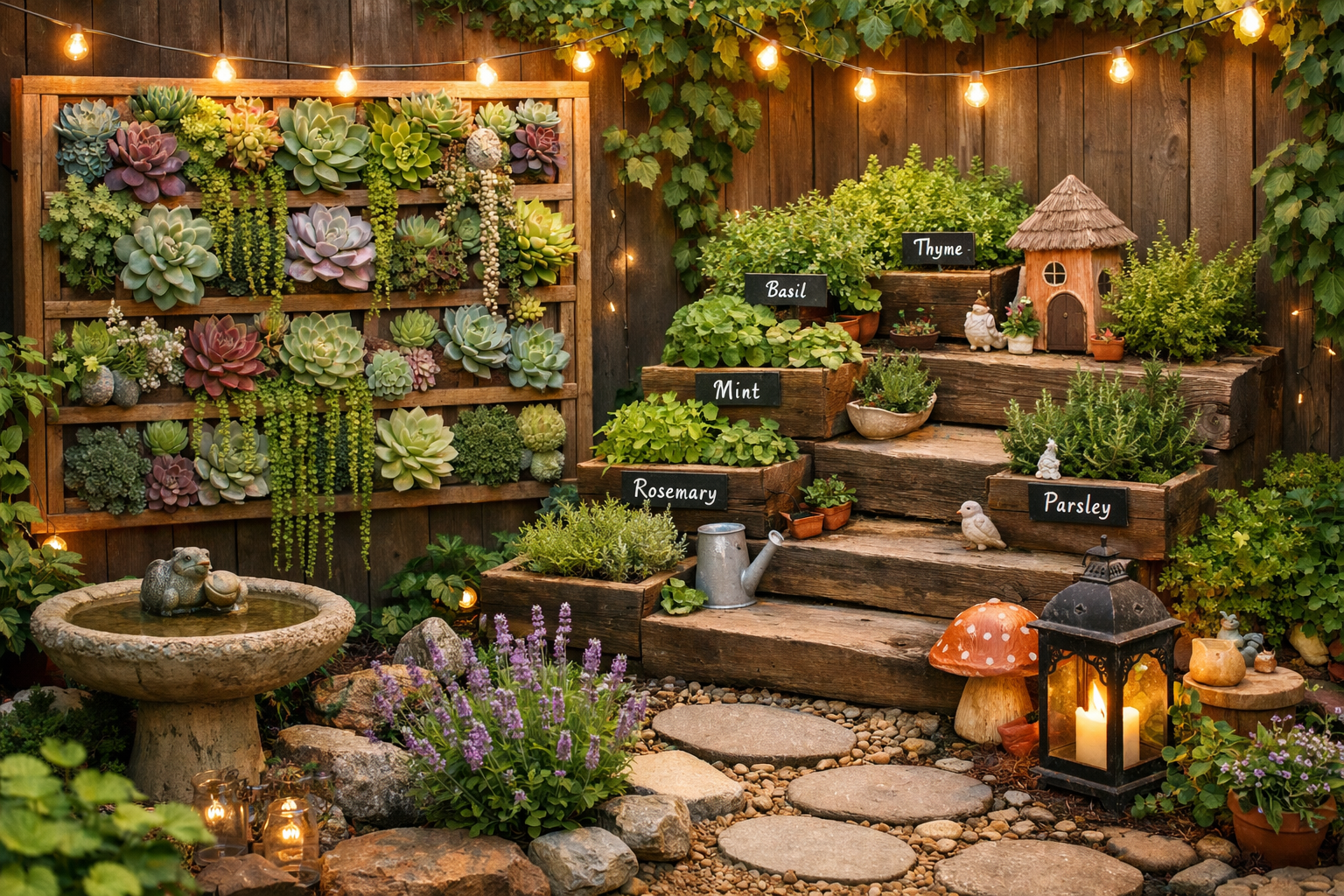
- Think Vertically: Utilize walls, railings, and hanging options to maximize planting area without sacrificing floor space.
- Choose Appropriate Containers: Select pots that match plant needs, provide good drainage, and complement your aesthetic.
- Consider Maintenance: Match plant care requirements with your lifestyle to ensure long-term success.
- Plan for Aesthetics & Function: Balance visual appeal with practical uses like herbs or edibles.
Quick Answer
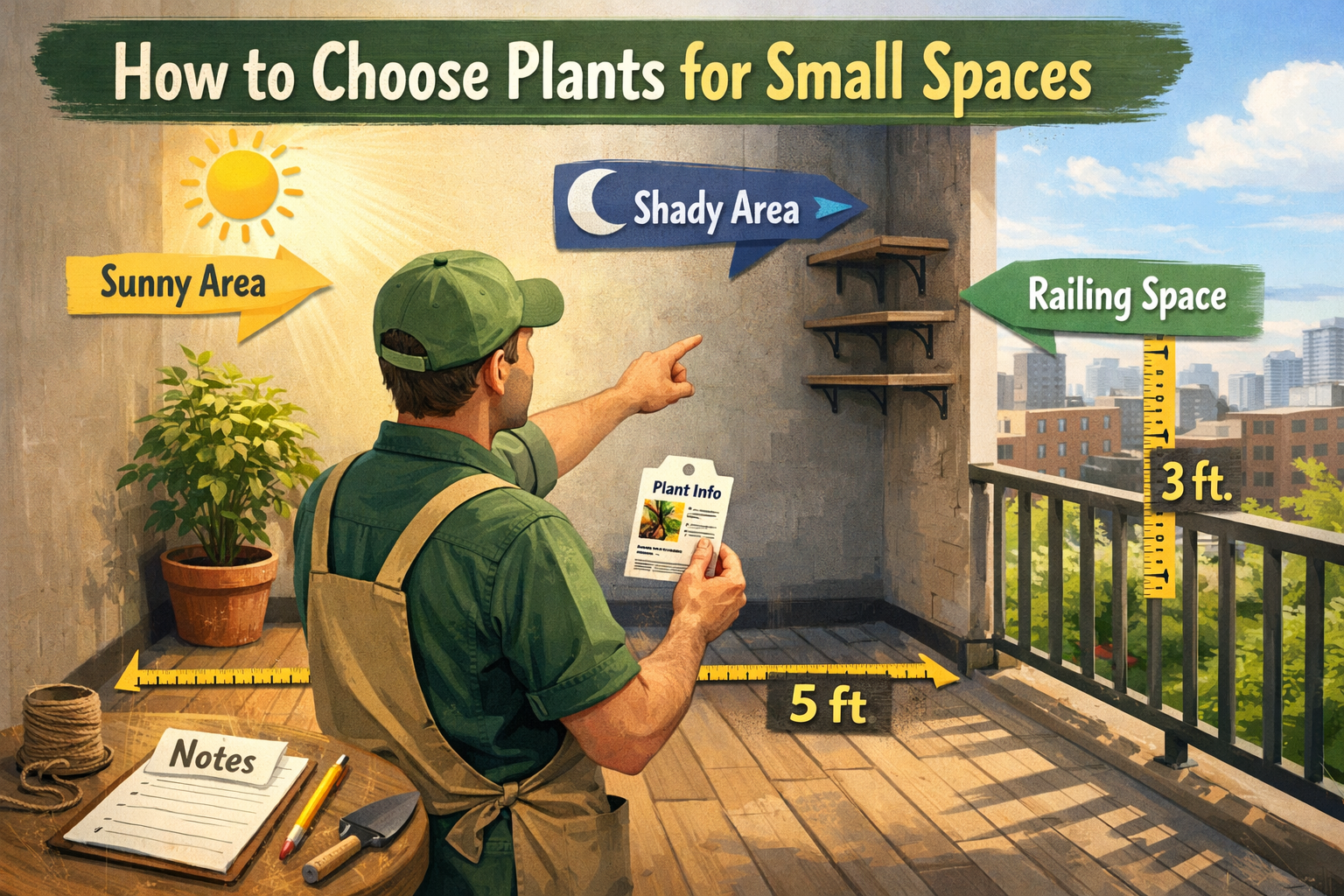
To choose plants for small spaces, focus on compact, slow-growing, or dwarf varieties that match your available light and space dimensions. Prioritize plants with non-invasive root systems and those suitable for container living, while also considering your personal care capacity and desired aesthetic or functional outcome for the area.
What Factors Should You Consider When Choosing Plants for Small Spaces?
When choosing plants for small spaces, you must consider several critical factors to ensure plant health, aesthetic appeal, and efficient use of limited area. These factors include light availability, space dimensions, climate conditions, and how much care you can realistically provide. Overlooking any of these can lead to struggling plants and a frustrating gardening experience.
1. Assessing Your Space: Light and Dimensions
Accurately evaluating your small space’s conditions is the foundational step in selecting suitable plants. This involves understanding both the sunlight it receives and its physical dimensions.
- Sunlight Exposure: Different plants have varying light requirements.
- Full Sun: Areas receiving 6+ hours of direct sunlight daily are ideal for many vegetables, herbs, and flowering plants.
- Partial Sun/Shade: Spaces with 3-6 hours of sun, especially morning sun, suit a wide range of plants that prefer some protection from intense afternoon rays.
- Full Shade: Areas with less than 3 hours of direct sun or bright indirect light are best for shade-loving plants like ferns or hostas.
- Observation is Key: Observe your space throughout the day and across seasons to gauge actual light patterns. A spot that seems sunny in the morning might be shaded by midday.
- Physical Dimensions: Measure the length, width, and height of your planting area.
- Floor Space: How much ground area do you have for pots?
- Vertical Space: Are there walls, railings, or ceilings that can support hanging baskets or vertical planters?
- Clearances: Account for walking paths, door swings, and windows that shouldn’t be obstructed.
- Tip: Draw a simple sketch of your space, noting sunny and shaded spots, and exact measurements. This visual aid will be invaluable as you shop for plants and containers.
2. Plant Size and Growth Habits: How to Choose Plants for Small Spaces That Stay Small
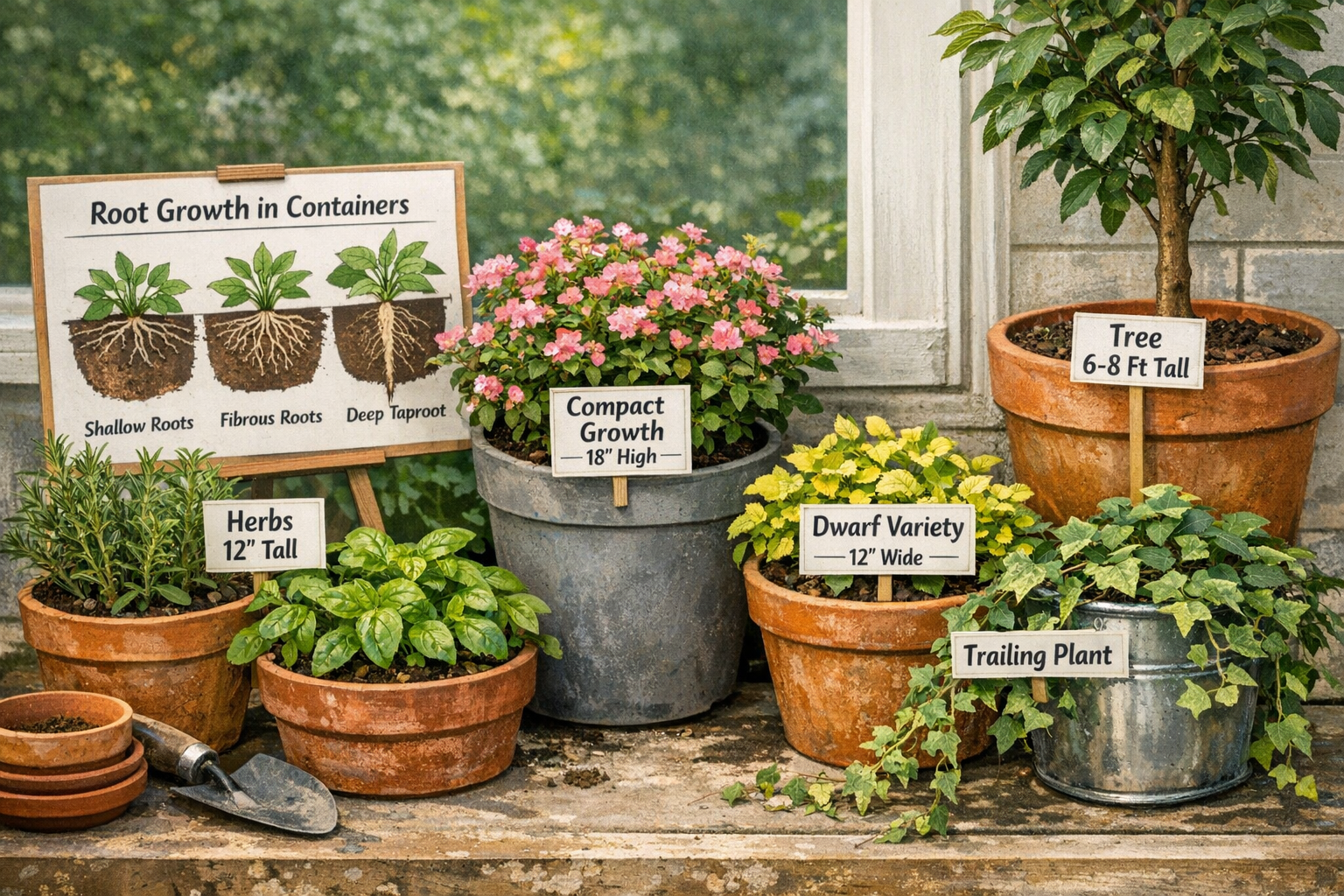
Selecting plants that naturally remain compact or have controlled growth habits is paramount when gardening in confined areas. Overlooking mature size is a common mistake that quickly leads to overcrowding and unhealthy plants.
- Mature Size: Always check the plant tag for the plant’s mature height and spread. Many plants are sold when young and small but can grow into large shrubs or trees.
- Dwarf Varieties: Look for terms like “dwarf,” “miniature,” “compact,” or “patio” in the plant name or description. These are specifically bred to stay smaller.
- Slow Growers: Plants with a naturally slow growth rate will require less frequent pruning and maintenance.
- Growth Habits: Consider how the plant grows.
- Upright/Columnar: Ideal for narrow spaces, these plants grow tall but not wide.
- Bushy/Mounding: Good for filling out containers, but ensure their spread doesn’t overwhelm the space.
- Trailing/Vining: Excellent for hanging baskets, vertical gardens, or spilling over the edges of pots, adding visual interest without taking up floor space. Think about how you can integrate these for maximum impact, perhaps with a Vertical Gardening Guide for Small Spaces: Grow More in 2026.
- Root Systems: For container gardening, choose plants with shallow or fibrous root systems. Deep taproots can quickly become root-bound in pots.
- Example: Many herbs like basil or mint, compact annuals like petunias, or small perennial flowers like sedum are excellent choices because they don’t develop extensive root networks. Larger plants, even if dwarf, may still need larger containers to support their root mass.
| Plant Growth Habit | Best for Small Spaces | Examples |
|---|---|---|
| Dwarf/Compact | Maximizing plant diversity without overcrowding | Dwarf citrus, ‘Patio’ tomatoes, Miniature roses |
| Columnar/Upright | Narrow spaces, adding height | Skyrocket juniper, certain hostas, rosemary |
| Trailing/Spilling | Hanging baskets, vertical gardens, softening edges | Sweet potato vine, petunias, nasturtiums, thyme |
| Vining (with support) | Walls, trellises, creating privacy | Clematis, climbing roses, cucumbers (on trellis) |
3. Container Selection: How to Choose Plants for Small Spaces with the Right Pots
The right container is crucial for the health of your plants and the overall aesthetics of your small space garden. It’s not just about size, but also material, drainage, and how it fits into your design. Choosing the Best Pots for Small Space Gardening in 2026 can make a significant difference.
- Size Matters (Again): The container should be large enough to accommodate the plant’s mature root system, plus some room for growth. A common mistake is using pots that are too small, leading to frequent watering and nutrient deficiencies.
- Rule of Thumb: A general guideline is to select a pot that is at least 1-2 inches wider than the plant’s current root ball for most small plants, and significantly larger for vegetables or shrubs.
- Drainage: Good drainage is non-negotiable. Ensure every pot has drainage holes at the bottom to prevent root rot. If a decorative pot lacks holes, use it as a cachepot (a larger pot to hide a functional pot) or drill holes yourself.
- Material:
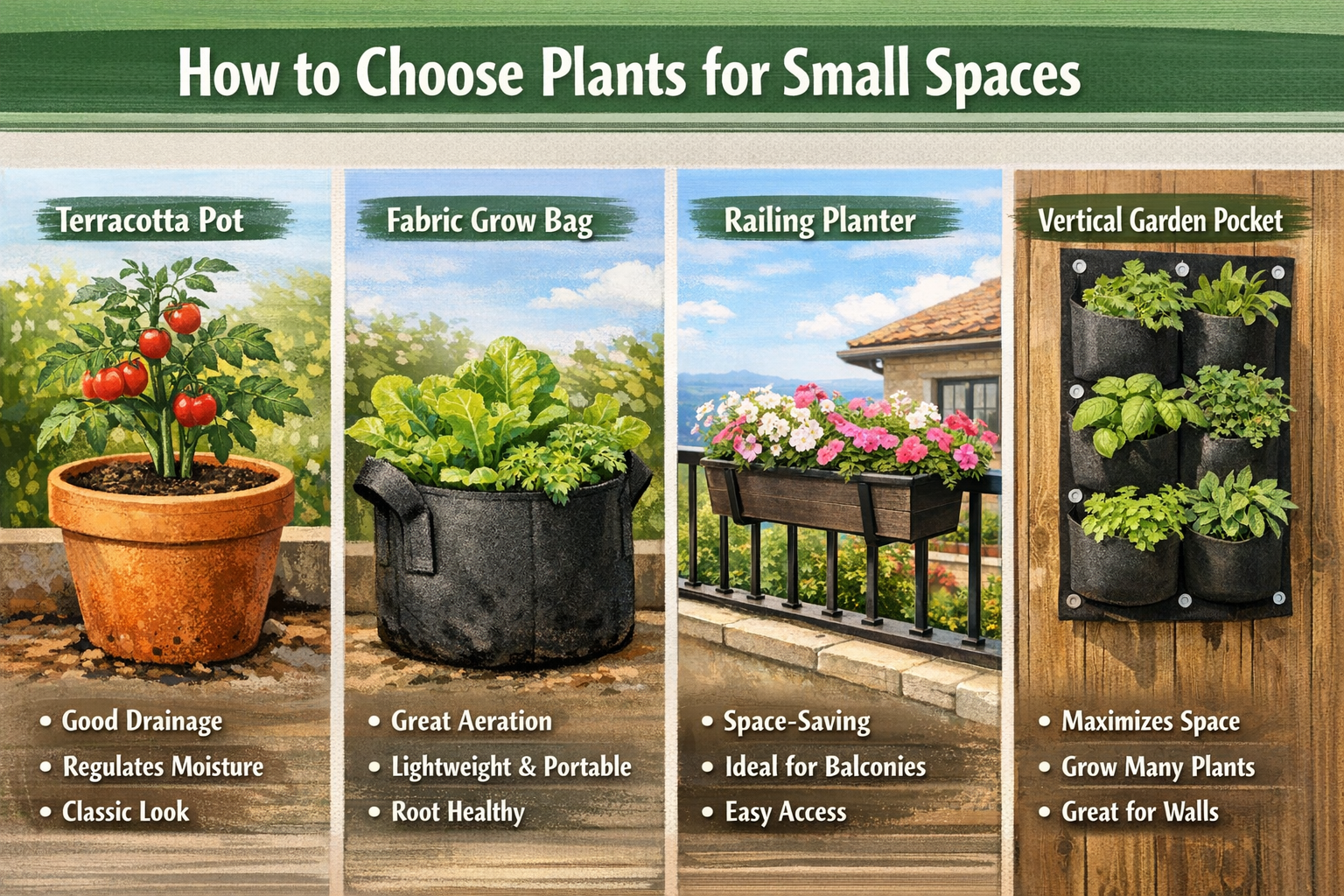
- Terracotta/Unglazed Clay: Porous, allowing roots to breathe, but dries out quickly. Good for plants that prefer drier soil.
- Plastic/Resin: Lightweight, retains moisture well, wide range of styles and colors, often more affordable.
- Ceramic/Glazed Clay: Heavy, retains moisture, decorative, but can be expensive and fragile.
- Fabric Grow Bags: Excellent for aeration and drainage, very lightweight, flexible, and affordable.
- Wood: Attractive, insulates roots, but can rot over time. Needs liners or treatment.
- Metal: Can heat up quickly in direct sun, potentially cooking roots. Best for shade or short-term use.
- Space-Saving Options:
- Vertical Planters: Mountable systems for walls or fences, ideal for herbs, strawberries, or succulents.
- Railing Planters: Hang directly on balcony railings, maximizing edge space.
- Hanging Baskets: Utilize overhead space, perfect for trailing plants.
- Stackable Planters: Tiered systems that allow multiple plants in a compact footprint.
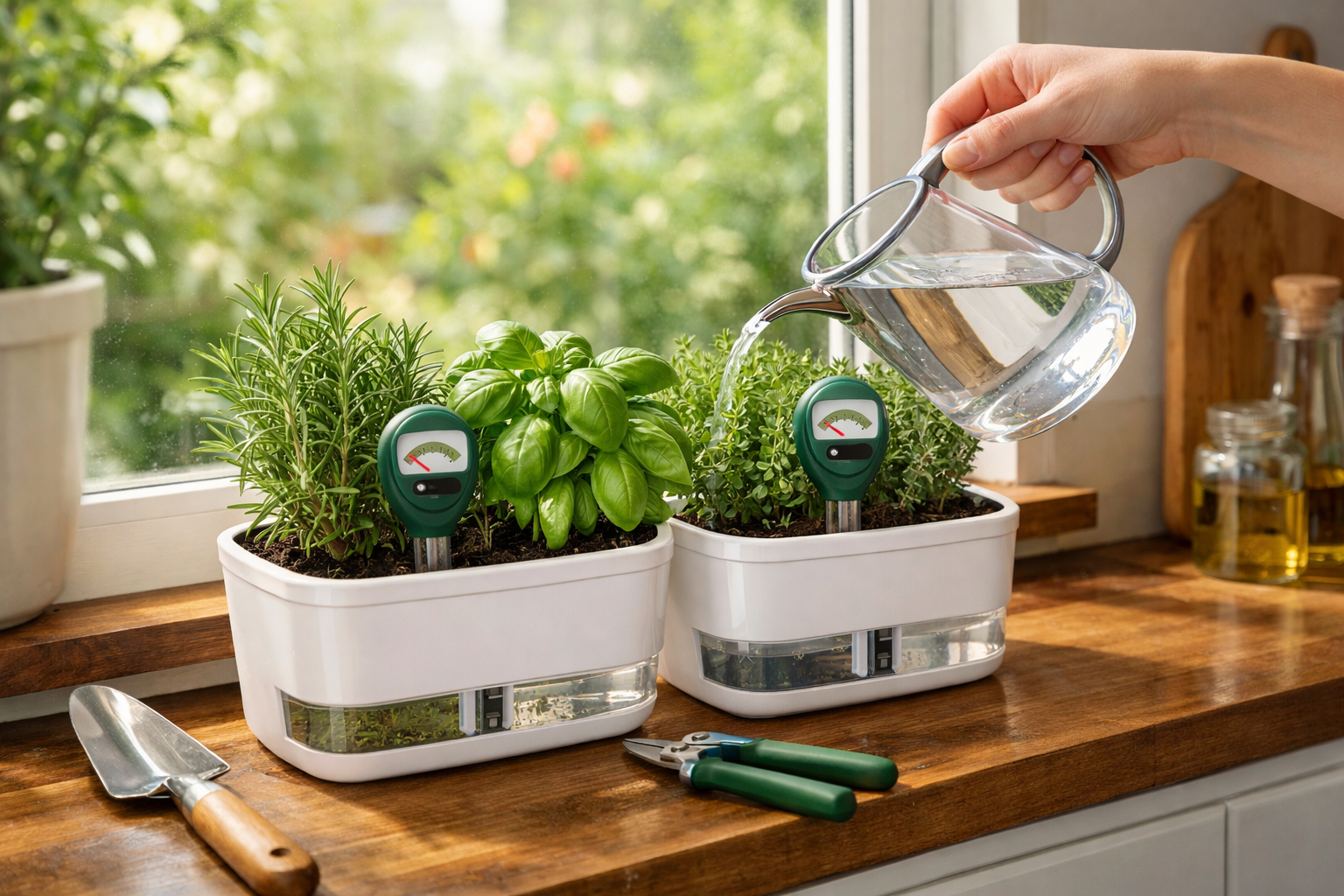
- Self-Watering Pots: Excellent for busy gardeners, as they have a reservoir that gradually feeds water to the plant, reducing watering frequency.
4. Maintenance Requirements: Matching Plants to Your Lifestyle
The success of your small space garden hinges on choosing plants whose care needs align with your available time and commitment. High-maintenance plants in a small space can quickly become overwhelming.
- Watering Needs:
- Drought-Tolerant: Great for busy people or those in hot climates, requiring less frequent watering. (e.g., succulents, sedum, lavender).
- Moisture-Loving: Require consistent watering, sometimes daily in hot weather (e.g., impatiens, ferns, many vegetables).
- Tip: Consider a self-watering planter or an automatic irrigation system for convenience, especially on balconies or patios.
- Pruning and Training:
- Some plants require regular pruning to maintain their shape and size, or to encourage more blooms/fruit. If you prefer a hands-off approach, choose plants that grow neatly without much intervention.
- Vining plants, while great for verticality, often need tying or training to supports.
- Fertilizing: Container plants typically need more regular feeding than in-ground plants because nutrients leach out with watering. Choose plants with moderate nutrient needs if you prefer less frequent fertilizing.
- Pest and Disease Resistance: Opt for varieties known for their resistance to common pests and diseases in your region. Healthy plants are less work. For those new to gardening, selecting Low Maintenance Plants for Beginners: 7 Easy Picks (2026) is a smart strategy.
- Your Commitment Level: Be honest about how much time you can dedicate to gardening each week. If you’re frequently away or have a demanding schedule, low-maintenance options are your best bet. If you enjoy daily tending, you have more flexibility.
5. Aesthetic and Functional Goals: Designing Your Small Green Oasis
Beyond survival, your plant choices should reflect your desired look and practical uses for the space. How do you want your small garden to make you feel, and what purpose should it serve?
- Visual Appeal:
- Color Palette: Do you prefer a monochromatic scheme, vibrant contrasts, or soothing pastels?
- Texture: Mix foliage textures (e.g., broad leaves, feathery fronds, spiky succulents) for visual interest.
- Form: Combine upright, bushy, and trailing plants to create depth and dynamism.
- Focal Points: Use a particularly striking plant or decorative pot to draw the eye.
- Sensory Experience:
- Scent: Incorporate fragrant herbs (lavender, mint, rosemary), jasmine, or scented geraniums for an aromatic experience.
- Sound: Consider plants that attract pollinators, bringing the buzz of bees and the flutter of butterflies.
- Functional Uses:
- Edibles: Grow herbs, salad greens, cherry tomatoes, or chili peppers. This is a popular and rewarding option for small spaces. Our guide on Best Vegetables for Small Space Gardening in 2026 can help.
- Privacy Screening: Tall, slender plants or trellised vines can create a living screen on a balcony or patio.
- Air Purification: Certain indoor plants are known to improve air quality, a bonus for indoor small spaces. Our Best Indoor Plants for Small Homes 2026: Top Low-Maintenance Picks highlights some great options.
- Wildlife Attraction: Choose pollinator-friendly flowers to invite bees and butterflies, even in urban settings.
Pull Quote: “The key to successful small-space gardening isn’t about having more space, but about making smarter choices with the space you have. Every plant selection should be intentional, aligning with both the environmental conditions and your personal vision.”
Checklist for Choosing Plants for Small Spaces
Here’s a handy checklist to guide your plant selection process:
- ✅ Assess Light: Count direct sun hours daily (Full Sun, Partial Sun/Shade, Full Shade).
- ✅ Measure Space: Note available floor, vertical, and width dimensions.
- ✅ Check Mature Size: Does the plant’s mature height and spread fit the space and container? Look for dwarf/compact varieties.
- ✅ Consider Growth Habit: Is it upright, bushy, trailing, or vining? How will it interact with others?
- ✅ Container Compatibility: Does its root system suit container life?
- ✅ Drainage: Does the chosen pot have adequate drainage?
- ✅ Watering Needs: Does it align with your watering frequency?
- ✅ Pruning Needs: Are you willing to provide necessary maintenance?
- ✅ Fertilizing Needs: Does it require frequent feeding?
- ✅ Pest Resistance: Is it prone to common issues?
- ✅ Aesthetics: Does its color, texture, and form complement your design?
- ✅ Function: Does it serve a purpose (edible, privacy, air purification, fragrance)?
- ✅ Climate Suitability: Is it hardy in your USDA zone (for outdoor plants)?
- ✅ Personal Preference: Do you genuinely like the plant?
Common Mistakes to Avoid
When learning how to choose plants for small spaces, be mindful of these frequent pitfalls:
- Ignoring Mature Size: The most common mistake. That cute little shrub might become a monster in two years. Always read the plant tag for mature dimensions.
- Poor Drainage: Root rot is a silent killer for container plants. Ensure all pots have drainage holes.
- Underestimating Sun Exposure: Plants need specific light to thrive. Guessing or assuming can lead to leggy, unhealthy plants or scorched leaves.
- Overcrowding: Trying to fit too many plants into a small area stifles air circulation, increases pest risk, and limits individual plant growth.
- Neglecting Watering Needs: Container plants dry out faster than garden beds. Daily checks, especially in hot weather, might be necessary.
- Choosing Plants for a Single Season: Consider what your garden will look like year-round. Incorporate evergreens or plants with winter interest.
FAQ: Choosing Plants for Small Spaces
What are the best plants for small balconies?
For small balconies, prioritize compact edibles like cherry tomatoes and herbs, trailing plants such as petunias or sweet potato vines for hanging baskets, and columnar shrubs like dwarf junipers for vertical interest. Always match plants to your balcony’s light conditions.
How can I make a small space garden look bigger?
To make a small space garden look bigger, use vertical elements like trellises or shelves, choose plants with fine textures and light-colored foliage, use containers of varying heights, and strategically place mirrors to reflect light and greenery. Avoid large, bulky plants.
Can I grow vegetables in a small apartment?
Yes, you can absolutely grow vegetables in a small apartment. Focus on compact varieties suitable for containers, such as cherry tomatoes, salad greens, herbs, radishes, and bush beans. Ensure they receive adequate light, typically 6+ hours of direct sun or supplemental grow lights. For more guidance, see our Small Space Vegetable Gardening: 2026 Step-by-Step Guide.
What kind of soil should I use for container plants in small spaces?
For container plants, use a high-quality potting mix that is lightweight, well-draining, and retains moisture. Avoid dense garden soil, which can compact in pots and hinder root growth. Look for mixes specifically formulated for containers or “all-purpose” potting soil.
How often should I water plants in small containers?
Plants in small containers typically need more frequent watering than those in larger pots or garden beds, sometimes daily in hot, sunny conditions. Check the soil moisture by sticking your finger about an inch deep; if it feels dry, it’s time to water. Consistency is key. You can find more details in our guide on How Often Should You Water Plants? Ultimate Guide 2026.
Are vertical gardens good for small spaces?
Vertical gardens are excellent for small spaces as they maximize planting area by utilizing walls or fences, allowing you to grow more plants without taking up valuable floor space. They are ideal for herbs, succulents, and small flowering plants.
What are some low-maintenance plants for small spaces?
Low-maintenance plants for small spaces include succulents (e.g., sedum, echeveria), snake plants, ZZ plants, lavender, rosemary, and many varieties of hostas. These plants generally require less frequent watering and pruning, making them perfect for busy gardeners. Check out Best Low Maintenance Plants 2026: Easy Care Guide.
How do I choose plants for a shaded small balcony?
For a shaded small balcony, choose plants that thrive in low light conditions. Good options include ferns (Maidenhair, Boston), hostas, impatiens, coleus, fuchsias, and peace lilies. Ensure they receive bright, indirect light rather than deep, dark shade.
Can I mix different plants in one small container?
Yes, you can mix different plants in one small container, but choose plants with similar light, water, and nutrient requirements. Combine “thriller” (tall focal point), “filler” (bushy middle ground), and “spiller” (trailing edge) plants for a balanced and attractive arrangement.
Should I fertilize plants in small spaces differently?
Plants in small containers often require more frequent fertilization than those in the ground because nutrients leach out with watering. Use a balanced liquid fertilizer at half strength every 2-4 weeks, or incorporate slow-release granular fertilizer at the beginning of the growing season.
What is the ideal container depth for most small plants?
Most small flowering plants and herbs require a minimum container depth of 6-8 inches. For larger compact plants or small vegetables, a depth of 10-12 inches or more is preferable to allow adequate root development.
How do I protect small space plants from strong winds?
To protect small space plants from strong winds, use heavy pots that won’t easily tip over, group plants together for mutual protection, or position them against a wall. Consider adding a trellis or screen to break the wind, or select plants with flexible stems that can withstand gusts.
Find Your Perfect Small Space Plants (2026) 🌱
Use this selector to narrow down plant suggestions based on your specific small space conditions and preferences.
Suggested Plants:
- Please select your preferences above and click “Suggest Plants.”
Conclusion
Successfully cultivating a vibrant garden in a small space in 2026 is not just a dream but an achievable reality for any gardener. The journey begins with a thoughtful approach to how to choose plants for small spaces, understanding that smart selection is far more crucial than having vast acreage. By meticulously assessing your light conditions, considering mature plant sizes and growth habits, opting for appropriate containers, aligning plant care with your lifestyle, and integrating your aesthetic and functional goals, you can create a pocket of green that thrives and brings immense joy.
Remember, every small space—be it a balcony, windowsill, or tiny patio—holds immense potential. Don’t be discouraged by limitations; instead, view them as creative challenges that invite innovative solutions. Start small, observe, learn from your plants, and watch your compact garden flourish. Happy gardening!
Key Takeaways
- Thoughtful Assessment: Thoroughly evaluate light, space, and environmental conditions before buying plants.
- Compact by Design: Prioritize dwarf, miniature, and slow-growing varieties to avoid overcrowding.
- Smart Containerization: Choose pots that provide adequate drainage and suit the plant’s mature size and root system.
- Match Maintenance to Lifestyle: Select plants whose care requirements align with your available time and commitment.
- Design with Purpose: Integrate aesthetics and functionality, whether for beauty, edibles, privacy, or air purification.
- Embrace Verticality: Utilize walls, railings, and hanging options to maximize planting area.
- Start Small, Learn, and Grow: Begin with a few well-chosen plants and expand as you gain confidence and experience.
References
- Cornell University. (2020). Gardening in Small Spaces. Cornell Cooperative Extension.
- The Royal Horticultural Society. (2023). Container Gardening. RHS Publications.
- University of California, Davis. (2021). Vegetable Gardening in Small Spaces. UC ANR Publications.