Gardening Without Experience: Starter Tips
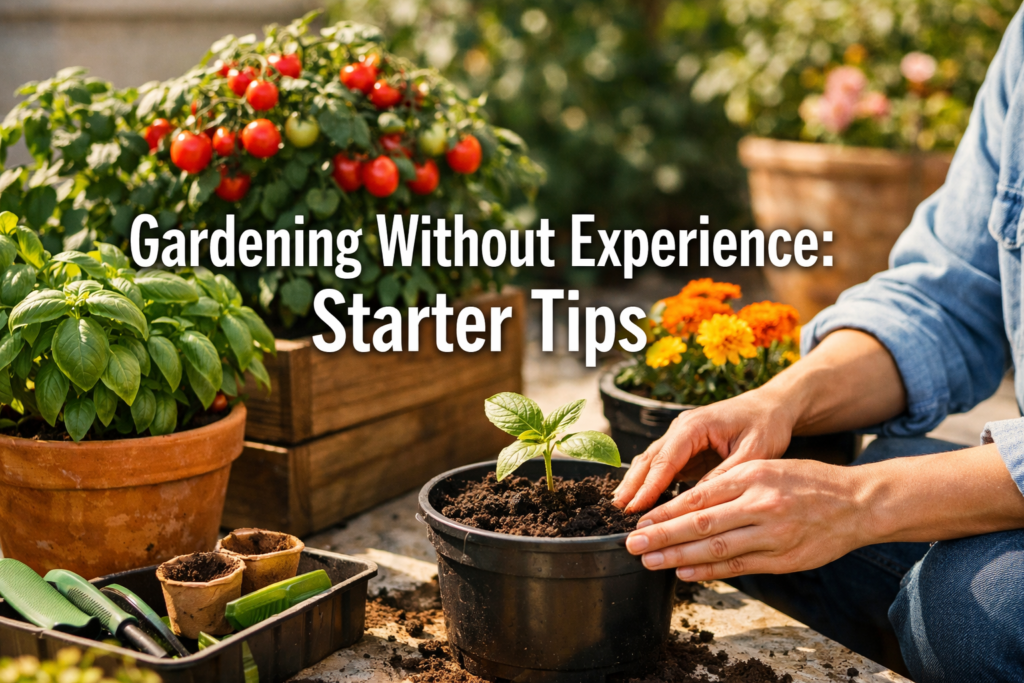
Embarking on a gardening journey can feel overwhelming if you’ve never tilled soil or nurtured a seedling before. However, with the right Gardening Without Experience: Starter Tips, anyone can cultivate a thriving green space, regardless of their prior knowledge. This comprehensive guide provides actionable advice and easy-to-follow steps designed specifically for absolute beginners, helping you transform a bare patch or empty pot into a flourishing garden.
Key Takeaways
- Start small with easy-to-grow plants like herbs, leafy greens, or common flowers to build confidence.
- Understanding your garden’s environment—sunlight, soil, and space—is crucial before planting.
- Consistent watering, appropriate soil, and basic tools are fundamental for initial success.
- Observation and learning from small mistakes are vital components of a beginner gardener’s journey.
- Embrace the process; gardening offers numerous benefits beyond just plants, including stress relief and a connection to nature.
Quick Answer
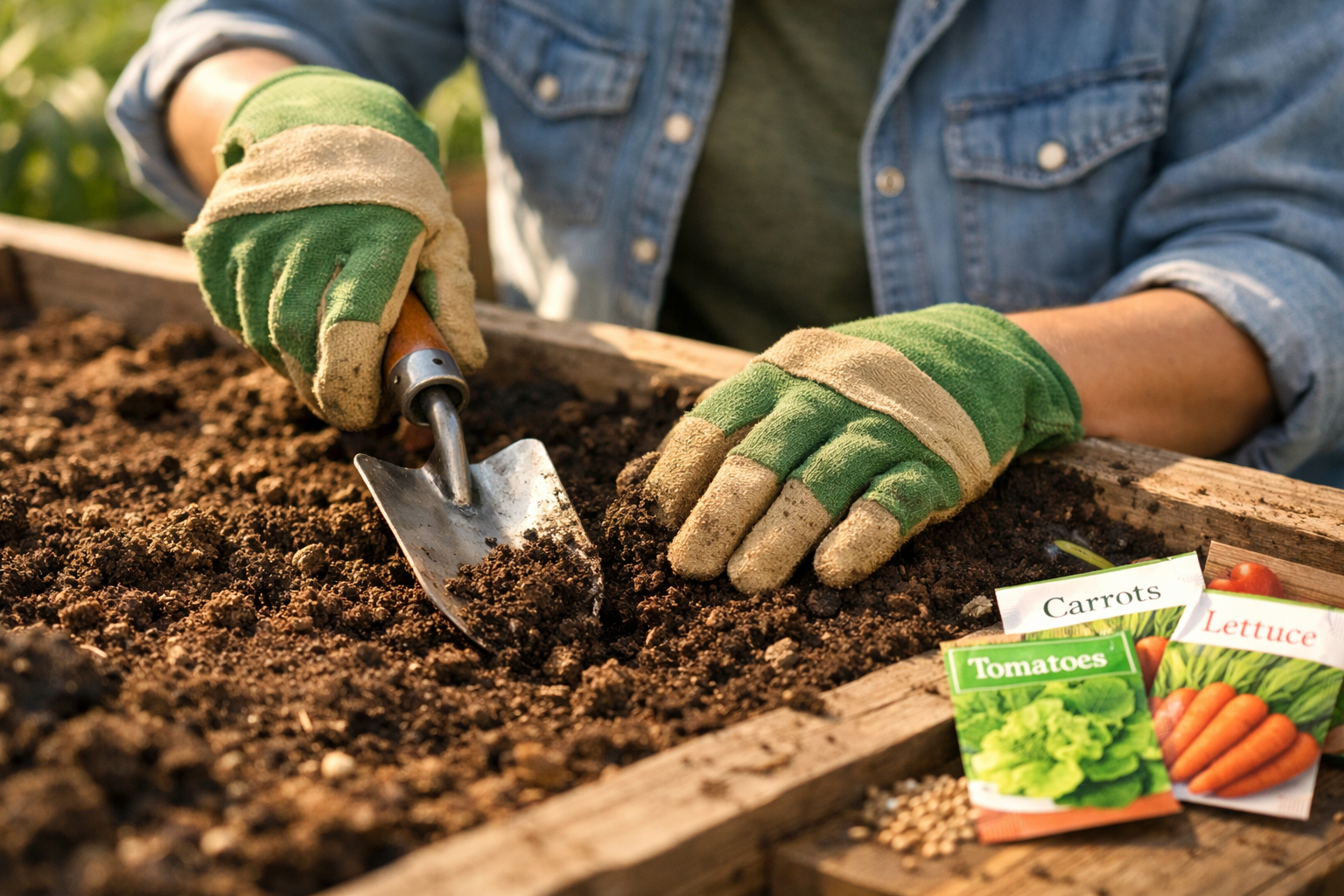
Gardening without experience begins with choosing the right plants for your environment, preparing suitable soil, and establishing a consistent watering routine. Focus on simple container gardening or small raised beds with resilient plants like basil, lettuce, or marigolds, and don’t be afraid to learn through trial and error as you go.
Where Do I Start with Gardening Without Experience: Starter Tips?
You start gardening without experience by assessing your available space and sunlight, then selecting low-maintenance plants that thrive in those conditions. This initial assessment prevents common beginner frustrations and sets you up for success by matching your ambitions with practical realities. For example, if you have a sunny balcony, container gardening herbs or small vegetables is an excellent starting point, while a shady patio might be better suited for ferns or hostas.
Assessing Your Space and Sunlight
Before buying any seeds or plants, take stock of your environment. Consider the following:
- Sunlight Exposure: How many hours of direct sunlight does your chosen area receive daily?
- Full Sun: 6+ hours (ideal for most vegetables, many flowers)
- Partial Sun/Shade: 3-6 hours (suitable for some leafy greens, shade-loving flowers)
- Full Shade: Less than 3 hours (best for very few plants, mainly ferns or mosses)
- Decision rule: Choose plants explicitly labeled for your sunlight conditions. Planting sun-loving plants in shade will lead to disappointment, and vice-versa.
- Available Space: Are you working with a tiny windowsill, a small balcony, a patio, or a backyard plot?
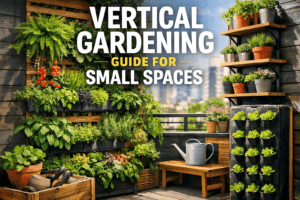
- Container Gardening: Excellent for small spaces, patios, or balconies, allowing flexibility. Explore our “Ultimate Guide to Small Space Gardening for Beginners 2026” for more ideas.
- Raised Beds: A good option for beginners with a bit more space, offering better soil control and drainage than in-ground planting.
- In-ground Beds: Requires more commitment to soil amendment and weed control, typically for those with larger yards.
- Water Access: Is there a water source nearby, or will you need to carry water? Easy access to water makes daily care much simpler.
Common Mistake: Many beginners underestimate the amount of sunlight an area receives, leading to poor plant growth. Observe your space throughout the day to get an accurate picture.
Choosing Your First Plants
Once you know your conditions, select plants known for being beginner-friendly. These often require less specific care and are more forgiving of mistakes.
- Easy Herbs: Basil, mint, rosemary, chives, cilantro. These are excellent for container gardening and provide immediate culinary rewards.
- Resilient Vegetables: Lettuce, spinach, radishes, bush beans, cherry tomatoes. These grow relatively quickly and can be very satisfying to harvest. For small spaces, check out “Best Vegetables for Small Space Gardening in 2026”.
- Simple Flowers: Marigolds, zinnias, cosmos, sunflowers. These add color and attract pollinators without demanding too much expertise.
- Low-Maintenance Houseplants (for indoor gardening): Snake plant, ZZ plant, Pothos, Spider plant. If you’re starting indoors, these are hard to kill. For more indoor options, see “Best Indoor Plants for Small Homes 2026: Top Low-Maintenance Picks”.
Edge Case: If you live in an apartment with no outdoor space, “Indoor Gardening for Small Homes & Apartments: 2026 Guide” can offer tailored advice for a successful start.
What Are the Essential Tools for Gardening Without Experience?
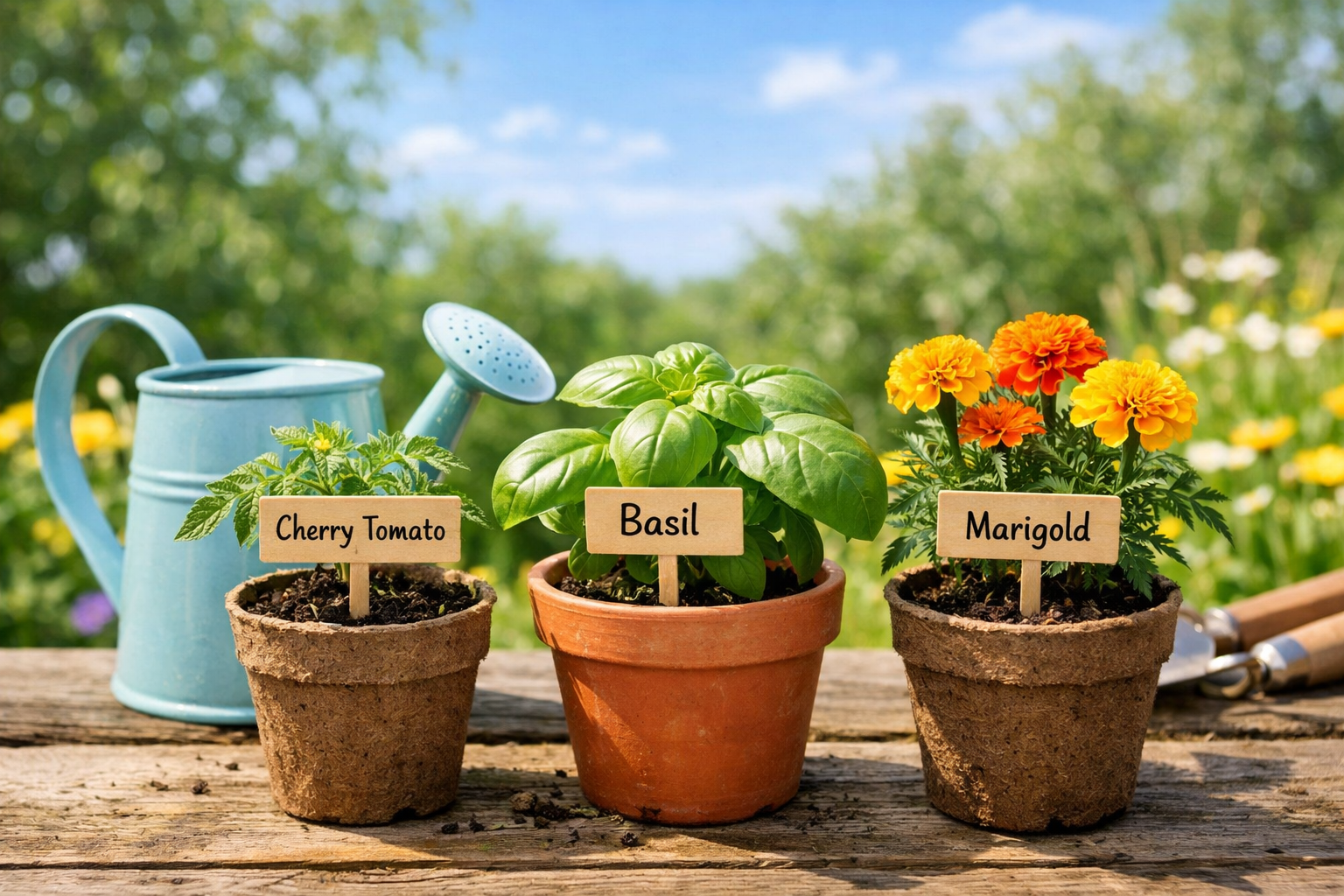
For Gardening Without Experience: Starter Tips, you don’t need an arsenal of expensive equipment; a few basic, high-quality tools will suffice to get started. Focus on items that aid in planting, watering, and basic maintenance, ensuring you can perform fundamental tasks efficiently without unnecessary clutter.
Basic Tool Kit for Beginners
Investing in a few essential tools makes gardening tasks much easier and more enjoyable. You can gradually expand your collection as you gain experience and discover new needs.
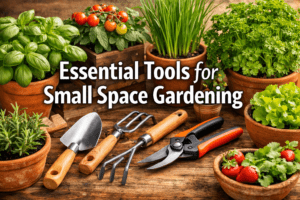
- Gloves: Protect your hands from dirt, thorns, and blisters. Look for durable, comfortable gardening gloves that fit well.
- Hand Trowel: Essential for digging small holes for planting, transplanting seedlings, and breaking up small clods of soil.
- Hand Pruners/Snips: For cutting small branches, deadheading flowers, or harvesting herbs and vegetables. Choose a sharp pair that fits comfortably in your hand.
- Watering Can or Hose with a Gentle Nozzle: Consistent and appropriate watering is critical. A watering can is great for containers and small beds, while a hose with a gentle spray is better for larger areas. For guidance, refer to “How Often Should You Water Plants? Ultimate Guide 2026”.
- Small Shovel or Spade (optional for larger beds): If you plan to dig into a garden bed, a small shovel or spade will be more effective than a trowel.
- Bucket or Wheelbarrow (optional): Useful for moving soil, compost, or weeds.
| Tool | Primary Use | Why it’s Essential for Beginners |
|---|---|---|
| Gardening Gloves | Hand protection | Prevents blisters, dirt, and exposure to irritants |
| Hand Trowel | Digging, planting, loosening soil | Versatile for most small planting tasks |
| Hand Pruners | Trimming, harvesting, deadheading | Maintains plant health and allows for easy harvests |
| Watering Can | Precise watering for containers/small beds | Ensures proper hydration without over-saturating |
| Soil Scoop | Scooping soil/compost | Cleaner and more efficient than using hands or a trowel |
Common Mistake: Buying too many specialized tools upfront. Start with the basics and only purchase additional tools as a specific need arises. For a comprehensive list of useful tools, see “Essential Tools for Small Space Gardening in 2026”.
How Do I Prepare the Soil for Beginner Gardening?
Preparing the soil for beginner gardening involves selecting the right growing medium and ensuring it offers good drainage, aeration, and nutrients for your plants. For most beginners, especially those with limited space, this means using high-quality potting mix for containers or amending existing garden soil with compost.
Understanding Soil Basics
Soil is the foundation of your garden, providing anchorage, water, and nutrients to your plants. Different plants have different soil preferences, but a good all-around soil for beginners will typically be:
- Well-draining: Prevents root rot, a common killer of beginner plants.
- Aerated: Allows roots to breathe and prevents compaction.
- Nutrient-rich: Provides essential food for healthy growth.
Decision Rule: For container gardening, always use a potting mix, not garden soil. Potting mix is specifically formulated for containers; it’s lighter, drains better, and is sterile, reducing pest and disease issues. For details on this, check out “Soil Basics for Container Gardening: 2026 Expert Guide”.
Preparing Container Soil
If you’re starting with containers (which is highly recommended for Gardening Without Experience: Starter Tips), the process is straightforward:
- Choose Appropriate Containers: Ensure pots have drainage holes at the bottom. Without them, water collects, suffocating roots.
- Select a Quality Potting Mix: Look for bags labeled “potting mix” or “potting soil” at your local garden center. Avoid generic “garden soil” for containers.
- Fill Containers: Fill your chosen pots with potting mix, leaving about an inch of space from the rim. This prevents soil from washing out when you water.
Preparing Garden Bed Soil
If you have an in-ground bed, soil preparation requires a bit more effort:
- Clear the Area: Remove all weeds, grass, and debris from the designated garden spot.
- Test Your Soil (Optional but Recommended): A simple soil test kit can tell you about your soil’s pH and nutrient levels, guiding your amendments.
- Amend with Organic Matter: Dig in 2-4 inches of compost, well-rotted manure, or other organic matter into the top 6-12 inches of your existing soil. This improves drainage, aeration, and fertility simultaneously.
- Quick Example: If your soil is heavy clay, compost will help break it up. If it’s sandy, compost will improve its water retention.
Common Mistake: Using garden soil in containers. Garden soil is too dense for pots, compacts easily, and often harbors pathogens or weed seeds.
What are the Best Watering and Feeding Practices for Beginners?
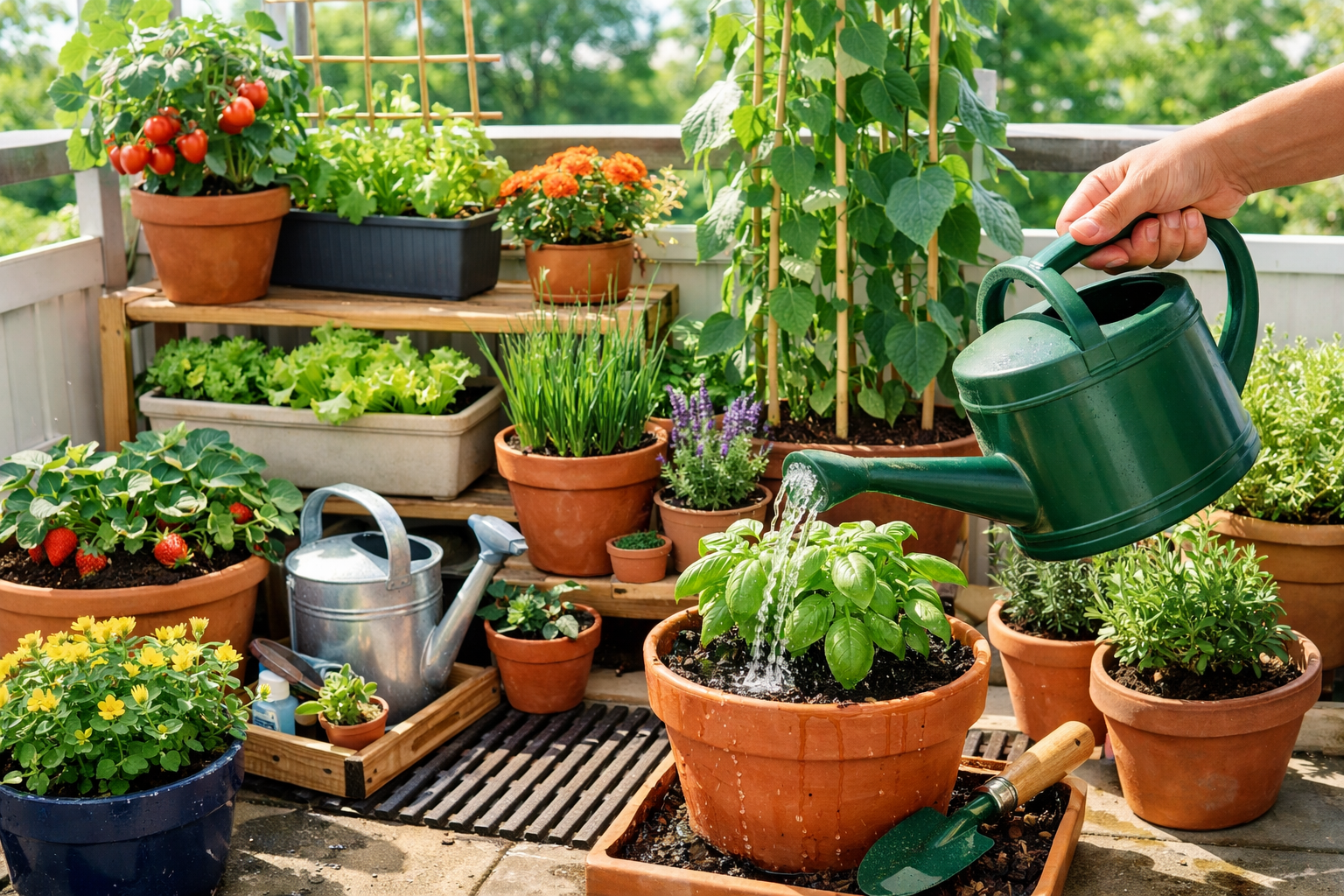
The best watering and feeding practices for beginners center around consistency and moderation, as both overwatering and overfeeding are common pitfalls for new gardeners. Learning to read your plants and the soil is key to providing them with the right amount of moisture and nutrients, ensuring healthy growth without waste or damage.
Watering Your Plants Correctly
Consistent watering is perhaps the most critical factor for plant survival, especially for Gardening Without Experience: Starter Tips.
- Feel the Soil: The golden rule for watering is to check the soil moisture with your finger. Stick your finger about an inch or two into the soil.
- Water if dry: If the soil feels dry, it’s time to water.
- Don’t water if moist: If it’s still moist, wait.
- Water Deeply and Less Frequently: Instead of small, frequent sips, water thoroughly until water drains from the bottom of the pot (for containers) or the top few inches of soil are saturated (for beds). This encourages deeper root growth.
- Timing: Water in the early morning. This allows the water to soak in before the heat of the day causes evaporation and gives leaves time to dry, reducing fungal disease risk.
- Avoid Overhead Watering: Try to water the soil directly at the base of the plant, especially for vegetables. Wet foliage can encourage diseases.
- Decision Rule: When in doubt, it’s usually better to under-water slightly than to over-water, as plants can often recover from dryness more easily than from root rot.
Feeding Your Plants
While soil provides initial nutrients, plants in containers, in particular, will deplete these over time. Garden beds also benefit from nutrient replenishment.
- Start with Good Soil: High-quality potting mix or compost-amended garden soil will provide enough nutrients for the first few weeks or months.
- Consider Organic Fertilizers: For beginners, slow-release granular organic fertilizers or liquid fish emulsion/seaweed extracts are good choices. They are less likely to “burn” plants if over-applied compared to synthetic chemicals.
- Follow Package Instructions: Always read and follow the directions on fertilizer labels. More is not better; over-fertilizing can damage or kill plants.
- When to Fertilize:
- Container Plants: Start feeding about 4-6 weeks after planting, then typically every 2-4 weeks during the growing season.
- Garden Beds: If your soil was amended with compost, you might not need to fertilize much the first year. Annual top-dressing with compost is often sufficient for maintaining fertility.
- Common Mistake: Over-fertilizing, which can cause nutrient burn and even plant death. If your plants look healthy, they probably don’t need more food.
Quick Example: For a container-grown basil plant, use a dilute liquid organic fertilizer every three weeks once it establishes, after the initial potting mix nutrients are likely used up.
How Do I Troubleshoot Common Beginner Gardening Problems?
Troubleshooting common beginner gardening problems involves observing your plants for signs of distress and taking simple, direct actions to correct issues related to watering, light, and occasional pests. Most problems can be resolved with minor adjustments, emphasizing that gardening is a continuous learning process.
Identifying and Addressing Plant Stress
Plants communicate their needs through their appearance. Learning to interpret these signs is a key Gardening Without Experience: Starter Tips.
- Wilting Leaves:
- Cause: Most commonly, underwatering. The plant isn’t getting enough moisture to keep its cells turgid.
- Solution: Water thoroughly and deeply. Check soil moisture daily until the plant recovers.
- Alternative Cause: Overwatering. Roots are suffocating from too much water, preventing them from taking up moisture.
- Solution: Allow the soil to dry out significantly before watering again. Ensure good drainage.
- Decision Rule: Feel the soil first. Dry soil means under-watering; constantly wet, soggy soil means over-watering.
- Yellowing Leaves:
- Cause: Can indicate nutrient deficiency (especially nitrogen), overwatering, or underwatering. Lower leaves yellowing and dropping can be normal aging.
- Solution: If accompanied by wet soil, reduce watering. If soil is consistently dry, increase watering. If neither, consider a balanced, diluted fertilizer.
- Brown or Crispy Leaf Edges:
- Cause: Often a sign of underwatering, low humidity, or salt buildup from too much fertilizer.
- Solution: Increase watering, especially during hot, dry periods. Consider misting plants or using a pebble tray for humidity. Flush soil with plain water if you suspect salt buildup.
- Leggy Growth (tall, thin, sparse leaves):
- Cause: Insufficient light. Plants stretch towards a light source that is too far away or too weak.
- Solution: Move the plant to a brighter location or supplement with grow lights. Prune back leggy growth to encourage bushier development.
Dealing with Pests and Diseases (Simply)
Don’t panic when you see a bug or a spot! Most common garden pests and diseases can be managed with simple, non-toxic methods.
- Aphids (small green/black bugs on new growth):
- Solution: Spray them off with a strong jet of water. For heavier infestations, use insecticidal soap (check labels for plant safety).
- Powdery Mildew (white, powdery patches on leaves):
- Cause: Fungal disease often caused by high humidity and poor air circulation.
- Solution: Improve air circulation by spacing plants appropriately. Remove affected leaves. Spray with a diluted baking soda solution (1 tsp baking soda per quart of water with a drop of dish soap) as a preventive.
- Slugs and Snails:
- Solution: Hand-pick them in the evening. Create beer traps (shallow dishes of beer buried to soil level). Diatomaceous earth around plants can also deter them.
- Common Mistake: Reaching for harsh chemical pesticides immediately. Many common pests can be controlled organically, which is safer for you, your plants, and beneficial insects. For more on common issues, see “Beginner Mistakes in Small Space Gardening 2026”.
What Are the Benefits of Gardening, Even for Beginners?
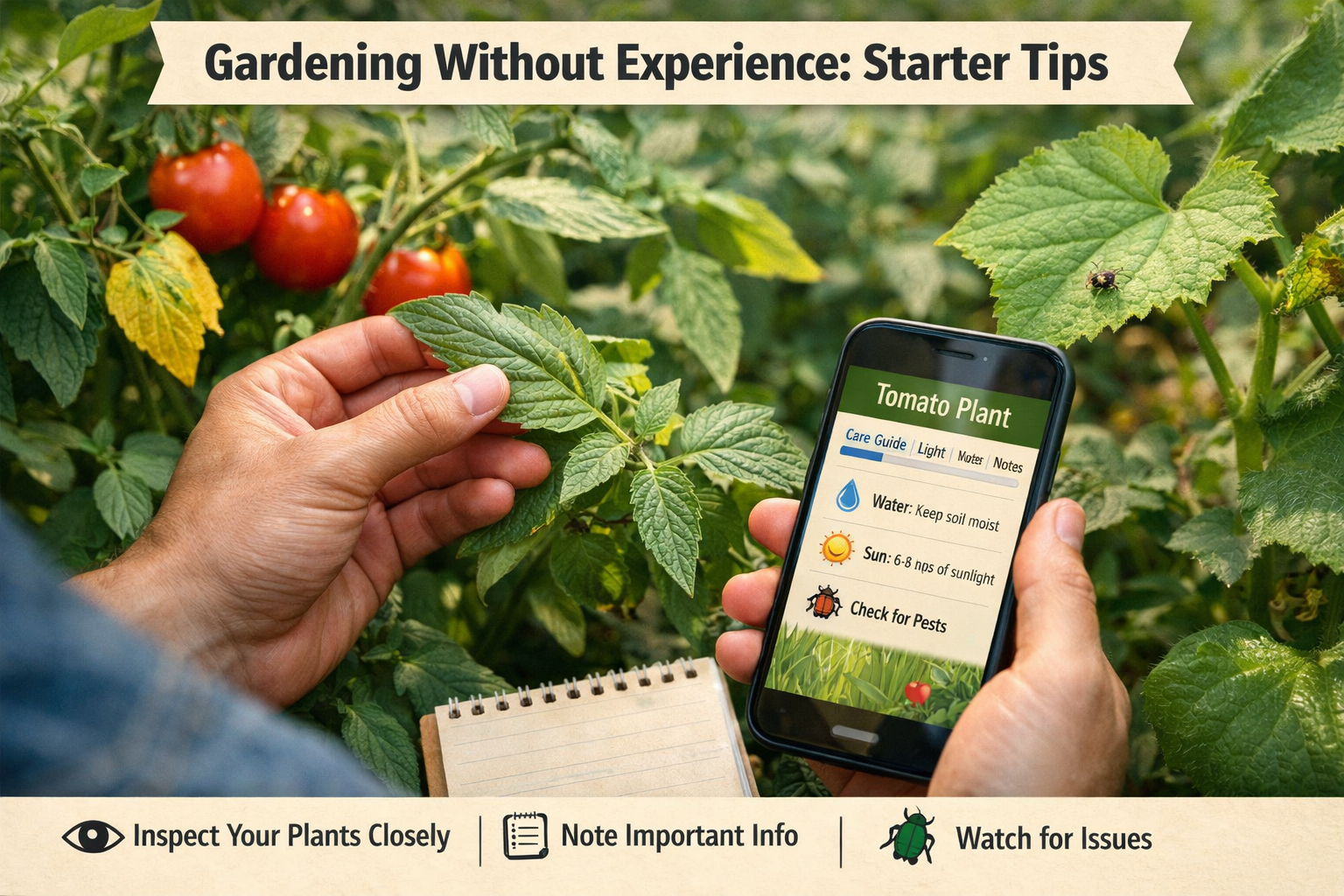
Gardening, even as a beginner, offers a multitude of benefits beyond just growing plants, encompassing physical activity, mental well-being, and a deeper connection to nature and your food source. These inherent rewards make the initial learning curve worthwhile and encourage continued engagement with your green space.
Health and Well-being Benefits
Engaging in gardening activities provides significant boosts to both physical and mental health.
- Stress Reduction: The act of tending to plants can be incredibly meditative and calming. Studies have shown gardening reduces cortisol levels, the stress hormone.
- Improved Mood: Spending time outdoors and connecting with nature is a known mood enhancer. The sense of accomplishment from growing something also boosts self-esteem.
- Physical Activity: Gardening involves digging, planting, weeding, and watering, providing light to moderate exercise. It strengthens muscles, improves flexibility, and can burn calories.
- Better Sleep: Exposure to natural light during the day helps regulate your circadian rhythm, potentially leading to better sleep quality at night.
- Increased Vitamin D: Outdoor gardening offers a natural source of Vitamin D from sun exposure, which is crucial for bone health and immune function.
Pull Quote: “Gardening is not just about growing plants; it’s about cultivating patience, mindfulness, and a deep appreciation for life’s cycles. Even small successes can bring immense joy and a sense of accomplishment.”
Practical and Environmental Benefits
Beyond personal health, gardening contributes positively to your household and the environment.
- Fresh, Healthy Food: Grow your own herbs, fruits, and vegetables for unparalleled freshness and flavor. You control what goes into your food, avoiding pesticides and chemicals.
- Cost Savings: While there’s an initial investment, growing your own produce can significantly reduce your grocery bill over time, especially for high-value items like organic herbs or heirloom tomatoes.
- Connection to Nature: Gardening fosters a direct relationship with the natural world, allowing you to observe insects, birds, and the changing seasons up close.
- Environmental Impact: Even a small garden contributes to local biodiversity, provides habitat for pollinators, and can help improve air quality.
- Educational Opportunity: Gardening is a continuous learning process. You’ll learn about botany, ecology, and sustainable practices, gaining valuable knowledge that extends beyond your garden plot.
- Community Engagement: Sharing your gardening experiences, swapping plants, or donating excess produce can build community connections.
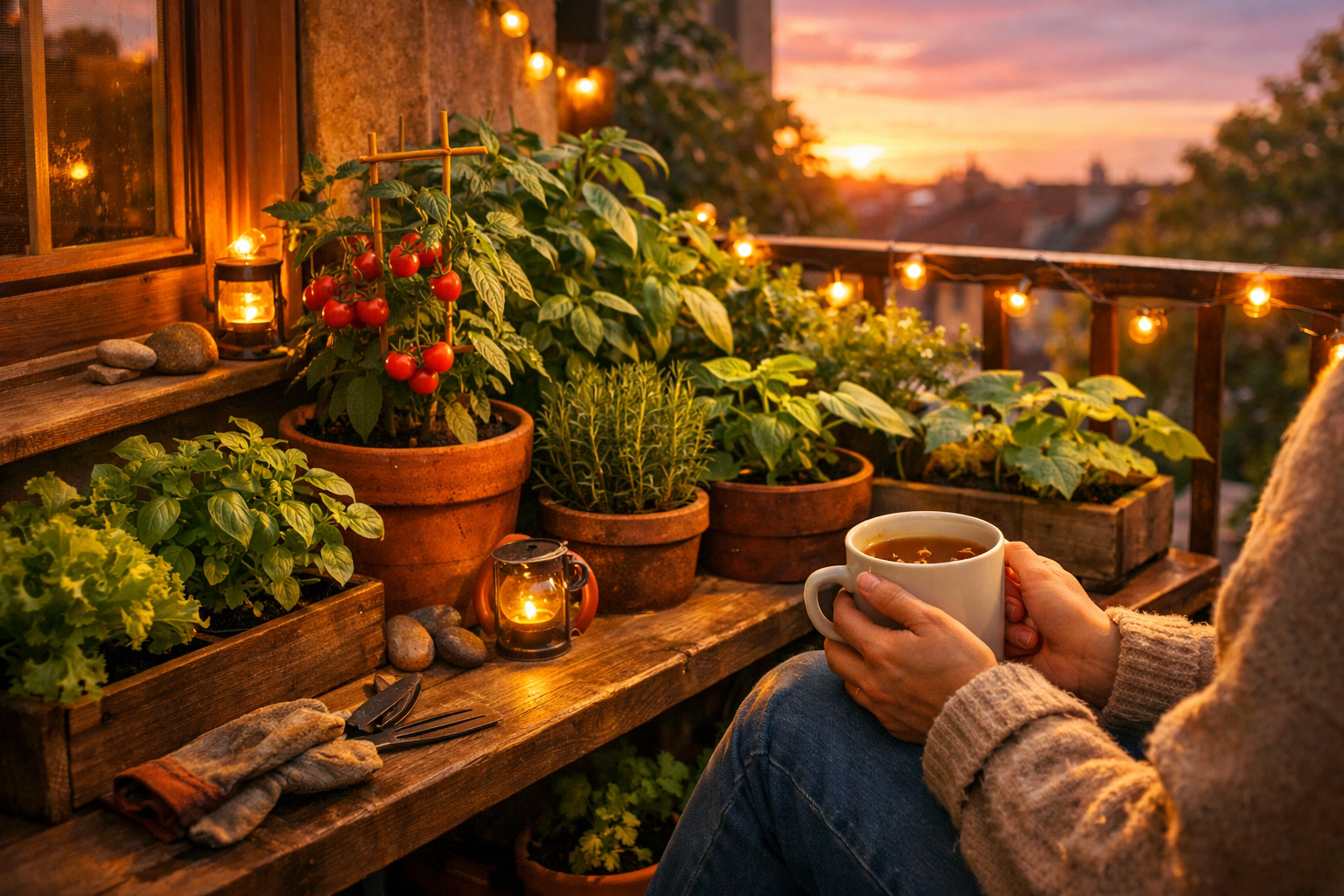
Quick Example: Imagine stepping onto your balcony in the morning and picking fresh basil for your pasta, knowing exactly where it came from and how it was grown. This immediate access to fresh produce is a tangible reward for your efforts.
Interactive Gardening Planner for Beginners (2026)
Your Beginner Garden Planner (2026) 🌱
Use this tool to get personalized recommendations for starting your garden based on your specific conditions.
FAQ: Gardening Without Experience: Starter Tips
Q1: What are the easiest plants for a beginner gardener to grow?
A1: For beginners, herbs like basil, mint, and rosemary, or vegetables such as lettuce, radishes, and bush beans, are excellent choices due to their resilience and relatively fast growth.
Q2: Do I need a big yard to start gardening?
A2: No, you absolutely don’t. Many people start with container gardening on a windowsill, balcony, or patio, allowing you to grow a surprising amount of plants in very small spaces.
Q3: How do I know how much to water my plants?
A3: The best method is to feel the soil: stick your finger about an inch or two deep. If it feels dry, it’s time to water; if it’s still moist, wait. Overwatering is a common beginner mistake.
Q4: What kind of soil should I use for containers?
A4: Always use a high-quality “potting mix” for containers. It’s specifically formulated to provide good drainage and aeration in pots, unlike dense garden soil which can compact and suffocate roots.
Q5: What’s the most important thing to remember for gardening without experience?
A5: Start small, be patient, and observe your plants regularly. Gardening is a continuous learning process, and every gardener makes mistakes; the key is to learn from them.
Q6: Can I grow vegetables indoors?
A6: Yes, many vegetables and herbs can thrive indoors, especially leafy greens, herbs, and some smaller fruiting plants like cherry tomatoes, provided they get enough light, often supplemented with grow lights.
Q7: What are common signs that my plant isn’t doing well?
A7: Wilting leaves (too much or too little water), yellowing leaves (nutrient deficiency or water issues), and leggy growth (not enough light) are common indicators of plant stress.
Q8: Should I use fertilizer right away?
A8: If you start with good quality potting mix or compost-amended soil, your plants will have enough nutrients for the first few weeks. Introduce a diluted, balanced fertilizer only when plants show signs of needing more food, typically after a month or so.
Q9: How can I prevent pests without harsh chemicals?
A9: Many pests can be managed organically by hand-picking them, using strong water sprays to dislodge them, or applying insecticidal soaps. Encouraging beneficial insects like ladybugs also helps control pest populations naturally.
Q10: Is gardening expensive to start?
A10: It doesn’t have to be. You can start with just a few seeds or small plants, some basic pots, a bag of potting mix, and simple tools like gloves and a hand trowel, keeping initial costs low.
Key Takeaways
- Start Small: Begin with a manageable number of easy-to-grow plants in containers or a small bed to build confidence.
- Assess Your Environment: Understand your sunlight availability and space limitations before selecting plants.
- Choose Beginner-Friendly Plants: Opt for resilient herbs, leafy greens, or flowers known for being forgiving.
- Invest in Basic Tools: A hand trowel, pruners, gloves, and a watering can are sufficient for starting.
- Prioritize Good Soil: Use quality potting mix for containers and amend garden beds with compost.
- Master Watering: Check soil moisture with your finger and water deeply but less frequently.
- Fertilize Sparingly: Good soil provides initial nutrients; use diluted fertilizer only when needed.
- Observe and Learn: Pay attention to your plants’ signs of distress and learn from any issues that arise.
- Embrace the Journey: Gardening offers significant benefits for well-being and provides fresh food.
- Don’t Be Afraid of Mistakes: Every gardener, regardless of experience, encounters challenges; they are opportunities for growth.
Related Reading
- How to Start a Mini Garden at Home in 2026: Your Guide
- Ultimate Guide to Small Space Gardening for Beginners 2026
- Low Maintenance Plants for Beginners: 7 Easy Picks (2026)
- Beginner’s Guide to Plant Care 2026: Grow Thriving Plants
- Balcony Garden Setup Step-by-Step | 2026 Ultimate Guide
- Best Pots for Small Space Gardening in 2026 – Maximize Your
Conclusion
Embarking on the journey of gardening without experience is an exciting and rewarding endeavor that is far more accessible than many realize. By beginning with simple steps—understanding your space, choosing resilient plants, using appropriate soil, and establishing a consistent care routine—you can quickly cultivate a green space that brings joy, fresh produce, and a deeper connection to nature. Remember that gardening is a continuous learning process; every minor setback is an opportunity to grow your knowledge and skills. Don’t be deterred by initial challenges, but instead, embrace the process and celebrate every sprout, bloom, and harvest. Your green thumb is just waiting to be discovered in 2026.