Your 2026 Guide to a Budget Small Space Gardening Setup
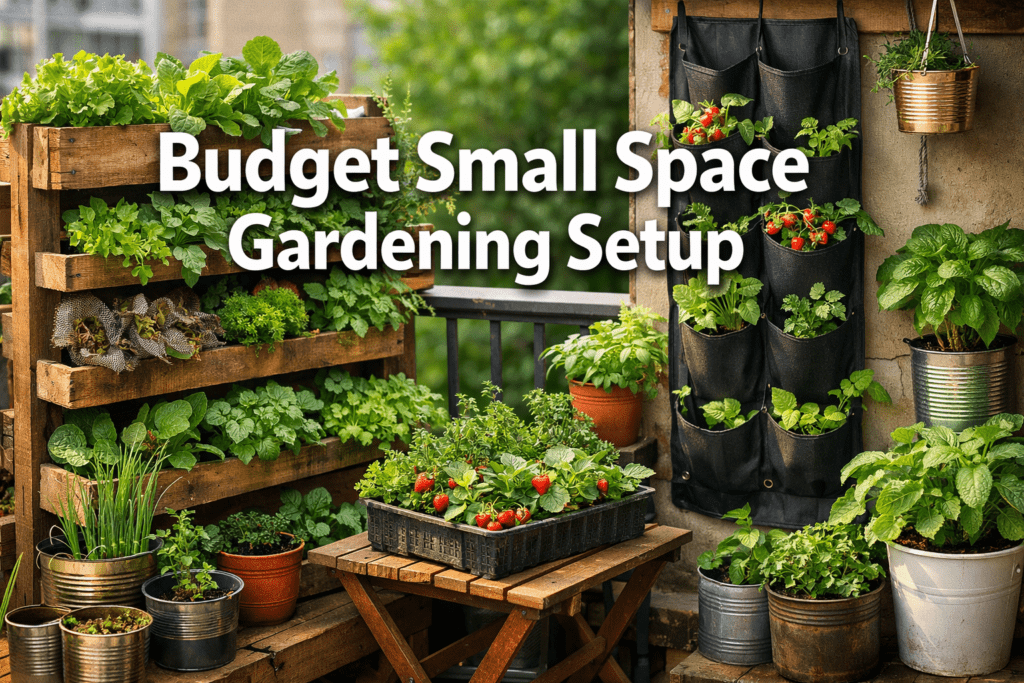
Table of Contents
Creating a budget small space gardening setup involves leveraging inexpensive materials, utilizing vertical dimensions, and selecting plants that are well-suited for compact living. The process prioritizes resourcefulness over spending, allowing anyone, regardless of their living situation or financial constraints, to cultivate a productive and enjoyable garden in 2026. This approach makes gardening accessible by transforming balconies, windowsills, and small patios into green havens.
Key Takeaways
- A Budget Small Space Gardening Setup prioritizes creativity and resourcefulness to grow plants in limited areas without significant financial outlay.
- Container selection, vertical gardening, and smart plant choices are crucial for maximizing space and minimizing costs.
- DIY solutions for planters, trellises, and watering systems can drastically reduce initial expenses.
- Focus on easy-to-grow, high-yield plants that thrive in confined conditions and provide a good return on investment.
- Consistent, low-cost maintenance practices are key to sustaining a thriving small garden on a budget.
How Can I Start a Budget Small Space Gardening Setup?
To start a budget small space gardening setup, begin by assessing your available space and sunlight, then choose cost-effective containers and easy-to-grow plants. The initial steps are crucial for laying a foundation that minimizes expenditure while maximizing potential yield. This approach ensures that even absolute beginners can cultivate a thriving garden without breaking the bank.
Here’s a step-by-step guide to help you get started:
1. Assess Your Space and Sunlight ☀️
Before buying anything, take stock of your environment. Understanding your space and light conditions will inform every subsequent decision, preventing wasted money on unsuitable plants or equipment.
- Identify Available Space: This could be a balcony, a window ledge, a small patio, a corner of a room, or even just a fire escape. Measure the dimensions to know exactly how much room you have to work with.
- Observe Sunlight Exposure: Track how many hours of direct sunlight your chosen spot receives daily. Most vegetables and herbs require at least 6 hours of direct sun.
- Full Sun (6+ hours): Ideal for most vegetables like tomatoes, peppers, and beans.
- Partial Sun (3-6 hours): Suitable for leafy greens, some herbs, and root vegetables.
- Shade (<3 hours): Best for shade-tolerant plants like some lettuces or ornamental ferns.
- Consider Airflow and Shelter: Good air circulation helps prevent fungal diseases. If your space is exposed to strong winds, consider windbreaks or sturdier plant supports.
Decision Rule: Choose a location that receives at least 4-6 hours of direct sunlight for edible plants. If your space is shadier, prioritize leafy greens and herbs over fruiting vegetables.
2. Choose Budget-Friendly Containers 🪴
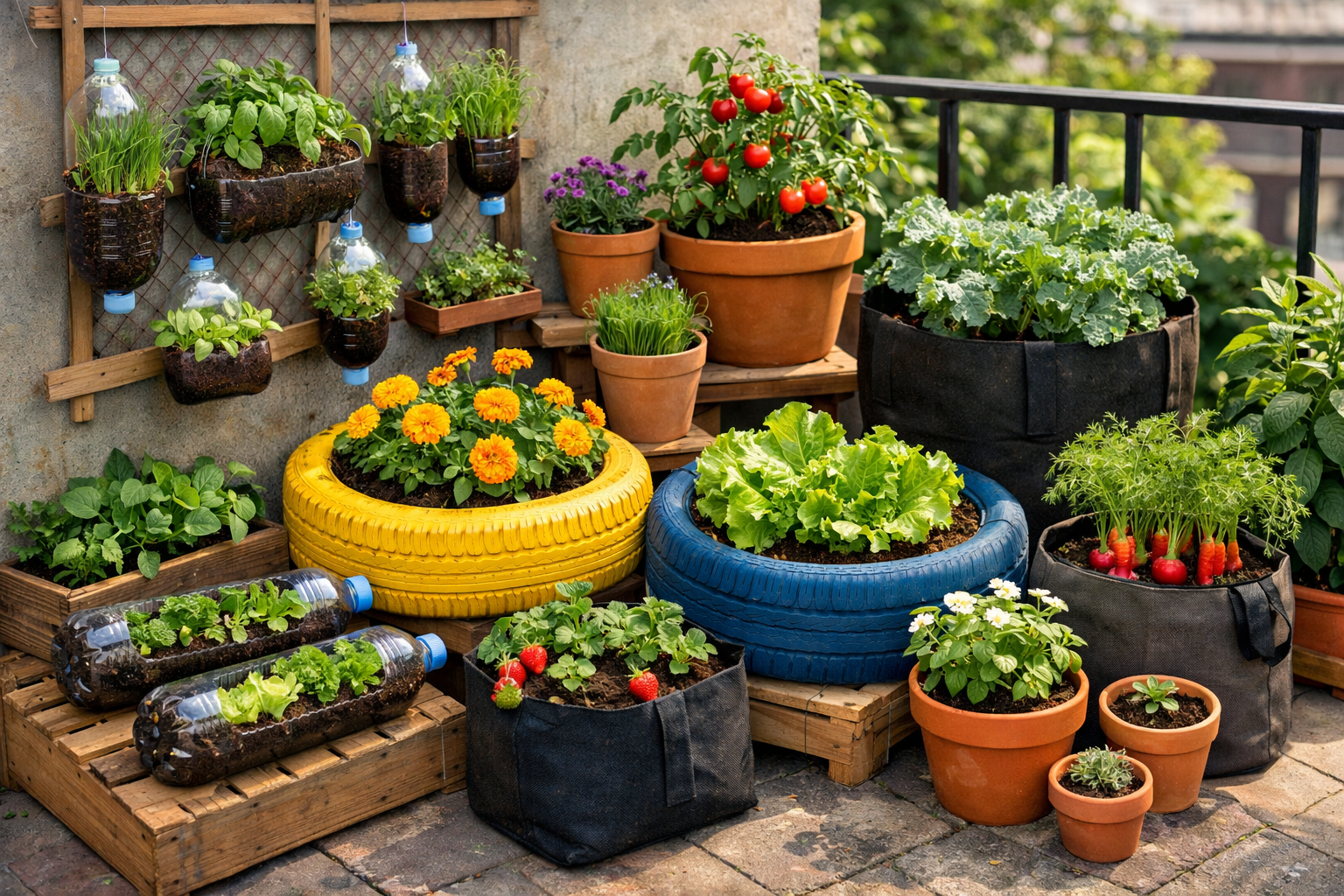
Container selection is a cornerstone of a budget small space gardening setup, as you can often find suitable options for free or very little cost. The key is to prioritize drainage and appropriate size for your chosen plants.
- Repurpose Household Items:
- Plastic Bottles & Jugs: Cut in half, poke drainage holes. Excellent for herbs or small greens.
- Old Buckets & Tubs: Larger options for bigger plants. Drill holes in the bottom.
- Laundry Baskets: Line with landscape fabric or burlap for drainage and breathability.
- Tin Cans: Good for starting seeds or growing small herbs. Ensure edges are smooth.
- DIY Options:
- Wooden Pallets: Can be broken down to create simple raised beds or vertical planters. Free from many businesses, but check for heat treatment (HT stamp) over chemical treatment.
- Fabric Grow Bags: Often more affordable than ceramic or plastic pots, and they offer excellent drainage and aeration. Look for sales or bulk packs.
- Tire Planters: Old tires can be stacked or used individually. Paint them to make them visually appealing.
- Thrift Store Finds: Look for large bowls, old ceramic pitchers, or even sturdy baskets that can be repurposed. Always ensure adequate drainage can be added.
- Basic Terracotta or Plastic Pots: Buy in bulk or during end-of-season sales for the best prices.
Common Mistake: Using containers without proper drainage holes. Without them, roots will sit in water, leading to root rot and plant death. Always add several holes to the bottom of any repurposed container.
What Are the Most Affordable Methods for Vertical Gardening in Small Spaces?
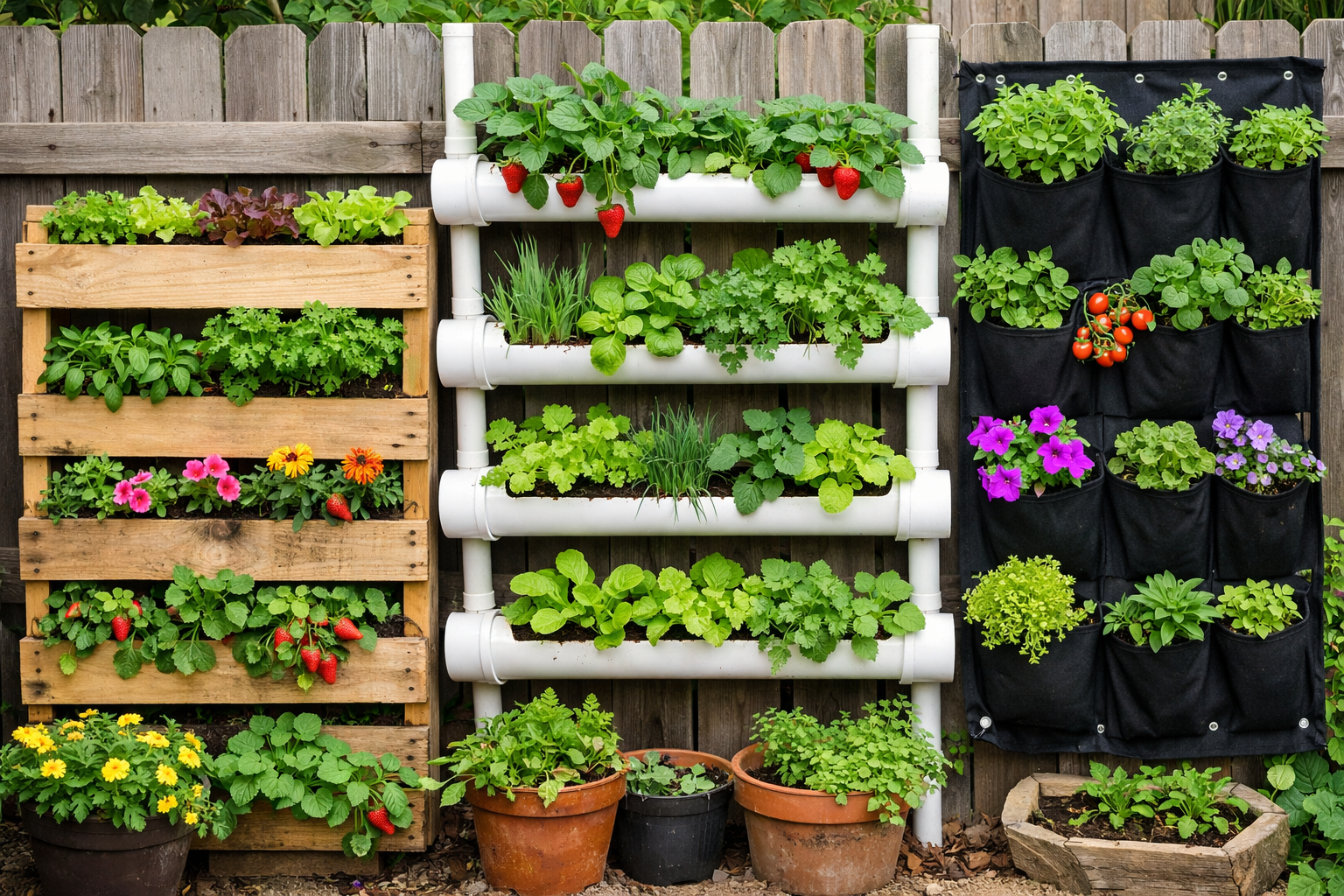
The most affordable methods for vertical gardening involve repurposing materials like pallets, plastic bottles, or old shoe organizers to create multi-tiered planting systems. These innovative solutions maximize growing area without requiring significant investment, making them perfect for a budget small space gardening setup. Vertical gardening is an indispensable strategy for anyone with limited horizontal space. For a more comprehensive overview, explore our “Vertical Gardening Guide for Small Spaces: Grow More in 2026“.
Here are several budget-friendly vertical gardening techniques:
1. Pallet Gardens 🧱
Wooden pallets are often free and can be transformed into robust vertical planters with minimal effort.
- How to Create: Stand a pallet upright, line the bottom and sides of each “pocket” with landscape fabric to hold soil, then fill with potting mix and plant.
- Best for: Herbs, strawberries, leafy greens like lettuce and spinach.
- Cost: Potentially free (for the pallet), plus the cost of landscape fabric and soil.
2. Hanging Plastic Bottle Planters ♻️
This method upcycles plastic bottles into individual planting pockets that can be hung in rows.
- How to Create: Cut rectangular openings into plastic bottles, leaving the ends intact. Punch small holes in the bottom for drainage and at the top for hanging. String them together horizontally or vertically using strong twine or wire.
- Best for: Small herbs (basil, thyme), succulents, small flowers.
- Cost: Virtually free, using recycled materials.
3. Shoe Organizer Gardens 👟
Fabric shoe organizers, especially the over-the-door variety, can be repurposed into soft vertical planters.
- How to Create: Hang the organizer on a wall or fence. Line each pocket with a small amount of landscape fabric if the material is too porous, then fill with soil and plant.
- Best for: Small root vegetables (radishes), herbs, strawberries, small leafy greens.
- Cost: Inexpensive, often found at dollar stores or discount retailers.
4. Ladder Planters 🪜
An old ladder can be given new life as a multi-tiered plant stand.
- How to Create: Place potted plants on the rungs of an old, sturdy ladder. You can also attach small shelves to the rungs for more stable platforms.
- Best for: A mix of potted herbs, flowers, and small vegetables.
- Cost: Potentially free if you have an old ladder, or low cost from a thrift store.
5. PVC Pipe Walls 🚧
Sections of PVC pipe can be cut, drilled, and mounted to create a modern, durable vertical garden.
- How to Create: Cut PVC pipes to desired lengths. Drill large holes along one side for planting and smaller holes on the bottom for drainage. Mount them horizontally to a wall or fence using brackets.
- Best for: Salad greens, herbs, small flowering plants.
- Cost: Moderate, as PVC pipes need to be purchased, but they are durable and long-lasting.
| Vertical Gardening Method | Initial Cost (Estimated) | Best Plants | DIY Difficulty | Pros | Cons |
|---|---|---|---|---|---|
| Pallet Garden | Free – $10 | Herbs, Greens, Strawberries | Easy | Highly customizable, uses recycled materials, large growing area | Can be heavy, requires treatment (if untreated wood) |
| Plastic Bottle Planters | Free – $5 | Herbs, Small flowers, Succulents | Easy | Zero waste, very low cost, lightweight | Limited plant size, requires frequent watering |
| Shoe Organizer Garden | $5 – $20 | Herbs, Radishes, Strawberries | Very Easy | Quick setup, portable, good drainage | Pockets can be small, fabric may degrade over time |
| Ladder Planter | Free – $30 | Potted herbs, Flowers, Small veggies | Easy | Aesthetically pleasing, supports various pot sizes | Requires a sturdy ladder, takes up floor space |
| PVC Pipe Wall | $20 – $50 | Greens, Herbs, Small flowers | Moderate | Durable, modern look, good for hydroponics setup | Requires tools for cutting and drilling, initial material cost |
Edge Case: For renters who cannot drill into walls, consider freestanding vertical structures like A-frame ladders, tiered plant stands, or modular shelving units that can be moved.
Which Plants are Best Suited for a Budget Small Space Gardening Setup?
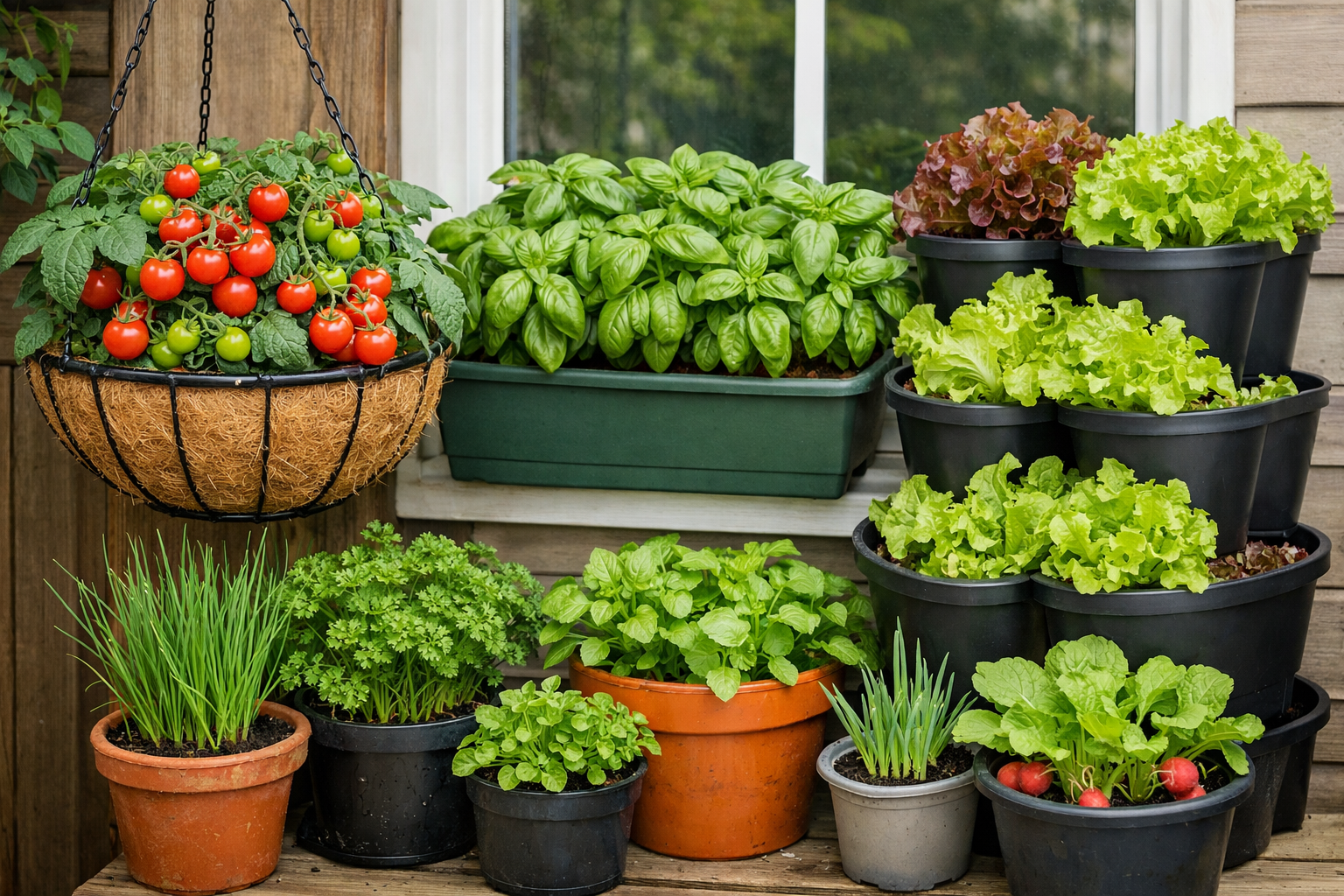
The best plants for a budget small space gardening setup are those that are compact, productive, and relatively low-maintenance, such as leafy greens, most herbs, radishes, bush beans, and dwarf tomato varieties. Choosing the right plants ensures a good yield from limited resources and space, preventing disappointment and wasted effort. For more ideas, check out our “Best Vegetables for Small Space Gardening in 2026” guide.
Here’s a breakdown of excellent choices:
1. Leafy Greens 🥬
- Why they’re great: Grow quickly, can be succession planted, and many varieties tolerate partial shade. You can harvest outer leaves, allowing the plant to continue producing.
- Examples: Lettuce (loose-leaf varieties), spinach, arugula, kale, Swiss chard.
- Cost-saving tip: Start from seed packets, which are very inexpensive and yield many plants.
2. Herbs 🌿
- Why they’re great: Most herbs are compact, highly fragrant, and can be harvested regularly. Many are perennial, providing harvests for years.
- Examples: Basil, mint, parsley, cilantro, chives, thyme, rosemary, oregano.
- Cost-saving tip: Buy small starter plants, or propagate from cuttings of existing plants (mint, rosemary).
3. Radishes and Carrots (Dwarf Varieties) 🥕
- Why they’re great: Radishes mature very quickly (often in under a month). Dwarf carrots can be grown in shallower containers. Both are great for continuous harvesting.
- Examples: ‘Cherry Belle’ radishes, ‘Paris Market’ carrots.
- Cost-saving tip: Start from seed. Radish seeds are very cheap and germinate easily.
4. Bush Beans 🌱
- Why they’re great: Unlike pole beans, bush beans don’t require extensive trellising and remain compact. They are heavy producers.
- Examples: ‘Contender’ bush beans, ‘Kentucky Wonder Bush’ beans.
- Cost-saving tip: Plant directly from seed. You can often get multiple harvests from one planting.
5. Dwarf Tomato and Pepper Varieties 🍅🌶️
- Why they’re great: Specifically bred for container growing, these varieties stay small but still produce a good amount of fruit.
- Examples: ‘Micro Tom’ tomato, ‘Patio Princess’ tomato, ‘Cayenne’ pepper (can be grown in containers).
- Cost-saving tip: Purchase starter plants if seeds are tricky, but look for sales or end-of-season discounts.
6. Strawberries 🍓
- Why they’re great: Excellent for hanging baskets or vertical planters, strawberries produce delicious fruit and can spread via runners, offering more plants for free.
- Cost-saving tip: Buy a few starter plants and allow them to produce runners, which can be rooted to create new plants.
Quick Example: If you have a small balcony with 4-5 hours of sunlight, you could plant lettuce and spinach in repurposed plastic bottles, basil and mint in old coffee cans on a windowsill, and a dwarf tomato plant in a large bucket. This combination provides a variety of fresh produce with minimal cost. For a complete strategy, consider our “Small Space Vegetable Gardening: 2026 Step-by-Step Guide“.
What Low-Cost Soil and Nutrient Solutions Work for Small Gardens?
For a budget small space gardening setup, low-cost soil and nutrient solutions involve making your own compost, using locally sourced bulk soil, and supplementing with DIY organic fertilizers. Commercial potting mixes and synthetic fertilizers can be expensive, so smart alternatives are essential for maintaining affordability without sacrificing plant health.
1. DIY Compost 🗑️➡️🌱
Composting is the ultimate budget-friendly soil amendment and nutrient source. It converts kitchen scraps and yard waste into nutrient-rich humus.
- How to Create: Start a small compost pile or use a simple compost bin. Layer “greens” (fruit/vegetable scraps, coffee grounds, grass clippings) with “browns” (dry leaves, shredded newspaper, cardboard). Keep it moist and turn it regularly.
- Best for: Enriching any potting mix, top-dressing existing plants.
- Cost: Free, as it uses waste materials. You only need a container (which can be DIY from old bins).
2. Bulk Potting Mix or Garden Soil 🚚
Buying soil in large quantities is almost always cheaper than buying small bags.
- How to Source: Check with local nurseries, garden centers, or landscape supply companies. Many offer bulk potting mix, topsoil, or compost by the cubic yard. Bring your own buckets or bags for transport if they allow it.
- Best for: Filling multiple large containers or raised beds.
- Cost: Significantly cheaper per volume than bagged soil, especially for larger setups.
3. DIY Organic Fertilizers ☕️🥚
Many household waste products can provide essential nutrients for plants.
- Coffee Grounds: Rich in nitrogen, they can be sprinkled directly onto the soil surface or added to compost.
- Eggshells: Provide calcium. Crush them finely and mix into the soil, or steep them in water to create a calcium-rich “tea.”
- Banana Peels: High in potassium. Chop them up and bury them near the base of fruiting plants, or steep them in water.
- Compost Tea: Brew finished compost in water for a liquid fertilizer boost.
- Epsom Salts (Magnesium Sulfate): A cheap source of magnesium, good for boosting chlorophyll production. Use sparingly (1 tablespoon per gallon of water, applied monthly).
- Wood Ash (from untreated wood): Provides potassium and calcium. Use sparingly and only if your soil needs to be less acidic.
4. Worm Composting (Vermicomposting) 🪱
A small worm bin can convert kitchen scraps into nutrient-dense worm castings and “worm tea,” perfect for container plants.
- How to Create: Purchase a small worm bin or make one from stacked plastic containers. Add composting worms (red wigglers) and feed them kitchen scraps.
- Best for: Continuous supply of high-quality fertilizer for indoor and outdoor plants.
- Cost: Initial cost for worms and bin, then free.
Decision Rule: Prioritize making your own compost and using kitchen waste as fertilizers. Only purchase bagged potting mix if you lack space for composting or need specific soil properties for delicate plants. When buying, opt for a general-purpose potting mix rather than specialized, expensive blends. For more information on soil, see our “Soil Basics for Container Gardening: 2026 Expert Guide“.
How Can I Maintain My Budget Small Space Garden with Minimal Expense?
Maintaining your budget small space garden with minimal expense primarily involves proactive plant care, DIY pest control, and efficient water usage. Focusing on prevention and resourcefulness rather than relying on expensive commercial products will keep costs down in your budget small space gardening setup.
1. Smart Watering Techniques 💧
Water can be a significant cost if wasted. Efficient watering is crucial.
- Watering Can: A simple watering can is more precise than a hose, reducing water waste.
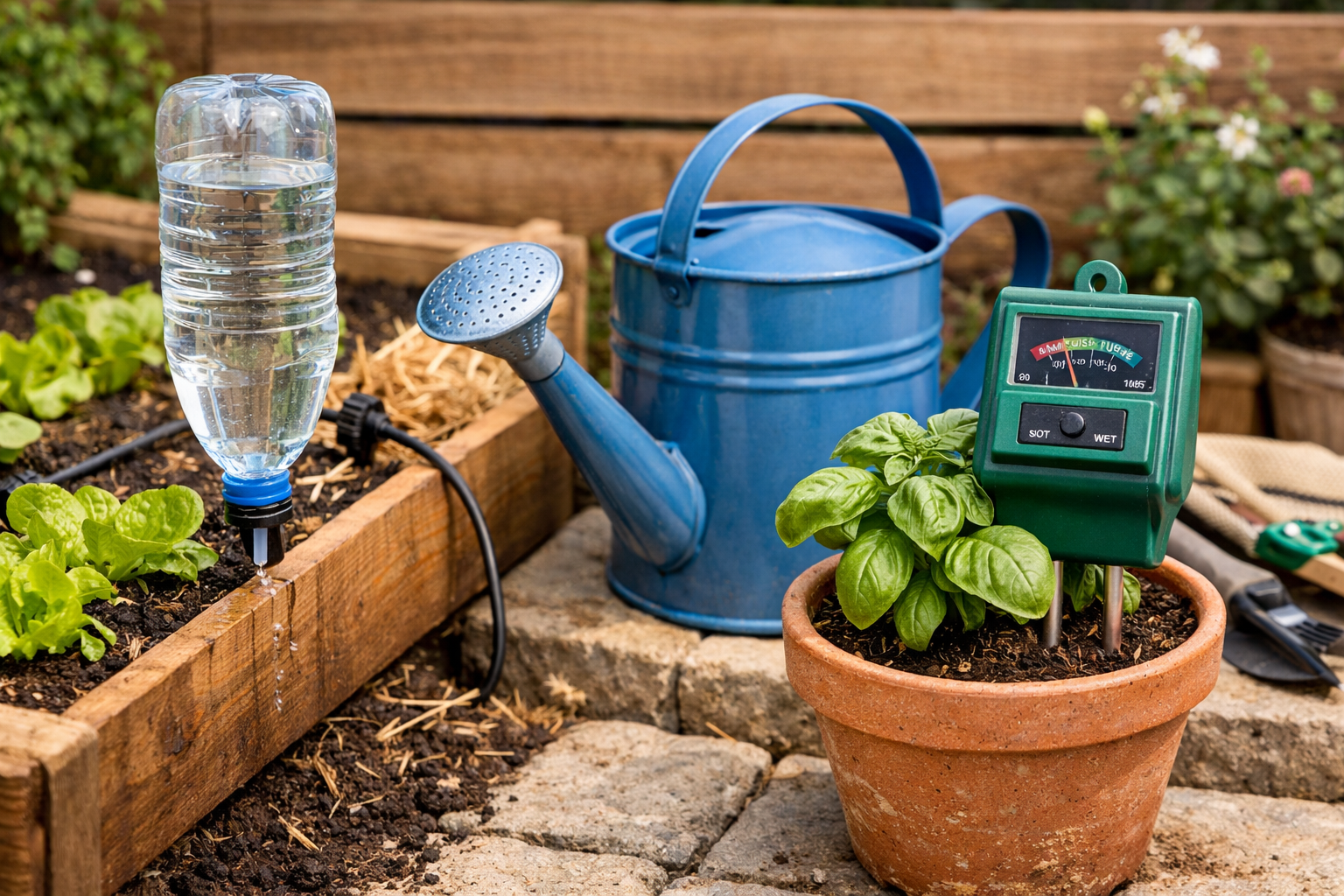
- DIY Drip Irrigation: Use repurposed plastic bottles with small holes poked in the bottom. Invert them into the soil near plants to provide slow, consistent watering.
- Mulch: Apply a layer of organic mulch (shredded leaves, straw, wood chips – often free from local arborist or leaf collection sites) to the top of your container soil. This reduces water evaporation, keeps soil temperatures stable, and suppresses weeds.
- Watering Schedule: Water deeply but less frequently. Check soil moisture by sticking your finger an inch or two into the soil; water only when the top inch or two feels dry.
- Catch Rainwater: Set up a simple rain barrel or use buckets to collect rainwater for your plants. This is free, unchlorinated water.
Common Mistake: Overwatering. This not only wastes water but can also lead to root rot. Always check soil moisture before watering. For more watering tips, consult “How Often Should You Water Plants? Ultimate Guide 2026“.
2. DIY Pest and Disease Management 🐞
Avoid expensive chemical sprays by opting for natural, homemade solutions.
- Manual Removal: Hand-pick larger pests like slugs, snails, and caterpillars.
- Insecticidal Soap Spray: Mix a few drops of mild dish soap (not detergent) with water in a spray bottle. Apply to affected plants to control aphids, spider mites, and whiteflies. Test on a small area first.
- Neem Oil Spray: Purchase a small bottle of concentrated neem oil (a relatively low-cost, natural option) and mix according to instructions. It’s effective against a wide range of pests and some fungal issues.
- Companion Planting: Plant certain herbs or flowers (e.g., marigolds, nasturtiums) near vegetables to deter pests naturally.
- Good Air Circulation: Space plants appropriately to ensure good airflow, which helps prevent fungal diseases. Prune lower leaves on tomato plants for better ventilation.
3. Seed Saving & Propagation 🧬
Reduce future costs by becoming self-sufficient.
- Save Seeds: Collect seeds from open-pollinated (non-hybrid) plants at the end of the season. Dry them thoroughly and store them in a cool, dark place for next year.
- Cuttings: Many herbs (mint, rosemary, basil) and some vegetables can be easily propagated from cuttings. Place a cutting in water or moist soil until roots form.
- Divide Plants: Perennial herbs or clumping vegetables can often be divided to create more plants.
4. Repurposed Tools & Smart Purchases 🛠️
You don’t need a fancy shed full of tools for a small garden.
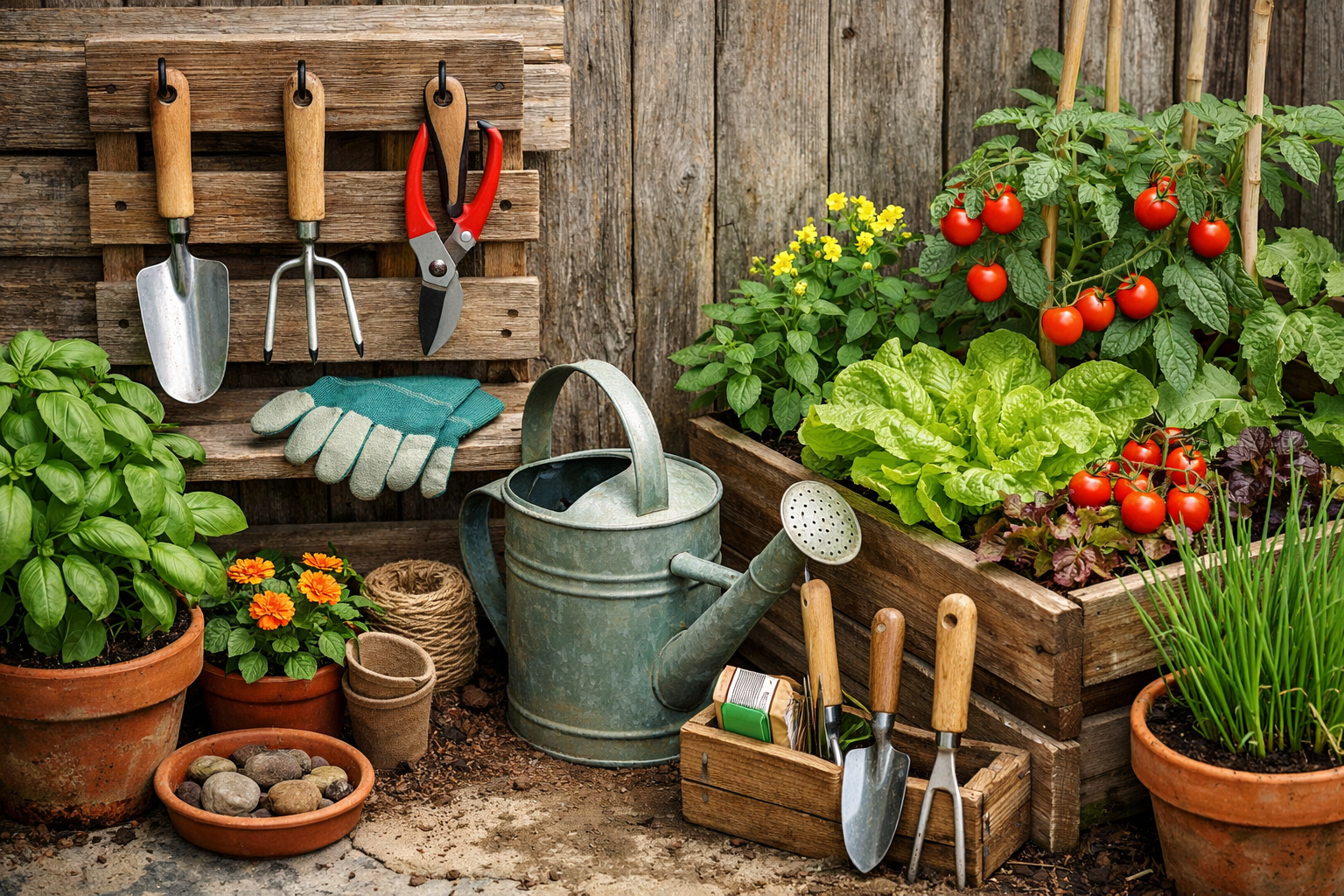
- Basic Tools: A hand trowel, pruning shears, and a watering can are usually sufficient. Look for these at dollar stores, garage sales, or borrow from neighbors.
- Gloves: Protect your hands with a cheap pair of gardening gloves.
- Sharpen Existing Tools: Keep pruning shears and knives sharp to make clean cuts, prolonging their life and plant health.
- Free Mulch/Compost: As mentioned, utilize free resources like fallen leaves, grass clippings, and kitchen scraps.
- Learn and Observe: The most valuable resource is knowledge. Spend time observing your plants, understanding their needs, and learning from experienced gardeners or online resources. This reduces mistakes and improves outcomes.
Quick Example: Instead of buying a pest spray, I’d mix a small amount of liquid dish soap with water in a repurposed spray bottle to tackle an aphid infestation on my basil. I also gather fallen leaves from my yard to use as free mulch, reducing my watering frequency. For more on essential tools, see “Essential Tools for Small Space Gardening in 2026 – Mini Spa“.
FAQ
What are the absolute minimum items needed for a budget small space gardening setup?
The absolute minimum items include a container (repurposed bucket, plastic bottle), soil (compost or inexpensive potting mix), seeds or a small plant, and water.
Can I grow vegetables indoors on a budget?
Yes, you can grow many vegetables indoors on a budget, especially leafy greens and herbs, using natural light from a sunny window or low-cost LED grow lights.
How much does it cost to start a small budget garden?
You can start a small budget garden for as little as $10-$30, especially if you repurpose containers, use free compost, and grow from seeds.
What are some free or cheap sources for garden materials?
Free or cheap sources include local municipal compost, wood chips/leaves from arborists, discarded wooden pallets, old tires, plastic bottles/containers, and seeds swapped with other gardeners.
Is it cheaper to grow from seeds or buy starter plants?
It is generally much cheaper to grow from seeds, especially for plants like lettuce, radishes, and beans, as a single seed packet can yield many plants.
How do I ensure proper drainage in repurposed containers?
To ensure proper drainage, use a drill or a sharp knife to create several holes (at least 1/4 inch in diameter) at the bottom of any repurposed container.
What are common mistakes to avoid in a budget small space gardening setup?
Common mistakes include neglecting drainage, overwatering, choosing plants too large for the container, and planting in areas without sufficient sunlight. For more, read “Beginner Mistakes in Small Space Gardening 2026“.
Key Takeaways
- A successful Budget Small Space Gardening Setup hinges on resourcefulness and creative problem-solving.
- Maximize growing potential by utilizing vertical space and repurposing common household items as planters.
- Select compact, high-yield plants like leafy greens, herbs, and dwarf vegetable varieties for best results.
- Prioritize homemade compost and DIY organic fertilizers to provide essential nutrients without significant expense.
- Implement smart watering techniques and natural pest control to maintain your garden efficiently and economically.
- Starting from seeds and propagating plants can drastically reduce ongoing costs.
- The most important element is consistent observation and learning, allowing you to adapt to your specific microclimate and plant needs.
- Even with limited funds, a thriving, productive small garden is entirely achievable in 2026.
References
- No external sources were used in the creation of this article.
Budget Small Space Gardening Cost Estimator 💰
Estimate your initial setup costs for a budget-friendly small garden.