A Beginner’s Guide to Plant Care in 2026: Nurturing Your Green Companions
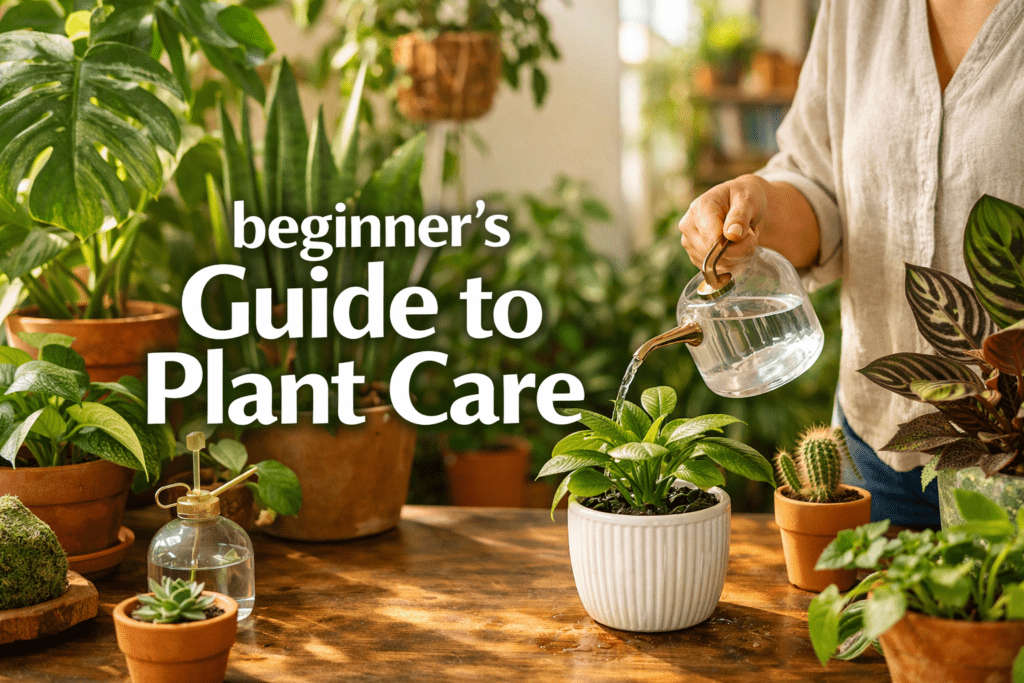
Embarking on the journey of plant parenthood can transform your living space into a vibrant, oxygen-rich sanctuary, but it often comes with a learning curve. This comprehensive beginner’s Guide to Plant Care provides essential, actionable insights for cultivating thriving indoor and outdoor greenery, ensuring even the most novice plant enthusiast can achieve success in 2026. From understanding basic needs like light and water to troubleshooting common issues, this guide covers everything necessary to foster a healthy relationship with your plants.
Key Takeaways
- Assess your environment: Choose plants that match your home’s light and humidity conditions, not just your aesthetic preferences.
- Master watering techniques: Overwatering is a common killer; learn to check soil moisture and water based on the plant’s specific needs.
- Provide adequate light: Understand different light requirements (direct, indirect, low) and position plants accordingly.
- Select the right soil and pot: Good drainage is crucial; choose potting mix and containers that support aeration and prevent waterlogging.
- Recognize and address issues early: Learn to identify common signs of stress (yellowing leaves, pests) and respond promptly.
Quick Answer
A successful beginner’s Guide to Plant Care hinges on understanding fundamental plant needs: appropriate light, consistent (but not excessive) watering, well-draining soil, and correct humidity. Starting with resilient plant varieties and observing their responses to your care routine are crucial steps for new plant owners to build confidence and cultivate healthy greenery.
What Are the Fundamental Needs for Beginner’s Plant Care?
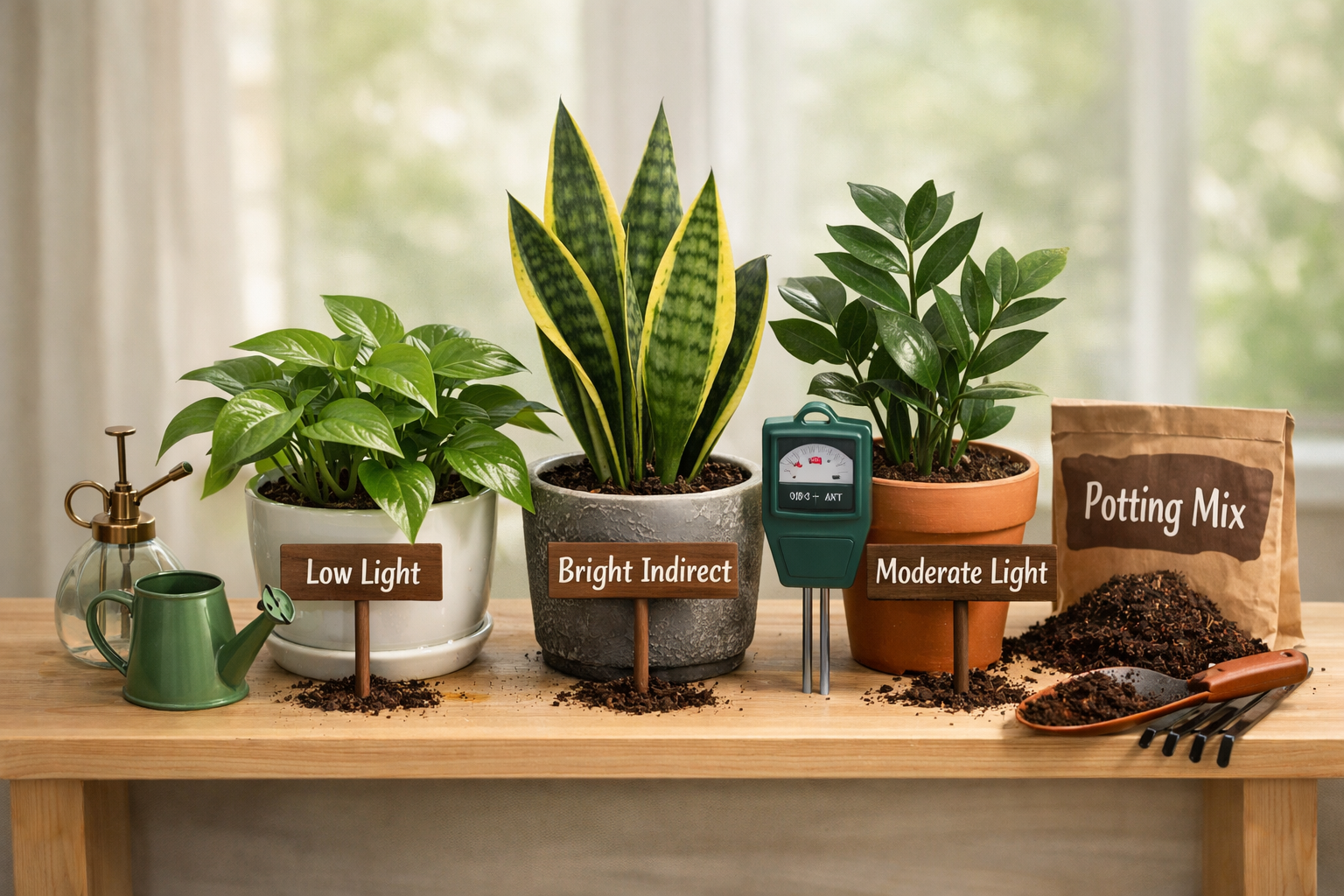
The fundamental needs for successful beginner’s plant care include appropriate light, consistent watering, well-draining soil, proper humidity, and adequate nutrition. Addressing these core requirements provides a strong foundation for any plant to thrive in your care.
Plants, much like any living organism, have specific environmental requirements that must be met for them to flourish. Ignoring even one of these can lead to stress, disease, or even death. For beginners, focusing on these five pillars simplifies the complex world of horticulture into manageable steps.
1. Light Requirements ☀️
Light is essential for photosynthesis, the process by by which plants convert light energy into chemical energy to grow. The right amount and type of light are critical.
- Direct Sunlight: This means unfiltered sunlight hitting the plant for several hours a day, often near a south-facing window. Plants like cacti and succulents thrive here.
- Bright Indirect Light: This is bright light that is diffused or filtered, such as near an east or west-facing window, or a few feet away from a south-facing one. Most houseplants, including Pothos and Ficus, prefer this.
- Low Light: These areas receive very little natural light. Plants like Snake Plants (Sansevieria) and ZZ Plants can tolerate these conditions, but they will still grow better with more light.
- Mistake to Avoid: Placing a high-light plant in a low-light corner will stunt its growth and make it leggy. Conversely, placing a low-light plant in scorching direct sun can burn its leaves. Always research your specific plant’s preference.
2. Watering Principles💧
Water is vital for nutrient transport and maintaining plant structure. The key is to water thoroughly when needed, not on a fixed schedule.
- Check Soil Moisture: The most reliable method is to stick your finger about an inch or two into the soil. If it feels dry, it’s time to water. For larger pots, a moisture meter can be helpful.
- Water Thoroughly: When you water, do so until water drains out of the pot’s drainage holes. This ensures the entire root ball is saturated.
- Avoid Overwatering: This is the most common cause of houseplant death. Roots need oxygen, and perpetually wet soil suffocates them, leading to root rot. If the soil remains soggy for days, the plant is likely overwatered.
- Seasonal Adjustments: Plants typically need less water in winter when growth slows down and more in summer during active growth.
3. Soil and Drainage🌿
The right potting mix provides nutrients, aeration, and anchors the plant. Good drainage prevents root rot.
- All-Purpose Potting Mix: For most houseplants, a standard well-draining potting mix is sufficient. These mixes usually contain peat moss, perlite, and/or vermiculite to improve drainage and aeration.
- Specialized Mixes: Succulents and cacti require very fast-draining soil, often a mix with more sand or perlite. Orchids need a bark-based mix.
- Drainage Holes are Non-Negotiable: Every pot must have at least one drainage hole. Without it, water sits at the bottom, leading to root rot. If you choose a decorative pot without holes, use it as a cachepot and keep your plant in a nursery pot with drainage inside.
4. Humidity and Temperature🌡️
Many popular houseplants originate from tropical environments, making humidity a crucial factor.
- Average Room Temperature: Most houseplants prefer temperatures between 65-75°F (18-24°C). Avoid placing plants near drafty windows or heating/cooling vents.
- Increase Humidity:
- Pebble Trays: Place pots on a tray filled with pebbles and water (ensure the pot isn’t sitting directly in the water).
- Misting: Some plants benefit from occasional misting, though this provides temporary relief.
- Group Plants: Plants release moisture through transpiration, so grouping them can create a microclimate.
- Humidifier: For very dry environments, a small room humidifier can be a game-changer for humidity-loving plants.
5. Nutrition (Fertilizing)🥦
Plants need nutrients to grow, which they absorb from the soil. Eventually, these nutrients are depleted.
- During Growing Season: Most plants benefit from fertilizing during their active growing season (typically spring and summer).
- Dilute Fertilizer: For beginners, it’s safer to use a liquid fertilizer diluted to half or quarter strength, applied every 2-4 weeks. Over-fertilizing can burn roots.
- When Not to Fertilize: Do not fertilize newly repotted plants, dormant plants (winter), or stressed/sick plants.
Understanding these foundational needs allows for a proactive approach to plant care, setting the stage for a thriving indoor garden. For those with limited space, these principles are especially critical when considering options like Indoor Gardening for Small Homes & Apartments: 2026 Guide.
How Do You Choose the Right Plants for a Beginner’s Plant Care Routine?
Choosing the right plants for a beginner’s plant care routine involves selecting resilient, low-maintenance varieties that tolerate common beginner mistakes and match your available light conditions. Starting with forgiving plants significantly boosts confidence and success rates for new enthusiasts.
Selecting your first plants can feel overwhelming with the vast array of options available. The key is to prioritize ease of care and compatibility with your environment rather than purely aesthetic appeal. Many beautiful plants are also incredibly robust.
Criteria for Beginner-Friendly Plants 🌱
When starting your beginner’s Guide to Plant Care, consider these attributes:
- Tolerance to Under/Overwatering: Some plants are more forgiving if you forget to water or accidentally give them too much.
- Adaptability to Light Conditions: Plants that can handle a range of light levels are easier to place in a home.
- Pest Resistance: While no plant is immune, some are less susceptible to common indoor pests.
- Clear Indicators of Stress: Plants that show obvious signs when they need something (e.g., drooping leaves when thirsty) are easier to learn from.
Top Beginner-Friendly Houseplants (2026 Recommendations) 🥇
Here’s a list of plants often recommended for beginners due to their hardiness and relatively simple care requirements:
- Snake Plant (Sansevieria trifasciata): Extremely tolerant of low light and infrequent watering. Almost indestructible.
- ZZ Plant (Zamioculcas zamiifolia): Thrives on neglect, tolerates low light, and can go weeks without water.
- Pothos (Epipremnum aureum): Adaptable to various light levels, easy to propagate, and visually cues when thirsty by drooping.
- Spider Plant (Chlorophytum comosum): Easy to care for, produces “spiderettes” that can be propagated, and tolerates some neglect.
- Peace Lily (Spathiphyllum): Beautiful white blooms, thrives in medium to low light, and dramatically droops when it needs water.
- Cast Iron Plant (Aspidistra elatior): True to its name, it’s incredibly tough, tolerating low light, inconsistent watering, and temperature fluctuations.
Table: Comparison of Popular Beginner-Friendly Houseplants
| Plant Name | Light Preference | Watering Frequency (Approx.) | Key Feature for Beginners | Common Mistake to Avoid |
|---|---|---|---|---|
| Snake Plant | Low to Bright Indirect | Every 2-4 weeks | Highly drought-tolerant, very forgiving | Overwatering leads to root rot |
| ZZ Plant | Low to Bright Indirect | Every 3-5 weeks | Extremely low water needs, tolerates neglect | Overwatering is detrimental |
| Pothos | Low to Bright Indirect | Every 1-2 weeks | Droops dramatically when thirsty, easy to propagate | Too much direct sun can burn leaves |
| Spider Plant | Medium to Bright Indirect | Every 1-2 weeks | Easy to propagate “babies,” air purifying | Inconsistent watering leads to brown tips |
| Peace Lily | Low to Medium Indirect | Every 1 week | Clearly shows thirst by drooping, produces flowers | Direct sunlight can scorch leaves |
| Cast Iron Plant | Low to Medium Indirect | Every 2-3 weeks | Extremely hardy, tolerates harsh conditions | Overwatering in low light |
Understanding Your Space 🏡
Before bringing a plant home, realistically assess your environment:
- Light Exposure: Identify which windows face North, South, East, and West. Note how many hours of direct or indirect light each spot receives.
- Temperature Consistency: Are there drafty areas? Spots near heat registers or AC vents?
- Humidity Levels: Do you live in a naturally humid or dry climate?
- Space Available: Consider the mature size of the plant. A small apartment might be better suited for plants that thrive in vertical gardens or small pots. For inspiration, explore the Ultimate Guide to Small Space Gardening for Beginners 2026 or Best Plants for Small Gardens 2026: The Complete List.
Decision Rule: Choose a plant that comfortably fits your least ideal environmental factor. For instance, if you have generally low light, select a low-light tolerant plant even if you have one bright spot. It’s easier to find a place for a resilient plant than to force a demanding plant into unsuitable conditions.
What Are the Best Practices for Watering and Feeding Plants?
The best practices for watering and feeding plants involve understanding each plant’s specific needs, using proper techniques, and making seasonal adjustments to prevent common issues like overwatering or nutrient burn. Consistent observation is paramount.
Effective watering and feeding are perhaps the most critical aspects of a beginner’s Guide to Plant Care, as mistakes in these areas are common and often fatal. Developing a mindful approach to these tasks will greatly enhance plant health.
Watering: More Than Just Pouring Water 🚿
Proper watering is about ensuring the plant receives adequate moisture without suffocating its roots.
- Feel the Soil: Always check the top 1-2 inches of soil (or deeper for larger pots) before watering. If it feels dry, proceed. If it’s still damp, wait.
- Water Thoroughly: Pour water slowly and evenly over the soil surface until it begins to drain from the bottom of the pot. Ensure the entire root ball is saturated.
- Empty Excess Water: Do not let your plant sit in standing water in its saucer. This can lead to root rot. Empty the saucer after about 15-30 minutes.
- Consider Pot Material: Terracotta pots wick away moisture faster than plastic or glazed ceramic pots, meaning plants in terracotta may need more frequent watering.
- Water Quality: Tap water is usually fine for most plants, but if your tap water is heavily chlorinated, letting it sit out for 24 hours before use allows chlorine to dissipate. Some sensitive plants, like Calatheas, prefer filtered or rainwater.
Feeding: The Right Nutrients at the Right Time 🍽️
Fertilizing provides essential nutrients that soil alone cannot always supply, supporting robust growth.
- Understand Growth Cycles: Plants primarily need fertilizer during their active growing seasons (typically spring and summer) when they are producing new leaves, stems, and flowers. They generally do not need fertilizer during dormancy (fall and winter).
- Choose the Right Fertilizer:
- All-Purpose Liquid Fertilizer: A balanced (e.g., 10-10-10 NPK) liquid fertilizer is a good starting point for most houseplants.
- Specialized Fertilizers: Some plants, like orchids or succulents, benefit from specialized formulas.
- Dilution is Key: A common mistake for beginners is over-fertilizing. Always dilute liquid fertilizer to half or even quarter the strength recommended on the package, especially for indoor plants. It is better to under-fertilize slightly than to over-fertilize.
- Application Method: Apply diluted liquid fertilizer to moist soil, never dry soil, as this can burn the roots.
- Signs of Nutrient Deficiency/Excess:
- Deficiency: Slow growth, pale or yellowing lower leaves (nitrogen), purplish discoloration (phosphorus).
- Excess (Burn): Brown or crispy leaf tips, white crust on soil surface, overall wilting. If you suspect fertilizer burn, flush the soil with plenty of clean water to wash out excess salts.
Example Scenario: Watering a Pothos
A Pothos plant is showing slightly droopy leaves. Instead of immediately watering, the beginner checks the soil. The top inch is dry, but an inch deeper, it’s still slightly damp. The smart move is to wait another day or two before watering. When watering, they fully saturate the soil until water runs out, then empty the saucer. This prevents root rot while ensuring the plant gets enough to drink.
How Can You Provide the Right Light and Environment for Houseplants?
Providing the right light and environment for houseplants involves accurately assessing your home’s natural light, understanding specific plant needs, and making strategic adjustments to mimic their native habitats. Optimal light and environmental conditions are crucial for a thriving beginner’s Guide to Plant Care.
Recreating an ideal environment goes beyond just watering. Light, temperature, and humidity work in concert to support plant health. Mastering these aspects allows your plants to flourish.
Decoding Light for Your Plants 🌞
Different plants have evolved to thrive under varying light conditions. Understanding these categories is foundational.
Intensity: This refers to the brightness of the light.
Duration: How many hours a day the plant receives light.
Direction: The direction of your windows plays a huge role.
- North-facing windows: Provide consistent, indirect, low light. Ideal for low-light tolerant plants.
- East-facing windows: Offer gentle morning sun (bright indirect to some direct morning light). Good for many houseplants.
- West-facing windows: Provide intense afternoon sun (direct light), which can be too strong for some plants.
- South-facing windows: Offer the brightest, most direct light for most of the day. Best for sun-loving plants, but many houseplants will need to be set back a few feet or have light diffused with sheer curtains.
Supplemental Lighting: In dimly lit homes or during winter, grow lights can supplement natural light.
- LED Grow Lights: Energy-efficient and emit a broad spectrum of light. Look for full-spectrum options.
- Placement: Position grow lights a few inches to a foot above your plants, depending on the plant’s needs and light intensity.
Temperature and Humidity Management 🌡️
Maintaining stable temperatures and appropriate humidity levels prevents stress and encourages healthy growth.
- Temperature Stability:
- Avoid Extremes: Keep plants away from external doors, drafty windows, and heating/cooling vents that cause rapid temperature fluctuations.
- Ideal Range: Most houseplants prefer temperatures between 65-75°F (18-24°C) during the day and slightly cooler at night.
- Humidity Enhancement:
- Humidifiers: The most effective method for increasing ambient humidity, especially in dry climates or during winter heating.
- Pebble Trays: Fill a tray with pebbles and water, placing the plant pot on top (not in the water). As the water evaporates, it increases local humidity.
- Grouping Plants: Plants release moisture through their leaves, creating a small humid microclimate when grouped.
- Misting: Provides temporary humidity for foliage but is not a long-term solution for high-humidity plants. Use distilled or filtered water to avoid mineral buildup on leaves.
Repotting and Soil Refreshment 🪴
Knowing when and how to repot is crucial for a plant’s continued growth and health.
- When to Repot:
- Root Bound: Roots are circling the pot, growing out of drainage holes, or pushing the plant out of the pot.
- Stunted Growth: Plant growth slows or stops, despite adequate care.
- Soil Depletion: The soil breaks down over time, losing structure and nutrients.
- Frequency: Most plants need repotting every 1-3 years, depending on their growth rate.
- How to Repot:
- Choose a Pot: Select a new pot that is only 1-2 inches larger in diameter than the old one. Too large a pot can lead to overwatering. Ensure it has drainage holes.
- Prepare Soil: Use fresh, well-draining potting mix.
- Remove Plant: Gently ease the plant out of its current pot. Loosen any circling roots.
- Place and Fill: Place a layer of new soil at the bottom of the new pot, center the plant, and fill around the root ball with more soil, leaving about an inch of space from the rim.
- Water In: Water thoroughly to settle the soil.
Edge Case: If a plant is root-bound but you don’t want it to grow larger, you can “pot up” into the same size pot. Trim away some of the outer roots, replenish with fresh soil, and return it to its original container. This is a form of root pruning that rejuvenates the plant without increasing its size.
For those interested in expanding their plant collection beyond just houseplants, understanding these environmental factors also applies to cultivating plants in Complete Balcony Gardening Guide for Small Apartments 2026 or Small Space Vegetable Gardening: 2026 Step-by-Step Guide.
What Are Common Plant Pests and Diseases, and How Can They Be Managed?
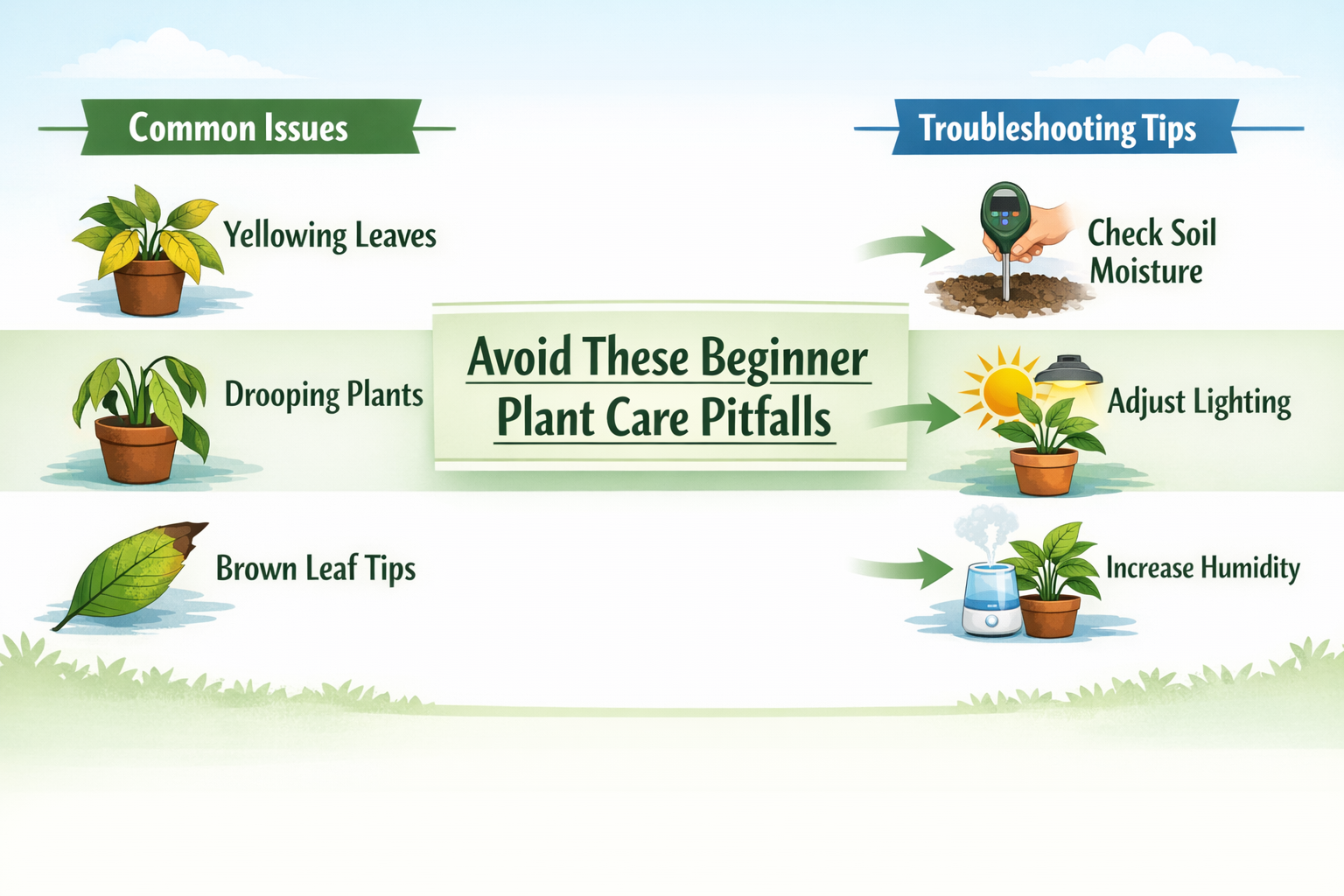
Common plant pests and diseases include spider mites, mealybugs, scale, aphids, and fungal issues like powdery mildew and root rot, all of which can be managed effectively through regular inspection, early intervention, and organic or targeted treatments. Proactive monitoring is key to a healthy beginner’s Guide to Plant Care.
Even with the best care, plants can sometimes fall victim to unwelcome guests or ailments. Early detection and swift action are crucial to prevent widespread damage.
Identifying Common Pests 🐛
Pests often cluster on the undersides of leaves, along stems, or in leaf axils (where the leaf meets the stem). Regular inspection is your best defense.
- Spider Mites: Tiny, almost invisible red or brown mites that create fine webbing, especially between leaves and stems. Symptoms include stippled, discolored leaves (yellow or brown dots).
- Mealybugs: Small, soft-bodied insects covered in white, cottony wax. They cluster in crevices, sucking sap and causing stunted growth and sticky “honeydew” residue.
- Scale: Small, immobile bumps (can be brown, black, or white) that cling to stems and leaves. They are protected by a hard shell and also produce sticky honeydew.
- Aphids: Small, pear-shaped insects (green, black, red, or brown) often found in clusters on new growth. They suck sap, causing distorted leaves and slow growth.
- Fungus Gnats: Small, black, mosquito-like flies that hover around the soil surface. Their larvae feed on organic matter and sometimes roots in overly wet soil. They are more annoying than harmful to established plants, but can damage seedlings.
Managing Pests Naturally and Effectively 🍃
An integrated pest management (IPM) approach combines several strategies.
- Isolation: Immediately isolate any infested plant to prevent pests from spreading to other plants.
- Manual Removal: For visible pests like mealybugs or scale, use a cotton swab dipped in rubbing alcohol to wipe them off. For aphids, you can blast them off with a strong stream of water.
- Neem Oil: A natural pesticide and fungicide. Mix according to package directions and spray all parts of the plant, especially undersides of leaves. Apply every 7-10 days until pests are gone.
- Insecticidal Soap: A mild soap solution that suffocates soft-bodied insects. Use store-bought or a DIY mix (1 tsp mild dish soap per liter of water, test on a small leaf first).
- Sticky Traps: Yellow sticky traps can help monitor and reduce populations of flying pests like fungus gnats.
- Prevention:
- Inspect new plants thoroughly before bringing them home.
- Maintain good air circulation.
- Avoid overwatering, which attracts fungus gnats.
Recognizing and Treating Common Diseases 🦠
Plant diseases are often caused by fungi, bacteria, or viruses, often exacerbated by environmental stress.
- Root Rot: The most common disease for beginners, caused by persistent overwatering. Symptoms include wilting, yellowing leaves, soft and mushy stems, and black, mushy roots when unpotted.
- Treatment: Unpot the plant, cut away all rotten, mushy roots, repot in fresh, dry, well-draining soil, and adjust watering habits.
- Powdery Mildew: White, powdery patches on leaves and stems. Common in humid, cool conditions with poor air circulation.
- Treatment: Remove affected leaves, improve air circulation, and spray with neem oil or a fungicidal solution.
- Leaf Spot: Various fungal or bacterial infections causing discolored spots on leaves.
- Treatment: Remove affected leaves, improve air circulation, and ensure leaves don’t stay wet for too long.
Quick Tip for New Plants: When you bring a new plant home, quarantine it for a week or two, even if it looks healthy. This prevents any hidden pests from infecting your existing collection. For those expanding their gardening endeavors to include vertical gardens, these pest management strategies are equally crucial for maintaining a healthy display, as detailed in the Vertical Gardening Guide for Small Spaces: Grow More in 2026.
How Can Beginners Troubleshoot Common Plant Problems?
Beginners can troubleshoot common plant problems by observing specific symptoms, identifying potential causes related to light, water, nutrients, or pests, and then implementing targeted adjustments to their care routine. A systematic approach to problem-solving ensures lasting plant health.
Plant problems are inevitable, even for experienced gardeners. The ability to “read” your plant’s signals is a critical skill in a beginner’s Guide to Plant Care. Many symptoms can have multiple causes, requiring careful deduction.
Troubleshooting Checklist for Plant Health 📝
When a plant shows signs of distress, systematically go through this checklist:
- Identify the Symptom: Is it yellowing leaves, drooping, brown tips, stunted growth, or something else?
- Check Watering First: This is the most common culprit.
- Symptom: Drooping, wilting, dry crispy leaves, soil pulling away from pot edges. Possible Cause: Underwatering.
- Symptom: Yellowing leaves, soft mushy stem, mold on soil, stunted growth, leaves falling off. Possible Cause: Overwatering/Root Rot.
- Assess Light Conditions:
- Symptom: Leggy growth (long stems with few leaves), small new leaves, fading variegation, leaning towards light. Possible Cause: Insufficient light.
- Symptom: Scorched spots, bleached or faded leaves, crispy edges. Possible Cause: Too much direct light.
- Examine for Pests:
- Symptom: Sticky residue, tiny webs, discolored spots, distorted new growth, visible insects. Possible Cause: Pests (spider mites, mealybugs, aphids).
- Consider Humidity and Temperature:
- Symptom: Brown, crispy leaf tips/edges, generally unhealthy appearance. Possible Cause: Low humidity.
- Symptom: Sudden leaf drop, wilting, poor growth. Possible Cause: Temperature stress (too cold/hot, drafts).
- Evaluate Soil and Potting:
- Symptom: Water runs straight through, plant dries out too quickly. Possible Cause: Soil is old and hydrophobic, or too porous.
- Symptom: Plant constantly wet, waterlogging. Possible Cause: Poor drainage, soil too dense, pot too large.
- Symptom: Roots coming out of drainage holes, plant top-heavy. Possible Cause: Root-bound, needs repotting.
- Nutrient Status (Less Common for Beginners):
- Symptom: General pale appearance, slow growth after a long time in the same pot. Possible Cause: Nutrient deficiency.
- Symptom: Crispy leaf edges, white crust on soil. Possible Cause: Fertilizer burn (too much salt buildup).
Common Problem Solving Scenarios 🤔
- Yellowing Leaves:
- Bottom leaves turning yellow: Often normal aging, or slight nutrient deficiency. If soil is wet, could be overwatering.
- Upper leaves turning yellow: Could be nutrient deficiency, not enough light, or too much light if accompanied by scorching.
- All leaves suddenly yellowing: Severe overwatering, cold shock, or major environmental change.
- Brown Leaf Tips/Edges:
- Crispy brown tips: Underwatering, low humidity, or fertilizer burn.
- Soft brown tips: Overwatering or root rot.
- Drooping Leaves:
- Soil dry: Underwatering. Plant usually perks up within hours of watering.
- Soil wet: Overwatering/root rot. Check roots immediately.
- Other causes: Temperature shock, transplant shock, pests.
- Stunted Growth/No New Growth:
- Insufficient light, lack of nutrients (time to fertilize), root-bound, or plant is dormant.
Actionable Steps: Once you’ve identified the most likely cause, implement one change at a time. For example, if you suspect overwatering, let the soil dry out thoroughly before the next watering. Do not simultaneously repot, fertilize, and move the plant, as you won’t know which change made a difference. Give the plant a week or two to respond before making another adjustment. Patience is a virtue in plant troubleshooting.
FAQ on Beginner’s Guide to Plant Care
What are the easiest plants for beginners to keep alive?
Snake Plants, ZZ Plants, and Pothos are widely considered the easiest plants for beginners due to their tolerance for varied light conditions and infrequent watering.
How often should I water my houseplants?
Watering frequency depends on the plant species, pot size, soil type, and environmental conditions, but a good rule is to check the top 1-2 inches of soil and water when it feels dry.
Do all plant pots need drainage holes?
Yes, all plant pots absolutely need drainage holes to prevent water from sitting at the bottom and causing root rot; using a nursery pot inside a decorative cachepot is an effective alternative.
What does “bright indirect light” mean?
Bright indirect light refers to a location that receives ample light throughout the day, but where the sun’s rays do not directly hit the plant’s leaves.
When should I fertilize my plants?
Fertilize plants primarily during their active growing season, typically spring and summer, using a diluted liquid fertilizer to avoid over-fertilization.
How do I know if my plant needs repotting?
Your plant likely needs repotting if roots are growing out of the drainage holes, growth has stunted, or the plant is top-heavy and frequently dries out.
What is the most common mistake new plant owners make?
The most common mistake new plant owners make is overwatering, which suffocates roots and leads to root rot.
Can I use tap water for my plants?
Most plants tolerate tap water, but if your tap water is heavily chlorinated, letting it sit out for 24 hours can help dissipate the chlorine; some sensitive plants prefer filtered water.
What are signs of low humidity for plants?
Signs of low humidity often include brown, crispy leaf tips or edges, especially on tropical plants.
How do I get rid of small flies around my plant soil?
Small flies, likely fungus gnats, can be managed by letting the soil dry out more thoroughly between waterings, using yellow sticky traps, and applying neem oil or beneficial nematodes.
Conclusion
Embarking on the journey of plant care as a beginner is a rewarding experience that enriches your living space and connects you with nature. This comprehensive beginner’s Guide to Plant Care has equipped you with the foundational knowledge and practical steps necessary to cultivate thriving plants in 2026. From selecting resilient species to mastering the nuances of light, water, and environment, every aspect of nurturing your green companions has been addressed.
Remember that successful plant care is an ongoing learning process that combines scientific principles with attentive observation. Do not be discouraged by occasional setbacks; each brown leaf or wilting stem offers a valuable lesson. Begin with forgiving plants, consistently monitor their needs, and make adjustments one at a time. With patience, a bit of research, and the actionable strategies provided in this guide, you will soon transform your home into a verdant oasis filled with healthy, happy plants. Embrace the journey, and enjoy the beauty and tranquility your newfound green thumb brings.
Key Takeaways
- Choose plants suited to your home’s light and humidity to avoid common stressors.
- Prioritize proper watering by checking soil moisture rather than adhering to a strict schedule.
- Ensure all pots have drainage holes to prevent root rot, the most frequent cause of plant death.
- Learn to identify and respond to common pests and diseases with prompt, appropriate treatments.
- Repot plants when they become root-bound, typically every 1-3 years, using fresh, well-draining soil.
- Fertilize only during the growing season and always dilute liquid fertilizers to prevent root burn.
- Observe your plants regularly for signs of distress and troubleshoot systematically, making one change at a time.
- Embrace the learning process; every plant offers unique insights into its care requirements.
- Consider starting with beginner-friendly varieties like Snake Plants, ZZ Plants, or Pothos to build confidence.
- Enhance humidity for tropical plants using pebble trays, grouping, or a humidifier, especially in dry environments.
Sources
- The Spruce. (2023). Houseplant Care for Beginners. https://www.thespruce.com/houseplant-care-for-beginners-5186981
- Gardeners’ World Magazine. (2022). How to care for houseplants. https://www.gardenersworld.com/how-to/grow-plants/how-to-care-for-houseplants/
- University of California Agriculture and Natural Resources. (2021). Growing Healthy Houseplants. https://anrcatalog.ucanr.edu/pdf/8423.pdf