How Often Should You Water Container Plants?
Quick Answer: Determining how often to water container plants fundamentally depends on factors like plant type, container size and material, soil composition, and environmental conditions. Generally, most container plants benefit from watering when the top 1-2 inches of soil feel dry to the touch, often translating to once daily or every other day during warmer months, and less frequently in cooler periods.
Key Takeaways
- Feel the soil: The most reliable method is to check the top 1-2 inches of soil; water if it feels dry.
- Drainage is crucial: Ensure containers have drainage holes to prevent waterlogging and root rot.
- Environmental factors matter: Hot, windy weather or intense sun increases water needs, while cool, humid conditions decrease them.
- Plant type dictates frequency: Drought-tolerant plants (succulents) need less water than thirsty plants (vegetables, ferns).
- Container specifics: Smaller pots and porous materials (terracotta) dry out faster than larger pots and plastic/glazed containers.
- Water deeply: Water until it drains from the bottom, ensuring the entire root ball is saturated.
- Avoid overwatering: Consistently wet soil suffocates roots and can lead to fungal diseases.
- Morning is best: Watering in the morning allows plants to absorb water before the heat of the day, reducing evaporation.
How Do I Know When to Water Container Plants?
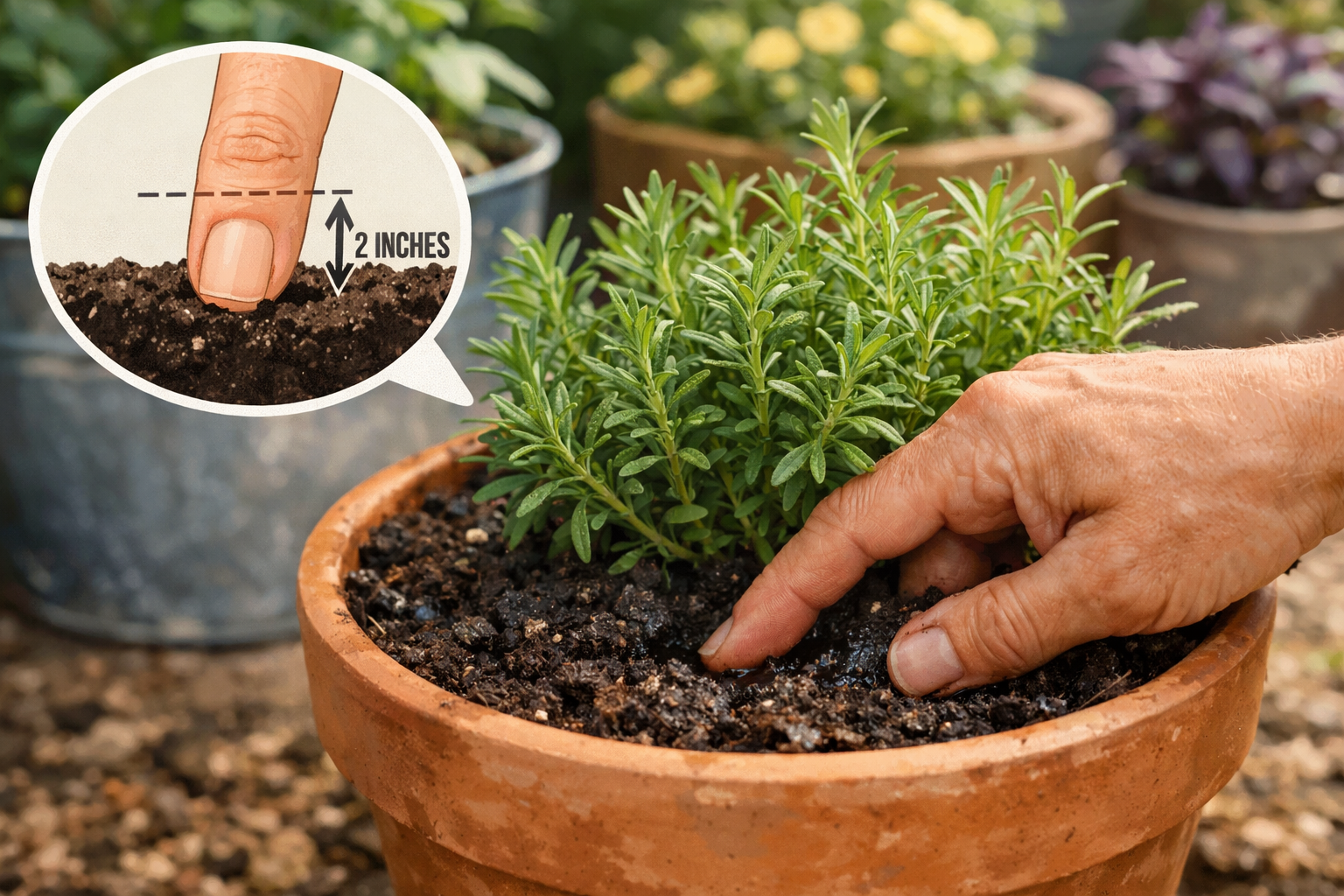
The best way to know when to water container plants is to directly assess the soil moisture rather than adhering to a strict schedule. While general guidelines exist, the “finger test” is the most practical and reliable method for determining when your plants are thirsty.
To perform the finger test, insert your index finger about 1-2 inches deep into the soil. If the soil feels dry at that depth, it’s time to water. If it still feels moist, hold off for another day or two and recheck. This technique accounts for variations in plant needs and environmental conditions better than any fixed schedule. For larger containers, you might need to go a bit deeper, perhaps 3-4 inches, especially for plants with extensive root systems. You can also use a moisture meter for a more precise reading, which can be particularly helpful for beginners or for plants with very specific needs.
Beyond the Finger Test: Other Indicators
- Weight of the pot: Lift smaller pots when dry, then again after watering. You’ll notice a significant difference in weight. A light pot usually indicates dry soil.
- Wilting foliage: This is a clear sign of severe underwatering, but it’s best to water before plants reach this stress point. Some plants, like basil, will dramatically wilt but perk up quickly after watering.
- Leaf color and texture: Dry, crispy leaves can indicate underwatering, while yellowing, mushy leaves often point to overwatering.
- Moisture meter: A simple, affordable tool that provides a numerical reading of soil moisture, taking the guesswork out of watering.
- Observation: Pay attention to how quickly your plants’ soil dries out after a deep watering under various weather conditions. This will help you establish a more intuitive watering rhythm.
What Factors Influence How Often You Should Water Container Plants?
The frequency for how often you should water container plants is a dynamic calculation influenced by plant type, container characteristics, soil mix, and the surrounding environment. No single rule applies to all container gardens, making it crucial to understand these variables to avoid over or under-watering.
Understanding these influences allows you to adapt your watering strategy as conditions change throughout the year. For instance, a container plant that needs water every three days in spring might require daily watering during a summer heatwave or if exposed to constant wind.
Key Influencing Factors
Plant Type:
- Thirsty plants: Many annuals, vegetables (e.g., tomatoes, peppers), and leafy greens (like spinach) require consistent moisture. They might need daily watering, especially during fruiting or hot weather. Growing Spinach in Containers: 2026 Expert Guide provides specific care tips for this common container crop.
- Drought-tolerant plants: Succulents, cacti, and some herbs (e.g., rosemary, lavender) prefer drier conditions and can tolerate longer periods between waterings. Overwatering is a common killer for these types.
- Established plants vs. seedlings: Newly planted seedlings or recently transplanted plants need more frequent, gentle watering to establish their root systems.
Container Size and Material:
- Size: Smaller pots hold less soil volume, meaning they dry out much faster than larger containers. A 6-inch pot might need daily watering, while a 20-inch pot might go for several days.
- Material:
- Terracotta/Clay: Porous materials allow water to evaporate through their walls, leading to faster drying. This can be beneficial for plants prone to root rot but requires more frequent watering.
- Plastic/Glazed Ceramic/Metal: These materials are non-porous, retaining moisture longer. They are excellent choices for moisture-loving plants but can contribute to overwatering if not managed carefully.
- Fabric grow bags: These offer excellent aeration, preventing root rot, but also allow for faster evaporation, similar to terracotta.
Soil Mix:
- Good drainage is paramount: A high-quality potting mix for containers should be well-draining yet retain adequate moisture. Using garden soil directly in pots is generally not recommended as it compacts easily and can lead to poor drainage. Soil Basics for Container Gardening: 2026 Expert Guide offers more details on selecting the right mix.
- Organic matter: Potting mixes rich in compost or coir can hold more water, reducing watering frequency.
- Perlite/Vermiculite: These amendments improve drainage and aeration, preventing soggy soil.
Environmental Conditions:
- Temperature: Higher temperatures accelerate evaporation from the soil surface and increase transpiration (water loss) from plant leaves, demanding more frequent watering.
- Sunlight exposure: Plants in full sun will dry out significantly faster than those in partial shade or indoors. Shade Plants for Balcony: Top Picks & Care Guide 2026 covers options for less sunny spots.
- Humidity: Low humidity causes faster evaporation, while high humidity slows it down.
- Wind: Windy conditions can dramatically increase evaporation from both soil and foliage, requiring more frequent checks and watering. Wind-Resistant Balcony Plants: Ultimate 2026 Guide & Tips might be helpful if your containers are exposed to strong breezes.
How to Water Container Plants Correctly?
Watering container plants correctly involves more than just pouring water onto the soil; it means saturating the root zone thoroughly without creating soggy conditions. Proper technique ensures that water reaches deep into the pot, encouraging strong root growth and preventing common issues like root rot or nutrient runoff.
The goal is to water deeply and less frequently, rather than shallowly and often. This encourages plant roots to grow downwards, seeking moisture, making the plant more resilient.
Step-by-Step Watering Technique
- Check Moisture First: Always begin by performing the “finger test” or using a moisture meter to confirm the soil is dry enough for watering.
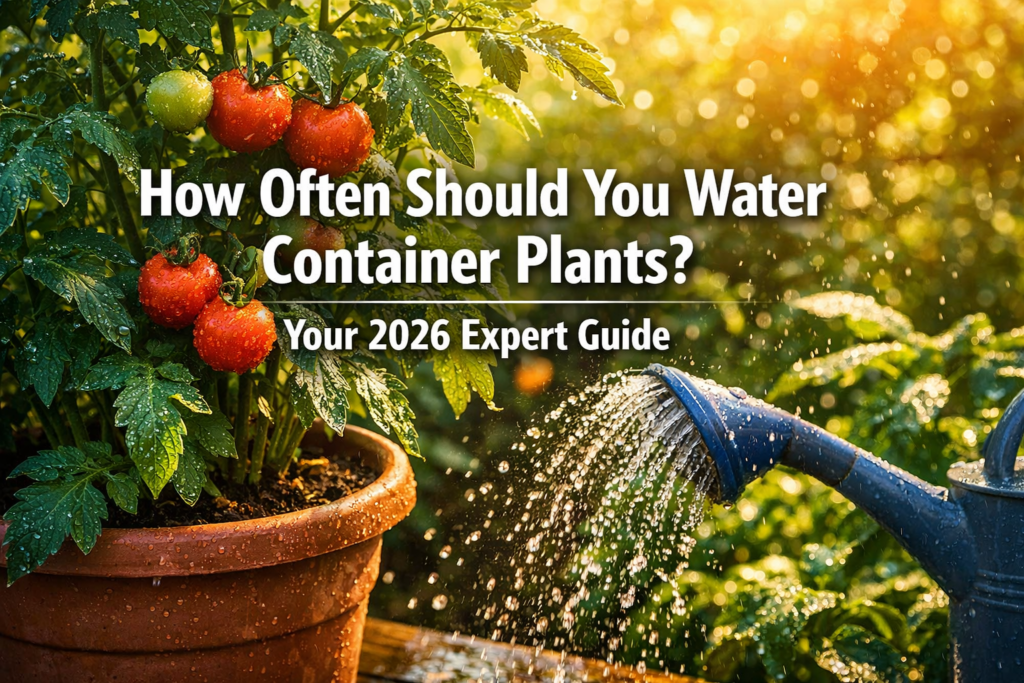
- Water Slowly and Evenly: Pour water slowly onto the soil surface, distributing it evenly around the base of the plant. Avoid splashing water directly onto the foliage, especially in direct sunlight, as this can lead to leaf burn or fungal issues.
- Water Until Drainage: Continue watering until you see water draining from the bottom holes of the container. This indicates that the entire root ball has been saturated.
- Empty Saucers (if applicable): If your container sits in a saucer, empty any excess water after about 15-30 minutes. Allowing pots to sit in standing water can lead to root rot.
- Consider Bottom Watering: For plants that are difficult to water from the top (e.g., dense foliage, hydrophobic soil), consider bottom watering. Place the pot in a tray of water for 30 minutes to an hour, allowing the soil to soak up water from the drainage holes. Remove when the topsoil feels moist.
- Timing is Key: Water early in the morning, if possible. This allows plants to absorb moisture before the heat of the day causes rapid evaporation, and gives foliage time to dry before nightfall, reducing the risk of fungal diseases.
- Adjust for Weather: On hot, sunny, or windy days, plants may need more frequent watering, possibly even twice daily. During cooler, cloudy, or humid periods, watering frequency will decrease.
Common Watering Mistakes to Avoid
- Shallow Watering: Only wetting the top inch or two of soil encourages shallow root growth, making plants more susceptible to drought stress. Always water deeply.
- Overwatering: Constantly soggy soil is a primary cause of root rot, where roots suffocate and decay. Look for yellowing leaves, stunted growth, or a foul odor from the soil as signs of overwatering.
- Underwatering: Allowing the soil to become bone dry for extended periods stresses plants, leading to wilting, crispy leaves, and poor growth.
- Ignoring Drainage: Containers without drainage holes are death traps for most plants. Ensure all your pots have adequate drainage.
- Inconsistent Watering: Erratic watering can stress plants, leading to issues like blossom end rot in tomatoes or leaf drop in other plants.
How to Tailor Watering Schedules for Different Container Plants?
Tailoring watering schedules for different container plants involves understanding their specific moisture preferences and adapting your general watering practices accordingly. While the “finger test” remains the universal guide, specific plant types, like succulents versus vegetables, will interpret “dry” differently and have varying tolerance levels for moisture fluctuations.
By grouping plants with similar water needs, you can manage your container garden more efficiently and ensure each plant thrives. This nuanced approach prevents the common pitfall of treating all plants the same, which often leads to either over or under-watering.
Watering by Plant Type
- Vegetables and Herbs (e.g., Tomatoes, Peppers, Basil, Mint):
- Need: High, consistent moisture. They are heavy feeders and require ample water, especially when fruiting.
- Frequency: Often daily, sometimes twice daily during peak summer heat or if in small pots. Check soil daily; water when the top 1-2 inches are dry. For specific guidance, see How Often to Water Container Vegetables in Summer 2026.
- Mistake: Allowing them to completely dry out can lead to stunted growth, blossom end rot (tomatoes), or bolting (herbs like basil).
- Flowering Annuals (e.g., Petunias, Impatiens, Geraniums):
- Need: Consistent moisture for continuous blooming.
- Frequency: Often daily, especially in hanging baskets or small containers exposed to full sun. Check soil daily; water when the top 1 inch is dry.
- Mistake: Drying out can cause blooms to drop and foliage to crisp.
- Drought-Tolerant Plants (e.g., Succulents, Cacti, Lavender, Rosemary):
- Need: Infrequent watering, preferring drier conditions. Excellent drainage is critical.
- Frequency: Every 1-3 weeks, depending on heat and light. Allow the soil to dry out almost completely between waterings.
- Mistake: Overwatering is the most common cause of death, leading to rot.
- Tropical Plants and Ferns (e.g., Elephant Ears, Boston Ferns):
- Need: Consistent moisture, often preferring humid environments.
- Frequency: Every 2-4 days. Keep soil consistently moist, but not soggy. Check when the top 1 inch is starting to dry.
- Mistake: Allowing them to dry out completely can cause leaf browning and stress.
- Small Trees and Shrubs in Containers:
- Need: Moderate to consistent moisture, especially during establishment.
- Frequency: Every few days to once a week, depending on pot size and weather. Large containers retain moisture longer.
- Mistake: Insufficient water can lead to stunted growth and leaf scorch, particularly in hot, sunny locations.
Watering Considerations by Container Type
| Container Type | Water Retention | Drying Speed | Watering Frequency (General) | Notes |
|---|---|---|---|---|
| Terracotta/Clay | Low | Fast | High (Daily/Every other day) | Porous material allows water to evaporate from sides; good for plants prone to rot. |
| Plastic/Glazed | High | Slow | Moderate (Every 2-4 days) | Non-porous, retains moisture well; risk of overwatering if drainage is poor. |
| Fabric Grow Bags | Moderate | Fast | High (Daily/Every other day) | Excellent aeration, prevents root circling; dries faster due to air exposure. |
| Self-Watering Pots | High | Very Slow | Low (Every 1-2 weeks) | Reservoir provides continuous moisture; check reservoir levels rather than soil surface. |
Conclusion
Mastering the art of how often to water container plants is a cornerstone of successful container gardening. It moves beyond a rigid schedule to embrace an intuitive understanding of your plants’ unique needs and their environment. By consistently employing the “finger test,” observing your plants closely, and adapting to changes in weather and growth cycles, you can provide the optimal hydration for a thriving container garden. Remember, prevention is key: proper soil, adequate drainage, and thoughtful plant selection will simplify your watering routine and lead to healthier, more productive plants in 2026 and beyond.
Actionable Next Steps:
- Implement the Finger Test: Make it a habit to check the soil moisture 1-2 inches deep daily or every other day, especially for new plants or during hot weather.
- Assess Your Containers: Evaluate your existing pots for proper drainage and consider if container material (e.g., terracotta vs. plastic) matches your plants’ moisture needs.
- Group Plants Wisely: Arrange container plants with similar watering requirements together to streamline your care routine.
- Monitor Environmental Factors: Pay attention to daily temperatures, sunlight, and wind, and be prepared to adjust your watering frequency accordingly.
- Invest in Tools (Optional): A simple moisture meter can provide valuable insights, particularly for beginners.
FAQ
How much water should I give my container plant?
Water thoroughly until water drains from the bottom of the pot. This ensures the entire root ball is saturated, which is more important than a specific volume.
Can I overwater container plants?
Yes, overwatering is a common problem that leads to root rot, suffocating the roots and causing the plant to decline. Always allow the top 1-2 inches of soil to dry out before watering again.
What are the signs of an underwatered container plant?
Signs include wilting leaves, stunted growth, dry and brittle foliage, or the soil pulling away from the sides of the pot.
What are the signs of an overwatered container plant?
Symptoms often include yellowing leaves (especially lower ones), stunted growth, soggy soil, or a foul odor from the potting mix.
Should I water my container plants every day?
Not necessarily. While some plants in small containers or during hot, sunny weather may need daily watering, many prefer to dry out slightly between waterings. Always check the soil moisture first.
Does the type of container affect watering frequency?
Absolutely. Porous containers like terracotta dry out faster than non-porous ones like plastic or glazed ceramic, requiring more frequent watering.
Is it better to water in the morning or evening?
Morning is generally best, as it allows plants to absorb water before the heat of the day and foliage to dry before nightfall, reducing the risk of fungal diseases.
What if my container doesn’t have drainage holes?
Add drainage holes immediately if possible. If not, consider transplanting the plant into a container with drainage. Without drainage, root rot is almost inevitable.
Can a moisture meter help me?
Yes, a moisture meter can provide an objective reading of soil moisture, helping you gauge when to water more accurately, especially for beginners.
Why is my soil drying out so quickly?
Factors like small container size, porous container material (e.g., terracotta), hot weather, strong winds, or high sunlight exposure can all contribute to rapid soil drying.
References
- No specific external sources were used in the creation of this article. General horticultural knowledge regarding container plant care was applied.
Related Reading
- How Often Should You Water Plants? Ultimate Guide 2026
- Beginner’s Guide to Plant Care 2026: Grow Thriving Plants
- Watering Vegetables Correctly: Your 2026 Expert Guide
- Balcony Garden Maintenance Tips 2026: Ultimate Guide
- Pot Size Guide for Vegetables 2026: Optimal Growth & Harves
- Beginner Mistakes in Small Space Gardening 2026
- Ultimate Guide to Small Space Gardening for Beginners 2026